Quick Answer: Keep water, shelf-stable food, prescription medicines, first-aid supplies, flashlights, a radio, batteries, phone power, hygiene products, clothing, cash, document copies, local maps, and necessary items for children, disabilities, or pets. Maintain a larger shelter-at-home supply and a lighter evacuation bag each person can carry, tailoring both to local hazards and household needs.
Why This Happens: Disasters can interrupt water, electricity, communications, transportation, medical access, and retail supplies at the same time. Separating home and evacuation supplies prevents a household from depending on an oversized container when it must leave or an undersized backpack when it must remain home.
How To Fix It:
- List every household member’s daily needs, including medicines, medical devices, infant supplies, mobility support, and pet care.
- Build the kit first with water, practical food, first aid, lighting, communication, sanitation, documents, and weather protection.
- Divide supplies between an accessible home container and carryable evacuation bags, then weigh and test each bag.
- Set recurring review dates to rotate consumables, charge power banks, test equipment, and update documents and contacts.
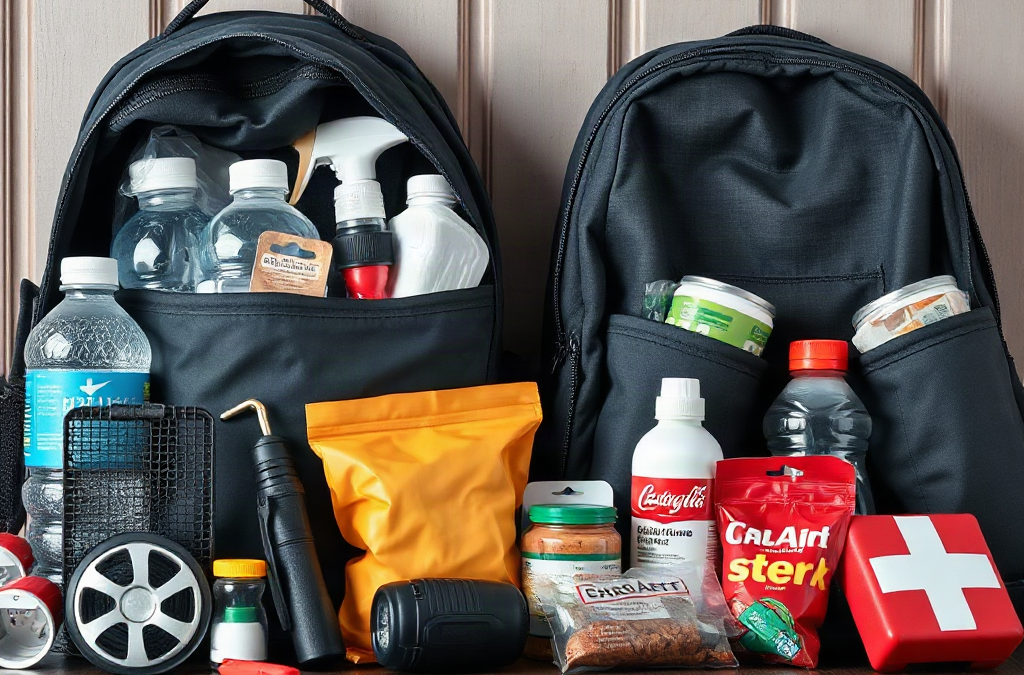
A useful disaster preparedness kit supports two different situations: sheltering at home and leaving quickly. Keep a larger home kit in a dry, accessible container, then place a smaller evacuation kit in a backpack or other bag each person can carry. Build both around your household’s actual needs, local hazards, climate, likely evacuation routes, and the possibility that electricity, water, stores, mobile service, or transportation may be disrupted.
Start With Water and Practical Food
Water is the first supply to plan. Store commercially bottled water or water in food-grade containers, following the container maker’s storage and replacement directions. Include enough for drinking, basic food preparation, and essential hygiene. The right quantity depends on household size, climate, medical needs, pets, and guidance from local emergency officials. A home supply can be larger, while an evacuation bag must remain light enough to carry.
Keep water in a cool area away from fuels, cleaners, pesticides, and direct sunlight. Inspect containers for leakage, damage, or contamination during routine kit checks. If flooding is possible, elevate the supply. A portable water filter or treatment product may be a useful backup, but it does not make every contaminated source safe. Chemical spills and some toxins require specific public-health instructions, so follow local advisories rather than assuming boiling or filtering will solve every problem.
Choose shelf-stable food that family members already eat and that requires little water, fuel, or preparation. Examples include canned beans, fish or meat, nut or seed butter, ready-to-eat meals, dried fruit, crackers, shelf-stable milk, and food suitable for infants or special diets. Add a manual can opener and basic utensils. Avoid filling the kit with foods that cause excessive thirst or cannot be prepared during an outage. Rotate supplies before their labeled dates, and follow package directions for storage, allergens, and use after opening.
Add Medical, Hygiene, and Personal-Care Supplies
A basic first-aid section should contain adhesive bandages in several sizes, sterile gauze, medical tape, disposable gloves, antiseptic wipes, a thermometer, tweezers, scissors, and any familiar over-the-counter products your household can use safely. A first-aid reference is helpful when stress or poor connectivity makes online instructions unavailable. Supplies do not replace professional care; severe bleeding, breathing difficulty, poisoning, major burns, or other emergencies require emergency services when they are available.
Plan separately for prescription medicines, medical devices, glasses, hearing aids, mobility equipment, and refrigerated treatments. Refill rules and emergency dispensing options differ by medication, insurer, pharmacy, and jurisdiction. Ask a pharmacist or clinician what reserve is lawful and safe, how to protect temperature-sensitive products, and whether copies of prescriptions or a medication list are appropriate. Keep medicines in their original labeled containers unless a qualified professional directs otherwise. Include charging cables, spare batteries of the correct type, and a backup-power plan for essential devices, but never operate fuel-burning equipment indoors.
Thank you for reading this post, don't forget to subscribe NOW for FREE!

Pack soap, hand sanitizer, toothbrushes, toothpaste, menstrual products, toilet paper, moist wipes, diapers, incontinence supplies, trash bags, and ties. Include masks that fit household members if smoke, ash, dust, or illness is a concern. Respirators and other protective equipment have limitations and must match the hazard; occupational certification rules and public guidance vary, so do not treat one mask as protection against every gas, vapor, particle, or chemical.
Include Light, Communication, Tools, and Power
Every kit needs dependable lighting. Pack flashlights or headlamps with spare batteries stored to prevent accidental activation and terminal contact. Battery-powered candles are safer than open flames where gas leaks, unstable surfaces, children, or pets may be present. A battery-powered or hand-crank radio can carry official alerts when internet and mobile networks fail. If local warning systems require registration, complete that process before an emergency.
Add charged power banks, compatible charging cords, and a car charger if your household has a vehicle. Check stored batteries and recharge power banks on a schedule. Solar chargers can supplement power, but their performance depends on conditions and should not be the only plan for essential medical equipment. Keep emergency contact details, meeting places, and evacuation routes on paper because a dead, damaged, or locked phone may be unusable.
Useful tools include a whistle, work gloves, duct tape, plastic sheeting, a multipurpose tool, waterproof matches where appropriate, a wrench or pliers, and a small fire extinguisher suitable for likely household fires. Tools should only be used by someone who understands them. Utility shutoff procedures differ by building and provider; obtain local instructions in advance, and do not shut off or restore gas merely because a generic checklist suggests it. A broader preparedness timeline can help connect these supplies with decisions made before, during, and after an event.
Protect Documents, Clothing, and Household-Specific Items
Place copies of identification, insurance information, medical details, emergency contacts, property records, and key account information in a waterproof pouch. Keep limited emergency cash in small denominations because electronic payments may be unavailable. Protect sensitive information against theft: carry only what is useful, secure the home copy, and consider encrypted digital backups. Original-document requirements, replacement procedures, and privacy rules vary by issuing authority and jurisdiction, so copies may support a claim or request without serving as legal substitutes for originals.
Pack sturdy shoes, socks, underwear, weather-appropriate layers, rain protection, blankets or compact sleeping bags, and a change of clothes. Add sun protection, insect repellent, and hand warmers when local conditions make them relevant. Clothing for a hot coastal evacuation differs from supplies for winter travel, so use local hazard guidance rather than copying a universal packing list.
Children may need formula, bottles, comfort items, quiet activities, identification information, and properly sized clothing. Older adults and people with disabilities may need transfer aids, communication cards, extra mobility supplies, or caregiver instructions. Pets need water, food, medications, a leash or carrier, waste supplies, identification, and vaccination or ownership records. Confirm which shelters accept animals and what records they request; service-animal access and shelter rules are governed by the applicable jurisdiction and facility, not by a general kit list.
Include spare keys and a local map with two possible routes marked. Write down an out-of-area contact who can relay messages if local lines are congested. Supplies work best when responsibilities are assigned, and a shared household plan can clarify who carries medication, assists children, collects pets, and takes the document pouch.
Separate Home Supplies From Evacuation Bags
A home kit can contain bulk water, additional food, sanitation supplies, blankets, larger batteries, basic cooking equipment approved for safe use, and items needed during an extended outage. Keep it where household members can reach it without entering a flooded basement, damaged garage, or locked room. If space allows, divide supplies among more than one safe location so a single blocked area does not eliminate the entire stock.
An evacuation bag should prioritize immediate needs rather than miniature versions of everything at home. Include water, compact food, essential medicine, first aid, a flashlight, radio, phone power, documents, cash, weather protection, hygiene items, a whistle, and household-specific supplies. Weigh and carry the finished bag. If it is too heavy for its assigned person, reduce nonessential items or redistribute shared gear. Keep footwear, outerwear, keys, and mobility aids beside the bag when safe to do so.
A vehicle kit may add reflective gear, a blanket, water, food, a phone charger, gloves, and seasonally appropriate supplies. Avoid storing products in a vehicle when their labels prohibit extreme heat or cold. Medicines, batteries, aerosols, food, and water can deteriorate in temperature extremes. Vehicle supplies complement rather than replace a carryable bag because the vehicle may be inaccessible or unusable.
Store, Inspect, and Practice With the Kit
Label containers by purpose and place frequently needed items near the top. Use smaller waterproof bags to separate first aid, documents, sanitation items, and electronics. Record contents, quantities, expiration or review dates, and storage locations. A shared inventory reduces overlooked gaps and unnecessary buying; these shopping and inventory methods can help households coordinate purchases.
Review the kit at least on a regular household schedule and whenever needs change. Replace expired food, leaking water, depleted batteries, outgrown clothing, and obsolete documents. Update prescriptions, contact details, pet records, and seasonal gear. Test flashlights, radios, chargers, and alarms according to manufacturer instructions. Inspect the container itself for moisture, pests, broken handles, or excessive weight.
Finally, practice retrieving the home kit and leaving with evacuation bags. Confirm that everyone knows the meeting place, communication method, and assigned tasks. A disaster preparedness kit is not a single universal box; it is a maintained set of supplies matched to the people using it. Start with water, food, medicine, first aid, light, communication, documents, clothing, sanitation, and special-needs items, then adjust the contents as risks and household needs change.
Popular Questions
Where should emergency supplies be stored?
Store the home kit in a dry, accessible place away from chemicals, pests, flooding, and extreme temperatures. Household members should be able to reach it without entering a hazardous basement, garage, or locked room. Keep evacuation bags near a safe exit, and consider dividing supplies between locations so one blocked area does not eliminate everything.
How often should kit contents be checked?
Use a recurring household schedule and inspect the kit whenever medications, family members, pets, addresses, seasons, or medical needs change. Rotate food and water according to their storage guidance, replace damaged items, charge power banks, test radios and lights, update document copies, and make sure clothing still fits.
Can a vehicle kit replace an evacuation bag?
No. A vehicle may be inaccessible, damaged, low on fuel, or unsafe to use during an evacuation. Keep a carryable bag for essential medicine, water, food, documents, communication, light, and weather protection. A vehicle kit can add seasonal supplies, blankets, reflective gear, gloves, and charging equipment where storage temperatures permit.
What should be added for pets?
Pack pet water, familiar food, medicines, bowls, waste supplies, a leash or secure carrier, identification, and copies of relevant veterinary records. Add a recent photo that may help with identification. Check local shelter policies and alternatives in advance because animal admission, documentation, and service-animal rules depend on the facility and applicable jurisdiction.