Disasters can strike at any moment, often leaving a trail of chaos and uncertainty in their wake. Whether it’s a natural disaster like a hurricane or an unforeseen emergency such as a fire, being prepared can make all the difference. This is why understanding the importance of disaster preparedness is crucial. It’s not merely about having an emergency plan; it’s about cultivating resilience within individuals and communities alike. By focusing on three core pillars—Prepare, React, and Recover—we lay the groundwork for effective disaster readiness.
*Prepare: Building Your Emergency Plan and Kit**
The first step towards effective disaster readiness begins with preparation. Creating an emergency plan tailored to your family’s specific needs is paramount. This includes establishing communication protocols, identifying safe meeting places, and ensuring everyone understands their roles during an emergency. Don’t forget to consider pets! They are part of the family too.
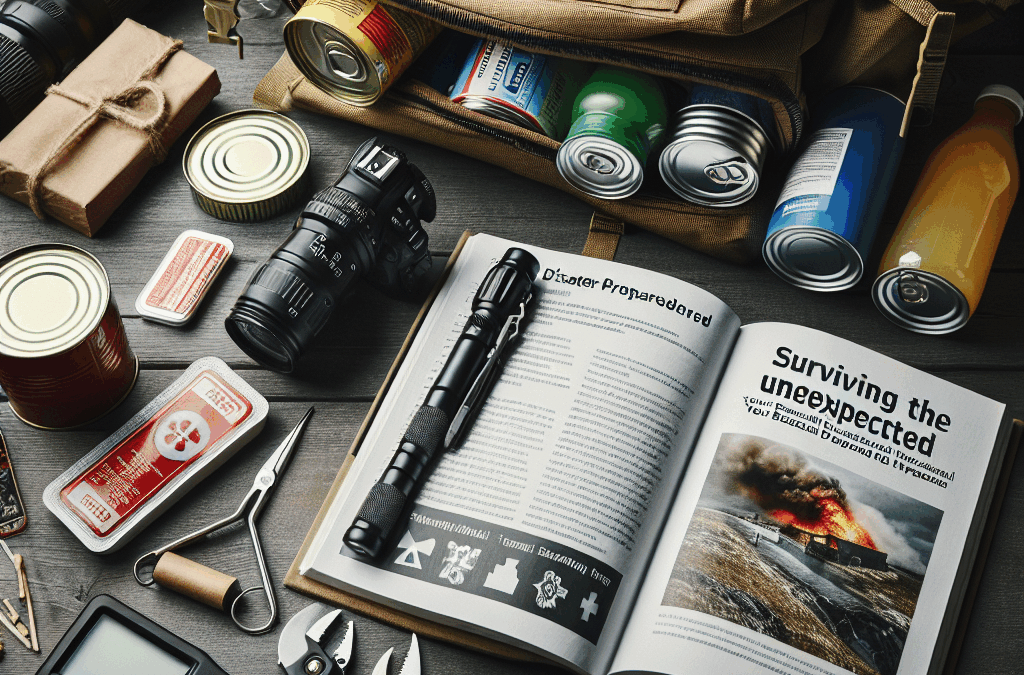
Equally important is assembling an emergency kit that contains essential supplies—think non-perishable food items, water (at least one gallon per person per day for three days), a flashlight, first aid supplies, medications, and important documents stored in waterproof containers. Tailor your kit based on unique needs; perhaps you need baby formula or specialized medical equipment. Regularly check and update these supplies to ensure everything remains usable.
*React: How to Respond During a Crisis**
When disaster strikes, having a well-thought-out plan allows you to react swiftly and effectively. Stay calm; panic breeds confusion and hasty decisions often lead to danger. Follow your established communication protocols – reach out to family members to confirm safety or coordinate evacuations if necessary.
Pay attention to local alerts through weather services or community notifications for real-time updates on evacuation orders or shelter locations. If you have time before evacuating, grab your emergency kit along with vital personal belongings—documents that prove identity or ownership should be prioritized.
*Recover: Steps to Rebuild and Heal After a Disaster**
Once the immediate danger has passed, focus shifts towards recovery—a process that requires patience but is equally essential in restoring normalcy in life after turmoil strikes. Begin by assessing the damage; this will help prioritize what needs immediate attention versus long-term rebuilding efforts.
Seek assistance from local agencies or relief organizations that offer resources for recovery support including financial aid or counseling services for emotional distress caused by trauma experienced during disasters. Remember that healing isn’t just physical; it involves mental recovery too!
*Community Support: The Role of Collaboration in Readiness**
One cannot underestimate the power of community solidarity when facing disasters together. Collaboration fosters resilience among neighbors who might otherwise feel isolated during emergencies. Participate in local preparedness initiatives—community drills can bolster confidence while enabling everyone involved to share knowledge about resources available nearby.
Moreover, forming neighborhood groups dedicated specifically toward planning responses can create robust networks where information flows freely before crises unfold; this ensures collective strength amidst chaos when it matters most!
*Practicing Your Plan: Drills and Training for All Scenarios**
In closing, practicing your disaster response plan through drills helps solidify knowledge gained during preparation stages into muscle memory—a crucial element when minutes count! Involve every member of your household in training sessions covering various scenarios from fires to natural disasters so they know how best to react instinctively under pressure.
To wrap up, embracing these three pillars—Prepare, React, Recover—coupled with community collaboration prepares us not just as individuals but also as united forces against adversity ahead! Take proactive steps today because tomorrow may bring unexpected challenges—it pays dividends later down the road!
Disasters can strike at any moment, often without warning. Whether it’s a natural calamity like a hurricane or an unforeseen event such as a chemical spill, being prepared is crucial for safeguarding yourself and your loved ones. This guide will arm you with the knowledge needed to face potential disasters head-on. Let’s dive into the essential components of disaster preparedness.
*Understanding the Risks: Assessing Potential Disasters in Your Area**
The first step in readiness lies in understanding what hazards loom over your locale. Each region has its unique set of risks—earthquakes may shake California, while Florida faces frequent hurricanes. Take time to research common disasters that could affect your area by consulting resources such as local government websites or community emergency management offices. Consider factors like historical data, geographical features, and climate patterns.
Once you grasp the risks involved, evaluate your home and surroundings for vulnerabilities. Are there large trees nearby that could fall during a storm? Is your building equipped to withstand seismic activity? By conducting this risk assessment, you lay the groundwork for effective planning.
*Building Your Emergency Plan: Creating a Comprehensive Response Strategy**
With an understanding of potential threats established, it’s time to craft an emergency plan tailored specifically for your household. This plan should encompass various scenarios—evacuation routes for hurricanes or safe spots within your home during earthquakes.
Involve every family member in this process; assign roles based on age and capability (kids can help gather supplies or check emergency contacts). Designate meeting points both near and far from home where everyone can regroup if separated. Remember to include pets in your strategy; they are part of the family!
Moreover, ensure everyone knows how to contact each other during a crisis—consider using text messages when possible since phone lines may jam under stress. Have copies of important documents stored safely online or in waterproof containers so they’re accessible when needed.
*Assembling Your Survival Kit: Essential Supplies for Every Scenario**
A well-stocked survival kit is an absolute necessity for disaster preparedness. Start with the basics: food and water sufficient for at least three days per person—think non-perishable items like canned goods and energy bars alongside bottled water.
Next up are medical supplies; include first-aid kits stocked with bandages, antiseptics, pain relievers, and any required prescription medications. Don’t overlook tools—flashlights with extra batteries are invaluable during power outages—and consider packing multi-tools that can serve multiple purposes.
Lastly, personalize your kit according to specific needs; if you have infants or elderly family members, tailor supplies accordingly (think baby formula or hearing aids). Regularly check expiration dates and refresh stock as necessary to keep everything current.
*Staying Informed: The Importance of Ongoing Preparedness Education**
Preparedness doesn’t stop once plans and kits are established; it requires continuous learning! Stay informed about new safety protocols through community workshops or online courses focused on disaster response techniques such as CPR training.
Engage with local organizations dedicated to emergency preparedness—they often share valuable insights about upcoming drills or changes in local policies regarding disasters. Follow reliable news sources that provide updates on weather alerts and potential threats so you remain vigilant against emerging risks.
Ultimately, being proactive rather than reactive will equip you not only with peace of mind but also the ability to respond effectively when faced with adversity. By assessing risks appropriately, creating comprehensive plans, assembling versatile survival kits, and committing to ongoing education—you’ll transform uncertainty into confidence when disaster strikes!
Disasters can strike when least expected, leaving chaos in their wake. Whether it’s a natural calamity like an earthquake or hurricane, or man-made emergencies such as chemical spills, understanding the risks you face is the first step toward preparedness.
*Understanding the Risks: Identifying Potential Disasters in Your Area**
Every region has its own set of vulnerabilities. Begin by assessing your surroundings—are you located in a flood zone? Is your area prone to wildfires or tornadoes? Local government websites often provide hazard assessments that detail risks specific to your community. Familiarize yourself with historical data on disasters that have affected your area. Engaging with neighbors and local emergency management agencies can also yield valuable insights into what to expect and how best to prepare.
*Building Your Emergency Kit: Essentials for Every Household**
Once you’ve identified potential threats, it’s time to assemble your emergency kit. This should be a well-stocked collection of essentials designed to sustain you and your family for at least 72 hours during a crisis. Start with non-perishable food items—think canned goods, energy bars, and dried fruit. Don’t forget about water; aim for one gallon per person per day.
Other critical components include:
**First Aid Supplies:** Bandages, antiseptics, pain relievers.
**Flashlight and Batteries:** Power outages are common during disasters.
**Multi-tool:** A versatile tool can assist in numerous ways.
**Personal Documents:** Keep copies of important identification and insurance information.
**Clothing & Blankets:** Extra layers can keep you warm if temperatures drop unexpectedly.
Consider special needs as well—infants might require formula and diapers, while pets need food and medications too! Regularly check and refresh your kit every six months; it’s easy for items to expire or become outdated.
*Creating a Family Emergency Plan: Communication and Evacuation Strategies**
An emergency plan is essential for ensuring everyone knows what steps to take when disaster strikes. Gather your family members together and discuss potential scenarios—establish clear roles so each person understands their responsibilities. Designate a meeting point outside of your home where everyone can regroup if evacuation becomes necessary.
Communication is key; ensure each family member has access to important phone numbers written down or saved in mobile devices. With many people using smartphones today, consider apps that allow for group messaging even under limited connectivity circumstances.
Practice drills! Simulating emergencies helps familiarize everyone with the plan, making reactions instinctual rather than panicked when real situations arise.
*Staying Informed: Resources and Tools for Real-Time Updates**
In our fast-paced world, information is power—especially during crises. Equip yourself with reliable sources of real-time updates about impending disasters or emergencies affecting your area. Smartphone apps like FEMA or NOAA Weather provide timely alerts tailored to your location.
Local news stations often broadcast vital information through various media channels; tune into radio broadcasts if electricity fails or internet access is compromised. Consider investing in an NOAA weather radio—it could be the difference between safety and danger when seconds count.
Ultimately, being prepared fosters resilience within families and communities alike. By understanding risks unique to your environment, assembling essential supplies, creating actionable plans, and remaining informed through reliable resources—you arm yourself against the unexpected challenges life may throw at you! Embrace these preparations not just as tasks but as vital steps toward safeguarding lives!
In an unpredictable world, the adage “better safe than sorry” rings truer than ever. Disasters can strike at any moment, and having a solid plan can make all the difference between chaos and calm. Let’s delve into how you can build your own resilient disaster preparedness plan.
*Understanding the Risks: Identify Potential Disasters in Your Area**
Every region has its unique set of risks. Earthquakes, hurricanes, floods, wildfires—these threats vary dramatically based on geography and climate. Start by researching common disasters that could affect your locality. Local government websites often provide invaluable resources on historical data and risk assessments. Once you know what to expect, you can tailor your preparations accordingly.
*Creating a Comprehensive Emergency Kit: Essentials for Every Household**
A well-stocked emergency kit is the cornerstone of disaster readiness. This kit should include food and water sufficient for at least three days—think non-perishable items like canned goods or energy bars—and one gallon of water per person per day. Don’t forget first aid supplies, flashlights with extra batteries, a whistle to signal for help, and essential medications.
Additionally, include important documents such as identification and insurance policies in a waterproof bag. Remember that every household is different; customize your kit according to any unique needs such as baby formula or pet supplies.
*Developing Your Family Communication Plan: Staying Connected in Crisis**
When disaster strikes, communication becomes vital yet challenging. Develop a family communication plan outlining how you’ll stay in touch if separated. Designate an out-of-town contact who everyone can check in with; this helps alleviate confusion during chaotic times.
Consider various modes of communication—text messages are often more reliable than phone calls during emergencies due to network congestion. Make sure everyone understands where to meet if evacuation becomes necessary; choose both local spots and further destinations if needed.
*Drills and Training: Preparing Your Family for the Unexpected**
Preparation doesn’t stop at creating plans; it involves practice too! Conduct regular drills with your family so that everyone knows what steps to take when a disaster occurs. Whether it’s practicing an evacuation route or using fire extinguishers correctly, hands-on training reinforces learned skills.
Incorporating fun into these drills can decrease anxiety about potential disasters while fostering teamwork among family members. Engage children through games or role-play scenarios—they’ll be more likely to remember procedures if they’ve practiced them actively.
*Community Resources and Support: Leveraging Local Networks**
Don’t underestimate the power of community when it comes to disaster preparedness! Local organizations often provide resources ranging from free workshops on emergency preparedness to support networks that assist during crises.
Engage with neighborhood associations or attend community meetings focused on safety initiatives. Creating bonds with neighbors enhances resilience; working together ensures that no one faces challenges alone during trying times.
*Reviewing and Updating Your Plan: Ensuring Ongoing Preparedness**
Once you’ve developed your disaster plan, don’t let it gather dust! Regularly review and update your strategies as circumstances change—new family members might require additional considerations, or local risks may evolve over time due to environmental changes or urban development.
Schedule annual reviews of your emergency kits too; replace expired items promptly so you’re always ready for whatever life throws your way!
All in all, taking proactive measures today will pave the way for greater security tomorrow. By understanding risks specific to your area and establishing comprehensive plans alongside community support systems, you’re not just preparing—you’re building resilience against whatever challenges lie ahead!
## Don’t Wait for the Worst: Proactive Strategies for Effective Disaster Preparedness
In an unpredictable world, the importance of being prepared for disasters cannot be overstated. Whether it’s a natural calamity like a hurricane or man-made emergencies such as power outages, understanding how to effectively prepare can make all the difference when disaster strikes. By taking proactive measures now, you can safeguard yourself and your loved ones in times of crisis.
### Understanding the Risks: Assessing Your Vulnerability
The first step toward effective disaster preparedness is identifying the specific risks that could impact your area. This requires a thorough assessment of your environment. Are you living in a flood-prone zone? Is there a history of wildfires nearby? Perhaps severe storms are commonplace during certain months? Engaging local resources—such as weather services and community safety organizations—can provide valuable insights into potential hazards.
Once you’ve pinpointed these risks, evaluate your personal vulnerabilities. Consider factors like age, mobility, and health conditions within your household. Knowing who may need extra assistance during an emergency helps tailor your preparedness efforts to ensure everyone remains safe and informed.
### Building Your Emergency Kit: Essentials and Extras
An emergency kit is more than just a box of supplies; it’s a lifeline during chaotic times. Start by gathering essential items that will sustain you and your family for at least 72 hours. Water (one gallon per person per day), non-perishable food items, a flashlight with extra batteries, a first aid kit, and important documents should fill this crucial pack.
Beyond the basics, think about what extras might enhance your comfort or safety in case of extended emergencies. Consider adding multi-tools for repairs, personal hygiene products to maintain cleanliness, or even entertainment options like books or games to ease stress during prolonged periods without power. Tailor this kit to fit the unique needs of each family member—don’t forget medications or baby supplies!
### Creating a Comprehensive Emergency Plan: Communication and Evacuation Strategies
Having an emergency plan is vital for ensuring everyone knows what to do when disaster strikes. Begin by discussing potential scenarios with your family members so they understand their roles. Identify primary evacuation routes from home and designate meeting points where everyone can gather if separated.
Communication becomes paramount during crises; establish reliable ways to stay connected—even if phone lines go down. Designate an out-of-area contact whom family members can reach if local communication fails. Regularly practice these plans through drills so that every individual feels confident about what steps to take when faced with adversity.
### Community Connections: The Power of Collaboration in Crisis Situations
Ultimately, never underestimate the strength found in community connections during emergencies. Build relationships with neighbors; share resources and information regarding local disaster response networks or volunteer opportunities within your area’s support systems.
Participating in community preparedness workshops fosters collaboration among residents while providing access to additional expert knowledge on surviving various situations together—a crucial advantage when external help may take longer than expected.
All in all, don’t wait until disaster looms on the horizon; begin implementing these strategies today! By understanding risks specific to your location, equipping yourself with essential supplies, crafting effective communication plans, and connecting with fellow community members—you will significantly enhance both individual readiness and collective resilience against any unforeseen challenges ahead!
Disasters can strike at any moment, often with little to no warning. Whether it’s a natural calamity like a hurricane or an unexpected event such as a fire, being prepared is your best defense. Understanding the types of disasters you might face is crucial in tailoring your response strategy.
## Understanding the Types of Disasters: An Overview
Disasters come in various forms, each demanding a unique response. Natural disasters include earthquakes, floods, wildfires, and tornadoes, all of which pose significant threats depending on your geographical location. Then there are man-made emergencies like industrial accidents or terrorism. Even pandemics have become a contemporary reality we must prepare for. By identifying potential risks specific to your area, you can better equip yourself for survival and recovery.
## Creating a Personalized Emergency Plan
A well-thought-out emergency plan lays the groundwork for effective disaster response. Start by gathering your family and discussing possible scenarios—what would you do if an earthquake struck while you were out? Designate meeting points and establish communication channels in case cell networks go down. Additionally, assign roles based on individual strengths; perhaps one person excels at first aid while another knows how to navigate using maps. Tailoring these plans to fit your family’s unique dynamics ensures everyone knows their responsibilities when chaos reigns.
## Essential Supplies: Building Your Survival Kit
To weather any storm—or disaster—you need supplies at the ready. Begin by assembling a survival kit that includes water (one gallon per person per day), non-perishable food items, first-aid essentials, flashlights with extra batteries, and multi-tools. Don’t forget personal hygiene products and important documents stored in waterproof bags! Consider adding comfort items too; during stressful situations, small comforts can make a world of difference.
## Staying Informed: Emergency Communication Strategies
In times of crisis, staying informed is key to making sound decisions. Invest in battery-operated radios or weather alert radios that broadcast critical information even when power fails. Sign up for local emergency alerts through text or email notifications so you’re always updated on changing conditions. Establishing communication strategies with friends and family can also help ensure everyone remains connected amid chaos—consider using walkie-talkies as alternatives when phones fail.
## Practice Makes Perfect: Drills and Community Engagement
Creating an emergency plan is just the beginning; practicing it is where preparedness truly shines! Schedule regular drills with your family to rehearse evacuation routes and responses to different scenarios—this not only builds confidence but also enhances muscle memory during stressful moments. Engaging with your community is equally vital; join local preparedness groups or attend workshops focused on disaster resilience. The more people who are trained in basic emergency skills—the stronger your community becomes!
To wrap up, disaster preparedness isn’t merely about having supplies stocked away; it’s about fostering resilience within yourself and those around you. By understanding potential risks, creating personalized plans, assembling essential supplies, ensuring constant communication methods are established, and practicing regularly together—you will transform uncertainty into confidence! Prepare today so that when tomorrow brings the unexpected—you’ll be ready to face it head-on!