In a world where natural disasters, health crises, and unexpected emergencies can strike without warning, understanding the importance of emergency preparedness is more crucial than ever. It’s not just about surviving; it’s about thriving in the face of adversity. When you take the time to prepare, you empower yourself and your loved ones to handle whatever life throws your way.
*Understanding Emergency Preparedness: Why It Matters**
Emergency preparedness goes beyond packing a few supplies. It encompasses a proactive mindset that prioritizes safety and resilience. Imagine facing an unforeseen event—such as a hurricane or earthquake—without any plan in place. Panic can easily set in when chaos reigns. By preparing ahead of time, you significantly reduce anxiety and enhance your ability to respond effectively. Preparedness fosters community resilience as well; when individuals are prepared, entire neighborhoods can rebound faster from disasters.
*Creating Your Emergency Plan: Steps to Take**
Crafting an effective emergency plan involves several key steps:
1. **Identify Risks:** Assess potential threats specific to your region—these might include floods, wildfires, or even civil unrest.
2. **Establish Communication Channels:** Designate a family meeting point and ensure everyone knows how to reach each other during an emergency.
3. **Assign Roles:** Everyone should have specific responsibilities during a crisis—whether it’s gathering supplies or caring for pets.
4. **Practice Regularly:** Conduct drills based on different scenarios so that everyone feels confident in their roles.
5. **Review and Revise:** Periodically revisit your plan to make necessary updates based on changing circumstances or new information.
By following these steps, you’re not just creating a document; you’re building confidence and coherence within your household.
*Essential Supplies: Building Your Disaster Kit**
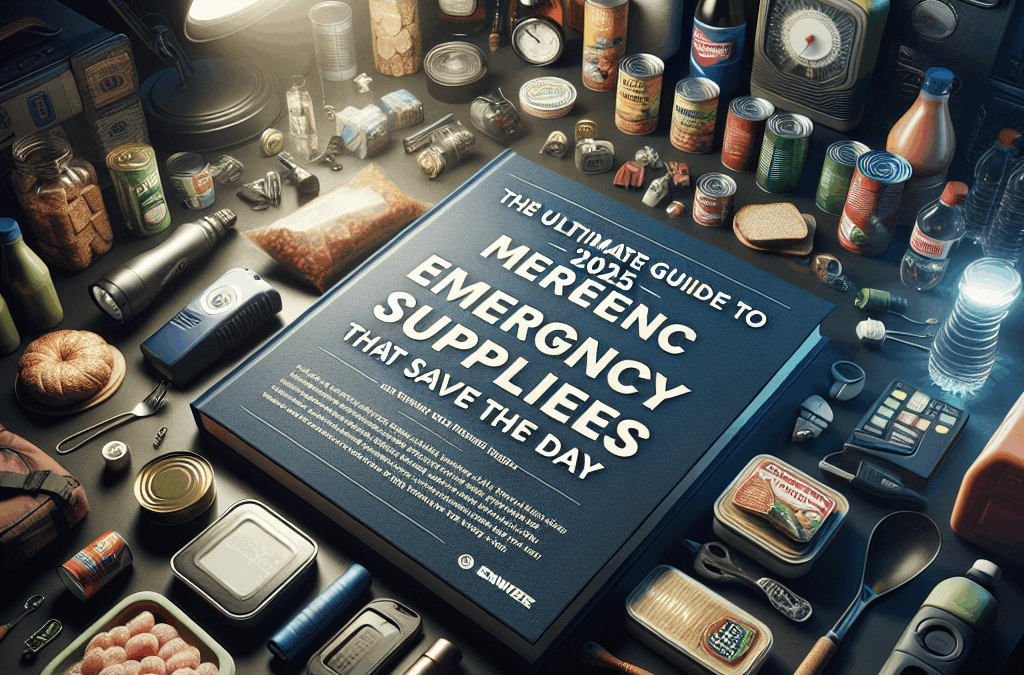
A well-stocked disaster kit is vital for any emergency situation. Start with the basics:
Non-perishable food items (canned goods, energy bars)
Water (one gallon per person per day for at least three days)
First aid supplies
Flashlights and batteries
Multi-tool or Swiss army knife
Whistle (to signal for help)
Don’t forget personal necessities like medications, hygiene products, and important documents stored securely yet accessibly! Tailor your kit according to individual needs—for instance, include baby formula if you have young children.
*Training and Resources: Equipping Yourself and Your Community**
Knowledge is power! Invest time into learning essential skills such as first aid/CPR training or basic firefighting techniques through local classes or online resources. Many communities offer workshops focused on preparedness; these often foster camaraderie while equipping participants with invaluable skills.
Engage with local organizations focused on disaster response—they often provide resources tailored specifically for various emergencies affecting your area.
*Staying Informed: Communication Strategies During Emergencies**
During crises, clear communication becomes paramount. Establish a system that allows family members to stay connected via texts or social media updates rather than relying solely on phone calls which may be interrupted by network overloads.
Consider utilizing apps designed for emergency management that share real-time updates about local hazards or shelter locations.
In closing, stay informed through local news channels or official social media accounts of municipal agencies dedicated to public safety—this ensures you receive timely alerts regarding evacuations or warnings.
Taking these proactive measures will not only prepare you but also inspire others in your community to do the same—a collective effort yielding stronger resilience across neighborhoods during uncertain times! Prepare today so tomorrow holds fewer surprises; protect those who matter most by fostering readiness; prevail against challenges with unwavering resolve!
In 2025, power outages are increasingly common due to extreme weather events, infrastructure aging, and grid vulnerabilities. Having the right emergency supplies for power outage can mean the difference between safety and chaos. Whether you’re living in a city experiencing blackouts or in a rural area prone to storms, being prepared is essential. Blackouts disrupt communications, water supply, and heatingâmaking it vital to stock up on supplies that ensure safety and comfort during such emergencies. This guide will walk you through the most critical items to have at hand so you’re ready to face any outage confidently.
Portable power banks are compact devices that store electricity to charge your devices during a power outage. In 2025, innovative models with higher capacities and faster charging times have become a must-have. They ensure that your smartphones, tablets, and small gadgets stay charged when the grid is down. Look for power banks with at least 10,000mAh capacity for reliable multiple charges.
The best portable power banks today include features like solar charging capabilities and USB-C fast charge. These enhancements make them suitable for longer outages, especially in remote areas where electricity access is limited. Investing in durable, weather-resistant models can further extend their usability.
Real-world use shows that having a portable power bank can prevent communication breakdowns during emergencies. Many families keep these devices in their emergency kits for quick access when needed.
Choosing the Right Power Bank
Select a power bank based on your device needs and expected outage duration. Consider the number of devices you need to power simultaneously, and choose models with multiple output ports. Also, check for built-in LED indicators showing battery life.
For prolonged outages, solar-powered or hand-crank options are excellent additions. They provide alternative charging methods when traditional electricity isnât available. Make sure to keep your power banks fully charged before an emergency strikes.
Remember, regularly testing your power banks and replacing old units ensures your supplies remain reliable when you need them most.
2. Emergency Flashlights and Headlamps
Types of Emergency Lighting
In 2025, choosing the right emergency lighting is crucial during power outages. Traditional flashlights, headlamps, and lanterns provide essential illumination while keeping your hands free. LED models dominate the market due to their brightness and energy efficiency, offering long battery life and durability.
Headlamps are particularly popular because they allow for hands-free operation, ideal for tasks like cooking, repairs, or navigating in the dark. When selecting emergency flashlights, look for waterproof and shock-resistant features to withstand tough conditions.
Many new models incorporate rechargeable batteries and solar charging capabilities, making them more sustainable and cost-effective over the long term.
Using and Maintaining Emergency Lighting
Proper maintenance involves regularly testing your flashlights and headlamps, replacing batteries when needed, and storing them in accessible locations. In 2025, smart LED lights with adjustable brightness and strobe functions enhance safety during blackouts.
Consider including lanterns or rope lighting systems for larger, shared spaces like living rooms or outdoor areas. These can provide ambient lighting and improve visibility during extended outages.
For maximum safety, keep spare batteries and chargers in your emergency supplies for power outage kitâpreparedness reduces chaos when darkness falls unexpectedly.
2025. Solar-Powered Weather Radios
Staying Informed During Power Outages
In 2025, weather radios powered by solar energy have become indispensable for emergency situations, especially during prolonged blackouts. These devices provide real-time updates on weather conditions, forecasts, and emergency alerts, ensuring you’re informed and can make timely decisions.
Modern solar radios often come with hand-crank chargers, allowing operation even without sunlight. Some models are equipped with Bluetooth connectivity and USB ports, expanding their utility beyond weather updates.
Having a reliable weather radio can help families prepare for severe storms, hurricanes, or other natural disasters, minimizing risks during power outages.
Choosing the Best Solar Weather Radios
Look for devices with high-sensitivity AM/FM and NOAA alerts. Durability and water-resistance are key, as these radios might be used outdoors or in harsh conditions. Battery life and charging options should also be considered to ensure they last throughout extended outages.
Regularly test and charge your solar-powered weather radios to guarantee functionality when needed. Keeping spare batteries is also a wise safety measure.
Integrate these radios into your emergency supplies for power outage to stay connected to vital information during critical times.
Conclusion: Staying Prepared for Power Outages in 2025
As we navigate the evolving landscape of 2025, having comprehensive emergency supplies for power outage is more important than ever. From portable power banks and lighting to weather radios and other essentials, being prepared can dramatically improve your safety and comfort during blackouts. Remember, investing in reliable, modern gear not only helps in emergencies but also provides peace of mind for you and your loved ones. Stay proactive, continually update your emergency kit, and ensure you’re ready to face any power outage that comes your way in 2025.
Frequently Asked Questions
What are the most important emergency supplies for power outage in 2025?
Key supplies include portable power banks, emergency lighting (flashlights and headlamps), water and food storage, weather radios, and first aid kits. These items ensure safety, communication, and basic needs are met during blackouts.
How can I prepare my home for a power outage in 2025?
Prepare a well-stocked emergency kit, invest in backup power sources like solar generators, secure important documents, and ensure your communication devices are functional and charged.
Are solar-powered devices reliable during extended power outages?
Yes, especially models designed for emergency preparedness. Solar devices such as weather radios and chargers can operate independently of the grid, making them invaluable during long-term blackouts.
How often should I update my emergency supplies for power outage?
Review and refresh your supplies at least once a year. Check batteries, test devices, and replace expired or damaged items to maintain readiness.
Why is it important to have emergency supplies for power outage in 2025?
With increasing frequency of power outages due to climate events and aging infrastructure, having the right supplies ensures your safety, keeps communication lines open, and reduces panic during emergencies.
In 2025, solar-powered lanterns remain a top choice for emergency lighting in a power outage survival kit. They harness sunlight during the day and provide reliable illumination at night without the need for batteries. These lanterns are eco-friendly, cost-effective, and essential for safety during extended outages.
When selecting a solar lantern, look for models with multiple brightness settings and long-lasting batteries. A high-capacity lantern can illuminate a room or outdoor space for hours, making them ideal for reading or navigating your home during a blackout.
Real-world application shows that households with solar lanterns prior to outages recover faster and experience less stress. Plus, many of these lanterns come with USB ports to charge small devices, adding versatility.
Battery-Operated Flashlights
While solar lanterns are great, battery-operated flashlights are still essential, especially for quick, focused illumination. In 2025, investing in LED flashlights ensures long battery life and bright light output, saving power and providing clear visibility.
It’s wise to keep a variety of flashlights â including handheld and headlamps â in your power outage survival kit. Headlamps are particularly useful for hands-free tasks during an outage, such as cooking or checking on family members.
Always stock extra batteries or consider rechargeable batteries to make your lighting solution sustainable and cost-effective in the long run.
2. Portable Power Banks and Charging Devices
High-Capacity Portable Power Banks
In 2025, reliable portable power banks are a must-have in any power outage survival kit. These devices can charge smartphones, tablets, and small emergency gadgets when the grid is down. Look for power banks with at least 20,000mAh capacity for extended use.
Choosing models with fast charging capabilities ensures your devices are powered quickly during critical situations. Additionally, some power banks now come with solar charging features, providing an extra layer of resilience during prolonged outages.
Remember to keep power banks fully charged and periodically test them to ensure their reliability when needed. Having multiple units in your kit ensures backup power for multiple devices.
Solar Chargers
Solar chargers are trending in 2025 as sustainable energy sources that complement your power outage survival kit. They are portable, easy to use, and perfect for recharging power banks or directly powering small devices in the absence of grid electricity.
Solar chargers with multiple panels can recharge during the day, ensuring you have power even in off-grid situations. This technology is particularly beneficial for outdoor activities or rural areas where power outages might last longer.
Invest in models with waterproof and durable designs to withstand challenging conditions during emergencies.
3. Non-Perishable Food and Water Supplies
Long-Lasting Food Supplies
Food security is a critical aspect of a power outage survival kit. Stocking non-perishable items like canned goods, freeze-dried meals, and energy bars ensures sustenance during extended blackouts. In 2025, innovative packaging and nutritional improvements have made these products even more reliable.
Choose foods with versatile packaging and long shelf livesâideally over five yearsâto reduce waste and improve readiness. Consider dietary needs and preferences to keep everyone in your household adequately nourished.
Label your supplies with purchase dates and rotate stock regularly to maintain freshness and avoid spoilage.
Emergency Water Storage and Purification
Water is indispensable during power outages. Maintaining at least one gallon of water per person per day is recommended. Invest in sturdy water storage containers and regularly refill them to ensure availability.
Water purification tablets, portable filters, and UV sterilizers augment your power outage survival kit by ensuring access to clean drinking water when supplies run low. These tools are essential for preventing waterborne illnesses in emergency situations.
In 2025, advancements in portable filtration technology allow quick and easy purification â vital for outdoor survival or long-term outages.
4. First Aid Kit and Medical Supplies
Comprehensive First Aid Kits
In any power outage survival kit, a well-stocked first aid kit is non-negotiable. Modern kits include bandages, antiseptics, pain relievers, and specialized supplies like burn ointments and allergy medications. In 2025, kits are more comprehensive and compact, making them easier to store and access.
Consider adding items such as extra gloves, scissors, and digital thermometers for a more holistic approach. Scenario-based kits tailored for children, seniors, or pets are also wise additions.
Regularly check expiration dates and replenish supplies to ensure everything is ready when emergencies occur.
Alternative Medical Devices
Emerging medical devices for emergency use are increasingly found in updated power outage survival kits. Portable nebulizers, compact inhalers, and personal ECG monitors can be lifesaving for vulnerable individuals.
Training your family on basic first aid and device operation boosts preparedness. For those with chronic conditions, ensure medications like insulin or defibrillator batteries are stored safely and accessible.
In 2025, telemedicine options via satellite or mobile devices can supplement your first aid preparedness when professional help may be delayed.
5. Battery-Powered Radio for News and Updates
AM/FM and NOAA Weather Radios
In 2025, a battery-powered radio remains vital for staying informed during a power outage. Emergency radios with AM/FM and NOAA weather channels provide real-time news, weather alerts, and safety instructions, which are critical during severe storms or other disasters.
Look for models with hand crank or solar charging options to ensure continuous operation without relying solely on batteries. Waterproof and rugged designs add durability in challenging conditions.
Portable radios with headsets can help you listen discreetly and avoid disturbing others while staying updated.
Smart Emergency Communication Devices
New technology in 2025 includes compact communication devices that sync with smartphones or operate independently, ensuring contact with family or emergency services when cellular networks are down.
Some devices now feature emergency distress signals, GPS tracking, and two-way communication, greatly enhancing safety. Integrating these into your power outage survival kit can provide peace of mind and quicker response times.
Always keep spare batteries and test these devices periodically to confirm functionality before an emergency strikes.
Conclusion
Building the ultimate power outage survival kit in 2025 means embracing the latest technology, durable supplies, and practical tools to ensure safety, comfort, and communication during emergencies. By carefully selecting items across categoriesâlighting, power sources, food, water, medical supplies, and communicationâyou can effectively prepare for even the most extended outages.
Remember, a well-prepared power outage survival kit not only helps you survive but also provides peace of mind in uncertain times. Stay informed, stock wisely, and regularly update your kit to be ready for any unexpected blackout in 2025.
FAQs
1. What should I include in a power outage survival kit for 2025?
Your kit should include lighting sources, portable power banks, non-perishable food, water supplies, a first aid kit, a battery-powered radio, and communication devices. Prioritize tools that are durable and easy to use.
2. How long should my power outage survival kit last?
Ideally, your kit should support your household for at least 3-7 days. For long-term outages, consider replenishing supplies regularly and including items that can last longer.
3. Why is a power outage survival kit important in 2025?
With more unpredictable weather patterns and increased reliance on electronic communication, having a comprehensive survival kit ensures safety, sustains basic needs, and maintains connection with the outside world during crises.
4. How often should I update my power outage survival kit?
Review and update your kit annually or after significant changes in supplies, technology, or household needs. Check expiration dates and replace worn or outdated items to ensure preparedness.
One of the core components of self reliant living is ensuring a steady, sustainable food supply. In 2025, permaculture farming has become a popular approach among self-sufficient enthusiasts. Permaculture design emphasizes working with nature, creating resilient ecosystems that produce food without the need for heavy inputs or chemical fertilizers. By incorporating companion planting, mulching, and water harvesting techniques, you can build a productive garden that feeds your family long-term.
For example, planting nitrogen-fixing legumes alongside vegetables reduces dependence on imported fertilizers. Additionally, planning your garden layout to maximize sunlight and airflow enhances yields while minimizing pests naturally. Starting small with container gardening or raised beds can help beginners build confidence before expanding into larger-scale sustainable farms.
With digital resources, online courses, and community groups, learning permaculture is more accessible than ever in 2025. Practical implementation of these principles ensures your food production aligns with your goals of self reliant living, reducing reliance on grocery stores and commercial agriculture.
Alternative Food Sources and Preservation
In addition to traditional gardening, exploring alternative food sources like mushroom cultivation, aquaponics, or raising small livestock such as chickens can diversify your self-sufficient food system. For instance, aquaponics combines fish farming with hydroponic vegetable growth, creating an efficient, water-conserving food loop.
Food preservation is equally vital for self reliant living. Techniques such as canning, drying, fermenting, and freezing allow you to store your harvest for months or even years. By mastering these methods, you’re building a resilient pantry that withstands supply chain disruptions often encountered in 2025.
Expert tip: Keep detailed logs of your crops and preservation techniques. This data can help you optimize yields and storage over time, making your self-reliant living journey more effective and rewarding.
2. Developing Off-Grid Water Solutions
Capturing and Storing Rainwater
Water independence is crucial for self reliant living, especially in 2025 where climate variability affects traditional water sources. Installing rainwater harvesting systems allows you to capture and store precipitation for household use. Using large tanks, a well-designed gutter system, and first-flush diverters ensures clean, reliable water supply.
Legal considerations and local regulations should be checked beforehand, but many regions incentivize rainwater collection. Besides traditional tanks, consider underground cisterns for larger storage capacity, ensuring a steady water supply during dry spells.
Practical tip: Filter and treat stored water to prevent contamination. Basic filtration systems or UV sterilizers can make rainwater safe for drinking, cooking, and gardening needs, making you more self reliant in water management.
Implementing Off-Grid Water Purification
If your water source includes well, spring, or surface water, proper purification is essential. Activated charcoal filters, UV systems, and solar-powered treatment units are options that suit off-grid settings. Combining multiple methods ensures safety and purity, especially if you plan to expand your self reliance efforts.
Regular testing of your water quality helps you monitor for contaminants and adjust your purification methods accordingly. In 2025, advancements in small-scale, affordable purification technology make it easier than ever for self reliant individuals to secure potable water without reliance on municipal systems.
Incorporating these water solutions into your self reliant living plan reduces vulnerability to droughts, power outages, or infrastructure failures often encountered in 2025.
3. Building Renewable Energy Systems
Solar Power for Self Sufficient Energy
In 2025, solar energy continues to be the most accessible form of renewable power for self reliant living. Installing photovoltaic panels can reduce or eliminate energy bills, especially with falling costs and increased efficiency. Consider integrating battery storage systems to keep power available during cloudy days or at night.
For a practical setup, evaluate your energy needs, roof orientation, and local sunlight hours. DIY installation kits make it feasible for most homeowners to implement solar solutions without hiring professionals. Additionally, look into government incentives or tax credits available for renewable energy purchases.
Having a resilient power backup system ensures your essential devices and appliances remain operational, reinforcing your independence during grid outages or emergencies.
Other Renewable Energy Options
Alongside solar, wind turbines or micro-hydro systems can supplement your energy production, especially if you live in windy or river-rich areas. Small-scale wind turbines for residential use are more efficient and affordable than ever in 2025, providing additional power and redundancy.
Combining multiple renewable sources diversifies your energy portfolio, making your self reliant living setup more resilient to seasonal or technological disruptions. Focus on system sizing, maintenance, and safety standards to maximize productivity and longevity.
Actionable tip: Monitor your energy consumption patterns to optimize your system design, ultimately saving costs and increasing your self-reliance efforts.
4. Cultivating Self-Sufficient Shelter
Designing Off-Grid Homes
Self relying in living also involves creating shelter that minimizes external dependencies. Look into designing or retrofitting homes for off-grid living with features like composting toilets, passive solar heating, natural insulation, and off-grid power and water systems. These design choices reduce reliance on municipal infrastructure and utility services.
Materials matter â natural, locally sourced options like straw bale, earth berms, or reclaimed wood improve sustainability and reduce costs. Passive design techniques, such as strategic window placement and ventilation, further lower energy needs.
Practical advice: Engage with architects or builders experienced in eco-friendly designs to tailor solutions specific to your climate and landscape, ensuring your shelter supports your self reliant living goals in 2025 and beyond.
Maintenance & Upgrades for Longevity
Maintaining a self-sufficient shelter involves regular upkeep, inspections, and upgrades aligned with new technologies and best practices. Solar panels need periodic cleaning, water systems require filter changes, and structural components should be checked for wear.
Stay connected with sustainability communities for new ideas and technical support. Investing in durable materials and systems, even at the outset, extends your shelterâs lifespan and enhances your self reliance.
Being proactive ensures your shelter remains a resilient foundation for your self reliant living lifestyle in 2025.
5. Maintaining Financial Independence
Generating Passive Income Streams
Financial independence is a cornerstone of true self reliant living. By 2025, many are turning to digital assets, equity investments, or small local businesses to establish stable passive income streams. Renting out property, selling handcrafted goods, or monetizing online content can all create income with minimal ongoing effort.
Strategic investment in renewable energy projects or agricultural ventures can generate income while also supporting your self-reliance goals. Whether itâs a small farm producing organic produce or a DIY workshop, diversifying income sources reduces vulnerability.
Tip: Keep detailed financial records and create a long-term plan to maintain and grow your independence, ensuring your lifestyle remains sustainable without external financial pressures.
Reducing Dependencies and Safe Savings
Building savings and reducing debt are essential steps toward financial self reliance. Focus on living within your means, avoiding unnecessary expenditures, and investing in assets that appreciate or generate income. Automate savings to ensure consistent growth of your financial cushion.
In 2025, digital banking and investment platforms make it easier than ever to manage finances without reliance on traditional banks. Use these tools to remain flexible and responsive to economic changes, strengthening your overall self reliant living strategy.
Achieve peace of mind knowing your financial foundation is robust and capable of supporting your independence in any scenario.
6. Learning Essential Skills & DIY Techniques
Developing Practical Skills
Self reliant living in 2025 requires a wide range of skillsâfrom basic carpentry and plumbing to gardening and food preservation. The more skills you acquire, the better prepared you are to handle emergencies and routine maintenance. Workshops, online tutorials, and community courses make skill-building accessible.
Practicing these skills not only saves money but also fosters a sense of independence and confidence. For example, learning to repair appliances or build simple structures can significantly reduce your dependence on service technicians.
For best results, focus on a few core skills initially, then expand your expertise over time. Combining traditional knowledge with innovative techniques ensures you stay adaptive and resourceful.
Essential Emergency Preparedness Skills
Being prepared for unforeseen events is integral to self reliant living. Skills like first aid, food storage, water purification, and backup energy setup improve your resilience. Keep a well-stocked emergency kit and regularly practice drills to stay ready for different scenarios.
In 2025, emerging new threats such as cyber disruptions or climate-related disasters highlight the need for comprehensive preparedness. Continually updating your knowledge ensures that your self reliance remains effective under changing circumstances.
Tip: Join local or online preparedness groups for shared knowledge and support, facilitating your self reliance journey.
7. Creating a Localized Community Network
Building Mutual Support Systems
Self reliant living doesnât mean isolating yourselfâforming local networks can amplify your resilience. Sharing resources, skills, and knowledge with neighbors creates a robust community capable of weathering challenges together. Consider organizing bartering groups, seed exchanges, or cooperative toolsheds.
This interconnected approach reduces individual workload and enhances access to specialized skills or resources you might lack. It also encourages local sustainability practices that benefit everyone.
In 2025, digital platforms make connecting with nearby individuals easier, fostering stronger local relationships and resilience.
Engaging in Community Projects
Participating in community gardens, repair cooperatives, or renewable energy initiatives not only builds bonds but also promotes self reliant living on a larger scale. These projects foster shared knowledge, reduce costs, and create supportive environments for all members.
Moreover, community resilience initiatives, like local food co-ops or emergency preparedness plans, strengthen your collective ability to manage disruptions and emergencies confidently.
Tip: Take the lead or join existing efforts to promote a resilient, self-sufficient local area for 2025 and beyond.
8. Preserving Food for Long-Term Storage
Techniques for Food Preservation
In the era of unpredictable supply chains and fluctuating markets, food preservation ensures your self reliant living remains uninterrupted. Methods such as water bath canning, pressure canning, dehydration, and fermentation have seen innovations aligned with 2025 practices, making them safer and more efficient.
Practicing food preservation enables you to store seasonal harvests, preserve surplus, and create homemade fermented foods rich in probioticsâsupporting health and autonomy.
Developing skills in this area can turn your garden or farm surplus into your pantryâs foundation, helping you reduce reliance on commercial sources.
Building a Self-Reliant Food Storage System
Effective storage solutions are just as important as preservation techniques. Invest in durable jars, vacuum sealers, root cellars, and insulated storage spaces. Labeling and organizing your food stockpile facilitate easy access and rotation, reducing waste.
In 2025, innovative storage solutions incorporate smart technology for monitoring humidity and temperature, extending shelf life and maintaining food quality.
High-quality preservation and storage practices bolster your self reliance, ensuring nourishment even during crises or supply shortages.
9. Integrating Permaculture Principles
Designing Resilient Ecosystems
Permaculture remains a cornerstone of effective self reliant living, focusing on designing land use that mimics natural ecosystems. This approach ensures biodiversity, soil health, and resource efficiency. Key principles include creating zones for cultivation, stacking functions, and designing for water conservation.
Implementing permaculture design in your property reduces long-term maintenance costs and boosts productivity. For instance, establishing food forests, swales, and rain gardens provides multiple benefitsâfood, water management, and habitat for beneficial creatures.
By 2025, integrating advanced permaculture techniques and tools enhances sustainability and self reliance, making your land more resilient to climate impacts.
Applying Permaculture for Energy and Waste Management
Beyond food production, permaculture principles guide waste recycling into compost, biogas, or other valuable inputs, closing the loop in your self reliant lifestyle. Solar passive design coupled with permaculture land management reduces energy consumption.
Designing your property with permaculture reduces external inputs, minimizes waste, and creates a sustainable living environment. This holistic approach increases overall resilience and independence effectively.
Pro tip: Study permaculture design courses and connect with local practitioners to deepen your application of these principles in 2025.
10. Planning for Future Resilience
Creating Emergency and Long-Term Plans
Effective self reliant living in 2025 requires foresight. Developing comprehensive plans for emergencies, economic shifts, or climate crises ensures you remain prepared. This includes backup power, water, food supplies, financial buffers, and communication strategies.
Assessing your risks and developing adaptable plans increases your resilience. drills, training, and periodic review keep your strategies current and effective.
Practical tip: Involve your household and community in planning sessions to ensure everyone understands and can contribute in times of need.
Continual Education and Adaptation
The landscape of sustainability and self reliance evolves rapidly. Staying educated through books, online courses, and community involvement ensures your strategies evolve with new knowledge and technologies. Flexibility is key to thriving in 2025âs changing environment.
Tracking data, experimenting with new approaches, and seeking expert advice all support long-term resilience. Your proactive attitude will serve as the foundation of your sustainable self reliant living plan.
Remember, resilience isnât staticâit’s a continuous process of improvement and adaptation in response to changing conditions.
Frequently Asked Questions
Q1: What is self reliant living?
Self reliant living refers to a lifestyle where individuals or families minimize dependence on external resources, infrastructure, and systems by generating their own food, energy, water, and other essentials. It emphasizes sustainability, resilience,
When it comes to disaster preparedness, knowledge is power. The first step towards safeguarding yourself and your loved ones is understanding the risks that lurk in your area. Whether you live in a region prone to hurricanes, earthquakes, wildfires, or flooding, being aware of these threats is crucial. Begin by researching historical data and local emergency management resources. Familiarize yourself with the types of natural disasters most likely to occur where you live. This information will not only help you gauge potential impacts but also guide your planning efforts.
Once you’ve assessed the risks, it’s time to create a comprehensive emergency plan tailored to your household’s unique needs. Start by designating a safe meeting point for family members in case of evacuation—this could be a neighbor’s house or a local park. Communication is key during emergencies; establish an out-of-town contact whom all family members can reach if separated. Discuss various scenarios and outline action steps for each one; whether it’s securing important documents or navigating evacuation routes, clarity will reduce panic when seconds count.
Next on the list is building an emergency supply kit—a task that might seem daunting but is undeniably essential. Aim for a well-rounded collection of items that cater to both immediate survival and comfort during prolonged emergencies. Essentials include water (one gallon per person per day), non-perishable food items such as canned goods or energy bars, flashlights with extra batteries, first aid supplies, and hygiene products. Don’t forget vital medications and personal documents; consider digital copies stored securely online as backups. Customize your kit based on specific family needs—infants may require baby formula while pets need food and supplies too.
Preparation doesn’t stop at stockpiling supplies; training and drills are integral components of being disaster-ready! Schedule regular practice drills with your family so everyone knows how to respond instinctively in an emergency situation. Rehearse evacuations from different parts of your home—especially bedrooms—in case exits become blocked during an actual event. This hands-on approach helps everyone feel more confident when moments of crisis arise.
Furthermore, seek educational opportunities within your community! Many organizations offer workshops on basic first aid skills or CPR training—knowledge that could prove invaluable during emergencies when professional help might be delayed. Being informed about fire safety protocols or learning how to turn off utilities can make all the difference when every second counts.
Lastly, don’t overlook the psychological aspect of disaster preparedness. Open dialogues about fears surrounding potential disasters can foster resilience among family members while reducing anxiety related to uncertainty.
All in all, being disaster-ready requires foresight and proactive measures rooted in understanding risks unique to your location—and no one plan fits all! By creating a detailed emergency plan, assembling a robust supply kit filled with essentials catered to individual needs, committing to regular training drills, and prioritizing education within your community—you’ll cultivate confidence amidst chaos. Embrace these practices today so that you can face tomorrow’s uncertainties with assurance!
When disaster strikes, the key to survival often lies in how well-prepared you are. Emergency preparedness isn’t just a buzzword; it’s a crucial aspect of safeguarding yourself and your loved ones against unpredictable events like natural disasters, health crises, or other emergencies. By taking proactive steps now, you can minimize chaos and ensure a swift response when time is of the essence.
*Understanding the Importance of Emergency Preparedness**
The significance of being prepared for emergencies cannot be overstated. History has shown us that emergencies can happen without warning—hurricanes, earthquakes, wildfires, and even pandemics can disrupt lives in an instant. Being unprepared not only increases vulnerability but also leads to panic and confusion during critical moments. Conversely, those who have taken the time to prepare tend to make better decisions under pressure. By investing effort into understanding potential risks specific to your area and planning accordingly, you’re setting yourself up for resilience when challenges arise.
*Creating Your Personalized Emergency Plan**
Crafting a personalized emergency plan is a vital step in your preparedness journey. Start by assessing the unique needs of your household—consider factors such as age, mobility restrictions, and any medical requirements. Outline clear evacuation routes from your home and establish meeting points where family members can regroup if separated. Don’t forget to include communication strategies; in today’s digital age, having several ways to stay connected can be invaluable. Keep copies of important documents handy and regularly update them as circumstances change.
*Assembling a Comprehensive Emergency Kit**
An effective emergency kit serves as a lifeline during unexpected situations. Aim for a well-stocked supply that includes essentials like non-perishable food items, water (at least one gallon per person per day), first aid supplies, flashlights with extra batteries, blankets, tools for basic repairs, hygiene products, and medications relevant to household members’ needs. Consider adding special items such as pet supplies or baby necessities if applicable. Regularly check expiration dates on food and medications—keeping your kit fresh ensures it will be ready when you need it most.
*Staying Informed: Resources for Emergency Alerts and Information**
Knowledge is power when it comes to emergency preparedness; staying informed about potential threats is crucial. Sign up for local alerts through government websites or community organizations that provide real-time updates during crises. Utilize mobile applications designed for disaster readiness—they often deliver timely notifications about weather warnings or safety instructions tailored to your location. Social media channels are also valuable resources where official agencies communicate essential information quickly.
*Practicing Your Plan: Drills and Training for All Scenarios**
Preparation doesn’t end with creating plans or assembling kits; practicing these strategies is equally essential! Conduct regular drills with all household members so everyone knows what actions they should take in various scenarios—from fire evacuations to severe weather protocols. Tailor training sessions based on the specific challenges you might face in your area—this could include first aid courses or learning how to use emergency equipment effectively.
*Community Engagement: Strengthening Preparedness Through Collaboration**
To wrap up, remember that community plays an integral role in emergency preparedness too! Join local groups focused on disaster readiness where members share insights and resources while strengthening neighborhood ties through collaboration efforts like group drills or workshops on safety practices. Building connections not only enhances individual preparedness but fosters an environment where everyone looks out for one another during tough times.
In summary, effective emergency preparedness involves understanding risks, creating comprehensive plans tailored to your needs, assembling essential supplies, staying informed about threats around you—and actively engaging with your community! Taking these critical steps will empower you not just today but whenever life throws its unexpected challenges your way.