Mastering urban survival skills begins with a solid foundation of mental preparedness. In 2025, urban environments face evolving threats such as natural disasters, civil unrest, and cyber emergencies. Being aware of your surroundings and understanding potential hazards enables you to react swiftly and effectively. For example, recognize the signs of social unrest or infrastructure failure early.
Developing situational awareness involves paying attention to your environmentâpeople, sounds, and activitiesâso you can anticipate potential dangers. This awareness helps you avoid panic and make smarter decisions during crises. Regular mindfulness exercises can sharpen this skill, allowing you to stay alert without becoming overwhelmed.
Building Psychological Resilience
Urban survival skills are not just physical but mental too. Stress management and resilience are crucial, especially when facing chaos or unpredictability. Cultivating a calm mindset helps you assess threats rationally and act decisively. Techniques like visualization and controlled breathing can keep panic at bay during emergencies.
Moreover, mental preparedness involves knowing your own limits and preparing for worst-case scenarios. Consistent mental drillsâlike imagining evacuation routes or medical responsesâcan boost confidence. Preparing psychologically ensures youâre ready for anything in 2025âs dynamic urban landscape.
2. Urban Navigation and Route Planning
Mastering Urban Map Skills
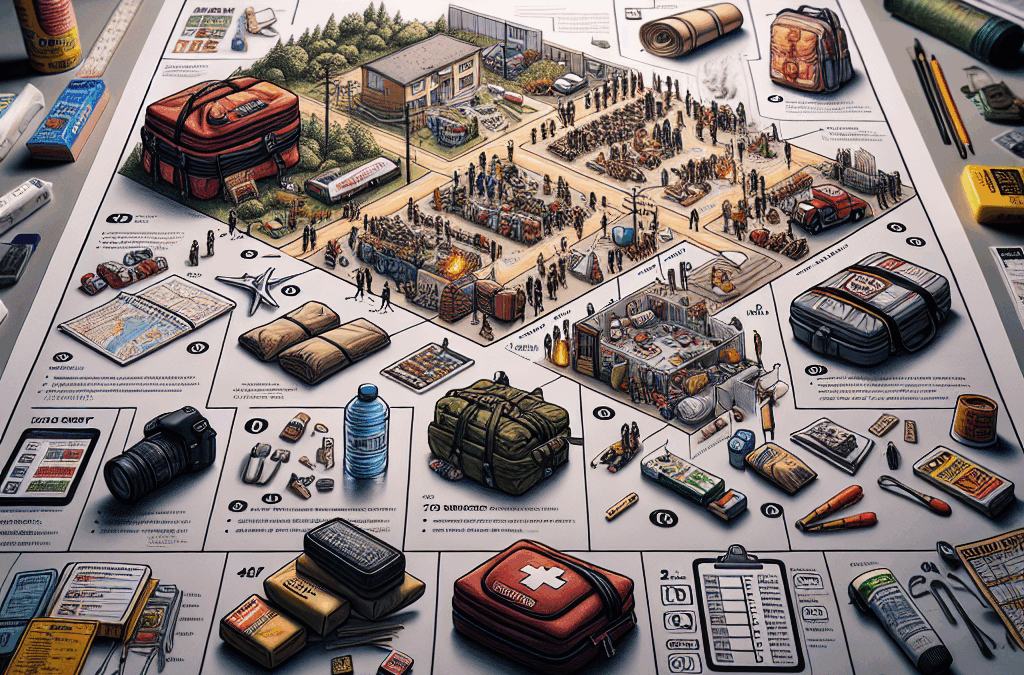
Effective urban survival skills require excellent navigation abilities. Familiarize yourself with city maps, both digital and paper-based. Know key landmarks, alternate routes, and safe zones. In 2025, with reliance on GPS technology, itâs vital to also have traditional navigation skills in case of tech failure. A good practice is to plan multiple routes from your home to work or other critical locations.
Implementing the “breadcrumb” methodâleaving markers or noting landmarksâcan help retrace your steps. Practicing route planning regularly ensures quick decision-making during an emergency, such as avoiding congested or dangerous areas.
Preparing for Disruptions
Threats like infrastructure breakdowns or cyber attacks can compromise your navigation tools. Always have an offline map app or printed maps ready. Consider designing a personal navigation plan that includes safe shelters, medical stations, and supply points. Staying adaptable is keyâbe ready to alter routes based on changing conditions.
In 2025, integrating AI-driven navigation apps with real-time hazard updates can be a game-changer. However, donât solely rely on technologyâcombine it with traditional skills for maximum safety.
3. Communication Techniques and Tech Skills
Staying Connected in Emergencies
Effective communication is a cornerstone of advanced urban survival skills. In a crisis, maintaining contact with loved ones and authorities can be life-saving. Learn to use multiple devicesâsmartphones, radios, and walkie-talkiesâand understand their ranges and limitations. Consider long-range communication methods for extended scenarios.
Establishing a communication plan with friends or family before an incident ensures everyone knows how to reconnect. Create coded messages for quick, discreet alerts. In 2025, leveraging encrypted messaging apps or satellite devices offers added security against surveillance or hacking.
Learning Signal and Non-verbal Communication
In crowded cities, noise and chaos can hinder verbal communication. Mastering non-verbal signals and signsâlike flashlight Morse code or gesturesâcan help in coordinating with others quietly. Practice clear, universal signals to indicate danger, help needed, or directions.
Building a rapport with neighbors or community groups also enhances collective survival skills. Strong local networks can provide mutual support, resources, and safety during urban emergencies.
4. Urban First Aid and Medical Response
Basic First Aid Skills
Knowing how to administer first aid is essential for urban survival skills. In 2025, urban incidents such as accidents, violence, or fires are common. Learning CPR, wound dressing, and fracture stabilization can make the difference between life and death. Keep a well-stocked first aid kit accessible at all times.
Attend certified first aid courses regularly to stay updated on the latest techniques. Practice scenarios help strengthen your reaction time and confidence in emergencies.
Dealing with City-Specific Medical Challenges
Urban environments pose unique health risks, including exposure to pollutants, communicable diseases, and contaminated water sources. Recognize symptoms of common issues like heatstroke, hypothermia, and infections. Know how to purify water or create makeshift sanitation solutions if municipal services are disrupted.
Building a network with local healthcare providers or rescue teams can also improve your medical response capabilities. Being prepared means not only knowing first aid but also understanding when and how to seek professional medical assistance.
5. Finding and Building Shelter in the City
Identifying Safe Shelter Locations
Urban survival skills include knowing where to find immediate shelterâabandoned buildings, subway stations, or community centers. Prioritize structurally sound sites that offer protection from elements and threats. In 2025, as city infrastructure ages, inspecting potential shelter spaces carefully is critical.
Scout ahead during normal times for hidden or protected areas that could serve as emergency shelters. Building familiarity with your environment boosts response speed when needed.
Improvised Shelter Construction
When traditional shelter isnât available, learn to construct makeshift refuges using available materialsâplastic sheeting, urban debris, or furniture. Techniques like layering and waterproofing increase safety and comfort. For example, creating a small attic hideout or utilizing urban infrastructure can provide temporary safety.
Ensure your shelter offers privacy, protection from weather, and low risk of detection. Practice building quick, safe shelters regularly to enhance your urban survival skills in high-pressure moments.
6. Urban Food Sourcing and Water Collection
Identifying Edible Urban Resources
Secure food and water in the city is vital. Learn to identify safe urban foraging optionsâurban farms, community gardens, and discarded food sources. Some plants and insects can be safely consumed, but always research local regulations and risks.
Over time, establishing contacts with urban farmers or community-supported agriculture (CSA) groups can provide reliable food sources. Stockpiling non-perishable essentials and knowing local produce locations is a good practice for 2025 survival.
Water Collection and Purification Techniques
Water is often overlooked but critical for survival. Urban water sources include rain gutters, manholes, or contaminated streams. Mastering purification methodsâboiling, filtration, chemical tabletsâcan reduce disease risks. In 2025, consider portable filtration devices that are compatible with city water sources.
Incorporating rainwater harvesting or unconventional collection methods ensures a sustainable supply. Safe water management greatly enhances your urban survival skills and resilience.
7. Escaping and Securing Closed Spaces
Strategies for Safe Exits
In emergencies like fires or lockdowns, knowing how to escape from closed spaces is critical. Practice multiple exit strategies for buildings, vehicles, or confined areas. Identify secondary routes and know how to open windows or doors quickly.
For urban survival skills, drills should include scenarios focusing on stealth and speed, minimizing panic and confusion during evacuation.
Securing Your Location
Once inside, securing your space involves locking doors, reinforcing windows, and creating barriers. Use furniture or available materials to fortify entry points. For added security, set up alarms or signals to alert you of intruders.
Maintaining situational awareness even when inside offers peace of mind and better control over your environment during ongoing threats.
8. Navigating Laws, People, and Social Dynamics
Understanding Local Laws and Regulations
Urban survival skills extend into understanding your cityâs laws, especially in crisis situations. Knowing what you can or cannot do avoids legal complications while maintaining safety. For example, some cities have strict looting laws or curfews during emergencies.
Stay informed through official channels and community groups about legal updates and safety advisories. Respecting legal boundaries enhances your chances of survival without unnecessary conflicts.
Building Trust and Alliances
Social dynamics play a significant role in urban survival. Building trust within your community can lead to mutual aid, resource sharing, and protection. Establishing rapport with neighbors or local groups creates a support network.
Practice effective communication, fairness, and leadership to foster cooperation. In 2025, community resilience is increasingly recognized as a key component of urban survival skills.
9. Using Technology and Hybrid Survival Strategies
Leveraging Digital Tools
In 2025, technologyâs role in urban survival is more prominent than ever. Apps for emergency alerts, GPS tracking, and offline maps are invaluable resources. Also, battery backups and solar chargers ensure your devices stay powered when city supplies are disrupted.
Additionally, using drones or surveillance devices can assist in reconnaissance and assessing hazards remotely. Hybrid strategiesâcombining high-tech and traditional skillsâmaximize your survival potential.
Practical Off-grid and Low-tech Alternatives
Technology isnât always reliable, so have low-tech alternatives ready. Paper maps, compasses, and physical emergency kits form the backbone of resilient urban survival skills. Practice troubleshooting tech failures and fallback plans.
Adapting to both digital and manual methods allows you to respond dynamically to city crises in 2025.
10. Continuous Skill Development and Practice
Regular Drills and Simulations
Learning urban survival skills is an ongoing process. Regular drillsâevacuations, medical responses, and resource managementâhelp solidify skills under pressure. Incorporate realistic scenarios to keep your training engaging and effective.
Join community preparedness groups or workshops that simulate urban emergencies. Practice enhances your confidence and preparedness for unpredictable situations in 2025.
Staying Updated and Adapting
The urban landscape continually evolves, with new threats and technologies emerging. Keep yourself informed through credible sourcesâgovernment agencies, survival experts, and urban planners. Adapt your skills accordingly to stay ahead.
Invest in learning new techniques, updating equipment, and reassessing your plans annually. Being proactive ensures your urban survival skills remain relevant and effective in 2025 and beyond.
Frequently Asked Questions
1. What are the most important urban survival skills to learn in 2025?
Key skills include mental preparedness, urban navigation, first aid, shelter building, and tech usage. Combining these with social awareness enhances your overall readiness.
2. How can I improve my urban survival skills today?
Start by attending preparedness courses, practicing drills, and building a reliable kit. Regular practice and staying updated on urban hazards are essential.
3. Why is continuous practice vital for urban survival skills?
Frequent drills ensure skills become second nature, reducing panic during actual emergencies. The urban environment constantly changes, so ongoing training is necessary.
4. How does technology aid urban survival in 2025?
Technology provides real-time information, communication, and navigation tools. However, combining high-tech with manual skills creates a more resilient approach.
5. Where can I learn more about urban survival skills?
Look for local community workshops, online courses, and credible survival organizations. Internal links to resources () can further enhance your preparation.
Conclusion
Mastering these 10 effective urban survival skills is essential for thriving in the unpredictable urban landscape of 2025. From mental resilience to technical prowess, each skill contributes to your overall preparedness. Remember, the key to effective urban survival in 2025 lies in continuous learning, adaptability, and practical application of these skills. By investing in your readiness now, you ensure safety and confidence in any city crisis that may arise.
Activated carbon filtration remains one of the most trusted water purification methods in 2025. Its porous structure effectively adsorbs contaminants like chlorine, volatile organic compounds (VOCs), and unpleasant odors, making your water taste better and smell fresher. Many household filters utilize activated carbon due to its efficiency and affordability.
In real-world applications, activated carbon filters are often combined with other purification methods to target specific pollutants. For example, they are used in in-home water pitchers, faucet filters, and large-scale municipal systems to improve overall water quality.
Research from 2024 indicates that activated carbon filters can remove up to 99% of chlorine, which not only improves taste but also protects downstream equipment and appliances from corrosion. This method is sustainable and cost-effective, especially for everyday use in households.
Implementation Tips & Best Practices
When choosing activated carbon filters, consider the size of the filter media and the contact time. Larger, more granular filters typically handle higher volumes of water and last longer. Regular maintenance and timely replacement ensure optimal performance.
For effective results, pre-filtering water that contains sediment or larger particles can extend the life of your activated carbon unit. Also, note that activated carbon does not remove all contaminantsâit’s best paired with other methods like reverse osmosis or UV light for comprehensive purification.
In 2025, innovations have led to composite filters that incorporate activated carbon with antimicrobial properties, further improving water safety and reducing microbial growth within the filter media.
2. Reverse Osmosis Systems
How Reverse Osmosis Achieves Pure Water
Reverse osmosis (RO) continues to be among the top water purification methods preferred for both residential and commercial use in 2025. It employs a semi-permeable membrane to remove a wide array of contaminants, including heavy metals, microbes, and dissolved salts.
RO systems are highly effectiveâremoving up to 99% of impurities from the water source. They are especially valuable in areas with contaminated water supplies or high mineral content. Many households now install under-sink RO units for reliable, clean drinking water.
Recent advancements have improved membrane durability and energy efficiency, making RO more eco-friendly and cost-effective over time. These systems are essential for ensuring water safety, especially in regions where tap water quality is suspect.
Tips for Optimal Use
For maximum efficiency, ensure your RO system has proper pre-filtration stages to protect the membrane. Regular maintenance and filter replacements are crucialâtypically every 6-12 months.
In addition, include remineralization filters post-RO purifiers to add essential minerals back into the water, improving taste and health benefits. Although RO can waste some water during filtration, modern systems are designed to reduce this loss, aligning with sustainable practices in 2025.
Consider integrating a storage tank to ensure a steady supply of purified water, especially during peak usage times.
3. Ultraviolet (UV) Purification
How UV Light Eliminates Microbes
Ultraviolet (UV) purification remains a popular choice in 2025 for its ability to deactivate bacteria, viruses, and other pathogens without adding chemicals or altering water chemistry. UV systems use a special lamp to emit UV-C light, which damages the DNA or RNA of microorganisms, rendering them harmless.
UV water purifiers are especially effective against coliform bacteria, Giardia, and Cryptosporidium. They are ideal for point-of-use applications, such as household filters or portable water devices used during outdoor activities.
Newer UV technologies are more energy-efficient and compact, suitable for modern homes and emergency kits alike. They provide rapid purification, often within seconds, making them convenient and reliable.
Practical Tips for UV Systems
Ensure that water passes through the UV light with sufficient exposure timeâtypically a few secondsâand that the water is clear, as turbidity can hinder UV effectiveness. Regularly clean the quartz sleeve to maintain optimal UV transmission.
UV purification isn’t a standalone solution for chemical or heavy metal contaminants. It’s best combined with filtration methods like activated carbon or reverse osmosis for comprehensive water treatment.
Keep spare UV bulbs on hand, and follow manufacturer guidelines for bulb replacement to ensure continuous, effective disinfection.
4. Ceramic Water Filters
The Basics of Ceramic Filtration
Ceramic water filters are a tried-and-true water purification method that has stood the test of time. Made from natural clay and firing processes, these filters contain tiny pores that trap bacteria, sediments, and protozoa effectively.
They are particularly popular in developing regions due to their affordability, simplicity, and durability. In 2025, ceramic filters are also being integrated with silver impregnation to add antimicrobial properties, preventing microbial growth on the filter surface.
These filters are great for household use, camping, or emergency preparedness kits, offering reliable protection against biological contaminants in contaminated water sources.
Usage and Maintenance Tips
To maintain their effectiveness, ceramic filters should be cleaned regularly by scrubbing or replacing the ceramic cartridge when clogged. Depending on usage, they typically last 1-3 years before needing replacement.
Pre-filtration is recommended to remove large sediments that can clog the pores quickly. Also, note that ceramic filters do not remove dissolved chemicals, so pairing with activated carbon filters can enhance overall water quality.
In 2025, innovation continues, with new designs featuring multi-stage filtration systems for comprehensive purification in compact sizes.
5. Solar Water Disinfection (SODIS)
How SODIS Uses the Power of the Sun
Solar water disinfection, or SODIS, is an eco-friendly method that uses solar radiation to kill pathogens. Itâs a popular choice in off-grid areas and during emergencies, especially where conventional infrastructure is lacking.
In 2025, SODIS benefits from improved materials like PET bottles with UV-transparent properties, allowing users to simply fill bottles and expose them to sunlight for at least 6 hours. The UV-A rays and heat work together to deactivate microbial contaminants effectively.
This method is low-cost, energy-free, and highly accessibleâmaking it one of the most natural water purification methods available today.
Best Practices & Limitations
Ensure that bottles are clear and free of scratches to maximize UV exposure. Keep the bottles away from shadows and dirt, and rotate the bottles periodically to ensure even exposure.
SODIS is best suited for lightly contaminated water, so pre-filtering large particles is advisable. It does not remove chemical pollutantsâthus, combining it with other treatment methods is recommended for comprehensive purification.
Remember, while SODIS is simple and effective, thorough understanding of local water quality is essential to decide if itâs suitable for your situation in 2025.
6. Distillation Methods
The Science Behind Water Distillation
Distillation remains a highly effective water purification method in 2025, especially for removing dissolved solids, heavy metals, and microbes. It works by boiling water, capturing the steam, and condensing it back into liquid, leaving contaminants behind.
This method is particularly useful for producing pure water from polluted sources or for medical and laboratory applications. Many home distillation units are now more energy-efficient, with automatic shutoff and improved coil designs.
In regions with high salinity or chemical contamination, distillation provides one of the safest options to obtain drinking waterâoften used alongside other filtration methods for best results.
Operational Tips & Practical Advice
Distillation units require energy, usually electricity or gas, so consider sustainability options such as solar-powered distillers. Make sure to clean the boiling chamber regularly to prevent mineral buildup.
Itâs advisable to collect distilled water in sterile containers for health safety. Distillation is slow, so plan ahead for larger quantities and ensure a continuous power supply.
In 2025, portable distillation units are becoming more affordable, enabling travelers and emergency responders to access clean water wherever needed.
7. Ion Exchange Filters
How Ion Exchange Improves Water Quality
Ion exchange filters are a specialized water purification method primarily used for softening hard water and removing radioactive isotopes and heavy metals. These filters exchange unwanted ions in water with more benign ions, such as sodium or hydrogen.
In 2025, ion exchange technology is increasingly used in industrial applications but also finds utility in home systems for reducing mineral scaling and improving water quality for appliances.
They are highly effective in environments where mineral content needs to be controlled without removing all contaminants, making water safer and more pleasant to use.
Application Tips
Regular regeneration with salt or specific chemicals is essential to maintain ion exchange capacity. Monitor the resin’s exchange capacity periodically to prevent breakthrough of unwanted ions.
Ion exchange filters are best used as part of a multi-stage purification system, especially in areas with high mineral content. Consult with professionals to tailor the system specifications based on water testing results.
In 2025, advancements in resin materials have increased lifespan and efficiency, reducing maintenance frequency and costs.
8. Ozone Water Purification
The Power of Ozone in Water Treatment
Ozone (O3) is a potent oxidant used increasingly in 2025 water purification systems for its ability to eliminate bacteria, viruses, and even chemical pollutants quickly. Ozone treatment introduces ozone gas into water, destroying contaminants through oxidation reactions.
This method is especially useful for large-scale drinking water treatment plants and emergency water purifiers. Ozone leaves no chemical residues, making it environmentally friendly.
Recent innovations include portable ozone generators, enabling rapid, on-site purification in disaster zones or remote locations.
Practical Considerations & Usage
Ozone systems require careful handling and professional installation due to the gas’s reactive nature. Regular calibration and maintenance are necessary to ensure efficacy.
Ozone can also improve water odor and taste by breaking down organic compounds, adding further benefits. Combining ozone with filtration methods like activated carbon enhances overall water safety in 2025.
For household applications, small ozone generators are available but should be used with proper guidance to avoid ozone exposure risk.
9. Biological Filtration
Understanding Biological Filtration
Biological filtration harnesses beneficial microbes to break down organic matter and pollutants naturally. Commonly used in aquariums and eco-friendly filtration systems, this method is gaining popularity for sustainable water management in 2025.
Through a process called bioremediation, microbes convert harmful substances like ammonia and nitrates into harmless compounds, improving water quality without chemicals.
Advanced biofiltration systems now integrate with other purification methods, creating comprehensive solutions for both household and industrial settings.
Implementation & Best Practices
To optimize biological filtration, maintain proper aerobic conditions and check microbial health periodically. Regularly clean and monitor biofilters for biofilm build-up.
Adding probiotic solutions can boost microbial activity, enhancing treatment efficiency. This eco-friendly method is ideal for sustainable living initiatives in 2025, reducing reliance on chemical treatments.
Research shows that combining biological filtration with natural landscaping also helps in managing wastewater sustainably.
10. Portable Water Purifiers
Convenience and Versatility in 2025
Portable water purifiers are indispensable in 2025 for travelers, hikers, and emergency preparedness. These compact devices use a combination of filtration, UV, or chemical treatments to provide on-the-go clean water.
Many models now incorporate multiple purification stages, ensuring safety against biological, chemical, and particulate contaminants. Features like rechargeable batteries and lightweight designs make them practical for outdoor adventures.
With increasing global focus on water safety, portable purifiers are becoming more affordable and reliable, ensuring access to clean water anytime, anywhere.
Choosing the Right Portable Water Purifier
When selecting a portable water purifier, consider factors like water source quality, capacity, and maintenance needs. Look for certified products that meet international safety standards.
Tip: Always carry spare filters and accessories to ensure continuous protection. Regularly test your device’s effectiveness for peace of mind.
In 2025, innovations include smart features such as app control and real-time water quality monitoring, making portable water purification more efficient than ever.
Frequently Asked Questions
Q1: What are the most effective water purification methods in 2025?
The most effective water purification methods in 2025 include reverse osmosis, UV purification, and ozonation, all combined with other techniques like activated carbon and ceramic filtration for comprehensive safety.
Q2: How do I choose the best water purification method for my needs?
Consider your water source, budget, and specific contaminants you want to remove. For biological contaminants, UV and ceramic filters are effective, while for chemical impurities, reverse osmosis or ion exchange filters work well.
Q3: Can water purification methods remove chemical pollutants?
Yes, methods like activated carbon filtration, reverse osmosis, and ozone treatment are highly effective at removing various chemical contaminants, ensuring safe drinking water in 2025.
Q4: Are portable water purifiers reliable?
Modern portable water purifiers in 2025 are highly reliable, incorporating multi-stage filtration, UV, and digital monitoring to provide safe drinking water on-the-go.
Q5: What is the best way to ensure my water is safe?
A combination of appropriate water purification methods tailored to your water sourceâsuch as filtration, UV treatment, or distillationâalong with regular testing, guarantees the safest drinking water.
Conclusion
In 2025, understanding and applying the best water purification methods is more important than ever for ensuring safe, clean drinking water. From household systems like reverse osmosis and activated carbon filters to portable devices and natural methods like SODIS, the options are diverse and effective. As water quality challenges evolve, staying informed about these water purification methods helps protect your health and the environment. Remember, using a combination of these techniques tailored to your specific needs will give you the most reliable results. Prioritize clean water today, and enjoy the peace of mind that comes with safe hydration.
In a world where natural calamities and unforeseen emergencies lurk around every corner, the importance of being prepared cannot be overstated. Understanding that disasters come in myriad forms—whether it’s a hurricane, wildfire, earthquake, or even a pandemic—is crucial. Their unpredictable nature means that anyone can find themselves in perilous situations without warning. Thus, embracing the mindset of preparedness is not merely wise; it’s essential.
To effectively gear up for potential threats, one must assess local risks and vulnerabilities. Every community carries its unique set of challenges based on geographic location and climate patterns. For instance, coastal areas may face hurricanes while those inland might deal with tornadoes or flooding. Understanding these specific threats allows individuals to tailor their emergency plans accordingly. Take time to research local disaster history and engage with community forums to gain insights into what your neighborhood is most at risk for.
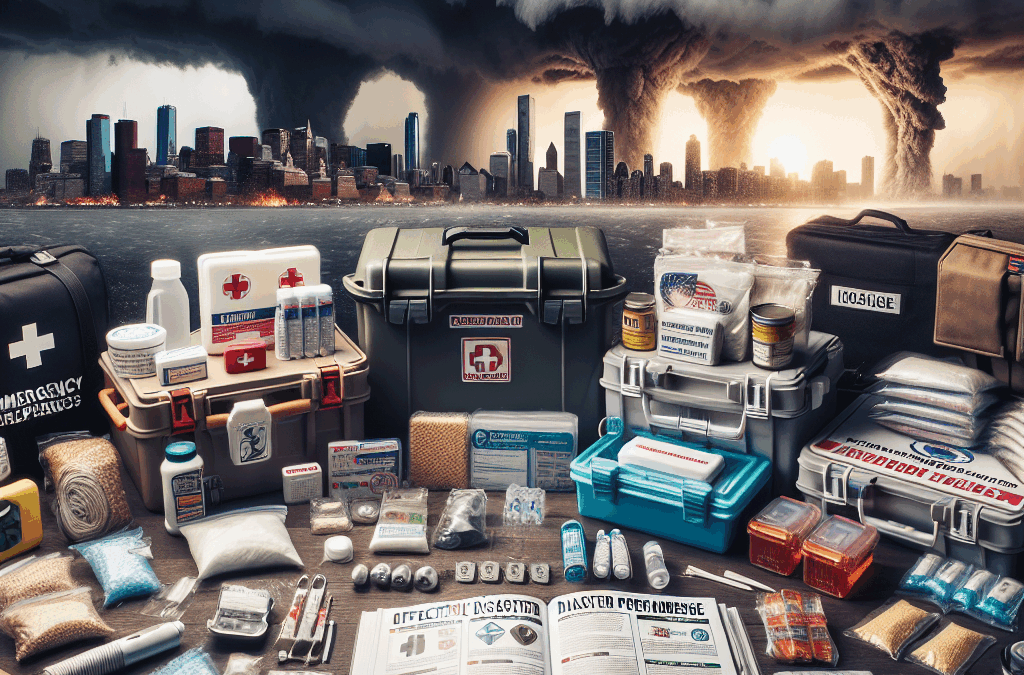
Once you’ve grasped these risks, the next step is building an effective emergency kit. This kit should include essential supplies that can sustain you and your family during turbulent times. Think beyond just food and water; consider first aid items, flashlights with spare batteries, non-perishable foods, blankets, important documents (like insurance papers), and any necessary medications. Don’t forget about unique needs—infants may require formula while pets need food too! Regularly check your kit to replace expired items and ensure everything remains functional.
Creating a family emergency plan takes this preparation further by establishing clear communication channels and evacuation procedures. Discuss with your loved ones how you’ll stay connected during chaotic times; consider setting meeting points or using designated check-in contacts outside your immediate area. Make sure everyone knows the quickest routes out of your home or neighborhood in case evacuation becomes necessary. Practicing these scenarios will instill confidence in each family member when disaster strikes.
In today’s digital age, staying informed plays a pivotal role in disaster preparedness. Utilize technology to enhance your readiness—subscribe to local weather alerts on smartphones or download emergency management apps that provide real-time updates about impending threats. Social media platforms are also invaluable for receiving community news quickly but remember to verify information before acting on it.
However, individual efforts aren’t enough; fostering resilience within our communities is equally vital when facing potential disasters together. Engage with neighbors through workshops focused on emergency preparedness; share resources like first-aid training or safety drills that promote collective awareness and support systems during crises. Organizing community response teams can help establish networks of volunteers ready to assist others when needed.
Remember: disasters do not discriminate—they can affect anyone at any time regardless of status or background. By taking proactive steps toward understanding personal risks, assembling proper supplies, creating robust plans, leveraging technology effectively, and building strong community ties, we arm ourselves against unpredictability.
So let us embrace this call to action! Prepare yourself today—not just for your sake but for the well-being of those around you as well! Together we can cultivate resilient communities capable of navigating even the most daunting challenges life throws our way.
Starting your 72 hour emergency kit with essential items is crucial. Your goal is to ensure survival and comfort during unexpected emergencies such as natural disasters, power outages, or other crises in 2025. Think about what items are indispensableâfood, water, shelter, safety gear, and communication devicesâbecause these will keep you safe when help might be delayed.
Many people overlook the importance of considering the specific risks in their area. For instance, if you live in an earthquake-prone region, adding extra shock-absorbing supplies or sturdy footwear is smart. Tailoring your emergency kit to your environment ensures maximum preparedness and peace of mind.
Remember, an efficient 72 hour emergency kit should be light enough for mobility but comprehensive enough for survival, emphasizing quality over quantity. Prioritize multi-use items and compact solutions to maximize space and usefulness.
The container you select for your emergency kit must be durable, waterproof, and portable. Rubbermaid totes or military-grade waterproof backpacks are popular choices because they protect your supplies from environmental damage. In 2025, with increased climate variability, investing in high-quality storage ensures your items stay dry and functional.
Labeling your container clearly with “Emergency Kit” or “72 Hour Kit” helps everyone in your household identify it quickly during a crisis. Moreover, consider adding wheels or handles for easier transport if evacuation is needed.
Another tip is to keep your kit accessible but not in a location prone to hazards like flooding or extreme heat. Regularly check the container for signs of wear or damage, replacing it if necessary to maintain safety and accessibility.
Maintenance and Storage Tips
Store your emergency kit in a cool, dry placeâideally somewhere you remember and can access swiftly. In 2025, smart storage solutions include temperature-controlled closets or designated emergency shelves. Keeping your container in a consistent location minimizes delays during urgent situations.
Periodically, open your kit to check for expired food, drained batteries, or damaged supplies. Refresh items annually or after major use to ensure everything inside is in optimal condition.
Remember, a well-chosen container is fundamental in ensuring your 72 hour emergency kit remains effective, safe, and ready at all times.
3. Include Comprehensive First Aid Supplies
Essential Medical Supplies to Pack
First aid supplies are vital in managing injuries during emergencies. Your kit should include bandages, antiseptic wipes, adhesive tape, scissors, tweezers, gloves, and pain relievers. In 2025, consider including advanced supplies like burn ointments or personal medications for chronic conditions.
If you have family members with specific health needs, customize your kit to accommodate these. Also, consider adding a first aid manual or quick-reference guide to handle common injuries:
Sterile gauze pads
Antibiotic ointment
Medical tape and scissors
Personal prescription medications
Proper storage and regular re-checking of your first aid supplies ensure youâre prepared to handle minor injuries or medical emergencies confidently.
Training and Preparedness
In addition to assembling your supplies, taking a first aid course is highly recommended. Knowing how to properly administer aid can make all the difference during the critical 72 hours after an emergency.
Many organizations offer online and in-person courses tailored for families and individuals. Make sure your kit contains emergency contact numbers and medical information for each household member for quick access during crises.
4. Pack Nutritious Food and Hydration Supplies
Choosing Long-Lasting Food Options
In your 72 hour emergency kit, including durable, easy-to-prepare food is essential. Opt for foods with a long shelf life, such as energy bars, dried fruits, nuts, and canned goods. In 2025, innovations in packaging make these items more compact and resistant to spoilage.
Calculate at least 2,000 calories per person per day to ensure energy levels stay high during stressful times. Remember to pack a manual can opener if your supplies include canned foods.
Hydration is just as important as nutrition. Stockpile bottled waterâaim for a minimum of 1 gallon per person per dayâand include water purification tablets or filters if possible.
Additional Tips for Food Storage
Keep your food supplies in airtight containers to prevent spoilage and pest intrusion. Label everything clearly with expiration dates, and rotate stock annually. Consider including small snacks, like candies or chocolates, to boost morale during tough circumstances.
In 2025, some pre-packaged meal kits are designed specifically for emergency preparedness, providing balanced nutrition in compact packages. Incorporating these into your kit can save space and simplify meal planning during emergencies.
5. Consider Communication Devices
Staying Connected During a Crisis
Communication is key when you’re in a 72 hour emergency situation. Your kit should include a battery-powered or hand-crank radio, preferably with NOAA weather alert features. This keeps you informed about ongoing developments and safety instructions.
Adding a fully charged portable power bank can keep your cell phone operational for critical calls and messages. In 2025, many people are shifting toward satellite communication devices, especially in remote areas where cellular signals are unreliable.
Donât forget to pack extra batteries or solar chargers. These ensure your devices stay powered without needing to rely solely on grid electricity, which could be disrupted during emergencies.
Effective Use of Communication Tools
Learn to set up and test your communication devices periodically. Make sure all family members know how to operate them and have emergency contacts saved prominently. Sharing your emergency plan with trusted neighbors or friends adds an extra layer of safety in case you’re unable to communicate.
Modern technology, like emergency apps, can notify you of local hazards and provide location tracking. Consider including printed maps of your area in case digital tools fail.
6. Bring Appropriate Clothing
Climate-Appropriate Apparel
Your 72 hour emergency kit should include clothing suitable for the climate and season. In 2025, with unpredictable weather patterns, packing layers such as thermal underwear, waterproof jackets, sturdy shoes, and hats is wise. These keep you warm and dry in adverse conditions.
Compact, lightweight clothing options are best for saving space. Always include extra socks and durable footwear to prevent frostbite or blisters. Bright-colored or reflective clothing enhances visibility during search and rescue efforts.
Donât forget personal items like gloves, scarves, or sunglassesâthese can significantly increase comfort and protection. Consider packing a small blanket or sleeping bag for warmth and additional comfort.
Special Needs Considerations
If anyone in your family has specific clothing needs due to medical conditions or age, make sure these are included. For example, infants and elderly members may require special footwear or thermal wear. Customize your kit accordingly to ensure no one is left unprotected.
Checking the weather forecast regularly and updating clothing choices seasonally ensures your kit remains relevant. The right clothing can turn a potentially dangerous situation into a manageable one.
7. Include Personal Essentials
Important Personal Items to Pack
Personal essentials include hygiene products, extra eyeglasses, and necessary toiletries. A small bottle of hand sanitizer, wet wipes, and a toothbrush are convenient during extended stays away from home facilities.
For 2025, consider adding masks, hand sanitizers, and disinfectant wipes to combat germs and maintain hygiene. These small items can improve comfort and health during stressful environments.
Don’t forget about personal identification and backup copies of important documents stored in waterproof containers. These can help authorities verify your identity or access benefits if needed.
Additional Personal Items
Include any special items needed by family members, such as hearing aids, medical devices, or comfort items for children. These may seem minor but can significantly impact well-being during a crisis.
Regularly review and update your personal items to adapt to changing needs or new health conditions. Being prepared with personal essentials reduces stress and helps maintain a sense of normalcy during emergencies.
Frequently Asked Questions About 72 Hour Emergency Kits
Q1: What is a 72 hour emergency kit, and why is it important in 2025?
A 72 hour emergency kit is a collection of supplies designed to sustain you and your family for three days during an emergency. In 2025, with increasing climate risks and unpredictable events, having a well-prepared kit ensures you’re ready to handle crises effectively and safely.
Q2: How often should I update my 72 hour emergency kit?
It’s recommended to review and update your kit every six months or after significant events. Check expiration dates, replenish supplies, and ensure all items are in working condition to maintain optimum readiness in 2025.
Q3: What are the most essential items to include in a 72 hour emergency kit?
Key essentials include water, non-perishable food, first aid supplies, flashlight, batteries, warm clothing, communication devices, and important documents. Priority should be given to items that ensure safety, health, and communication during a crisis.
Q4: Can a 72 hour emergency kit be customized for specific needs?
Absolutely. Customizing your kit based on the unique needs of your familyâsuch as medical requirements, climate, and local hazardsâcan enhance your preparedness and comfort during emergencies in 2025.
Q5: How can I make my 72 hour emergency kit more sustainable and eco-friendly?
Use reusable items like water bottles, solar chargers, and durable containers. Select food options with minimal packaging, and consider eco-friendly hygiene products. Sustainability helps reduce environmental impact while maintaining your readiness.
Conclusion
Equipping a comprehensive and well-structured 72 hour emergency kit is vital for protecting yourself and your loved ones in 2025. By following the tips outlined above, you can ensure your kit contains everything necessary for survival, comfort, and swift response during unforeseen crises. Remember, preparedness is an ongoing processâregularly reviewing and updating your kit keeps you ready. Don’t wait for an emergency to strikeâstart building your ultimate 72 hour emergency kit today and face the future with confidence!
Creating an effective emergency preparedness blog starts with understanding the specific risks in your area. Are you prone to floods, hurricanes, earthquakes, or wildfires? In 2025, climate change has increased the frequency and severity of many natural disasters, making it crucial to tailor your plan accordingly. Research local hazard maps and historical data to identify your primary threats.
Knowing your risks allows you to prioritize preparations and allocate resources effectively. For example, households near coastlines or riverbanks should focus on flood safety plans, while those in seismic zones need earthquake readiness strategies. This targeted approach ensures your emergency plan is both realistic and efficient.
Take the time to consult local authorities and community resources. Many cities offer hazard risk assessments online, providing a valuable starting point. Incorporating these insights into your emergency preparedness blog can help readers develop personalized plans that are grounded in accurate, current data.
Creating Clear Communication Protocols
Effective communication is the backbone of any emergency plan. Developing clear protocols ensures everyone in your household knows who to contact, where to meet, and how to share information during a crisis. In 2025, digital tools like emergency apps and messaging services complement traditional methods, offering real-time alerts and updates.
Practice these communication procedures regularly through drills and discussions. Consider establishing a family or community emergency contact list that includes out-of-town relatives and local emergency contacts. This redundancy helps prevent confusion and ensures messages get through when it matters most.
Building a reliable communication strategy within your emergency preparedness blog encourages readers to take proactive steps, making their responses swift and coordinated in high-stress situations.
2. Build a Comprehensive Emergency Kit
Essential Items for Your Kit
An emergency kit is a critical element of preparedness. For 2025, experts recommend including at least a three-day supply of food and water, first aid supplies, personal hygiene items, flashlights, batteries, and copies of important documents. Tailor your kit to meet specific needs, such as medications, pet supplies, or special equipment for children or seniors.
Invest in durable, waterproof containers to keep supplies safe and organized. Include multi-use tools, manual can openers, blankets, and masks to enhance your readiness. The goal is to ensure you have everything needed to survive without outside assistance for at least 72 hours.
Regularly review and update your emergency kit to account for changing needs, expiration dates, and new products. For instance, in 2025, new lightweight solar chargers have become affordable and efficient, making them a smart addition to keep devices powered during blackouts.
Storage and Accessibility Tips
Proper storage is essential so your emergency kit remains accessible and in good condition. Choose a central location in your home, such as a closet or garage, that is easy to reach during a crisis. Make sure all family members know where the kit is stored and can access it quickly.
Label compartments clearly and consider using color-coded or numbered containers for quicker identification. If you have small children or elderly family members, ensure they can reach and use the kit independently or have a plan for assistance.
Practicing regular drills to retrieve the kit ensures everyone feels comfortable accessing it under stress. Additionally, consider storing duplicates in different locations if your household is large or spread out.
FAQs about the Emergency Preparedness Blog
1. Why is an emergency preparedness blog important in 2025?
In 2025, with increasing natural disasters and climate-related events, an emergency preparedness blog provides critical information and practical tips to help individuals and communities stay safe and resilient. Itâs a reliable resource for current strategies and updates.
2. How often should I review my emergency plan and kit?
Itâs advisable to review your emergency plan quarterly and update your kit every 6 to 12 months. Regular reviews ensure youâre prepared for evolving risks and that supplies are fresh and functional.
3. What are the top trends in emergency preparedness for 2025?
Top trends include the use of smart technology, portable solar power solutions, community-based planning, and the integration of social media for alerts. These innovations enhance readiness and communication during crises.
4. How can I make my emergency preparedness blog more engaging?
Include real-world stories, practical tips, infographics, and interactive content such as checklists and quizzes. Sharing personal experiences and current data also helps connect with readers and motivate preparedness.
5. What are the key elements of a successful emergency preparedness blog?
Key elements include accurate information, practical advice, regular updates, user-friendly design, and comprehensive coverage of topicsâespecially focusing on the most current data and strategies for 2025.
Conclusion
Staying prepared for emergencies in 2025 is more vital than ever. An effective emergency preparedness blog serves as a vital resource, offering valuable tips, strategies, and insights to help individuals and communities navigate uncertainty. Whether itâs developing personalized plans, building comprehensive kits, or staying informed through reliable alerts, being proactive can make all the difference. Remember, the key to resilience lies in knowledge, preparation, and action. By leveraging the guidance from top emergency preparedness blogs, you can face any crisis with confidence and peace of mind.
Knowing how to prepare for disaster is more critical than ever as we face increasing threats from natural calamities, cyber-attacks, and other emergencies in 2025. Being proactive and ready can make a significant difference in ensuring your safety and minimizing damage. In this article, Iâll share seven effective strategies that you can implement today to be prepared for any disaster that might come your way.
1. Develop a Comprehensive Emergency Plan
Understanding the Importance of Planning
Creating a well-thought-out emergency plan is the first step in understanding how to prepare for disaster. Your plan should cover evacuation routes, communication strategies, and specific needs for your family members. In 2025, with the increasing frequency of extreme weather events, having a plan tailored to your local risks is essential.
Start by mapping out multiple evacuation routes from your home and workplace. Discuss with your family what to do in different scenarios such as floods, wildfires, or power outages. An emergency plan reduces chaos during a crisis and helps everyone stay on the same page when it matters most.
Make sure your plan includes contact information, meeting points, and roles for each family member. Keep a printed copy accessible and store digital copies securely. Remember, a good plan is useless if not practiced regularly.
Customizing Your Emergency Strategy
Customizing your plan based on your location and personal circumstances is crucial. For example, if you live in a hurricane-prone region, your plan should include specific steps for storm preparation and evacuation. Conversely, urban dwellers should focus on shelter-in-place strategies for power outages or civil unrest.
Stay updated on local emergency protocols and ensure your plan aligns with current recommendations. Using resources like the FEMA website or local disaster management agencies can provide valuable insights. Regular review and updates to your plan are vital to stay prepared for evolving threats in 2025.
Tools like emergency planning apps can also assist in customizing and sharing your plan with trusted contacts, ensuring everyone knows their roles.
2. Build an Emergency Supplies Kit
Essential Items for Your Kit
One of the most practical steps in how to prepare for disaster is assembling a comprehensive emergency supplies kit. Your kit should contain enough essentials to sustain your family for at least 72 hours. Focus on water, non-perishable food, first aid supplies, and personal hygiene items.
According to recent studies, having a minimum of one gallon of water per person per day is vital. Store at least three daysâ worth of food, including canned goods, granola bars, and other long-lasting items. Donât forget flashlights, batteries, a multi-tool, and a battery-powered radio to stay informed during outages.
Include any special needs items such as medications, baby supplies, pet food, and sanitation products. Properly organizing your kit in an accessible container ensures quick retrieval when disaster strikes.
Maintaining and Updating Your Supplies
Regularly check expiration dates on food and medications, replacing items as needed. In 2025, new survival tools and portable technologies are emerging that can enhance your readinessâconsider investing in solar chargers or portable water purifiers.
Itâs also wise to have a smaller secondary kit for your vehicle and workplace. Keep a list of all supplies and review it quarterly. A well-maintained kit is a cornerstone of effective disaster preparedness and will save you time and stress in an emergency.
3. Stay Informed with Reliable Alerts
Using Technology to Your Advantage
Understanding how to prepare for disaster involves staying informed through trusted sources. In 2025, technology offers numerous options for real-time alerts such as government notifications, weather apps, and social media channels.
Sign up for local emergency alert systems like FEMAâs Wireless Emergency Alerts (WEA), and download reputable weather apps that provide timely updates and safety tips. Enable notifications so you get instant warnings about approaching storms, earthquakes, or other hazards.
Additionally, following official social media accounts ensures you receive verified information that can help you make quick decisions during crises. Prioritizing reliable sources reduces the risk of misinformation and confusion.
Practicing Alert Activation
Don’t just set alertsâregularly test them to ensure they work on your devices. Make it part of your emergency drill routine to verify that everyone recognizes alert sounds and understands the necessary response. Familiarity with warning signals is crucial in reducing panic and ensuring safety.
In 2025, I recommend integrating smart home technologyâsuch as connected smoke and carbon monoxide detectorsâthat can send alerts directly to your phone. Staying informed is essential to effective disaster preparedness.
4. Strengthen Your Home Against Disasters
Structural Improvements
Knowing how to prepare for disaster also involves fortifying your home. Structural modifications can significantly reduce damage and increase safety during hurricanes, earthquakes, or floods. Retrofitting your house with storm-resistant windows, reinforced doors, and proper roofing can make a real difference.
Seismic reinforcements, such as securing heavy furniture or installing safety braces, are equally important in earthquake-prone areas. Consult with local experts to identify the best upgrades tailored to your region’s risks.
In 2025, innovative materials like impact-resistant glass and flood barriers are becoming more accessible and cost-effectiveâthese can be valuable investments to improve resilience.
Preventive Maintenance and Safety Checks
Regular inspections of your home’s electrical, plumbing, and roofing systems help prevent disaster-related accidents. Clear gutters of debris, fix leaks, and ensure proper drainage away from your foundation to prevent flooding.
Installing surge protectors and backup power solutions like generators can keep your essential systems running during outages. These preventive measures are crucial parts of learning how to prepare for disaster effectively.
Document your homeâs safety features and keep a maintenance checklist. Staying proactive minimizes unexpected failures during emergencies.
5. Know Your Community Resources
Local Emergency Services and Shelters
Part of understanding how to prepare for disaster is knowing the resources available in your community. Locate nearby emergency shelters, hospitals, and fire stations, and keep their contact info handy.
Many communities in 2025 now have designated safe zones, especially in flood-prone or wildfire areas. Familiarize yourself with these locations and their procedures. Participating in local preparedness events can also give you insights into community plans and support systems.
Building relationships with neighbors and local authorities enhances collective resilience. In times of disaster, community cooperation often saves lives and streamlines response efforts.
Accessing Support & Assistance
If you or your family have special needs, it’s essential to register with local emergency management agencies. Many places offer assistance programs for elderly residents, those with disabilities, or limited mobility.
Keep emergency contacts, medical records, and assistance details updated. Knowing where to turn for help makes your disaster response more effective and less stressful.
In 2025, digital platforms are improving how communities coordinate aidâstaying connected ensures you’re not left behind during crises.
6. Practice Drills Regularly
The Value of Repetition
Practice makes perfectâthis holds true even for disaster preparedness. Regular drills help you understand how to prepare for disaster efficiently, reducing panic and confusion during actual emergencies. The more familiar you are with your plan and supplies, the faster your response will be.
Schedule family drills every six months, simulating different scenarios such as fire, earthquake, or flood. Include practice of evacuation routes, communication plans, and using emergency supplies.
Review what went well and identify areas for improvement after each drill. Updating your procedures based on real experience enhances overall readiness.
Collaborating with Others on Preparedness
Encourage neighbors and community groups to organize joint drills. Communities that practice together foster cooperation and shared knowledge. In 2025, these collective efforts can magnify individual preparedness and quicken evacuation or response times during critical events.
Leverage local, state, or national volunteer organizations that provide training and resources. Engaging in ongoing education keeps your skills sharp and your knowledge current with evolving threats.
Remember, practicing how to respond is one of the most effective ways to ensure how to prepare for disaster becomes second nature.
7. Educate Your Family and Neighbors
The Importance of Community Awareness
In our final tip on how to prepare for disaster, I want to emphasize education. Properly informing your family and neighbors about potential risks and preparedness strategies creates a more resilient community in 2025.
Share your emergency plan, supplies, and safety tips with loved ones. Organize neighborhood meetings to discuss how everyone can contribute to collective safety. A well-informed community can better manage crises and support vulnerable members.
Educational campaigns, social media outreach, and local workshops are powerful tools for raising awareness. The more people know, the stronger our overall disaster response will be.
Conclusion
Knowing how to prepare for disaster in 2025 is about foresight, planning, and ongoing practice. By developing comprehensive emergency plans, building supplies kits, staying informed, and strengthening your home and community, you can significantly enhance your safety and resilience. Remember, preparedness is an ongoing processâregular updates and drills keep you ready for whatever 2025 might bring. Take action today to secure your future and ensure youâre as prepared as possible for any disaster scenario.
Frequently Asked Questions
1. What are the most important steps to learn how to prepare for disaster?
The most important steps include developing an emergency plan, building a supplies kit, staying informed, and practicing drills regularly.
2. How often should I review my disaster preparedness plan?
Review and update your plan at least twice a year, or whenever significant changes occur in your circumstances or local risks.
3. What should I include in my emergency supplies kit for 2025?
Essential items include water, non-perishable food, first aid supplies, batteries, flashlight, personal hygiene products, medications, and any specific needs for your family.
4. How can I learn how to prepare for disaster in my community?
Attend local workshops, participate in community drills, connect with local authorities, and join neighborhood safety groups to learn more about your community resources and plans.
5. Why is practicing emergency drills important?
Practicing drills helps you familiarize yourself with your plan, reduces panic during real emergencies, and identifies areas where improvements are needed to enhance overall safety.