In 2025, having a comprehensive emergency plan is fundamental for effective natural disaster prep. Start by outlining clear procedures for different scenarios like earthquakes, floods, or hurricanes. Your plan should identify escape routes, safe zones, and communication methods. Customizing these for your specific region dramatically increases safety for all household members.
Practicing your plan regularly ensures everyone knows what to do during a disaster. For example, conducting drills for fire evacuations or earthquake drop, cover, and hold exercises can make a big difference. Remember, the key to successful natural disaster prep is communication and readiness before an emergency occurs.
Include roles and responsibilities for each family member, especially children and elderly relatives. Write down emergency contacts and keep a physical copy accessible. This proactive approach minimizes panic during real events and can save lives.
Creating a Family Emergency Kit
Part of your natural disaster prep should include assembling a well-stocked emergency kit. Essential items include water, non-perishable food, medications, first aid supplies, flashlights, and batteries. In 2025, consider adding high-tech gadgets like portable chargers and solar-powered lights to stay connected even during prolonged outages.
Keep your kit in an accessible location known to everyone in the household. Remember to update your supplies regularly, especially perishable items and medications, to ensure everything is in working order. A thoughtfully prepared kit provides peace of mind and immediate resources during the first critical hours of a disaster.
In addition, personalize kits for pets, children, or individuals with special needs, ensuring all family members are covered. Smart stocking can make the difference in your overall natural disaster prep.
2. Stocking Essential Supplies
Creating a Long-Term Food and Water Reserve
One of the most vital aspects of natural disaster prep in 2025 is maintaining a reliable supply of food and water. Experts recommend storing at least a two-week supply for each person in your household. Stock non-perishable foods like canned goods, dried fruits, and energy bars that can last years if stored properly.
Water is even more critical; aim for at least one gallon per person per day. Consider investing in water purification methods like filters or tablets to supplement stored water. This ensures your family remains hydrated and healthy during extended crises.
Planning for long-term sustainability is key. Rotate supplies regularly to prevent spoilage, and customize your stockpile based on dietary needs. Proper preparation reduces dependence on external sources, making your natural disaster prep more resilient.
Essential Personal Hygiene and Medical Supplies
Maintaining hygiene during disasters prevents illnesses and infections. Your supplies list should include soap, hand sanitizers, feminine hygiene products, and cleaning supplies. For medical needs, keep a first aid kit, prescription medications, and essentials like antiseptics handy.
In 2025, telemedicine services are more accessible, but having a stock of basic medical supplies at home can be lifesaving. Make sure to include items like bandages, pain relievers, and personal protective equipment (PPE). Proper natural disaster prep emphasizes health and hygiene to prevent secondary health crises.
Store these supplies in a dedicated, organized space so they’re easy to find. Regularly check expiration dates and replenish as needed.
3. Evacuation and Shelter Plans
Planning Your Evacuation Route
An essential step in natural disaster prep is planning multiple evacuation routes from your home. Map out primary and alternate routes in case of road closures or hazards. Use tools like Google Maps or local emergency services info to identify safe zones and shelters nearby.
Practice your evacuation plan at least once a year. Include attaching a portable emergency kit to your vehicle so you’re ready to go on short notice. Keeping your vehicle fueled and in good condition is also vital since it can significantly reduce chaos when evacuating.
Stay informed by subscribing to local alerts and weather updates. A well-rehearsed evacuation plan minimizes confusion and ensures safety during unforeseen events.
Sheltering-In-Place Strategies
Sometimes, evacuation isnât feasible or safe. In these cases, preparing a shelter-in-place strategy is crucial. Reinforce your home with safety features like storm shutters, reinforced doors, and secure windows. Stock your home with enough supplies to sustain your family for at least a week.
Creating a designated safe room within your house provides a sturdy shelter during tornados, earthquakes, or other hazards. It should have basic supplies, communication devices, and first aid essentials.
Practicing shelter-in-place scenarios ensures that your family knows what to do in a pinch, reinforcing the importance of comprehensive natural disaster prep.
4. Maintaining Community Resilience
Building Local Support Networks
While individual preparedness is essential, community resilience plays a vital role in natural disaster prep. Connecting with neighbors and local organizations creates a support system that can be invaluable during emergencies. Organized neighborhood groups can share supplies, information, and assistance.
Attend local emergency preparedness meetings or create a neighborhood watch focused on disaster readiness. In 2025, many communities are adopting digital platforms for instant communication and resource sharing, increasing overall resilience.
Community efforts improve quick response times and reduce chaos, making everyone safer during disasters. Building these networks is as crucial as personal prep.
Volunteer and Training Programs
Participating in volunteer programs or emergency response training enhances your natural disaster prep skills. Organizations like the Red Cross offer courses on first aid, CPR, and disaster management. Learning these skills can save lives in real situations.
Encourage your community to organize drills and training sessions regularly. Knowledge shared among neighbors fosters a culture of readiness and collective safety. Staying informed and prepared helps mitigate the impact of disasters for the entire community.
By investing in community resilience, we all benefit from a safer, more prepared environment in 2025 and beyond.
5. Utilizing Technology & Communication Tools
Emergency Notification Apps and Alerts
Modern technology offers numerous tools for natural disaster prep. Download reliable emergency alert apps that provide real-time updates on weather, hazards, and evacuation instructions. Many local governments and agencies now use SMS alerts and apps to notify residents instantly.
In 2025, consider using social media platforms and community forums to stay connected and share vital information. Setting up a family communication plan using messaging apps ensures everyone stays in contact during chaos.
Technology can reduce confusion during disasters, allowing quick decision-making and response. Staying connected is a critical part of comprehensive prep strategies.
Smart Home Safety Devices
Investing in smart home devices adds an extra layer of security. Install smoke detectors, carbon monoxide alarms, and leak sensors that can alert you remotely. In case of power outages, consider battery-powered or solar-connected options.
Smart security cameras can help monitor your property during ab emergencies, and voice-activated assistants can provide critical information or contact emergency services. Digital tools enable better management of your safety during an unpredictable 2025.
Harnessing technology enhances your overall natural disaster prep approach and increases your chances of staying safe.
6. Physical & Medical Readiness
Physical Fitness and Safety Measures
A physically prepared body can better withstand the challenges posed by some natural disasters. Regular exercise increases strength, endurance, and agility, which are vital during evacuation or rescue efforts. In 2025, consider incorporating functional training for emergenciesâlike lifting heavy objects or quick escapes.
Safety measures include wearing appropriate footwear and protective gear during drills or actual scenarios. Being physically prepared reduces injury risks and enhances your ability to respond swiftly.
Overall, staying active is a simple but often overlooked facet of natural disaster prep, contributing to long-term resilience.
First Aid and Medical Skills
In a disaster, immediate medical attention can prevent minor injuries from worsening. Learning basic first aid and CPR is essential. Enroll in certified courses or practice using simulation kits at home.
Stocking a well-organized medical kit tailored to your familyâs needs enhances your readiness. In 2025, digital health apps provide guidance for common emergencies, supplementing hands-on skills.
Preparedness is about empowering yourself and your loved ones to act confidently in critical moments, integral to effective natural disaster prep.
7. Insurance & Financial Protections
Reviewing Your Policies
Review and update your insurance policies regularly to ensure adequate coverage for natural disasters. In 2025, many insurers offer specialized coverage for floods, earthquakes, and wildfires. Proper insurance minimizes financial fallout after a disaster.
Understand the fine printâwhatâs covered, deductibles, and claims processes. Document your property and valuables with photos and receipts for easier claims.
Financial resilience, combined with physical and emotional preparedness, helps you recover faster, which is key to comprehensive natural disaster prep.
Emergency Savings Fund
Building an emergency savings fund dedicated to disaster recovery is a savvy move. Aim for at least 3-6 months of living expenses. This safety net provides liquidity for unexpected needs like repairs, temporary housing, or medical bills.
In 2025, consider digital savings accounts designed specifically for emergencies. Automate contributions regularly to stay consistent.
Being financially prepared complements physical readiness, enhancing your overall resilience against natural catastrophes.
8. Education & Training
Staying Informed Through Continuous Learning
Ongoing education is vital for natural disaster prep. Stay updated with the latest research, technology, and best practices by following credible sources like FEMA or the Red Cross. In 2025, new techniques and tools continually evolve, so consistent learning is crucial.
Attend webinars, workshops, and local drills to refresh your knowledge. Educating children in disaster preparedness also instills responsibility and confidence.
Knowledge empowers action and reduces panic during an actual event, making education a cornerstone of effective prep strategies.
Training Family Members and Community
Training your family and neighbors in basic emergency response ensures collective safety. Practice drills for fire, earthquake, or severe weather scenarios, and teach children how to respond calmly.
Consider holding community-based workshops. In 2025, virtual training modules have become accessible, enabling wider participation. This collective knowledge minimizes chaos and saves lives in real emergencies.
Consistent training is an investment in preparedness, making your natural disaster prep efforts more effective and inclusive.
9. Embracing Sustainable Prep Practices
Eco-Friendly Preparedness
In 2025, integrating sustainability into your natural disaster prep is both responsible and practical. Use renewable energy sources like solar panels to power emergency equipment. Opt for reusable supplies to reduce waste.
Planting native, drought-resistant gardens can provide food and reduce environmental impact. These practices support resilient communities and a healthier planet when disasters strike.
Sustainable prepping ensures that your efforts are long-lasting and compatible with environmental conservation goals.
Reducing Carbon Footprint in Emergency Planning
Plan evacuation routes and backup systems that minimize emissions. Use electric vehicles for evacuation or solar-powered chargers for devices. These choices align with global efforts to combat climate change, which often exacerbates natural disasters.
Smart resource management during prep reduces environmental impact and ensures sustainable resilience. In 2025, eco-consciousness in preparation becomes an essential component of comprehensive natural disaster strategies.
Embedding sustainability into your planning not only protects the planet but also enhances your communityâs capacity to withstand crises.
10. Regularly Reviewing & Updating Your Plan
Annual Plan Review and Drills
Your natural disaster prep plan should be reviewed and tested annually. Changes in family circumstances, local hazards, and available technology necessitate regular updates. Conduct drills to ensure everyone remembers their roles and procedures.
Analyze past drills and real encounters to identify gaps and improve strategies. Use feedback from family members to adapt the plan for better efficacy.
Consistent review keeps your preparedness current, relevant, and effective in 2025 and beyond.
Staying Ahead With New Technologies and Risks
As new risks emerge and technologies develop, stay informed by subscribing to official updates and research reports. Incorporate the latest tools and best practices into your natural disaster prep routine.
Technological advancements like AI weather forecasting and real-time data analytics can improve your response strategies. Regularly updating your plan using such innovations enhances safety and resilience.
Being proactive and adaptive is fundamental for staying prepared in an ever-changing world.
Frequently Asked Questions
What are the most important natural disaster prep strategies for 2025?
Focus on creating a comprehensive emergency plan, stocking essential supplies, utilizing technology, and staying informed through continuous education. Regularly review and practice your plans for maximum effectiveness.
How can I improve my natural disaster prep in a community setting?
Build local networks, participate in community training, share resources, and conduct joint drills. Community resilience significantly boosts the overall safety and recovery capacity.
What technological tools are recommended for natural disaster prep in 2025?
Emergency alert apps, smart home safety devices, communication platforms, and online training courses are vital for modern preparedness. These tools facilitate quick response and effective information sharing.
Why is regular review of my disaster plan important?
It ensures your plan stays current with changing risks, family dynamics, and available resources. Regular practice and updates help reduce confusion and improve response times during actual disasters.
How does sustainable prep contribute to disaster resilience?
Sustainable practices reduce environmental impact, improve resource management, and contribute to community resilience. Using renewable energy and eco-friendly supplies ensures long-term preparedness.
To effectively engage in preparation before disaster strikes, you first need to understand the specific risks that threaten your area and the world in 2025. Natural disasters vary by regionâearthquakes in California, hurricanes in the Gulf Coast, floods in the Midwestâand global threats such as pandemics and cyber-attacks are increasingly relevant. By analyzing recent data and reports, you can tailor your preparedness efforts accordingly.
For example, recent studies show that climate change has increased the frequency of severe weather events in 2025, making risk assessment more crucial than ever. Local government agencies often provide hazard maps and risk assessments that can help you identify vulnerabilities specific to your residence or business.
Taking time to evaluate these risks enables you to prioritize your preparation efforts efficiently. This understanding allows you to allocate resources where they are needed most, whether it’s strengthening your home against storms or creating cybersecurity measures.
Using Data and Resources for Accurate Risk Assessment
Today’s technology offers numerous tools to assess disaster risks. Interactive maps, government reports, and community surveys are valuable resources. Platforms like FEMA’s disaster maps and local emergency management portals provide in-depth insights into potential threats.
Utilizing weather alerts and early warning systems helps you stay informed about imminent dangers. Many apps can send real-time notifications about approaching storms, earthquakes, or other emergencies, giving you a critical head start in preparation before disaster strikes.
Becoming familiar with these tools and regularly checking updates ensures you stay ahead, ready to act promptly when necessary. Incorporating this intelligence into your overall preparedness strategy is vital for your safety in 2025.
2. Building a Comprehensive Emergency Kit
Essential Items for Your Emergency Kit
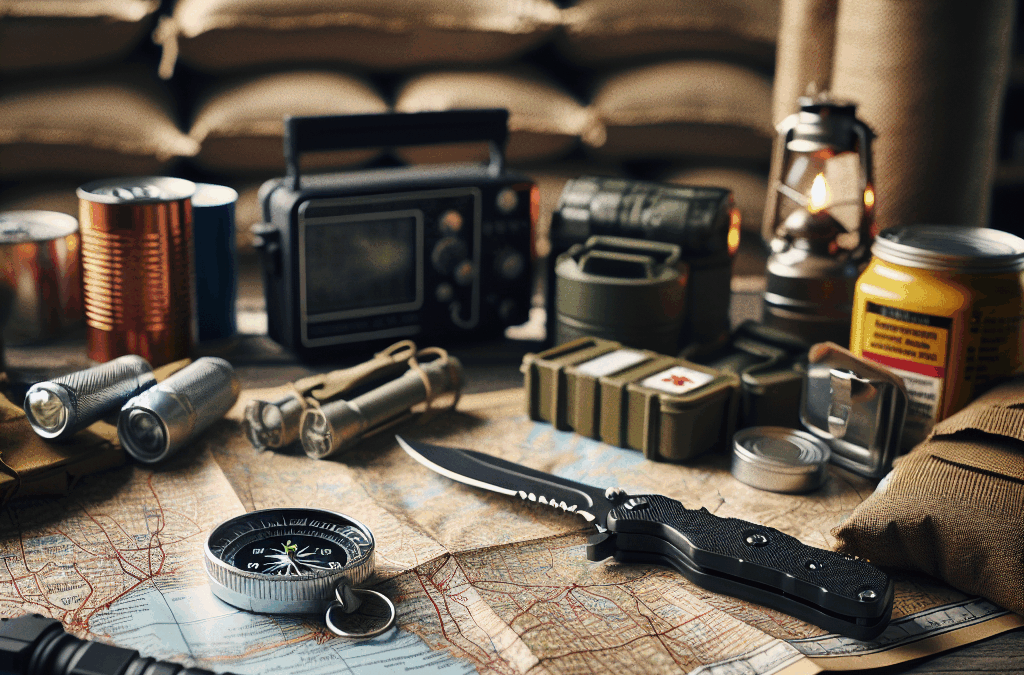
Creating an emergency kit is one of the most straightforward yet vital steps in preparation before disaster strikes. Your kit should include basic supplies such as bottled water (at least a gallon per person per day), non-perishable food, first aid supplies, medications, flashlight, batteries, hygiene products, and important documents.
In 2025, consider adding smart devices like portable chargers and solar-powered lanterns to ensure communication and lighting during power outages. Remember, emergencies can last days, so plan for at least a weekâs worth of supplies.
Also, include specialized items based on your family’s needs, such as baby formula, pet food, or medical equipment. Customizing your kit ensures you’re prepared for various disaster scenarios.
Storing and Maintaining Your Emergency Supplies
Proper storage is crucial. Use durable, waterproof containers and keep your kit in a readily accessible location known to all family members. Periodically check expiration dates, replace consumed items, and update your kit with new supplies annually.
Labeling your emergency kit helps during stressful situations, ensuring quick access. For instance, having a dedicated bag or box labeled “Emergency Kit” in your closet or garage makes the process smoother.
Practicing how to access and use the contents of your kit during drills enhances actual response efficiency. Regular maintenance and reviews keep your kit ready for when you need it most.
3. Creating a Family Emergency Plan
Communication Strategies and Contact Lists
Establishing a clear communication plan is fundamental in preparation before disaster strikes. Your plan should include multiple ways to contact each other if separated, such as phones, emails, or social media.
Designate a family emergency contact person who resides out of town, so everyone knows who to reach if local communication fails. Make sure every family member has a printed copy of the contact list, including emergency numbers, doctors, and local shelters.
In 2025, consider using sharing apps or emergency messaging services that can notify all family members simultaneously. Testing communication strategies regularly will ensure everyone is familiar with the procedures.
Designating Meeting Points and Emergency Locations
Pick and mark safe meeting placesâone near your home and another outside your neighborhood. These locations should be easily accessible and known to all family members.
Keep physical maps and GPS coordinates for each site, and ensure children understand how to reach these points. This simple step can prevent confusion and save precious time during an emergency.
Practicing the plan frequently, including evacuation drills, helps build confidence and ensures that everyone knows their role when disaster strikes. A well-rehearsed plan reduces chaos and enhances safety.
Frequently Asked Questions
Q1: How does preparation before disaster strikes differ in 2025 compared to previous years?
In 2025, preparation before disaster strikes emphasizes technology integration, such as smart alarms, real-time alerts, and digital documentation. There’s a greater focus on cybersecurity, climate adaptation, and personalized emergency plans based on regional risk assessments.
Q2: What are the top items to include in a 2025 emergency kit?
Focus on essentials like potable water, non-perishable food, first aid supplies, portable chargers, solar-powered devices, and personalized items such as medications. Staying updated with the latest recommended supplies is key.
Q3: Why is creating a family emergency plan crucial in 2025?
An effective family emergency plan ensures quick, coordinated responses during crises. With increasing global threats, having a well-communicated plan enhances safety, reduces panic, and saves lives.
Q4: How can I stay informed and prepared for unexpected disasters in 2025?
Utilize mobile alerts, weather apps, local news, and community resources. Regularly reviewing and practicing your disaster response plans helps keep you ready for any emergency.
Conclusion
In 2025, the importance of preparation before disaster strikes cannot be overstated. By understanding your risks, building a comprehensive emergency kit, creating a detailed family plan, and staying informed, you can significantly improve your safety and resilience. Remember, proactive planning today ensures you’re better equipped to handle unforeseen challenges tomorrow. Start implementing these effective strategies now and make 2025 the year you are truly prepared for any disaster.
Identifying potential threats is the first step in creating an effective emergency response plan for 2025. Many organizations overlook the importance of a thorough risk assessment, which can leave them unprepared for unforeseen crises. Take the time to evaluate natural disasters like floods and earthquakes, as well as human-made risks such as cyberattacks or industrial accidents. Recent studies indicate that 75% of companies that experience a data breach did not have a comprehensive emergency response plan in place.
By understanding your unique vulnerabilities, you can tailor your emergency response plan to address specific threats pertinent to your location, industry, and infrastructure. For example, a coastal business might prioritize hurricane preparedness, while a tech company should emphasize cybersecurity response strategies. Incorporating this assessment into your planning ensures you can respond swiftly and effectively when disaster strikes.
Conducting Threat and Vulnerability Assessments
Regular threat and vulnerability assessments help keep your emergency response plan up-to-date. These assessments involve reviewing physical security measures, network security, personnel training, and emergency supplies. In 2025, technology allows for more sophisticated assessments through simulation software and data analytics, providing a clearer picture of potential shortcomings.
Engage with external experts or consultants to gain objective insights, and involve your team members in tabletop exercises to simulate different scenarios. The goal is to identify gaps in your current preparedness and develop strategic improvements. Remember, an effective emergency response plan depends on continuous evaluation and enhancement based on these assessments.
An essential part of your emergency response plan is establishing clear, attainable goals. These objectives should focus on safety, communication, and continuity of operations. For example, your plan might aim to evacuate all personnel within 15 minutes or restore critical functions within 24 hours. Clear goals help coordinate efforts and measure effectiveness during actual emergencies.
In 2025, many organizations leverage smart technology and data to refine these objectives. Setting measurable targets, such as reducing response time by 20% through automation, enhances preparedness. Make sure your goals are specific, realistic, and aligned with your organizationâs overall safety policies.
Aligning Objectives with Regulations and Standards
Ensuring your emergency response plan aligns with local, national, and international standards is critical. Regulatory agencies often update requirements, and staying compliant helps avoid legal penalties and enhances your safety measures. For instance, OSHA regulations on workplace safety remain central to crafting response strategies in 2025.
Regularly review and update your objectives based on new regulations, technological advancements, and lessons learned from drills or real events. An effective emergency response plan that complies with standards reinforces your organizationâs commitment to safety and resilience.
3. Developing Communication Strategies
Creating a Clear Communication Chain
Effective communication is the backbone of any emergency response plan. In 2025, organizations increasingly rely on multi-channel communication systems to relay information quickly. Establish a clear hierarchy and communication chain so that everyone knows whom to contact during a crisis.
Use a combination of internal messaging apps, email alerts, and public address systems to disseminate information. Designate spokespeople responsible for media and stakeholder communication to streamline messaging and prevent misinformation.
Utilizing Technology for Rapid Alerts
Modern emergency response plans incorporate technology like mass notification systems, SMS alerts, and mobile apps to notify staff instantly. For example, many organizations now use cloud-based platforms that send real-time updates to all employees and emergency responders simultaneously.
Training staff on these tools and testing them regularly ensures functionality during a crisis. The adaptive use of technology in 2025 enhances the speed and clarity of communications, reducing confusion and enabling coordinated action.
4. Training Personnel and Conducting Drills
Creating Comprehensive Training Programs
Training is vital to executing any emergency response plan successfully. Develop comprehensive programs that educate staff on procedures, safety protocols, and their roles during different emergencies. In 2025, virtual reality (VR) simulators are increasingly used to create immersive training experiences.
Ensure continual learning through annual refresher courses and updates on new procedures. Well-trained personnel can react swiftly, reducing potential harm and damage.
Implementing Regular Drills and Simulations
Simulated exercises serve as practical tests for your emergency response plan. Conducting frequent drills helps identify weaknesses in your plan and provides opportunities for improvement. For example, a fire drill might reveal issues with evacuation routes or communication gaps.
In 2025, organizations leverage analytics from drills to refine their response strategies further. These exercises also boost staff confidence, ensuring everyone knows what to do when real emergencies occur.
5. Establishing Emergency Supplies and Equipment
Assembling Critical Supplies
Having the right supplies ready can make all the difference during an emergency. Stock adequate first aid kits, food, water, flashlights, batteries, and personal protective equipment. Customizing supplies based on the nature of potential disasters helps ensure preparedness.
In 2025, organizations are also incorporating smart sensors to monitor the status of their emergency supplies, ensuring items are replenished timely. Regular inventory checks prevent shortages when emergencies occur.
Maintaining and Upgrading Equipment
Keeping equipment functional and up-to-date with technological advancements is crucial. For example, upgrading communication devices with encryption and AI-assisted features enhances security and response capabilities. Ensuring fire suppression systems are maintained and accessible can prevent escalation.
Schedule routine maintenance and conduct audits to guarantee all equipment operates correctly. Staying proactive about emergency supplies and equipment maintenance in 2025 enhances overall resilience.
Frequently Asked Questions
1. What is an emergency response plan?
An emergency response plan is a comprehensive strategy designed to prepare organizations and individuals for various crises. It outlines procedures for safeguarding personnel, protecting assets, and ensuring rapid recovery. Having an effective emergency response plan in 2025 is crucial to mitigate risks and minimize damage during unforeseen events.
2. Why is an emergency response plan important for my organization?
A well-crafted emergency response plan helps your organization respond quickly and efficiently during emergencies, reducing injuries, property damage, and downtime. It also ensures compliance with regulations and demonstrates a commitment to safety. In 2025, emerging threats like cyberattacks make having a solid plan more vital than ever.
3. How often should I update my emergency response plan?
You should review and update your emergency response plan at least annually or whenever significant changes occur, such as new technology, staff changes, or after drills reveal weaknesses. Regular updates ensure your plan remains relevant and effective in 2025âs dynamic environment.
4. What are some best practices for conducting emergency response drills?
Best practices include setting clear objectives, involving all staff, simulating real scenarios, and evaluating performance. Use feedback from drills to improve your plan. Additionally, incorporate new technology and stay adaptable to evolving threats.
Conclusion
Ultimately, developing an emergency response plan is a fundamental step toward safeguarding your organization in 2025. The dynamic nature of risks today demands a proactive approach, combining regular assessments, clear objectives, comprehensive training, and cutting-edge technology. An effective emergency response plan not only protects lives and property but also ensures business continuity in times of crisis. Stay prepared, stay resilient, and make 2025 your best year for emergency preparedness.
In an unpredictable world, being ready for emergencies is more crucial than ever, especially as we head into 2025. Whether it’s natural disasters, cyberattacks, or unforeseen personal crises, having a solid plan can make all the difference. Today, weâll explore the 7 best strategies to help you stay prepared and resilient. These tips are based on current trends, expert advice, and practical experience, helping you take proactive steps toward secure and confident living in 2025.
1. Building a Comprehensive Emergency Kit
Essential Supplies and Their Importance
Creating an emergency kit is the foundation of being ready for emergencies. It should include food, water, first aid supplies, and other essentials to sustain you for at least 72 hours. In 2025, the recommended water supply has increased to a 3-day reserve per person, reflecting recent findings on disaster response times. Keeping a list of critical items ensures you wonât forget anything vital.
Most people underestimate the importance of adequate food storage. Non-perishable items like canned goods, energy bars, and dehydrated meals are best. Remember to include a manual can opener and any dietary-specific food. With advances in packaging, modern emergency foods last longer and taste better. Having these supplies on hand reduces panic and confusion during crisis moments.
Storage Tips and Maintenance
Proper storage is key. Use durable, waterproof containers in easily accessible locations. Label everything clearly and rotate supplies every year to ensure freshness. Regularly check expiration dates and update your kit with new items. In 2025, smart storage solutions like emergency preparedness apps help track inventory and remind you when to restock.
Practicing retrieval helps everyone in the household know where items are kept. Consider including personal comfort items or family photos to boost morale during stressful times. Being prepared is not just about supplies; itâs also about peace of mind.
2. Creating a Family Emergency Plan
Communication Strategies
A well-crafted family emergency plan ensures everyone knows what to do and how to connect. Establishing a communication plan, including multiple contact methods, is crucial. In 2025, satellite phones and emergency apps provide additional options when cell networks fail.
Designate a meeting spot both inside and outside your home. Share this plan with all family members and practice it regularly. When crises occur, clear communication prevents confusion and enhances safety.
Evacuation Procedures and Responsibilities
Planning evacuation routes and assigning roles minimizes chaos during emergencies. Use maps to identify multiple routes out of your area and keep an emergency bag ready for quick departures. Assign responsibilities such as who’s in charge of pets, medical needs, or documents.
Simulating evacuation drills at least twice a year ensures everyone is familiar with procedures. Regular practice helps your family stay calm and coordinated when real emergencies happen.
3. Staying Informed with Real-Time Alerts
Monitoring News and Emergency Notifications
Staying informed is a critical part of being ready for emergencies. Use weather radio alerts, government notification apps, and local news sources to get real-time updates. In 2025, AI-driven alerts can predict and warn about emerging threats earlier than traditional methods.
Subscribe to multiple trusted sources to receive timely information. Many communities now have customized alert systems that send notifications directly to your smartphone, ensuring you donât miss vital updates.
Utilizing Technology Effectively
Leverage technology to your advantage. Install emergency preparedness apps that offer checklists, alerts, and safety tips. Consider smart home devices that can detect smoke, gas leaks, or other hazards, notifying you immediately.
Always keep your devices charged and have backup power options like portable chargers. Being digitally informed is an essential part of being ready for emergencies in 2025.
4. Developing Financial Preparedness
Building an Emergency Fund
Financial stability significantly enhances your ability to cope during crises. Aim to save at least three to six monthsâ worth of living expenses. In 2025, economic volatility suggests increasing this buffer, especially with uncertain global markets.
Keep your emergency fund in liquid and accessible accounts. Avoid investments that could be hard to liquidate quickly. Having quick access to cash or digital funds ensures you can cover unexpected expenses like medical bills or home repairs.
Protecting Important Documents
Securely store essential documentsâsuch as IDs, insurance policies, and medical recordsâin waterproof, fireproof safes or digital cloud storage with strong encryption. Make multiple copies and keep a digital version hidden securely.
This preparedness reduces stress during emergencies, making it easier to access vital information when itâs needed most.
5. Learning Essential Survival Skills
First Aid and Basic Medical Skills
Knowing how to administer first aid is a life-saving skill and a key part of being ready for emergencies. Take certified courses or watch trusted tutorials to learn CPR, wound care, and how to handle choking incidents. In 2025, virtual reality training offers immersive experiences for practicing these skills.
Keep a well-stocked first aid kit and update it regularly. Practice scenarios with family members to build confidence. Quick, effective response can make all the difference, especially during disasters like earthquakes or floods.
Basic Survival Tactics
Skills such as building shelter, foraging for food, and purifying water are vital in prolonged emergency situations. Consider attending workshops or online training programs that teach these techniques. Learning to start a fire with limited resources or signal for help can be incredibly advantageous.
Practicing these skills ahead of time ensures youâll be prepared to handle unexpected scenarios confidently.
6. Protecting Your Digital Data
Backing Up Important Files
In our digital age, cyber threats can be part of emergencies too. Regularly back up important data such as personal documents, photos, and financial records to secure cloud services or external drives. In 2025, increased cyber resilience tools help safeguard information against ransomware and hacking attempts.
Use strong, unique passwords and enable two-factor authentication on all essential accounts. Encrypt sensitive files for added security. This digital preparedness ensures your critical information is protected and recoverable after an incident.
Securing Your Online Presence
Be cautious with email links and suspicious messages to avoid malware infections. Keep your devicesâ software updated, as patches often fix security vulnerabilities. Consider installing antivirus and anti-malware software with real-time protection.
Sharing awareness and best practices with your family can prevent digital crises that could worsen physical emergencies. Being digitally prepared is a vital aspect of overall readiness in 2025.
7. Practicing Regular Emergency Drills
Simulating Different Emergency Scenarios
Practicing drills helps your family stay calm and organized when real emergencies strike. Rotate through different scenarios like fires, earthquakes, or cyber-attacks. In 2025, virtual simulations and augmented reality make drills more engaging and realistic.
Review and update your plans based on drill outcomes. Pay attention to areas where confusion or delays occurred, then refine procedures to address these gaps. Regular practice transforms theory into effective action.
Community and Workplace Preparedness
Encourage your community or workplace to hold joint drills. Collective preparedness amplifies safety and can save lives. Coordination with local emergency services ensures your practice aligns with official protocols.
The more you practice, the more instinctual your responses becomeâturning preparedness into second nature.
Conclusion
Being ready for emergencies in 2025 involves a comprehensive approach that includes practical planning, ongoing education, and community involvement. By following these 7 strategies, youâll significantly enhance your resilience and peace of mind. Remember, preparedness is an ongoing process, and staying proactive ensures youâre always ready for whatever 2025 may bring. As the world continues to evolve, so should your plans for being ready for emergenciesâbecause safety starts with preparation.
Frequently Asked Questions
What are the most important items to include in an emergency kit?
Essentials include water, non-perishable food, first aid supplies, flashlight, batteries, cash, and important documents. Customize based on your familyâs needs.
How can I stay informed about emergencies in 2025?
Utilize government alert apps, weather radios, social media, and community warning systems to receive real-time updates and alerts.
What does being ready for emergencies really involve?
It involves planning, having supplies prepared, staying informed, practicing responses, and maintaining flexibility to adapt to different scenarios.
How often should I review my emergency plan?
At least twice a year. Regular reviews and drills help ensure everyone remembers their roles and plans remain effective.
Are digital tools helpful in emergency preparedness?
Absolutely. Apps, cloud backups, and smart devices can provide critical support for communication, information, and safety during emergencies.
When it comes to emergencies, preparation can make the difference between chaos and calm. Understanding how to navigate unexpected situations equips you with essential survival skills that could potentially save lives. Let’s delve into creating your ultimate emergency plan by examining four critical components: assessing risks, building an emergency kit, crafting a communication plan, and practicing your strategies.
*Assessing Risks: Understanding Potential Emergencies in Your Area**
The first step in your preparedness journey is identifying the types of emergencies you may encounter in your locality. Natural disasters such as hurricanes, earthquakes, floods, or wildfires often vary by region. For instance, if you live in a coastal area, hurricanes could pose a significant threat; meanwhile, those residing near fault lines should be particularly cautious about earthquakes.
Research local history and consult resources like government websites or community organizations to gain insights into past incidents. Additionally, consider human-made threats such as chemical spills or power outages caused by infrastructure failures. By evaluating these risks systematically, you’ll be better equipped to tailor your emergency plan effectively.
*Building Your Emergency Kit: Essentials for Every Situation**
Once you’ve assessed potential threats, it’s time to focus on assembling an emergency kit—your lifeline during crises. The contents of this kit will depend on the unique challenges posed by your environment but generally should include:
1. **Water:** One gallon per person per day for at least three days.
2. **Non-perishable Food:** A variety of canned goods, energy bars, and dried fruits.
3. **First Aid Supplies:** Adhesive bandages, antiseptic wipes, pain relievers—anything essential for minor injuries.
4. **Flashlights & Batteries:** Power outages can happen unexpectedly; ensure you have reliable light sources.
5. **Multi-tool or Swiss Army Knife:** Versatile tools can prove invaluable in numerous scenarios.
6. **Whistle:** Use this to signal for help if needed.
7. **Personal Documents & Cash:** Keep copies of identification and insurance policies secure yet accessible.
Don’t forget to personalize your kit! If you have pets or specific medical needs within your family unit (like medications), ensure their requirements are also met.
*Crafting Your Communication Plan: Staying Connected During Crises**
In times of crisis, staying connected can be challenging due to network overloads or infrastructure damage. Establishing a robust communication plan is vital for ensuring everyone knows what steps to take and where to find each other.
Start by designating a meeting point outside your home where family members can rendezvous if evacuation becomes necessary. Additionally, identify an out-of-town contact who everyone can reach out to—this person serves as a central communication hub during chaotic times when local connections might fail.
Ensure all family members understand how to use text messaging apps or social media platforms as alternatives when phone lines are down or overwhelmed with traffic.
*Practicing Your Plan: Training and Drills for Family Readiness**
Preparation doesn’t end once your kit is packed and plans are made; regular practice is crucial! Conduct drills that simulate various scenarios—whether it’s evacuating due to a fire alarm or sheltering in place during severe weather warnings.
Get everyone involved—from toddlers learning how to grab their essentials quickly to teens understanding how they fit into the larger picture during emergencies. Assess what works well and adjust accordingly; preparedness is an evolving process!
By focusing on these four areas—risk assessment, emergency kit creation, communication planning, and regular practice—you lay the groundwork for resilience amidst uncertainty. Remember: being prepared isn’t just about surviving; it’s about thriving even when faced with adversity!
Having a comprehensive first aid emergency kit is fundamental to any home preparedness plan in 2025. These kits should include bandages of various sizes, antiseptic wipes, pain relievers, and specialty items like burn ointments and gauze pads. In an emergency, quick access to these supplies can make the difference between minor injuries and serious infections.
Studies show that proper first aid can reduce recovery times and prevent complications. When selecting a first aid kit for your home, look for one that is stocked according to official guidelines, like those provided by the American Red Cross or FEMA. Consider adding personalized items such as allergy medications or specific prescriptions for family members.
Pro tip: Keep your first aid kit in a designated, easily accessible location known to all family members. Regularly check expiration dates and replenish supplies accordingly. In 2025, smart kits equipped with digital instruction manuals and telemedicine access are gaining popularity for enhanced emergency responses.
Recommended Storage and Maintenance
Choose waterproof and shockproof containers to protect your first aid supplies. Clear labeling helps identify contents quickly during high-stress situations. For families with children or elderly members, consider child-proof or senior-friendly kits with adapted supplies.
Routine maintenance is key; schedule quarterly check-ins to review contents, replace expired items, and update your kit based on family health changes. A well-maintained first aid kit is arguably the most critical element of “emergency kits for home,” ensuring you’re prepared for a variety of injuries or health crises.
2. Food and Water Supply Kits
Stocking Nutritious Non-Perishable Food
In 2025, a resilient food and water supply kit ensures your family can survive several days without outside help. Include non-perishable food items like canned goods, energy bars, and freeze-dried meals. Opt for foods with long shelf livesâup to 25 years for some specialized productsâand essentials like baby formula or pet food if needed.
Proper storage of these supplies is crucial; keep them in a cool, dark place to maximize shelf life. Consider rotation systems to keep inventory fresh and reduce waste. Investing in emergency food ration kits designed for long-term storage can simplify this process and guarantee nutritional value during crises.
Water is even more vital: aim for a minimum of one gallon per person per day for at least three days. Use water purification methods such as portable filters, purification tablets, or boiling to ensure safety. An effective emergency kits for home always account for clean water access to prevent dehydration during emergencies.
Storage Tips and Practical Usage
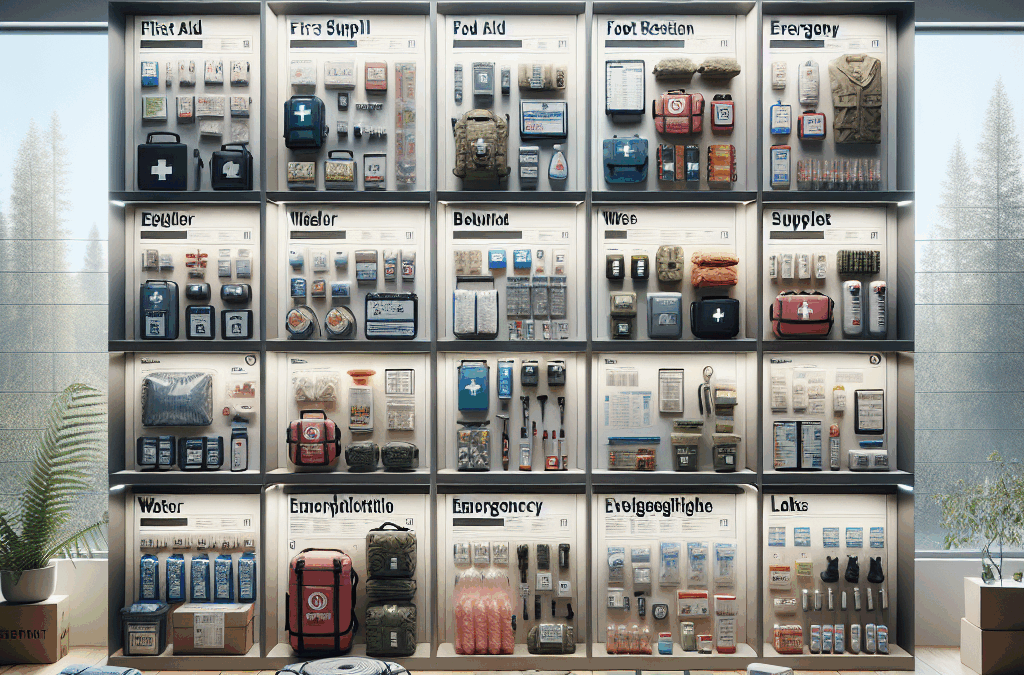
Store your food and water supplies in sturdy, waterproof containers with clear labels. Use modular shelving units to organize supplies efficiently, making it easier to inventory and access items quickly.
Regularly inspect and replace expired food and water to ensure readiness. In 2025, technological innovations like smart storage containers that alert you when supplies are low or nearing expiration are becoming popular among serious prepper communities.
3. Power Backup and Flashlight Kits
Choosing Reliable Power Sources
Power outages can happen unexpectedly, especially with extreme weather events on the rise in 2025. A robust emergency kit for home must include reliable power backup options such as portable generators, solar chargers, and battery packs. These devices ensure that essential appliances, medical devices, and communication devices stay operational.
Invest in high-capacity, eco-friendly solar-powered options where possible. For example, portable solar panels can be used to recharge batteries and devices without relying on grid power. Remember, always have a diverse power backup plan to adapt to different scenarios.
Emergency lighting is also critical; include LED flashlights, headlamps, and lanterns with extra batteries. Consider rechargeable options to cut down on waste and cost. Well-prepared emergency kits for home in 2025 integrate smart technology alerts and remote control capabilities for added convenience and reliability.
Safety and Usage Tips
Store backup power sources in a dry, ventilated area away from combustible materials. Practice periodic testing to ensure equipment functions properly when needed. A portable LED flashlight with long battery life and built-in USB charging ports enhances overall preparedness.
Having a plan for how to operate backup power safely is essential. Follow manufacturer instructions strictly, and never overload generators or outlets to prevent fires or electrocutions. Building a comprehensive power backup system into your emergency kits for home strengthens your overall readiness for unexpected outages.
4. Shelter and Warmth Emergency Kits
Essentials for Staying Warm
In harsh winter conditions or after natural disasters, maintaining body heat is vital. Emergency kits for home should include thermal blankets, layered clothing, and portable heaters. Space-saving sleeping bags designed for extreme conditions can also be lifesavers.
Layered clothing with moisture-wicking base layers, insulation, and waterproof outer shells helps protect against the elements. Consider including hand warmers, hats, gloves, and insulated boots for comprehensive warmth.
For shelter, portable emergency tents or tarp setups can provide temporary protection. In 2025, innovations like heated blankets with rechargeable batteries and multi-purpose shelters that are lightweight yet durable are popular among prepper communities.
Creating a Safe Shelter Area
Identify a safe, accessible area within your home that can be quickly transformed into an emergency shelter. Keep supplies organized nearby, including blankets, pillows, and emergency heating devices. Ensure this space is free of hazards and easily ventilated.
Regular drills and practice setups enhance speed and confidence during actual emergencies. Effective shelter and warmth kits form an essential part of “emergency kits for home,” especially in climates prone to severe weather events.
5. Communication and Navigation Kits
Staying Connected When It Matters
Effective communication can save lives during emergencies. Your home emergency kit should include battery-powered or hand-crank radios, satellite phones, and portable chargers. Ensure these devices can receive NOAA emergency alerts and local broadcasts.
Navigation tools like printed maps, compasses, and GPS devices help you find your way if power or internet access is compromised. In 2025, smart emergency communication systems with built-in location tracking and emergency contact buttons are becoming standards for enhanced safety.
Teach your family how to operate these devices and establish communication plans before an emergency occurs. Keeping a small, dedicated communication kit ready is an often-overlooked yet vital component of comprehensive “emergency kits for home.”
Practical Tips for Effective Use
Regularly test communication devices to ensure they work properly and replace batteries annually. Store backup power sources and chargers in a protected, easily accessible location.
Develop a family communication plan, including rendezvous points and contact information, and review it every six months. Staying connected during emergencies is integral to effective preparedness and response.
6. Personal Safety and Self-defense Kits
Tools for Protecting Your Family
Safety always comes first in emergency scenarios. Self-defense kits should include items like pepper spray, personal alarms, and tactical flashlights. In some cases, non-lethal options like stun guns are worth considering, depending on local laws.
Additionally, carry multi-tool knives, door wedges, and safety whistles to deter threats and signal for help. Training in self-defense techniques enhances confidence and effectiveness in protecting yourself and loved ones.
In 2025, advanced personal safety gadgets such as wearable panic buttons and smart security systems integrated with your home emergency kits are increasing in popularity among safety-conscious families.
Precautionary Tips
Store self-defense items securely but accessibly. Make sure all household members understand how to use them responsibly. Regularly review safety procedures and ensure devices are in working order.
Remember, the goal of your emergency kits for home extends beyond basic survival; it includes ensuring personal safety and reducing panic during crises. Responsible handling and knowledge of self-defense tools are crucial components of a comprehensive emergency plan.
7. Sanitation and Hygiene Kits
Maintaining Health Amidst Crisis
Keeping clean during an emergency is essential to prevent infections and illness. Your hygiene kit should include hand sanitizers, moist wipes, toilet paper, sanitary supplies, and portable wash basins. Compact and lightweight options ensure ease of storage and use.
Good sanitation practices also involve safe waste disposal. Consider including sealable trash bags and disinfectants to manage waste effectively. Maintaining hygiene minimizes the spread of disease during extended emergencies.
In 2025, innovative hygiene solutions such as biodegradable wipes and compact portable showers are popular choices for home emergency kits, especially in disasters compromising sanitation infrastructure.
Tips for Effective Hygiene Management
Store hygiene supplies in sealed, waterproof containers to prevent contamination. Regularly review your stock and replace expired products. Training family members on proper hygiene practices during crises is vital.
The health of your family depends heavily on hygiene protocols maintained through well-stocked sanitation kits. Ensuring this aspect of emergency preparedness is a key element of effective “emergency kits for home.”
8. Emergency Clothing and Gear Kits
Preparedness for All Weather Conditions
An ideal emergency clothing kit includes waterproof jackets, sturdy shoes, thermal layers, and rain gear. Pack versatile items that can be layered, depending on weather conditions. Having suitable clothing ready ensures safety and comfort in unpredictable circumstances.
Include durable gloves, hats, and reflective vests for visibility and protection. Emergency gear like multi-purpose tools, whistles, and compact backpacks enhances mobility and preparedness.
In 2025, lightweight, packable, and multi-functional gear options are increasingly favored for home emergency kits, allowing quick deployment in various scenarios.
Storage and Usage
Keep clothing gear in waterproof, organized travel bags close to your main emergency kit. Regularly assess weather-specific needs and update gear accordingly. Practice quick dressing routines so family members can gear up efficiently when needed.
Having the right emergency clothing and gear can make a significant difference during evacuations or prolonged shelter-in-place situations, making this a crucial part of the “emergency kits for home.”
9. Family Preparedness Kits
Customizable Family Emergency Plans
Every family has unique needs, and their emergency kit should reflect that. Include supplies for infants, elderly members, and persons with disabilities. Customized kits enhance safety and reduce stress during emergencies.
Develop a family communication and evacuation plan, practice drills regularly, and involve everyone in prepping. Consider including family-specific items like comfort toys, special dietary foods, and medical devices.
Modern trends in 2025 show that digital planning tools and shared checklists improve coordination and preparedness across all family members. A well-prepared family is always better equipped to handle unforeseen crises.
Organizing for Quick Access
Designate specific storage spaces for your family preparedness kit, ensuring everyone knows its location. Use labeled containers and categorize supplies for quick retrieval.
Train all family members on emergency procedures and ensure everyone understands their roles. An organized, comprehensive family emergency kit reduces chaos and sets the stage for a safer response during disasters.
10. Special Needs and Pet Emergency Kits
Caring for Vulnerable Family Members
Special needs individuals require tailored supplies, including medical devices, medications, mobility aids, and communication devices. Their emergency kit should accommodate these and be easily accessible. Planning ahead mitigates risks and ensures their safety during crises.
For pets, include pet food, water, veterinarian records, and comfort items. Make sure your pet emergency kit is portable and stored alongside your family kit for quick access.
By 2025, innovative products like portable wheelchair chargers, medication reminder apps, and pet GPS trackers are increasingly integrated into emergency preparedness plans.
Practical Tips for Customization
Regularly update all emergency kits, especially for special needs or pets. Ensure everyone in the household knows how to assist and handle these specialized supplies during emergencies. Preparedness for vulnerable populations is a critical component of comprehensive “emergency kits for home.”
FAQs about Emergency Kits for Home
Q1: How often should I update my emergency kits for home?
It is recommended to review and update your emergency kits every 3 to 6 months. Check expiration dates, replace used supplies, and adjust contents based on any changes in family needs or new threats emerging in 2025.
Q2: What are the most important items to include in my emergency kits for home?
Key items include food and water supplies, first aid kits, power backup devices, lighting, communication tools, and personal safety gear. Prioritize items based on your familyâs specific needs and potential risks.
Q3: Can I buy ready-made emergency kits for home?
Yes, many companies offer prepacked emergency kits tailored for different scenarios. However, customizing your own kit ensures it meets your family’s unique requirements and includes everything you need for 2025.
Q4: What are some innovative trends in emergency kits for home in 2025?
Smart technology integration, such as IoT-enabled devices, solar-powered backup systems, and mobile app-controlled emergency solutions, are some of the latest trends. These enhance accessibility, monitoring, and efficiency in crisis situations.
Q5: Why is it essential to have emergency kits for home?
Having well-prepared emergency kits for home ensures your family can respond effectively to natural disasters, power outages, or other crises. Being prepared reduces panic, saves lives, and minimizes damage during unforeseen events.
Conclusion
In 2025, being proactive with your emergency preparedness is more important than ever. The right combination of emergency kits for home â from first aid supplies and food storage to power backups and specialized gear â can significantly impact your safety and peace of mind during unforeseen events. Remember, comprehensive planning and regular maintenance of your emergency kits ensure that when disaster strikes, your family is ready to face it confidently. Invest in quality, organization, and preparedness now to secure your home and loved ones for whatever 2025 may bring.