In 2025, having a comprehensive emergency plan is fundamental for effective natural disaster prep. Start by outlining clear procedures for different scenarios like earthquakes, floods, or hurricanes. Your plan should identify escape routes, safe zones, and communication methods. Customizing these for your specific region dramatically increases safety for all household members.
Practicing your plan regularly ensures everyone knows what to do during a disaster. For example, conducting drills for fire evacuations or earthquake drop, cover, and hold exercises can make a big difference. Remember, the key to successful natural disaster prep is communication and readiness before an emergency occurs.
Include roles and responsibilities for each family member, especially children and elderly relatives. Write down emergency contacts and keep a physical copy accessible. This proactive approach minimizes panic during real events and can save lives.
Creating a Family Emergency Kit
Part of your natural disaster prep should include assembling a well-stocked emergency kit. Essential items include water, non-perishable food, medications, first aid supplies, flashlights, and batteries. In 2025, consider adding high-tech gadgets like portable chargers and solar-powered lights to stay connected even during prolonged outages.
Keep your kit in an accessible location known to everyone in the household. Remember to update your supplies regularly, especially perishable items and medications, to ensure everything is in working order. A thoughtfully prepared kit provides peace of mind and immediate resources during the first critical hours of a disaster.
In addition, personalize kits for pets, children, or individuals with special needs, ensuring all family members are covered. Smart stocking can make the difference in your overall natural disaster prep.
2. Stocking Essential Supplies
Creating a Long-Term Food and Water Reserve
One of the most vital aspects of natural disaster prep in 2025 is maintaining a reliable supply of food and water. Experts recommend storing at least a two-week supply for each person in your household. Stock non-perishable foods like canned goods, dried fruits, and energy bars that can last years if stored properly.
Water is even more critical; aim for at least one gallon per person per day. Consider investing in water purification methods like filters or tablets to supplement stored water. This ensures your family remains hydrated and healthy during extended crises.
Planning for long-term sustainability is key. Rotate supplies regularly to prevent spoilage, and customize your stockpile based on dietary needs. Proper preparation reduces dependence on external sources, making your natural disaster prep more resilient.
Essential Personal Hygiene and Medical Supplies
Maintaining hygiene during disasters prevents illnesses and infections. Your supplies list should include soap, hand sanitizers, feminine hygiene products, and cleaning supplies. For medical needs, keep a first aid kit, prescription medications, and essentials like antiseptics handy.
In 2025, telemedicine services are more accessible, but having a stock of basic medical supplies at home can be lifesaving. Make sure to include items like bandages, pain relievers, and personal protective equipment (PPE). Proper natural disaster prep emphasizes health and hygiene to prevent secondary health crises.
Store these supplies in a dedicated, organized space so they’re easy to find. Regularly check expiration dates and replenish as needed.
3. Evacuation and Shelter Plans
Planning Your Evacuation Route
An essential step in natural disaster prep is planning multiple evacuation routes from your home. Map out primary and alternate routes in case of road closures or hazards. Use tools like Google Maps or local emergency services info to identify safe zones and shelters nearby.
Practice your evacuation plan at least once a year. Include attaching a portable emergency kit to your vehicle so you’re ready to go on short notice. Keeping your vehicle fueled and in good condition is also vital since it can significantly reduce chaos when evacuating.
Stay informed by subscribing to local alerts and weather updates. A well-rehearsed evacuation plan minimizes confusion and ensures safety during unforeseen events.
Sheltering-In-Place Strategies
Sometimes, evacuation isnât feasible or safe. In these cases, preparing a shelter-in-place strategy is crucial. Reinforce your home with safety features like storm shutters, reinforced doors, and secure windows. Stock your home with enough supplies to sustain your family for at least a week.
Creating a designated safe room within your house provides a sturdy shelter during tornados, earthquakes, or other hazards. It should have basic supplies, communication devices, and first aid essentials.
Practicing shelter-in-place scenarios ensures that your family knows what to do in a pinch, reinforcing the importance of comprehensive natural disaster prep.
4. Maintaining Community Resilience
Building Local Support Networks
While individual preparedness is essential, community resilience plays a vital role in natural disaster prep. Connecting with neighbors and local organizations creates a support system that can be invaluable during emergencies. Organized neighborhood groups can share supplies, information, and assistance.
Attend local emergency preparedness meetings or create a neighborhood watch focused on disaster readiness. In 2025, many communities are adopting digital platforms for instant communication and resource sharing, increasing overall resilience.
Community efforts improve quick response times and reduce chaos, making everyone safer during disasters. Building these networks is as crucial as personal prep.
Volunteer and Training Programs
Participating in volunteer programs or emergency response training enhances your natural disaster prep skills. Organizations like the Red Cross offer courses on first aid, CPR, and disaster management. Learning these skills can save lives in real situations.
Encourage your community to organize drills and training sessions regularly. Knowledge shared among neighbors fosters a culture of readiness and collective safety. Staying informed and prepared helps mitigate the impact of disasters for the entire community.
By investing in community resilience, we all benefit from a safer, more prepared environment in 2025 and beyond.
5. Utilizing Technology & Communication Tools
Emergency Notification Apps and Alerts
Modern technology offers numerous tools for natural disaster prep. Download reliable emergency alert apps that provide real-time updates on weather, hazards, and evacuation instructions. Many local governments and agencies now use SMS alerts and apps to notify residents instantly.
In 2025, consider using social media platforms and community forums to stay connected and share vital information. Setting up a family communication plan using messaging apps ensures everyone stays in contact during chaos.
Technology can reduce confusion during disasters, allowing quick decision-making and response. Staying connected is a critical part of comprehensive prep strategies.
Smart Home Safety Devices
Investing in smart home devices adds an extra layer of security. Install smoke detectors, carbon monoxide alarms, and leak sensors that can alert you remotely. In case of power outages, consider battery-powered or solar-connected options.
Smart security cameras can help monitor your property during ab emergencies, and voice-activated assistants can provide critical information or contact emergency services. Digital tools enable better management of your safety during an unpredictable 2025.
Harnessing technology enhances your overall natural disaster prep approach and increases your chances of staying safe.
6. Physical & Medical Readiness
Physical Fitness and Safety Measures
A physically prepared body can better withstand the challenges posed by some natural disasters. Regular exercise increases strength, endurance, and agility, which are vital during evacuation or rescue efforts. In 2025, consider incorporating functional training for emergenciesâlike lifting heavy objects or quick escapes.
Safety measures include wearing appropriate footwear and protective gear during drills or actual scenarios. Being physically prepared reduces injury risks and enhances your ability to respond swiftly.
Overall, staying active is a simple but often overlooked facet of natural disaster prep, contributing to long-term resilience.
First Aid and Medical Skills
In a disaster, immediate medical attention can prevent minor injuries from worsening. Learning basic first aid and CPR is essential. Enroll in certified courses or practice using simulation kits at home.
Stocking a well-organized medical kit tailored to your familyâs needs enhances your readiness. In 2025, digital health apps provide guidance for common emergencies, supplementing hands-on skills.
Preparedness is about empowering yourself and your loved ones to act confidently in critical moments, integral to effective natural disaster prep.
7. Insurance & Financial Protections
Reviewing Your Policies
Review and update your insurance policies regularly to ensure adequate coverage for natural disasters. In 2025, many insurers offer specialized coverage for floods, earthquakes, and wildfires. Proper insurance minimizes financial fallout after a disaster.
Understand the fine printâwhatâs covered, deductibles, and claims processes. Document your property and valuables with photos and receipts for easier claims.
Financial resilience, combined with physical and emotional preparedness, helps you recover faster, which is key to comprehensive natural disaster prep.
Emergency Savings Fund
Building an emergency savings fund dedicated to disaster recovery is a savvy move. Aim for at least 3-6 months of living expenses. This safety net provides liquidity for unexpected needs like repairs, temporary housing, or medical bills.
In 2025, consider digital savings accounts designed specifically for emergencies. Automate contributions regularly to stay consistent.
Being financially prepared complements physical readiness, enhancing your overall resilience against natural catastrophes.
8. Education & Training
Staying Informed Through Continuous Learning
Ongoing education is vital for natural disaster prep. Stay updated with the latest research, technology, and best practices by following credible sources like FEMA or the Red Cross. In 2025, new techniques and tools continually evolve, so consistent learning is crucial.
Attend webinars, workshops, and local drills to refresh your knowledge. Educating children in disaster preparedness also instills responsibility and confidence.
Knowledge empowers action and reduces panic during an actual event, making education a cornerstone of effective prep strategies.
Training Family Members and Community
Training your family and neighbors in basic emergency response ensures collective safety. Practice drills for fire, earthquake, or severe weather scenarios, and teach children how to respond calmly.
Consider holding community-based workshops. In 2025, virtual training modules have become accessible, enabling wider participation. This collective knowledge minimizes chaos and saves lives in real emergencies.
Consistent training is an investment in preparedness, making your natural disaster prep efforts more effective and inclusive.
9. Embracing Sustainable Prep Practices
Eco-Friendly Preparedness
In 2025, integrating sustainability into your natural disaster prep is both responsible and practical. Use renewable energy sources like solar panels to power emergency equipment. Opt for reusable supplies to reduce waste.
Planting native, drought-resistant gardens can provide food and reduce environmental impact. These practices support resilient communities and a healthier planet when disasters strike.
Sustainable prepping ensures that your efforts are long-lasting and compatible with environmental conservation goals.
Reducing Carbon Footprint in Emergency Planning
Plan evacuation routes and backup systems that minimize emissions. Use electric vehicles for evacuation or solar-powered chargers for devices. These choices align with global efforts to combat climate change, which often exacerbates natural disasters.
Smart resource management during prep reduces environmental impact and ensures sustainable resilience. In 2025, eco-consciousness in preparation becomes an essential component of comprehensive natural disaster strategies.
Embedding sustainability into your planning not only protects the planet but also enhances your communityâs capacity to withstand crises.
10. Regularly Reviewing & Updating Your Plan
Annual Plan Review and Drills
Your natural disaster prep plan should be reviewed and tested annually. Changes in family circumstances, local hazards, and available technology necessitate regular updates. Conduct drills to ensure everyone remembers their roles and procedures.
Analyze past drills and real encounters to identify gaps and improve strategies. Use feedback from family members to adapt the plan for better efficacy.
Consistent review keeps your preparedness current, relevant, and effective in 2025 and beyond.
Staying Ahead With New Technologies and Risks
As new risks emerge and technologies develop, stay informed by subscribing to official updates and research reports. Incorporate the latest tools and best practices into your natural disaster prep routine.
Technological advancements like AI weather forecasting and real-time data analytics can improve your response strategies. Regularly updating your plan using such innovations enhances safety and resilience.
Being proactive and adaptive is fundamental for staying prepared in an ever-changing world.
Frequently Asked Questions
What are the most important natural disaster prep strategies for 2025?
Focus on creating a comprehensive emergency plan, stocking essential supplies, utilizing technology, and staying informed through continuous education. Regularly review and practice your plans for maximum effectiveness.
How can I improve my natural disaster prep in a community setting?
Build local networks, participate in community training, share resources, and conduct joint drills. Community resilience significantly boosts the overall safety and recovery capacity.
What technological tools are recommended for natural disaster prep in 2025?
Emergency alert apps, smart home safety devices, communication platforms, and online training courses are vital for modern preparedness. These tools facilitate quick response and effective information sharing.
Why is regular review of my disaster plan important?
It ensures your plan stays current with changing risks, family dynamics, and available resources. Regular practice and updates help reduce confusion and improve response times during actual disasters.
How does sustainable prep contribute to disaster resilience?
Sustainable practices reduce environmental impact, improve resource management, and contribute to community resilience. Using renewable energy and eco-friendly supplies ensures long-term preparedness.
To effectively engage in preparation before disaster strikes, you first need to understand the specific risks that threaten your area and the world in 2025. Natural disasters vary by regionâearthquakes in California, hurricanes in the Gulf Coast, floods in the Midwestâand global threats such as pandemics and cyber-attacks are increasingly relevant. By analyzing recent data and reports, you can tailor your preparedness efforts accordingly.
For example, recent studies show that climate change has increased the frequency of severe weather events in 2025, making risk assessment more crucial than ever. Local government agencies often provide hazard maps and risk assessments that can help you identify vulnerabilities specific to your residence or business.
Taking time to evaluate these risks enables you to prioritize your preparation efforts efficiently. This understanding allows you to allocate resources where they are needed most, whether it’s strengthening your home against storms or creating cybersecurity measures.
Using Data and Resources for Accurate Risk Assessment
Today’s technology offers numerous tools to assess disaster risks. Interactive maps, government reports, and community surveys are valuable resources. Platforms like FEMA’s disaster maps and local emergency management portals provide in-depth insights into potential threats.
Utilizing weather alerts and early warning systems helps you stay informed about imminent dangers. Many apps can send real-time notifications about approaching storms, earthquakes, or other emergencies, giving you a critical head start in preparation before disaster strikes.
Becoming familiar with these tools and regularly checking updates ensures you stay ahead, ready to act promptly when necessary. Incorporating this intelligence into your overall preparedness strategy is vital for your safety in 2025.
2. Building a Comprehensive Emergency Kit
Essential Items for Your Emergency Kit
Creating an emergency kit is one of the most straightforward yet vital steps in preparation before disaster strikes. Your kit should include basic supplies such as bottled water (at least a gallon per person per day), non-perishable food, first aid supplies, medications, flashlight, batteries, hygiene products, and important documents.
In 2025, consider adding smart devices like portable chargers and solar-powered lanterns to ensure communication and lighting during power outages. Remember, emergencies can last days, so plan for at least a weekâs worth of supplies.
Also, include specialized items based on your family’s needs, such as baby formula, pet food, or medical equipment. Customizing your kit ensures you’re prepared for various disaster scenarios.
Storing and Maintaining Your Emergency Supplies
Proper storage is crucial. Use durable, waterproof containers and keep your kit in a readily accessible location known to all family members. Periodically check expiration dates, replace consumed items, and update your kit with new supplies annually.
Labeling your emergency kit helps during stressful situations, ensuring quick access. For instance, having a dedicated bag or box labeled “Emergency Kit” in your closet or garage makes the process smoother.
Practicing how to access and use the contents of your kit during drills enhances actual response efficiency. Regular maintenance and reviews keep your kit ready for when you need it most.
3. Creating a Family Emergency Plan
Communication Strategies and Contact Lists
Establishing a clear communication plan is fundamental in preparation before disaster strikes. Your plan should include multiple ways to contact each other if separated, such as phones, emails, or social media.
Designate a family emergency contact person who resides out of town, so everyone knows who to reach if local communication fails. Make sure every family member has a printed copy of the contact list, including emergency numbers, doctors, and local shelters.
In 2025, consider using sharing apps or emergency messaging services that can notify all family members simultaneously. Testing communication strategies regularly will ensure everyone is familiar with the procedures.
Designating Meeting Points and Emergency Locations
Pick and mark safe meeting placesâone near your home and another outside your neighborhood. These locations should be easily accessible and known to all family members.
Keep physical maps and GPS coordinates for each site, and ensure children understand how to reach these points. This simple step can prevent confusion and save precious time during an emergency.
Practicing the plan frequently, including evacuation drills, helps build confidence and ensures that everyone knows their role when disaster strikes. A well-rehearsed plan reduces chaos and enhances safety.
Frequently Asked Questions
Q1: How does preparation before disaster strikes differ in 2025 compared to previous years?
In 2025, preparation before disaster strikes emphasizes technology integration, such as smart alarms, real-time alerts, and digital documentation. There’s a greater focus on cybersecurity, climate adaptation, and personalized emergency plans based on regional risk assessments.
Q2: What are the top items to include in a 2025 emergency kit?
Focus on essentials like potable water, non-perishable food, first aid supplies, portable chargers, solar-powered devices, and personalized items such as medications. Staying updated with the latest recommended supplies is key.
Q3: Why is creating a family emergency plan crucial in 2025?
An effective family emergency plan ensures quick, coordinated responses during crises. With increasing global threats, having a well-communicated plan enhances safety, reduces panic, and saves lives.
Q4: How can I stay informed and prepared for unexpected disasters in 2025?
Utilize mobile alerts, weather apps, local news, and community resources. Regularly reviewing and practicing your disaster response plans helps keep you ready for any emergency.
Conclusion
In 2025, the importance of preparation before disaster strikes cannot be overstated. By understanding your risks, building a comprehensive emergency kit, creating a detailed family plan, and staying informed, you can significantly improve your safety and resilience. Remember, proactive planning today ensures you’re better equipped to handle unforeseen challenges tomorrow. Start implementing these effective strategies now and make 2025 the year you are truly prepared for any disaster.
Identifying potential threats is the first step in creating an effective emergency response plan for 2025. Many organizations overlook the importance of a thorough risk assessment, which can leave them unprepared for unforeseen crises. Take the time to evaluate natural disasters like floods and earthquakes, as well as human-made risks such as cyberattacks or industrial accidents. Recent studies indicate that 75% of companies that experience a data breach did not have a comprehensive emergency response plan in place.
By understanding your unique vulnerabilities, you can tailor your emergency response plan to address specific threats pertinent to your location, industry, and infrastructure. For example, a coastal business might prioritize hurricane preparedness, while a tech company should emphasize cybersecurity response strategies. Incorporating this assessment into your planning ensures you can respond swiftly and effectively when disaster strikes.
Conducting Threat and Vulnerability Assessments
Regular threat and vulnerability assessments help keep your emergency response plan up-to-date. These assessments involve reviewing physical security measures, network security, personnel training, and emergency supplies. In 2025, technology allows for more sophisticated assessments through simulation software and data analytics, providing a clearer picture of potential shortcomings.
Engage with external experts or consultants to gain objective insights, and involve your team members in tabletop exercises to simulate different scenarios. The goal is to identify gaps in your current preparedness and develop strategic improvements. Remember, an effective emergency response plan depends on continuous evaluation and enhancement based on these assessments.
An essential part of your emergency response plan is establishing clear, attainable goals. These objectives should focus on safety, communication, and continuity of operations. For example, your plan might aim to evacuate all personnel within 15 minutes or restore critical functions within 24 hours. Clear goals help coordinate efforts and measure effectiveness during actual emergencies.
In 2025, many organizations leverage smart technology and data to refine these objectives. Setting measurable targets, such as reducing response time by 20% through automation, enhances preparedness. Make sure your goals are specific, realistic, and aligned with your organizationâs overall safety policies.
Aligning Objectives with Regulations and Standards
Ensuring your emergency response plan aligns with local, national, and international standards is critical. Regulatory agencies often update requirements, and staying compliant helps avoid legal penalties and enhances your safety measures. For instance, OSHA regulations on workplace safety remain central to crafting response strategies in 2025.
Regularly review and update your objectives based on new regulations, technological advancements, and lessons learned from drills or real events. An effective emergency response plan that complies with standards reinforces your organizationâs commitment to safety and resilience.
3. Developing Communication Strategies
Creating a Clear Communication Chain
Effective communication is the backbone of any emergency response plan. In 2025, organizations increasingly rely on multi-channel communication systems to relay information quickly. Establish a clear hierarchy and communication chain so that everyone knows whom to contact during a crisis.
Use a combination of internal messaging apps, email alerts, and public address systems to disseminate information. Designate spokespeople responsible for media and stakeholder communication to streamline messaging and prevent misinformation.
Utilizing Technology for Rapid Alerts
Modern emergency response plans incorporate technology like mass notification systems, SMS alerts, and mobile apps to notify staff instantly. For example, many organizations now use cloud-based platforms that send real-time updates to all employees and emergency responders simultaneously.
Training staff on these tools and testing them regularly ensures functionality during a crisis. The adaptive use of technology in 2025 enhances the speed and clarity of communications, reducing confusion and enabling coordinated action.
4. Training Personnel and Conducting Drills
Creating Comprehensive Training Programs
Training is vital to executing any emergency response plan successfully. Develop comprehensive programs that educate staff on procedures, safety protocols, and their roles during different emergencies. In 2025, virtual reality (VR) simulators are increasingly used to create immersive training experiences.
Ensure continual learning through annual refresher courses and updates on new procedures. Well-trained personnel can react swiftly, reducing potential harm and damage.
Implementing Regular Drills and Simulations
Simulated exercises serve as practical tests for your emergency response plan. Conducting frequent drills helps identify weaknesses in your plan and provides opportunities for improvement. For example, a fire drill might reveal issues with evacuation routes or communication gaps.
In 2025, organizations leverage analytics from drills to refine their response strategies further. These exercises also boost staff confidence, ensuring everyone knows what to do when real emergencies occur.
5. Establishing Emergency Supplies and Equipment
Assembling Critical Supplies
Having the right supplies ready can make all the difference during an emergency. Stock adequate first aid kits, food, water, flashlights, batteries, and personal protective equipment. Customizing supplies based on the nature of potential disasters helps ensure preparedness.
In 2025, organizations are also incorporating smart sensors to monitor the status of their emergency supplies, ensuring items are replenished timely. Regular inventory checks prevent shortages when emergencies occur.
Maintaining and Upgrading Equipment
Keeping equipment functional and up-to-date with technological advancements is crucial. For example, upgrading communication devices with encryption and AI-assisted features enhances security and response capabilities. Ensuring fire suppression systems are maintained and accessible can prevent escalation.
Schedule routine maintenance and conduct audits to guarantee all equipment operates correctly. Staying proactive about emergency supplies and equipment maintenance in 2025 enhances overall resilience.
Frequently Asked Questions
1. What is an emergency response plan?
An emergency response plan is a comprehensive strategy designed to prepare organizations and individuals for various crises. It outlines procedures for safeguarding personnel, protecting assets, and ensuring rapid recovery. Having an effective emergency response plan in 2025 is crucial to mitigate risks and minimize damage during unforeseen events.
2. Why is an emergency response plan important for my organization?
A well-crafted emergency response plan helps your organization respond quickly and efficiently during emergencies, reducing injuries, property damage, and downtime. It also ensures compliance with regulations and demonstrates a commitment to safety. In 2025, emerging threats like cyberattacks make having a solid plan more vital than ever.
3. How often should I update my emergency response plan?
You should review and update your emergency response plan at least annually or whenever significant changes occur, such as new technology, staff changes, or after drills reveal weaknesses. Regular updates ensure your plan remains relevant and effective in 2025âs dynamic environment.
4. What are some best practices for conducting emergency response drills?
Best practices include setting clear objectives, involving all staff, simulating real scenarios, and evaluating performance. Use feedback from drills to improve your plan. Additionally, incorporate new technology and stay adaptable to evolving threats.
Conclusion
In closing, developing an emergency response plan is a fundamental step toward safeguarding your organization in 2025. The dynamic nature of risks today demands a proactive approach, combining regular assessments, clear objectives, comprehensive training, and cutting-edge technology. An effective emergency response plan not only protects lives and property but also ensures business continuity in times of crisis. Stay prepared, stay resilient, and make 2025 your best year for emergency preparedness.
In 2025, the landscape of crises has evolved significantly, with globalization amplifying potential risks such as pandemics, cyber-attacks, and climate disasters. To effectively learn how to prepare for crisis, itâs crucial to understand these emerging threats. For example, recent research indicates that cyber threats have increased by 30% in 2024, emphasizing the importance of cybersecurity awareness.
Understanding these risks allows individuals and organizations to design targeted preparedness strategies. Being aware of how geopolitical tensions may trigger supply chain disruptions or economic downturns helps in planning resilient responses. Staying informed through reputable sources such as the World Economic Forum or government alerts is essential.
By grasping the full scope of potential crises, you can anticipate challenges and allocate resources accordingly, which is a key step in the journey of how to prepare for crisis in 2025.
1.2 Climate Change and Environmental Disasters
Climate change remains a significant driver of natural disasters like floods, wildfires, and hurricanes. In 2025, scientists predict an increase in severity and frequency of such events, which makes understanding their impact vital for preparedness. For instance, coastal cities are preparing for rising sea levels and intensified storm surges.
To know how to prepare for crisis related to environmental disasters, you should stay updated on weather trends and climate predictions. Local community plans and national emergency protocols are good starting points for understanding specific risks in your area.
Personal preparedness might include constructing resilient home structures, creating evacuation plans, and equipping emergency kits to respond swiftly when disaster strikes.
1.3 Societal and Economic Shifts
Socioeconomic factors heavily influence crisis scenarios. In 2025, inflation rates, unemployment, and social unrest can destabilize communities. Learning how to prepare for crisis means understanding these shifts’ potential effects on daily life.
For example, a sudden economic downturn may lead to shortages or increased crime rates. Establishing financial buffers, legal plans, and community alliances can aid in resilience.
Understanding these shifts allows proactive planning, such as diversifying income streams or creating neighborhood support groups.
2. Developing a Personal Crisis Preparedness Plan
2.1 Creating a Custom Emergency Plan
Designing a personalized emergency plan involves assessing risks specific to your location and lifestyle. Start by identifying potential crisesâbe it natural disasters, health emergencies, or security threatsâand create tailored responses.
Include key steps like evacuation routes, communication channels, and essential supplies. Practice these routines regularly to ensure you and your family are prepared to act swiftly. For example, practicing fire drills or emergency communication protocols can improve response times during actual crises.
Document your plan and review it annually, updating contact information, routes, and supplies as needed. Being prepared is about reducing chaos and confusion when a crisis occurs.
2.2 Assembling an Emergency Kit
An emergency kit is the backbone of any crisis preparedness strategy. It should contain at least 72 hours of supplies, including water, non-perishable food, first aid supplies, and hygiene items. For 2025, consider adding tech gadgets like power banks and solar chargers as technology becomes even more vital during crises.
Place kits in accessible locations, like your home, car, and workplace. Regularly check expiration dates and refresh supplies to ensure readiness at all times. For instance, having a portable water filtration device can be crucial if tap water becomes unsafe.
Remember, a well-stocked and up-to-date kit minimizes survival stress and ensures basic needs are met during emergencies.
2.3 Establishing Family Communication Plans
Effective communication can save lives during crises. Establishing a family communication plan involves creating a list of contact information and a meeting point. Ensure everyone understands how to reach each other if separated.
In 2025, technology plays a significant role, so include options like satellite phones or messaging apps that work without internet access. Practice these protocols regularly to ensure everyone is confident during real events.
Having a clear plan reduces panic and confusion, making coordination smoother during chaos, which is a critical aspect of how to prepare for crisis.
3. Building Financial Resilience
3.1 Creating an Emergency Fund
Financial stability is fundamental in crisis preparedness. Building an emergency fund covering 3-6 months of expenses can provide a safety net during disruptions like job loss or unexpected expenses.
Start by automating savings and reducing non-essential expenditures. Review your budget regularly to find opportunities to increase your fund. A robust emergency reserve gives peace of mind and flexibility in volatile times.
In 2025, data shows that households with an emergency fund are 50% more resilient during economic downturns. Prioritize this as part of your strategy on how to prepare for crisis.
3.2 Diversifying Income Sources
Relying on a single income stream can be risky. In uncertain times, having multiple income sources, like freelance work or rental income, can buffer financial shocks.
Explore side gigs or investments that generate passive income. In 2025, digital platforms make it easier than ever to diversify income streams across borders and industries.
This approach not only enhances financial resilience but also offers options should your primary income be compromised during a crisis.
3.3 Protecting Wealth with Insurance
Insurance policies like health, life, property, and income protection are vital in crisis times. Regularly review and update your coverage to match evolving risks.
Consider emerging threats in 2025, such as cyber insurance for digital assets. Proper insurance mitigates financial loss and helps you recover faster after a crisis.
Investing in the right coverage is a proactive step in how to prepare for crisis effectively.
4. Enhancing Emergency Communication Skills
4.1 Basic First Aid and CPR Training
Knowing how to administer basic first aid or CPR can be a lifesaver. Enroll in certified courses or use online tutorials to update your skills in 2025. These skills are essential during immediate response stages of a crisis.
Practice regularly with family members to ensure familiarity. Real-world examples show that quick action in emergencies can significantly reduce injuries or fatalities.
Empowering yourself with these skills is a part of being prepared and can prevent minor issues from becoming major tragedies.
4.2 Effective Crisis Communication
Communicating calmly and clearly during crises affects outcomes. Practice clear messaging and active listening to minimize misunderstandings. Use multiple communication channels, including social media, messaging apps, and radio.
In 2025, digital literacy becomes even more critical as misinformation spreads rapidly. Verify information before sharing and rely on trusted sources.
Developing these communication skills reduces chaos, enhances coordination, and ensures accurate information flow during the storm.
4.3 Emotional Resilience and Stress Management
Crisis situations can cause immense stress. Learning techniques such as mindfulness, breathing exercises, or counseling can help you manage anxiety and stay focused.
Building emotional resilience enables you to make better decisions when under pressure. Regular practice of stress-reduction methods can improve your mental health in challenging times.
Such skills are vital on your journey of how to prepare for crisis in 2025, ensuring you remain composed and effective during emergencies.
5. Establishing a Support Network
5.1 Community Engagement and Local Preparedness Initiatives
Building a strong community network enhances collective resilience. In 2025, participating in local preparedness groups can provide valuable resources and support during crises. For example, neighborhood watch programs or emergency response teams create coordinated safety efforts.
Engage with local authorities and attend training sessions to understand available resources. Sharing information and resources strengthens everyoneâs ability to respond effectively.
Being part of a community support network simplifies resource sharing, mutual aid, and coordinated responses, vital components of how to prepare for crisis.
5.2 Creating a Family-Plan Backup System
Developing backup plans for your family members, such as pet care or vulnerable individuals, ensures everyone is cared for in different scenarios. Establishing nearby contacts or trusted neighbors for assistance can be lifesaving.
Regularly review and revise these plans to adapt to changing circumstances. Strong support systems reduce vulnerabilities and foster resilience.
Remember, in 2025, a united community and family structure significantly increase your ability to withstand crises.
5.3 Networking for Resources and Information
Maintaining relationships with local businesses, authorities, and experts can provide early warnings, resources, and assistance during crises. Join online forums, social groups, or official channels to stay informed.
This network can include emergency contacts, medical professionals, and local volunteers. When emergencies strike, having trusted contacts reduces response time and improves outcomes.
A well-connected support network is fundamental for effective crisis preparedness and resilience.
6. Prioritizing Mental and Physical Health
6.1 Maintaining Physical Fitness
Physical health directly impacts your ability to respond to crises. Staying active through regular exercise enhances stamina, strength, and resilience.
In 2025, with increased stress levels from unpredictable events, a healthy body can adapt better and recover faster. Incorporate activities like walking, cycling, or home workouts into your routine.
Healthy habits like proper nutrition, hydration, and sleep improve overall resilience, making crisis management more manageable.
6.2 Mental Health and Stress Management
Managing stress is crucial when facing crises. Regular mental health check-ins, meditation, or professional counseling can keep anxiety levels in check. Recognizing early signs of burnout allows proactive intervention.
In 2025, mental well-being is increasingly recognized as central to crisis preparedness. Keeping a positive outlook and practicing gratitude can boost mental resilience.
Developing mental health routines ensures you remain calm and focused, which is vital in chaotic scenarios.
6.3 Access to Healthcare and Medications
Ensure you have access to necessary healthcare and medications. Maintain updated prescriptions and a list of healthcare providers. Prepare a portable medical kit for emergencies.
In crisis, disruptions can occur in medical supplies, so stock essential medications and health supplies where possible. For example, insulin or allergy medications should be readily available.
Maintaining good health reduces vulnerabilities, making your overall crisis response more effective.
7. Leveraging Technology for Crisis Preparedness
7.1 Digital Alert Systems and Apps
Modern technology provides advanced tools for early warning systems. Install emergency alert apps, weather notifications, and crisis management platforms to stay ahead of threats.
In 2025, AI-driven apps can analyze data trends to predict crises, giving you valuable time to prepare or evacuate. Make sure to enable alerts from trusted sources.
Using these digital tools effectively increases your situational awareness, a key part of how to prepare for crisis in todayâs digital age.
7.2 Backup Data and Cloud Storage
Protect your important documents, photos, and contacts by regularly backing up to secure cloud services. This ensures access even if devices are lost or damaged during a crisis.
In 2025, data encryption and multi-factor authentication enhance security, preventing theft or compromise. Prepare encrypted backups for sensitive information like financial records and personal IDs.
Having your digital assets safe and accessible supports rapid recovery after emergencies.
7.3 Smart Home and Security Devices
Smart technology can auto-detect fires, intrusions, or environmental hazards, providing real-time alerts. Invest in devices like smart cameras, smoke detectors, and leak sensors.
Configure these systems to notify you instantly on your smartphone, allowing quick action. Integrate with local emergency services if possible.
Tech-savvy security enhances your physical safety and minimizes risks when crises occur, reinforcing your preparedness plans.
Conclusion
In 2025, knowing how to prepare for crisis is more critical than ever. The strategies outlined in this guide provide a comprehensive roadmap to become more resilient against natural, technological, and societal threats. From understanding emerging risks to leveraging cutting-edge technology, each step empowers you to face crises with confidence. Remember, preparedness is a continuous process, and being proactive today can save lives tomorrow. Stay informed, stay prepared, and build resilience for whatever 2025 may bring.
Frequently Asked Questions
1. What are the best ways to learn how to prepare for crisis in 2025?
There are many resources available, including online courses, government guidelines, and community programs. Regularly updating your knowledge ensures your preparedness strategies remain effective.
2. Why is building a support network important in crisis preparedness?
A support network provides mutual aid, sharing resources, and faster response times during emergencies, increasing the overall resilience of your community and family.
3. How can I effectively prepare my family for unforeseen crises?
Develop clear communication plans, assemble emergency kits, and conduct regular drills. Involving everyone in preparedness routines ensures everyone knows what to do in emergencies.
4. How to prepare for crisis with limited resources?
Prioritize essential supplies, focus on basic safety skills, and leverage community support. Even small steps like creating a simple emergency plan can significantly improve your resilience.
5. What role does technology play in how to prepare for crisis in 2025?
Technology offers early warning alerts, digital backups, and smart home devices that enhance situational awareness and response capabilities, making preparedness more effective and accessible.
Emergency food preparation is the foundation of any robust preparedness plan. It involves sourcing, storing, and utilizing food efficiently during crises such as natural disasters, power outages, or socio-economic disruptions. In 2025, mastering this skill is more crucial than ever due to the increasing frequency of various emergencies worldwide.
Key principles include food safety, shelf stability, and ease of preparation. Knowing how to prepare food without relying on electricity or traditional kitchen appliances can make a significant difference during an emergency. For instance, learning how to cook over a campfire or using solar ovens can enhance your food preparation capabilities.
Research indicates that over 60% of households that effectively practice emergency food preparation are better equipped to handle unexpected crises, reducing stress and health risks. Developing these skills now will ensure youâre prepared for potential emergencies in 2025.
Choosing the Right Equipment
Selecting appropriate tools for emergency food preparation is vital. Items like portable stoves, lightweight cookware, and durable utensils allow for flexible cooking scenarios. In 2025, advancements in compact and energy-efficient appliances make it easier to prepare nutritious meals even when resources are limited.
Investing in multi-use tools such as foldable water boilers or solar cookers can save space and money. Additionally, emergency preparedness experts recommend having manual can openers, insulated containers, and non-perishable cooking accessories on hand.
Proper equipment not only improves meal quality but also enhances safety during food preparation, minimizing risks of contamination or injury during stressful situations.
2. Creating an Emergency Food Stockpile
Planning Your Stockpile
In 2025, proactive planning remains key to emergency food preparation. Creating a well-rounded stockpile involves selecting foods that are nutritious, long-lasting, and easy to prepare. Consider dietary restrictions and family size to customize your supplies accordingly.
Start with essentials like grains, canned vegetables, dried fruits, and protein sources such as canned meats or legumes. Incorporate foods with extended shelf livesâup to 20-30 years in some casesâsuch as vacuum-sealed grains and freeze-dried meals.
Regularly review and rotate your stockpile to ensure freshness and nutritional value. Setting reminders to check expiry dates helps maintain an effective emergency food preparation system.
Storage Solutions and Location
Proper storage techniques are critical for preserving your emergency food stockpile. Store foods in a cool, dry, and dark place, ideally off the ground and in airtight containers to prevent pests and spoilage. In 2025, innovative storage solutions like modular shelving units and climate-controlled cabinets have gained popularity among preppers.
Designate an accessible location for your emergency supplies, ensuring itâs easy to reach even in stressful situations. Label all containers with purchase and expiry dates for quick inventory checks.
Consider portable emergency storage kits for easy relocation if needed. This ensures you remain prepared no matter where you are during a crisis.
3. Nutrition and Food Safety in Emergency Preparedness
Maintaining Nutritional Balance
Ensuring balanced nutrition during emergencies is vital for maintaining energy, immune function, and overall health. In 2025, incorporating diverse food groups into your emergency food preparation strategy helps prevent deficiencies.
Focus on including protein-rich foods, complex carbs, healthy fats, and vital vitamins and minerals. Freeze-dried meals, supplemented with fresh or canned produce, can help achieve this balance.
Planning meals that are hearty yet simple minimizes cooking time and resource use, making your emergency food preparation more efficient and effective.
Food Safety Principles
Practicing food safety in emergency food preparation prevents illnesses that could further complicate stressful situations. Always properly store perishable items and avoid cross-contamination by using separate utensils for raw and cooked foods.
In 2025, new technologies like smart temperature monitors and wireless food storage sensors help you keep track of food safety conditions remotely. This innovation significantly reduces the risk of foodborne illnesses.
Understanding proper reheating, cooking, and cleaning procedures during emergency scenarios is essential. Remember that contaminated food can be fatal during prolonged crises, so prioritize safety at all times.
4. Emergency Food Preparation FAQs
How do I start preparing for emergencies in 2025?
Begin by assessing your household needs, creating a food supply plan, and gathering the necessary equipment. Educate yourself on food safety, storage techniques, and prepping skills. Regularly review and rotate your supplies to stay ready for any crisis.
What are good foods for emergency preparedness?
Long-lasting, nutrient-dense foods such as canned vegetables and fruits, dried grains, nuts, protein sources like canned meats and legumes, and freeze-dried meals are excellent choices. Sustainability and ease of preparation are key factors in selection.
How can I ensure safe emergency food preparation without electricity?
Utilize alternative cooking methods such as solar ovens, portable gas stoves, and fire-based cooking. Store foods appropriately, keep them dry and cool, and have safety equipment like fire extinguishers nearby. Practice these methods regularly to build confidence in your skills.
Why is emergency food preparation important for 2025?
With climate change, economic uncertainties, and health crises increasing, being prepared with effective emergency food preparation strategies ensures safety and peace of mind. It allows you to maintain health and wellbeing during unforeseen disruptions.
Conclusion
In 2025, mastering emergency food preparation remains an essential element of any comprehensive disaster readiness plan. Whether itâs stockpiling nutritious supplies, honing cooking skills without traditional utilities, or ensuring food safety, these strategies will help you face any crisis with confidence. Remember, being prepared today can make a significant difference tomorrow, so take action now and make emergency food preparation a priority for your household.
In 2025, having a solid family emergency plan remains the most critical step in storm preparedness. Start by setting up a communication strategy where all family members know how to reach each other if cell services are disrupted. Use a designated out-of-town contact, as local networks may be overwhelmed during a storm.
It’s essential to drill this plan regularly so everyone feels confident in their roles. Practice different scenarios, including power outages or evacuations, to ensure your family can respond efficiently. Remember, kids and elderly relatives may need additional guidance, so tailor your plan accordingly.
Sharing your storm preparation checklist with extended family or neighbors can also strengthen community resilience. When everyone knows their role, response times improve, and safety increases significantly.
Establishing Meeting Points and Escape Routes
Designate specific, accessible locations outside your home where you and your family can assemble in case you need to evacuate. Make sure these meeting points are safe and known to all. Create multiple escape routes from your home, avoiding blocked or hazardous paths that could develop during a storm.
Keep maps and route details handy in your emergency kit or mobile devices. Practicing your escape routes annually ensures everyone stays familiar with the plan. Donât forget to consider special needs like pets or family members with mobility challenges.
By planning your escape routes and meeting points now, you’ll streamline emergency response when it counts the most, playing a key role in your comprehensive storm preparation checklist.
2. Assemble an Emergency Kit
Essential Items for Your Storm Kit
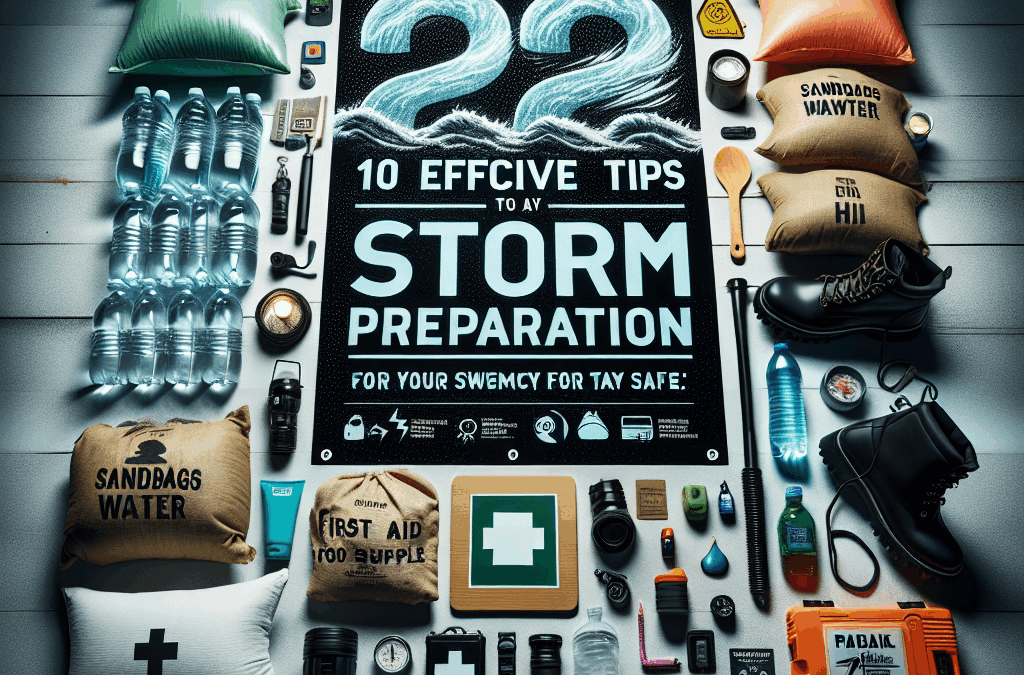
Creating a well-stocked emergency kit in 2025 should include water, non-perishable food, medications, flashlight, batteries, and hygiene supplies. Experts recommend preparing at least a three-day supply per person, but a weekâs worth is even better.
Include additional items like a hand-crank radio, power banks, and first-aid supplies. Donât forget essentials tailored to your familyâs needs, such as infant formula or pet food. Regularly check and replace expired items to keep your kit ready at all times.
Store your kit in a durable, waterproof container located in an accessible area. Advise all family members on its location, so everyone knows where to find it during an emergency.
Specialized Emergency Supplies for 2025 Trends
With 2025 advancements, consider including portable solar chargers or compact, battery-powered generators to ensure your electronic devices stay powered. Smart home devices can also warn you in advance of severe weather, adding an extra layer of safety.
Additionally, include masks or sanitizers to address health concerns that may arise during crowded evacuation centers. As climate events grow more severe, having these specialized supplies enhances your overall storm readiness.
Invest smartly in durable, multipurpose gear that can serve multiple functions, reducing clutter and ensuring preparedness without unnecessary burden.
3. Secure Your Home
Reinforcing Windows and Doors
One of the most vital components of your storm preparation checklist is protecting your home from wind and water damage. In 2025, innovative storm-resistant windows and reinforced doors are more accessible than ever. Installing impact-resistant windows or covering existing windows with storm shutters can prevent breakage and injury.
If you can’t install permanent fixtures, heavy plywood boards can serve as temporary barriers during storms. Secure all entry points thoroughly to prevent water intrusion and wind damage. Remember, a well-secured home can significantly reduce repair costs and risk to your family.
Regular maintenance, such as checking seals and structural integrity, ensures your home remains resilient during severe weather events.
Landscape and Exterior Maintenance
Trim overhanging branches and remove dead trees to prevent them from falling on your house or power lines during a storm. Clear gutters and drainage systems to ensure proper water runoff, reducing the risk of flooding.
Secure outdoor furniture, grills, and other loose items that could become projectiles in high winds. These proactive steps help protect your property and keep your storm preparation checklist comprehensive.
In 2025, integrating landscape design with storm resilienceâlike planting windbreaks and permeable surfacesâcan also enhance your homeâs durability while maintaining aesthetics.
4. Stay Informed with Weather Alerts
Using Technology for Real-Time Updates
In 2025, leveraging the latest technology is essential for staying ahead of storm developments. Configure your mobile devices to receive alerts from trusted weather apps and emergency management agencies. Many apps now provide live updates, safety tips, and evacuation routes tailored to your location.
Smart home systems, like connected thermostats and security cameras, can also help monitor weather conditions and provide alerts directly to your phone or home hub. Make sure to test these systems regularly to confirm they work effectively during storms.
Additionally, subscribing to local news and weather radio stations provides a reliable backup if internet services are disrupted. Staying informed allows you to act promptly and confidently as a vital part of your storm preparation checklist.
Understanding Weather Patterns and Risks in 2025
Research indicates that storm patterns are evolving due to climate change, making it crucial to understand regional risks. Use updated weather forecasts and historical data to anticipate typical storm season challenges in your area.
Certain zones face higher risks of hurricanes, tornadoes, or floodingâknowing these patterns helps you prepare better. Websites and local agencies often provide detailed risk assessments, which can guide your decision-making process during emergencies.
Utilize these insights to customize your storm preparation checklist, ensuring your family is ready for whatever weather 2025 might bring.
5. Protect Important Documents
Digitize and Backup Critical Records
Storing essential documents safely is a key part of any comprehensive storm preparation checklist. In 2025, digital backups are more accessible, so scan important papers like IDs, insurance policies, medical records, and property deeds. Store these securely in cloud-based services or encrypted drives.
This ensures quick access during evacuation or recovery, even if physical copies are lost or damaged. Remember to also keep physical copies in a waterproof, fireproof safe or container.
Regularly update and verify your document backups, especially after significant life changes or policy updates, to maintain their relevance and usefulness.
Preparing a Physical Document Kit
Create a physical kit with hard copies of all vital documents, stored compactly in a waterproof folder. Include emergency contact info, medical prescriptions, insurance cards, and property titles. Keep it accessible but protected from the elements.
Discuss with your family where this kit is stored so everyone knows where to find it during a crisis. This step ensures legal and financial safety even amid chaos.
Preparing and maintaining these documents is a simple yet essential element of your overall storm preparation checklist, safeguarding your familyâs future.
Conclusion
Having a robust storm preparation checklist is fundamental for safeguarding your home, loved ones, and property in 2025. From creating a detailed family emergency plan to securing your property and staying informed, each step enhances your readiness and resilience. Remember, preparedness isnât just about weathering a stormâitâs about peace of mind and swift recovery.
By following the comprehensive tips outlined in this ultimate 2025 storm preparation checklist, you can navigate storm season confidently and ensure safety for everyone involved. Stay proactive, stay safe!
Frequently Asked Questions (FAQs)
1. What is a storm preparation checklist and why is it important?
A storm preparation checklist is a detailed list of actions, supplies, and plans to get your family and home ready for severe weather events. It is important because it helps reduce chaos during emergencies and ensures critical needs are met promptly.
2. How often should I review my storm preparation checklist?
Itâs recommended to review your storm preparation checklist at least once a year, ideally before the storm season begins. Regular reviews keep your plans and supplies current with changing conditions and personal circumstances.
3. What are the most essential items on a storm preparation checklist?
The most essential items include water, food, medications, flashlight, batteries, important documents, and emergency communication tools. Tailor these to your familyâs specific needs for maximum safety.
4. How can I stay updated on weather alerts in 2025?
Use trusted weather apps, subscribe to emergency alerts, and set up notifications on your mobile device. Also, maintain access to local radio stations and community alerts for comprehensive coverage.
5. Why is a storm preparation checklist crucial for 2025?
With evolving weather patterns and climate risks, a detailed storm preparation checklist helps you anticipate and respond effectively, minimizing risks and enhancing safety during severe storms in 2025.