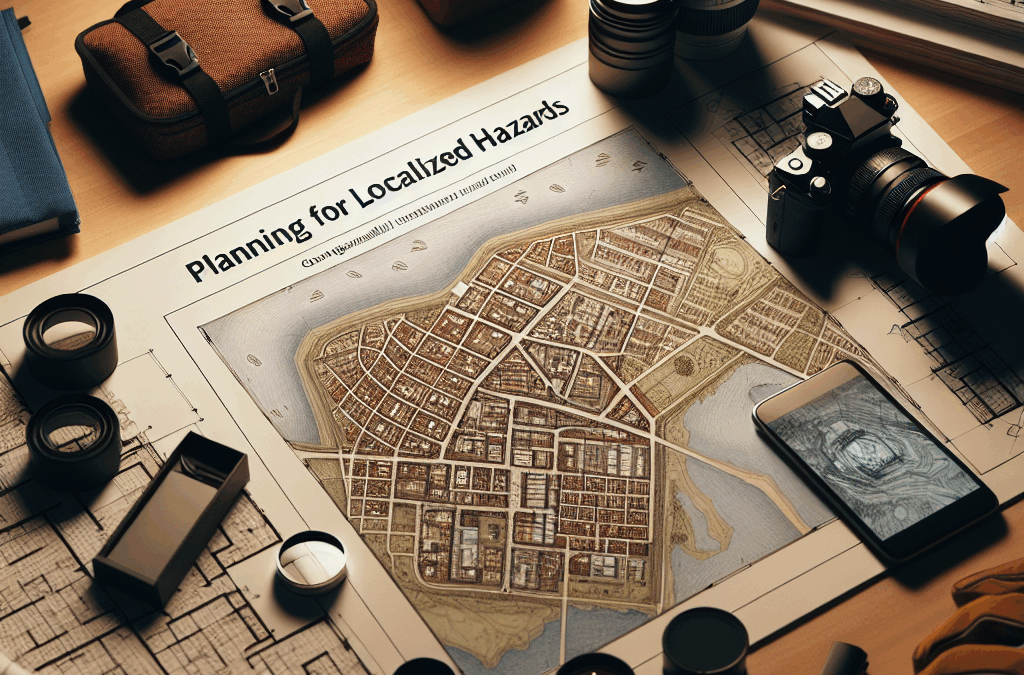
First off, it’s crucial to get a good grip on what risks are lurking around your area. Whether it’s hurricanes, earthquakes, or even blizzards, each region has its own set of potential emergencies. Identify these hazards and think about what you would do in each scenario. Trust me, knowing what you’re up against is half the battle.
I remember when I first moved to a coastal town. Hurricane preparedness was a whole new ball game for me. Reading up on local weather patterns and situations people faced helped me understand the importance of being ready. It gave me a sense of control amidst uncertainty.
After checking what might happen, I created a personalized risk list. This isn’t just for me; it’s for my family and friends too. Everyone should be in the loop, so when things go south, we’ve got a game plan all set up!
Assessing Personal Vulnerabilities
Now that you know what could happen, it’s time to assess how these risks affect you personally. Are you living with someone who has mobility issues? Do you have pets that need care during an evacuation? These personal factors can change how you prepare for emergencies.
To make it more tangible, I sit down and evaluate what resources I have at hand and what I might need to ensure everyone’s safety. It’s crucial to consider your own limitations – epically when it comes to physical or mental challenges some might face during emergencies.
Writing these things down can be a game-changer. It keeps you focused on what actions you need to take. Then, you’re not just scrambling on the day of a looming disaster but have a proactive plan that makes you feel empowered.
Staying Informed
One of the most vital ways to keep emergency readiness in your daily habit is staying informed. Read local news, check community bulletin boards, and sign up for alerts. Information is your best friend when it comes to preparedness.
For instance, I’ve subscribed to emergency alerts in my region. It gives me all the juicy details on upcoming weather changes or potential disasters. It’s pretty awesome to feel in control when I have my ear to the ground.
Plus, understanding trends and recommendations from local authorities can not only enhance your plans but also contribute to community safety. Sharing this information with friends and family ensures we’re all aware and prepared together.
2. Create a Family Emergency Plan
Designating Roles and Responsibilities
Creating a family emergency plan isn’t just a checkbox to tick; it’s an essential part of being prepared. Everyone should know their role. Assign tasks based on individual capabilities. Fair warning, most teens can be put on snack duty during evacuation plenty of times!
When I first drafted my emergency plan, it was a family affair! We all gathered around, discussed challenges, and highlighted who plays what role. It made everyone feel involved and increased our commitment to the plan. Believe me, sharing the load during an emergency can help ease the stress.
More so, having designated roles can also mean fewer chances of chaos during a vulnerable time. When everyone knows what to do, it’s like a well-oiled machine, and I felt a lot less anxious knowing everyone had a job!
Practice Makes Perfect
Just like anything in life, practice makes perfect! It is essential to run through your family emergency plan, so it’s fresh in everyone’s mind when push comes to shove. Take the time to simulate various emergency scenarios. What if the power goes out? How would everyone get in touch?
I try to run drills throughout the year. Be it a mock evacuation or a basic fire drill, these little practices bring confidence. And you’d be surprised; kids actually have fun with it when framed as a game! You can even reward them afterward – like a pizza night!
After these drills, I always debrief with the family. We discuss what worked and what didn’t, which helps us refine our approach. Failing to adapt could be costly. So, it’s essential to keep polishing your plan!
Communication is Key
In emergencies, communication can be the key to survival. Make sure all family members have multiple ways to reach each other, from phones to meeting spots. I learned long ago that cell networks might fail amidst chaos, so backup plans are essential!
It’s also pivotal to cross-check everyone’s phone numbers and check if there’s a family group chat. When things get heated, distractions can happen. Having a solid plan puts everyone on the same page seamlessly.
From having a designated meeting place to sharing important contact details, clear communication can alleviate a lot of potential panic in the heat of an emergency. Trust me, it changes how you feel heading into a crisis to know you can connect with your loved ones easily.
3. Build an Emergency Kit
Collecting Essential Supplies
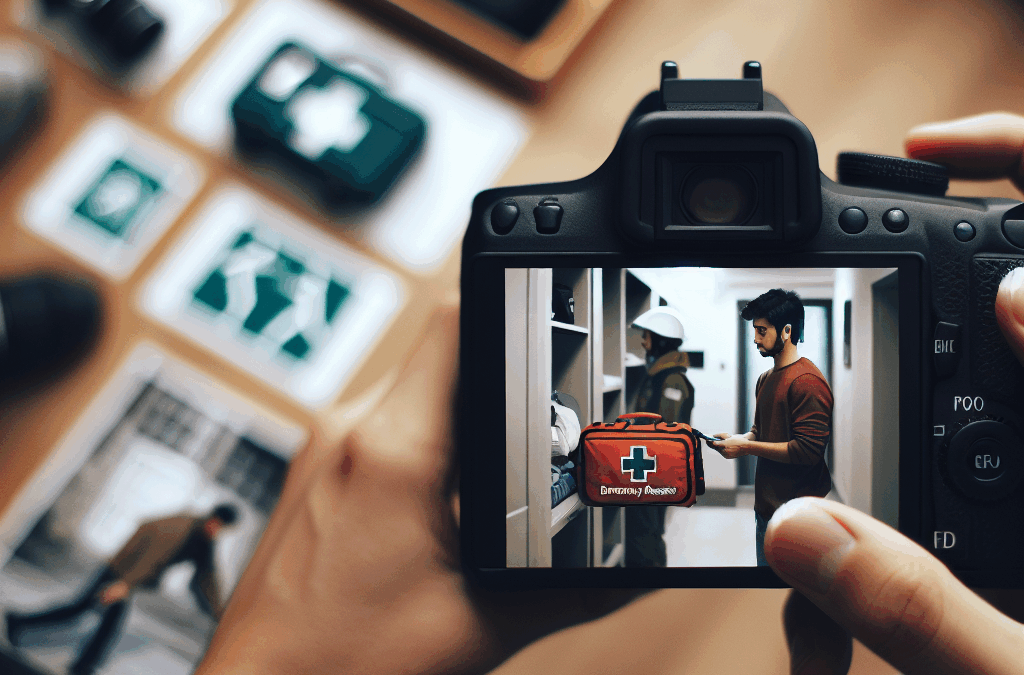
Okay, let’s talk about building the emergency kit. This is where the magic truly happens! Start by gathering essential supplies. This includes non-perishable food items, water, flashlights, batteries, a first-aid kit, and any personal medications that you or your fam might need.
For my kit, I try to get things that are compact yet filling. Think canned foods. I’ve got pasta, beans, and even those freeze-dried meals that you can just add water to. It’s a gamechanger, trust me!
Plus, having water stored is vital. I learned the hard way that you can’t just rely on the tap when things get rough. So I keep a couple of gallons ready to roll. I keep it in a visible space so it reminds me to stay stocked and ready!
Personalization is Powerful
Each kit should be personalized to cater to your specific needs. You know what’s best for your pack! If you have kids, include games or comfort items that can help them cope during stressful times.
My family includes a little surprise in each kit – a few fun items or favorite snacks, just to keep spirits high during emergencies. It may sound small, but it makes a world of difference. Remember, mental well-being matters just as much during challenging times!
Also, think about any unique requirements that certain family members might have. Whether it’s special dietary restrictions or beloved toys, customizing your kit can bring peace of mind knowing you’re prepared for every circumstance.
Regular Check-Ups
You can’t just throw your kit in a closet and forget about it! Regular check-ups are essential to ensure everything in your kit is up to date. Checking expiry dates, swapping out used items, and refreshing supplies will keep your kit relevant.
I personally set reminders every six months to go through our emergency kit, as it’s so easy to let it slip through the cracks. Sometimes, I also turn this check-up into a family activity. We can see what’s expired and get everyone discussing how to add new exciting things!
This system keeps the kit lively and functional. Let’s be real; a kit filled with expired food won’t do anyone any good! Make it a part of your routine, and you’ll always be ready when emergencies arise.
4. Stay Engaged with the Community
Participating in Local Preparedness Programs
Community is everything! Engaging with local preparedness programs can enhance your readiness. Check if your area has any classes or workshops on emergency preparedness. From CPR training to disaster response skills, they can be super valuable.
I took a first-aid class organized by my community center last year, and I honestly learned so much. The live demonstrations were particularly eye-opening. I left with newfound confidence and skills that I could use with my family!
Plus, it’s a great way to meet neighbors and strengthen the community bond. Trust me, collaboration breeds security in troubling times. Join forces to promote preparedness in your area; it makes a world of difference!
Creating Community Connections
Staying connected with the community means knowing who to reach out to during emergencies. Build relationships and stay informed about your neighbors. This can turn into a support system in times of crisis.
I’ve made it a point to chat with my neighbors about their plans. It’s been a great way to learn about different perspectives and combine resources. Plus, you get that warm fuzzy neighborly feeling that reminds you we’re all in this together.
Encouraging others to be proactive about emergency readiness can increase overall safety. My neighbors and I have held occasional community meetings, and the feedback is always positive. Together, we’re building a more resilient neighborhood!
Emergency Drills as a Community
Why not practice as a community? Organizing community drills can put everyone’s plans into action and highlight any gaps in our collective readiness. It’s a fun way to ensure everyone’s prepared while building teamwork.
I recently participated in a community-wide fire drill. It was eye-opening to execute an escape plan with multiple households; we discovered communication issues, but it made us more aware! It’s seriously beneficial for everyone involved.
Follow up after these drills and talk about what worked well and what missed the mark. It’s a valuable learning experience that promotes community cohesion while helping us stay ready for the unexpected.
5. Foster an Emergency Mindset
Everyday Awareness
Being prepared for emergencies doesn’t mean living in fear; it means cultivating an awareness that’s part of your daily routine. Start by evaluating your surroundings regularly. This mindset helps keep your instincts sharp!
I make it a habit to survey places I frequent, like grocery stores and parks, to identify exits and potential hazards. It might sound excessive, but knowing I can draw on this awareness makes me feel more at peace.
Fostering an emergency mindset encourages adaptability. Emergencies can occur anywhere and at any time. Accepting this unpredictability in daily life makes me feel more balanced, allowing me to enjoy each day without anxiety hanging over my head!
Positive Reinforcement
Encouraging an emergency mindset within the family means using positive reinforcement. Celebrate preparedness efforts as a family to make these actions feel rewarding! Create tangible memories around your readiness.
I once arranged a family night focusing on our emergency skills. We set goals and celebrated them afterward with treats – it added a sense of fun! Moving forward, these memories can create a valuable foundation for crisis management.
Highlighting the importance of readiness through a positive lens can change how we view these practices. It becomes a lifestyle rather than a chore that brings us closer together as a family!
Staying Humble and Learning
Ultimately, knowing that there’s always room to grow in your emergency preparedness journey is essential. Stay humble and open to learning from others and your experiences. It’s an ongoing education!
I’ve learned so much from countless online forums and local preparedness groups. People generously share their experiences, and I find myself picking up tips that enhance my own strategies. Incorporating these ideas ensures our readiness evolves with the times.
By keeping an open mind, you can continually adapt and improve your emergency readiness. It keeps you alert and prepared for whatever life decides to throw your way!
FAQ
What are the first steps to start an emergency readiness plan?
Begin by knowing your local risks, assessing personal vulnerabilities, and creating a family emergency plan. It’s vital to know where you stand!
How often should I check my emergency kit?
I recommend checking your kit every six months to ensure everything is up to date and functional. It keeps you prepared for unexpected situations.
Why is community engagement important in emergency planning?
Community engagement fosters strong connections and shared resources. It creates a support system that enhances overall safety in emergencies.
Can I personalize my emergency kit?
Absolutely! Personalizing your emergency kit to meet individual needs is crucial. Include specific items to comfort family members and fulfill any unique requirements.
How can I foster an emergency mindset?
Foster an emergency mindset by promoting everyday awareness and positive reinforcement. Involve your family in preparedness activities that make the process enjoyable!
First things first, you’ve got to get a feel for what kinds of hazards are common in your area. Is it floods, earthquakes, wildfires? Living in a specific region means you’ll have your own set of risks to consider. I remember when I moved to a place that was prone to hurricanes; the local community center held info sessions that really helped me understand what to expect.
Digging into local geological surveys and historical data can be a real eye-opener. It’s like hunting for clues that tell a story about past events. When you know what has happened before, you can better prepare for what may come again. This research can also help you spot patterns that you might not notice at first glance.
Don’t skip on talking to your neighbors too! They often have firsthand experiences and local knowledge that aren’t documented anywhere. You could learn a lot from listening to their stories about how they handled storms or any other emergencies in the past.
Identify Vulnerable Areas
Next up, it’s time to take a walk around your neighborhood. Pay attention to areas that seem particularly vulnerable during extreme weather. Are there spots prone to flooding? Are certain buildings more susceptible to damage? This step is all about being proactive.
I recall walking on streets that usually get washed out whenever it rains heavily. Noting down these areas can help you create a list of places to avoid, especially during emergencies. These are not just random observations; they’re key components of your safety plan.
Once you’ve mapped out the vulnerable spots, share your findings with others. The more people that are aware, the safer everyone will be. We’re in this together, and it’s amazing how quickly a sense of community can form around shared concerns.
Stay Updated on Local Alerts
In today’s tech-savvy world, you’ve got to stay up to date with local alerts and warnings. Sign up for text alerts or download apps that provide real-time information about hazards in your area. It’s like having a personal assistant that keeps you informed!
I’ve found social media to be a great tool too. Follow local news outlets, weather stations, and city agencies. They often post updates that can be crucial for planning your next steps. I remember the last storm warning we received; I was glued to my phone for updates! It definitely helped me mitigate potential issues.
Lastly, make sure your family knows where to find this information. Create a little plan that explains how each member can stay informed — whether that’s through an app, social media, or local radio. The last thing you want during a crisis is to be running around trying to figure out what’s happening.
Develop an Emergency Plan
Involve Everyone in Your Household
Now that you know what to watch out for, it’s time to create an emergency plan! But here’s the thing – don’t go at it solo. Involve everyone in your household, from kids to grandparents. Ensuring that everyone knows the plan is paramount.
When we made ours, I made it fun by holding little family meetings. We discussed what to do if there’s an evacuation or if someone gets separated during a crisis. And let me tell you, kids are often full of great ideas! They might suggest escape routes or safety spots you never considered.
Write it all down and keep a copy in an easily accessible place. I’ve learned that having a physical plan to refer to keeps everyone calm and focused. It’s reassuring to have a clear course of action when chaos strikes!
Create a Communication Strategy
A solid communication strategy is essential. How will you contact each other during a disaster? Will you set a rendezvous point? I can’t stress enough how important this part is!
The last thing you want in a chaotic situation is to have everyone scattered and no way to reach each other. Using well-known landmarks or the homes of family friends is a great way to establish meeting points.
Don’t forget about alternative communication methods in case cell networks go down. Maybe you could set a pattern with friends or family to check in periodically, or use walkie-talkies if you can. I’ve had some amazing times with walkie-talkies – and they might just come in handy during an emergency!
Practice Regularly
Planning is only part of the equation; you’ve got to put your plan into action. Practice makes perfect, and this applies to emergency plans too. Organize drills to simulate different types of emergencies.
I recall leading my family through a practice evacuation one evening. Sure, it was a bit silly having everyone lugging their bags around the living room, but it drilled the process into our heads! And when real emergencies came around, we felt more confident in how to respond.
Encourage open discussions about what works and what doesn’t after each drill. This feedback helps you tweak the plan and keep it relevant. The key is staying familiar with the procedures so when the time comes, you can react quickly and effectively.
Build a Disaster Supply Kit
Understand What to Include
Now, let’s talk about your disaster supply kit. This is an absolute must! Think of it as your emergency go-bag, and it needs to be stocked full of essential items. Start with food and water — you can’t go wrong with non-perishables like granola bars and canned goods.
But don’t just throw anything in there. Make sure to include items that suit your family’s needs. If you have pets, pack essentials for them too! Last time, I forgot to include enough dog food in my kit, and I learned that lesson the hard way. It’s always good to think through all the scenarios!
Also, consider adding important documents, such as insurance papers and identification, in a waterproof pouch. You never know when you might need these, and they can mean a world of difference when trying to get assistance post-disaster.
Regularly Update Your Supplies
Building the kit is just the beginning; maintaining it is crucial. Check your supplies regularly and replace anything that’s expired or might not be useful anymore. This vigilance keeps your kit fresh and ready to go.
During one of my annual checks, I was shocked to see how much food had expired. It was a reminder that prepping isn’t a one-time gig; it’s an ongoing project. Use it as a chance to stock up on new items or experiment with different snacks.
Involving the family in this process helps too. Make it a fun activity to update the kit together, talk about what each person thinks they need, or add a couple of new items based on past experiences. It’s more fun when everyone’s engaged!
Pack Smart and Lightweight
When you’re packing your supply kit, keep in mind that it should be easy to grab and go. Always opt for lightweight, portable items. I once packed some hefty items only to find out that in a real situation, I could barely lift my go-bag!
Packing a sturdy backpack can make a huge difference. It’s all about efficiency. Instead of lugging around boxes, you want something that’s easy to maneuver. Check out bags with multiple compartments to help keep everything organized.
And don’t forget about comfort in your kit! Little things like a compact first-aid kit or portable phone chargers can make a world of difference. Think about what you’d want most if you were out on the run. Every detail matters!
Educate and Train Your Community
Host Informative Workshops
The best way to spread awareness is by sharing your knowledge with others. Hosting workshops about localized hazards helps empower your community. Whether it’s a neighborhood barbecue or a community center meeting, take the time to educate others about preparedness.
In one gathering at my place, I shared tips on how to prepare emergency kits. People showed up with their kits to discuss what they had. It was such a great experience! Everyone learned something new, and it sparked interesting conversations.
Encouraging participation in these discussions builds a stronger, more resilient community. It’s all about working together and sharing ideas, and I promise that the more you involve one another, the more supported everyone will feel.
Leverage Social Media and Online Forums
Don’t underestimate the power of the internet! Social media can be an incredible tool for spreading awareness about hazards and preparedness. Start a local group where people can share tips, experiences, and resources.
I joined a neighborhood forum online, and it’s been fantastic! People post about local workshops or ask for advice on their emergency plans. It creates a sense of camaraderie and fosters communication that might not be as easy face-to-face.
Encouraging others to share their stories boosts everyone’s morale. It can be eye-opening to see the creativity people come up with in response to different risks, and it definitely keeps the conversation going!
Collaborate with Local Authorities
You can also partner with local emergency management agencies. They often have programs in place to help communities prepare for disasters. Offer to volunteer or get involved with local planning meetings to stay in the loop.
When you work alongside local authorities, you get to channel your community’s needs directly into their plans, which is super valuable. It also opens doors to resources that can enhance your preparedness efforts.
Collaborating with local agencies amplifies your reach and helps to build trust within the community. I’ve found that sharing information encourages others to participate and prepares everyone for what lies ahead. Remember, together we’re stronger!
Frequently Asked Questions
1. Why is it important to assess my local risks?
Assessing local risks is crucial because it helps you understand what specific hazards your area faces. Knowing this allows you to prepare adequately for those situations, ensuring you and your family are ready when disaster strikes.
2. How often should I update my emergency supplies?
It’s a good idea to check your emergency supplies at least every six months. This ensures that food items are fresh, medications are current, and that you have everything you need for different scenarios.
3. How can I effectively involve my family in the emergency planning process?
Involve your family by hosting discussions and practice drills. Encourage everyone to share their thoughts and ideas, making the planning process a collaborative and fun experience. The more input, the better your plan will be!
4. Why should I educate my community on disaster preparedness?
Educating your community increases overall preparedness and resilience. When everyone understands risks and knows how to respond, the entire neighborhood becomes safer, leading to quicker recovery in case of a disaster.
5. What should I do if an emergency strikes before I have a plan in place?
If an emergency strikes unexpectedly, stay calm. Focus on reaching out to loved ones and finding a safe place. Once the immediate threat is over, take time to create or refine your preparedness plan for the future.
When an alarm goes off, my first instinct is to panic. But I’ve learned that staying calm is key. Take a moment to breathe and assess the situation around you. Is there an immediate threat, or is it a false alarm? Trust me, your initial reaction can set the tone for how you handle everything that comes next.
Look around and gather information. Sometimes alarms can fail due to minor issues. Check the system for alerts or warning lights. Understanding why the alarm is acting up will guide your next steps effectively.
Remember, being composed allows you to think more clearly. It keeps the panic from steering the ship. After all, rushing into a problem without knowing what’s going on can lead to bigger issues down the line.
Identify the Problem
The next step is to pinpoint what went wrong. Are there technical glitches? Maybe there’s a power outage or a software issue that’s causing the alarm to malfunction. In my experience, it’s crucial to get to the root of the problem. This prevents future occurrences and heightens overall security.
Take a moment to check your devices. If they’re operated through software, ensure everything is up-to-date. Often, manufacturers release updates that fix bugs that might be causing alarms to fail.
If you’re not tech-savvy, don’t hesitate to call in professionals. Getting the right help to identify issues can save you time, money, and a lot of headaches.
Create a Contingency Plan
Every time I experience an alarm failure, it reminds me of the importance of having a backup plan. This means having systems in place that can take over in case your primary alarms fail. Just like when I prepare my marketing strategies, I believe in always having a Plan B.
Consider utilizing different alarm systems that complement each other. For instance, if your primary smoke alarm fails, having a secondary option, like a smart smoke detector, ensures safety isn’t compromised.
Furthermore, regularly test these systems. Having a routine check can make all the difference. It’s all about creating a safety net that keeps you in control no matter what unexpected issues arise.
Notify Relevant People
Communicate with Your Team
When alarms fail, it’s important to communicate promptly with your team. This ensures that everyone is on the same page. I’ve seen too many situations where a lack of communication can exacerbate an already uncomfortable situation.
Send out group messages or make quick calls to relevant stakeholders. Depending on the severity of the failure, let them know if they should take specific actions or if you’re handling the situation.
Being open about alarm issues not only promotes teamwork but also enhances trust. People feel more secure when they know what’s going on and who’s responsible for resolving issues.
Alert Emergency Services if Necessary
If it seems like a serious situation, don’t hesitate to reach out to emergency services. I know it can feel like an overreaction sometimes, but when lives are at stake, it’s always better to be safe than sorry.
Providing them with accurate details when you call can help them prepare before they arrive. This shows that you’re taking matters seriously and ensures a quicker response time.
It’s vital to keep a calm voice during these conversations to convey urgency without alarming others unnecessarily. Clear communication leads to better preparedness in emergencies.
Document Everything
One of the things I’ve learned is the importance of documentation. Keeping records of alarm failures and responses creates a timeline that can be useful later. Whether for legal reasons or for future reference, documentation is key.
Write down all the details surrounding the failure, including the time, circumstances, and what actions were taken. This can be beneficial for assessing patterns of failures or for discussions with service providers.
Ultimately, solid documentation helps your team improve response strategies in the future. It’s about refining processes over time and learning from past experiences.
Monitor for Future Issues
Regularly Check Alarm Systems
Monitoring is essential. I make it a routine to test my alarms regularly. This might seem tedious, but it’s a simple way to ensure everything functions as it should.
Set reminders in your calendar to check battery levels, software integrity, and functionality at least once a month. Making this part of your routine can help catch issues before they become bigger problems.
When you consistently monitor these systems, it gives you peace of mind. It’s a proactive approach to security that pays off in the long run.
Implement Improvement Measures
After an alarm failure, it’s time to look at how to improve systems and processes. Engage with your team to discuss what went wrong and how it can be prevented in the future.
If it’s a recurring issue, upgrading equipment might be a solution. Invest in modern systems that offer more reliability or look into services that offer better support.
Remember, no system is perfect, but you can always find ways to enhance its efficiency. Strive for continuous improvement, and don’t shy away from researching and implementing better solutions.
Stay Informed on Technology Advancements
The tech world moves fast, and staying updated on the latest alarm technologies can greatly benefit your safety protocols. I’ve found that new systems often have better features that can prevent failures.
Attend workshops, subscribe to relevant newsletters, and be part of communities where safety technologies are discussed. This proactive stance keeps you ahead of potential issues.
Plus, networking with others in your field can provide valuable insights on best practices and emerging trends that benefit everyone’s response to alarm systems.
FAQ
What should I do immediately after an alarm failure?
Immediately assess your surroundings to determine if there’s an actual threat before proceeding to identify the cause of the alarm failure.
How can I prevent future alarm failures?
Regularly maintain and test your alarm systems, keep software updated, and develop a comprehensive contingency plan to manage alarms effectively.
Should I notify authorities when an alarm fails?
If there is a chance the alarm failure poses a safety risk, do not hesitate to alert emergency services immediately.
Why is documentation important in alarm management?
Documenting alarm failures provides a timeline for analysis and future reference, helping to identify patterns and improve response strategies.
How often should I test my alarm systems?
It’s recommended to test alarm systems at least once a month to ensure their proper functioning and effectiveness in an emergency.
One of the most critical components of any emergency preparation checklist is ensuring a reliable supply of clean water. According to the CDC, a person needs at least one gallon of water per day for drinking and basic hygiene. In 2025, with climate change causing unpredictable weather patterns, water shortages are becoming more frequent. Thatâs why stockpiling enough water for at least 3 days is a good starting point. Consider storing water in food-grade containers and rotating your supplies regularly.
Pure, potable water is essential, but in emergency situations, tap water may be contaminated. Water purification methods such as boiling, chemical treatments (e.g., iodine tablets), or portable water filters like SteriPEN devices can make contaminated water safe for consumption. Having these tools on hand adds an extra layer of security.
Pro Tip: Mark your water containers with purchase or fill dates, and aim to replace stored water every 6-12 months. Also, consider installing a rainwater harvesting system if you live in a suitable climate to supplement your suppliesâit’s sustainable and effective.
2. Food Supplies and Nutrition
Stocking Up: Non-Perishable Essentials
Food security is a cornerstone of an effective emergency preparation checklist. In 2025, experts recommend having at least a two-week supply of non-perishable food per person. Canned foods, dried fruits, grains, and energy bars are fantastic options because they last long and require minimal preparation.
Focus on nutrient-dense foods that provide energy and essential vitamins. Remember, in stressful situations, maintaining your health is vital, and dietary diversity helps prevent deficiencies. Consider adding baby formulas or special dietary needs if relevant to your family members.
Practical tip: Use transparent, airtight storage containers to keep pests out and keep your supplies organized. Also, regularly check expiration dates, and rotate your stock to ensure freshness.
3. First Aid and Medical Supplies
Being Prepared for Medical Emergencies
A comprehensive first aid kit is an essential element of an emergency preparation checklist. For 2025, consider kits that include bandages, antiseptics, pain relievers, and supplies for treating minor injuries. If you or family members have prescription medications, ensure you have enough to last for at least a month, plus a few extras in case of delays.
In addition, learning basic first aid and CPR can be lifesaving during critical moments. Many organizations offer online training courses that are easy to follow, and practicing these skills can boost your confidence when it matters most.
Tip: Include personal health notes, allergy information, and contact details for emergency services. Store your first aid kit in an easily accessible location known to all family members.
4. Emergency Communication Devices
Staying Connected When It Counts
Having reliable communication tools is paramount in any emergency. In 2025, consider investing in battery-powered or hand-crank radios that can tune into NOAA weather alerts. Cell phones are vital but can lose power or signal during disasters, so backup options are prudent.
Satellites or two-way radios provide alternative communication channels, especially in remote areas. Ensure all family members know how to operate these devices and establish a family emergency communication plan, including meeting points and emergency contacts outside your immediate area.
Pro Tip: Keep spare batteries or solar chargers to ensure your devices stay operational. Regularly test your communication equipment to confirm everything works when needed.
5. Important Documents and Records
Securing Your Personal Identity and Information
In any disaster, losing vital documents can complicate recovery efforts. An emergency preparation checklist must include digitally scanned copies and hard copies of essential records such as passports, driver’s licenses, health insurance policies, property deeds, and financial documents.
Keep these in a waterproof, fireproof safe or a secure cloud storage service. Also, create a digital backup that you can access from any device if your physical copies are inaccessible.
Tip: Periodically review and update your documents to ensure all information is current. Inform trusted family members or friends where your backups are stored for quick retrieval if necessary.
6. Emergency Lighting and Power
Ensuring Illumination During Power Outages
Power outages are common during severe weather events or other emergencies. A well-stocked emergency preparation checklist should include flashlights, headlamps, and lanterns, preferably with LED bulbs for energy efficiency. Consider solar-powered or hand-crank options for independence from batteries.
Additionally, backup power sources such as portable generators or power banks can keep essential devices functioning. Make sure to test and maintain all equipment regularly to ensure readiness.
Advice: Keep spare batteries and multi-purpose chargers available. Place lighting devices in accessible, known locations, especially near exits and common areas.
7. Personal Safety and Self-Defense
Protecting Yourself and Your Loved Ones
Safety is a top priority on any emergency preparation checklist. In 2025, consider non-lethal self-defense tools like pepper spray, personal alarms, or stun devices. Ensure all household members are familiar with their operation and legal regulations in your area.
Developing situational awareness and practicing safety protocols can enhance confidence during stressful scenarios. Also, establish clear boundaries and safety plans with family members or neighbors to support each other.
Tip: Training courses in basic self-defense can be invaluable and help build mental resilience, which is equally important as physical tools.
8. Shelter and Warmth Solutions
Creating a Safe, Warm Environment
When disaster strikes, having a plan for shelter is crucial. In 2025, include items like thermal blankets, portable tents, and warm clothing in your emergency preparation checklist. A well-insulated space can prevent hypothermia and keep morale high.
If your home is compromised, knowing how to improvise shelter with tarps or other materials can make a big difference. Remember, safeguarding against the elements is often a matter of simple but effective preparation.
Pro Tip: Store extra blankets, hats, and gloves. Consider investing in energy-efficient heating solutions or insulation if you live in colder climates.
9. Financial Preparedness
Managing Finances During Crises
Unexpected emergencies can strain your finances. An essential part of the 2025 emergency preparation checklist is setting aside emergency cash in small denominationsâin case electronic banking isn’t available. Keep some funds in a safe, accessible location.
Additionally, review your insurance policies, including homeowner, renters, pet, and health coverage, to ensure they provide adequate protection. Having digital copies of policy documents is also helpful.
Research also suggests that maintaining an emergency fund covering three to six monthsâ living expenses is highly effective in coping with longer-term disruptions.
10. Family Emergency Plan
Coordinating for Safety and Recovery
Perhaps the most vital aspect of any emergency preparation checklist is having a clear, rehearsed family emergency plan. This plan should outline meeting points, communication strategies, and roles for each member. Practice drills periodically to ensure everyone knows what to do.
In 2025, incorporate technology like shared digital maps, emergency apps, and local alerts to stay informed. Discuss scenarios such as natural disasters, power outages, or evacuations to prepare your family mentally and physically.
Tip: Assign a designated contact person outside your immediate area who can coordinate information and relay messages efficiently.
Frequently Asked Questions
What is an emergency preparation checklist?
An emergency preparation checklist is a comprehensive list of essential items and plans that help individuals and families prepare for unforeseen disasters or emergencies, ensuring safety and stability.
How often should I update my emergency supplies?
Itâs recommended to review and update your emergency supplies every 6 to 12 months to ensure that perishables are current, batteries are charged, and all items are in good condition.
Why is a family emergency plan important?
A family emergency plan helps coordinate everyoneâs actions during a crisis, reduces panic, and increases safety by ensuring everyone knows where to go and what to do.
What are the top safety items to include in my emergency kit for 2025?
Essential safety items include a first aid kit, emergency lighting, communication devices, non-perishable food, water supplies, and personal safety tools like pepper spray or alarms.
How does the emergency preparation checklist adapt to 2025 trends?
It incorporates technological advances such as solar power, digital document backups, and modern communication tools, along with updated safety and health considerations relevant to current climate and health concerns.
Conclusion
In 2025, having a well-crafted emergency preparation checklist is more important than ever. By systematically following these 10 effective tips, you can enhance your readiness for any disaster, ensuring safety, health, and peace of mind for you and your loved ones. Remember, the key to resilience lies in preparation â so start building your emergency preparedness plan today!
When it comes to emergencies, the best defense is a solid plan and preparation. Being ready for anything means understanding the unique risks that your area faces, assembling the right supplies, and ensuring that your family knows what to do in case of an emergency. Here’s how to get started on your journey toward comprehensive preparedness.
### Understanding the Risks: Assessing Potential Emergencies in Your Area
Every region has its own set of potential emergencies—think hurricanes, earthquakes, wildfires, or floods. Begin by researching the hazards common in your locality. Check with local emergency management offices or websites like FEMA for information specific to your area. Once you have a clear picture of the threats you may face, you can tailor your preparedness strategies accordingly.
### Building Your Emergency Kit: Essential Supplies for Every Situation
An effective emergency kit is your lifeline when disaster strikes. Start with the basics: water (one gallon per person per day), non-perishable food items, a flashlight, batteries, first-aid supplies, and any necessary medications. Don’t forget important documents—such as identification and insurance policies—stored in a waterproof bag. Additionally, consider including items like a multi-tool, blankets, hygiene products, and even pet supplies if applicable. Regularly check expiration dates and replace any outdated items so that your kit remains functional when you need it most.
### Creating a Family Emergency Plan: Communication and Evacuation Strategies
A well-thought-out family emergency plan is crucial for ensuring everyone knows what to do during crises. Discuss potential scenarios together and designate meeting points both close to home and further away if evacuation becomes necessary. Establish communication methods—especially if family members are separated during an emergency. Make sure every member understands their responsibilities; practice these plans regularly so they become second nature.
### Staying Informed: How to Monitor Alerts and Updates
Knowledge is power when it comes to emergency situations. Ensure you’re equipped with reliable sources of information such as NOAA Weather Radio or local news outlets via radio or social media channels. Many mobile apps provide alerts tailored specifically for emergencies in your area; download these resources for real-time updates about weather conditions or safety measures from authorities.
### Training and Drills: Preparing Your Family for Real-Life Scenarios
Preparation goes beyond just having supplies on hand; practicing real-life scenarios can make all the difference when faced with actual emergencies. Conduct regular drills at home that simulate various situations—like fire evacuations or severe weather responses—to familiarize everyone with procedures while reducing panic during real events. Consider enrolling in CPR courses or first-aid classes together as a family; not only will this empower individuals but also foster teamwork.
### Review and Revise: Keeping Your Emergency Plan Up-to-Date
Emergencies evolve over time due to changes in climate patterns or community infrastructure; thus it’s essential to review your emergency plan regularly—ideally every six months—to ensure its relevance. Update contact information, refine family roles based on changing circumstances (like new members), and replenish supplies as needed.
Being prepared means taking proactive steps today so you’re ready tomorrow! By understanding risks unique to your location, building comprehensive kits, creating detailed plans, staying informed through alerts, training regularly—and revising as necessary—you’ll be setting yourself up not just for survival but also peace of mind amidst uncertainty. Embrace preparedness as an ongoing commitment—it’s not just smart; it’s essential!
One of the fundamental disaster preparation tips for 2025 is reviewing and updating your insurance policies. Many individuals overlook their coverage until disaster strikes. Ensure you have adequate homeowners, renters, and auto insurance that covers natural disasters like floods, hurricanes, or earthquakes. For instance, flood insurance is not included in standard policies and needs to be purchased separately. Conduct a thorough review of your policies annually, especially before the disaster season peaks.
In 2025, experts predict an increase in climate-related natural calamities, making insurance coverage even more vital. Recent studies show that families with comprehensive coverage recover faster financially after a disaster. So, take time to understand your policy limits, exclusions, and claim processes to avoid surprises during emergencies.
Additionally, consider legal readiness by preparing essential documents such as wills, power of attorney, and property deeds. Keep digital and physical copies in secure, easily accessible locations. Being legally prepared ensures your family’s well-being and smooth handling of post-disaster procedures.
Proactive Legal Measures
Legal preparedness also involves understanding local disaster laws and regulations. Know evacuation mandates, property rights, and the process for applying for government assistance. Staying informed about local emergency laws helps you act swiftly and avoid complications during a crisis.
Create a checklist for legal documents, insurance cards, and emergency contacts. When disaster preparation tips include legal readiness, you reduce downtime and confusion during stressful situations. Remember, being proactive saves valuable time and resources when every second counts in 2025.
2. Develop a Robust Emergency Communication Plan
Establish Family Communication Contacts
Effective communication is crucial during disasters. Develop a clear communication plan with your family members, including designated emergency contacts outside your immediate area. Share these contacts and ensure everyone understands how and when to reach each other.
In 2025, technology has become even more reliable, but power outages and network disruptions still occur. Consider using multiple methods like text messages, social media, walkie-talkies, or satellite phones. In severe weather events, traditional calls may not go through, so having backup communication strategies is vital.
Practice your communication plan regularly to identify gaps. Encourage family members to memorize critical contact information and set up check-in times. A well-practiced plan reduces panic and ensures everyone remains safe during calamities.
Utilize Technology and Apps
Leverage disaster preparedness apps that provide real-time alerts, emergency news, and safety tips. Download and familiarize your family with trusted sources like the National Weather Service or local emergency management apps.
In 2025, smart devices and IoT integrations can enhance your preparedness efforts. For example, location-sharing features can help locate family members if separated. Use technology wisely to stay connected when it matters most.
Ensure your mobile devices are charged and consider investing in portable chargers. Staying digitally connected facilitates timely updates and helps make informed decisions in critical moments.
3. Build Comprehensive Emergency Supply Kits
Essential Food and Water Supplies
Having enough food and water for at least 72 hours is fundamental disaster preparation tips. Stock non-perishable items like canned foods, granola bars, dried fruits, and bottled water. Remember to include supplies suitable for infants, elderly family members, and pets.
In 2025, supply chain disruptions are expected to be more frequent, making it vital to have a stockpile of essentials. Rotate supplies regularly to ensure freshness. Consider using water purification tablets or filters to extend your water reserves.
A practical tip is to store supplies in easy-to-carry containers or backpacks, especially if you need to evacuate quickly. Accessibility and portability save precious time during emergencies.
Medical and Personal Hygiene Items
Include a first aid kit, necessary medications, sanitation supplies, and personal hygiene items in your emergency kit. Items like hand sanitizers, wet wipes, masks, and hygiene soaps can prevent infections while you wait for help or the situation stabilizes.
In 2025, health considerations are even more critical due to ongoing concerns about disease outbreaks. Update your medical supplies regularly and include copies of important health records.
Personal comfort items such as blankets, batteries, flashlights, and multi-purpose tools should also be part of your kit. A well-stocked emergency kit provides peace of mind and helps maintain health and morale during disasters.
4. Plan and Practice Evacuation Routes
Mapping Out Safe Exits
Creating a clear evacuation plan for your home and neighborhood is a critical disaster preparation tip. Walk through your property and identify multiple routes to leave safely if needed. Consider potential obstacles like fallen trees, floods, or blocked roads.
Use local maps or GPS tools to mark evacuation points, shelters, and emergency services. Share and rehearse these plans regularly, so everyone knows what to do in a crisisâand practice makes perfect!
In 2025, virtual reality tools or simulation apps can make evacuation drills more engaging and effective, especially for children and seniors. The goal is to ensure your family can evacuate swiftly without confusion.
Transportation Preparedness
Develop contingency plans for transportation, including keeping a full tank of gas and maintaining your vehicle in good condition. Pack an emergency transportation kit with essentials to sustain your travel if necessary.
If you lack a vehicle or live in a remote area, identify alternative transportation options such as community buses, neighbors, or local authoritiesâ services. Being prepared reduces response time during emergencies.
Remember, having a designated meeting point post-evacuation ensures everyone reunites safely, minimizing anxiety and chaos.
5. Enhance Your Homeâs Structural Safety
Retrofit for Natural Disasters
Strengthening your home by retrofitting it for earthquakes, hurricanes, or floods is a key disaster preparation tip. Reinforce roof structures, secure heavy furniture, and install storm-resistant windows. These measures reduce damage and increase safety during severe weather.
In 2025, building codes have become more strict, encouraging homeowners to innovate and adopt resilient designs. Consult local experts to assess vulnerabilities and implement cost-effective upgrades.
Solid structural design not only protects your property but also minimizes recovery costsâsaving your family time and stress after a disaster.
Creating Safe Zones Inside Your Home
Designate safe areas within your home, such as below-ground shelters or interior rooms with no windows, for use during tornados, wildfires, or other hazards. Keep these spaces stocked with essentials like water, a flashlight, and first aid supplies.
Regularly educate your family on when and how to reach these safe zones. Practice drills to ensure everyone acts quickly and calmly.
Preparing your home and interior spaces enhances household safety and is a fundamental part of effective disaster preparation tips for 2025.
6. Engage with Community Disaster Preparedness Programs
Participate in Local Emergency Training
Community programs often offer valuable training sessions on first aid, CPR, and disaster response. Participating in these programs increases your confidence and skills in managing crises.
By joining neighborhood safety groups or volunteer networks, you contribute to collective preparedness, which can save lives. Many communities also organize drills that practice evacuation and rescue procedures.
In 2025, community engagement is more vital than ever as local authorities push for collaborative disaster resilience strategies. Your involvement makes the entire community safer.
Build Local Support Networks
Creating a network of neighbors and local organizations ensures help is available during an emergency. Share resources, information, and support contacts within your neighborhood.
Coordination with local authorities enhances resource allocation and emergency response. Establishing a community watch or preparedness group fosters a culture of safety and readiness.
Leveraging community disaster preparedness tips ensures everyoneâs safety and faster recovery times after a disaster.
7. Backup Digital Data and Important Documents
Protect Important Files and Records
In our digital age, backing up important documents like IDs, insurance policies, bank information, and medical records is essential. Use cloud storage options or external drives stored in fireproof, waterproof safes.
In 2025, cyber threats and data breaches are common, so encryption and secure storage are necessary. Regularly update backups and test restoration procedures.
Having digital access to critical documents ensures quick claims processing and legal matters during or after a disaster, avoiding delays and additional stress.
Leverage Cloud and Secure Storage Solutions
Choosing reputable cloud services for document backup offers both security and accessibility. Ensure your passwords are strong and use multi-factor authentication for added protection.
Create a schedule to update and verify backups at least quarterly. Maintain physical copies of vital documents in safe locations as a precaution.
By investing in digital backup strategies, you uphold the disaster preparation tips that safeguard your family’s financial and legal interests in 2025.
8. Prepare a First Aid and Health Kit
Assembling a Comprehensive First Aid Kit
A well-stocked first aid kit is critical in any disaster scenario. Include bandages, antiseptics, pain relievers, and specific medications. Tailor the kit to address family-specific needs such as allergy medications.
In 2025, remember to include PPE (personal protective equipment) like masks and gloves, especially due to ongoing health concerns. Keep a printed manual or instructions for basic emergency procedures.
Keep the kit in an accessible area known to all family members and ensure itâs regularly inspected and replenished.
Maintaining Good Health and Preventative Care
Healthy individuals respond better to disasters. Prioritize your family’s health by staying current with vaccinations, managing chronic conditions, and leading a nutritious lifestyle.
Stock up on over-the-counter medications and health essentials, as pharmacies may be inaccessible during emergencies. Consider adding herbal remedies or alternative health supplies based on your needs.
Preparedness tips also include knowing basic first aid and CPR to provide immediate help before professional responders arrive.
9. Educate and Train Your Family on Disaster Response
Understanding Different Types of Disasters
Knowledge is power. Educate your family about various disasters they might faceâfires, floods, earthquakes, or tornadoes. Understanding the risks enables better planning and faster response.
Use simple explanations and visuals suitable for children, making training engaging and memorable. Regular discussions reinforce safety routines.
In 2025, online courses and virtual drills make disaster education more accessible and practical for busy families.
Practical Disaster Response Exercises
Practice makes perfect. Conduct regular drills covering evacuation, shelter-in-place, and communication procedures. Simulate different scenarios and role-play responses to build confidence.
Review and update your plans periodically based on lessons learned and changes in circumstances. Teaching family members basic emergency skills is a vital part of disaster preparation tips.
Well-trained households can significantly reduce injuries and chaos during actual emergencies.
10. Stay Informed with Real-Time Weather and Emergency Alerts
Utilize Alert Systems and Notifications
Signing up for local weather alerts and emergency notifications is one of the most practical disaster preparation tips. Many communities offer apps, SMS alerts, or siren systems to keep residents informed.
In 2025, AI-driven weather prediction tools and IoT devices provide even more accurate and instant updates, helping you make timely decisions.
Ensure all family members are aware of how to receive alerts and interpret warning signals to act promptly.
Monitoring Media and Official Sources
Always verify news from multiple sourcesâofficial government channels are usually the most reliable. Avoid misinformation by cross-checking data during crises.
Set up social media alerts from trusted agencies for fast updates. Staying connected and informed saves lives and minimizes damage.
Remember, being aware of current conditions allows you to transition smoothly between preparedness and response phases in 2025.
Frequently Asked Questions
1. What are the most essential disaster preparation tips for 2025?
Some of the most essential disaster preparation tips include developing communication plans, building emergency kits, securing insurance, and staying informed with real-time alerts.
2. How often should I review my disaster preparedness plan?
Itâs recommended to review and update your disaster preparedness plan at least twice a year, especially before peak disaster seasons or after significant changes in your family or residence.
3. What should be included in an emergency supply kit?
Essential items include non-perishable food, water, first aid supplies, medications, hygiene products, flashlights, batteries, and important documents. Customize based on family needs.
4. How can I ensure my home is safe from natural disasters?
Retrofitting your home for seismic, flood, or storm resistance and creating safe zones indoors are practical steps. Regular inspections and improvements increase safety.
5. Why is disaster preparedness important for 2025?
In 2025, climate change and urbanization increase the likelihood of natural and man-made disasters. Proper preparation minimizes risks, protects your loved ones, and speeds up recovery.
Conclusion
In summary, mastering disaster preparation tips is crucial for ensuring safety and resilience in 2025. From securing insurance to practicing evacuation drills, each step builds a safer environment for you and your loved ones. Staying informed, legal readiness, and community engagement are equally essential components of a comprehensive disaster preparedness strategy. Remember, proactive planning today saves lives and reduces property damage tomorrow. Make sure to incorporate these 10 effective strategies for disaster preparedness in 2025 and stay prepared for whatever challenges may come.