by Preparation Call Editorial Team | Aug 6, 2025 | Preparedness
- 1. Build a Robust Emergency Fund
- 2. Develop Practical Skills
- 3. Diversify Your Income Streams
- 4. Stockpile Essential Supplies
- 5. Strengthen Your Community Connections
- 6. Stay Informed and Adapt
- 7. Prioritize Mental and Physical Health
1. Build a Robust Emergency Fund
Understanding the Importance of Financial Preparedness
One of the foundational steps in preparation for hard times is establishing a strong emergency fund. In 2025, unpredictable economic fluctuations and global events make having liquid savings more critical than ever. An emergency fund acts as a financial buffer, allowing you to cover unexpected expenses such as medical emergencies, job loss, or natural disasters without taking on debt.
Research shows that households with at least three to six months’ worth of living expenses saved are better equipped to handle economic downturns. Building this fund involves disciplined savings, prioritizing needs over wants, and cutting unnecessary expenses. In practice, setting aside a small portion of your income each month can gradually build a safety net.
Many financial experts recommend keeping emergency funds in a separate, accessible account. This ensures quick access during crises and minimizes the temptation to dip into funds for non-emergencies. By 2025, digital banking options and high-yield savings accounts provide more convenience and better returns on your emergency savings.
Steps to Start Saving Today
Start by assessing your current expenses and identifying how much you need to save to cover essential costs for at least three months. Automate your savings to ensure consistency and reduce temptation. Even if you can only save a small amount initially, consistency will yield significant results over time.
Consider setting up multiple savings accounts for different goalsâemergency fund, future investments, or education. This helps organize your finances and keeps you motivated to reach each target.
Remember, building a robust emergency fund isn’t just about moneyâit’s about peace of mind. Having that financial cushion prepares you for the inevitable challenges of 2025 and beyond.
2. Develop Practical Skills
Why Skills Are Your Best Insurance
During hard times, practical skills become your most valuable assets. When economic or social disruptions occur, skills like gardening, basic carpentry, cooking, or first aid can reduce dependence on external services and become a source of income or barter.
In 2025, the focus on self-reliance is growing, as supply chain issues and inflation affect availability and prices. Developing DIY skills not only saves money but also builds confidence and resilience in crises.
Real-world examples show that individuals with varied practical skills can adapt more quickly and manage household needs efficiently, even when resources are scarce. Investing time in learning new skills today is an investment in your future security.
How to Build Your Skill Set
Begin by identifying skills relevant to your environment and personal interests. Online courses, local workshops, and community groups are ideal sources for practical training. Prioritize skills that can contribute directly to your independence, like food preservation, minor repairs, or health care basics.
Set achievable goalsâlearning to cook healthy meals or fixing minor plumbing issuesâand practice regularly. As your skill level grows, consider sharing your knowledge with others, strengthening community bonds and creating potential income opportunities.
Remember, continuous learning is key. The more adaptable and resourceful you become, the better prepared youâll be for 2025âs uncertainties.
3. Diversify Your Income Streams
The Power of Multiple Income Sources
Relying solely on one job or income source can be risky, especially during hard times. In 2025, economic shifts can still impact employment and income stability. By diversifying your income, you reduce vulnerability and create a safety net against financial shocks.
Multiple income streams might include side businesses, freelance work, rental income, or investments. In recent studies, individuals with diversified income portfolios are 40% more resilient during economic downturns, highlighting the importance of this strategy.
This approach also opens doors to new opportunities, helping you adapt quickly if one source diminishes or disappears altogether. Diversifying income is not only about wealth accumulation but also about stability and peace of mind.
Practical Tips to Expand Income Sources
Start by evaluating your skills and available assets. Are there services you can offer locally or online? Can you monetize hobbies or talents? For example, teaching a musical instrument or creating digital content can generate extra income.
Invest in learning new skills with high demand, such as digital marketing, coding, or language teaching. Consider passive income options like investing in stocks, bonds, or real estate, which can provide cash flow even when youâre not actively working.
Implement a plan to gradually build multiple streamsâthis reduces stress and gives you more control over your financial future in 2025.
4. Stockpile Essential Supplies
Creating Your Emergency Supply Kit
Having an adequate stockpile of essentials is crucial for preparation for hard times. As supply chains become more unpredictable, securing necessities like food, water, medicine, and hygiene products ensures you can sustain your household during disruptions.
The key is to assemble a well-rounded emergency kit tailored to your familyâs needs. Experts recommend storing at least a three-month supply of non-perishable food and waterâthink canned goods, dried grains, and bottled water. Donât forget to include necessary medications and hygiene products.
In 2025, inflation and logistical challenges have made it more expensive to obtain supplies during crises. Stockpiling in advance not only saves money but also provides peace of mind.
Strategies for Effective Stockpiling
Start smallâbuy one or two extra items each week and gradually build your stockpile. Rotate supplies regularly to ensure freshness, and keep an organized inventory to know what you have at all times.
Consider alternative storage methods such as vacuum-sealing or using cool, dark places to extend shelf life. Also, prepare a list of essential items so you can purchase efficiently during sales or discounts.
Stockpiling isnât about hoarding; itâs about responsible preparedness. In 2025, this practice is more relevant than ever to help you weather tough times comfortably.

The Role of Community in Emergency Preparedness
Hard times are often less overwhelming when youâre part of a strong community. Sharing resources, skills, and information can significantly ease the burdens of crises. In 2025, community resilience is emphasized as a vital component of preparation for hard times.
Neighborhood groups, local farms, and online forums can become trusted sources of support and exchange. Building relationships before emergencies happen ensures you have allies to rely on during difficult moments.
Studies indicate that communities with high levels of social cohesion recover faster from disasters, highlighting the importance of proactive relationship-building today.
Ways to Foster Community Resilience
Participate in local preparedness workshops or neighborhood watch programs. Offer your skills or resources to others, creating reciprocal support networks. Organize skill-sharing events or tool exchanges.
Maintain open communication channelsâsocial media groups, messaging apps, or community boardsâto stay informed about local developments. In challenging times, these connections can facilitate coordinated responses and mutual aid.
Remember, a well-connected community enhances individual resilience and makes preparation for hard times more effective for everyone involved.
The Importance of Keeping Up with Trends
In 2025, staying informed about global, national, and local developments is crucial for effective preparation for hard times. Rapidly changing circumstances require us to adapt plans and strategies regularly.
Use reputable news sources, government alerts, and expert analyses to monitor economic conditions, climate risks, and technological advancements. Being proactive allows you to make timely adjustments to your preparedness plans.
Historical data shows that communities and individuals who stay informed are better equipped to respond swiftly and effectively when crises occur.
Developing an Adaptive Mindset
Flexibility is key to resilience. Regularly review your emergency plans and supplies, considering new information or changing circumstances. Practice scenarios to identify weaknesses and improve response strategies.
Try to cultivate a mindset of continuous learning and adaptability. This mindset not only applies to physical preparedness but also to mental and emotional resilience in the face of adversity.
Remaining informed and adaptable ensures you’re prepared for whatever 2025 throws your way.
7. Prioritize Mental and Physical Health
The Role of Well-being in Hard Times
While physical preparedness is vital, mental health is equally important. Severe stress, anxiety, or physical illness can weaken your ability to face challenges effectively. In 2025, taking care of your health should be a top priority in preparation for hard times.
Incorporating regular exercise, healthy eating, and mindfulness practices enhances resilience. A healthy mind and body allow you to adapt better, make sound decisions, and sustain energy during crises.
Research suggests that maintaining mental well-being can reduce the impact of stress-related illnesses, helping you stay focused and proactive.
Creating a Personal Health Strategy
Develop routines that support your healthâschedule checkups, stay active, and eat nutritious foods. Engage in stress-reduction activities like meditation or hobbies that bring joy.
Build a support system of friends, family, or mental health professionals to lean on during difficult times. Having a Plan B for health emergencies, such as a list of local clinics and pharmacies, is also wise.
Prioritizing your health ensures you’re physically and mentally prepared for the demands of 2025âs potential challenges.
Frequently Asked Questions
Q1: What is the most important aspect of preparation for hard times?
The most important aspect is building a comprehensive plan that includes financial, physical, and emotional readiness, ensuring you can handle various types of crises effectively.
Q2: How much should I save for an emergency fund in 2025?
Financial experts recommend saving enough to cover three to six months of living expenses. Start small and gradually increase your savings to meet this goal.
Q3: Can developing practical skills really help during hard times?
Absolutely. Practical skills such as cooking, repairs, or first aid can reduce reliance on external services, save money, and increase your self-reliance during emergencies.
Q4: Why is community involvement important for preparation for hard times?
Community connections foster resource sharing, provide emotional support, and improve collective resilience, making it easier to recover from crises.
Q5: How can I stay motivated to maintain my preparedness in 2025?
Set clear goals, track progress, and remind yourself of the importance of readiness. Regularly update your plans and include family or friends to stay accountable and motivated.
Conclusion
In closing, effective preparation for hard times in 2025 involves a multi-faceted approach that includes financial planning, skill development, stockpiling supplies, strengthening community ties, staying informed, and maintaining overall health. By applying these seven strategies, you can significantly increase your resilience and peace of mind. Remember, taking proactive steps today ensures you’re better equipped to handle the uncertainties of tomorrow. Prioritize your preparation for hard timesâit’s the best investment in your safety and well-being for 2025 and beyond.
by Preparation Call Editorial Team | Aug 6, 2025 | Preparedness
1. Know Your Risks
Understanding Local Hazards
First off, it’s crucial to get a good grip on what risks are lurking around your area. Whether it’s hurricanes, earthquakes, or even blizzards, each region has its own set of potential emergencies. Identify these hazards and think about what you would do in each scenario. Trust me, knowing what you’re up against is half the battle.
I remember when I first moved to a coastal town. Hurricane preparedness was a whole new ball game for me. Reading up on local weather patterns and situations people faced helped me understand the importance of being ready. It gave me a sense of control amidst uncertainty.
After checking what might happen, I created a personalized risk list. This isn’t just for me; it’s for my family and friends too. Everyone should be in the loop, so when things go south, we’ve got a game plan all set up!
Assessing Personal Vulnerabilities
Now that you know what could happen, it’s time to assess how these risks affect you personally. Are you living with someone who has mobility issues? Do you have pets that need care during an evacuation? These personal factors can change how you prepare for emergencies.
To make it more tangible, I sit down and evaluate what resources I have at hand and what I might need to ensure everyone’s safety. It’s crucial to consider your own limitations – epically when it comes to physical or mental challenges some might face during emergencies.
Writing these things down can be a game-changer. It keeps you focused on what actions you need to take. Then, you’re not just scrambling on the day of a looming disaster but have a proactive plan that makes you feel empowered.
Staying Informed
One of the most vital ways to keep emergency readiness in your daily habit is staying informed. Read local news, check community bulletin boards, and sign up for alerts. Information is your best friend when it comes to preparedness.
For instance, I’ve subscribed to emergency alerts in my region. It gives me all the juicy details on upcoming weather changes or potential disasters. It’s pretty awesome to feel in control when I have my ear to the ground.
Plus, understanding trends and recommendations from local authorities can not only enhance your plans but also contribute to community safety. Sharing this information with friends and family ensures we’re all aware and prepared together.
2. Create a Family Emergency Plan
Designating Roles and Responsibilities
Creating a family emergency plan isn’t just a checkbox to tick; it’s an essential part of being prepared. Everyone should know their role. Assign tasks based on individual capabilities. Fair warning, most teens can be put on snack duty during evacuation plenty of times!
When I first drafted my emergency plan, it was a family affair! We all gathered around, discussed challenges, and highlighted who plays what role. It made everyone feel involved and increased our commitment to the plan. Believe me, sharing the load during an emergency can help ease the stress.
More so, having designated roles can also mean fewer chances of chaos during a vulnerable time. When everyone knows what to do, it’s like a well-oiled machine, and I felt a lot less anxious knowing everyone had a job!
Practice Makes Perfect
Just like anything in life, practice makes perfect! It is essential to run through your family emergency plan, so it’s fresh in everyone’s mind when push comes to shove. Take the time to simulate various emergency scenarios. What if the power goes out? How would everyone get in touch?
I try to run drills throughout the year. Be it a mock evacuation or a basic fire drill, these little practices bring confidence. And you’d be surprised; kids actually have fun with it when framed as a game! You can even reward them afterward – like a pizza night!
After these drills, I always debrief with the family. We discuss what worked and what didn’t, which helps us refine our approach. Failing to adapt could be costly. So, it’s essential to keep polishing your plan!
Communication is Key
In emergencies, communication can be the key to survival. Make sure all family members have multiple ways to reach each other, from phones to meeting spots. I learned long ago that cell networks might fail amidst chaos, so backup plans are essential!
It’s also pivotal to cross-check everyone’s phone numbers and check if there’s a family group chat. When things get heated, distractions can happen. Having a solid plan puts everyone on the same page seamlessly.
From having a designated meeting place to sharing important contact details, clear communication can alleviate a lot of potential panic in the heat of an emergency. Trust me, it changes how you feel heading into a crisis to know you can connect with your loved ones easily.
3. Build an Emergency Kit
Collecting Essential Supplies
Okay, let’s talk about building the emergency kit. This is where the magic truly happens! Start by gathering essential supplies. This includes non-perishable food items, water, flashlights, batteries, a first-aid kit, and any personal medications that you or your fam might need.
For my kit, I try to get things that are compact yet filling. Think canned foods. I’ve got pasta, beans, and even those freeze-dried meals that you can just add water to. It’s a gamechanger, trust me!
Plus, having water stored is vital. I learned the hard way that you can’t just rely on the tap when things get rough. So I keep a couple of gallons ready to roll. I keep it in a visible space so it reminds me to stay stocked and ready!
Personalization is Powerful
Each kit should be personalized to cater to your specific needs. You know what’s best for your pack! If you have kids, include games or comfort items that can help them cope during stressful times.
My family includes a little surprise in each kit – a few fun items or favorite snacks, just to keep spirits high during emergencies. It may sound small, but it makes a world of difference. Remember, mental well-being matters just as much during challenging times!
Also, think about any unique requirements that certain family members might have. Whether it’s special dietary restrictions or beloved toys, customizing your kit can bring peace of mind knowing you’re prepared for every circumstance.
Regular Check-Ups
You can’t just throw your kit in a closet and forget about it! Regular check-ups are essential to ensure everything in your kit is up to date. Checking expiry dates, swapping out used items, and refreshing supplies will keep your kit relevant.
I personally set reminders every six months to go through our emergency kit, as it’s so easy to let it slip through the cracks. Sometimes, I also turn this check-up into a family activity. We can see what’s expired and get everyone discussing how to add new exciting things!
This system keeps the kit lively and functional. Let’s be real; a kit filled with expired food won’t do anyone any good! Make it a part of your routine, and you’ll always be ready when emergencies arise.
4. Stay Engaged with the Community
Participating in Local Preparedness Programs
Community is everything! Engaging with local preparedness programs can enhance your readiness. Check if your area has any classes or workshops on emergency preparedness. From CPR training to disaster response skills, they can be super valuable.
I took a first-aid class organized by my community center last year, and I honestly learned so much. The live demonstrations were particularly eye-opening. I left with newfound confidence and skills that I could use with my family!
Plus, it’s a great way to meet neighbors and strengthen the community bond. Trust me, collaboration breeds security in troubling times. Join forces to promote preparedness in your area; it makes a world of difference!
Creating Community Connections
Staying connected with the community means knowing who to reach out to during emergencies. Build relationships and stay informed about your neighbors. This can turn into a support system in times of crisis.
I’ve made it a point to chat with my neighbors about their plans. It’s been a great way to learn about different perspectives and combine resources. Plus, you get that warm fuzzy neighborly feeling that reminds you we’re all in this together.
Encouraging others to be proactive about emergency readiness can increase overall safety. My neighbors and I have held occasional community meetings, and the feedback is always positive. Together, we’re building a more resilient neighborhood!
Emergency Drills as a Community
Why not practice as a community? Organizing community drills can put everyone’s plans into action and highlight any gaps in our collective readiness. It’s a fun way to ensure everyone’s prepared while building teamwork.
I recently participated in a community-wide fire drill. It was eye-opening to execute an escape plan with multiple households; we discovered communication issues, but it made us more aware! It’s seriously beneficial for everyone involved.
Follow up after these drills and talk about what worked well and what missed the mark. It’s a valuable learning experience that promotes community cohesion while helping us stay ready for the unexpected.
5. Foster an Emergency Mindset
Everyday Awareness
Being prepared for emergencies doesn’t mean living in fear; it means cultivating an awareness that’s part of your daily routine. Start by evaluating your surroundings regularly. This mindset helps keep your instincts sharp!
I make it a habit to survey places I frequent, like grocery stores and parks, to identify exits and potential hazards. It might sound excessive, but knowing I can draw on this awareness makes me feel more at peace.
Fostering an emergency mindset encourages adaptability. Emergencies can occur anywhere and at any time. Accepting this unpredictability in daily life makes me feel more balanced, allowing me to enjoy each day without anxiety hanging over my head!
Positive Reinforcement
Encouraging an emergency mindset within the family means using positive reinforcement. Celebrate preparedness efforts as a family to make these actions feel rewarding! Create tangible memories around your readiness.
I once arranged a family night focusing on our emergency skills. We set goals and celebrated them afterward with treats – it added a sense of fun! Moving forward, these memories can create a valuable foundation for crisis management.
Highlighting the importance of readiness through a positive lens can change how we view these practices. It becomes a lifestyle rather than a chore that brings us closer together as a family!
Staying Humble and Learning
All in all, knowing that there’s always room to grow in your emergency preparedness journey is essential. Stay humble and open to learning from others and your experiences. It’s an ongoing education!
I’ve learned so much from countless online forums and local preparedness groups. People generously share their experiences, and I find myself picking up tips that enhance my own strategies. Incorporating these ideas ensures our readiness evolves with the times.
By keeping an open mind, you can continually adapt and improve your emergency readiness. It keeps you alert and prepared for whatever life decides to throw your way!
FAQ
- What are the first steps to start an emergency readiness plan?
- Begin by knowing your local risks, assessing personal vulnerabilities, and creating a family emergency plan. It’s vital to know where you stand!
- How often should I check my emergency kit?
- I recommend checking your kit every six months to ensure everything is up to date and functional. It keeps you prepared for unexpected situations.
- Why is community engagement important in emergency planning?
- Community engagement fosters strong connections and shared resources. It creates a support system that enhances overall safety in emergencies.
- Can I personalize my emergency kit?
- Absolutely! Personalizing your emergency kit to meet individual needs is crucial. Include specific items to comfort family members and fulfill any unique requirements.
- How can I foster an emergency mindset?
- Foster an emergency mindset by promoting everyday awareness and positive reinforcement. Involve your family in preparedness activities that make the process enjoyable!
by Preparation Call Editorial Team | Aug 6, 2025 | Preparedness
Assess Your Local Risks
Understand Your Environment
First things first, you’ve got to get a feel for what kinds of hazards are common in your area. Is it floods, earthquakes, wildfires? Living in a specific region means you’ll have your own set of risks to consider. I remember when I moved to a place that was prone to hurricanes; the local community center held info sessions that really helped me understand what to expect.
Digging into local geological surveys and historical data can be a real eye-opener. It’s like hunting for clues that tell a story about past events. When you know what has happened before, you can better prepare for what may come again. This research can also help you spot patterns that you might not notice at first glance.
Don’t skip on talking to your neighbors too! They often have firsthand experiences and local knowledge that aren’t documented anywhere. You could learn a lot from listening to their stories about how they handled storms or any other emergencies in the past.
Identify Vulnerable Areas
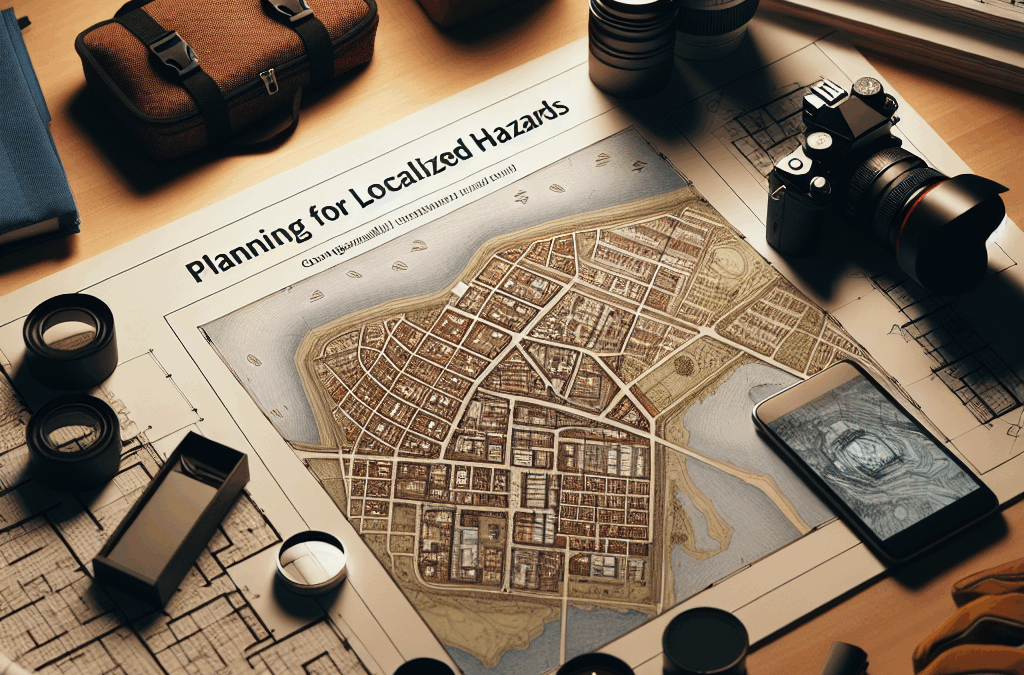
Next up, it’s time to take a walk around your neighborhood. Pay attention to areas that seem particularly vulnerable during extreme weather. Are there spots prone to flooding? Are certain buildings more susceptible to damage? This step is all about being proactive.
I recall walking on streets that usually get washed out whenever it rains heavily. Noting down these areas can help you create a list of places to avoid, especially during emergencies. These are not just random observations; they’re key components of your safety plan.
Once you’ve mapped out the vulnerable spots, share your findings with others. The more people that are aware, the safer everyone will be. We’re in this together, and it’s amazing how quickly a sense of community can form around shared concerns.
Stay Updated on Local Alerts
In today’s tech-savvy world, you’ve got to stay up to date with local alerts and warnings. Sign up for text alerts or download apps that provide real-time information about hazards in your area. It’s like having a personal assistant that keeps you informed!
I’ve found social media to be a great tool too. Follow local news outlets, weather stations, and city agencies. They often post updates that can be crucial for planning your next steps. I remember the last storm warning we received; I was glued to my phone for updates! It definitely helped me mitigate potential issues.
Lastly, make sure your family knows where to find this information. Create a little plan that explains how each member can stay informed — whether that’s through an app, social media, or local radio. The last thing you want during a crisis is to be running around trying to figure out what’s happening.
Develop an Emergency Plan
Involve Everyone in Your Household
Now that you know what to watch out for, it’s time to create an emergency plan! But here’s the thing – don’t go at it solo. Involve everyone in your household, from kids to grandparents. Ensuring that everyone knows the plan is paramount.
When we made ours, I made it fun by holding little family meetings. We discussed what to do if there’s an evacuation or if someone gets separated during a crisis. And let me tell you, kids are often full of great ideas! They might suggest escape routes or safety spots you never considered.
Write it all down and keep a copy in an easily accessible place. I’ve learned that having a physical plan to refer to keeps everyone calm and focused. It’s reassuring to have a clear course of action when chaos strikes!
Create a Communication Strategy
A solid communication strategy is essential. How will you contact each other during a disaster? Will you set a rendezvous point? I can’t stress enough how important this part is!
The last thing you want in a chaotic situation is to have everyone scattered and no way to reach each other. Using well-known landmarks or the homes of family friends is a great way to establish meeting points.
Don’t forget about alternative communication methods in case cell networks go down. Maybe you could set a pattern with friends or family to check in periodically, or use walkie-talkies if you can. I’ve had some amazing times with walkie-talkies – and they might just come in handy during an emergency!
Practice Regularly
Planning is only part of the equation; you’ve got to put your plan into action. Practice makes perfect, and this applies to emergency plans too. Organize drills to simulate different types of emergencies.
I recall leading my family through a practice evacuation one evening. Sure, it was a bit silly having everyone lugging their bags around the living room, but it drilled the process into our heads! And when real emergencies came around, we felt more confident in how to respond.
Encourage open discussions about what works and what doesn’t after each drill. This feedback helps you tweak the plan and keep it relevant. The key is staying familiar with the procedures so when the time comes, you can react quickly and effectively.
Build a Disaster Supply Kit
Understand What to Include
Now, let’s talk about your disaster supply kit. This is an absolute must! Think of it as your emergency go-bag, and it needs to be stocked full of essential items. Start with food and water — you can’t go wrong with non-perishables like granola bars and canned goods.
But don’t just throw anything in there. Make sure to include items that suit your family’s needs. If you have pets, pack essentials for them too! Last time, I forgot to include enough dog food in my kit, and I learned that lesson the hard way. It’s always good to think through all the scenarios!
Also, consider adding important documents, such as insurance papers and identification, in a waterproof pouch. You never know when you might need these, and they can mean a world of difference when trying to get assistance post-disaster.
Regularly Update Your Supplies
Building the kit is just the beginning; maintaining it is crucial. Check your supplies regularly and replace anything that’s expired or might not be useful anymore. This vigilance keeps your kit fresh and ready to go.
During one of my annual checks, I was shocked to see how much food had expired. It was a reminder that prepping isn’t a one-time gig; it’s an ongoing project. Use it as a chance to stock up on new items or experiment with different snacks.
Involving the family in this process helps too. Make it a fun activity to update the kit together, talk about what each person thinks they need, or add a couple of new items based on past experiences. It’s more fun when everyone’s engaged!
Pack Smart and Lightweight
When you’re packing your supply kit, keep in mind that it should be easy to grab and go. Always opt for lightweight, portable items. I once packed some hefty items only to find out that in a real situation, I could barely lift my go-bag!
Packing a sturdy backpack can make a huge difference. It’s all about efficiency. Instead of lugging around boxes, you want something that’s easy to maneuver. Check out bags with multiple compartments to help keep everything organized.
And don’t forget about comfort in your kit! Little things like a compact first-aid kit or portable phone chargers can make a world of difference. Think about what you’d want most if you were out on the run. Every detail matters!
Educate and Train Your Community
Host Informative Workshops
The best way to spread awareness is by sharing your knowledge with others. Hosting workshops about localized hazards helps empower your community. Whether it’s a neighborhood barbecue or a community center meeting, take the time to educate others about preparedness.
In one gathering at my place, I shared tips on how to prepare emergency kits. People showed up with their kits to discuss what they had. It was such a great experience! Everyone learned something new, and it sparked interesting conversations.
Encouraging participation in these discussions builds a stronger, more resilient community. It’s all about working together and sharing ideas, and I promise that the more you involve one another, the more supported everyone will feel.
Leverage Social Media and Online Forums
Don’t underestimate the power of the internet! Social media can be an incredible tool for spreading awareness about hazards and preparedness. Start a local group where people can share tips, experiences, and resources.
I joined a neighborhood forum online, and it’s been fantastic! People post about local workshops or ask for advice on their emergency plans. It creates a sense of camaraderie and fosters communication that might not be as easy face-to-face.
Encouraging others to share their stories boosts everyone’s morale. It can be eye-opening to see the creativity people come up with in response to different risks, and it definitely keeps the conversation going!
Collaborate with Local Authorities
You can also partner with local emergency management agencies. They often have programs in place to help communities prepare for disasters. Offer to volunteer or get involved with local planning meetings to stay in the loop.
When you work alongside local authorities, you get to channel your community’s needs directly into their plans, which is super valuable. It also opens doors to resources that can enhance your preparedness efforts.
Collaborating with local agencies amplifies your reach and helps to build trust within the community. I’ve found that sharing information encourages others to participate and prepares everyone for what lies ahead. Remember, together we’re stronger!
Frequently Asked Questions
1. Why is it important to assess my local risks?
Assessing local risks is crucial because it helps you understand what specific hazards your area faces. Knowing this allows you to prepare adequately for those situations, ensuring you and your family are ready when disaster strikes.
2. How often should I update my emergency supplies?
It’s a good idea to check your emergency supplies at least every six months. This ensures that food items are fresh, medications are current, and that you have everything you need for different scenarios.
3. How can I effectively involve my family in the emergency planning process?
Involve your family by hosting discussions and practice drills. Encourage everyone to share their thoughts and ideas, making the planning process a collaborative and fun experience. The more input, the better your plan will be!
4. Why should I educate my community on disaster preparedness?
Educating your community increases overall preparedness and resilience. When everyone understands risks and knows how to respond, the entire neighborhood becomes safer, leading to quicker recovery in case of a disaster.
5. What should I do if an emergency strikes before I have a plan in place?
If an emergency strikes unexpectedly, stay calm. Focus on reaching out to loved ones and finding a safe place. Once the immediate threat is over, take time to create or refine your preparedness plan for the future.
by Preparation Call Editorial Team | Aug 5, 2025 | Preparedness
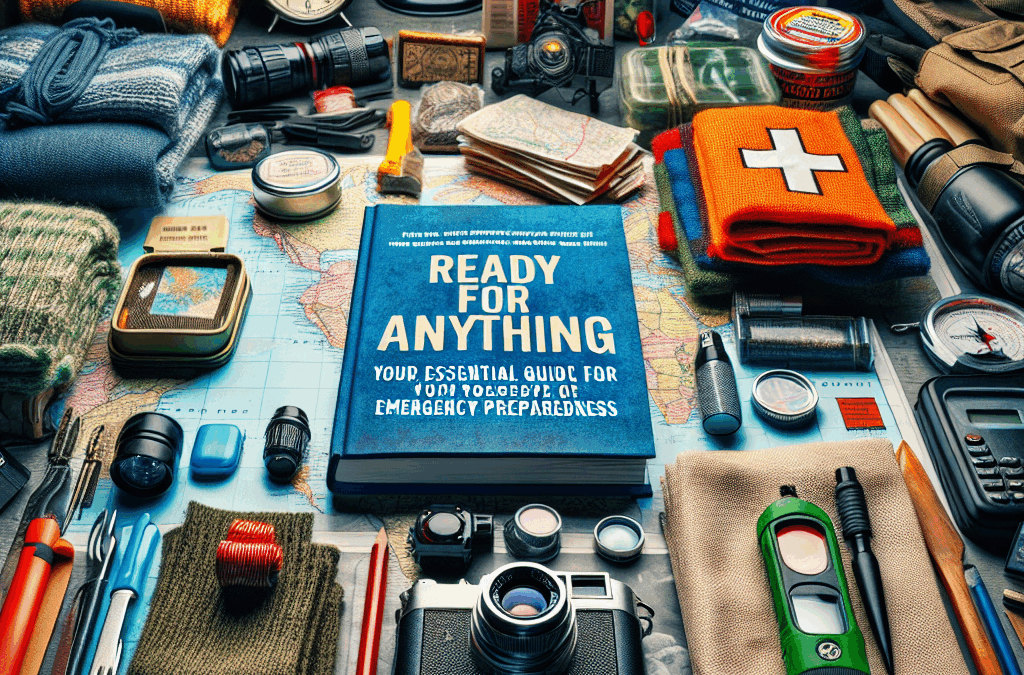
In a world where uncertainties lurk around every corner, being prepared for emergencies is no longer an option; it’s a necessity. From natural disasters to unforeseen events, understanding how to respond can make all the difference. Here’s your essential guide to getting ready for anything.
*Understanding the Risks: Identify Potential Emergencies in Your Area**
The first step in preparing for emergencies is knowing what threats are prevalent in your region. Are you in a flood zone? Does your area experience severe storms or wildfires? Each location has its vulnerabilities, so take time to research local risks. Connect with community resources and emergency management agencies that provide insights into potential disasters. Knowledge equips you with the foresight needed to act swiftly when crises unfold.
*Building Your Emergency Kit: Essentials for Every Household**
Once you’ve identified the risks, it’s time to assemble an emergency kit tailored to your needs. Start with basic supplies such as water—one gallon per person per day—and non-perishable food items like canned goods or energy bars. Don’t forget first aid supplies, flashlights with extra batteries, and essential medications. As family dynamics vary, consider including items specific to children, pets, or elderly relatives. The goal is a comprehensive kit that can sustain your household for at least 72 hours during any emergency situation.
*Creating a Family Emergency Plan: Steps to Ensure Everyone’s Safety**
Preparation isn’t solely about gathering supplies; having a well-thought-out family emergency plan is crucial as well. Begin by outlining escape routes from your home and identifying safe meeting points outside if separation occurs during an emergency. Make sure everyone knows how to reach each other using mobile devices or predetermined locations if phone lines fail. Regularly discuss this plan with all family members—especially children—to ensure they understand their roles and responsibilities when panic sets in.
*Staying Informed: The Importance of Communication and Alerts**
In times of crisis, staying informed can be life-saving. Sign up for local alert systems that provide real-time updates on emergencies affecting your area. Familiarize yourself with reliable weather apps and radio stations that broadcast warnings and information during disasters. Moreover, establish communication strategies within your family; designate a primary contact person who lives outside your immediate area should local networks become compromised.
*Practicing Preparedness: Drills and Training for Real-Life Scenarios**
In summary, don’t just prepare—practice! Conduct regular drills simulating various emergencies such as fire evacuations or severe weather responses. These exercises help reinforce actions under pressure while revealing any gaps in your plan that need addressing before real-life scenarios occur. Consider enrolling in basic first aid courses or CPR training; these skills could be invaluable during critical moments when professional help may not be immediately available.
In closing, emergency preparedness involves proactive measures that empower you and those you care about when faced with unexpected situations. By understanding the risks unique to your area, building a comprehensive kit, creating a solid family plan, staying informed through reliable channels, and practicing scenarios regularly, you’ll cultivate confidence amid uncertainty—because being ready means being resilient! Embrace these strategies today; tomorrow may hold surprises you never saw coming!

by Preparation Call Editorial Team | Aug 5, 2025 | Preparedness
1. Utilize Natural Ventilation
Open Windows Strategically
One of the simplest ways to keep your space cool is by opening your windows. I like to do this early in the morning and late in the evening when the outside air is cooler. Just remember, you don’t want that midday heat creeping in, so timing is key!
Cross-ventilation is also super effective. I make sure to open windows on opposite sides of my house to create a nice breeze that helps circulate the air. You’ll be surprised at how effective this can be with just a little effort!
Don’t underestimate the power of a good fan either. If I’ve got a breeze coming in, I’ll set a fan near the window facing inward to draw that cool air inside more effectively. It’s like having mini air conditioning without the hefty bill!
Create Indoor Airflow
Now that I’ve got my windows open, I often move things around a bit to promote airflow. Clearing any obstructions in front of fans helps them circulate the air more freely. I might pull out my box fan and angle it towards areas where I hang out the most.
If you’re feeling crafty, try placing a bowl of ice in front of your fan for a hit of chilled air. I always love this trick during hot afternoons; it gives me just the refreshing boost I need!
Sometimes, I’ll also use a ceiling fan if I have one. These can work wonders when set to rotate counter-clockwise to push cool air down into the room. I’m always grateful when I remember this little tip during those scorching days!
Limit Heat Sources
Another handy method to keep cool is minimizing the heat generated indoors. I try to avoid using the oven or stove during the hottest parts of the day. Instead, I whip up no-cook meals or use a microwave.
Appliances like TVs and computers can generate heat too. I make sure to turn off devices when I’m not using them! Sometimes I even schedule my work hours around the cooler parts of the day.
Lastly, I ensure my light bulbs are energy-efficient, like LEDs. They don’t put off as much heat as traditional bulbs, and every little bit helps keep my space more comfortable!
2. Stay Hydrated
Drink Plenty of Water
It might sound basic, but staying hydrated is key in the summer. I aim to sip water regularly—especially during peak heat. When your body is well-hydrated, you can handle the heat a whole lot better!
I also like to keep a bottle or glass of water nearby—whether I’m working or lounging. It serves as a constant reminder to drink up, and I often throw in some lemon or mint leaves for an extra refreshing twist.
Don’t forget about foods, too! Stuff like watermelon or cucumbers are not just hydrating; they’re delicious and perfect for a warm day. I’ve enjoyed tossing them in my salads or snacking on them throughout the day.
Limit Caffeine and Alcohol
While I love a good iced coffee or refreshing cocktail, I’m mindful of how they can dehydrate me. I’ve learned to balance my intake, especially during extremely hot days, so I don’t feel sluggish or overheated.
If you usually enjoy your caffeine fix, I suggest switching to herbal tea or infused low-sugar beverages instead. These can be just as tasty while keeping hydration levels up. Plus, a chilled herbal tea can be super satisfying!
When it comes to alcohol, I’ll try to space drinks with water. It’s a win-win situation; I stay hydrated and still have a good time without feeling the effects of the heat!
Misting Yourself
Feeling a little warm? I often use a simple spray bottle filled with water to mist my face and neck. It’s such a quick refresher! Sometimes, I keep the bottle in the fridge for extra chill.
If you can, step outside and have a spritz in the shade. The difference is remarkable and gives a nice cooling sensation for several minutes afterward!
You can also try a damp cloth or bandana. I like to keep one in the fridge and pop it on my wrist or the back of my neck; you won’t believe how much cooler this makes you feel!
3. Dress Appropriately
Choose Lightweight Fabrics
When it comes to clothing, I swear by lightweight and breathable fabrics. Cotton and linen are my go-to materials since they allow air to flow through, helping me stay cool.
I like to avoid dark colors that absorb heat. Light-colored clothes are a lot better at keeping me feeling fresh under the summer sun. It’s true what they say: you can beat the heat with the right outfit!
Also, I love wearing loose-fitting clothing. This way, I don’t feel restricted, and it allows my body to naturally cool down, as the air can circulate more freely around my skin.
Use Accessories Wisely
Hats can be a great addition too. When I’m heading outside, I often throw on a wide-brimmed hat to shield my face and neck from direct sunlight. It provides shade and really helps cut down on the heat.
Don’t forget sunglasses for those bright days! They can make a huge difference in how comfortable you feel outdoors. Just the simple act of blocking out the sun can help keep your body from overheating.
Lastly, a light scarf can work wonders. I’ve found tying a scarf loosely on my head will both keep the sun off and hold back that sweaty hair situation. It’s a simple yet stylish way to beat the heat!
Plan Outdoor Activities Wisely
Whenever I want to enjoy some outdoor activities, I’ve learned to do so during the cooler parts of the day. Early mornings and evenings are usually much more pleasant, and it’s a great way to avoid the blazing midday sun.
If I plan to exercise, I’ll do it in the shade or find paths that are more breezy. A jog under trees or a walk near a lake tends to be much more enjoyable when I can feel that natural cooler air.
Also, having a backup plan with plenty of sunscreen, water, and shady spots is crucial. I try to take breaks in the shade, ensuring I’m rehydrating and keeping myself cool while enjoying the great outdoors.
4. Optimize Your Home’s Insulation
Close Blinds and Curtains
One of the first things I do during a heatwave is close my blinds or curtains during the day. This helps block out the sun and reduces the amount of heat that seeps into my home. I often choose light-colored or reflective blinds to maximize the effect.
This simple step can bring a surprising drop in temperature indoors! I highly suggest trying it—especially in rooms you use most. Just be sure to open them back up when the sun starts to go down!
Sometimes I find that thermal drapes can be a game changer too. They provide added insulation and can help keep the heat at bay, especially in rooms where I spend the most time.
Seal Windows and Doors
To maximize comfort, I ensure that my windows and doors are well-sealed. I take a look for any gaps where air might escape or enter, and I use weather stripping to close those off. It’s a small and easy fix that often pays off big time!
I also make sure to check my insulation. If I notice some cool air slipping out, I’ll consider upgrading my insulation. It’s an investment worth making to keep my home cool and comfortable during the hotter months.
On the same note, using draft stoppers at the bottom of doors is another quick and simple way to keep your home cool. I can’t tell you how much of a difference this can make!
Use the Roof to Your Advantage
If you’ve got access to a roof, consider planting some greenery! I love the idea of a rooftop garden or vegetation; it can help absorb heat and provide shade, keeping things cooler below.
Reflective roof coatings can also work wonders, redirecting sunlight away instead of absorbing it. This kind of upgrade can be really beneficial, especially if you live in a sunny area!
Lastly, ventilation in the attic is crucial, too! I try to ensure my attic has good airflow to prevent heat buildup, which can radiate into the rest of my home.
5. Embrace Simple DIY Solutions
Make Your Own Air Cooler
If I’m in need of a little extra coolness, I love making my own air cooler! It’s as simple as placing a bowl of ice in front of a fan to create a chilled airflow. It’s a super refreshing fix on those sweltering days.
Sometimes I get a bit more creative too. I’ve tried placing a humidifier near a fan to create a cool mist that fills the room with refreshing air. It’s a DIY hack that can add some moisture while cooling down the space!
Another fun idea is using plants as natural air coolers. A few strategically placed plants can add shade and moisture, and I find the greenery just lifts my spirits while providing that added benefit!
DIY Blinds and Shades
If you’re feeling particularly crafty, I suggest making DIY blinds or shades. Using reflective materials or light-colored fabrics can help keep the sunlight from heating up your space.
I’ve even repurposed old bed sheets for the cause! Sometimes an old fitted sheet makes for a great temporary shade when hung in the window. It’s a practical way to cool things down without spending a load of cash!
There are tons of tutorials online, and you can personalize them to suit your home’s style. Plus, it’s always fun to put your own spin on home decor!
Build a Heat Shield Outside
Having a shade structure outside can make a world of difference. I’ve built simple shades using canvas or tarps attached to poles to create a shaded area. This covers my outdoor spaces, making them usable even in the middle of summer!
Consider trellises with climbing plants too. They not only provide shade but also bring a natural beauty to your outdoor area. Plus, how nice is it to sip your drink in a shady spot instead of burning under the sun?
It’s all about getting creative and finding what works best for your outdoor setup. Every little bit helps when it comes to staying comfortable!
Frequently Asked Questions
1. Is it really possible to stay cool without air conditioning?
Absolutely! There are numerous natural methods and DIY techniques to keep your space comfortable, as outlined in the article, such as utilizing natural ventilation, staying hydrated, and using appropriate clothing.
2. What are some quick tips for staying cool during a power outage?
During a power outage, open windows for natural ventilation, use fans with ice in front of them, stay hydrated, and focus on creating airflow. Avoid heat-generating appliances and find cooler areas in your home.
3. Are there any specific foods that help with hydration?
Definitely! Foods high in water content like watermelon, cucumbers, and citrus fruits are great for hydration. Keeping these snacks on hand during hot days is a fantastic idea!
4. How can proper home insulation help with keeping cool?
Good insulation prevents warm air from entering your home, thereby reducing the temperature inside. Closing blinds and sealing gaps helps maintain a cooler home environment.
5. Can DIY solutions really be effective for staying cool?
For sure! Simple DIY solutions like creating your own air cooler or making reflective blinds can effectively lower temperatures without needing air conditioning. Plus, they’re often inexpensive and fun to make!

by Preparation Call Editorial Team | Aug 5, 2025 | Preparedness
1. Awareness of Your Surroundings
Stay Observant
One of the most critical aspects of urban survival is being aware of what’s happening around you. I’ve found that simply tuning into my environment can make a significant difference. When I walk down a busy street, I take a moment to observe the people, their behavior, and any unusual activities. This awareness can alert you to potential dangers or changes in your surroundings, allowing you to react quickly.
Pay attention to common patterns in your area. What does a regular day look like? By understanding the normal, it’s easier to spot the abnormal. For instance, if you notice a commotion someplace that’s typically quiet, it can help prompt you to stay cautious and perhaps avoid that route altogether.
Lastly, don’t just use your eyes. Trust your instincts and listen to your gut feelings. If something feels off, it probably is, so take that intuition seriously. I’ve personally avoided potentially risky situations just by immediately responding to my gut check.
2. Building a Personal Safety Plan
Create Emergency Contacts
It’s vital to have a plan in place for emergencies. My first step was creating a list of emergency contacts – close friends, family, and even a few trusted neighbors. This way, I know exactly who to reach out to in case something unexpected happens. It’s a simple yet effective measure that offers peace of mind.
Include important information like medical contacts or local emergency services in your plan. I also made sure to have several ways to get in touch—whether it’s through phone or messaging app. Being prepared means I can quickly get assistance if I need it.
Moreover, practicing your plan is just as important. I often go through it in my head and even do little drills if I’m with family or friends. It helps keep everyone sharp and reminds us how to stay connected if something goes down.
3. Learn Basic Self-Defense
Find a Local Class
I can’t stress enough how beneficial it is to know some self-defense techniques. Finding a local class has been one of the best decisions. Not only do I learn physical skills, but I’ve also been able to connect with a community of like-minded individuals who want to empower themselves.
Even if you can’t commit to a class, there are so many online resources available. I started by watching videos and practicing some moves in my living room. It’s fun and super helpful, even if you can just learn the basics of how to escape a situation safely.
Self-defense isn’t just about the physical techniques, though. It’s also about building confidence. Knowing that I can defend myself if the situation calls for it has changed how I navigate my urban jungle—I feel empowered rather than frightened.
4. Familiarity with Your Routes
Know Alternative Paths
Living in an urban setting, it’s essential to know your routes. I always map out multiple ways to get to work or home. If there’s an incident like a road closure or construction, having alternatives makes life so much easier and safer.
I often practice navigating these paths, which helps me feel more secure in my choices. Plus, it’s kind of an adventure! I sometimes discover new neighborhoods or little cafes along the way that I might otherwise miss.
On top of knowing your paths, try to get familiar with spots that can provide shelter or assistance, like stores or public places. This knowledge can be a lifesaver in unexpected situations where you might need help quickly.
5. Stay Prepared with Essential Supplies
Personal Emergency Kit
One of the best pieces of advice I ever received was to have an emergency kit ready. I’ve put together a small bag with essentials like water, snacks, a first-aid kit, and sometimes even a flashlight. Keeping this on me—whether I’m heading to work or just out and about—gives me peace of mind.
I also tailor my kit to suit my daily needs. For example, if I know I’ll be out late, I might pack some cash, a portable charger for my phone, and maybe even a blanket. It’s all about being prepared for whatever might happen.
Lastly, check your kit regularly. I set a reminder on my calendar to make sure everything is stocked and up to date. Life can throw curveballs, and it helps to have your bases covered!
Frequently Asked Questions
1. Why is situational awareness so important?
Situational awareness keeps you alert to your surroundings, enabling you to spot potential dangers. It helps you avoid risky situations and react appropriately if something unexpected occurs.
2. How can I build a personal safety plan effectively?
Start by listing key contacts and emergency services. Also, practice your plan regularly with your contacts to ensure everyone knows what to do in case of an emergency.
3. Do I really need to learn self-defense?
Absolutely! Knowing basic self-defense can boost your confidence and give you the ability to protect yourself if necessary. It’s about empowerment and preparedness.
4. What should I include in my emergency kit?
Your emergency kit should include water, food, a first-aid kit, a flashlight, and any personal items you might need, like medication or cash. Tailor the kit to suit your lifestyle and specific needs.
5. How can I discover new paths in my city?
Take time to explore your city on foot or by bike. Utilize maps and apps to discover alternate routes. It’s not only beneficial for safety but can also be a fun way to experience your urban environment.






