An evacuation warning ending is not always the same as an official all-clear. A warning may indicate that the immediate threat has decreased while roads remain blocked, utilities are unstable, or new hazards are still possible. Before leaving your temporary location, verify the current status through local emergency management, law enforcement, the fire department, or another official channel. Check the specific neighborhood or address rather than relying on a broad county or regional announcement.
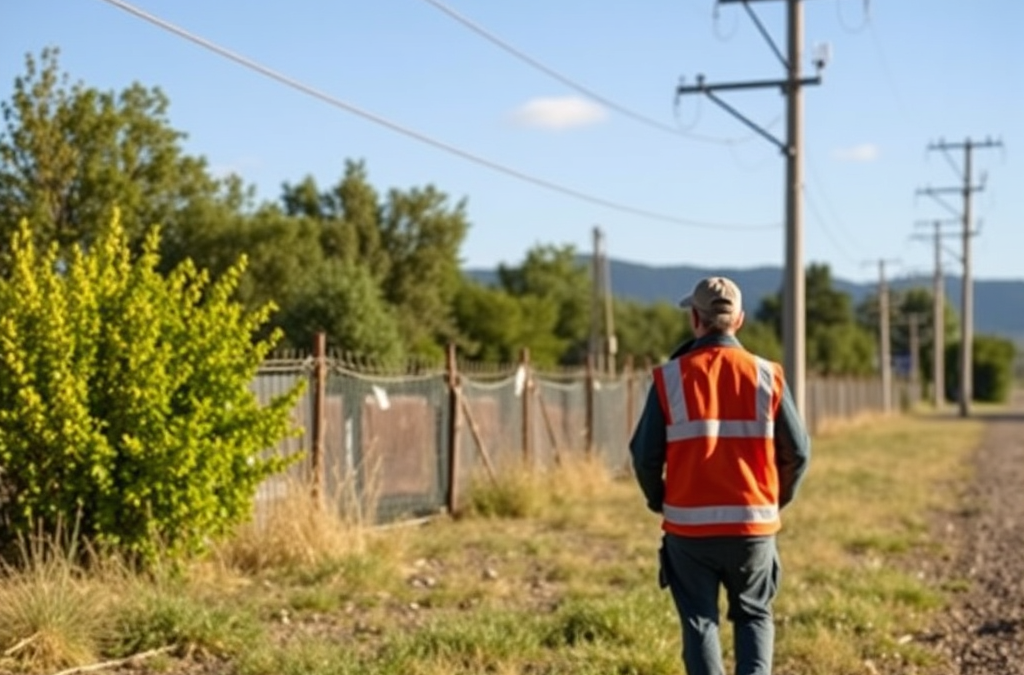
Road access deserves separate attention. A route that was safe earlier may now contain standing water, fallen limbs, mud, debris, damaged bridges, or traffic controls. Do not bypass a barricade simply because other vehicles are moving around it. If authorities direct residents to use a particular entrance, follow that route; it may avoid active response operations or areas that remain unsafe.
Information can conflict after a fast-moving incident. Social media posts, informal neighborhood messages, and old alerts may not reflect current conditions. Compare the timestamp, issuing agency, and affected area. If communications are limited, try a battery-powered radio, text alerts, official agency websites, or a direct call to a local information line. The goal is not to find reassurance; it is to establish that return is permitted and that the route is usable.
Delay the trip if you cannot confirm access, if officials still advise against returning, or if conditions have changed since the last reliable update. Waiting may be inconvenient, but entering during cleanup or active hazard control can expose you to risks that are difficult to see from a vehicle. Keep this returning home safely after an evacuation warning ends decision tied to verified conditions, not the calendar or a desire to retrieve belongings.
Approach the Property and Inspect the Exterior
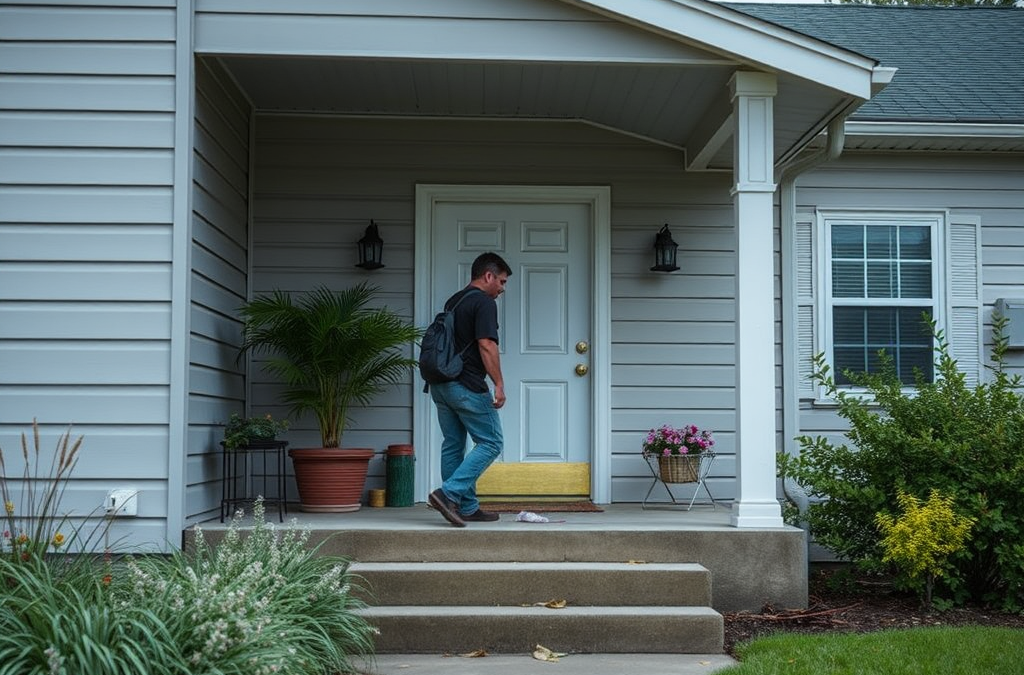
The first inspection should happen from outside, preferably before anyone enters the building. Park where the vehicle can leave quickly and avoid blocking emergency access. Walk the visible perimeter slowly, looking above, below, and around the structure. A house can appear intact while a nearby tree, retaining wall, porch, chimney, or utility connection has become unstable.
Stay away from downed electrical lines and anything touching them, including fences, puddles, branches, and vehicles. Treat every line as energized. Do not enter water that may conceal wires, open drains, sharp debris, or contaminated material. A gas odor, hissing sound, smoke, unusual heat, or damaged fuel container is a reason to move away and contact the appropriate emergency service from a safe location. Do not operate switches, vehicles, or phones close to a suspected gas leak if doing so could create ignition.
Flooding creates hazards even after water recedes. Mud can hide holes and unstable ground, while moisture may weaken floors, walls, and electrical components. Fire-affected properties may contain ash, nails, broken glass, toxic residue, and weakened framing. In areas affected by wildfire or wind, inspect for smoldering material, embers, hanging branches, and roof damage. If the building has shifted, doors or windows are suddenly misaligned, foundations show new cracks, or the roof sags, keep out until a qualified inspection is available.
Pets and children should remain in the vehicle or at a safe staging point during this assessment. Displaced animals, broken fencing, glass, and unfamiliar odors can cause pets to bolt or behave unpredictably. A common mistake is to rush inside for medication, documents, or food before checking the exterior. If an essential item is needed, tell responders or the property manager about the hazard rather than turning a quick retrieval into an avoidable injury.
Enter, Document Damage, and Check Utilities
Enter only when the exterior gives no clear warning of structural or utility danger and officials have allowed reentry. Use a flashlight during the first inspection, even in daylight, because dark rooms may contain broken glass, standing water, or damaged wiring. Avoid candles, matches, and lighters until you are certain there is no gas leak or flammable vapor. Open doors and windows only if doing so is safe and does not expose you to smoke or contaminated air.
Move through the property methodically rather than switching everything on at once. Look for water intrusion, ceiling movement, cracked masonry, loose fixtures, exposed wiring, spoiled food, and signs of rodents or other animals. Photograph and record damage before cleaning, discarding, or moving major items. Include wide room views and close images of serial numbers, damaged systems, and the surrounding exterior. Notes about the date, apparent cause, and conversations with officials can make later insurance or assistance requests easier, although documentation does not guarantee reimbursement.
Utilities require restraint. If the electrical panel, meter, outlets, or wiring is wet or visibly damaged, do not restore electricity yourself. If the gas supply was shut off or a leak is suspected, leave the system off and contact the utility provider. Do not turn water back on if pipes are broken, the property flooded, or the local water authority has issued a contamination notice. Use official instructions for boiling, filtering, or avoiding tap water; household improvisation may not address chemical contamination.
Appliances and heating equipment deserve special caution. Water-damaged furnaces, generators, refrigerators, and extension cords may fail later even if they appear dry. A qualified technician should assess equipment exposed to water, fire, or severe heat. The tempting alternative—restoring power quickly to run pumps, lights, or cooling—can worsen damage or create shock and fire hazards. Prioritize life safety, then documentation, then controlled utility restoration.
Use the phrase returning home safely after an evacuation warning ends as a sequence rather than a single moment: authorization, approach, inspection, documentation, and only then reactivation. Skipping one stage is especially risky when fatigue, darkness, heat, or pressure from waiting family members affects judgment.
Make the First Night Back Safer
Returning does not necessarily mean the home is ready for normal living. Decide whether the property can support basic needs for the next several hours: safe drinking water, usable sanitation, ventilation, lighting, medication storage, food, communication, and a reliable way to leave again. If any of these are missing, treat the visit as a short inspection and retrieval trip rather than a full return.
Food and water need a separate review. Discard food exposed to floodwater, smoke, chemicals, or prolonged loss of safe temperature control. Do not taste questionable food to test it. Canned goods with bulging, leaking, rusted, or badly dented containers should not be used. Follow local water advisories and use sealed water if tap safety has not been confirmed. A refrigerator that is running again is not proof that everything inside is safe.
Ventilation, heating, and carbon monoxide protection matter after an evacuation. Never use a charcoal grill, camp stove, or fuel-burning generator indoors, in a garage, or near doors and windows. Place generators outdoors according to manufacturer instructions and keep exhaust away from occupied areas. Check that smoke and carbon monoxide alarms are present and functional, replacing batteries if needed. If smoke, ash, mold, or chemical odor remains, limit exposure and seek advice from local authorities or a qualified remediation professional.
Prepare for renewed evacuation rather than unpacking immediately. Keep shoes, keys, identification, medication, chargers, water, and a small go-bag together. Park facing an accessible exit, keep a vehicle fueled or charged as conditions allow, and identify a backup destination. People with mobility, respiratory, or medical needs may need a shorter stay or additional support. Pets may need leashes, carriers, and bottled water because fences, local services, and familiar routes may not be restored.
A weak assumption is that the danger ended when the alert ended. Secondary flooding, falling branches, utility restoration, structural deterioration, and changing weather can create new problems. Recheck official updates before sleeping, especially if the original incident involved fire, flooding, hazardous materials, or severe wind. If warning signs appear, leave early rather than waiting for another evacuation order.
Frequently Asked Questions
Can I return as soon as the evacuation warning expires?
Not necessarily. Confirm that authorities permit access, check the route, and look for continuing hazards or neighborhood-specific restrictions.
What should I do if I see a downed power line?
Stay far away, keep people and pets back, and report it to the utility or emergency services from a safe location. Do not touch nearby objects or standing water.
Should I turn on the electricity when I get home?
Only if the system is dry, undamaged, and officials or a qualified professional have indicated it is safe. Wet or damaged panels and wiring require professional attention.
How do I know whether tap water is safe?
Follow the local water authority’s notice. Boiling may address some biological risks but does not make chemically contaminated water safe.
What if the house looks damaged but I need medication inside?
Do not enter a structurally questionable building alone. Ask emergency personnel, a property manager, or local authorities about a safe retrieval option.
Further Reading
Authoritative Sources
Academy of Nutrition and Dietetics eatright.org
Professional nutrition guidance, healthy eating resources, and practical dietitian-reviewed advice.
U.S. Department of Agriculture usda.gov
Official food, nutrition, agriculture, and consumer guidance from the USDA.
NIH Office of Dietary Supplements ods.od.nih.gov
Research-based fact sheets on nutrients, supplements, dietary intake, and safety considerations.
International Society of Sports Nutrition sportsnutritionsociety.org
Evidence-informed sports nutrition resources and position stands for active people and athletes.
Conclusion
A safe return is a controlled reentry, not simply a trip home after an alert changes. Verify the area and route first, inspect the property from outside, and treat wires, floodwater, gas odors, unstable structures, and smoke residue as reasons to stop. Once inside, document conditions before cleanup, avoid energizing wet systems, and follow official water and utility instructions. Make the first visit serve a clear purpose: assess, retrieve necessities, and decide whether the home can support an overnight stay. Keep an exit plan ready because hazards may develop after access is restored. If conditions exceed what you can safely evaluate, leave and contact qualified responders rather than attempting improvised repairs.
A missing utility update is a change in information quality, not proof that the outage has entered its final stage or will last for days. Utilities may pause public estimates while crews inspect damage, isolate a fault, wait for specialized equipment, or revise the number of affected customers. An early estimate often describes a repair path that changes once workers reach the site.
The last message still provides useful clues. Note whether it identified a cause, named a work area, gave a restoration window, or merely acknowledged an outage. “Assessing damage” is less predictive than a notice saying crews are repairing a specific transformer, but neither guarantees a finish time. A broad area estimate may also hide different restoration sequences: a hospital feeder, a residential branch, and an individual service line can return at different points.
Silence becomes more meaningful when paired with other evidence. An expired estimate, no crew activity, severe weather, blocked access, or repeated equipment failures justify planning for a longer interruption. Silence alongside visible crews, completed inspections, and power returning to nearby blocks may indicate progress. The mistake is treating either interpretation as certain.
Use estimating outage duration when utility updates stop as a rolling judgment. Record the last verified update and the time it was issued, then separate confirmed facts from assumptions. That simple distinction prevents a rumor, an old map, or a neighbor’s different circuit from becoming the basis for a household decision.
Signals That Improve a Duration Estimate
The strongest estimate combines cause, repair complexity, access, and restoration sequence. A localized equipment failure may be easier to isolate than widespread line damage, but the needed component may still be unavailable. Storm debris, flooding, ice, wildfire conditions, road closures, and continuing high winds can slow inspection before repair even begins.
Look for information from several channels, but rank it by reliability. The utility’s outage map or official account is the primary source for the affected circuit. Local emergency management may explain road closures, shelter operations, or hazards that affect crews. A verified utility phone or text alert can add detail. Neighbor reports are useful for noticing changes, but they may reflect a different feeder or a private service problem.
Physical observations can refine—not replace—official information. Crew vehicles, bucket trucks, line work, substation activity, and a shift from “assessing” to “repairing” suggest movement. A brief flash or a few minutes of power does not establish a stable restoration; automated switching can reroute electricity temporarily, and protective equipment may disconnect again when the fault remains.
Compare two scenarios. If a block receives power while your home remains dark, the utility may be restoring circuits in stages, or your service may have a separate fault. If the entire neighborhood remains dark and access roads are obstructed, a short estimate is less dependable. Check whether your neighbors’ lights are actually on, whether streetlights are operating, and whether your own main breaker has tripped before concluding that the utility is still responsible.
For decisions involving refrigeration, medical devices, heat, or water, use the more cautious interpretation until the condition is verified. A household can tolerate uncertainty better by preserving options than by spending all battery capacity or opening a freezer repeatedly because an unconfirmed restoration seems close.
A Practical Planning Method After Updates Stop
After the last update, create a short timeline rather than guessing a single restoration hour. Write down the outage start, last utility message, stated estimate if any, current weather, and whether nearby customers have power. Then divide the next period into planning checkpoints, such as the next several hours, overnight, and the following day. The checkpoints are for resource decisions, not predictions.
At each checkpoint, ask four questions: Has the utility identified a cause? Has the estimated time expired? Is there evidence of crew or circuit progress? What household need becomes unsafe if the outage continues? These questions connect information to action. A household using a powered medical device may need an earlier backup location than a household mainly concerned about charging phones.
Protect communication: keep one phone available for alerts, reduce unnecessary screen use, and write down important numbers while the battery remains available.
Protect temperature-sensitive needs: keep refrigerator and freezer doors closed, and avoid assuming a short flicker restored safe conditions.
Protect essential equipment: use backup power only for prioritized loads and follow the equipment maker’s instructions; never connect a generator to household wiring without an appropriate transfer arrangement.
Protect relocation options: identify a place with power, safe temperature, water, or medical support before conditions become difficult.
The best checkpoint is tied to a consequence. For example, if a battery-powered oxygen concentrator has limited remaining runtime, the decision point is not “when will the utility post again?” It is the time required to arrange a safe alternative with adequate margin. Likewise, if indoor heat is falling, plan around household temperature and occupant needs rather than an optimistic map estimate.
Use official updates to revise the plan, not to postpone every decision. When a new message gives a narrower window, verify whether it applies to your address or only to a wider area. When no update appears, retain the conservative plan while checking at reasonable intervals. Repeatedly refreshing a map rarely produces better information and consumes phone power.
Common Timing Mistakes and Better Decisions
The most common error is anchoring on the first restoration estimate. Early estimates can be useful placeholders, but they are not promises. A storm-related outage may begin with a broad estimate before crews know whether lines, poles, transformers, or customer-side equipment are damaged. When the time passes, update the plan using new evidence instead of simply adding the same number of hours.
Another mistake is treating silence as a universal signal. A utility may update a map only after a crew confirms a condition, while a communications outage may delay public notices even as field work continues. The opposite can also happen: a posted estimate remains visible after circumstances have changed. Check the timestamp and wording, especially when a message is being shared by someone else without its original context.
People also confuse restoration of the main line with restoration at an individual property. If neighboring homes have electricity but yours does not, inspect the service panel only if it is safe to do so, and look for a tripped breaker or visible damage without touching damaged equipment. Do not approach downed wires or flooded electrical components. Contact the utility or a qualified electrician when the problem appears limited to the property.
A third failure is using one estimate for every household need. Food storage, water pumping, heating, internet access, and medical equipment have different thresholds. A short outage plan may be adequate for phone charging but inadequate for a well pump or temperature-sensitive medication. Rank needs by safety and consequence, then conserve resources for the need with the least flexibility.
Keep a simple record of what changed: “no update at 2 p.m.,” “crew seen at 4 p.m.,” or “neighboring street restored at 6 p.m.” This record makes your reasoning more reliable than memory under stress. It also helps when reporting a new condition to the utility, such as a damaged line, unusual noise, or a street that remains without service after surrounding areas recover.
For more household-specific planning, review estimating outage duration when utility updates stop alongside your communications and backup-power plans. The aim is not to predict the exact minute of restoration. It is to recognize when an estimate has weakened, preserve critical resources, and move to a safer alternative before the outage creates a preventable emergency.
Frequently Asked Questions
Does no utility update mean the outage will last a long time?
No. Silence may reflect damage assessment, changing repair conditions, or delayed communications. Treat it as increased uncertainty and plan conservatively until a verified update appears.
What information is most useful for estimating restoration time?
Use the stated cause, affected area, repair status, weather, access conditions, timestamp, and evidence that nearby circuits are returning. A general outage acknowledgment provides less timing value than a location-specific repair notice.
Should a brief flicker be counted as restoration?
No. A flicker may result from automatic switching or a failed restart. Confirm stable service and check sensitive equipment before treating the outage as over.
What should a household do when an estimate expires?
Record the expired estimate, preserve batteries and fuel, protect medical and temperature-sensitive needs, and identify a powered alternative. Continue checking official sources without relying on rumors.
Why might neighbors have power while one home does not?
Homes may be served by different circuits, or the property may have a tripped breaker, damaged service equipment, or another customer-side issue. Avoid damaged equipment and contact the utility or a qualified electrician when appropriate.
Further Reading
Authoritative Sources
Academy of Nutrition and Dietetics eatright.org
Professional nutrition guidance, healthy eating resources, and practical dietitian-reviewed advice.
U.S. Department of Agriculture usda.gov
Official food, nutrition, agriculture, and consumer guidance from the USDA.
NIH Office of Dietary Supplements ods.od.nih.gov
Research-based fact sheets on nutrients, supplements, dietary intake, and safety considerations.
International Society of Sports Nutrition sportsnutritionsociety.org
Evidence-informed sports nutrition resources and position stands for active people and athletes.
Conclusion
A silent utility feed does not provide a reliable countdown, but it does signal that the last estimate deserves less confidence. Improve your judgment by checking the timestamp and wording of the final notice, identifying the reported cause, comparing verified local sources, and observing whether repair or circuit activity is actually occurring. Plan around consequences rather than hope: preserve phone power, protect food and medical needs, limit generator risks, and arrange a powered location before a critical resource runs out. Reassess at deliberate checkpoints instead of refreshing updates constantly. The practical goal is not an exact restoration prediction; it is enough warning to shift from normal outage conservation to relocation, backup equipment, or professional assistance while safe options remain available.
A household should be assessed as an electrical and environmental system before appliances are returned to service. An outage may leave more than a dark room: water from a damaged pipe, rain entering through a roof or window, a failed sump pump, a shifted appliance, or heat buildup around refrigeration equipment can create hazards that are not obvious at the wall switch. Walk through the property with a flashlight rather than relying on candles, and do not enter areas with standing water near outlets, panels, extension cords, or appliances.
Look first for conditions that require stopping the inspection. A fallen service line, damaged meter equipment, sparking utility hardware, smoke, active flooding, or a strong gas odor calls for distance and professional or utility assistance. Do not operate the main panel if the panel area is wet or visibly damaged. If a gas appliance was affected by flooding, has a damaged supply connection, or smells of gas, avoid switches and flames and contact the gas utility or a qualified professional.
Once the immediate area is safe, identify which circuits were off and whether the outage followed a storm, flooding, a utility fault, or an internal breaker trip. The cause changes the inspection priority. A brief utility interruption with no weather damage may call for a visual electrical check, while a flooded basement requires treating every submerged electrical component as suspect. A portable generator or inverter adds another concern: improper connection can energize wiring in ways that endanger occupants and utility workers.
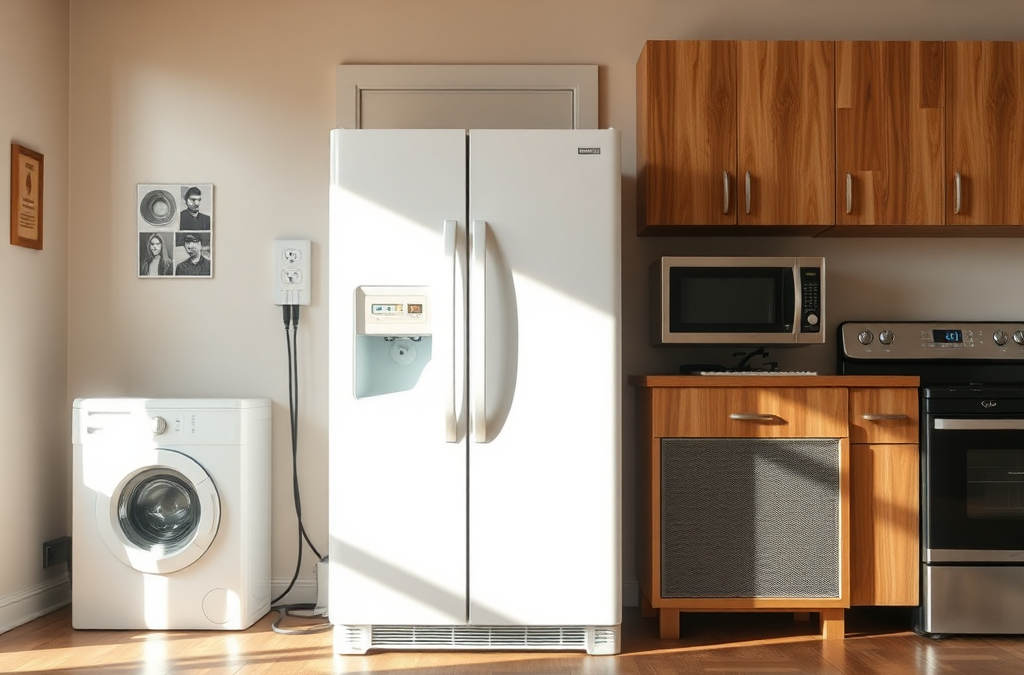
Appliances should remain unplugged while you inspect their surroundings. Check beneath and behind refrigerators, washing machines, dishwashers, water heaters, and freezers for moisture, displaced hoses, cracked fittings, or insulation that has been pulled against a motor or vent. A dry front panel does not prove that the rear compressor, terminal block, or wiring compartment is dry. Prioritize the main electrical panel, wet locations, high-load equipment, and any appliance exposed to abnormal heat or water.
Check Cords, Outlets, and Appliance Damage
Visible condition is the most useful first filter for deciding whether an appliance can be reconnected. Examine the plug blades, cord jacket, strain relief, outlet face, power strip, and nearby wall for melting, discoloration, cracking, soot, looseness, or a burnt smell. A cord that was pinched under a cabinet or pulled when furniture shifted may have internal damage even if its outer insulation looks intact. Do not tape over a cut cord or continue using a plug that fits loosely in the receptacle.
Water exposure deserves a conservative decision. An appliance that was submerged, splashed internally, or left in a damp area should not be tested by simply plugging it in. Moisture can remain around switches, motors, control boards, heating elements, and insulation; energizing those parts may cause shock, shorting, corrosion, or later failure. Drying the exterior is not the same as evaluating the appliance. Manufacturer service instructions or a qualified technician are more appropriate for equipment with internal water exposure.
Inspect outlets without removing their covers. A warm, cracked, loose, or darkened receptacle is not a normal result of restoration. Ground-fault protection may have tripped in kitchens, bathrooms, garages, laundry areas, or outdoor circuits, so identify whether a GFCI receptacle or breaker has opened. Resetting a protective device once may be reasonable only when the area is dry and there is no visible damage; repeated tripping is a stop signal, not an invitation to keep resetting it.
Consider the appliance’s load and operating mechanism. A lamp or small charger may reveal that a circuit is live, but it does not prove that a refrigerator compressor, clothes dryer, range, air conditioner, or water heater is safe. Motors can draw a higher current at startup, and heating appliances produce substantial heat during normal operation. Conversely, a refrigerator may remain quiet for a period after power returns because its thermostat has not called for cooling. Silence alone is not a fault, while a repeated clicking or struggling hum deserves attention.
Use a simple inspection record for each questionable item:
Connection: identify the outlet, breaker, surge device, or extension cord involved.
Behavior: record tripping, sparks, unusual noise, smoke, overheating, or failure to start.
Decision: mark the appliance for normal reconnection, isolation, or professional evaluation.
This process is slower than reconnecting everything at once, but it separates an appliance fault from a circuit fault. That distinction matters if a breaker trips: the cause could be one damaged appliance, several simultaneous startup loads, a wet receptacle, or a problem upstream.
Restore Circuits and Appliances in a Controlled Order
Gradual restoration reduces confusion and limits the consequences of a hidden fault. After the home has passed the visual inspection, unplug or switch off appliances before re-energizing circuits. Follow any instructions from the electric utility, building manager, manufacturer, or emergency authorities, especially if the property experienced flooding or service damage. If the main disconnect was turned off because of a hazard, do not assume it is ready for reactivation without confirmation from the appropriate professional.
Restore the least complicated circuits first, then observe the panel and rooms for several minutes. A circuit that remains stable with lights and ordinary low-load equipment gives more useful information than a whole-house restart. Reconnect appliances one at a time, allowing a short observation period between them. The purpose is not to prove that every device works immediately; it is to identify which connection produces a symptom.
High-load and motor-driven appliances should be treated separately. Refrigerators and freezers may need to resume cooling, but their compressors can have a demanding startup. Air conditioners, pumps, dryers, electric ranges, and space heaters can place heavy loads on a circuit, particularly if several are started together. Choose the correct dedicated outlet and avoid daisy-chained power strips or lightweight extension cords. A portable generator must be used only through an appropriate connection method; plugging a generator into a household outlet can backfeed the electrical system.
A practical sequence is to reconnect essential refrigeration first if the unit is dry and undamaged, followed by basic lighting and communications equipment, then other appliances according to household need. Delay optional high-load equipment until the system has remained stable. This approach trades speed for diagnostic clarity. Reconnecting everything immediately may restore comfort faster, but it can cause nuisance trips, overload a temporary power source, or make it difficult to identify a damaged device.
Observe what happens after each reconnection. A refrigerator should eventually show normal cooling behavior rather than repeated clicking, a pump should start without burning odor or unusual vibration, and a washer should not leak or trip protection when its motor begins. A breaker that trips once after a known startup event still deserves investigation if it trips again. Never defeat a breaker, remove a grounding pin, bypass GFCI protection, or substitute a fuse with a higher rating.
Readers managing several rooms can use the post-outage inspection before restoring household appliances as a room-by-room record, but the inspection should follow the actual circuit layout rather than the convenience of the floor plan. One circuit may serve outlets in multiple rooms, and a single damaged device can affect more than its immediate location.
Recognize Failure Signs and Document the Recovery
Abnormal behavior after restoration is evidence to investigate, not a nuisance to ignore. Stop using an appliance if it emits smoke, produces a burning or plastic odor, sparks, shocks the user, becomes unusually hot, leaks, makes repeated clicking or grinding sounds, or causes a breaker or GFCI to trip again. Unusual behavior may reflect moisture, insulation damage, a failed control board, a locked motor, a damaged heating element, or an overloaded circuit. The visible symptom does not reliably identify the failed component.
Separate appliance symptoms from supply symptoms. If several devices flicker, dim, reset, or behave erratically on different circuits, the problem may involve the service, utility connection, generator, or transfer equipment rather than one appliance. If only one outlet is affected, isolate that outlet and its connected equipment. If one appliance trips protection while other devices operate normally, leave that appliance disconnected and have it evaluated instead of moving it to another outlet as a test.
Refrigeration requires particular judgment. A refrigerator or freezer may appear to run while still failing to maintain a safe internal temperature, especially after a prolonged outage or repeated cycling. Use the appliance’s temperature display if it is reliable, and follow food-safety guidance from a recognized public-health or food-safety authority for decisions about stored food. Do not use the appliance’s exterior warmth, a single cooling sensation, or an assumption that the compressor is running as the only test.
Document photographs of damaged cords, outlets, water lines, labels, and panel conditions before moving equipment. Record the time power returned, the circuits restored, appliances tested, and any protective devices that tripped. This information helps an electrician or appliance technician diagnose intermittent problems and may support an insurance claim. Keep model and serial information available, but do not remove covers or attempt internal repairs unless you are qualified to do so.
A common mistake is treating successful startup as proof of safety. Electrical damage can worsen with heat, vibration, moisture migration, or repeated operation. Another mistake is assuming a newer appliance is automatically protected from abnormal voltage or water exposure. Manufacturer instructions, utility notices, and qualified inspection should override convenience when those sources identify a specific hazard. For additional context, compare each device’s condition with the broader post-outage inspection before restoring household appliances record rather than judging it in isolation.
Frequently Asked Questions
Should I unplug appliances before power returns?
Unplug or switch off appliances that may start automatically, especially high-load equipment. Leave questionable or water-exposed devices disconnected until they are evaluated.
Can I reset a tripped breaker after an outage?
Only consider a single reset when the panel and surrounding area are dry and there is no visible damage or burning odor. If it trips again, leave it off and seek qualified help.
Is an appliance safe if it turns on normally?
Not necessarily. Watch for overheating, unusual sounds, odor, leaks, flickering, or later protective-device trips, and treat internal water exposure as a professional-evaluation issue.
Which appliances should be restored first?
After safety checks, restore essential refrigeration and basic lighting before optional high-load devices. Reconnect equipment individually so a fault can be traced.
What should I do if an outlet sparks?
Stop using the outlet, keep clear of moisture, and do not repeatedly reset protection. If safe to do so, isolate the circuit and arrange inspection by a qualified electrician.
Further Reading
Authoritative Sources
Academy of Nutrition and Dietetics eatright.org
Professional nutrition guidance, healthy eating resources, and practical dietitian-reviewed advice.
U.S. Department of Agriculture usda.gov
Official food, nutrition, agriculture, and consumer guidance from the USDA.
NIH Office of Dietary Supplements ods.od.nih.gov
Research-based fact sheets on nutrients, supplements, dietary intake, and safety considerations.
International Society of Sports Nutrition sportsnutritionsociety.org
Evidence-informed sports nutrition resources and position stands for active people and athletes.
Conclusion
Restoring household appliances after an outage is safer when inspection comes before convenience. Check the property for flooding, utility damage, burning odors, and unsafe panel conditions, then examine each cord, plug, outlet, hose, vent, and appliance exterior. Treat submerged or internally damp equipment as unfit for casual testing. Re-energize circuits gradually and reconnect appliances one at a time, giving priority to essential refrigeration while delaying heavy loads until the system is stable. A repeated trip, spark, smell, shock, leak, or unusual motor sound is a reason to stop, isolate the equipment, and obtain qualified assistance. Written notes and photographs make later diagnosis easier and prevent a brief return of power from being mistaken for a complete recovery.
When routine pickup stops, household refuse becomes a sanitation problem because waste accumulates faster than most homes can safely store it. The first useful action is not buying more bags; it is estimating what is being produced, identifying the most dangerous materials, and deciding where temporary storage can occur without exposing people, food, drinking water, or drainage routes.
Separate waste into broad streams as soon as it is generated. Ordinary dry packaging can usually wait longer than wet food scraps, diapers, animal waste, or anything contaminated with bodily fluids. Batteries, pesticides, solvents, fuel containers, pool chemicals, and cleaning products should never be mixed into a general bag. Broken glass and needles create puncture hazards even when the rest of the bag appears harmless. This separation makes later instructions easier to follow and prevents one leaking container from contaminating an entire storage area.
A short interruption may call for containment and odor control; a prolonged interruption requires space management and a removal plan. A family producing several kitchen bags each day will quickly exceed the capacity of a small indoor bin, while a household with stored food may produce less packaging but more spoiled material after a refrigerator failure. Review the plan daily if temperatures rise, flooding changes access, or public messages announce a different disposal route.
Use a simple priority order:
Protect people from sharps, chemicals, sewage, and animal contamination.
Keep wet and odor-producing waste sealed and separate.
Store dry refuse where wind, rain, rodents, and pets cannot reach it.
Preserve access for authorized pickup, drop-off, or cleanup crews.
A common mistake is treating all trash as equal. That approach may be convenient at the kitchen bin but creates avoidable risks during a disaster. The sanitation plan should also be written down so every household member knows which container receives each material. A household reference such as sanitation planning when trash collection stops during disasters is most useful when it matches the home’s actual waste streams and local instructions.
Choosing Storage Locations and Containers
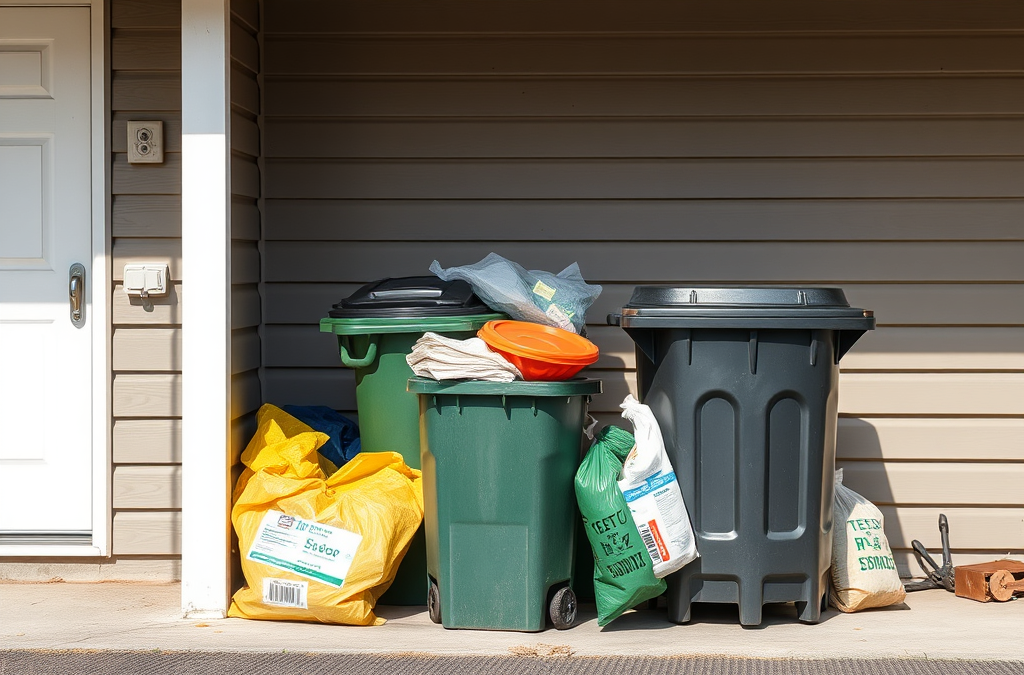
Temporary waste storage works best in a covered, shaded, ventilated location that is separated from living areas and protected from rain. Keep containers away from wells, streams, storm drains, air intakes, gardens used for food, and places where children or pets play. A garage may be suitable if it remains cool and accessible, but an attached garage can allow odors or fumes into the home. An outdoor area may be preferable only when bags are protected from animals, wind, and floodwater.
Use sturdy bags inside rigid containers with tight-fitting lids. Double-bag wet refuse when the inner bag is intact and the outer bag can be closed without squeezing it. Rigid bins should be easy to clean and small enough for one person to move without tearing a bag. Do not fill containers so heavily that lifting causes back injury or spills. Place absorbent material around, not inside, a leaking outer container only as a temporary measure; the damaged bag still needs prompt isolation and replacement.
Container choice involves a tradeoff. Large bins reduce the number of trips and keep more waste together, but they become difficult to move and can hide leaks at the bottom. Smaller containers are easier to inspect and carry but require more closures and more storage space. In a flood-prone location, a lidded container secured against tipping may be safer than loose bags, provided it can be reached without entering contaminated water.
Label containers with plain descriptions such as “general refuse,” “food waste,” “sharps—do not open,” or “household chemicals.” Do not place chemicals in a container that could be mistaken for ordinary garbage. Keep gloves, soap, disinfecting supplies, and clean bags near the work area, but store chemicals according to their labels and never mix cleaning products. Hand sanitizer may be useful when soap and water are unavailable, but visibly dirty hands need washing as soon as safe water is available.
Inspect the storage site each day. Signs that the arrangement is failing include liquid beneath a container, swelling or tearing bags, strong persistent odors, insects, rodent access, animal tracks, or water reaching the storage area. Move people away from a leaking or suspicious container and seek local guidance rather than opening it to repack the contents. For broader household planning, sanitation planning when trash collection stops during disasters should include an alternate storage site in case the first location floods or becomes inaccessible.
Handling Food Waste, Sewage, and Hazardous Materials
Wet organic waste usually becomes the limiting factor first. Spoiled meat, dairy products, cooked foods, and liquid-rich scraps produce odors and attract insects as they warm. Seal these materials promptly in leak-resistant bags, keep them out of direct sun, and avoid storing them beside drinking-water containers. If a refrigerator or freezer has failed, do not delay decisions about unsafe food merely to reduce the number of bags; keeping questionable food indoors can create a greater exposure problem.
Human waste requires a separate plan from ordinary trash. A blocked sewer, damaged septic system, or unavailable toilet can spread contamination through hands, floors, groundwater, and floodwater. Do not pour sewage into streets, storm drains, yards, or waterways. Do not assume that burying waste is safe, particularly near wells, high water tables, flood zones, or vegetable beds. Public health authorities may provide specific directions for temporary toilet use, collection, or disinfection, and those directions should take priority over improvised methods.
Medical waste and sharps need careful containment. Needles, lancets, and broken medical devices should go into a puncture-resistant container that cannot be reopened easily; never push them into a soft bag or attempt to bend them. Medicines, disinfectants, fuels, and pesticides should remain in their original containers when possible. A leaking product, swollen battery, or container with damaged labeling deserves isolation and professional or local-agency advice rather than disposal with household refuse.
Burning trash is not a universal solution. Plastics, treated materials, aerosols, batteries, and chemical residues can release dangerous smoke or create hazardous ash, while wind can carry embers during dry conditions. Burying waste can also contaminate soil or water and may attract animals. Those methods should not be used simply because collection is delayed. The safer choice is usually controlled containment until an authorized collection point, transfer route, or community cleanup instruction becomes available.
Keep waste work separate from food preparation. Wear durable gloves, cover cuts, avoid touching the face, and wash hands after removing gloves. Disinfect hard surfaces after a spill using a product according to its label; never combine bleach with ammonia, acids, or other cleaners. If sewage contacts skin, eyes, a wound, or household surfaces, follow public health guidance and seek medical advice when symptoms or exposure concerns arise.
Managing Removal, Cleanup, and Changing Conditions
A temporary storage plan is incomplete without a removal decision. Monitor official announcements from local government, emergency management, sanitation departments, or public health agencies for collection changes, restricted drop-off sites, and materials they will not accept. Keep bags and containers accessible to authorized crews, but do not place them in roads, drainage channels, or collection areas before instructions permit it.
Record what has been stored and where it is located. A simple note can identify the number of general-waste bags, food-waste containers, chemical products, and sharps containers. This prevents forgotten material after an evacuation or household handoff. Photographing labels may help communicate with a cleanup service, but do not open containers to improve their appearance or consolidate unknown substances.
Flooding changes the risk calculation. Waste touched by floodwater may contain sewage, fuel, chemicals, or sharp debris even when the original contents were ordinary. Keep children and pets away, avoid direct contact, and follow local instructions for contaminated materials. Gloves alone are not enough protection for unknown chemical exposure or large-scale cleanup. Similarly, extreme heat accelerates decomposition and increases odor, insects, and pressure inside sealed containers; shade and smaller container sizes become more valuable, but ventilation must not expose the home to fumes.
Compare two common approaches: waiting for pickup with everything mixed together, or maintaining separated, documented containers. Mixing may appear simpler, but it can turn recyclable packaging, food waste, chemicals, and sharps into one difficult load that a cleanup crew cannot safely handle. Separation takes more attention at the point of disposal and usually reduces later handling, identifies urgent hazards, and gives officials clearer information about what needs special treatment.
Before moving waste, check the route, container weight, weather, and destination rules. Use a cart when available, keep lids closed, and avoid transporting leaking bags in a passenger compartment. Stop if a container ruptures, an unknown odor appears, or liquid contacts clothing. Clean tools and footwear after handling waste, and launder contaminated clothing separately from ordinary garments. A plan is working when bags remain intact, no waste reaches water or living spaces, odors stay controlled, and each material has a known next destination. It is failing when storage expands into cooking or sleeping areas, containers cannot be inspected, or people begin using unsafe shortcuts.
Households can refine their arrangements through sanitation planning when trash collection stops during disasters by assigning one person to monitor public instructions and another to check storage conditions. That division matters when fatigue, evacuation, injury, or limited mobility makes informal responsibility unreliable.
Local health departments, emergency-management offices, sanitation utilities, and environmental agencies are the most useful sources for disposal instructions because accepted materials and temporary collection sites vary by location. Consult official guidance before handling flood-contaminated waste, sewage, chemicals, or medical sharps.
Frequently Asked Questions
Where should household waste be stored when pickup stops?
Use a shaded, covered, accessible location away from doors, food, wells, drains, floodwater, children, and animals. Choose a backup site if the first area may flood.
Can spoiled food go in the regular trash?
It may be contained separately in leak-resistant bags if local instructions allow it. Keep wet food waste away from dry refuse and replace leaking bags promptly.
Should disaster trash be burned or buried?
Do not assume either method is safe. Burning can create toxic smoke and hazardous ash, while burial can contaminate soil or groundwater; follow local authority instructions.
How should needles and other sharps be handled?
Place them in a rigid, puncture-resistant container that cannot be easily reopened, keep it labeled, and seek local instructions for approved disposal.
What changes after flooding?
Treat flood-touched waste as potentially contaminated with sewage, chemicals, or sharp debris. Keep people away and follow public health or cleanup-agency directions.
Further Reading
Authoritative Sources
Academy of Nutrition and Dietetics eatright.org
Professional nutrition guidance, healthy eating resources, and practical dietitian-reviewed advice.
U.S. Department of Agriculture usda.gov
Official food, nutrition, agriculture, and consumer guidance from the USDA.
NIH Office of Dietary Supplements ods.od.nih.gov
Research-based fact sheets on nutrients, supplements, dietary intake, and safety considerations.
International Society of Sports Nutrition sportsnutritionsociety.org
Evidence-informed sports nutrition resources and position stands for active people and athletes.
Conclusion
When collection stops, sanitation depends on controlling exposure before waste becomes a larger problem. Separate ordinary refuse from wet food, sewage, sharps, chemicals, batteries, and fuel containers; use sealed, labeled containers; and keep them shaded, dry, stable, and away from water and living areas. Check the storage site every day for leaks, insects, animals, heat, flooding, and blocked access. Avoid burning, burying, or transporting unknown materials without official direction. The next useful action is to write a household waste map, identify a backup storage location, gather bags and protective equipment, and save contact information for local health and emergency-management offices. That preparation preserves safer choices when normal pickup and disposal routes are unavailable.
An outage lasting several hours is mainly a power-management problem. A failure lasting days can become a water, sanitation, temperature, communication, food-storage, transportation, and medical-access problem. That change in scale matters because a home that is comfortable during the first evening may become unsuitable after indoor temperatures drift, stored water declines, elevators stop, or a person cannot recharge a required device.
Electricity is only one part of household infrastructure. Water treatment and pumping may be affected even when some taps still produce water. A working faucet does not prove that service will remain dependable or that local authorities consider the water safe. Sewage systems, fuel stations, pharmacies, grocery stores, cellular networks, and traffic signals may also operate inconsistently. The practical question is not whether a residence has walls and supplies; it is whether it can support the people inside without exposing them to an escalating hazard.
Compare two households after a winter outage. A well-insulated home with a safe alternative heat source, water containers, warm clothing, nearby relatives, and no elevator dependence may remain functional. An apartment household on an upper floor may face cold rooms, a disabled lift, limited water pressure, and a resident who needs powered medical equipment. The outage is identical, but the decision threshold is not.
Use shelter-in-place versus evacuation during extended utility failures as a changing assessment rather than a permanent identity. Check official alerts, indoor conditions, water and sanitation, health needs, and transportation at set intervals. A decision that is sound at noon may be poor after sunset if the route is becoming difficult or the building is losing heat.
When Shelter-in-Place Remains Viable
Shelter-in-place is usually the lower-risk option when the residence remains physically safe and the household can meet basic needs without unsafe improvisation. Viability depends on tolerable temperature, drinkable water, usable sanitation, food that does not require prolonged cooking, lighting, communication, and a realistic plan for medication and medical equipment. A stocked pantry alone is not enough if nobody can safely heat food, carry water, or reach a bathroom.
Temperature deserves early attention. During cold weather, concentrate activity in one room, close unused spaces, block drafts without covering ventilation, and use layers rather than indoor combustion devices. During hot weather, reduce heat gain with shading, limit strenuous activity, and arrange access to a cooler location if indoor conditions become unsafe. Never use a charcoal grill, camp stove, generator, or fuel-burning heater indoors or in an attached garage; carbon monoxide can accumulate without an obvious warning smell.
Water planning should distinguish drinking water from water needed for cooking, hygiene, and toilet use. A household may have enough bottled water for drinking but no workable sanitation plan. Keep containers accessible, especially for people who cannot climb stairs or lift heavy loads. If local authorities issue a boil-water or contamination notice, follow that notice rather than assuming a short outage has no effect.
A sensible stay decision includes a review point. For example, a household might reassess at morning and evening, recording indoor temperature, remaining water, medication supply, battery capacity, and the status of local services. Staying is failing when residents are rationing below safe needs, becoming confused or weak, losing access to essential treatment, or relying on hazardous heating or cooking methods. At that point, evacuation is not an overreaction; it is a response to declining control.
Signals That Evacuation Is Safer
Evacuation becomes the stronger option when the home cannot reliably protect health or when an outside hazard makes remaining dangerous. Utility loss may accompany fire, flooding, extreme heat, severe cold, structural damage, civil restrictions, or a fuel shortage. A power outage by itself does not automatically require departure, but an outage combined with failing temperature control, water, sanitation, or medical support can change the answer quickly.
Leave promptly when officials direct residents to do so, when smoke or floodwater threatens the property, or when the building has damage that makes occupancy questionable. Health-related triggers also deserve a low threshold. A person dependent on powered oxygen equipment, refrigerated medication, powered mobility equipment, or a temperature-sensitive treatment may need a destination with dependable electricity and assistance. Contact the prescribing clinician, equipment provider, or emergency service when the normal backup plan is insufficient; do not attempt to modify medical equipment casually.
Evacuation has its own risks. Roads may be congested, fuel may be unavailable, public transportation may be limited, and shelters may not support pets, medical devices, dietary needs, or accessibility requirements. Leaving without a destination can trade one problem for another. Identify a specific place that has confirmed space, charging access, water, sleeping arrangements, and a way to receive the household. If that location is unavailable, official reception centers or public emergency instructions may be more reliable than an improvised stop.
Timing is a safety factor. Departing while the vehicle is fueled, daylight remains, roads are passable, and communication works is generally easier than leaving after supplies are depleted. Pack medication, identification, cash, water, food that needs no refrigeration, chargers, glasses, mobility aids, pet supplies, and documents before the situation becomes urgent. A common mistake is waiting for complete certainty; conditions often deteriorate before a household receives a final confirmation that its plan is no longer workable.
A Practical Decision and Departure Plan
Make the choice by comparing the home’s remaining capacity with the receiving location’s confirmed capacity. Avoid treating “stay” and “leave” as the only two steps. A household can first move to a cooler or warmer room, then relocate temporarily to a nearby building, and later evacuate if services continue to decline. The best option is the one that reduces exposure while preserving future choices.
Use this compact assessment in order, and write down the result so family members can act consistently:
Hazard: Is there fire, flooding, extreme temperature, structural damage, contamination, or an official evacuation order?
Health: Can everyone maintain medication, breathing support, mobility, hydration, and safe sleep?
Water and sanitation: Is there enough safe water, and can toilets and hygiene be managed?
Time: How long can the household function before a critical supply or service fails?
Destination and route: Is the destination confirmed, and can everyone reach it with available fuel, transport, and assistance?
The weakest answer often controls the decision. A home may have food for a week but only a few hours of medical-device battery. A destination may have electricity but be unreachable by an accessible vehicle. A route may be short but pass through flooded streets or require a bridge that authorities have closed. Treat those constraints as operational facts, not inconveniences.
Prepare a departure trigger in advance: a specific indoor temperature concern, a defined remaining battery reserve, a loss of safe water, or a medical supply deadline. The trigger should allow time for dressing, loading, contacting the destination, and navigating delays. Keep the vehicle ready without running it in an enclosed space, and store supplies where they can be carried without relying on an elevator. If staying, preserve the evacuation option by keeping documents, keys, footwear, and a charged communication device together.
Common Mistakes and Household Complications
The most frequent error is treating utility restoration estimates as a complete safety plan. A service provider’s estimate can change, and restoration of electricity may not restore water pressure, internet access, fuel availability, or elevator service immediately. Plan around what the household can verify now. A second error is assuming that a generator solves every problem. Generators require fuel, safe placement, maintenance, and a correct electrical connection; they do not automatically provide potable water, medical support, or a usable route out.
Households also underestimate movement inside a failing building. Someone who can manage stairs in normal conditions may struggle while carrying water, coping with heat, or assisting a child. Elevators may be unavailable, automatic doors may not work, and hallway lighting may be poor. Keep a realistic carrying plan and identify who needs help before departure becomes urgent. Neighbors may provide useful assistance, but do not assume they will be present or able to help.
Pets, infants, older adults, and people with disabilities require specific planning rather than a generic supply count. Confirm whether a destination accepts animals, bring needed food and medications, and account for transport carriers or mobility devices. For children, pack familiar food, lighting, clothing, and a simple way to identify caregivers. For older adults or people with cognitive impairment, write down medication schedules, contact information, communication preferences, and signs of distress.
Information quality can also fail. Rumors about water safety, open fuel stations, or available shelters may spread faster than official updates. Use local government notices, utility messages, emergency management channels, and direct confirmation from a destination. If communications are intermittent, send concise text messages with location, needs, and intended destination. Recheck assumptions when conditions change rather than defending an earlier choice. The aim is not to prove that staying or leaving was correct; it is to keep the household within a safe margin.
Frequently Asked Questions
Should an extended power outage automatically trigger evacuation?
No. Evacuate when the home becomes unsafe, an outside hazard threatens it, essential medical support is failing, or officials direct residents to leave. Otherwise, sheltering may be safer than traveling without a confirmed destination.
How much water should be available before choosing to stay?
Plan separately for drinking, cooking, hygiene, and toilet use, and follow local water advisories. The amount depends on household size, weather, health needs, and the expected duration, so reassess rather than relying on a single container count.
When should a medical-device user leave?
Arrange relocation before the device battery or backup supply reaches a critical reserve. Contact the equipment provider, clinician, or emergency service for device-specific guidance, and confirm that the destination has dependable electricity and accessibility.
Is a generator enough to make shelter-in-place safe?
A generator may support selected appliances, but it does not replace water, sanitation, fuel, ventilation, or a safe connection to the home. Operate it outdoors and follow its instructions; never use it in a home, garage, or attached structure.
What should be packed if departure becomes necessary?
Take medication, identification, water, ready-to-eat food, chargers, lighting, clothing, glasses, mobility aids, pet supplies, and essential documents. Add destination details and leave while fuel, daylight, roads, and communication remain workable.
Further Reading
Authoritative Sources
Academy of Nutrition and Dietetics eatright.org
Professional nutrition guidance, healthy eating resources, and practical dietitian-reviewed advice.
U.S. Department of Agriculture usda.gov
Official food, nutrition, agriculture, and consumer guidance from the USDA.
NIH Office of Dietary Supplements ods.od.nih.gov
Research-based fact sheets on nutrients, supplements, dietary intake, and safety considerations.
International Society of Sports Nutrition sportsnutritionsociety.org
Evidence-informed sports nutrition resources and position stands for active people and athletes.
Conclusion
A reliable choice between staying and leaving comes from measuring household capacity, not from the outage label alone. Check temperature, safe water, sanitation, medical equipment, mobility, official instructions, and the time remaining before a critical need is missed. Shelter-in-place can preserve safety when the building remains habitable and supplies are controlled; evacuation gains value when conditions are deteriorating or a confirmed destination offers better support.
Set specific departure triggers, keep a go-kit accessible, maintain communication with the destination, and reassess at planned intervals. Do not wait until batteries, fuel, daylight, or physical strength are nearly gone. The strongest plan keeps both options available and makes the change from one to the other early enough to avoid a forced, hazardous move.
Repeated power cycling creates a food-safety problem when the refrigerator warms during each outage and does not have enough uninterrupted time to restore a reliably cold temperature. A refrigerator does not cool every item at the same rate. Air near the door may warm quickly, while dense containers, sealed packages, and food near the back remain colder. That unevenness makes a brief inspection misleading.
The appliance may also restart before food has reached a dangerous temperature, then lose cooling again. A single short interruption may have little effect, but several interruptions can accumulate warm exposure. The relevant question is not simply whether the compressor ran. It is whether perishable food stayed at or below 40°F (4°C), or whether its temperature history became uncertain.
Repeated cycling can happen during utility faults, overloaded backup systems, loose connections, generator changes, or a refrigerator that trips a circuit. Frequent starts and stops may also prevent the cabinet from recovering fully. If the refrigerator is powered by a backup source, an apparently successful restart does not prove that the food is safe; the internal temperature still needs to be checked.
Consider a refrigerator that loses power for 30 minutes, cools for an hour, then loses power again. Food in a crowded middle shelf may remain acceptably cold, while milk in the door and cooked chicken in a shallow container warm more quickly. The second interruption begins from a warmer starting point, so the same outage duration may have a greater effect than the first.
A weak assumption is that cold food is automatically safe because it does not feel warm. Hands are poor temperature instruments, and cold surfaces do not establish the temperature of the food’s center. The safer approach is to use a refrigerator thermometer, record the reading when possible, and treat uncertain exposure conservatively. For a deeper review of when refrigerated food becomes unsafe after repeated power cycling, focus on measured temperature and elapsed time rather than appliance behavior alone.
Temperature, Time, and Food Type
Temperature and elapsed time work together to determine whether refrigerated food should be kept. The commonly used refrigerator safety target is 40°F (4°C) or below. Once perishable food spends extended time above that range, bacteria may multiply without producing an obvious odor, discoloration, or texture change. Re-cooling the food slows further growth but does not undo what occurred during the warm period.
Food type changes the practical decision. Raw poultry, ground meat, seafood, soft cheese, milk, opened infant formula, cooked rice, cooked pasta, leftovers, deli meat, and cut fruit are generally more vulnerable than intact whole fruits, vegetables, hard cheeses, butter, unopened shelf-stable products, or condiments with suitable storage instructions. Moist, nutrient-rich foods usually deserve a stricter response than dry or acidic products.
Packaging and placement matter as well. A large roast may warm slowly because of its mass, whereas a shallow container of soup can change temperature more quickly. Door shelves are exposed to warmer air whenever the door opens, so milk, eggs, and other perishables stored there may be at greater risk than comparable items in the main compartment. A tightly packed refrigerator can preserve cold longer, but excessive packing may restrict air movement after power returns.
Use this compact priority order when information is incomplete:
Keep first: items confirmed at 40°F or below, with no unusual warming history.
Evaluate closely: food with a known temperature above 40°F but a documented, short exposure and a reliable thermometer reading.
Discard: food with an unknown duration, repeated substantial warming, leakage from raw animal products, or a temperature history that cannot be trusted.
A smell test is not a substitute for temperature control. Spoilage organisms can cause noticeable changes, but dangerous pathogens may not. Tasting a small amount is even less reliable and can expose a person to harmful organisms. When the choice is between losing a package of food and risking illness, the cost of replacement is usually the more manageable loss.
Food safety decisions also need to account for the person eating the food. Older adults, pregnant people, young children, and anyone with a weakened immune system may face more serious consequences from foodborne illness. A food that seems borderline for a healthy adult is not a sensible gamble for a higher-risk household member. The temperature and timing record should therefore be paired with the food’s vulnerability and the diner’s health risk.
A Practical Decision Process After Power Cycling
The first action after repeated cycling is to stop adding warm air. Keep the door closed until the refrigerator has stabilized or until you are ready to inspect it quickly. Every opening exchanges cold interior air for warmer room air, and repeated checking can undermine the limited cooling capacity available from the appliance or backup source.
Next, measure the cabinet with an appliance thermometer rather than relying on the display or touch. A display may show the set point, not the temperature of the food. If the thermometer reads above 40°F, note the reading and consider how long the food may have been in that condition. If no reliable timing exists, uncertainty itself becomes a reason to discard high-risk perishables.
Inspect food in an order that limits cross-contamination. Look first at raw meat, poultry, seafood, milk, soft dairy, eggs, cooked leftovers, and cut produce. Keep leaking packages isolated and clean any contaminated shelf or container according to food-safety instructions. Do not place questionable raw meat above ready-to-eat foods while reorganizing the refrigerator.
A simple record can improve judgment during a prolonged outage:
Write down the time the first interruption was noticed and each later restart or failure.
Record the refrigerator thermometer reading before opening the door for an inspection.
Mark foods with confirmed cold storage separately from foods with unknown exposure.
Discard high-risk items when the temperature or duration cannot be established with reasonable confidence.
After power is restored, confirm that the refrigerator returns to a stable cold reading before restocking it.
For example, a container of yogurt that remained at 38°F during the cycling may be treated differently from cooked rice that sat in a warming refrigerator with no recorded temperature. Both may feel cool, but the rice’s moist, cooked environment and uncertain history make it a poorer candidate for keeping. A full refrigerator can also retain cold better than a nearly empty one, yet that advantage does not justify keeping food that was demonstrably warm for an extended period.
Do not use freezing as a reset button. Freezing may pause bacterial growth, but it does not reliably eliminate hazards already present, and quality can decline after repeated freeze-thaw events. If food is still safely cold and you choose to freeze it, package it promptly and label it with the date. Freezing food with an uncertain safety history only preserves the uncertainty.
Common Mistakes and Safer Refrigerator Management
The most common mistake is counting power cycles instead of evaluating temperature exposure. Two interruptions may be harmless if the refrigerator remains cold; one long interruption may be enough to make perishable food unsafe. The cycle count is useful for reconstructing the event, but it is not a safety threshold by itself.
Another mistake is trusting the refrigerator’s digital setting. A setting of 37°F does not prove that food stayed at 37°F during an outage, and a recently restored display may not reflect the warmest period. Place a dedicated thermometer in the main compartment, keep it visible enough for quick checks, and avoid frequent door opening during unstable electricity.
Backup power introduces a separate tradeoff. A generator or battery system may run the refrigerator, but frequent transfer between sources can create additional interruptions. A stable, correctly rated supply is more useful than repeatedly restarting the appliance. Follow the equipment manufacturer’s instructions, keep fuel-burning equipment outdoors, and never improvise electrical connections that could create shock or carbon-monoxide hazards.
Organize the refrigerator before a known outage or unstable utility period. Move the most perishable foods away from the door, group similar items so the door can be opened briefly, and freeze water containers if the appliance manufacturer permits it. Do not block vents, overload shelves, or rely on ice packs that have already thawed. A cooler can protect selected high-value perishables, but it must also be monitored with a thermometer and kept closed.
Food that survived a previous interruption should not be assumed safe during the next one. Each event adds another temperature history, and a refrigerator that barely recovered after the first cycle may begin the next cycle warmer. The useful sign that the situation is improving is a stable thermometer reading at or below 40°F after the appliance has run continuously. A rising reading, repeated compressor failure, warm door seals, or unexplained condensation indicates that the appliance or backup arrangement may still be failing.
Use the refrigerated-food safety checklist before cooking or serving questionable items. Cooking can kill many living bacteria, but it should not be treated as a universal correction for every food-safety problem; some hazards may involve toxins or contamination introduced after cooking. When an item is clearly questionable, discard it rather than attempting to rescue it through extra cooking.
Frequently Asked Questions
Does repeated power cycling make food unsafe automatically?
No. Risk depends on the food’s temperature, the duration of warming, the number of interruptions, and whether the refrigerator recovered between them. Measured temperature is more useful than cycle count alone.
Can I keep refrigerated food if the refrigerator feels cold again?
Feeling cold does not confirm safe storage. Check an appliance thermometer and consider the warmest likely period. Food with an unknown or extended exposure should not be kept merely because the appliance has cooled again.
Which refrigerated foods should be discarded first?
Prioritize raw meat, poultry, seafood, milk, soft dairy, eggs, cooked leftovers, deli meats, cooked grains, and cut produce. These foods generally carry more safety concern than intact produce, butter, hard cheese, or suitable condiments.
Is smell a reliable way to judge food after an outage?
No. Harmful pathogens may not change smell, taste, or appearance. Smell can identify obvious spoilage, but a normal smell cannot prove that food remained safe.
What should I do if the refrigerator keeps cycling on and off?
Limit door openings, monitor the internal temperature, and investigate the electrical or appliance problem safely. Do not use unsafe generator connections. Move selected perishables to a monitored cooler or another stable refrigerator when possible.
Further Reading
Authoritative Sources
Academy of Nutrition and Dietetics eatright.org
Professional nutrition guidance, healthy eating resources, and practical dietitian-reviewed advice.
U.S. Department of Agriculture usda.gov
Official food, nutrition, agriculture, and consumer guidance from the USDA.
NIH Office of Dietary Supplements ods.od.nih.gov
Research-based fact sheets on nutrients, supplements, dietary intake, and safety considerations.
International Society of Sports Nutrition sportsnutritionsociety.org
Evidence-informed sports nutrition resources and position stands for active people and athletes.
Conclusion
Repeated refrigerator shutdowns should be judged by the food’s temperature history, not by how many times the appliance restarted or how cold it feels afterward. Keep the door closed, use an appliance thermometer, and separate confirmed-cold foods from items with an uncertain exposure. Raw animal products, dairy, eggs, cooked leftovers, and cut produce deserve the most conservative decisions, particularly when someone at higher risk will eat them. Re-cooling or freezing does not erase an earlier warm period, and cooking is not a universal remedy for questionable storage. If the refrigerator cannot maintain a stable reading at or below 40°F, protect only food with a trustworthy history and discard the rest. Fix the cycling or backup-power problem before relying on the appliance again.