Emergency financial planning involves establishing a financial safety net to handle unexpected expenses, such as medical emergencies, job loss, or natural disasters. This planning is essential as it ensures individuals and families can manage crises without resorting to high-interest debt or financial distress. A well-structured emergency financial plan typically includes savings for immediate needs, insurance coverage, and a budget that accounts for potential financial shocks.
Many people underestimate the importance of having an emergency fund, often believing that they can manage unexpected expenses as they arise. However, this approach can lead to significant vulnerabilities. Without a dedicated fund, individuals may struggle to cover essential costs, leading to a cycle of debt and financial hardship. The key is to prioritize setting aside funds regularly, even if the amounts seem small at first.
The Risks of Neglecting Financial Preparedness
Failing to prioritize emergency financial planning can expose individuals to various risks. One major risk is the potential for accumulating debt. In the absence of savings, individuals may turn to credit cards or loans to cover urgent expenses, resulting in high-interest payments that can quickly escalate financial problems. This cycle can lead to long-term financial instability, making it difficult to recover from setbacks.
Another significant risk is the inability to access necessary resources during a crisis. For example, without adequate savings, individuals may delay seeking medical attention or miss critical deadlines for bills, further exacerbating their situation. Additionally, the stress of financial uncertainty can impact mental health and overall well-being, leading to a decline in quality of life.
Real-World Examples of Financial Consequences
Consider the case of a family that faces an unexpected medical emergency without any savings. They may be forced to max out credit cards, leading to high-interest debt that takes years to pay off. This situation could have been avoided with a well-thought-out emergency financial plan that included a dedicated medical fund.
Another example is a homeowner who experiences a sudden job loss. Without an emergency fund, they might struggle to make mortgage payments, risking foreclosure. The financial burden can lead to a downward spiral, affecting their credit score and future borrowing capacity. These scenarios highlight the real consequences of ignoring emergency financial planning and the importance of being proactive in managing financial risks.
Creating an Effective Emergency Financial Plan
To create an effective emergency financial plan, start by assessing your current financial situation. Identify your essential expenses and determine how much you need to save to cover three to six months of living costs. This amount can serve as a baseline for your emergency fund.
Next, consider your insurance needs. Ensure you have adequate coverage for health, home, and auto to mitigate the financial impact of unexpected events. Regularly review and adjust your budget to incorporate savings for emergencies, treating it as a non-negotiable expense. Setting up automatic transfers to a savings account can help maintain consistency in building your emergency fund.
Frequently Asked Questions
What is emergency financial planning?
Emergency financial planning is the process of preparing for unexpected expenses by establishing a savings fund, budgeting, and ensuring adequate insurance coverage.
Why is it important to have an emergency fund?
An emergency fund provides financial security during unforeseen events, preventing reliance on high-interest debt and enabling quick access to necessary resources.
How much should I save for emergencies?
It is generally recommended to save three to six months' worth of living expenses in an emergency fund to cover unexpected costs effectively.
What types of emergencies should I prepare for?
Common emergencies include medical expenses, job loss, car repairs, and natural disasters. Preparing for these can help mitigate financial stress during crises.
What are the consequences of not having an emergency fund?
Without an emergency fund, individuals may face high-interest debt, inability to cover essential expenses, and increased financial stress during crises.
Further Reading
Authoritative Sources
Ready.gov Preparedness Guidance ready.gov
Federal preparedness guidance for household planning, alerts, supplies, and emergencies
American Red Cross Emergency Preparedness redcross.org
Emergency preparedness resources for families, disasters, and practical safety planning
FEMA Preparedness Resources fema.gov
National preparedness resources for planning, mitigation, and response readiness
Conclusion
Prioritizing emergency financial planning is crucial for achieving long-term financial security. By understanding the risks of neglecting this planning and implementing a structured approach, individuals can protect themselves against unexpected crises. Start building your emergency fund today, assess your insurance needs, and create a budget that accommodates savings for emergencies. Taking these proactive steps will help ensure you’re prepared for whatever life may throw your way.
Prepper burnout is a state of mental, emotional, and physical exhaustion that can occur when individuals become overwhelmed by their preparedness efforts. This phenomenon is particularly relevant in a time when many are focusing on self-sufficiency and disaster readiness. Recognizing burnout is crucial for maintaining a sustainable approach to prepping, as it can hinder your preparedness goals and overall well-being.
Burnout can manifest from various factors, including unrealistic expectations, excessive planning, and neglecting personal needs in favor of preparedness tasks. Understanding the signs and addressing them early can help you stay engaged and effective in your prepping journey.
Symptoms of Prepper Burnout
Common symptoms of prepper burnout include chronic fatigue, irritability, anxiety, and a sense of hopelessness regarding preparedness goals. You may find that tasks that once excited you now feel burdensome or unmanageable. Additionally, physical symptoms such as headaches, sleep disturbances, and changes in appetite may occur as a result of prolonged stress.
It’s essential to recognize these signs early. For instance, if you notice a decline in your enthusiasm for prepping or if you’re frequently feeling overwhelmed, these may be indications that burnout is setting in. Addressing these symptoms promptly can help you regain your motivation and effectiveness.
Causes of Burnout in Preppers
Several factors contribute to burnout among preppers. High expectations often lead individuals to take on more than they can handle, resulting in stress and exhaustion. Additionally, the pressure to stay informed about potential threats and the time commitment required for continuous learning can be overwhelming.
Another significant cause of burnout is isolation. Many preppers work independently, which can lead to feelings of loneliness and disconnection from a community. Engaging with others in your prepping journey can provide support and reduce feelings of burnout. For instance, sharing experiences and concerns with fellow preppers can lighten the emotional load and foster camaraderie.
Strategies to Mitigate Burnout
Mitigating prepper burnout involves implementing practical strategies to balance your preparedness efforts with self-care. Start by setting realistic goals and breaking tasks into manageable steps. For example, instead of trying to stockpile everything at once, focus on one category of supplies each month.
Incorporate regular self-care practices into your routine, such as exercise, hobbies, or relaxation techniques. These activities can help recharge your mental and physical energy. Additionally, consider joining local prepping groups or online forums to build a support network. Engaging with others can provide motivation and fresh perspectives on your prepping journey.
Frequently Asked Questions
What are the first signs of prepper burnout?
The first signs of prepper burnout often include fatigue, irritability, and a decrease in motivation towards preparedness tasks.
How can I prevent prepper burnout?
Preventing prepper burnout involves setting realistic goals, practicing self-care, and engaging with a supportive community.
Is it normal to feel overwhelmed while prepping?
Yes, feeling overwhelmed is a common experience among preppers, especially when facing extensive planning and preparation tasks.
What role does community play in reducing prepper burnout?
Community support can provide motivation, shared experiences, and emotional relief, which are essential in combating feelings of isolation and burnout.
How can I balance preparedness with everyday life?
Balancing preparedness with everyday life involves integrating prepping tasks into your routine without sacrificing personal time and enjoyment.
Further Reading
Authoritative Sources
Library of Congress Research Guides guides.loc.gov
Research guides that help readers locate reliable background sources on a wide range of subjects
USA.gov Official Information and Services usa.gov
Official U.S. government information and public resources for practical reference
Google Scholar scholar.google.com
Academic search resource for finding research literature and source material
Conclusion
Recognizing and mitigating prepper burnout is vital for maintaining a sustainable approach to preparedness. By being aware of the symptoms, understanding the causes, and implementing practical strategies, you can ensure that your journey in prepping remains fulfilling and productive. Prioritize self-care, set achievable goals, and connect with others to sustain your motivation and effectiveness in your preparedness efforts.
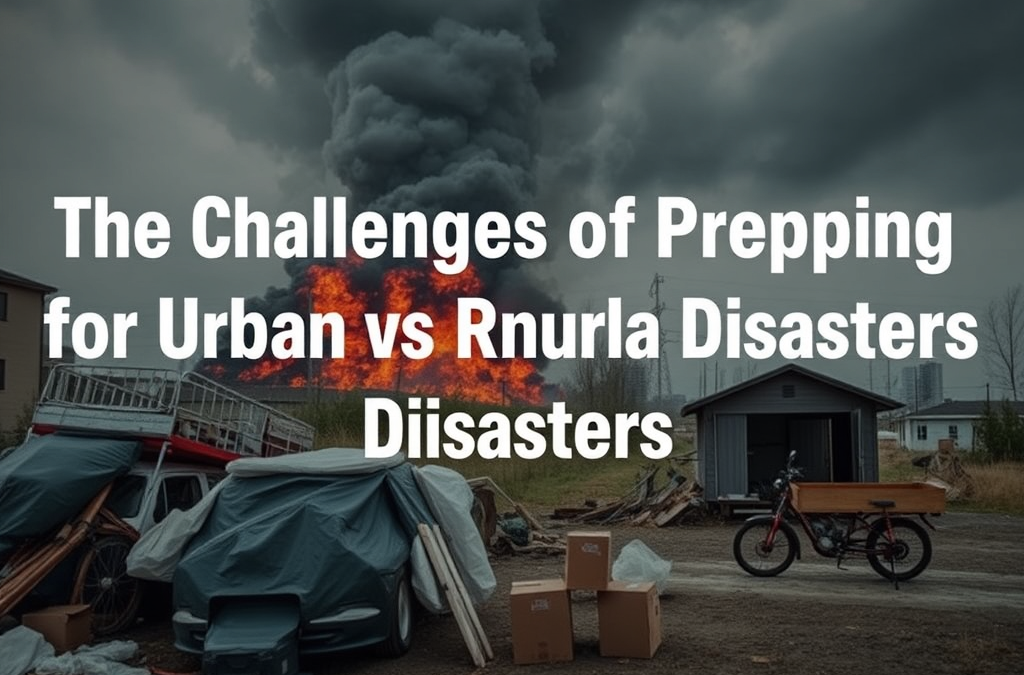
Urban areas present unique challenges disaster preparedness due to their high population density, complex infrastructure, and potential for widespread chaos during emergencies. With many people concentrated in a small area, the risk of panic and disorder increases dramatically. Urban environments often struggle with overcrowded emergency services, which can lead to delays in response times during critical situations.
Moreover, urban infrastructure, including public transportation, utilities, and communication systems, can be highly susceptible to damage. For instance, if a major earthquake were to strike a city, the resulting damage could cripple essential services like water supply and electricity. Additionally, urban residents may have limited options for evacuation due to traffic congestion and the lack of clear routes. Thus, effective urban disaster preparedness must prioritize community communication, evacuation planning, and resource allocation to mitigate these risks.
Rural Challenges in Disaster Preparedness
In contrast to urban settings, rural areas face their own set of challenges in disaster preparedness. One significant issue is the limited access to emergency services and resources, which can be exacerbated by long distances to hospitals or emergency response units. For example, in the event of a natural disaster like a flood or wildfire, rural residents may find themselves isolated and without immediate assistance.
Furthermore, rural communities often rely on local resources that may be insufficient during a crisis. Small towns may lack the infrastructure to support large-scale evacuations or the means to provide adequate supplies for their residents. This can lead to increased vulnerability during disasters, necessitating the need for rural residents to take proactive measures in their preparedness plans, such as establishing community networks and stockpiling essential supplies.
Strategies for Effective Disaster Preparedness
Developing effective disaster preparedness strategies requires a tailored approach, considering the unique challenges of both urban and rural environments. For urban areas, fostering community engagement is vital. Initiatives like community drills and information sessions can help residents understand emergency protocols and resources available to them.
In rural settings, building strong community ties can enhance preparedness efforts. Neighbors can collaborate to create response plans, share resources, and establish communication channels for emergencies. Additionally, maintaining a well-stocked emergency kit with food, water, medical supplies, and communication devices is crucial for both urban and rural residents. This proactive approach can significantly increase resilience against various disaster scenarios.
Comparison of Urban and Rural Preparedness
When comparing urban and rural disaster preparedness, it’s essential to recognize that both settings have distinct advantages and disadvantages. Urban areas tend to have more resources and infrastructure, allowing for potentially quicker access to emergency services. However, the high population density can lead to chaos, which complicates evacuation and resource distribution.
In contrast, rural areas may benefit from a stronger sense of community and lower population density, which can facilitate communication and collaboration among residents. However, the lack of immediate access to resources and emergency services poses significant risks. Recognizing these differences can help individuals tailor their preparedness plans effectively, ensuring they are ready for whatever challenges may arise.
Frequently Asked Questions
What are the key differences between urban and rural disaster preparedness?
Urban areas face challenges such as high population density and potential chaos during emergencies, while rural areas struggle with limited access to emergency services and resources.
How can urban residents prepare for disasters?
Urban residents can prepare by engaging in community drills, understanding emergency protocols, and maintaining well-stocked emergency kits.
What should rural residents focus on for disaster preparedness?
Rural residents should focus on building strong community ties, collaborating on response plans, and stockpiling essential supplies.
Why is community engagement important in disaster preparedness?
Community engagement fosters communication, resource sharing, and coordinated response efforts, which are crucial during emergencies.
What are some common mistakes in disaster preparedness?
Common mistakes include failing to create an emergency plan, underestimating the need for supplies, and not involving the community in preparedness efforts.
Further Reading
Authoritative Sources
Authoritative Sources
Ready.gov ready.gov
A comprehensive resource for disaster preparedness information and planning strategies
FEMA fema.gov
The Federal Emergency Management Agency provides guidelines and resources for disaster readiness
American Red Cross redcross.org
Offers disaster preparedness resources, including emergency kits and community planning tips
Conclusion
Understanding the challenges of prepping for urban vs rural disasters is essential for effective preparedness. Urban residents must navigate high population densities and infrastructure vulnerabilities, while rural residents face limited access to resources and emergency services. By tailoring preparedness strategies to these unique challenges, individuals can enhance their resilience and readiness for various disaster scenarios. Prioritizing community engagement, maintaining well-stocked emergency kits, and developing clear communication channels are practical steps that can significantly improve outcomes during crises.
Food safety risks increase significantly during emergencies due to power outages, lack of clean water, and limited access to refrigeration. Understanding these risks helps individuals prioritize food safety measures. For instance, when electricity is lost, perishable foods can spoil rapidly, leading to foodborne illnesses. Being aware of these challenges allows for proactive measures to mitigate risks.
Common emergencies include natural disasters like hurricanes or floods, which can disrupt supply chains and access to clean food and water. In such situations, it’s crucial to have a plan for food safety, including identifying which foods can be safely stored and consumed after an emergency. A well-prepared emergency kit with food safety guidelines can make a significant difference.
Essential Food Storage Practices
Proper food storage is vital in maintaining food safety during emergencies. Start by organizing a well-stocked pantry with non-perishable items such as canned goods, dried fruits, and grains. These foods have a long shelf life and are less likely to spoil. Additionally, store them in a cool, dry place to prevent deterioration.
For perishable items, refrigeration is essential. If the power goes out, try to keep the refrigerator door closed to maintain the temperature for as long as possible. A full freezer can keep its temperature for up to 48 hours, while a half-full freezer will only last about 24 hours. Knowing how long food can safely remain at unsafe temperatures is critical to prevent food waste and illness.
Preventing Cross-Contamination
Cross-contamination is a significant risk during food preparation, especially in emergencies when resources may be limited. To prevent this, always wash your hands with soap and water before handling food. Use separate cutting boards, utensils, and plates for raw and cooked foods to minimize the risk of contamination.
In addition, keep raw meat and poultry stored on the bottom shelf of the refrigerator to avoid drips onto other foods. This practice is crucial in emergency situations where food supplies may be limited and the risk of foodborne illness is heightened. Understanding and implementing these practices can significantly reduce the chance of illness during stressful times.
Monitoring Food Temperatures
Monitoring food temperatures is essential in ensuring food safety during emergencies. The danger zone for food temperatures is between 40°F (4°C) and 140°F (60°C), where bacteria can grow rapidly. When the power goes out, use a food thermometer to check the temperature of stored foods.
Any perishable food that has been above 40°F for more than two hours should be discarded. It’s also important to have a backup plan for cooking food, such as using a camping stove or portable grill, ensuring that food reaches safe cooking temperatures to eliminate harmful bacteria.
Frequently Asked Questions
What should I do with food after a power outage?
Check the temperature of perishable foods. Discard any items that have been above 40°F for more than two hours.
How can I prepare my food for an emergency?
Stock up on non-perishable foods, keep a manual can opener, and ensure you have a safe water supply. Organize your pantry for easy access.
What foods are safest to eat during an emergency?
Non-perishable foods like canned goods, dried fruits, and grains are safest. Cooked foods should be consumed first if refrigeration is lost.
How long can food stay safe in the refrigerator during a power outage?
Food can remain safe in the refrigerator for about four hours if the door is kept closed. After that, temperatures may rise above safe levels.
Can I use food that has been frozen and thawed?
If food has thawed in the refrigerator and is still cold (below 40°F), it is safe to refreeze or cook. If it has been above 40°F for more than two hours, discard it.
Further Reading
Authoritative Sources
NIH Office of Dietary Supplements ods.od.nih.gov
Evidence-based information on vitamins, minerals, supplements, and nutrition-related questions
USDA FoodData Central fdc.nal.usda.gov
USDA nutrient data for foods and ingredients used in nutrition decisions
Harvard T.H. Chan School of Public Health Nutrition Source hsph.harvard.edu
Public health nutrition guidance and educational resources
Conclusion
Maintaining food safety during emergencies requires careful planning and awareness of potential risks. By understanding food storage practices, preventing cross-contamination, and monitoring temperatures, individuals can protect themselves and their families from foodborne illnesses. Prioritizing these steps ensures that food remains safe to consume, even in challenging situations.
Involving children in preparedness drills is crucial for several reasons. First, children are often more vulnerable during emergencies due to their limited understanding and experience. By including them in drills, they gain familiarity with emergency procedures, which can significantly enhance their confidence and ability to react appropriately. Furthermore, teaching children about emergency preparedness can instill lifelong skills and awareness, ultimately contributing to community resilience.
Many parents underestimate the importance of preparing their children for potential emergencies. This oversight can lead to a disconnect between what adults perceive as necessary and what children need to understand. By actively engaging children in preparedness drills, families can cultivate a shared understanding of safety protocols, ensuring everyone is on the same page during a crisis.
Potential Psychological Impacts
Excluding children from preparedness drills can have profound psychological effects. Children may develop heightened anxiety and fear surrounding emergencies if they are not adequately prepared. When they lack knowledge about what to expect, their imagination can run wild, leading to irrational fears that may hinder their ability to cope during actual events.
For instance, a child who has never participated in a fire drill may panic when they hear an alarm, unsure of what actions to take. Conversely, children who have practiced these scenarios develop a sense of control and agency, reducing fear and anxiety. This psychological readiness is essential for effective response during real emergencies.
Practical Risks of Exclusion
Not including children in preparedness drills also presents practical risks. In an emergency, children may be confused about their role and the actions they need to take, which can lead to chaos and hinder effective evacuation or response. For example, if a child has not learned where to meet family members post-evacuation, they may wander off, putting themselves in danger.
Moreover, children who have not been trained in emergency procedures may inadvertently complicate rescue efforts. First responders may waste valuable time trying to locate and assist unprepared children who do not know how to follow basic safety protocols. Therefore, integrating children into preparedness efforts not only benefits their individual safety but also supports broader community emergency response.
Strategies for Effective Drills
To ensure children are well-prepared, consider implementing age-appropriate drills that cater to their understanding and capabilities. Use engaging methods such as role-playing or interactive games that make learning about emergencies fun and memorable. Additionally, involve children in discussions about safety plans, encouraging them to ask questions and express their concerns.
Regularly scheduled drills should be part of family routines, allowing children to become accustomed to the procedures. It is also beneficial to provide feedback after each drill, discussing what went well and areas for improvement. This approach not only reinforces learning but also empowers children to take an active role in their safety.
Frequently Asked Questions
Why should children be included in preparedness drills?
Including children in preparedness drills helps them understand emergency procedures, reducing anxiety and confusion during real situations.
What are the psychological risks of not preparing children?
Children may develop irrational fears and anxiety about emergencies if they are not included in preparedness efforts.
How can families effectively prepare their children for emergencies?
Families can prepare children by involving them in engaging drills, discussing safety plans, and providing regular feedback on their performance.
What practical risks arise from excluding children from drills?
Excluding children can lead to confusion, panic, and potentially dangerous situations during emergencies, as they may not know how to respond.
What strategies can make drills more effective for children?
Using role-playing, interactive games, and regular feedback can enhance children's learning and make preparedness drills more effective.
Further Reading
Authoritative Sources
Ready.gov Preparedness Guidance ready.gov
Federal preparedness guidance for household planning, alerts, supplies, and emergencies
American Red Cross Emergency Preparedness redcross.org
Emergency preparedness resources for families, disasters, and practical safety planning
FEMA Preparedness Resources fema.gov
National preparedness resources for planning, mitigation, and response readiness
Conclusion
Including children in preparedness drills is essential for fostering confidence, reducing anxiety, and enhancing overall safety during emergencies. Families should prioritize regular practice and open discussions about safety protocols to ensure children are well-equipped to handle crises. By actively engaging children in these efforts, communities can create a more resilient environment where everyone knows their role and feels secure.
Understanding your specific needs is the first step in budgeting for long-term emergency supplies. Start by evaluating the size of your household and the types of emergencies you may face, such as natural disasters or economic downturns. Consider the duration of emergencies you want to prepare for, typically ranging from three days to several months. This assessment will guide your decisions on the quantity and types of supplies required.
It’s essential to involve all household members in this process, as their input can help identify unique needs, such as dietary restrictions or medical requirements. For instance, if someone in your household requires medication, you’ll need to factor in additional costs for those supplies. A comprehensive needs assessment ensures you have a well-rounded supply list that aligns with your family’s specific circumstances.
Creating a Financial Plan
Once you’ve assessed your needs, the next step is crafting a financial plan that allocates funds specifically for emergency supplies. Start by determining how much you can realistically set aside each month. This may involve reviewing your current budget to identify areas where you can cut back or adjust spending.
Consider creating a dedicated savings account for emergency supplies. This not only helps track your progress but also prevents the temptation to spend those funds on non-emergency items. Depending on your financial situation, you might allocate a fixed percentage of your income or a specific dollar amount each month. This disciplined approach helps ensure you build your supplies gradually without financial strain.
Prioritizing Supplies
When budgeting for long-term emergency supplies, prioritization is crucial. Focus on essential items that provide the most value, such as non-perishable food, clean water, first-aid kits, and personal hygiene products. Start with a basic inventory list, categorizing items into necessities and extras. For example, while canned goods and water filtration systems are necessities, luxury items like gourmet food might be lower on your priority list.
Moreover, consider the shelf life of items when making purchases. Opt for products with longer shelf lives, which can save money in the long run. Regularly rotate your supplies to keep them fresh and effective, using older items first. This practice not only ensures you have usable supplies but also helps maintain a budget by reducing waste.
Common Budgeting Mistakes
As you embark on budgeting for long-term emergency supplies, be aware of common mistakes that can derail your efforts. One frequent error is overspending on non-essential items. Many people are tempted to buy large quantities of trendy or specialty products rather than focusing on the basics. This can lead to a depletion of funds needed for critical supplies.
Another pitfall is underestimating storage costs. It’s not enough to buy supplies; you also need to consider where to store them. Ensure you have enough space to keep your supplies organized and accessible. This might involve investing in shelving or storage bins, which should be factored into your budget. By avoiding these common mistakes, you can create a more effective and sustainable budgeting plan for your emergency supplies.
Frequently Asked Questions
What types of supplies should I prioritize for emergencies?
Prioritize non-perishable food, water, first-aid kits, and personal hygiene items as essential supplies for emergencies.
How much should I budget each month for emergency supplies?
Set aside a realistic amount based on your overall budget; consider starting with to 0 monthly, adjusting as needed.
How can I ensure my supplies remain fresh?
Regularly rotate your supplies by using older items first and replacing them with fresh stock to maintain effectiveness.
What common mistakes should I avoid when budgeting?
Avoid overspending on non-essential items and underestimating storage costs, which can impact your overall budget.
Is it necessary to involve my family in the budgeting process?
Yes, involving family members helps identify unique needs and ensures everyone is prepared and aware of emergency plans.
Further Reading
Authoritative Sources
Ready.gov Preparedness Guidance ready.gov
Federal preparedness guidance for household planning, alerts, supplies, and emergencies
American Red Cross Emergency Preparedness redcross.org
Emergency preparedness resources for families, disasters, and practical safety planning
FEMA Preparedness Resources fema.gov
National preparedness resources for planning, mitigation, and response readiness
Conclusion
Budgeting for long-term emergency supplies requires careful planning and prioritization. By assessing your household needs, creating a financial plan, and focusing on essential supplies, you can ensure your family is prepared for unforeseen events. Avoid common pitfalls such as overspending and neglecting storage costs. With a disciplined approach, you can build a reliable stock of emergency supplies that will serve you well in times of need.