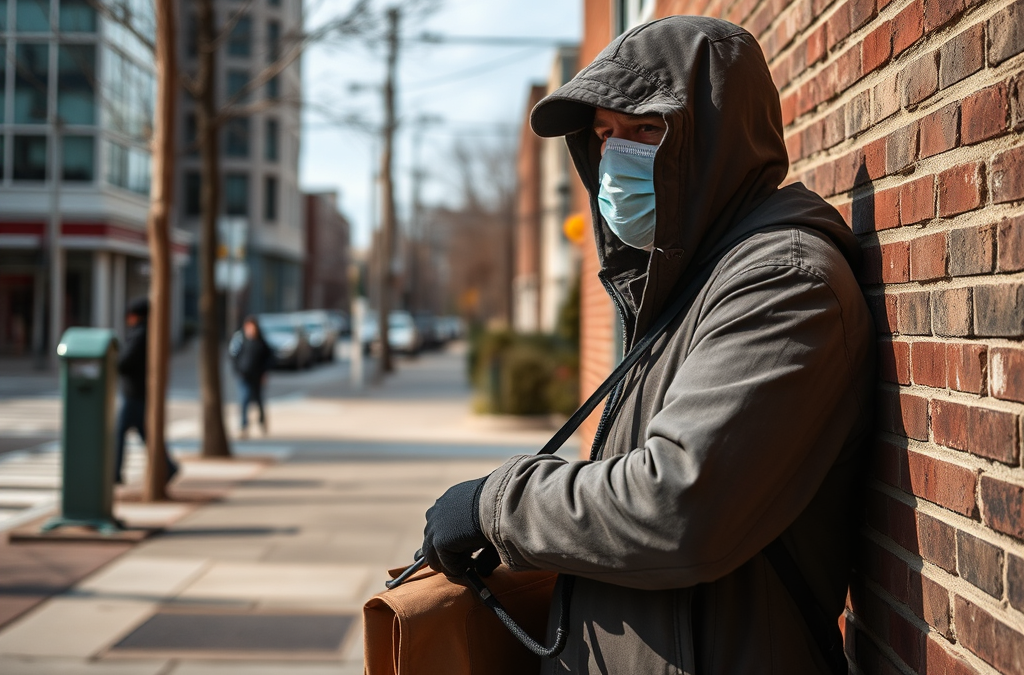
Neglecting personal security during crises significantly increases the risk of theft, violence, and other harmful outcomes. Individuals often find themselves in vulnerable situations when they fail to assess their surroundings or ignore signs of potential danger. For example, during natural disasters or civil unrest, looters may take advantage of weakened security measures, leading to property loss and emotional trauma for victims.
Moreover, crises can create chaotic environments where standard safety protocols break down. Understanding these risks is crucial for anyone looking to maintain their safety and security. Failure to secure personal belongings and ensure a safe environment can exacerbate the negative impact of a crisis, making it essential to prioritize security measures.
Common Mistakes in Personal Security
Many individuals underestimate the importance of personal security, particularly during crises. A common mistake is assuming that their surroundings are safe without taking proactive measures. For instance, during a power outage following a storm, people may leave their doors unlocked or fail to secure valuables, making them easy targets for opportunistic criminals.
Another prevalent error is neglecting to create an emergency plan. Without a clear strategy, individuals may panic during a crisis, leading to disorganized responses that compromise their safety. A well-thought-out plan includes identifying safe locations, communication methods, and essential supplies, which can significantly reduce risk during emergencies.
Practical Security Measures to Implement
Implementing practical security measures is vital for mitigating risks during crises. First, enhance your situational awareness by staying informed about local conditions and potential threats. Utilize resources such as community alert systems or news outlets to remain updated on emergencies.
Second, develop a comprehensive emergency plan that outlines safety protocols, including evacuation routes and communication strategies. Ensure all household members are familiar with the plan and conduct regular drills to reinforce preparedness.
Lastly, secure your environment by reinforcing entry points, using locks, and installing security cameras or alarm systems. These measures not only deter criminals but also provide peace of mind during uncertain times.
The Psychological Impact of Security Neglect
Neglecting personal security during crises can lead to significant psychological distress. Individuals may experience anxiety, fear, and a sense of helplessness, especially if they have faced theft or violence. This emotional toll can hinder recovery efforts and create long-lasting mental health challenges.
Addressing these psychological impacts is essential. Engaging in community support networks can provide individuals with resources and reassurance, helping them cope with the emotional fallout of security neglect. Additionally, practicing stress-reduction techniques, such as mindfulness or counseling, can aid in managing anxiety and rebuilding a sense of safety.
Frequently Asked Questions
What are the main risks of neglecting personal security during a crisis?
Neglecting personal security can lead to increased vulnerability to theft, physical harm, and psychological distress.
How can I improve my personal security in a crisis?
Enhance situational awareness, develop a clear emergency plan, and secure your environment with locks and alarms.
What are common mistakes people make regarding personal security?
Common mistakes include underestimating risks, failing to secure belongings, and not having an emergency plan.
How does neglecting security affect mental health?
It can lead to anxiety, fear, and a sense of helplessness, especially after experiencing theft or violence.
Further Reading
Authoritative Sources
Ready.gov ready.gov
An official resource for emergency preparedness, offering guidance on creating personal safety and security plans
National Safety Council nsc.org
Provides valuable information on safety measures and crisis management strategies
American Red Cross redcross.org
Offers resources and training for emergency preparedness and personal safety
Conclusion
Addressing personal security during crises is crucial for safeguarding both physical safety and mental well-being. By understanding the risks, avoiding common mistakes, and implementing practical security measures, individuals can significantly reduce their vulnerability. It is essential to create a comprehensive emergency plan and engage in community support to foster resilience. Prioritizing security not only protects against immediate threats but also contributes to long-term peace of mind.
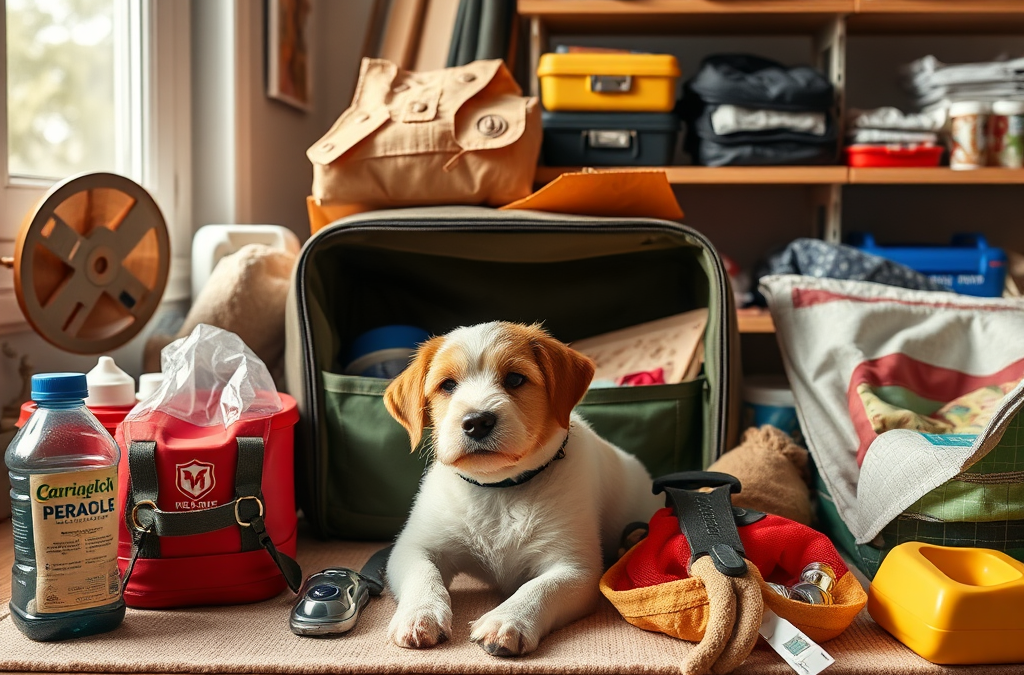
Emergency preparedness for pets involves having a comprehensive plan that ensures their safety during unexpected situations like natural disasters, accidents, or health crises. Knowing how to prepare for emergencies with pets can significantly reduce stress and increase the likelihood of a successful response. A well-prepared owner can mitigate risks, protect their pets, and ensure they have the necessary resources to cope with emergencies.
One of the common misconceptions is that pets can simply be left to fend for themselves during emergencies. However, pets depend on their owners for safety and security. When creating an emergency plan, consider the unique needs of your pets, such as dietary restrictions, medical conditions, and behavioral tendencies. These factors will guide your preparation efforts and help you avoid pitfalls that could compromise your pet’s wellbeing.
Essential Supplies for Pet Emergency Kits
Having an emergency kit specifically designed for your pets is crucial. This kit should include essential supplies that cater to their needs. Key items to include are:
Food and Water: Pack enough non-perishable food and fresh water for at least three days. Consider their dietary preferences and any allergies.
Medications: Store any prescription medications and a list of your pet’s medical history, including vaccination records.
First Aid Kit: Include basic first aid supplies tailored for pets, such as bandages, antiseptic wipes, and tweezers for removing splinters or ticks.
Identification: Ensure your pets are microchipped and have ID tags with up-to-date contact information.
Comfort Items: Bring along familiar items like toys, bedding, or blankets to help reduce anxiety during stressful situations.
It’s important to regularly check and update these supplies to ensure they remain usable and relevant. A common mistake is overlooking expiration dates on food and medications, which can render them ineffective when needed most.
Creating an Evacuation Plan for Your Pets
Developing an evacuation plan is essential for ensuring your pets can be safely transported during an emergency. Start by identifying potential evacuation routes from your home to safe locations, such as friends’ houses, shelters, or veterinary clinics. Make sure these locations are pet-friendly and confirm their policies in advance.
Practice the evacuation plan by getting your pets used to their carriers or leashes. Familiarize them with the sound of a whistle or a specific command that signals it’s time to go. This preparation can help minimize panic and confusion when an emergency actually occurs. Additionally, consider creating a checklist to follow during an evacuation. This should include:
Gathering your emergency kit
Ensuring all pets are accounted for
Securing your home as much as possible
Following your planned evacuation route
Regular drills can help reinforce this plan, making it second nature for both you and your pets to respond effectively during a crisis.
Training Your Pets for Emergencies
Training your pets to respond appropriately during emergencies is a crucial aspect of preparation. Begin by teaching them basic commands such as “come,” “stay,” and “leave it.” These commands can be invaluable in ensuring your pets remain calm and responsive when under stress.
Consider desensitizing your pets to various emergency scenarios, such as loud noises or sudden movements. Gradually expose them to these situations in a controlled environment, rewarding them for calm behavior. Another effective method is to practice crate training, as this provides a secure space for your pets during emergencies.
One common mistake is assuming that pets will instinctively know how to behave during a crisis. In reality, their reactions can be unpredictable without prior training. By investing time in training, you can help ensure your pets are better equipped to handle emergencies and remain safe.
Frequently Asked Questions
What should I include in my pet's emergency kit?
Your pet's emergency kit should include food, water, medications, a first aid kit, identification, and comfort items.
How can I prepare my pet for evacuation?
Familiarize your pet with their carrier, practice evacuation routes, and use specific commands to guide them during emergencies.
Why is training important for pets during emergencies?
Training helps pets respond calmly and effectively in stressful situations, reducing panic and ensuring their safety.
How often should I update my pet's emergency supplies?
Regularly check and update your pet's emergency supplies every six months or whenever there are changes in their health or needs.
What are common mistakes pet owners make in emergency planning?
Common mistakes include neglecting to include essential supplies, failing to practice evacuation plans, and not ensuring pets are properly identified.
Further Reading
Authoritative Sources
Authoritative Sources
Ready.gov: Pets ready.gov
This resource provides valuable information on how to prepare for emergencies with pets, including checklists and planning tips
ASPCA Disaster Preparedness aspca.org
ASPCA offers comprehensive guidelines on creating a disaster plan for pets, including supplies and training recommendations
Conclusion
Preparing for emergencies with pets requires careful planning and proactive measures. Prioritize creating a comprehensive emergency kit, developing an evacuation plan, and training your pets to respond appropriately under stress. By taking these steps, you can enhance both your and your pet’s safety and well-being during unforeseen circumstances.
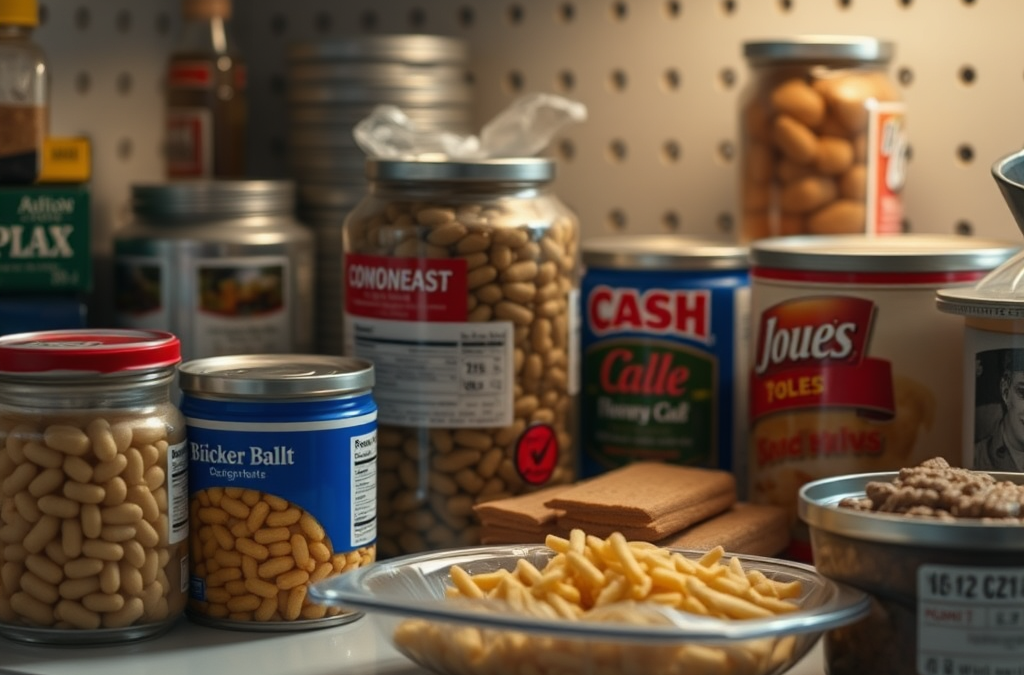
Expiration dates on prepper foods often lead to misunderstandings about their actual shelf life. Many consumers interpret these dates as definitive indicators of safety, but they are typically more about quality than safety. For instance, canned goods may still be safe to consume long after their printed date if they have been stored correctly. It’s essential to know that these dates can vary widely depending on the type of food and its packaging.
For example, a can of vegetables might have a shelf life of 2-5 years, while freeze-dried meals can last up to 25 years or more. Understanding these differences helps preppers manage their supplies more effectively and avoid unnecessary waste. Regularly checking the condition of stored items, such as looking for rust or bulging cans, also plays a vital role in ensuring food safety.
Ideal Storage Conditions
The shelf life of prepper foods is significantly influenced by storage conditions. Factors such as temperature, humidity, and light exposure can affect food longevity. Ideally, prepper foods should be stored in a cool, dark, and dry environment. High temperatures can accelerate the degradation of food quality, while humidity can lead to mold and spoilage.
For instance, storing canned goods in a basement that is prone to temperature fluctuations can shorten their shelf life. Conversely, a stable environment, such as a climate-controlled pantry, can extend the usability of these products. Preppers should consider investing in temperature and humidity monitoring devices to maintain optimal conditions.
Common Myths About Shelf Life
Many myths surround the shelf life of prepper foods, leading to misconceptions that can jeopardize food safety. One prevalent myth is that foods like rice and beans last indefinitely. While these staples can last for many years, their shelf life is contingent on proper storage methods. If exposed to air or moisture, they can spoil much sooner.
Another common misunderstanding is regarding vacuum-sealed foods. While vacuum sealing can significantly extend shelf life by reducing exposure to oxygen, it does not make food invulnerable to spoilage. It’s still essential to monitor the integrity of the seal and the storage conditions. Understanding these myths and the reality behind them can help preppers make informed decisions about their food supplies.
Best Practices for Prepping Foods
To maximize the shelf life of prepper foods, adopting best practices is crucial. First, regularly rotate your food stock, using the oldest items first to avoid spoilage. This method, known as FIFO (First In, First Out), ensures that food is consumed before it reaches the end of its shelf life.
Additionally, consider labeling all food items with purchase dates and expected expiration dates. This practice helps in tracking the age of your supplies and planning your meals accordingly. It’s also wise to conduct periodic audits of your food storage to identify any items that may need to be replaced or consumed soon. By following these practices, preppers can maintain a reliable and safe food supply.
For those seeking more information on the shelf life of prepper foods, consider checking reputable sources such as the USDA guidelines on food storage, or consult resources from food safety organizations that provide detailed insights into best practices for food preservation.
Frequently Asked Questions
What is the difference between expiration dates and best by dates?
Expiration dates indicate the last date for peak quality, while best by dates suggest when the product will be at its best flavor or quality, not safety.
Can I eat canned food past its expiration date?
Yes, canned food can often be consumed past its expiration date if the can is undamaged and the food looks and smells fine.
How should I store dried foods for maximum shelf life?
Dried foods should be stored in airtight containers, kept in a cool, dark, and dry place to maximize their shelf life.
What are signs that prepper foods have gone bad?
Signs include off smells, discoloration, bulging cans, or visible mold. If in doubt, it’s safer to discard the item.
How often should I check my food supplies?
It’s advisable to check your food supplies every six months to ensure they are still safe and usable.
Further Reading
Authoritative Sources
Library of Congress Research Guides guides.loc.gov
Research guides that help readers locate reliable background sources on a wide range of subjects
USA.gov Official Information and Services usa.gov
Official U.S. government information and public resources for practical reference
Google Scholar scholar.google.com
Academic search resource for finding research literature and source material
Conclusion
Understanding the shelf life of prepper foods is essential for effective food management and safety. By recognizing the importance of expiration dates, ideal storage conditions, and common misconceptions, preppers can ensure their food supplies remain safe and usable. Regular audits, proper storage techniques, and informed decision-making are key to maximizing the shelf life of your prepper foods.
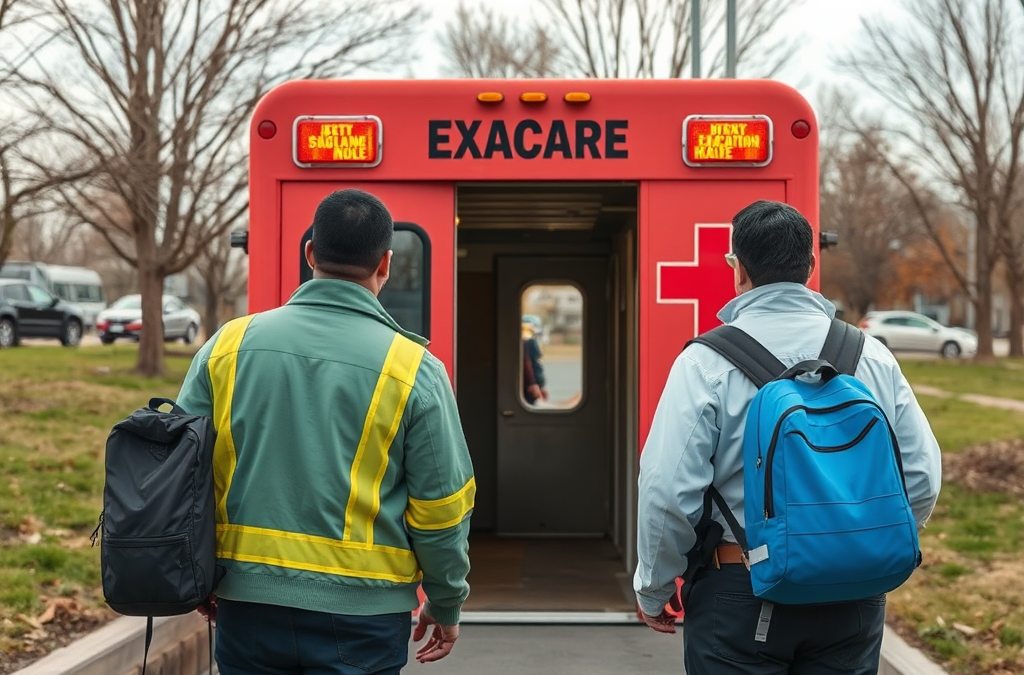
Emergency evacuation routes are designated paths that individuals take to safely exit a building or area during a crisis. Understanding these routes is vital as they are designed to minimize risk and ensure the quickest possible escape. They often include various exits, stairwells, and safe meeting points outside the building. Familiarity with these routes can make a significant difference in how effectively individuals respond during emergencies.
Evacuation routes should be clearly marked and communicated to all occupants in a building. This includes signage and maps that indicate the safest exits. However, simply knowing where these routes are is not enough; regular practice is essential to ensure everyone can navigate them under stress. For example, in a fire drill, occupants may learn that the nearest exit is blocked, requiring them to use an alternative route instead.
Benefits of Practicing Evacuation Routes
Practicing evacuation routes offers several key benefits that enhance safety and preparedness. First and foremost, regular drills help build muscle memory, allowing individuals to react quickly and confidently during an actual emergency. This is crucial as panic can set in during a crisis, potentially leading to poor decision-making or hesitation.
Additionally, practicing evacuation routes helps identify potential obstacles or hazards that may not be apparent during initial assessments. For instance, furniture placements or construction changes can block pathways, making it essential to regularly review and practice these routes. Regular drills also encourage a culture of safety, prompting individuals to prioritize preparedness in their daily routines.
Common Mistakes in Evacuation Practice
Despite the importance of practicing evacuation routes, several common mistakes can undermine their effectiveness. One major error is failing to conduct drills frequently enough. Without regular practice, individuals may forget critical steps or become complacent about safety protocols.
Another common pitfall is not involving all building occupants in the practice sessions. It’s crucial that everyone, from employees to visitors, understands the evacuation procedures. Additionally, many individuals neglect to account for changes in their environment, such as new furniture layouts or construction, which can alter the best evacuation routes. This oversight can lead to confusion during an emergency, highlighting the need for ongoing evaluation and adaptation of evacuation plans.
How to Effectively Practice Evacuation Routes
To effectively practice evacuation routes, start by ensuring that all occupants are aware of the routes and emergency procedures. Conduct regular drills at different times and days to account for varying occupancy levels. This approach helps to ensure that everyone has the opportunity to participate and familiarize themselves with the routes.
During drills, it’s essential to simulate real emergency conditions, such as reducing visibility or introducing noise, to better prepare individuals for the stress of an actual evacuation. After each drill, conduct a debriefing session to discuss what went well and what areas need improvement. This feedback loop is vital for refining the evacuation process and addressing any obstacles encountered.
Frequently Asked Questions
Why is it important to practice evacuation routes regularly?
Regular practice helps build muscle memory, ensures familiarity with the routes, and prepares individuals to respond effectively under stress.
What are some common mistakes made during evacuation drills?
Common mistakes include infrequent practice, not involving all occupants, and failing to adapt routes to changing environments.
How can I improve my building's evacuation plan?
To improve an evacuation plan, regularly review and update routes, conduct drills with all occupants, and address any identified obstacles promptly.
What should I do if an exit is blocked during an evacuation?
If an exit is blocked, individuals should be trained to quickly identify alternative routes and remain calm while seeking the next safest exit.
How often should evacuation drills be conducted?
Evacuation drills should ideally be conducted at least twice a year to maintain familiarity and readiness among building occupants.
Further Reading
Authoritative Sources
Ready.gov Preparedness Guidance ready.gov
Federal preparedness guidance for household planning, alerts, supplies, and emergencies
American Red Cross Emergency Preparedness redcross.org
Emergency preparedness resources for families, disasters, and practical safety planning
FEMA Preparedness Resources fema.gov
National preparedness resources for planning, mitigation, and response readiness
Conclusion
Practicing emergency evacuation routes is a critical component of safety preparedness that can save lives. Regular drills enhance familiarity, build confidence, and allow individuals to navigate quickly during emergencies. It’s essential to avoid common pitfalls, such as infrequent practice and overlooking environmental changes, to ensure that evacuation plans remain effective. By prioritizing these practices, individuals and organizations can significantly improve their readiness for unexpected situations.
Expiration dates are crucial indicators that help you determine when food and medical supplies should be replaced. Many foods in emergency kits, such as canned goods or dehydrated meals, have specific shelf lives, which can range from a few months to several years. It’s essential to regularly check these dates, as consuming expired food can lead to health risks.
For medications, the expiration date indicates the last date the manufacturer guarantees full potency. Using expired medications may not provide the intended treatment and could even be harmful. Always ensure to rotate your supplies, using the oldest items first and replacing them as you go.
Inventory Management Practices
Effective inventory management ensures that your emergency supplies are always ready for use. Regularly assessing your inventory allows you to identify low-stock items before they become critical. A common mistake is neglecting to check supplies after a disaster or emergency, leading to unexpected shortages when they are most needed.
Develop a routine for checking your supplies, ideally every six months. During these checks, make a note of items that are low, expired, or damaged. Keep a written or digital log to track these details, which can help streamline the replenishing process. This practice not only keeps your supplies organized but also enhances your preparedness.
Physical Condition of Supplies
The physical condition of your emergency supplies is just as important as their quantity and expiration dates. Items can become damaged or degraded over time, especially if they are not stored properly. Check for any signs of wear and tear, such as rust on tools, cracks in containers, or leaks in water storage.
Additionally, inspect packaging for any signs of pests or moisture damage. This is particularly important for food items, as compromised packaging can lead to contamination. If you notice any damaged items, replace them immediately to ensure your emergency kit remains effective.
Utilizing a Replacement Checklist
A replacement checklist is an invaluable tool for maintaining your emergency supplies. This checklist should include all critical items in your emergency kit and their respective expiration dates. By having a clear list, you can easily identify what needs to be replaced during your inventory checks.
Consider categorizing your checklist into sections, such as food, medical supplies, tools, and personal items. This organization makes it easier to manage your inventory and ensures no essential item is overlooked. Regularly updating this checklist as you use supplies will help you stay prepared and avoid last-minute scrambles during emergencies.
Frequently Asked Questions
What should I check first in my emergency supplies?
Start by checking expiration dates on food and medications, followed by the physical condition of supplies.
How often should I replenish my emergency supplies?
It's advisable to check and replenish your emergency supplies every six months to ensure readiness.
What are common mistakes in managing emergency supplies?
Common mistakes include neglecting to check expiration dates, failing to rotate supplies, and not replacing damaged items promptly.
How can I organize my emergency supplies?
Use a categorized checklist to keep track of items, and store supplies in a cool, dry place to maintain their condition.
Why is it important to have a replacement checklist?
A replacement checklist helps you track expiration dates and ensure that all essential items are stocked and in good condition.
Further Reading
Authoritative Sources
Ready.gov Preparedness Guidance ready.gov
Federal preparedness guidance for household planning, alerts, supplies, and emergencies
American Red Cross Emergency Preparedness redcross.org
Emergency preparedness resources for families, disasters, and practical safety planning
FEMA Preparedness Resources fema.gov
National preparedness resources for planning, mitigation, and response readiness
Conclusion
Regularly monitoring your emergency supplies is essential for effective preparedness. By understanding expiration dates, managing inventory, checking the physical condition of items, and utilizing a replacement checklist, you can ensure that your supplies are always ready for use. Prioritize these practices to avoid running into shortages or using expired products when you need them the most.
Seasonal weather patterns play a crucial role in shaping prepping strategies. Different seasons bring unique challenges that can impact resource availability, safety, and survival strategies. For example, winter may present hazards such as snowstorms and freezing temperatures, while summer can introduce risks like heatwaves and hurricanes. Recognizing these patterns allows preppers to anticipate potential challenges and adjust their plans accordingly.
Moreover, understanding specific regional weather patterns enhances preparedness. For instance, living in a hurricane-prone area requires different strategies compared to regions susceptible to blizzards. By analyzing historical weather data and current forecasts, preppers can develop tailored approaches for their specific geographical location, ensuring they are ready for seasonal events.
Adapting Emergency Plans for Seasonal Changes
Adapting emergency plans to seasonal changes is essential for effective prepping. Seasonal weather can alter the dynamics of emergencies, necessitating modifications to existing plans. For example, during winter, preppers should include provisions for heating sources, winter clothing, and snow removal tools in their plans. In contrast, summer preparations might focus on hydration, sun protection, and evacuation routes for flood scenarios.
Furthermore, it’s vital to review and practice these plans regularly. Seasonal drills can help ensure that everyone in the household understands their roles and responsibilities during emergencies. This proactive approach minimizes confusion and panic when real emergencies arise, allowing families to respond swiftly and effectively.
Resource Management Throughout the Year
Effective resource management is a cornerstone of successful prepping, especially as seasons change. Each season requires different supplies, so preppers must plan accordingly. For example, stocking up on winter supplies such as firewood, blankets, and non-perishable food items is crucial before the cold months arrive. Conversely, summer preparations might include ensuring adequate water supplies and first aid kits that address heat-related issues.
Additionally, preppers should be mindful of expiration dates and storage conditions for various resources. For instance, certain foods may have shorter shelf lives in warmer months if not stored properly. Understanding how temperature and humidity affect different supplies can help preppers maintain effective inventories throughout the year.
Practical Prepping Strategies for Each Season
Implementing practical prepping strategies tailored to each season can enhance overall readiness. In spring, focus on outdoor preparedness, such as planting survival gardens and checking emergency equipment. Summer strategies should prioritize heat management, including portable fans and hydration supplies. Autumn is an ideal time to review and update emergency kits, ensuring they are stocked with seasonal essentials.
Winter prepping requires a strong emphasis on heating and shelter. Ensuring heating systems are functional and having backup options is vital. Additionally, learning snow removal techniques and having the right tools can significantly affect survival during winter storms. By aligning prepping strategies with seasonal needs, individuals can better navigate the challenges each season presents.
Frequently Asked Questions
How does seasonal weather affect prepping efforts?
Seasonal weather influences resource availability, safety measures, and emergency plans, requiring preppers to adapt their strategies accordingly.
What should I include in my winter emergency kit?
Your winter emergency kit should include items like blankets, a heater, snow removal tools, and sufficient non-perishable food and water.
How can I prepare for summer heat?
Preparing for summer heat involves ensuring adequate hydration, having sun protection supplies, and creating a plan for potential heat-related illnesses.
How often should I review my emergency plan?
Emergency plans should be reviewed at least twice a year, ideally before major seasonal changes, to ensure they remain effective and relevant.
Further Reading
Authoritative Sources
Ready.gov ready.gov
A comprehensive resource for emergency preparedness, offering tailored advice for different weather conditions
National Weather Service weather.gov
Provides up-to-date weather forecasts and warnings, critical for effective prepping
American Red Cross redcross.org
Offers guidelines on emergency preparedness, including seasonal safety tips
Conclusion
Understanding the impact of seasonal weather on prepping efforts is vital for effective emergency management. Each season presents unique challenges that require careful planning and resource management. By adapting emergency plans, managing resources throughout the year, and implementing practical strategies tailored to seasonal conditions, preppers can enhance their readiness and resilience. Staying informed and proactive will ensure that you are well-prepared for whatever weather challenges may arise.