Understanding the Importance of an Emergency Survival Plan
An emergency survival plan is crucial for ensuring safety and preparedness during unexpected disasters. This plan serves as a roadmap for individuals and families to follow during crises, minimizing panic and confusion. The ability to respond quickly and effectively can significantly reduce risks and enhance survival chances. For instance, having a well-structured plan in place can help families navigate natural disasters like hurricanes, floods, or earthquakes with greater confidence and efficiency.
Moreover, an emergency survival plan not only addresses immediate safety concerns but also includes long-term strategies for recovery and rebuilding. Involving all family members in the planning process ensures everyone understands their roles and responsibilities, which can be vital during a high-stress situation. By prioritizing preparedness, individuals can create a sense of control and resilience in the face of adversity.
Key Components of an Emergency Survival Plan
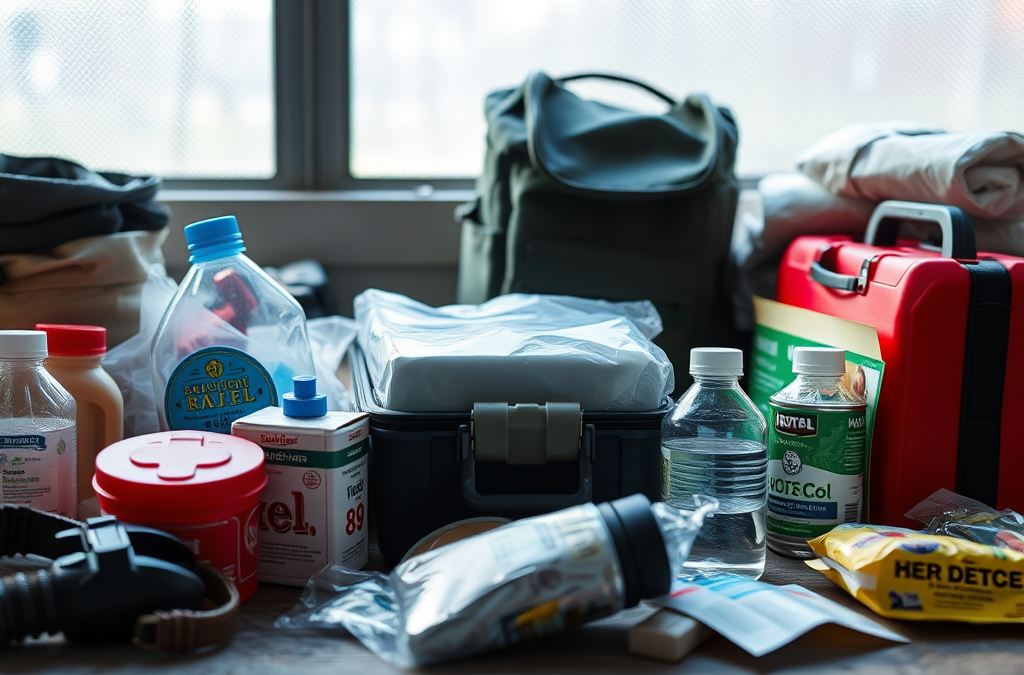
To create an effective emergency survival plan, it is essential to incorporate several key components that cover various aspects of preparedness. First and foremost, a comprehensive inventory of emergency supplies is necessary. This includes items such as non-perishable food, water, a first aid kit, flashlights, batteries, and sanitation supplies. Maintaining an updated list of these items and ensuring they are easily accessible can save valuable time during a crisis.
Additionally, establishing a communication strategy is vital. This should include a designated meeting place, emergency contact numbers, and methods to stay informed about the situation (like battery-operated radios or mobile apps). Another important aspect is conducting regular drills to practice the plan, which helps to identify any weaknesses and ensures everyone knows their roles. By incorporating these elements, individuals can create a robust emergency survival plan that enhances their readiness for various types of emergencies.
Common Mistakes to Avoid
Even with the best intentions, many people make mistakes when developing their emergency survival plans. One common error is failing to consider the unique needs of all family members, including pets, elderly individuals, and those with special medical requirements. Ensuring that the plan accommodates everyone’s needs is critical for comprehensive preparedness.
Another mistake is neglecting to regularly review and update the plan. An emergency survival plan is not a one-time effort; it should evolve as circumstances change, such as new family members, changes in health conditions, or shifts in local emergency protocols. Lastly, many underestimate the importance of practicing the plan. Regular drills can help reinforce the steps to take during an emergency, making the response more instinctive and effective.
Developing Your Emergency Communication Strategy
An effective emergency communication strategy is a cornerstone of any solid emergency survival plan. This strategy should outline how family members will communicate during a crisis, especially if separated. Designating a primary and secondary meeting point can ensure everyone knows where to gather in case of evacuation.
In addition, maintaining an updated list of emergency contacts, including local authorities, neighbors, and family members who live outside the immediate area, can enhance communication efforts. It’s also wise to establish methods for staying informed about the situation, such as using text messages or social media platforms, which can be more reliable than phone calls during emergencies. By prioritizing communication, families can stay connected and better coordinate their responses during a crisis.
Regular Review and Updates of Your Plan
Regularly reviewing and updating your emergency survival plan is essential for maintaining its effectiveness. Changes in family dynamics, new threats, or advancements in emergency protocols necessitate periodic reassessment of the plan. Schedule routine reviews, ideally every six months, to ensure all supplies are stocked, contact lists are current, and everyone is familiar with their roles.
Incorporating feedback from practice drills can also help refine the plan. If certain aspects of the plan were ineffective during a drill, addressing these shortcomings can improve overall preparedness. By committing to regular updates, families can enhance their resilience and readiness for any emergencies they may face.
For those seeking more information on emergency preparedness, consider exploring resources from organizations such as the American Red Cross or FEMA. These sources provide valuable insights and guidelines for creating effective emergency survival plans tailored to individual needs.
Frequently Asked Questions
What should be included in an emergency survival plan?
Your emergency survival plan should include essential supplies like food, water, a first aid kit, communication strategies, and evacuation routes.
How often should I review my emergency survival plan?
It's recommended to review your emergency survival plan every six months to ensure it remains up-to-date and relevant.
Why is practicing my emergency plan important?
Practicing your emergency plan helps reinforce the steps to take during a crisis, making the response more instinctive and effective.
How can I ensure my family is prepared for emergencies?
Involve all family members in the planning process, hold regular drills, and maintain an updated inventory of supplies to ensure everyone is prepared.
What common mistakes should I avoid in my emergency plan?
Avoid neglecting the unique needs of family members, failing to regularly review the plan, and not practicing the plan frequently.
Further Reading
Authoritative Sources
Ready.gov Preparedness Guidance ready.gov
Federal preparedness guidance for household planning, alerts, supplies, and emergencies
American Red Cross Emergency Preparedness redcross.org
Emergency preparedness resources for families, disasters, and practical safety planning
FEMA Preparedness Resources fema.gov
National preparedness resources for planning, mitigation, and response readiness
Understanding the Importance of Safety and Preparedness Planning
Safety and preparedness planning is crucial for effectively managing emergencies and minimizing risks. It allows organizations and individuals to anticipate potential hazards, respond efficiently, and recover quickly. This proactive approach is essential in today’s unpredictable environment, where natural disasters, health crises, and other emergencies can occur without warning. Understanding the scope of risks and preparing in advance can significantly impact safety outcomes.
Moreover, having a well-defined plan in place helps to ensure that everyone involved knows their roles and responsibilities during an emergency. It fosters a culture of safety and preparedness, encouraging stakeholders to take ownership of their safety and the safety of others. Practical examples include schools implementing drills and local governments conducting community preparedness workshops.
Key Components of an Effective Emergency Plan
An effective emergency plan should encompass several key components to ensure thorough preparedness. First, risk assessment is vital; identifying potential hazards such as natural disasters, technological failures, or health emergencies enables a targeted response. Following this, establishing clear communication protocols ensures that everyone involved knows how to report incidents and receive updates.
Additionally, training and drills are essential for familiarizing individuals with the plan. Regular practice helps to identify gaps in the plan and reinforces the importance of preparedness. Another crucial element is resource allocation; ensuring that necessary supplies, such as first aid kits and emergency food, are readily available is critical for an effective response. Engaging community partners, such as local emergency services, can enhance resource sharing and response capabilities.
Common Mistakes in Preparedness Planning
Another common error is not conducting realistic drills. While tabletop exercises can be helpful, actual practice scenarios provide invaluable insights into the plan’s effectiveness. Furthermore, underestimating the time and resources required for planning and execution can result in inadequate preparation. Regularly reviewing and revising the plan, based on lessons learned from drills and real incidents, is essential for continuous improvement.
Engaging the Community in Safety Planning
Additionally, local partnerships can enhance the overall effectiveness of emergency plans. Collaborating with local agencies, such as fire departments, police, and health services, can ensure a more unified response during emergencies. Public education campaigns can also raise awareness about safety practices and encourage individuals to participate in preparedness activities, such as creating emergency kits and developing personal emergency plans.
For more information on safety and preparedness planning, consider exploring resources from organizations such as the Federal Emergency Management Agency (FEMA) or the American Red Cross, which provide comprehensive guidelines and tools for effective emergency management.
In practice, strong results with Safety and Preparedness Planning: Essential Steps for Effective Emergency Response usually come from repeating the same few priority actions long enough for them to become consistent. That means focusing on one clear standard, removing mixed signals, and watching what changes the outcome over several days instead of reacting to one isolated result. Small adjustments tend to work better than constant resets, because they make it easier to see what is actually helping and what is slowing progress.
Frequently Asked Questions
What is safety and preparedness planning?
Safety and preparedness planning involves creating a structured approach to manage emergencies effectively by assessing risks, establishing communication channels, and preparing essential supplies.
Why is community involvement important in emergency planning?
Community involvement enhances collective responsibility, fosters collaboration, and ensures that diverse perspectives and resources are integrated into emergency plans.
What are common mistakes in preparedness planning?
Common mistakes include failing to update plans, not involving all stakeholders, and neglecting to conduct realistic drills, which can leave gaps in preparedness.
How often should emergency plans be reviewed?
Emergency plans should be reviewed at least annually or after any significant incident or drill to ensure they remain relevant and effective.
Further Reading
Authoritative Sources
Ready.gov Preparedness Guidance ready.gov
Federal preparedness guidance for household planning, alerts, supplies, and emergencies
American Red Cross Emergency Preparedness redcross.org
Emergency preparedness resources for families, disasters, and practical safety planning
FEMA Preparedness Resources fema.gov
National preparedness resources for planning, mitigation, and response readiness
Conclusion
Effective safety and preparedness planning is essential for minimizing risks and ensuring a coordinated response during emergencies. By understanding the importance of risk assessment, engaging community stakeholders, and avoiding common pitfalls, organizations and individuals can significantly enhance their preparedness efforts. Prioritizing regular updates and realistic training will help maintain a state of readiness and improve overall safety outcomes.
Developing a clear emergency plan is vital for ensuring your family’s safety during a disaster. This plan should outline specific actions to take during various types of emergencies, such as natural disasters, fires, or medical emergencies. Include details like evacuation routes, designated meeting places, and emergency contacts. It’s essential to involve all family members in this process so everyone understands their roles and responsibilities.
Regularly review the plan to ensure it remains relevant. For instance, if your family dynamics change due to moving, new family members, or changing local hazards, the plan should be updated accordingly. A common mistake is to create a plan and forget about it; practice makes the plan effective.
Building a Disaster Supply Kit
A well-stocked disaster supply kit is crucial for your family’s preparedness. This kit should include non-perishable food, clean water, a flashlight, batteries, a first aid kit, and essential medications. Aim for a minimum of three days’ worth of supplies for each family member. Consider including personal hygiene items and important documents in a waterproof container.
For example, during a hurricane, access to clean water and food can be disrupted. Having these items readily available ensures your family can sustain itself until help arrives. Regularly check and refresh your supply kit to replace expired items and adjust for any new family needs.
Establishing Communication Protocols
Effective communication during a disaster can make a significant difference in your family’s safety. Establish clear communication protocols, including how to contact each other if separated and methods to receive emergency alerts. Use a family group chat or a designated app to share updates during an emergency.
In a scenario where cell service may be disrupted, consider designating a family member outside your local area as a point of contact. This person can relay messages if local communication fails. A common pitfall is assuming everyone will have access to their phones; plan for alternative communication methods as well.
Training and Drills
Regular training and drills are essential to ensure everyone knows how to respond during a disaster. Conduct fire drills, evacuation drills, and practice emergency scenarios to familiarize your family with the procedures. This training can significantly reduce panic and confusion during real emergencies.
For instance, if a fire occurs, knowing the quickest escape routes can save valuable time. Involve children in these drills to help them understand the importance of preparedness. Avoid the misconception that once a plan is in place, no further action is needed; ongoing practice is crucial for effective disaster readiness.
Frequently Asked Questions
What should be included in a disaster supply kit?
A disaster supply kit should include non-perishable food, water, a flashlight, batteries, a first aid kit, medications, and personal hygiene items.
How often should we review our emergency plan?
Review your emergency plan at least once a year or whenever there are significant changes in your family or local hazards.
What is the best way to communicate during a disaster?
Establish a communication plan that includes a family group chat and an out-of-town contact to relay messages if local communication fails.
Why are drills important for disaster preparedness?
Drills help familiarize family members with emergency procedures, reducing panic and confusion during real emergencies.
What are common mistakes in disaster preparedness?
Common mistakes include neglecting to update emergency plans, failing to practice drills, and not having a well-stocked supply kit ready.
Further Reading
Authoritative Sources
Ready.gov Preparedness Guidance ready.gov
Federal preparedness guidance for household planning, alerts, supplies, and emergencies
American Red Cross Emergency Preparedness redcross.org
Emergency preparedness resources for families, disasters, and practical safety planning
FEMA Preparedness Resources fema.gov
National preparedness resources for planning, mitigation, and response readiness
Conclusion
Preparing your family for disaster involves creating a comprehensive emergency plan, building a disaster supply kit, establishing communication protocols, and conducting regular training drills. Prioritize these steps to ensure everyone understands their roles and feels confident during a crisis. Regularly review and practice your plans to maintain readiness, as preparedness can significantly impact your family’s safety and resilience during emergencies.
For instance, if you live in an area prone to hurricanes or earthquakes, your supply kit should reflect those specific needs. A well-stocked emergency kit not only protects you and your family but also reduces panic during emergencies. Overlooking the importance of regular checks and updates to your supplies can lead to expired food or non-functional equipment, which could exacerbate an already challenging situation.
The essential components of personal emergency supplies include food, water, first aid kits, and tools for communication and light. Non-perishable food items, such as canned goods and energy bars, should be included to ensure you have enough sustenance.
Key Components of Personal Emergency Supplies
The essential components of personal emergency supplies include food, water, first aid kits, and tools for communication and light. Non-perishable food items, such as canned goods and energy bars, should be included to ensure you have enough sustenance. Water is equally critical; a general guideline is to have one gallon per person per day for at least three days.
First aid kits should contain bandages, antiseptics, pain relievers, and any necessary prescription medications. Additionally, having a flashlight, batteries, and a battery-operated radio can help you stay informed and safe during power outages. Assessing your family’s specific needs will ensure your kit is comprehensive and effective.
How to Assemble Your Emergency Kit
Assembling your emergency kit starts with selecting a sturdy container that is easy to carry, such as a backpack or a plastic bin. Begin by gathering the essential items discussed previously and focus on personalizing the kit according to your family’s unique needs, including any special dietary requirements or medical necessities.
Once you have collected your supplies, it’s crucial to organize them clearly within the container. Labeling compartments can help you quickly locate items during a crisis. Additionally, consider including a list of emergency contacts and important documents to streamline communication and access to resources.
Common Mistakes to Avoid
Many people make the mistake of underestimating the quantity of supplies needed for emergencies. It’s essential to prepare for at least three days of self-sufficiency for each family member, as access to food and water may be limited during crises.
Another common error is neglecting to check the expiration dates of food and medical supplies. Regularly reviewing and refreshing your emergency kit ensures you are not caught off guard by expired items when you need them most. Additionally, failing to involve all family members in emergency planning can lead to confusion and panic during actual emergencies.
Maintaining Your Emergency Supplies
Maintaining your emergency supplies involves regular checks to ensure everything is in working order and within the expiration date. It’s advisable to review your kit every six months, rotating food supplies and replacing batteries in devices.
Moreover, as your family situation changes—such as welcoming a new member or moving to a different area—reassess and adjust your emergency supplies accordingly. Keeping an updated list of supplies and their expiration dates can help streamline this maintenance process.
Further Reading
Authoritative Sources
Ready.gov Preparedness Guidance ready.gov
Federal preparedness guidance for household planning, alerts, supplies, and emergencies
American Red Cross Emergency Preparedness redcross.org
Emergency preparedness resources for families, disasters, and practical safety planning
FEMA Preparedness Resources fema.gov
National preparedness resources for planning, mitigation, and response readiness
Frequently Asked Questions
What should I include in my emergency supply kit?
Your emergency kit should include non-perishable food, water, a first aid kit, flashlight, batteries, and communication tools.
How often should I check my emergency supplies?
It’s recommended to check your emergency supplies every six months to ensure everything is functional and not expired.
How much water should I store for emergencies?
You should store at least one gallon of water per person per day for at least three days.
Are there specific foods I should include?
Include non-perishable items such as canned goods, energy bars, and dried fruits that do not require cooking.
What are common mistakes in emergency preparedness?
Common mistakes include underestimating supply needs, neglecting expiration dates, and failing to involve all family members in planning.
Conclusion
Preparing personal emergency supplies is crucial for ensuring safety and well-being during unexpected crises. Focus on assembling a comprehensive kit that includes food, water, first aid items, and essential tools. Regularly check and update your supplies to avoid common pitfalls, such as expired items or insufficient quantities. By prioritizing these steps, you can significantly enhance your preparedness for any emergency situation.
For example, if you live in a flood-prone area, it is essential to establish evacuation routes that avoid flooded roads. Conversely, those in wildfire zones should know how to create defensible spaces around their homes and have a go-bag ready with necessary supplies. Moreover, ensure that your emergency contacts are updated and easily accessible.
Another key component is assembling an emergency supply kit, which should include food, water, medications, flashlight, batteries, and first aid supplies. Regularly check and replenish your supplies to ensure they are not expired and meet your family’s needs. It’s also wise to include important documents, such as insurance papers and identification, in a waterproof container.
The direct answer to How to Get Disaster Ready: Essential Steps for Effective Preparedness depends on get, disaster, ready and the specific conditions described in the article. For example, if you live in a flood-prone area, establish evacuation routes that avoid flooded roads.
Understanding Disaster Risks
Understanding the specific risks associated with your location is fundamental to effective disaster preparedness. Each area has unique vulnerabilities, such as hurricanes, tornadoes, or earthquakes. Knowing these risks allows you to tailor your emergency plan accordingly. For instance, coastal areas should prepare for potential flooding and storm surges, while regions prone to wildfires need strategies for evacuation and property protection.
Some common mistakes include not considering local hazards or assuming that you will have enough time to react when a disaster strikes. It’s crucial to stay updated on local forecasts and emergency alerts to respond quickly and effectively. Keeping an eye on seasonal threats, like hurricane season, can help you remain vigilant and prepared.
Creating an Emergency Plan
Creating an emergency plan is a vital step in ensuring your family knows what to do during a disaster. Start by establishing a communication strategy that includes contact information for family members and a designated meeting place if you become separated. Ensure everyone is aware of their responsibilities in the event of an emergency.
Revisit your plan regularly, especially after significant life changes such as a move or the addition of family members. Conduct practice drills to familiarize everyone with evacuation routes and safety procedures. This practice helps to minimize panic and confusion during an actual disaster.
Building Your Supply Kit
Your emergency supply kit should be comprehensive and tailored to your family’s needs. At a minimum, it should contain enough non-perishable food and water to last at least three days, as well as essential items like medications, a flashlight, batteries, a first aid kit, and personal hygiene products. Consider including items for pets, if applicable.
Regularly check your kit to replace expired items and update it based on changing family needs. Having a well-stocked kit can significantly alleviate stress during an emergency, allowing you to focus on safety rather than scrambling for supplies.
Staying Informed and Practicing
Staying informed about potential disasters and local emergency services is crucial in your preparedness efforts. Sign up for local alerts and warnings to receive timely information about weather events and safety instructions. Awareness of your surroundings and local resources can significantly impact your ability to respond effectively.
In addition to staying informed, regularly practicing your emergency plan ensures that everyone is prepared. Schedule drills at least twice a year to keep the information fresh and address any changes in your family dynamics or living situation. This proactive approach can save lives during a real emergency.
Further Reading
Authoritative Sources
Ready.gov Preparedness Guidance ready.gov
Federal preparedness guidance for household planning, alerts, supplies, and emergencies
American Red Cross Emergency Preparedness redcross.org
Emergency preparedness resources for families, disasters, and practical safety planning
FEMA Preparedness Resources fema.gov
National preparedness resources for planning, mitigation, and response readiness
Frequently Asked Questions
What should I include in my emergency supply kit?
Your emergency kit should include food, water, medications, first aid supplies, a flashlight, batteries, and important documents.
How often should I practice my emergency plan?
Practice your emergency plan at least twice a year to keep it fresh and ensure everyone knows their roles.
What are common mistakes in disaster preparedness?
Common mistakes include underestimating risks, not having an updated emergency plan, and failing to maintain a well-stocked supply kit.
How can I stay informed during a disaster?
Sign up for local alerts and warnings to receive timely information about potential disasters and safety instructions.
Why is it important to have an evacuation plan?
An evacuation plan ensures that everyone knows where to go and what to do in case of an emergency, minimizing confusion and panic.
Conclusion
Being disaster ready is about proactive planning and preparation. Start by understanding the risks specific to your area and create a comprehensive emergency plan that includes communication strategies and evacuation routes. Assemble an emergency supply kit tailored to your family’s needs and stay informed about local alerts and resources. Regularly practicing your plan is essential to ensure everyone knows their roles, which can significantly reduce panic during a real emergency. Remember, preparedness can save lives and provide peace of mind in uncertain times.
This includes creating a detailed response plan, establishing clear communication channels, and ensuring that necessary supplies and resources are readily available. The importance of these elements cannot be overstated, as they greatly enhance the ability to navigate crises efficiently and minimize potential harm.
The direct answer to Crisis Readiness Essentials: Key Strategies for Effective Emergency Preparedness depends on crisi, readiness, essential and the specific conditions described in the article. This includes creating a detailed response plan, establishing clear communication channels, and ensuring that necessary supplies and resources are readily available.
Developing a Comprehensive Response Plan
A comprehensive response plan is a cornerstone of crisis readiness. It outlines the steps to be taken in various emergency scenarios and assigns responsibilities to team members. This structured approach ensures that everyone understands their role and can act swiftly during a crisis.
Effective response plans should include specific procedures for different types of emergencies, such as natural disasters, technological incidents, or public health crises. Regularly reviewing and updating these plans is crucial to adapt to changing circumstances and to incorporate lessons learned from past incidents. Failing to do so can lead to confusion and inefficiency when a real crisis strikes.
Establishing Effective Communication Protocols
Clear and effective communication protocols are vital for crisis readiness. During an emergency, the ability to disseminate information quickly and accurately can save lives and resources. Establishing a communication hierarchy ensures that messages flow smoothly from leadership to all team members.
Consider implementing multiple communication channels, such as text alerts, emails, and social media updates, to reach various audiences. Training team members on these protocols is essential, as misunderstandings can lead to delays and mistakes. Prioritize clarity and simplicity in communication to avoid confusion during high-stress situations.
Ensuring Resource Availability
Having the right resources available is a critical aspect of crisis readiness. This includes not only physical supplies like food, water, and medical kits but also access to technology and information. Assessing resource needs regularly helps ensure that nothing is overlooked.
In addition to stockpiling resources, organizations should consider establishing partnerships with local agencies and suppliers. These relationships can provide quick access to additional support during a crisis. It’s important to conduct regular checks on the condition and availability of resources to prevent shortages when they are most needed.
Conducting Regular Drills and Updates
Regular drills and updates are essential for maintaining crisis readiness. These practices help reinforce the response plan and ensure that all team members are familiar with their roles. Drills should simulate real-life scenarios to provide practical experience in handling emergencies.
After each drill, gather feedback to identify areas for improvement. This iterative process strengthens the overall response capability and builds confidence among team members. Neglecting to conduct drills can lead to unpreparedness and ineffective responses during actual emergencies.
Further Reading
Authoritative Sources
Ready.gov Preparedness Guidance ready.gov
Federal preparedness guidance for household planning, alerts, supplies, and emergencies
American Red Cross Emergency Preparedness redcross.org
Emergency preparedness resources for families, disasters, and practical safety planning
FEMA Preparedness Resources fema.gov
National preparedness resources for planning, mitigation, and response readiness
Frequently Asked Questions
What are the key components of a crisis readiness plan?
The key components include a comprehensive response plan, effective communication protocols, resource availability, and regular drills for preparedness.
Why is communication important during a crisis?
Effective communication ensures timely information dissemination, which is crucial for coordination and decision-making in emergencies.
How often should crisis response plans be updated?
Crisis response plans should be reviewed and updated at least annually or after any significant incident to ensure relevance and effectiveness.
What resources should be included in a crisis readiness plan?
Essential resources include first aid supplies, food and water, communication devices, and emergency contact information for all team members.
What is the benefit of conducting regular drills?
Regular drills reinforce the response plan, improve team familiarity with procedures, and identify areas for improvement, enhancing overall readiness.
Conclusion
In closing, crisis readiness essentials are crucial for effective emergency preparedness. By developing a comprehensive response plan, establishing clear communication protocols, ensuring resource availability, and conducting regular drills, individuals and organizations can significantly enhance their ability to respond to crises. Prioritizing these elements not only mitigates risks but also builds resilience, ensuring that when emergencies arise, everyone is prepared to act decisively and effectively. Moving forward, it’s essential to maintain a proactive approach to crisis readiness to safeguard against future challenges.