The importance of a household preparedness plan cannot be overstated. In the event of a disaster, having a clear plan can significantly reduce panic and confusion, allowing families to act swiftly and effectively. Common mistakes include failing to communicate the plan with all family members or neglecting to practice emergency drills. It’s essential to prioritize regular reviews and updates of the plan, especially as family dynamics or circumstances change.
Many people overlook the need for a household preparedness plan until it’s too late. Creating a comprehensive plan involves assessing potential risks specific to your area, gathering necessary supplies, and ensuring everyone knows their roles. Additionally, it’s wise to consider the emotional aspects of preparedness; ensuring that children understand the plan can help alleviate their anxiety during actual emergencies.
Assessing Risks and Needs
The first step in developing a household preparedness plan is assessing the specific risks your family might face. This includes understanding local hazards such as floods, earthquakes, or severe weather events. Evaluate your home and surrounding area for vulnerabilities and consider factors like the number of family members, pets, and any special needs.
Understanding these risks allows you to tailor your preparedness efforts effectively. For instance, families in flood-prone areas may need to prioritize evacuation routes and flood supplies, while those in earthquake zones should focus on securing heavy furniture and identifying safe spots in the house. Neglecting a thorough risk assessment can lead to inadequate preparation and increased danger during an emergency.
Regularly revisiting your risk assessment is also vital. As conditions change—whether due to new construction in the area or changes in family circumstances—updating your preparedness strategies ensures they remain relevant and effective. Engage the whole family in this assessment process to foster a sense of responsibility and awareness.
Creating a Communication Plan
A robust communication plan is a cornerstone of any household preparedness plan. It outlines how family members will stay in touch during an emergency, especially if separated. This plan should include designated meeting places, emergency contacts outside the area, and methods for communication, such as text messaging or social media, which may work when traditional networks fail.
Establishing a clear communication strategy can prevent confusion and help ensure everyone’s safety. Families often underestimate the importance of this aspect, assuming they will be able to communicate as usual. In reality, power outages and network failures can disrupt conventional communication methods. Therefore, it’s crucial to have alternative strategies in place.
Consider also the emotional component of communication during crises. Preparing family members, particularly children, for how to react if separated can help reduce anxiety. Regularly practicing these scenarios can reinforce the importance of the plan and ensure everyone knows what to do in a real emergency.
Emergency Supplies and Kits
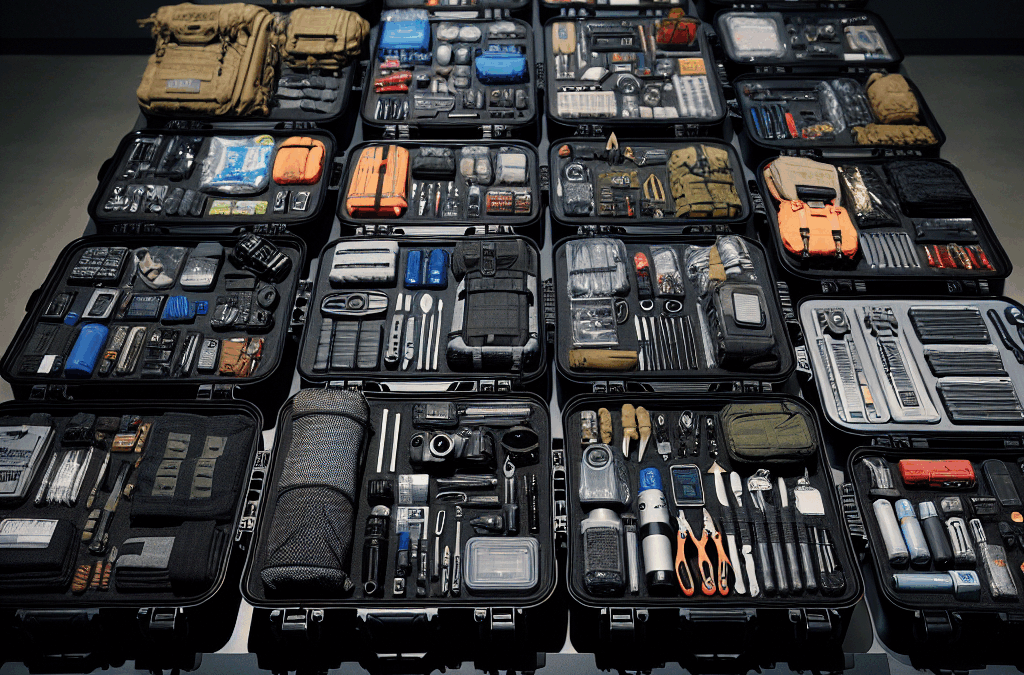
Assembling emergency supplies and kits is vital for effective response during a crisis. Each household should have a well-stocked emergency kit that includes essential items such as food, water, medical supplies, and personal documents. The general recommendation is to have at least a three-day supply of essentials for each family member.
When creating your emergency kit, consider your family’s specific needs, including dietary restrictions and medical conditions. It’s easy to overlook items like baby supplies, pet food, or medications. A common pitfall is creating a kit without regular checks; supplies can expire, and family needs may change. Make it a routine to review and update your kit at least twice a year.
To enhance the effectiveness of your emergency kit, think about including items that can help you in various scenarios, such as a multi-tool, flashlight, and hygiene products. Additionally, educate family members on where the kit is located and how to use the items within it. This knowledge can save crucial time during an emergency.
Practicing Your Plan
Practicing your household preparedness plan is essential to ensure its effectiveness. Regular drills help family members become familiar with the plan, reducing panic during real emergencies. Schedule practice sessions at least twice a year, simulating various scenarios to cover different types of emergencies.
During these drills, evaluate how well the plan works and identify any areas for improvement. Common issues include unclear communication or difficulties in accessing emergency supplies. Use these practice sessions to refine your plan, ensuring that it remains practical and effective.
Incorporate feedback from all family members after each drill to enhance the plan further. This collaborative approach allows everyone to feel invested in the preparedness process, fostering a culture of safety and readiness within the household.
Further Reading
Authoritative Sources
Ready.gov ready.gov
This official government resource provides comprehensive information on how to prepare for emergencies and create a family preparedness plan
American Red Cross redcross.org
The Red Cross offers guidelines and resources for emergency preparedness, including detailed checklists and kits
FEMA fema.gov
FEMA provides extensive resources for planning and preparing for various emergencies, including natural disasters
National Hurricane Center nhc.noaa.gov
This resource is crucial for families living in hurricane-prone areas, offering specific preparedness guidance
Frequently Asked Questions
What should be included in a household preparedness plan?
A good household preparedness plan should include risk assessments, communication strategies, emergency contacts, evacuation routes, and a well-stocked emergency kit.
How often should I update my emergency supplies?
It’s recommended to review and update your emergency supplies at least twice a year to ensure items are not expired and to adjust for any changes in family needs.
What is the best way to practice my household preparedness plan?
Regularly schedule drills at least twice a year, simulating different emergency scenarios to ensure all family members know their roles and how to act.
How can I involve children in the preparedness planning process?
Engage children by explaining the plan in simple terms, involving them in creating the emergency kit, and practicing drills to help them feel more secure and informed.
What resources are available for creating a preparedness plan?
Resources like Ready.gov and the American Red Cross offer comprehensive guides, checklists, and tools for developing an effective household preparedness plan.
Conclusion
Having a well-structured household preparedness plan is essential for ensuring family safety during emergencies. Prioritize assessing risks, creating a communication strategy, and assembling emergency supplies. Regularly practicing your plan will enhance your family’s readiness and confidence in handling crises. By taking these proactive steps, you can significantly improve your household’s resilience against unexpected events and protect what matters most.
Understanding the specific risks associated with your location is also vital. For example, families in coastal areas may face hurricanes, while those in the Midwest might be more concerned about tornadoes. Each type of storm requires a tailored approach to preparation. Prioritizing actions such as securing home structures, maintaining an emergency supply kit, and staying updated through reliable weather sources can make a significant difference in ensuring family safety.
A common mistake families make is underestimating the need for a well-stocked emergency kit. This kit should contain essentials such as water, non-perishable food, first aid supplies, flashlights, batteries, and important documents. Regularly check and update this kit to account for changes in family needs or to replace expired items. Additionally, practice your family’s emergency plan to ensure that everyone knows their roles and understands the procedure during a storm.
Creating an Emergency Plan
Establishing a comprehensive emergency plan is the first step in storm prep for families. This plan should outline evacuation routes, designated meeting points, and communication methods. Ensure every family member understands the plan and knows how to execute it in the event of a storm.
Consider potential scenarios, such as being separated during a storm. Designate a safe meeting place where everyone can regroup. Additionally, keep a list of emergency contacts, including local authorities and family members who live outside the area. Regularly review and update these contacts as needed. Involve children in the planning process to help them understand the importance of being prepared and to make them feel included.
Many families overlook the importance of practicing their emergency plan. Schedule regular drills to ensure everyone knows their roles and can execute the plan efficiently. This practice can help reduce anxiety and confusion during an actual storm.
Building Your Emergency Supply Kit
An emergency supply kit is vital for storm prep for families. This kit should include essential items that will sustain your family during a storm. Focus on non-perishable food, water, medications, first aid supplies, and personal hygiene items.
A well-stocked kit should have at least one gallon of water per person per day, sufficient food for several days, and any necessary medications. Don’t forget items like flashlights, batteries, a manual can opener, and a battery-powered or hand-crank radio for updates. Additionally, store important documents in a waterproof container to keep them safe.
Regularly check your emergency kit and update it as necessary. Replace expired food and medications, and adjust the contents based on family needs, such as including baby supplies or pet food if applicable. Keeping the kit in an accessible location ensures you can grab it quickly when needed.
Staying Informed and Updated
Staying informed about weather conditions is a critical aspect of storm prep for families. Utilize multiple sources for weather updates, including local news, weather apps, and NOAA Weather Radio. Understanding the different storm alerts—such as watches and warnings—can help families react appropriately.
Consider signing up for local emergency alerts that provide real-time information about severe weather events. This will ensure you receive timely updates, which is crucial for making informed decisions about evacuation or sheltering in place.
Many families underestimate the importance of staying informed. Relying solely on social media for updates can lead to misinformation. Instead, prioritize official sources to ensure you have accurate and timely information during a storm.
Practicing Your Preparedness
Regular practice of your emergency plan is essential for effective storm prep for families. Conduct drills to familiarize everyone with the plan, ensuring they know how to respond during a storm.
Involve all family members in these practices, including younger children, to make them feel empowered and aware of the importance of preparedness. Use these drills as an opportunity to discuss potential scenarios and answer any questions they may have.
Families often neglect to review their plans regularly, assuming that their initial preparations will suffice. Schedule periodic reviews of your emergency plan and kit to identify any necessary updates. This proactive approach will help ensure that your family remains prepared for any storm.
Further Reading
Authoritative Sources
Ready Kids ready.gov
Provides resources and information tailored for families and children about emergency preparedness
American Red Cross Emergency Preparedness redcross.org
Offers guidelines on how to prepare for various emergencies, including storms, with family-focused tips
National Hurricane Center nhc.noaa.gov
Provides information on hurricane safety and preparedness
FEMA fema.gov
Offers comprehensive resources on disaster preparedness and recovery strategies
Frequently Asked Questions
What should be included in an emergency supply kit?
Your emergency supply kit should include water, non-perishable food, medications, first aid supplies, flashlights, batteries, and important documents.
How often should I review my emergency plan?
It’s advisable to review your emergency plan at least twice a year or whenever there are significant changes in your family situation.
What is the difference between a storm watch and a storm warning?
A storm watch indicates that conditions are favorable for severe weather, while a storm warning means severe weather is imminent or occurring.
How can I keep my family informed during a storm?
Utilize multiple sources for weather updates, such as local news, weather apps, and NOAA Weather Radio, to keep your family informed.
Why is practicing my emergency plan important?
Practicing your emergency plan ensures that all family members know their roles and can respond quickly and effectively during a storm.
Understanding what constitutes effective personal emergency supplies involves recognizing the potential risks in your area, the types of emergencies you may face, and the unique needs of your household. Prioritizing versatile, long-lasting items that can serve multiple purposes is key. For instance, choosing a multi-tool can save space and provide various functionalities. Avoid common pitfalls such as underestimating the amount of water needed or overlooking essential medications.
Many people mistakenly believe that having a few items stashed away is sufficient. In reality, a comprehensive approach is necessary. Consider factors like the number of people in your household, dietary restrictions, and any special needs. Regularly reviewing and updating your supplies is crucial to ensure they remain effective and relevant.
Key Components of Personal Emergency Supplies
The foundation of personal emergency supplies includes items that can sustain you for at least 72 hours. This typically involves non-perishable food items, a reliable water supply, and basic medical supplies. Canned goods, energy bars, and freeze-dried meals are excellent options for food, while water should be stored in sturdy, BPA-free containers.
When selecting medical supplies, include a first-aid kit, prescription medications, and any necessary medical devices. Prioritizing quality and shelf life is essential; choose items that have a long shelf life and can withstand various conditions. Additionally, consider incorporating items like a whistle, dust mask, and local maps into your kit for enhanced preparedness.
It’s crucial to regularly check the expiration dates on food and medical supplies, replacing them as necessary. Many people overlook the importance of having a variety of food types and flavors to prevent fatigue during an extended emergency situation. Ensure to rotate your supplies every six months.
Assessing Your Specific Needs
Every household has unique requirements when it comes to personal emergency supplies. Factors such as the number of family members, their ages, and specific health needs play a critical role in determining what to include. For instance, families with infants should stock up on baby formula and diapers, while those with elderly members may require additional medications or mobility aids.
Assessing your local environment can also influence your supply choices. If you live in an area prone to natural disasters like hurricanes or earthquakes, consider adding items that address those specific risks, such as tarps for shelter or sandbags for flooding. Additionally, understanding local emergency services and resources can help in planning your supplies.
One common mistake is failing to account for pets in emergency planning. Ensure to have adequate food, water, and comfort items for your pets as well. This often-overlooked aspect can be crucial for family cohesion during stressful times.
Common Mistakes to Avoid
One of the most significant mistakes people make is underestimating the amount of water needed during an emergency. The general guideline is one gallon of water per person per day for at least three days. However, this does not account for high activity levels, hot weather, or additional needs like cooking and hygiene, which can double the requirement.
Another common error is neglecting to prepare for power outages. Many emergency kits lack essential items like batteries, portable chargers, and a reliable flashlight. Ensure that your kit includes a solar-powered charger or a hand-crank radio to stay informed during outages.
Furthermore, individuals often forget to tailor their supplies to dietary restrictions or specific health conditions. This can lead to unnecessary stress during an emergency. Regularly review and update your emergency kit to reflect any changes in your household’s needs.
Storage and Maintenance Tips
Proper storage of personal emergency supplies is crucial to ensure their effectiveness when needed. Keep your supplies in a cool, dry place, away from direct sunlight and moisture, which can compromise the integrity of food and medical items. Consider using waterproof containers or bins to protect your supplies from potential water damage.
Regular maintenance is equally important. Set reminders to check your supplies every six months, replacing expired items and refreshing food and water stocks. Create an inventory list to track what you have and what needs replacing. This proactive approach can save time and stress during an actual emergency.
Additionally, consider designating a specific area in your home as your emergency supply station. This not only ensures easy access during an emergency but also helps in keeping your supplies organized and up-to-date.
Further Reading
Authoritative Sources
Ready.gov ready.gov
A comprehensive resource for emergency preparedness planning and supplies
American Red Cross redcross.org
Offers guidelines and resources for creating effective emergency kits
Centers for Disease Control and Prevention cdc.gov
Provides health-related information relevant to emergency preparedness
Frequently Asked Questions
What should I include in my personal emergency supplies?
Your supplies should include non-perishable food, water, a first-aid kit, medications, and essential tools like flashlights and batteries.
How often should I check my emergency supplies?
It’s recommended to check your supplies every six months to replace expired items and refresh food and water stocks.
How much water should I store for emergencies?
Store at least one gallon of water per person per day for at least three days, adjusting for additional needs as necessary.
Is it necessary to include pet supplies in my emergency kit?
Yes, ensure to include food, water, and comfort items for your pets to keep them safe and comfortable during emergencies.
What is the best way to store emergency supplies?
Store your supplies in a cool, dry place in waterproof containers to protect them from moisture and damage.
Understanding the types of disasters that may occur in your area is crucial. Natural disasters such as hurricanes, earthquakes, floods, or wildfires can happen with little warning. Each type of disaster may require different preparations, so assess your environment and risks. A common mistake is to assume that a one-size-fits-all approach will work for every situation. Instead, tailor your preparations based on specific threats and your family’s unique needs.
Another vital aspect is to maintain an up-to-date emergency contact list. In chaotic situations, communication can break down, making it challenging to reach loved ones. Ensure that every family member knows how to contact each other, and consider establishing a designated meeting point. This prevents confusion and ensures everyone can reunite after an emergency.
Assessing Risks and Identifying Hazards
To get disaster ready, the first step is to assess the risks specific to your location. Different regions face varying threats, such as tornadoes in the Midwest, earthquakes in California, or floods in coastal areas. Understanding these risks allows you to prioritize your preparedness efforts effectively.
Conduct a thorough review of your home and community. Identify potential hazards, such as nearby rivers that could flood or trees that might fall during a storm. Knowing these factors can help you make informed decisions about where to live and how to prepare your home. Additionally, consider taking advantage of local resources, such as community emergency management programs, which often provide valuable information on local risks.
Prioritize your findings to focus on the most likely and impactful hazards. This helps streamline your preparedness efforts, ensuring you allocate resources where they matter most. Remember, neglecting to assess risks can lead to inadequate preparation, leaving you vulnerable when disaster strikes.
Creating a Family Emergency Plan
A well-structured family emergency plan is essential for effective disaster readiness. Your plan should outline the steps your family will take in various emergency scenarios. Start by designating a safe location for family members to meet, away from potential hazards.
Include detailed instructions for communication during a disaster. This might consist of sharing contact information for relatives outside the affected area, as local lines may be down. Establish roles for each family member, ensuring everyone knows their responsibilities in an emergency. This can prevent chaos and confusion during high-stress situations.
Regularly review and practice your emergency plan to ensure everyone knows it well. Schedule drills for different scenarios, such as evacuation or sheltering in place. This practice helps identify weaknesses in your plan and builds confidence among family members.
Building Your Disaster Supply Kit
Assembling a disaster supply kit is a critical part of getting disaster ready. Your kit should contain essential items that can sustain your family for at least 72 hours. Include non-perishable food, water, first aid supplies, and personal hygiene items.
Consider the specific needs of your family members, such as medications, baby formula, or pet supplies. Regularly check your kit to ensure items are not expired and that you have everything necessary for different scenarios. A common mistake is to overlook the need for important documents, such as identification, insurance policies, and medical records. Keep these in a waterproof container within your kit.
When packing your kit, think about portability. Use a sturdy backpack or container that can be easily carried in case of evacuation. Having a well-organized kit increases your chances of quickly accessing what you need during an emergency.
Staying Informed and Practicing Preparedness
Staying informed about potential disasters is crucial to getting disaster ready. Sign up for local alerts and warnings to receive timely information about emergencies in your area. This can include weather alerts, evacuation notices, and public safety updates.
In addition to monitoring local news, engage with your community by attending emergency preparedness workshops or seminars. These events often provide valuable insights into local risks and effective strategies for disaster response. Networking with neighbors can also enhance community resilience, as shared knowledge and resources can be beneficial during emergencies.
Lastly, make preparedness a part of your routine. Regularly review your family emergency plan, practice drills, and update your disaster supply kit. Consistency in preparedness efforts can significantly enhance your family’s readiness when facing a disaster.
Further Reading
Authoritative Sources
Ready.gov ready.gov
This site provides comprehensive resources for individuals and families to prepare for disasters
American Red Cross: Emergency Preparedness redcross.org
Offers guidance on building emergency kits and creating family plans
FEMA: National Preparedness fema.gov
Provides resources and tools for individuals to prepare for various types of disasters
Frequently Asked Questions
How can I prepare for a power outage?
Prepare by having flashlights, batteries, a battery-powered radio, and a supply of non-perishable food and water. Consider investing in a generator for prolonged outages.
What should I include in my emergency kit?
Your emergency kit should include water, non-perishable food, a first aid kit, medications, personal hygiene items, important documents, and a flashlight.
How often should I update my emergency plan?
Review and update your emergency plan at least once a year or whenever there are significant changes in your family situation or local risks.
What are some common mistakes in disaster preparedness?
Common mistakes include failing to tailor your plan to specific risks, not practicing the plan regularly, and not including necessary personal items in your emergency kit.
How can I stay informed during a disaster?
Stay informed by signing up for local alerts, following local news, and using weather apps to receive real-time updates during a disaster.
Conclusion
Getting disaster ready is an ongoing process that requires planning, education, and practice. By assessing risks, creating a family emergency plan, building a disaster supply kit, and staying informed, you can significantly enhance your family’s safety during emergencies. Prioritize regular reviews and updates of your preparedness strategies, ensuring that you and your loved ones are equipped to respond effectively when a disaster strikes.
Understanding the critical aspects of crisis readiness is vital in today’s unpredictable environment. Factors such as natural disasters, health emergencies, and technological failures can strike without warning. By evaluating vulnerabilities and establishing comprehensive response plans, stakeholders can enhance their resilience and minimize disruption. Common pitfalls include underestimating the likelihood of crises and failing to regularly update preparedness strategies.
One common mistake is neglecting the importance of communication during a crisis. A well-structured communication plan can make a significant difference in how effectively an organization or individual responds to an emergency. Additionally, ensuring that all team members are trained and familiar with their roles in a crisis can prevent confusion and enhance overall response effectiveness.
Identifying Potential Risks
Effective crisis readiness begins with a thorough assessment of potential risks. This involves analyzing both internal and external factors that could lead to a crisis situation. Organizations should conduct risk assessments regularly to identify vulnerabilities and prioritize them based on likelihood and impact.
When identifying risks, consider factors such as geographic location, industry-specific threats, and historical data. For instance, a business located in a hurricane-prone area should have specific plans in place for natural disasters. Failure to recognize these risks can lead to inadequate preparation and a chaotic response during a crisis.
Moreover, organizations should engage stakeholders in the risk assessment process. This collaboration can uncover blind spots and foster a culture of preparedness. Regularly revisiting and updating the risk assessment is essential, as new threats can emerge over time.
Creating an Effective Response Plan
Once risks are identified, the next step is to develop a comprehensive response plan. This plan should outline specific actions to take in various crisis scenarios, detailing roles and responsibilities for team members.
A well-structured response plan should include clear procedures for evacuation, communication, and resource allocation. Prioritizing these elements ensures that everyone involved knows what to do, reducing confusion and enhancing efficiency during an emergency.
Additionally, it’s crucial to test the response plan through regular drills and simulations. This practice not only helps identify weaknesses in the plan but also reinforces training and builds confidence among team members. Continuous improvement based on lessons learned from drills can significantly enhance crisis readiness.
Training and Resource Allocation
Training is a cornerstone of crisis readiness. All team members should receive training on their specific roles within the crisis response framework. This training should be tailored to the types of crises the organization may face.
Resource allocation is equally important. Ensure that the necessary tools and equipment are available and in working order. Regular inventory checks and maintenance of emergency supplies can prevent last-minute scrambles during a crisis.
Moreover, consider the importance of psychological preparedness. Training should encompass not only technical skills but also stress management and decision-making under pressure. This holistic approach equips individuals to respond effectively in high-stress situations.
Communication Strategies During Crises
Effective communication is vital during any crisis. Establishing clear channels for disseminating information can help prevent misinformation and rumors from spreading. A crisis communication plan should outline how and when information will be shared with stakeholders.
Utilize multiple platforms for communication, including social media, emails, and text alerts, to ensure that messages reach all relevant parties promptly. Regular updates during a crisis can help maintain trust and transparency.
Additionally, training team members on communication protocols can enhance their ability to convey information clearly and confidently. Miscommunication or delays in information sharing can exacerbate a crisis, making it essential to prioritize this aspect of crisis readiness.
Further Reading
Authoritative Sources
Ready.gov ready.gov
This resource provides comprehensive information on emergency preparedness and response planning
FEMA fema.gov
FEMA offers resources and guidelines for disaster preparedness and crisis management
American Red Cross redcross.org
The Red Cross provides training and resources for emergency preparedness and response
National Center for Biotechnology Information ncbi.nlm.nih.gov
Research articles and resources on crisis management and response strategies
Frequently Asked Questions
What are the key components of a crisis readiness plan?
A crisis readiness plan should include risk assessment, response procedures, communication strategies, and training protocols.
How often should crisis readiness plans be updated?
Plans should be reviewed and updated at least annually or after any significant changes in operations or risks.
What role does training play in crisis readiness?
Training prepares individuals for their roles in a crisis, enhancing their ability to respond effectively and confidently.
How can organizations improve communication during a crisis?
Establish clear communication channels, utilize multiple platforms, and provide training on communication protocols.
What common mistakes should be avoided in crisis readiness?
Common mistakes include underestimating risks, neglecting regular updates to plans, and failing to train team members adequately.
Conclusion
Ultimately, crisis readiness essentials are crucial for effective emergency response. Organizations must identify potential risks, create detailed response plans, and prioritize training and communication strategies. By avoiding common pitfalls and regularly updating their preparedness strategies, stakeholders can significantly enhance their resilience. The ongoing commitment to crisis readiness not only protects individuals and organizations but also fosters a culture of safety and preparedness that can withstand various emergencies.
Many individuals overlook the importance of regular drills and updates to their emergency plans. It’s vital to practice these plans and review them periodically, as situations and family dynamics can change. Additionally, keeping emergency contact information updated and ensuring all family members have access to it is crucial for maintaining communication during a crisis.
Common mistakes include underestimating the time and resources needed to prepare adequately. It’s essential to prioritize assembling a supply kit that includes food, water, medical supplies, and other critical items. Understanding local threats, whether natural disasters or man-made events, can help tailor your preparations effectively.
Understanding Local Risks
Identifying the specific risks in your area is the first step in preparing for emergencies. This might include natural disasters like hurricanes, earthquakes, or floods, as well as man-made threats such as industrial accidents or civil unrest. Understanding these risks allows you to tailor your preparation strategies effectively.
Many people fail to consider less obvious threats, leading to inadequate preparation. For instance, urban areas may face unique challenges like power outages or infrastructure failures. It’s essential to stay informed about local hazards by consulting local government resources or community organizations that monitor these risks.
Prioritize understanding your community’s emergency response plans. Knowing how local authorities will respond can guide your actions and help you make informed decisions during a crisis. Regularly check for updates and changes to these plans, as they can evolve based on new information or incidents.
Creating a Comprehensive Emergency Plan
A well-crafted emergency plan outlines specific actions to take during a crisis. This should cover evacuation routes, safe locations, and communication protocols. Involving all family members in the planning process ensures everyone understands their roles and responsibilities.
One common mistake is creating a plan that is too complex, which can lead to confusion during emergencies. Keep the plan straightforward and ensure it can be easily remembered. Regularly review and practice the plan to increase familiarity and confidence among all family members.
Consider potential scenarios and develop contingency plans for each. For example, if a natural disaster occurs while family members are away, establish a meeting point and communication methods to ensure everyone can reconnect safely.
Assembling an Effective Supply Kit
Your emergency supply kit should contain essential items that can sustain you and your family for at least 72 hours. This includes non-perishable food, water, medications, first-aid supplies, and personal hygiene items. Regularly check and refresh the kit to ensure all items are current and usable.
People often overlook specific items that may be crucial during emergencies, such as important documents, cash, and tools for emergency repairs. It’s important to think beyond the basics and include items that cater to your family’s unique needs, such as baby supplies or pet food.
Storing your kit in a readily accessible location is essential. Ensure all family members know where it is and how to use the contents. Regular drills can help familiarize everyone with the kit, ensuring a quicker response during actual emergencies.
Communication Strategies During Emergencies
Effective communication is critical during an emergency. Establishing a communication plan that includes contact information for all family members and designated out-of-area contacts can help maintain connections when local networks are down.
Many people underestimate the importance of having multiple communication methods. Text messages may work when phone calls cannot, so ensure everyone knows how to use various communication tools, including social media, messaging apps, and traditional methods like landlines.
Regularly update your communication plan to account for changes in contact information or technology. Ensure all family members are aware of these updates and practice communication methods during drills.
Further Reading
Authoritative Sources
Ready.gov ready.gov
Official U.S. preparedness guidance, checklists, and planning resources for households and emergencies.
FEMA fema.gov
Federal emergency management resources, disaster planning information, and recovery guidance.
American Red Cross Emergency Preparedness redcross.org
Practical emergency preparation steps, supply lists, and safety guidance for families.
National Weather Service weather.gov
Official forecasts, hazard alerts, and weather safety information.
CDC Emergency Preparedness and Response cdc.gov
Public health guidance for emergencies, disasters, and recovery situations.
Frequently Asked Questions
What should I include in my emergency supply kit?
Your emergency supply kit should include non-perishable food, water, first-aid supplies, medications, flashlights, batteries, and personal hygiene items.
How often should I update my emergency plan?
Review and update your emergency plan at least once a year or whenever there are significant changes in your household, such as new family members or changes in contact information.
What are some common mistakes in emergency preparedness?
Common mistakes include overcomplicating emergency plans, neglecting to practice drills, and failing to consider the unique needs of all family members.
How can I stay informed about local emergencies?
Stay informed by subscribing to local news alerts, following community social media pages, and checking government websites for updates on potential emergencies.
Why is communication important during emergencies?
Effective communication helps ensure that all family members can stay connected, understand the situation, and make informed decisions during a crisis.
Conclusion
Preparing now is essential for ensuring the safety and well-being of you and your family during emergencies. Start by understanding local risks, creating a comprehensive emergency plan, and assembling a reliable supply kit. Prioritize communication strategies to maintain connections during crises. Regularly review and practice your plans to ensure everyone is prepared and knows their roles. By taking these steps, you can enhance your emergency readiness and reduce the impact of unforeseen events.