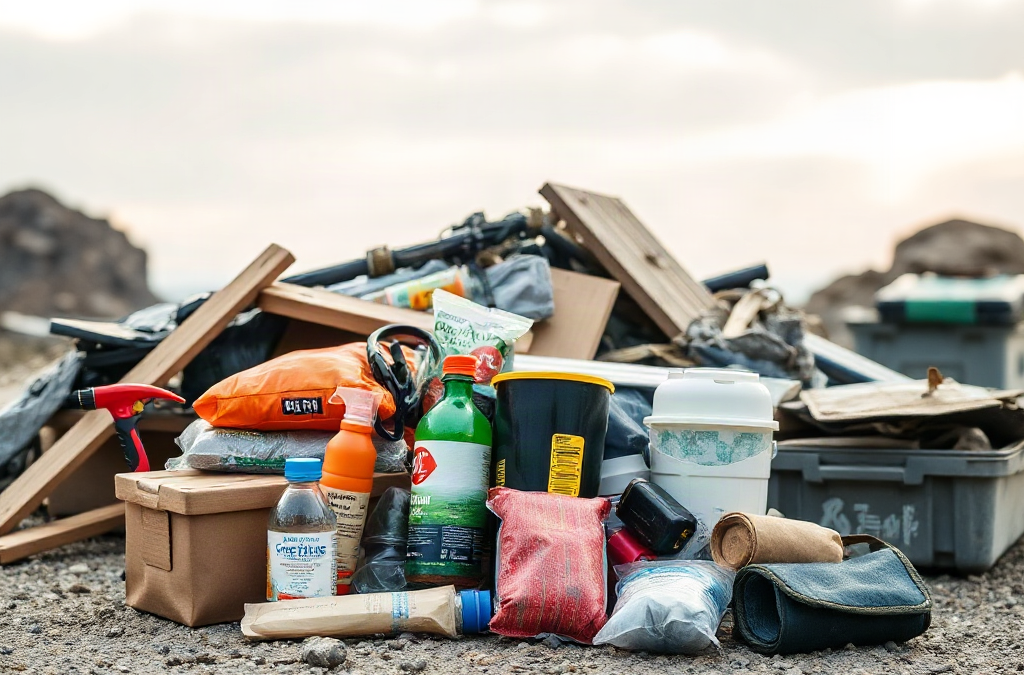
A useful household workbook is a decision tool, not a collection of generic disaster facts. It should help people answer practical questions before stress and limited information make those questions harder: Who needs assistance? Where will everyone meet? Which hazards are plausible at this address? What can the household do if electricity, water, mobile service, or transportation is unavailable?
Begin with a household profile. Record names, preferred contact methods, work and school locations, medical considerations, allergies, mobility needs, language needs, pets, and the people authorized to collect children if normal routines are interrupted. Include a local contact and an out-of-area contact when appropriate. A relative who lives elsewhere may be easier to reach if local networks are congested, but that person should agree to the role rather than being listed without notice.
Risk assessment should be specific to the property and routine. A high-rise apartment, rural home, and suburban house may require different assumptions about elevators, wells, flood access, heating, and transportation. Note hazards such as severe weather, wildfire, flooding, extended utility outages, or hazardous-material incidents only when they are relevant to the household’s location and exposure. The goal is not to predict every event; it is to identify conditions that change the household’s actions.
A compact workbook can use one page for each decision area:
People and responsibilities: who checks on whom, gathers supplies, contacts relatives, or handles animals.
Locations and routes: home, workplace, school, meeting points, alternate roads, and accessible exits.
Needs and constraints: prescriptions, assistive equipment, infant supplies, pet care, transportation, and important documents.
Supplies and services: what is stored, where it is kept, what requires rotation, and which utilities need special shutoff knowledge.
A common failure is copying a template without translating it into household assignments. “Someone will gather the documents” is weaker than naming a person, location, backup person, and deadline. Use An emergency preparedness workbook for household planning as a living record: write in plain language, leave space for changes, and mark information that must be verified locally.
Document Communication, Evacuation, and Shelter Choices
Communication and movement decisions should be written as alternatives rather than a single ideal scenario. A household may need to shelter at home, leave quickly, or separate temporarily because work and school schedules do not align. The workbook should state what triggers each option and where people go next.
List at least two meeting places: one nearby for leaving the building or neighborhood and another outside the immediate area if access is restricted. Add addresses, landmarks, accessibility notes, parking limitations, and the person responsible for confirming arrival. A map or printed directions can be useful when battery power, internet access, or navigation services are unavailable. Do not assume the route used every day will remain open; identify an alternate route and the transportation required for each household member.
Communication instructions should include a short message format. A practical entry might specify the sender’s name, location, safety status, intended destination, and next check-in time. Record phone numbers, school or workplace contacts, and any local alert channels the household actually uses. Printed information matters because a phone may be lost, uncharged, damaged, or inaccessible to a child who needs to make contact.
Evacuation planning also has a timing tradeoff. Leaving early may reduce exposure to congestion and changing conditions, while waiting for more information may be appropriate when officials have not advised departure and the hazard is uncertain. The workbook should not invent its own authority; it should tell readers where official instructions will be checked and which household member monitors them. For a wildfire-prone area, for example, the plan may distinguish between preparing vehicles, moving pets, and departing when local authorities issue an evacuation notice.
The common mistake is choosing a meeting place that is familiar but operationally poor. A busy shopping center may close, become inaccessible, or lack a safe place to wait. Prefer locations with clear landmarks and a realistic way for children, older adults, people with disabilities, and pets to reach them. Connect these details with An emergency preparedness workbook for household planning, then test the plan with a short walk-through rather than assuming that written instructions are self-explanatory.
Turn Supplies and Medical Needs Into Trackable Tasks
Inventory pages are most useful when they connect supplies to people, conditions, and replenishment dates. A list that says “food” or “first-aid items” does not show whether the household can actually use what is stored. Record quantities, storage location, expiration or replacement dates, special preparation requirements, and the person responsible for checking the item.
Separate supplies by function. Drinking water, shelf-stable food, sanitation items, lighting, batteries, communication equipment, basic tools, first-aid materials, clothing, and document copies may be stored in different places. A home kit can be difficult to move, while a smaller grab-and-go bag should be light enough for the person carrying it. Keeping both options may be more practical than forcing every need into one container.
Food planning requires more than selecting products with long shelf lives. Include foods household members already eat, manual-open packaging where possible, and items that match allergies, infant feeding needs, or medical restrictions. Note whether cooking, refrigeration, or added water is required. A supply may appear adequate on paper but fail during a power outage if it depends on an appliance or fuel source that is unavailable.
Medical information deserves its own protected page. Record prescription names, dosing instructions as provided by the prescriber or label, pharmacy contact details, equipment needs, allergies, and insurance or care information that may be needed. Do not treat the workbook as a substitute for professional medical advice or assume that stored medication can be used indefinitely. Ask a pharmacist or clinician about appropriate refill planning and storage questions, especially when temperature or access is a concern.
Use a simple review table with four columns: item, location, condition, and next action. “Flashlight—hall closet—works—replace batteries in October” is more useful than “flashlight.” A common failure is hiding all supplies in a single inaccessible place. Water and heavier containers may be impossible for some household members to move, while critical documents stored in a locked room may not be available during an evacuation. Place items according to function and access, then use An emergency preparedness workbook for household planning to assign maintenance rather than relying on memory.
Test, Update, and Use the Workbook Under Pressure
A workbook becomes reliable when the household rehearses its decisions. Testing exposes assumptions that a written plan can conceal: a child may not know the meeting point, a pet carrier may be difficult to reach, a backup route may require a bridge, or a paper contact list may contain an old number.
Run a short, low-risk exercise rather than staging a dramatic event. Ask each person to locate the workbook, identify the nearest exit, find the communication page, and explain what they would take first. Then test one scenario, such as a nighttime power outage or a school closure that separates household members. Record the time required, points of confusion, missing items, and instructions nobody understood.
Review results by priority. A failed communication number and an inaccessible medication may deserve attention before adding another type of snack to the supply shelf. A plan is working when people can state their next action without searching through several pages. It is failing when responsibilities are vague, information conflicts, or the household depends on one person who may not be present.
Set review triggers instead of relying only on an annual date. Update the workbook after moving, changing jobs or schools, adding a pet, beginning a new treatment, replacing a vehicle, experiencing a local hazard, or changing household composition. A seasonal check can cover batteries, clothing, heating or cooling needs, food rotation, and route conditions. Keep a current digital copy if practical, but retain a printed version where it can be reached without internet access.
Privacy needs attention as well. The workbook may contain medical, contact, access, and identity information. Store it so household members can reach it while limiting unnecessary exposure, and avoid placing sensitive details in an openly visible vehicle. The final mistake is treating completion as success. A filled workbook that has never been discussed is less useful than a shorter plan understood by everyone. Schedule a brief review, make one correction, and repeat until the instructions fit the household’s actual abilities and constraints.
Frequently Asked Questions
What should an emergency preparedness workbook contain first?
Begin with household contacts, medical and mobility needs, meeting places, evacuation routes, communication steps, and assigned responsibilities. Supplies can then be matched to those documented needs.
Should the workbook be digital or printed?
Use both when practical. A digital copy is easy to update, while a printed copy remains available during power, internet, device, or account-access problems.
How often should household planning information be reviewed?
Review it on a regular schedule and after changes such as a move, new medication, altered work or school routines, a new pet, or a major equipment purchase.
How can a household test its plan without creating unnecessary risk?
Conduct a short walk-through: locate the workbook, identify exits, send a practice check-in, find essential supplies, and discuss one realistic outage or evacuation scenario.
What is a common mistake in household preparedness workbooks?
Leaving responsibilities vague is a frequent problem. Name a primary and backup person for key tasks, and verify that the assigned person can realistically perform them.
Conclusion
A household workbook earns its place when it reduces hesitation during a disruption. Give priority to information that changes immediate decisions: who needs help, where people meet, how they communicate, which route they use, and what medical or mobility constraints must be addressed. Add supplies as accountable tasks with locations, condition checks, and replacement dates rather than as an undated shopping list. Keep the document accessible, protect sensitive information, and review it whenever household circumstances change. The next useful action is small but specific: gather the household’s contacts and needs, assign one responsibility to each capable person, and run a short walk-through. Any confusion found during that exercise is a practical correction to make before an emergency exposes it.
Useful emergency preparedness images show a decision, location, sequence, or responsibility clearly enough to guide someone who has little time to read. A photograph of a packed bag may be attractive, but it does not tell a household where the bag is stored, which items are for infants, or what should be replaced after use. Strong visuals connect an action to a real household detail.
For household planning, the most valuable image types are labeled floor plans, evacuation maps, supply diagrams, communication cards, utility shutoff illustrations, and short step sequences. Each serves a different purpose. A floor plan helps people leave safely; a supply diagram reduces searching; a communication card preserves important numbers when phones or internet service are unavailable. Combining all of these into one crowded graphic usually weakens the result.
Use Emergency preparedness images for household planning as working documents rather than decoration. A visual is successful when a visitor, child old enough to follow instructions, or substitute caregiver can identify the next action without asking the person who normally manages the household.
Common failures are easy to spot. Tiny labels disappear when an image is printed, color coding fails for people with color-vision differences, and generic disaster photographs create a false sense of completion. A better approach uses large text, strong contrast, plain symbols, and short captions such as “Go-bag closet,” “Outdoor meeting point,” or “Turn off water here.” Keep decorative imagery separate from operational information so the urgent parts remain visible.
Building a Household Map That Works Under Stress
A household emergency map should show the routes, hazards, and meeting points that matter in the actual home. Begin with a simple outline of each occupied level, then mark primary and alternate exits, stairways, fire extinguishers, first-aid supplies, emergency bags, utility controls, and safe outdoor meeting locations. The map does not need architectural precision; it needs accurate orientation and readable labels.
Place the map where people naturally pause, such as near an entryway, on the refrigerator, or beside a household information folder. A second copy may belong near sleeping areas if nighttime evacuation is a concern. For apartments, include the building exit route and avoid assuming that an elevator will be available. For homes with more than one floor, show how a person with limited mobility could reach assistance or an agreed waiting location.
Maps work because they reduce the mental effort of reconstructing space during smoke, darkness, noise, or confusion. A person who normally leaves through the front door may need another route if a fire, fallen tree, or blocked hallway changes the familiar path. Marking an alternate route makes that possibility visible before it becomes urgent.
Do not copy a generic floor-plan template without testing it. Walk the route with the actual household, including children, older adults, pets, and anyone who uses mobility equipment. Notice locked gates, clutter, high thresholds, poor lighting, and doors that require special keys. Compare a detailed digital map with a simplified printed version: the digital file is easier to edit, while the paper copy remains available during a power or network outage. Use both when practical.
A compact map review can ask:
Can a person identify two exits from the main living and sleeping areas?
Are meeting places labeled with a specific location rather than “outside”?
Can someone find the supply kit and utility controls without a verbal explanation?
Are symbols and labels readable in grayscale and low light?
Turning Supply Photos Into Usable Checklists
Supply images are most effective when they support prioritization instead of encouraging random accumulation. Photographing the actual emergency bin, cabinet, or go-bag lets household members recognize what they are looking for and where it belongs. Add numbered labels or a small legend so the image answers practical questions: Which container holds medications? Where are batteries stored? Which items need rotation?
A useful visual checklist separates immediate-use items from longer-term supplies. Immediate-use items might include a flashlight, basic first aid, essential medications, copies of key documents, water, and communication equipment. Longer-term storage may include additional food, sanitation supplies, cleaning materials, backup lighting, and seasonal clothing. The distinction prevents a household from treating a large pantry as if it were ready to carry during an evacuation.
Consider the difference between a staged photograph and a labeled inventory. A staged photograph may show attractive containers and many products, but it can hide expiration dates, quantities, or missing pieces. A labeled inventory image can show the container, location, replacement date, and responsible person. The second format is less polished but more useful.
Build the image around actual constraints. A household with pets needs visible leashes, carriers, food, and vaccination records. Someone with diabetes, hearing loss, respiratory equipment, or refrigerated medication may need a specific storage and power plan, but medical decisions should follow advice from the person’s clinician or pharmacist. Do not assume that one universal kit meets every need.
Use a short priority system rather than a long unranked list:
Leave or shelter safely: lighting, communication, essential medication access, and route information.
Maintain basic needs: water, food suited to the household, sanitation, warmth, and infant or pet supplies.
Restore routine: chargers, documents, tools, replacement batteries, and items for extended disruption.
Label the date of the last review on the image or its companion checklist. A photograph becomes misleading when the pictured batteries are gone, the kit has moved, or food no longer matches allergies and dietary requirements. Link Emergency preparedness images for household planning to a simple inventory process so the visual reflects what is truly available.
Designing Visuals for Different Hazards and Household Needs
Emergency visuals should reflect the hazards a household may actually face, because the correct action differs by event. A wildfire evacuation image may emphasize route choices, vehicle readiness, and meeting points. A severe storm image may emphasize shelter location, weather alerts, lighting, and staying away from windows. A flood visual may need higher-ground routes and warnings about driving through moving water. One generic “disaster plan” graphic cannot communicate all of these decisions accurately.
Separate shared actions from hazard-specific actions. A shared communication card can list out-of-area contacts, meeting locations, and emergency numbers. A hazard card can show the shelter room, evacuation direction, or the local warning source. Keeping these components separate makes updates easier when official instructions change or when the household moves.
Images also need to represent the people expected to use them. Large type, plain language, high contrast, and numbered steps can assist children, older adults, visitors, and people who process information more slowly under pressure. Do not rely on color alone to indicate danger or priority. Pair red, yellow, or green with words, patterns, or symbols. Avoid illustrations that suggest unsafe behavior, such as standing near a damaged utility line or returning to a building before it is declared safe by appropriate authorities.
For example, a household near a flood-prone road might create one image showing the route to higher ground and a second showing the supplies to take if leaving quickly. A family in an apartment may need a building exit map rather than a suburban driveway diagram. A rural household may need to show alternate roads because a single route can be blocked. These differences are not cosmetic; they change what the visual must communicate.
Use official local alerts and emergency-management information for hazard-specific instructions. An attractive homemade map should not override an evacuation order, shelter directive, or utility warning. The visual supports recall and coordination, while current authorities provide changing situational information.
Reviewing, Printing, and Updating the Visual Plan
Review turns a collection of images into a functioning household system. Schedule a short walkthrough at least when the household moves, changes sleeping arrangements, adds a pet, changes medication needs, or relocates supplies. Seasonal checks are useful for batteries, clothing, food, heating equipment, and weather-specific items.
Test the visuals instead of merely asking whether they look clear. Hand the map to someone who did not create it and ask that person to locate the emergency bag, identify two exits, and point to the meeting place. If the person needs an explanation, the image needs revision. Test a printed copy in grayscale and at its intended size. A graphic that works on a bright phone screen may fail when printed on ordinary paper.
Keep an editable master file and a small number of printed copies. Store paper versions in more than one accessible location, protected from moisture but not locked inside a container nobody can open quickly. A digital copy can be useful for travel or remote family members, but it should not be the only version. Phones lose power, passwords are forgotten, and cellular networks may be congested.
Use a change log or revision date. Check names, phone numbers, addresses, meeting locations, supply quantities, and route assumptions. Remove obsolete versions from visible locations so household members do not choose between conflicting instructions. A simple annual review is better than an elaborate design that no one maintains.
Finish by practicing one small scenario. Ask each person to find the image, name the first action, and identify who handles any special responsibility. If people disagree about the route or cannot locate an item, treat that as useful evidence rather than a failure. Update the graphic, explain the change, and practice again. The purpose of Emergency preparedness images for household planning is dependable shared understanding, not visual perfection.
Frequently Asked Questions
What should an emergency household map include?
Show primary and alternate exits, stairways, meeting points, emergency supplies, utility controls, and hazards specific to the home. Use labels and symbols that remain readable in print.
Are stock emergency images useful for household planning?
They can explain a general concept, but they cannot replace a map or inventory based on the household’s actual rooms, routes, equipment, pets, and accessibility needs.
Should emergency planning visuals be printed?
Yes. Printed copies remain available during power, device, or network failures. Keep a digital master for editing, but test printed versions for size, contrast, and accuracy.
How often should household preparedness images be updated?
Review them after a move, household change, route change, or supply relocation, and consider a seasonal check for food, batteries, clothing, and weather-related equipment.
How can images work for people with accessibility needs?
Use large type, high contrast, plain language, and more than color to convey meaning. Test the plan with the person who will use it and adapt responsibilities to actual capabilities.
Further Reading
Authoritative Sources
Ready.gov Preparedness Guidance ready.gov
Official household preparedness guidance, checklists, alerts, and emergency planning resources
American Red Cross Emergency Preparedness redcross.org
Practical emergency preparation, safety, and supply guidance for households
Conclusion
Effective emergency preparedness images show the household’s real decisions: where to go, what to take, who handles each responsibility, and how to find essential supplies. Begin with a readable home map and a prioritized inventory, then add hazard-specific routes and communication information. Print the working version, place it where people can reach it, and test it with someone who did not design it. Replace decorative graphics that do not guide action, and never let a homemade visual conflict with current instructions from local emergency authorities. A dated review, a short walkthrough, and clear labels will usually provide more value than a complex poster. The next step is to photograph or draw the actual supply location and exits, then revise the image until another household member can use it without explanation.
The most useful earthquake kit is not necessarily the largest one. Its value depends on whether a person can reach it, use it without electricity, and rely on the contents during the first hours after shaking. A sensible ranking considers four questions: Does the item protect life or prevent injury? Is it needed when utilities fail? Can it solve a problem without outside assistance? Will it remain usable after being stored for months?
That approach places immediate safety supplies ahead of convenience items. A flashlight belongs near the top because broken glass, fallen objects, and power outages can make movement dangerous. Water follows closely because a household may lose access to running water or discover that local authorities have issued a water-use warning. Food matters, but a sealed snack is less urgent than the ability to see, move safely, and treat a minor wound.
Use the Earthquake preparedness kit essentials by priority as a staged purchasing plan rather than a single shopping trip. Someone with limited funds can buy lighting, footwear, water storage, and basic medical supplies first, then add food and specialty items. Someone preparing a large home should distribute supplies in more than one location so one blocked room does not eliminate the entire cache.
A common mistake is buying a prepacked emergency bag and assuming it covers household needs. Generic kits may contain useful small tools but too little water, unsuitable food, no prescription medication, or no supplies for children and pets. Treat any commercial kit as a starting container. Check every item against the people, building, climate, and likely access problems in your own home.
Priority One: Immediate Safety and Water
Immediate safety supplies should make it possible to avoid injury, see clearly, signal for help, and obtain safe drinking water. Keep sturdy shoes and work gloves close to each bed, not only in a garage or basement. After an earthquake, bare feet can encounter broken glass, nails, or damaged flooring before anyone reaches the main storage area. A flashlight with spare batteries is more useful than a candle in a room with leaking gas or spilled flammable liquids.
A compact first-aid kit can address cuts, blisters, minor burns, and routine needs, but it is not a substitute for emergency medical care. Include wound dressings, adhesive tape, antiseptic supplies, disposable gloves, scissors, and any regularly used over-the-counter items that household members can safely take. Store personal prescriptions according to medical guidance and rotate them before expiration rather than placing an unreliable supply in the kit.
Water requires deliberate planning. Store commercially packaged water or use clean, food-grade containers maintained according to public-health guidance. Water is heavy, so distribute it where people can reach it without lifting an unsafe load. A filter or purification method may supplement stored water, but it should not be treated as an automatic replacement for a dependable initial supply; filters vary in what they remove, and purification steps may require time or fuel.
Consider a nighttime scenario: shaking occurs while the household is asleep, the power fails, and a hallway contains fallen objects. Shoes, gloves, a flashlight, and a whistle beside the bed solve immediate access problems before anyone opens a larger container. By contrast, a well-organized bin in a locked shed may be useless if the family cannot safely cross the home or open the damaged door.
Keep a flashlight, spare batteries, shoes, gloves, and a whistle in bedside locations.
Store drinking water in accessible places and inspect containers for leaks or damage.
Add a manual can opener if any food requires cans.
Include a battery or hand-crank radio if local alerts may be unavailable through normal internet access.
Do not use open flames as the default lighting choice. Candles can create an added fire risk after structural damage or a gas leak. Do not enter visibly damaged buildings merely to retrieve supplies; personal safety and official instructions take precedence over the contents of a kit.
Priority Two: Food, Medical Care, and Sanitation
Once immediate hazards are covered, add food that can be eaten with little preparation and does not depend on refrigeration. Choose familiar shelf-stable items such as ready-to-eat canned foods, nut or seed products when appropriate, crackers, dried fruit, shelf-stable milk, and individually packaged meals. Balance calories with storage life, dietary restrictions, and the ability to open or chew the food. A box of dry ingredients may last a long time but offers little value if it needs cooking water, electricity, or a working stove.
Food selection involves a tradeoff between compactness and household suitability. Energy bars are easy to distribute but may be unsuitable for allergies, young children, or people who dislike their texture. Canned meals provide variety and moisture but add weight and require a can opener. Rotate items into ordinary meals before their quality declines, then replace them with fresh stock. Mark expiration or best-by dates where they can be seen without emptying the container.
Medical planning should go beyond a generic first-aid pouch. Make a written list of prescriptions, allergies, medical conditions, emergency contacts, and essential equipment instructions. People who use contact lenses, hearing aids, inhalers, glucose supplies, mobility devices, or other routine equipment need a way to protect and maintain those items. Ask a clinician or pharmacist about storage and backup options for medication that requires temperature control.
Sanitation becomes a practical health concern when plumbing is unavailable. Pack toilet bags or liners, toilet paper, hand sanitizer, soap, wet wipes, menstrual products, diapers, disposable gloves, and heavy-duty trash bags. Separate clean supplies from waste-handling items to reduce contamination. A sealed bucket may provide a temporary toilet option, but local public-health instructions should guide disposal because conditions differ by community and building.
One weak assumption is that food and water alone make a kit complete. A family may have enough calories but no way to manage waste, clean hands, or open packaging. Another is overbuying specialized freeze-dried meals while neglecting ordinary foods that children will actually eat. Use a short inventory review: count people, identify dietary needs, check preparation requirements, and test at least one item before storing a large quantity.
Priority Three: Communication, Shelter, and Special Needs
Communication and shelter supplies become more valuable when roads are blocked, mobile networks are congested, or family members are separated. Keep a battery-powered or hand-crank radio, spare batteries in a protected container, charging cables, a power bank, and a printed contact list. Write down an out-of-area contact and meeting locations because phone numbers stored only in a device may be inaccessible if the battery is depleted.
Do not assume a power bank solves every communication problem. It needs to be charged, cables must match household devices, and cellular service may be intermittent. A radio can provide local instructions but cannot send a message. These tools work best as a layered arrangement: a written plan, multiple communication methods, and a household rule to avoid unnecessary calls when networks are overloaded.
Shelter items should reflect the season and the location of the kit. Blankets, warm layers, rain protection, sturdy clothing, masks for dust, and closed-toe footwear can make a temporary evacuation more tolerable. In hot climates, add sun protection and appropriate hydration planning; in cold climates, prioritize insulation and dry clothing. A tent may help some households, but it is bulky and may be less useful than warm bedding if the family expects to shelter indoors.
Special-needs planning changes the priority order. Infants may need formula, bottles, diapers, and safe preparation supplies. Pets need food, water, carriers or leashes, waste bags, and copies of vaccination records. Older adults may need hearing-aid batteries, glasses, mobility support, and easy-open packaging. A person with limited mobility may need a smaller supply cache at reachable height rather than a heavy container on a high shelf.
Store copies of identification, insurance information, medication lists, and key contacts in a waterproof sleeve, while protecting sensitive information from unnecessary exposure. Include basic cash in small denominations only if it is safe and appropriate for your circumstances. The goal is not to predict every disruption; it is to remove predictable obstacles when normal systems are unavailable.
Build, Store, and Recheck the Kit
Build the kit in layers so the first purchases address the highest consequences. A compact household checklist can follow this order: immediate safety, water, medical supplies, sanitation, ready-to-eat food, communication, shelter, and personal or comfort items. The ranking is flexible. A person dependent on refrigerated medication may place temperature-management planning ahead of some general supplies, while a household in a cold region may move warm clothing higher.
Use durable, clearly labeled containers that can be opened without tools. Keep one small grab-and-go bag in an accessible location and a larger reserve where it is unlikely to be crushed, locked, or exposed to moisture. Avoid placing all supplies beneath heavy storage, near a water heater, or behind a door that could jam. A distributed arrangement is less tidy than one large tote, but it reduces the risk of total loss.
Test the system rather than merely inspecting it. Confirm that flashlights work, batteries have not leaked, food can be opened, radio controls are understood, and household members know where supplies are located. Practice turning off utilities only if household members can do so safely and local guidance supports the action; never restore gas service without qualified direction. Check water containers, medication dates, clothing sizes, pet supplies, and contact information on a schedule tied to seasonal changes or household routines.
The most common failure is silent drift: children outgrow clothing, batteries expire, prescriptions change, and a once-accessible storage area becomes crowded. A short review every few months is more realistic than an elaborate annual overhaul that never happens. After an earthquake warning, nearby construction, a move, or a change in household membership, revisit both the contents and the storage locations.
Use the priority list to make the next purchase decision concrete. If the household lacks bedside lighting and safe footwear, buy those before comfort items. If immediate safety is covered but water is scarce, improve storage next. This sequence turns preparedness into a series of manageable risk reductions rather than an all-or-nothing project.
For current recommendations, compare your household kit with guidance from your national or local emergency-management agency, public-health department, and recognized earthquake-safety organizations. Local authorities can provide the most relevant information about evacuation sites, water advisories, utility procedures, and disposal requirements after an earthquake.
Frequently Asked Questions
What should go in an earthquake kit first?
Start with safe lighting, sturdy shoes, gloves, a whistle, water, and basic first-aid supplies. These items address immediate hazards and access problems before food and comfort supplies.
How much food should an earthquake kit contain?
Store enough familiar, shelf-stable food for the period your household and local authorities consider realistic, while accounting for water, allergies, preparation needs, and a manual can opener.
Should an earthquake kit include a water filter?
A filter can supplement stored water, but it should not replace a dependable initial supply. Check exactly what the filter removes and whether it needs electricity, pressure, chemicals, or lengthy treatment.
Where should earthquake supplies be stored?
Keep small safety supplies beside beds and place larger reserves in accessible, dry locations away from heavy objects, heat, and doors that could become blocked.
How often should an earthquake kit be checked?
Review it every few months and whenever household needs change. Replace damaged water containers, expired or unsuitable food, depleted batteries, outgrown clothing, and outdated medication information.
Conclusion
A useful earthquake kit is a ranked system, not a collection of emergency products. Put immediate safety within reach first: lighting, footwear, gloves, signaling equipment, water, and basic medical supplies. Add food and sanitation items that work without refrigeration, electricity, or complicated preparation, then adapt communication, shelter, medication, infant, pet, and mobility supplies to the people who depend on them. Storage location matters as much as the shopping list; a blocked or inaccessible container cannot support recovery. Test the contents, rotate consumables, and revise the arrangement when seasons or household needs change. Making the next highest-priority improvement today is more reliable than waiting to assemble a perfect kit all at once.