Understanding the risks associated with a grid down event is vital. Natural disasters, cyber-attacks, or infrastructure failures can disrupt electricity supply, leading to significant challenges. Prioritize your energy requirements based on daily activities, medical needs, and potential long-term outages. Many people overlook the necessity of backup power systems, which can lead to severe consequences during an extended blackout.
Another common mistake is underestimating the importance of fuel storage and maintenance for backup power systems. Regularly check and maintain your generators, batteries, or solar systems to ensure they function when needed. Understanding the trade-offs between different energy sources and their costs will help you make informed decisions about your energy resilience strategy.
Understanding Energy Needs
Assessing your energy requirements is the first step in preparing for a grid down situation. Identify essential devices that require power, such as refrigerators, medical equipment, and communication devices. Knowing the wattage and energy consumption of these devices will help you determine the size and capacity of the backup systems you’ll need.
Many people fail to account for the cumulative energy demand of their household. It’s crucial to prioritize which devices are most critical and develop a strategy to power them efficiently. For example, using energy-efficient appliances can significantly reduce your energy needs during an outage.
Additionally, consider how long you may need to rely on backup power. This can influence your choice of energy sources and storage solutions. A well-thought-out plan will help prevent panic and confusion during an actual grid down event.
Alternative Energy Solutions
Exploring alternative energy sources is key to ensuring you can maintain power during a grid down scenario. Solar power is increasingly popular due to its sustainability and long-term cost-effectiveness. Investing in a solar panel system can provide renewable energy and reduce your reliance on traditional power sources.
Generators are another common solution, offering immediate power when needed. However, they require fuel and regular maintenance, which can be a drawback. Weigh the benefits and limitations of each option to determine what best fits your needs.
Don’t overlook smaller solutions like portable solar chargers or battery packs for essential devices. These can be invaluable for maintaining communication and powering small electronics during an outage.
Fuel Storage and Management
Proper fuel storage is essential for maintaining backup power systems. Ensure you have a safe and secure location for storing fuel, whether it’s gasoline, propane, or solar batteries. Learn about the proper storage methods and safety precautions to minimize risks.
Many people fail to rotate their fuel supplies, leading to expired or unusable fuel when needed. Implement a fuel management plan that includes regular checks on expiration dates and proper disposal of old fuel. Additionally, consider the local regulations regarding fuel storage and ensure compliance.
Investing in fuel stabilizers can prolong the life of stored gasoline, allowing for more extended storage periods without degradation. This can be a crucial factor in long-term preparedness.
Safety Considerations
Safety should always be a priority when preparing for a grid down situation. Understand the risks associated with your chosen energy solutions, such as carbon monoxide poisoning from generators or improper handling of fuel. Take the time to educate yourself about safe practices and emergency procedures.
It’s also essential to have a carbon monoxide detector and fire extinguisher on hand, especially if using generators indoors or near your home. Regularly check these devices to ensure they are functional.
Lastly, consider the psychological aspect of being without power. Prepare your household for potential isolation and lack of communication. Establish a family plan that includes activities and resources to maintain morale during extended outages.
Further Reading
Authoritative Sources
Ready.gov ready.gov
Official U.S. preparedness guidance, checklists, and planning resources for households and emergencies.
FEMA fema.gov
Federal emergency management resources, disaster planning information, and recovery guidance.
American Red Cross Emergency Preparedness redcross.org
Practical emergency preparation steps, supply lists, and safety guidance for families.
National Weather Service weather.gov
Official forecasts, hazard alerts, and weather safety information.
CDC Emergency Preparedness and Response cdc.gov
Public health guidance for emergencies, disasters, and recovery situations.
Frequently Asked Questions
What should I prioritize when preparing for a grid down event?
Focus on assessing your energy needs, sourcing alternative energy solutions, and ensuring proper fuel storage and safety measures.
How can I ensure my backup power systems are ready?
Regularly maintain and test your generators or solar systems to ensure they are functional when needed. Rotate fuel supplies to prevent expiration.
What are some alternative energy sources for home use?
Solar power, generators, and battery storage systems are popular alternatives. Each has its benefits and drawbacks, so choose based on your needs.
How can I safely store fuel for generators?
Store fuel in a cool, dry place away from ignition sources. Use proper containers and label them clearly. Rotate fuel supplies regularly.
What safety measures should I take when using generators?
Always operate generators outdoors, ensure proper ventilation, and install carbon monoxide detectors in your home. Keep a fire extinguisher nearby.
Conclusion
Preparing for a grid down scenario requires a comprehensive approach that prioritizes energy needs, alternative solutions, and safety measures. By understanding your requirements and making informed decisions, you can create a resilient energy plan that protects your home and family during power outages. Regular maintenance and proactive planning are key to ensuring that your preparations are effective when it matters most.
Understanding what to include in your checklist is vital. Many people overlook specific items, such as sanitation supplies or communication tools, that can make a significant difference during emergencies. It’s also essential to regularly update your checklist based on changing needs, seasons, and potential risks in your area.
One common mistake is assuming that a basic kit will suffice for all situations. Different scenarios, such as natural disasters, power outages, or health emergencies, require tailored approaches. By prioritizing your checklist items based on the most likely emergencies you may face, you can ensure a more effective response when it matters most.
Essential Supplies for Your Checklist
When preparing your ready for anything checklist, it is crucial to include a variety of essential supplies. These typically encompass food, water, first aid kits, flashlights, batteries, and sanitation items. Each of these components plays a vital role in maintaining health and safety during emergencies.
Prioritizing durable, non-perishable food items and adequate water supplies should be at the top of your list. The general recommendation is to have at least one gallon of water per person per day, along with enough food to last several days. Additionally, a well-stocked first aid kit can address common injuries and health issues that may arise.
Beyond the basics, consider including tools like multi-tools, blankets, and personal hygiene items. These can greatly enhance comfort and safety in various situations. Regularly assess your supplies and replace any expired items to keep your checklist functional and ready for action.
Creating Your Action Plan
A ready for anything checklist isn’t just about supplies; it also involves having a clear action plan. This plan should outline specific steps to take before, during, and after an emergency. Knowing how to respond can significantly reduce panic and confusion in stressful situations.
Begin by identifying potential risks in your area, such as natural disasters or health emergencies, and tailor your action plan accordingly. Include evacuation routes, communication methods with family members, and designated meeting points. Having these details laid out can save valuable time and ensure everyone is on the same page during a crisis.
Moreover, practice your action plan with your family. Regular drills can help reinforce procedures and make everyone feel more confident in their roles. The more familiar everyone is with the plan, the smoother the execution will be when it counts.
Regularly Updating Your Checklist
Maintaining an effective ready for anything checklist requires regular updates. As your family grows, your needs will change, and so will the potential risks you face. Regularly reviewing and revising your checklist is essential to ensure its relevance and effectiveness.
Set a schedule for reviewing your checklist—consider doing this at the beginning of each season or following significant life changes. During these reviews, assess the expiration dates of supplies and replace any items that are no longer viable. Additionally, evaluate whether your checklist needs to include new items based on changing circumstances.
Keep in mind that an outdated checklist can lead to ineffective preparedness. Prioritizing regular updates ensures that you are always ready for anything, adapting to new challenges as they arise.
Common Mistakes to Avoid
When compiling a ready for anything checklist, several common mistakes can undermine your preparedness efforts. One significant error is failing to tailor your checklist to your specific needs and risks. What works for one person or family may not be suitable for another.
Another frequent pitfall is neglecting to include essential items such as important documents, cash, or specific medications. These can be crucial during an emergency but are often overlooked in standard checklists. Additionally, many people forget to practice their action plan, which can lead to confusion when an emergency occurs.
To avoid these mistakes, regularly engage with your checklist. Seek feedback from family members and adjust your supplies and plans accordingly. This proactive approach will help ensure you are genuinely ready for anything that comes your way.
Further Reading
For more insights on emergency preparedness, consider exploring resources from recognized organizations that specialize in safety and preparedness.
Authoritative Sources
Ready.gov ready.gov
A comprehensive resource from the U.S. Department of Homeland Security on emergency preparedness
American Red Cross redcross.org
This site offers valuable information on creating emergency plans and checklists
FEMA fema.gov
Provides guidance on disaster preparedness and recovery resources
Frequently Asked Questions
What should be included in a ready for anything checklist?
Your checklist should include food, water, first aid supplies, tools, personal hygiene items, and emergency communication methods.
How often should I update my checklist?
Review and update your checklist at least every six months or whenever your circumstances change.
What are common mistakes when creating a checklist?
Common mistakes include not tailoring the checklist to your specific needs, neglecting essential items, and failing to practice your action plan.
Is it necessary to have a family emergency plan?
Yes, a family emergency plan is crucial for ensuring that everyone knows how to respond during a crisis.
How can I ensure my checklist is effective?
Regularly review and update your checklist, tailor it to your specific needs, and practice your action plan with your family.
Conclusion
Being prepared is essential in today’s unpredictable world. A well-structured ready for anything checklist equips you with the necessary supplies and action plans to handle emergencies effectively. Prioritize essential items, regularly update your checklist, and practice your action plan to ensure everyone is on the same page. By taking these steps, you can enhance your preparedness and confidence in facing any situation that arises.
When creating your survival kit, it’s vital to consider the environment and potential threats unique to your area. For instance, those living in hurricane-prone regions may need different supplies than someone in an earthquake zone. Additionally, think about the size of your family, any pets, dietary restrictions, and the ages of all individuals included in your planning. Mistakes often occur when individuals overlook these factors, leading to inadequate preparation.
Another common pitfall is assuming that one-size-fits-all kits from stores will meet specific needs. Instead, it’s advisable to customize your kit to reflect your personal requirements and preferences. Regularly check and update the contents to ensure that food and medications are not expired and that the items remain relevant to your current circumstances.
Key Components of a Survival Kit
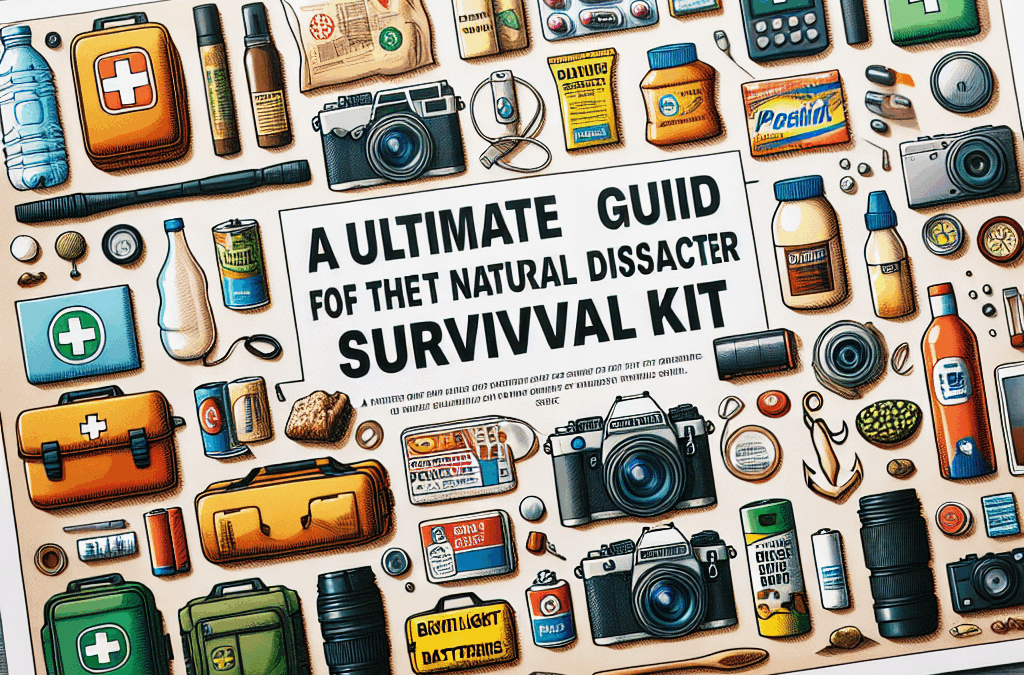
Essential components of a survival kit include non-perishable food, water, first aid supplies, tools, and personal hygiene items. Non-perishable food, such as energy bars, canned goods, or freeze-dried meals, provides necessary calories without requiring refrigeration. Aim for at least 1 gallon of water per person per day, stored in durable containers.
First aid supplies should include bandages, antiseptics, pain relievers, and any personal medications. Tools like a flashlight, multi-tool, and a portable stove can make a significant difference in a survival scenario. Personal hygiene items, including sanitation supplies and feminine hygiene products, ensure health and comfort during emergencies.
Prioritize these components based on your specific needs. For instance, if you have infants or elderly family members, include baby formula or specialized medications. Regularly assess and update your kit to reflect any changes in your family’s needs, ensuring you are always prepared.
How to Assemble Your Kit
Assembling your survival kit involves selecting a reliable container and carefully choosing the right items. Start with a sturdy backpack or a waterproof container that can easily be carried or stored. Then, gather your essential supplies based on your previous assessment of needs.
Consider creating a checklist to ensure you don’t miss any critical items. For example, include a whistle for signaling, a map of your local area, and a compass. Additionally, think about including items that can provide comfort, such as a blanket or a small entertainment item for children.
Once assembled, do a trial run to ensure everything fits well and is easy to access. This practice can help identify any adjustments needed, ensuring that you can quickly grab your kit in an emergency.
Storage and Maintenance Tips
Proper storage and maintenance of your survival kit are vital for ensuring its effectiveness. Store your kit in a cool, dry place, and avoid areas exposed to extreme temperatures or moisture, which can damage supplies. Make sure it is easily accessible, especially if you have to evacuate quickly.
Regularly check your kit every six months, replacing expired food and medications. This routine ensures that all items remain functional and ready for use. Additionally, familiarize all family members with the kit’s location and contents, enabling everyone to act quickly in an emergency.
Consider involving older children in the maintenance process. This not only teaches them about preparedness but also empowers them to take responsibility in crisis situations.
Common Mistakes to Avoid
One of the most common mistakes when preparing a survival kit is underestimating the amount of food and water needed. Many people assume they can survive on less than the recommended amount, which can lead to severe consequences in emergencies.
Another frequent error is neglecting to personalize the kit. Generic kits may not address specific needs or preferences, leaving individuals unprepared. Always ensure your kit reflects your family’s unique circumstances.
Moreover, failing to practice using the kit can lead to confusion during an actual emergency. Regular drills can help solidify knowledge about the kit’s contents and their uses, increasing confidence and efficiency in stressful situations.
Further Reading
Authoritative Sources
Ready.gov: Build a Kit ready.gov
This government resource provides comprehensive guidelines for building a personalized survival kit
American Red Cross: Emergency Preparedness redcross.org
The Red Cross offers useful tips and checklists for assembling a survival kit tailored to your needs
FEMA: Survival Planning fema.gov
FEMA outlines survival planning steps and essential items for effective emergency preparedness
Frequently Asked Questions
What should I include in my survival kit?
Your survival kit should include water, non-perishable food, first aid supplies, tools, and personal hygiene items tailored to your needs.
How often should I update my survival kit?
Check and update your survival kit every six months to ensure all items are current and functional.
Where should I store my survival kit?
Store your survival kit in a cool, dry place that is easily accessible in case of an emergency.
How much water should I include in my survival kit?
Include at least 1 gallon of water per person per day, enough for at least three days.
Can I use a regular backpack for my survival kit?
Yes, a sturdy backpack can be a practical choice for a survival kit, provided it is durable and spacious enough for all your items.
Conclusion
Building a survival kit is a proactive step towards ensuring safety and preparedness for emergencies. Focus on customizing your kit based on your specific needs and regularly updating its contents. Prioritize essential items like food, water, first aid supplies, and tools, while also considering personal comfort items. By avoiding common mistakes and maintaining your kit, you will be well-equipped to handle unexpected situations effectively.