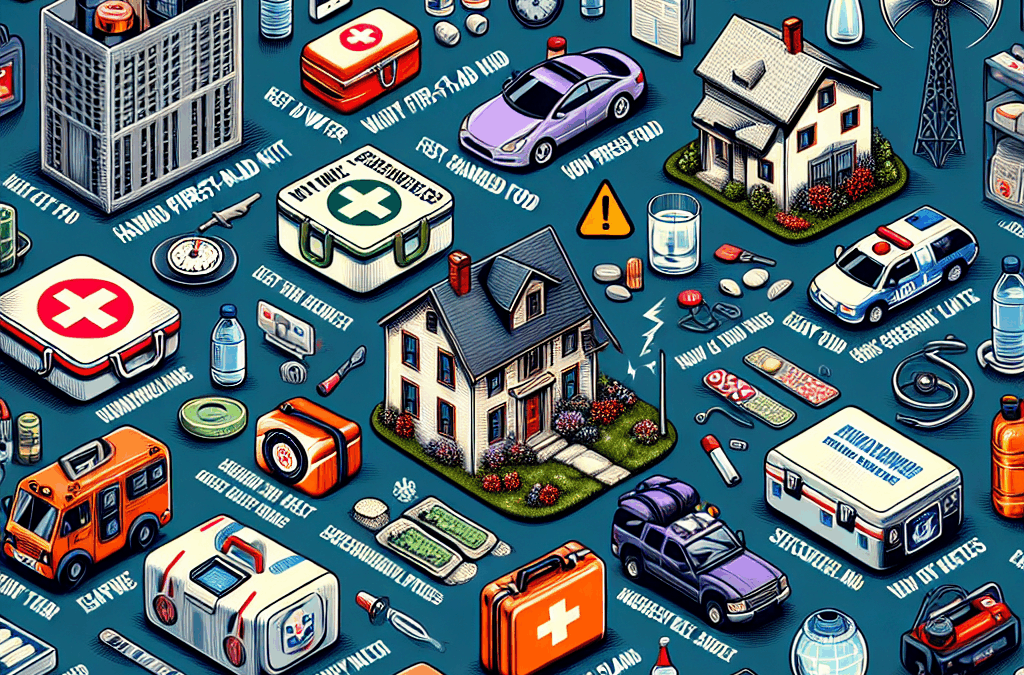
Understanding the specific risks in your area is crucial when creating your quick prep guide. For instance, those living in hurricane-prone regions should prioritize water, food supplies, and shelter options, while individuals in earthquake-prone areas may need to secure heavy furniture and have a reliable communication plan. Recognizing these factors helps tailor your preparations to address real-world threats effectively.
Common mistakes include underestimating the importance of regular drills and failing to update emergency kits. It’s vital to review your supplies and plans at least twice a year, ensuring all items are functional and relevant. Additionally, involving the entire family in the planning process can enhance understanding and readiness, as everyone should know their roles and responsibilities during an emergency.
Creating an Effective Emergency Kit
An effective emergency kit is the cornerstone of any quick prep guide. It should include at least three days’ worth of non-perishable food, water, a flashlight, batteries, a first-aid kit, and necessary medications. Additionally, personal documents such as identification, insurance papers, and medical records should be stored in a waterproof container.
When assembling your kit, consider the specific needs of each family member. For example, infants may require baby formula and diapers, while elderly family members might need specific medications. Regularly check expiration dates and replace items as needed to ensure your kit is always ready for use.
It’s also important to tailor your kit to the types of emergencies you might face. For instance, if you live in an area prone to flooding, include waterproof items and gear. In contrast, if your community experiences wildfires, consider including protective masks and goggles. The goal is to ensure your kit meets your family’s unique needs and local threats.
Developing a Family Communication Plan
A family communication plan is essential for staying connected during an emergency. This plan should outline how family members will communicate if separated, including designated meeting points and emergency contact numbers. Establishing a clear hierarchy of communication can also streamline the process during stressful situations.
Consider using text messaging or social media as alternatives to traditional phone calls, especially when cell networks may be overloaded. Encourage family members to memorize important phone numbers and download emergency apps that provide alerts and information during crises.
Regularly review and practice your family communication plan to ensure everyone understands their roles. Conducting drills can help family members become familiar with the plan, reducing panic and confusion during an actual emergency. Additionally, keep a copy of the plan in your emergency kit for easy access.
Regular Review and Practice of Emergency Procedures
Regularly reviewing and practicing emergency procedures is vital for ensuring readiness. Schedule drills for various scenarios, such as fire evacuations or severe weather responses. These practices help solidify knowledge and improve confidence in executing the plan during real emergencies.
Incorporate feedback from drills to identify areas for improvement. Discuss what worked well and what could be adjusted to enhance effectiveness. This iterative process ensures that your quick prep guide evolves as your family’s needs and circumstances change.
Additionally, educate family members about the importance of staying calm in emergencies. Teaching techniques for managing stress can improve overall response and decision-making during high-pressure situations. Building this resilience is crucial for effective emergency preparedness.
Understanding Local Risks and Resources
Understanding local risks is a critical component of any quick prep guide. Research the types of emergencies most likely to affect your area, such as hurricanes, earthquakes, or floods. Knowledge of local hazards enables you to tailor your emergency plans and kits accordingly.
In addition to recognizing potential threats, familiarize yourself with local resources available during emergencies, including shelters, food banks, and community response teams. Knowing where to find assistance can significantly impact your family’s safety and well-being during a crisis.
Consider joining local preparedness groups or attending community meetings to stay informed about emergency plans and resources. Engaging with your community enhances not only your knowledge but also your support network during emergencies, making it easier to respond effectively.
Further Reading
For those seeking more information on emergency preparedness, consider reviewing resources from organizations like the Red Cross or your local emergency management office. These resources provide valuable insights and updates on best practices for staying prepared.
Further Reading
Authoritative Sources
Ready.gov ready.gov
Official U.S. preparedness guidance, checklists, and planning resources for households and emergencies.
FEMA fema.gov
Federal emergency management resources, disaster planning information, and recovery guidance.
American Red Cross Emergency Preparedness redcross.org
Practical emergency preparation steps, supply lists, and safety guidance for families.
National Weather Service weather.gov
Official forecasts, hazard alerts, and weather safety information.
CDC Emergency Preparedness and Response cdc.gov
Public health guidance for emergencies, disasters, and recovery situations.
Frequently Asked Questions
What should I include in my emergency kit?
Your emergency kit should include non-perishable food, water, a flashlight, batteries, a first-aid kit, and any necessary medications.
How often should I review my emergency plan?
Review your emergency plan at least twice a year to ensure it remains relevant and effective.
What are common mistakes in emergency preparedness?
Common mistakes include failing to practice emergency drills and not updating emergency kits regularly.
How can I keep my family safe during an emergency?
Develop a clear communication plan, regularly practice emergency procedures, and tailor your emergency kit to your family’s unique needs.
Where can I find local emergency resources?
Check with local emergency management offices, community centers, or the Red Cross for information on available resources and shelters.
Conclusion
All in all, a quick prep guide for emergency readiness involves creating a comprehensive emergency kit, developing a family communication plan, and regularly reviewing procedures. By prioritizing these actions, you can enhance your family’s preparedness for unexpected events. Remember to tailor your preparations to your specific risks and local resources, ensuring that you are well-equipped to handle any situation that arises. Engaging the entire family in this process not only fosters understanding but also strengthens your overall readiness.
When creating a home preparedness checklist, it’s important to consider specific needs based on your location, family size, and lifestyle. Common oversights include neglecting to account for pets, not updating supplies regularly, or failing to practice emergency drills. Prioritizing these aspects ensures that your checklist is not only comprehensive but also tailored to your unique circumstances, thereby enhancing its effectiveness.
Additionally, many people mistakenly believe that a one-time preparation is sufficient. In reality, preparedness is an ongoing process that requires regular reviews and updates to the checklist. Families should test their emergency plans, check expiration dates on supplies, and reassess their needs based on changing circumstances, such as new family members or changes in health conditions.
Essential Supplies for Your Home Preparedness Checklist
Having the right supplies is fundamental to any home preparedness checklist. Essential items typically include food, water, first aid kits, flashlights, batteries, and tools. A well-stocked supply of non-perishable food items and at least one gallon of water per person per day for at least three days are crucial components. Additionally, consider adding personal medications, hygiene items, and important documents to your checklist.
While many people focus on food and water, they often overlook other critical supplies such as a battery-powered radio or a multi-tool. These items can significantly enhance your ability to respond to an emergency. In addition, ensure that your first aid kit is comprehensive, containing not only basic supplies but also any specific medications or medical supplies needed by family members.
Regularly review your supplies to account for changing needs. For example, if a family member has a new health condition, ensure that the necessary medications are included. Also, check expiration dates on food and other supplies to maintain readiness. This proactive approach will help you avoid last-minute scrambles during emergencies.
Creating a Communication Plan
A communication plan is a vital part of your home preparedness checklist. It outlines how family members will contact each other and where to meet in case of an emergency. This plan should include multiple communication methods, such as phone calls, text messages, and social media, since some methods may not be reliable during a disaster.
Establishing a designated meeting place outside your home, as well as a secondary location in case the first is unsafe, is essential. Many families fail to consider the importance of having an out-of-town contact person who can relay information among family members. This person can be a trusted friend or relative who is not in the immediate area.
Regularly practice your communication plan during family meetings. This ensures that everyone knows how to react in case of an emergency. It’s easy to overlook this step, but familiarizing everyone with the plan will reduce confusion and panic during a crisis.
Emergency Drills: Practice Makes Perfect
Conducting emergency drills is an essential yet often neglected aspect of home preparedness. Drills help ensure that all family members know what to do in various scenarios, such as fires, earthquakes, or severe weather events. Practicing these scenarios reinforces the communication and evacuation plans established in your checklist.
Many families may perform a drill once and assume that’s sufficient. However, regular practice is key to maintaining readiness. Schedule drills at least once a year and involve all family members, including children. This not only builds familiarity but also allows you to identify any weaknesses in your plans that may need addressing.
Consider varying the scenarios during drills to cover a range of possible emergencies. For instance, practice evacuating your home during a fire drill and simulate a power outage during another. This diversity in practice will help everyone respond more effectively when faced with real emergencies.
Maintaining and Updating Your Checklist
Maintaining an up-to-date home preparedness checklist is crucial for ensuring your family’s safety. A checklist is not a static document; it should be reviewed and updated regularly to reflect changing circumstances, such as new family members, changes in health conditions, or advancements in emergency preparedness strategies.
One common mistake is failing to review the checklist at least once a year. This oversight can lead to expired supplies, outdated emergency contacts, and ineffective plans. Set a specific date each year to conduct a thorough review of your checklist, and involve all family members in the process to reinforce the importance of preparedness.
In addition to annual reviews, consider keeping an eye on local emergency management resources or community preparedness programs for new recommendations or changes in best practices. This ongoing engagement will enhance your family’s resilience and readiness for any situation.
Further Reading
Ready.gov ready.gov
A comprehensive resource for emergency preparedness, offering guidelines and checklists tailored to various situations.
Further Reading
Authoritative Sources
Ready.gov ready.gov
Official U.S. preparedness guidance, checklists, and planning resources for households and emergencies.
FEMA fema.gov
Federal emergency management resources, disaster planning information, and recovery guidance.
American Red Cross Emergency Preparedness redcross.org
Practical emergency preparation steps, supply lists, and safety guidance for families.
National Weather Service weather.gov
Official forecasts, hazard alerts, and weather safety information.
CDC Emergency Preparedness and Response cdc.gov
Public health guidance for emergencies, disasters, and recovery situations.
Frequently Asked Questions
What should be included in a home preparedness checklist?
Essential items include food, water, first aid kits, communication tools, and personal documents. Tailor the list to your family’s specific needs.
How often should I update my preparedness checklist?
Review and update your checklist at least once a year or whenever there are significant changes in your household or local risks.
Why are emergency drills important?
Emergency drills ensure that all family members know how to respond in various scenarios, reducing panic and confusion during actual emergencies.
How can I create a communication plan for my family?
Outline how family members will contact each other, where to meet, and designate an out-of-town contact person for relaying information.
What common mistakes should I avoid when preparing?
Common mistakes include neglecting to account for pets, failing to regularly update supplies, and not practicing emergency drills.
Conclusion
To wrap up, a home preparedness checklist is an invaluable resource for ensuring safety and readiness during emergencies. Prioritizing essential supplies, establishing a communication plan, practicing emergency drills, and maintaining the checklist are critical components of effective preparedness. By regularly reviewing and updating your checklist, you can enhance your family’s resilience and ensure that you are prepared for any situation that may arise. Start today by assessing your current preparedness and making necessary adjustments to your checklist for a safer tomorrow.
Understanding the potential impact of storms, such as flooding, high winds, and power outages, is crucial. Many people overlook the need for a comprehensive plan, assuming they can react quickly when a storm approaches. However, advanced preparation is key to ensuring your family’s safety and reducing damage to your property.
One common mistake is neglecting to update emergency kits and plans regularly. As weather patterns evolve and personal circumstances change, it’s vital to reassess your readiness. Regularly check supplies, including food, water, and medications, and ensure that your family knows what to do in an emergency.
Creating an Emergency Kit
An effective emergency kit is the cornerstone of storm readiness. It should contain essential supplies that can sustain your family for at least 72 hours. Items to include are non-perishable food, bottled water, flashlights, batteries, a first aid kit, and any necessary medications.
Many people underestimate the importance of food and water. In the aftermath of a storm, local resources may be unavailable, and access to stores can be limited. Ensure your kit includes at least one gallon of water per person per day. Rotate perishable items regularly to maintain freshness.
Additionally, consider personalizing your kit based on your family’s specific needs, such as including baby formula, pet supplies, or specialized medical equipment. Regularly review and update the kit to ensure it remains ready for use.
Securing Your Property
Securing your property is a critical step in storm readiness. This involves reinforcing windows and doors, trimming trees, and moving outdoor furniture indoors. Properly securing your home can significantly reduce the risk of damage from high winds and flying debris.
A common pitfall is failing to assess potential hazards around your property. Identify weak spots, such as overhanging branches or unsecured items, well before a storm is forecasted. Take proactive measures to address these risks.
Moreover, consider investing in storm shutters or plywood to protect windows. If you live in a flood-prone area, evaluate the need for sandbags or barriers to redirect water away from your home.
Developing a Communication Plan
Establishing a communication plan is essential for family safety during a storm. This plan should outline how family members will contact each other during an emergency, as well as a designated meeting place if you become separated.
People often overlook the importance of having multiple communication methods. Cell phone networks can become overloaded or fail during a storm. Consider alternatives such as two-way radios or a family group chat on a messaging app that may work better in emergencies.
Regularly review and practice the communication plan with your family. Ensure that everyone knows how to access emergency contacts and understands the importance of staying informed through reliable news sources.
Staying Informed During a Storm
Staying informed is crucial for effective storm readiness. Monitor weather updates from trusted sources, such as the National Weather Service, and consider downloading weather apps that provide real-time alerts.
Many individuals fail to act promptly because they underestimate the severity of storm warnings. It’s essential to take all advisories seriously and prepare accordingly. Understanding the difference between a watch and a warning can help you gauge the level of risk.
Invest in a NOAA weather radio for continuous updates during severe weather. This device can provide critical information even when power is out, ensuring you remain informed and can make timely decisions.
Further Reading
Authoritative Sources
Ready.gov: Storm Preparedness ready.gov
This resource offers comprehensive information on storm preparedness, including checklists and safety tips
National Weather Service nws.noaa.gov
Official site providing weather forecasts, warnings, and preparedness information
American Red Cross: Storm Preparation redcross.org
Offers guidelines on how to prepare for various types of storms and emergencies
Frequently Asked Questions
What should I include in my emergency kit?
Your emergency kit should include non-perishable food, water, a flashlight, batteries, a first aid kit, medications, and personal hygiene items.
How can I secure my home before a storm?
Reinforce windows and doors, trim trees, and remove any outdoor items that could become projectiles in high winds.
What is the difference between a storm watch and a warning?
A watch means conditions are favorable for a storm, while a warning indicates that a storm is imminent or already occurring.
How often should I check my emergency kit?
Review your emergency kit at least twice a year to ensure all items are up to date and in good condition.
What should I do if I lose power during a storm?
Use flashlights instead of candles, avoid opening the refrigerator, and listen to a NOAA radio for updates.
Conclusion
Being storm-ready requires proactive planning and preparation. By creating an emergency kit, securing your property, developing a communication plan, and staying informed, you can significantly enhance your safety and that of your family. Prioritize these actions well before a storm approaches to ensure that you are not caught off guard. Regularly review and practice your plans to adapt to any changes in circumstances, and remember that staying informed is key to making timely decisions during severe weather events.