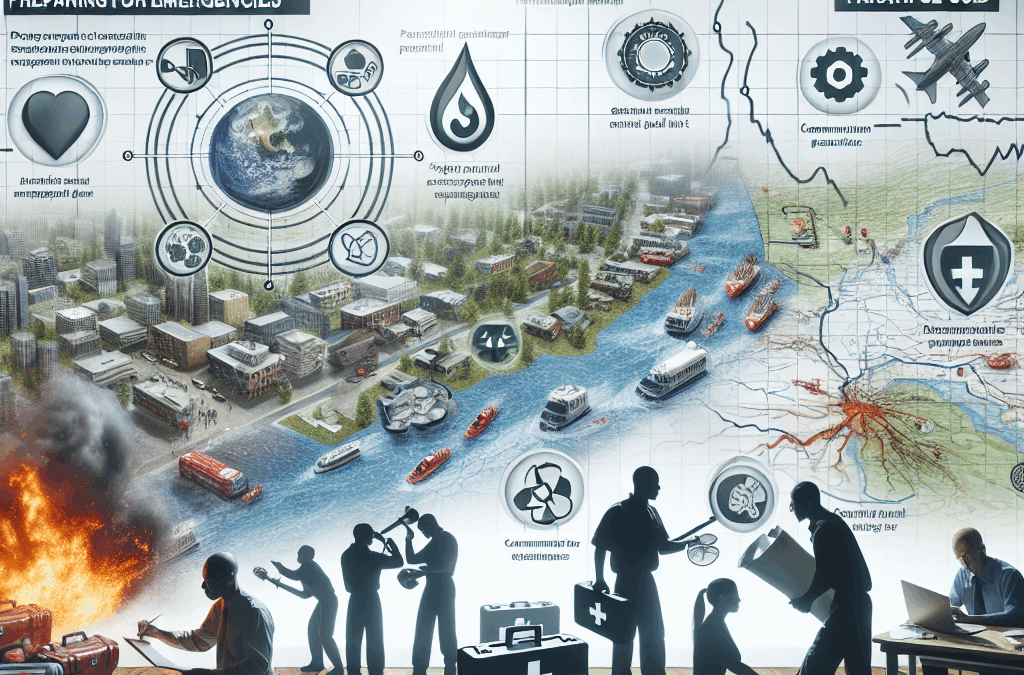
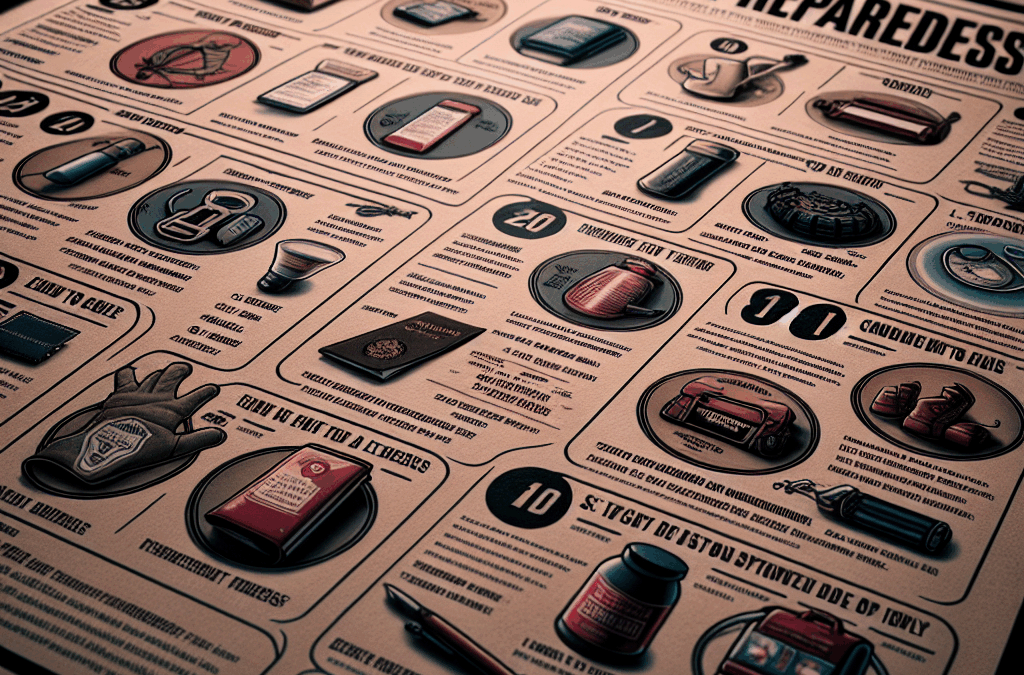
Understanding the right gear to include in your emergency kit is vital. Often, people overlook critical items or rely on generic lists that do not suit their specific needs. For instance, the geographical area you live in will dictate certain necessities, such as winter gear in colder climates or insect repellent in tropical regions. Additionally, personal factors like family size, pets, and medical conditions should influence your choices. The goal is to create a kit that addresses your unique circumstances effectively.
Common mistakes include failing to regularly check and update your supplies, which can lead to expired medications or depleted batteries. Moreover, many individuals underestimate the importance of practical training, such as knowing how to use a first aid kit or operate a multi-tool. Prioritizing these aspects can ensure that your emergency gear is not just present but also functional and ready to use in a crisis.
Essential Items for Your Emergency Kit
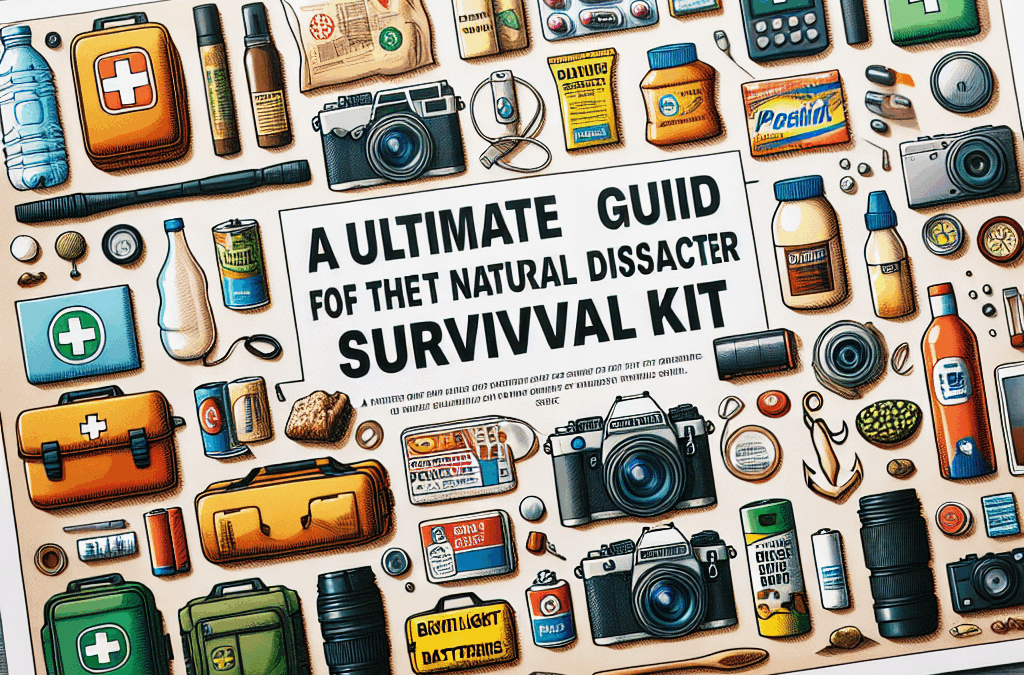
A well-rounded emergency kit should contain various essential items to address immediate needs. Key components include a first aid kit, which should be stocked with bandages, antiseptic wipes, and medications for common ailments. Additionally, a reliable flashlight with extra batteries is crucial for navigating in the dark after a power outage. Water purification systems, such as filters or purification tablets, ensure access to safe drinking water, while non-perishable food items, including energy bars and canned goods, provide necessary nutrition.
When assembling your emergency kit, consider the quantity of each item based on your family size and the anticipated duration of an emergency. For example, if you have a family of four, stock enough food and water for at least three days. This foresight can alleviate stress during a crisis, allowing you to focus on safety rather than scrambling for resources.
It’s essential to remember that not all emergency scenarios are the same. Depending on your location, you may need to include specific items like a fire extinguisher, a whistle for signaling, or blankets for warmth. Assess your environment and lifestyle to create a comprehensive kit tailored to your needs.
Understanding Your Unique Needs
Your emergency gear should reflect your specific circumstances. Factors such as geographic location, family composition, and any special medical needs must be considered when curating your supplies. For instance, if you live in an area prone to flooding, waterproof storage for your gear is critical. Conversely, if you have pets, don’t forget to include food and supplies for them as well.
Many people overlook the importance of personal medications and medical devices in their emergency kits. Regularly check the expiration dates of medications and ensure you have enough supplies for at least a week. This includes any specialized equipment, such as inhalers or insulin supplies, which can be life-saving in an emergency.
Additionally, consider the emotional needs of your family during crises. Items like comfort blankets, toys for children, or even games can help alleviate stress and provide a sense of normalcy. Addressing these personal and emotional needs can significantly enhance your family’s preparedness and resilience.
Maintaining Your Emergency Gear
Regular maintenance of your emergency gear is crucial to ensure it remains functional when needed. This involves checking expiration dates on food and medications, testing batteries in flashlights and radios, and ensuring that all equipment is in working order. Schedule a review of your emergency kit at least twice a year to keep everything up to date.
Another often neglected aspect is proper storage. Your emergency supplies should be stored in a cool, dry place to prevent damage. Using clear containers can help you quickly identify contents during a crisis, ensuring you can find what you need without delay.
Don’t forget to involve your family in this process. Teaching them where the emergency gear is stored and how to use it can save critical time during an emergency. Conducting regular drills can also help everyone remember the procedures, enhancing your family’s overall preparedness.
Training and Preparedness
Having the right gear is only part of effective emergency preparedness. Equally important is knowing how to use your emergency supplies. Familiarize yourself with the components of your first aid kit, practice using a fire extinguisher, and understand how to set up a temporary shelter if needed.
Consider enrolling in local training courses for CPR, first aid, or disaster response. These skills can be invaluable in emergency situations, allowing you to provide assistance not only to yourself but also to others in need. Additionally, training can boost your confidence, making you feel more equipped to handle unexpected challenges.
Regularly reviewing your emergency plan with your family is also vital. Discuss what to do in various scenarios and ensure everyone knows their roles. This proactive approach fosters a sense of security and readiness, which is crucial during high-stress situations.
Further Reading
It’s important to stay informed about emergency preparedness. Resources such as local government websites, the Red Cross, and FEMA provide valuable information on creating and maintaining your emergency kit.
Authoritative Sources
American Red Cross: Emergency Preparedness redcross.org
This source offers comprehensive guidelines on preparing for emergencies and assembling essential supplies
FEMA: Prepare for Emergencies ready.gov
This site provides resources for developing a personal emergency plan and kit tailored to individual needs
Frequently Asked Questions
What should I include in my emergency kit?
Essential items include a first aid kit, flashlight, water purification system, multi-tool, and non-perishable food.
How often should I check my emergency supplies?
It’s advisable to check your emergency kit at least twice a year to ensure all items are in working condition and not expired.
What are common mistakes when preparing an emergency kit?
Common mistakes include neglecting to update supplies, overlooking personal medications, and underestimating the importance of training.
How can I involve my family in emergency preparedness?
Involve your family by discussing the emergency plan, conducting drills, and teaching them how to use the emergency gear.
What if I have special medical needs?
Include all necessary medications and medical devices in your emergency kit and regularly check their expiration dates.
Conclusion
All in all, having must-have emergency gear is essential for ensuring safety during unexpected situations. Focus on assembling a kit that addresses your unique needs, maintain your supplies regularly, and prioritize training to enhance your preparedness. By taking these steps, you can build a robust emergency plan that not only equips you with the necessary tools but also instills confidence in your ability to handle crises effectively.
Understanding the specific risks in your area, such as natural disasters or public health emergencies, is crucial. Tailoring your emergency plan to address these risks can help prioritize necessary actions. For example, if you live in a flood-prone area, focus on evacuation routes and supplies that can withstand water damage. Additionally, assembling a well-stocked emergency kit is vital; common mistakes here include underestimating the amount of water and food needed for each family member.
Many people overlook the importance of regular updates to their emergency plans and kits. As circumstances change—such as the addition of family members or changes in local hazards—your preparations should evolve accordingly. Regularly practicing emergency drills can also enhance readiness, ensuring everyone knows their roles and responsibilities during a crisis.
Understanding Risks and Threats
Identifying potential risks is the first step in simple emergency prep. This involves assessing both natural and man-made threats that could affect your area. For instance, living in a region prone to hurricanes, wildfires, or earthquakes necessitates a tailored approach to preparedness. Understanding these risks allows for targeted planning and resource allocation.
Prioritizing which threats to prepare for can be challenging. Focus on the most likely scenarios based on historical data and local advisories. For example, if your community has frequent power outages, consider investing in a generator and non-perishable food items. Always remember that preparation is not just about supplies but also about knowledge and awareness of your surroundings.
Failing to recognize evolving risks can lead to inadequate preparation. Regularly review local news and updates from emergency management agencies to stay informed. This vigilance will help in adjusting your emergency plan to meet current threats.
Building Your Emergency Kit
An essential part of simple emergency prep is assembling a well-stocked emergency kit. This kit should contain food, water, first aid supplies, and other necessities to sustain your family for at least 72 hours. Water is critical; plan for at least one gallon per person per day, and don’t forget to include food that is non-perishable and easy to prepare.
Common pitfalls include underestimating the amount of food and water needed or neglecting to include essential medications. It’s also vital to regularly check expiration dates on items in your kit and replace them as needed. Consider adding items like a flashlight, batteries, a multi-tool, and a whistle for signaling.
Additionally, tailor your kit to meet the specific needs of your family members. For example, if you have infants, include baby formula and diapers. For pets, ensure you have food and supplies for their care. Regularly reviewing and updating your kit can prevent last-minute panic during an actual emergency.
Creating a Family Communication Plan
Establishing a family communication plan is another crucial aspect of simple emergency prep. This plan should outline how family members will communicate during an emergency, especially if separated. Designate a meeting place and ensure everyone knows how to reach each other using various methods, including phone calls, texts, or social media.
Many families overlook the importance of having a backup communication method. In the event of power outages or network failures, having an alternative means of communication, such as walkie-talkies or a designated neighbor, can be invaluable. It’s essential to practice this plan regularly to ensure everyone understands their role.
Additionally, consider including emergency contacts outside your immediate family. In case local networks are overwhelmed, having a contact person outside the affected area can help relay information and ensure everyone’s safety.
Practicing Emergency Drills
Practicing emergency drills is an often neglected but vital component of simple emergency prep. Regular drills help familiarize family members with the emergency plan and ensure everyone knows what to do in a crisis. Conducting these drills can identify weaknesses in your plan and areas needing improvement.
Common mistakes include not involving all family members in drills or failing to simulate real-life scenarios. It’s crucial to practice various scenarios, such as fire evacuations, severe weather responses, or medical emergencies. Adjust the drills based on the ages and capabilities of family members to ensure everyone can participate effectively.
Remember that the goal of these drills is to build confidence and reduce anxiety during an actual emergency. The more familiar family members are with the plan, the more likely they will respond calmly and effectively when it matters most.
Further Reading
Authoritative Sources
Ready.gov ready.gov
This site provides comprehensive resources for emergency preparedness and planning for various disasters
American Red Cross redcross.org
Offers guidance on building emergency kits and creating family communication plans
FEMA's Emergency Planning fema.gov
Provides tools and resources for effective emergency planning and preparedness
Frequently Asked Questions
What should be included in an emergency kit?
Your emergency kit should include water, non-perishable food, a flashlight, batteries, a first aid kit, and any necessary medications.
How often should I update my emergency plan?
Review and update your emergency plan at least once a year or whenever there are significant changes in your family or local circumstances.
What are common mistakes in emergency preparation?
Common mistakes include not having enough supplies, failing to practice emergency drills, and not keeping contact information updated.
How can I involve children in emergency prep?
Involve children by educating them about potential risks, practicing drills, and allowing them to help assemble the emergency kit.
What is the best way to stay informed during an emergency?
Use multiple sources for information, including local news, social media, and official emergency management channels to stay informed.
Conclusion
All in all, simple emergency prep is essential for ensuring safety during unforeseen events. By understanding potential risks, building a comprehensive emergency kit, creating a family communication plan, and practicing emergency drills, you can significantly enhance your readiness. Prioritize regular updates to your plan and kit to stay prepared for changing circumstances. Taking these proactive steps will empower you and your family to respond effectively in a crisis.
Understanding the unique risks your home may face is vital. Factors like geographical location, climate, and even your home’s structure can influence what you need to prepare for. For example, homes in flood-prone areas need different preparations compared to those in regions susceptible to wildfires or earthquakes. Identifying these risks allows you to tailor your preparations effectively.
One common mistake many homeowners make is underestimating the importance of a comprehensive emergency plan. This plan should include not only evacuation routes and communication strategies but also designated meeting points for family members. Additionally, regularly reviewing and practicing this plan can ensure everyone knows their role in a crisis.
Assessing Risks and Creating an Emergency Plan
Assessing the risks your home faces is the first step in prepping effectively. Understanding threats such as floods, fires, or earthquakes allows you to develop a tailored emergency plan. This plan should detail evacuation routes, communication methods, and designated meeting points for family members.
Each household has unique needs, so consider factors such as the age of family members, pets, and specific medical requirements. Engaging in regular discussions about the plan with all family members is crucial, as it ensures everyone knows their role in an emergency. Updates and practice drills are equally important to maintain readiness.
Often, families overlook the need to include all members in the planning process. Ensuring that children understand what to do in an emergency can empower them and reduce panic during a crisis. Moreover, consider appointing a neighbor or nearby relative as a contact person in case family members are separated.
Building a Disaster Supply Kit
A well-stocked disaster supply kit is essential for effective home prepping. This kit should contain enough supplies to sustain your household for at least 72 hours during an emergency. Key items include water, non-perishable food, first-aid supplies, flashlights, batteries, and necessary medications.
It’s crucial to regularly check and update your supply kit to ensure all items are in good condition and not expired. Additionally, personalize your kit based on your household’s specific needs, such as including baby supplies or pet food. Organizing your kit in a clearly labeled, easily accessible container can save valuable time in an emergency.
Many people underestimate the importance of including important documents in their kits. Keep copies of insurance policies, identification documents, and any essential medical information in a waterproof bag within your kit. This practice can streamline recovery efforts after an incident.
Securing Your Home and Property
Securing your home is a critical component of prepping. This includes reinforcing doors and windows, ensuring smoke detectors and carbon monoxide detectors are functional, and having fire extinguishers readily available. Assessing your property for potential hazards, such as overhanging branches or loose debris, can also minimize risks during severe weather.
Consider investing in home security systems and outdoor lighting to deter potential intruders and enhance safety during emergencies. Additionally, creating defensible space around your home can protect against wildfires, while flood barriers can help mitigate water damage.
A frequent oversight is neglecting to maintain your home’s infrastructure. Regular inspections of your roof, plumbing, and electrical systems can prevent emergencies from escalating. Keeping your yard clear of debris and maintaining landscaping can further enhance your home’s safety profile.
Staying Informed and Educated
Staying informed about local risks and emergency protocols is vital for effective home prepping. This includes signing up for local alerts and notifications about weather conditions, evacuation orders, or emergency services. Understanding your community’s emergency response plan can help you react promptly and effectively.
Education plays a significant role in preparedness. Consider enrolling in first aid or CPR courses, which can empower you to assist others in emergencies. Additionally, familiarize yourself with resources available in your area, such as community shelters or support services.
One common mistake is assuming that information will be readily available during a crisis. In reality, communication networks may fail, making it crucial to have alternative sources of information, such as battery-operated radios or local community groups for updates.
Further Reading
Authoritative Sources
Ready.gov ready.gov
This site offers comprehensive resources for emergency preparedness and planning
American Red Cross redcross.org
A valuable resource for disaster preparedness information and training courses
FEMA fema.gov
FEMA provides guidelines and information on disaster readiness and recovery
Frequently Asked Questions
What should I include in my emergency plan?
Your emergency plan should include evacuation routes, communication methods, and designated meeting points for family members.
How often should I update my disaster supply kit?
Review and update your disaster supply kit at least twice a year to ensure all items are current and functional.
What are some common mistakes in home prepping?
Common mistakes include underestimating the need for a comprehensive emergency plan and neglecting regular maintenance of your home’s safety features.
How can I make my home more secure?
Reinforce doors and windows, install smoke detectors and fire extinguishers, and maintain your landscaping to reduce hazards.
Why is staying informed important for prepping?
Staying informed helps you react promptly to local risks and ensures you are aware of emergency protocols and available resources.
Conclusion
Ultimately, prepping your home is essential for enhancing your safety and readiness in emergencies. By assessing risks, creating an emergency plan, building a disaster supply kit, securing your home, and staying informed, you can significantly improve your household’s resilience. Prioritize these steps and regularly review your preparations to ensure you are always ready for unexpected events.