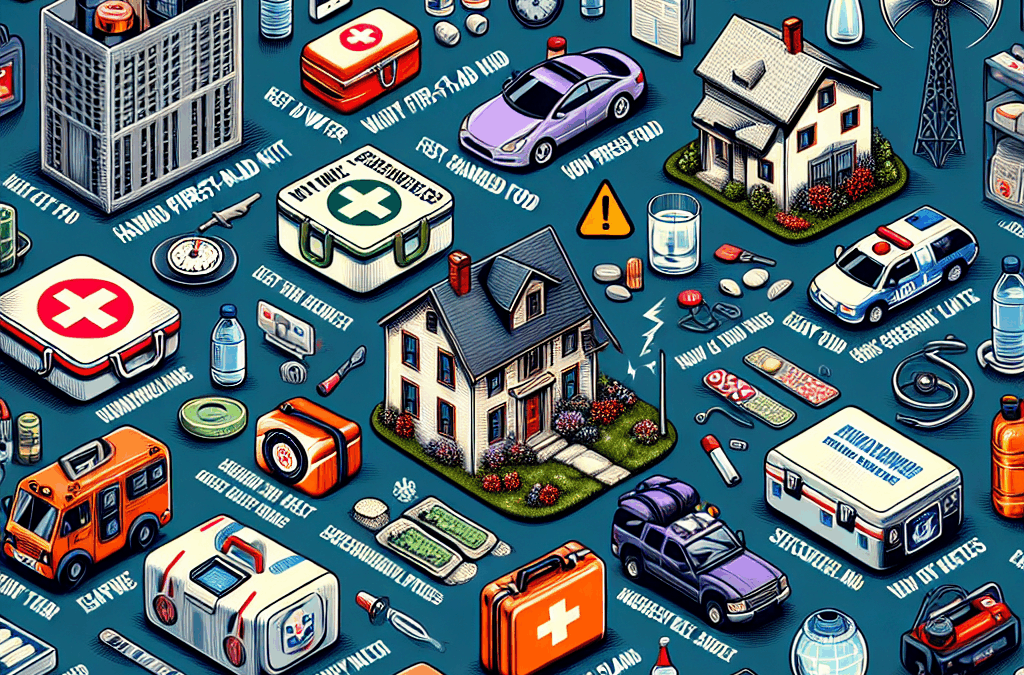
One of the first steps in prepping is to create a comprehensive emergency kit. This kit should include non-perishable food, water, first aid supplies, flashlights, batteries, and any necessary medications. Families often underestimate the importance of having a well-stocked kit, leading to panic and confusion during emergencies. Prioritize gathering these essentials based on your family’s unique needs, such as children, pets, or elderly members.
Additionally, establishing a family communication plan is crucial. Ensure every family member knows how to reach each other in case of separation. Designate a meeting point and discuss how to communicate if mobile networks are down. Many families overlook this aspect, assuming they will simply find each other, which can lead to unnecessary distress.
Building an Emergency Kit
An emergency kit is a vital component of family preparedness. It should contain enough supplies to last at least 72 hours. Common items include bottled water, ready-to-eat meals, a flashlight, a first aid kit, and necessary medications. Families often make the mistake of underestimating food and water needs, so plan for at least one gallon of water per person per day.
When assembling your kit, consider the specific needs of your family members. For instance, if you have young children, include items like formula, diapers, and toys. Regularly check and update your kit to replace expired items and adapt to changing family needs.
Many families overlook the importance of including important documents in their emergency kit. Store copies of identification, medical records, and insurance information in a waterproof container. This preparation can save time and stress during a crisis when you need access to these documents quickly.
Creating a Family Communication Plan
A family communication plan ensures everyone knows how to connect during an emergency. Start by designating a safe meeting place where everyone can gather if separated. Ensure that all family members, including children, understand the plan.
Consider utilizing multiple communication methods, such as text messages, social media, or emergency apps, especially if phone lines are congested. Many families fail to practice these communication methods, leading to confusion when it matters most. Regularly review and practice the plan to keep it fresh in everyone’s mind.
Involving children in the planning process can empower them and make them feel more secure. Teach them how to dial emergency numbers and what to do if they can’t reach you. This preparation builds confidence and helps them understand the importance of the plan.
Practicing Emergency Drills
Regularly practicing emergency drills is essential for ensuring your family’s preparedness. Conduct fire drills, earthquake drills, or any other relevant scenarios based on local risks. These drills help reinforce the communication plan and ensure everyone knows their roles.
During drills, assess the effectiveness of your emergency kit and communication plan. Are there any gaps in supplies? Do family members remember the designated meeting point? Addressing these questions can significantly improve your overall readiness.
Many families neglect to practice drills regularly, which can lead to panic during real emergencies. Schedule drills at least twice a year, and consider involving neighbors or friends to create a more realistic scenario. This practice can also strengthen community ties, which is beneficial during actual emergencies.
Understanding Local Risks
Every family should be aware of the specific risks associated with their geographical area. Whether it’s hurricanes, earthquakes, or wildfires, understanding these risks can help you tailor your emergency preparedness efforts effectively.
Research local emergency services and resources that can assist during a crisis. Many families fail to utilize community resources, which can provide valuable information and support. Engaging with local emergency management agencies can also help you stay informed about potential threats and the best practices for your area.
Being aware of local risks enables families to make informed decisions about what to include in their emergency kits. For instance, if you live in an area prone to flooding, waterproofing your supplies and having an evacuation plan are crucial steps that should not be overlooked.
Further Reading
Consider exploring additional resources to deepen your understanding of family preparedness:
Authoritative Sources
Ready.gov ready.gov
A comprehensive guide on emergency preparedness from the U.S. Department of Homeland Security
American Red Cross Emergency Preparedness redcross.org
Information on creating emergency plans and kits, tailored to various scenarios
FEMA Emergency Management fema.gov
Resources for families to prepare for emergencies in collaboration with local agencies
CDC Disaster Preparedness cdc.gov
Guidance on health and safety during different types of disasters
Frequently Asked Questions
What should be included in an emergency kit?
Your emergency kit should include water, non-perishable food, a flashlight, batteries, first aid supplies, and any necessary medications.
How often should I update my emergency kit?
Check your emergency kit every six months to replace expired items and adjust supplies based on your family’s changing needs.
What is a family communication plan?
A family communication plan outlines how family members will contact each other and where to meet during an emergency.
How can I involve my children in emergency preparedness?
Involve your children by teaching them emergency procedures, practicing drills, and discussing the importance of preparedness.
Why is it important to understand local risks?
Understanding local risks helps you tailor your emergency plan and kit to address specific threats in your area.
Conclusion
Prepping your family for emergencies is an essential task that can make a significant difference during a crisis. By building a comprehensive emergency kit, creating a family communication plan, practicing regular drills, and understanding local risks, you can enhance your family’s preparedness and resilience. Focus on prioritizing these steps, as they can help you navigate emergencies effectively and minimize stress for your family. Start today by assessing your current preparedness level and making necessary adjustments.
Understanding what to include in your emergency kit is vital. Prioritize items that address common issues you may encounter, such as tire problems, medical emergencies, or being stranded in inclement weather. Regularly reviewing and updating your supplies can prevent pitfalls caused by outdated or depleted items, ensuring you are always prepared.
Many people overlook the importance of seasonal adjustments to their emergency kits. For instance, winter driving requires different preparations compared to summer road trips. Being aware of what to prioritize based on current conditions can help you avoid common mistakes that could leave you vulnerable on the road.
Essential Emergency Tools for Your Car
Equipping your car with essential emergency tools can make a significant difference in critical situations. Items such as a spare tire, jack, and jumper cables are fundamental for addressing common car troubles. A multi-tool can also be invaluable, serving various functions and saving space.
Prioritize high-quality tools that are durable and reliable. Consider investing in a portable air compressor, which can help you maintain tire pressure on the go. A first aid kit is another critical component; ensure it includes bandages, antiseptic wipes, and other basic medical supplies to address minor injuries.
Many drivers fail to check the condition of their emergency tools regularly. A flat tire is of no help if the spare is also flat or if the jack is broken. Make a habit of inspecting your emergency tools at least once every few months, replacing items as necessary.
Supplies to Include in Your Emergency Kit
Your emergency kit should contain supplies that cater to various scenarios. Water and non-perishable food, such as energy bars or canned goods, are essential for long waits during breakdowns or emergencies. A flashlight with extra batteries is crucial for nighttime situations.
Consider adding a blanket or sleeping bag, which can provide warmth if you are stranded in cold conditions. Additionally, a whistle can serve as a signaling device in case you need to alert others to your location.
One common oversight is neglecting to replenish consumables like food and water. Regularly check expiration dates and replace items as you use them. This ensures that your emergency kit is always ready for action.
Seasonal Adjustments for Emergency Preparedness
Your emergency preparations should adapt to seasonal changes. In winter, include items such as ice scrapers, blankets, and sand or kitty litter for traction. In summer, ensure your kit has sun protection items and extra water to combat heat exhaustion.
By understanding the unique challenges each season presents, you can tailor your emergency supplies accordingly. For instance, in areas prone to hurricanes, consider adding a portable phone charger and waterproof storage for crucial documents.
Failing to adjust your kit seasonally can leave you unprepared for specific risks. Regularly update your supplies based on the climate and driving conditions you expect to encounter.
Common Mistakes to Avoid
One of the most significant mistakes drivers make is underestimating the importance of preparation. Many assume that emergencies will not happen to them, which can lead to inadequate supplies and planning.
Another common error is failing to share emergency plans with family or travel companions. Ensure that everyone knows the location of emergency supplies and understands how to use them in case of an emergency.
Many people also overlook the necessity of practicing their emergency response skills. Familiarize yourself with how to change a tire or use a first aid kit, as this knowledge can be invaluable in stressful situations.
Further Reading
Authoritative Sources
Roadside Emergency Kits nhtsa.gov
This resource outlines essential items for roadside emergency kits, helping you prepare effectively
Emergency Preparedness redcross.org
The Red Cross provides guidelines on emergency preparedness, including vehicle-specific recommendations
Frequently Asked Questions
What should I include in my car emergency kit?
Your car emergency kit should include a spare tire, jack, jumper cables, flashlight, first aid kit, water, non-perishable food, and blankets.
How often should I check my emergency supplies?
It’s advisable to check your emergency supplies every three months to ensure everything is in good condition and not expired.
Are there seasonal items I should include in my kit?
Yes, in winter, consider adding ice scrapers and blankets, while in summer, ensure you have extra water and sun protection items.
What is the most common mistake people make with emergency kits?
The most common mistake is underestimating the importance of preparation and not regularly updating their supplies.
How can I practice using my emergency supplies?
Familiarize yourself with each item in your kit and practice changing a tire or using a first aid kit to ensure you can respond effectively in an emergency.
Understanding the specific types of disasters that could affect your area is crucial. Whether it’s hurricanes, earthquakes, floods, or wildfires, each scenario requires tailored planning. For instance, homes in coastal areas should prioritize hurricane preparedness, while those in earthquake-prone regions must focus on structural safety and quick evacuation plans. Common mistakes include underestimating the need for practice drills and failing to update emergency kits regularly.
Additionally, many people overlook the importance of communication during a disaster. Establishing a clear communication plan ensures that all family members can connect during emergencies. This also includes knowing the locations of emergency shelters and having a list of important contacts. Regularly reviewing and practicing your disaster plan can significantly enhance your family’s readiness.
Creating an Emergency Plan
An effective emergency plan outlines how your family will respond to various disasters. It should include evacuation routes, meeting points, and communication strategies. Assign roles to each family member to ensure everyone knows their responsibilities during a crisis.
Prioritize the risks specific to your location and adapt your plan accordingly. For instance, a family in a tornado-prone area should identify safe rooms, while those near flood zones must plan for higher ground evacuation. Regular reviews of the plan keep it relevant and effective.
Common pitfalls include failing to involve all family members in the planning process, which can lead to confusion during an emergency. Ensure everyone understands the plan and practices it regularly to build confidence and familiarity.
Assembling a Disaster Supply Kit
Your disaster supply kit should contain essential items to sustain your family for at least 72 hours. Include non-perishable food, water, first aid supplies, flashlights, batteries, and important documents. Tailor the kit to your family’s specific needs, such as medications or baby supplies.
Consider the costs of assembling a comprehensive kit. While it may require an initial investment, the benefits of being prepared far outweigh the expense. Regularly check the kit for expired items and update it as your family’s needs change.
A common mistake is underestimating the importance of water. Experts recommend at least one gallon of water per person per day for three days. Ensure your kit includes a water purification method, as this can be critical during prolonged emergencies.
Practicing Preparedness Drills
Practicing drills is essential for ensuring everyone knows how to react during an emergency. Schedule regular drills that simulate different disaster scenarios to help family members feel prepared and confident.
Focus on realistic scenarios that reflect your location’s risks. For example, practice earthquake drills by identifying safe spots and practicing “Drop, Cover, and Hold On.” Regular practice helps reinforce your emergency plan and ensures that each family member knows their role.
Many families neglect to include pets in their preparedness drills. Ensure you have a plan for their safety and include them in practice scenarios. This helps everyone understand that the family unit, including pets, is a priority during a disaster.
Understanding Risk and Safety
Understanding the risks associated with your location is key to effective disaster readiness. Research the types of disasters that are most likely to occur in your area and the recommended safety measures for each.
Be aware of local emergency services and resources available to you, such as community shelters or disaster response teams. Knowing where to go and what to expect can greatly reduce anxiety during an emergency.
Common misconceptions include believing that disasters won’t happen to you or that you can rely solely on emergency services. Personal preparedness is essential; do not wait for external help. Take proactive measures to ensure your family’s safety.
Further Reading
Authoritative Sources
Ready.gov ready.gov
This government resource provides comprehensive information on disaster preparedness, including planning, resources, and safety tips
American Red Cross redcross.org
Offers detailed guides on assembling emergency kits and creating disaster plans
FEMA fema.gov
The Federal Emergency Management Agency provides extensive resources for disaster preparedness and recovery
Frequently Asked Questions
What should be included in a disaster supply kit?
A disaster supply kit should include non-perishable food, water, first aid supplies, flashlights, batteries, and important documents.
How often should I update my emergency plan?
Update your emergency plan at least once a year or whenever significant changes occur in your family or living situation.
What are common mistakes in disaster preparedness?
Common mistakes include underestimating risks, failing to involve all family members in planning, and neglecting to practice drills.
How can I prepare my pets for a disaster?
Include pet supplies in your disaster kit and practice evacuation drills that include pets to ensure their safety.
Where can I find local emergency resources?
Check your local government website or community centers for information on emergency shelters and resources available in your area.
Conclusion
Disaster readiness at home is critical for ensuring the safety and well-being of your family during emergencies. By creating a comprehensive emergency plan, assembling a well-stocked disaster supply kit, and practicing preparedness drills, you can significantly enhance your household’s resilience. Remember to regularly review and update your plans and supplies, as preparedness is an ongoing process. Prioritize communication and education within your family to ensure everyone knows how to respond effectively during a crisis. Taking these steps will empower you to face potential challenges with confidence.