Understanding the urgency of these steps is vital; they can determine whether injuries worsen or if lives can be saved. Common mistakes include panicking, which can lead to poor decision-making, or failing to prioritize actions based on the immediate needs of those affected. It’s essential to remain calm, evaluate the situation, and act swiftly to ensure safety.
One frequent oversight is the assumption that help will arrive quickly. emergency services may be delayed, making it crucial for individuals to take proactive measures immediately. Knowing what to do in the first moments of an emergency can make all the difference.
Assessing the Situation
Assessing the situation is the first step in emergency response. This involves quickly identifying what has occurred, the extent of the damage, and any immediate threats. Understanding the nature of the emergency can guide subsequent actions. Factors such as the number of people involved, visible injuries, and environmental hazards must be evaluated.
In emergencies, time is of the essence. A thorough assessment may take only a few moments, but it can prevent further complications. For instance, in a fire, knowing the safest exit routes is crucial. Ignoring the assessment phase can lead to hasty decisions that increase risk, such as entering a dangerous area without proper precautions.
A common pitfall during this phase is overlooking surrounding hazards, such as downed power lines or unstable structures. Always prioritize safety by maintaining a safe distance from potential dangers while gathering information.
Ensuring Personal Safety
Once the situation is assessed, ensuring personal safety is paramount. This involves moving to a secure location away from immediate threats, such as fire, smoke, or violence. If you are in a public space, follow established safety protocols, such as evacuation routes or lockdown procedures.
Assessing personal safety also includes checking on the well-being of those around you. If you are with others, ensure they are safe and capable of moving to a secure area. In some cases, providing first aid might be necessary, but only if it can be done safely without putting yourself at risk.
Many people underestimate the importance of self-preservation during an emergency. Remember, if you cannot ensure your safety, you cannot help others. Always prioritize your safety and the safety of those you can effectively assist.
Contacting Emergency Services
Contacting emergency services is a crucial step that should be done as soon as it is safe to do so. This involves dialing the appropriate emergency number and providing clear, concise information about the situation. Communicate your location, the nature of the emergency, and the number of individuals involved.
Being prepared with essential information can expedite the response. For instance, knowing your exact location can help emergency responders arrive quickly. Additionally, staying on the line until help arrives can be beneficial, as they may provide critical instructions or reassurance.
A significant mistake is failing to call for help because of uncertainty about the situation. If you are unsure, it is always better to err on the side of caution and alert the authorities. They are trained to assess and respond to emergencies effectively.
Common Mistakes to Avoid
In the chaos of an emergency, individuals often make critical mistakes that can worsen the situation. One common error is failing to remain calm, which can hinder effective decision-making. Panic can lead to rushed actions that may compromise safety.
Another mistake is not following emergency protocols or ignoring advice from authorities. For example, if instructed to evacuate, it is crucial to do so promptly rather than waiting to gather belongings or assess the situation further. Such delays can be dangerous.
Additionally, many people underestimate the importance of training in basic first aid or emergency response. Familiarizing yourself with these skills can enhance your ability to act effectively during a crisis. Training can make a significant difference in how you respond when every second counts.
Further Reading
Authoritative Sources
Ready.gov ready.gov
Official U.S. preparedness guidance, checklists, and planning resources for households and emergencies.
FEMA fema.gov
Federal emergency management resources, disaster planning information, and recovery guidance.
American Red Cross Emergency Preparedness redcross.org
Practical emergency preparation steps, supply lists, and safety guidance for families.
National Weather Service weather.gov
Official forecasts, hazard alerts, and weather safety information.
CDC Emergency Preparedness and Response cdc.gov
Public health guidance for emergencies, disasters, and recovery situations.
Frequently Asked Questions
What are the first steps to take in an emergency?
The first steps include assessing the situation, ensuring personal safety, and contacting emergency services.
How can I prepare for an emergency?
Preparing involves creating an emergency plan, assembling a supply kit, and ensuring all family members are informed and trained.
What should I do if I can’t contact emergency services?
If you cannot contact emergency services, seek help from nearby individuals or businesses and use alternative methods such as text messaging if voice calls fail.
What are common mistakes people make during emergencies?
Common mistakes include panicking, failing to assess the situation, and not following emergency protocols.
How important is first aid training?
First aid training is crucial as it equips individuals with the skills needed to respond effectively in emergencies, potentially saving lives.
Conclusion
All in all, taking immediate action during an emergency can significantly impact the outcome. Assessing the situation, ensuring personal safety, and contacting emergency services are the primary first steps. Avoid common mistakes such as panicking or failing to follow protocols. By being prepared and knowledgeable, you can effectively manage emergencies and help ensure the safety of yourself and others.
Understanding the importance of preparedness and safety can significantly impact how effectively individuals and communities respond to disasters. Common mistakes include underestimating risks, failing to communicate plans, or neglecting to practice emergency drills. Prioritizing these elements can save lives and minimize damage when emergencies arise.
Furthermore, many people overlook the value of community involvement in preparedness efforts. Collaborative planning and resource sharing can strengthen local resilience and create a support network during crises. Developing a culture of preparedness within communities fosters a proactive mindset, allowing for more effective responses to emergencies.
Creating an Emergency Plan
Establishing a well-thought-out emergency plan is crucial for preparedness and safety. This plan should outline evacuation routes, communication protocols, and designated meeting points for family members. It’s essential to customize the plan based on specific risks, such as natural disasters or local hazards.
A common pitfall is failing to regularly update the emergency plan to reflect changes in circumstances, such as new family members or relocation. Regular reviews ensure that everyone understands their roles and responsibilities in an emergency, reducing confusion during crises.
Additionally, practicing the emergency plan through drills can help identify areas for improvement. Engaging all family members in these practices fosters familiarity and confidence in executing the plan. Consider scheduling drills at varying times to simulate real-life scenarios.
Building a Supply Kit
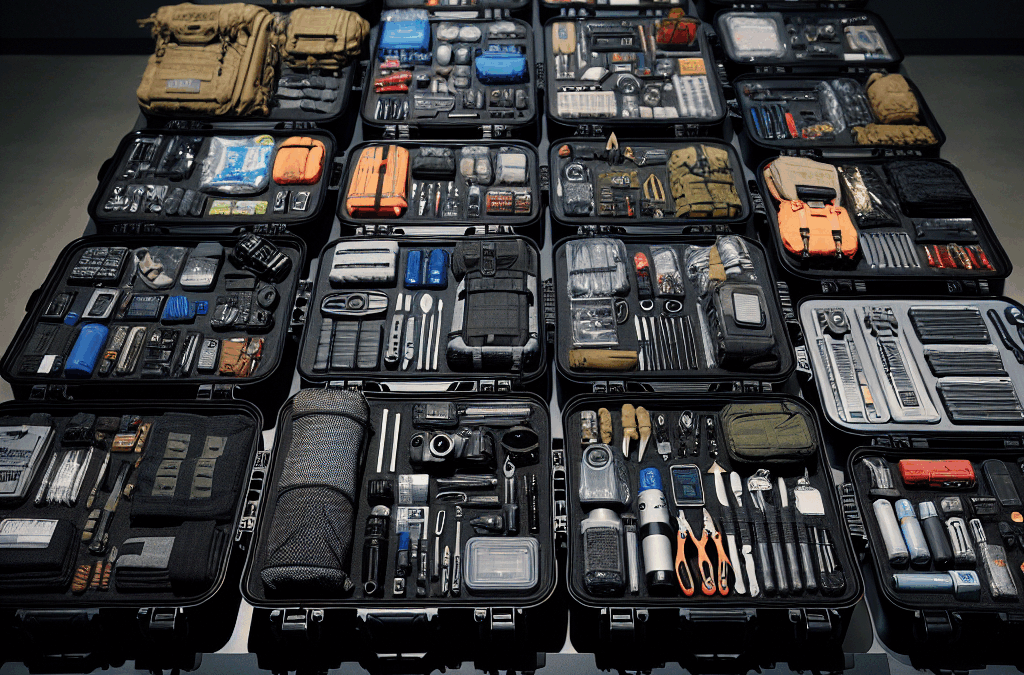
A well-stocked supply kit is a fundamental component of preparedness and safety. Essential items include water, non-perishable food, first aid supplies, flashlights, batteries, and important documents. Depending on the potential hazards in your area, you may need to include additional items like medications or specific tools.
One common mistake is underestimating the quantity of supplies needed. It’s advisable to have enough provisions to last at least 72 hours, especially in case of prolonged emergencies. Regularly checking and replenishing supplies ensures they are usable and not expired when needed.
Moreover, tailoring the supply kit to individual needs is vital. Families with children, elderly members, or pets should consider their specific requirements, such as baby formula or pet food. Customizing your kit ensures that all members of the household are adequately prepared.
Community Involvement in Preparedness
Community involvement plays a significant role in enhancing preparedness and safety. Collaborating with neighbors, local organizations, and emergency services can create a robust support network. Community meetings can facilitate discussions on shared concerns and strategies for collective preparedness.
Many individuals mistakenly believe that preparedness is solely a personal responsibility. However, community resilience is built through shared resources and knowledge. Initiatives like neighborhood watch programs or emergency response teams can significantly improve local readiness.
Fostering relationships with local emergency services can also provide valuable insights into specific risks and preparedness strategies tailored to your area. Establishing these connections ensures that communities are not only prepared individually but collectively as well.
Training and Drills
Regular training and drills are essential for maintaining preparedness and safety. These activities help individuals and communities practice their emergency plans and familiarize themselves with safety protocols. Training programs can include first aid certification, fire safety, and basic survival skills.
A common issue is the tendency to overlook the importance of continuous training. Skills can degrade over time without practice, leading to unpreparedness during actual emergencies. Scheduling regular training sessions can keep skills sharp and instill confidence in individuals.
Additionally, integrating drills into community events can promote participation and awareness. Making preparedness engaging and community-oriented encourages more people to get involved and take action. This proactive approach cultivates a culture of safety and readiness.
Further Reading
Authoritative Sources
Ready.gov ready.gov
This site provides comprehensive resources for emergency preparedness and safety planning
American Red Cross redcross.org
Offers detailed guidance on building emergency kits and creating family preparedness plans
FEMA fema.gov
Provides information on disaster preparedness, recovery, and community resilience initiatives
National Fire Protection Association nfpa.org
Resource for fire safety education and preparedness strategies
Frequently Asked Questions
What should I include in my emergency supply kit?
Your emergency supply kit should include water, non-perishable food, a first aid kit, flashlights, batteries, and important documents.
How often should I update my emergency plan?
It’s recommended to review and update your emergency plan at least once a year or whenever significant changes occur in your household.
What are common mistakes in preparedness planning?
Common mistakes include underestimating risks, not involving the community, and failing to practice emergency drills regularly.
How can I get my community involved in preparedness?
Engage your community by organizing meetings, sharing resources, and collaborating with local emergency services for training and drills.
Why is training important for emergency preparedness?
Training ensures that individuals know how to respond effectively during emergencies, improving overall community resilience and confidence.
Conclusion
In closing, prioritizing preparedness and safety is essential for individuals and communities alike. Establishing a solid emergency plan, building a comprehensive supply kit, and fostering community involvement are critical steps in enhancing resilience. Regular training and drills further ensure that everyone knows how to respond effectively during emergencies. By taking these proactive measures, you can significantly improve your readiness and safety in the face of potential hazards.
Understanding the specific risks associated with different types of major events—such as natural disasters, public health emergencies, or large-scale incidents—is crucial. Organizations and individuals must prioritize the allocation of resources and develop tailored strategies that reflect the unique circumstances of their environment. Common pitfalls include underestimating the need for training and failing to regularly update plans, which can lead to confusion and inefficiency during actual events.
Many people overlook the importance of community involvement in readiness efforts. Engaging local stakeholders can enhance resource-sharing and improve overall response capabilities. Additionally, regular assessments of readiness plans can reveal gaps in resources or training needs, allowing teams to adapt and strengthen their strategies over time.
Understanding Major Events and Their Impacts
Major events can range from natural disasters, such as hurricanes and earthquakes, to human-made crises like terrorist attacks or pandemics. Each type of event presents unique challenges and requires specific strategies for effective readiness. Understanding the potential impacts of these events on infrastructure, health, and safety can help organizations prioritize their planning efforts.
For example, in areas prone to flooding, readiness plans should emphasize the importance of timely communication about evacuation routes and the availability of shelters. Conversely, in urban settings, readiness must include strategies for managing public safety during large gatherings or potential civil disturbances. Recognizing these distinctions allows for a more tailored and effective response.
It’s essential to consider the likelihood of different types of events based on geographical and societal factors. This can inform resource allocation and training priorities. Many organizations fail to account for the evolving nature of risks, which can shift over time due to climate change, urban development, or changes in community demographics. Regularly revisiting and updating risk assessments is a key part of maintaining readiness.
Developing a Comprehensive Readiness Plan
A comprehensive readiness plan should encompass all aspects of emergency preparedness, including risk assessment, resource identification, and response protocols. Organizations need to conduct thorough assessments of potential risks and vulnerabilities to develop effective strategies tailored to their specific context.
Key elements of a readiness plan include establishing communication protocols, identifying critical resources, and outlining roles and responsibilities during a crisis. Failing to define these elements can lead to confusion and inefficiency when a major event occurs. Furthermore, plans should be documented and accessible to all relevant stakeholders to ensure clarity and coordination.
Prioritizing regular training and updates to the readiness plan is essential. Many organizations make the mistake of creating a static document that becomes outdated quickly. Incorporating feedback from drills or real incidents can help refine the plan and ensure it remains relevant. Moreover, engaging with local emergency services can provide valuable insights into best practices and resource availability.
Training and Drills: Key Components of Readiness
Training and drills are critical components of effective readiness for major events. Regular practice allows individuals and organizations to familiarize themselves with response protocols and identify areas for improvement. Drills should simulate real-life scenarios to ensure preparedness and build confidence among participants.
Common mistakes include conducting drills infrequently or failing to include all relevant personnel. Involving community members and local agencies in drills can enhance coordination and communication during actual events. Additionally, after-action reviews are crucial for evaluating the effectiveness of drills and identifying lessons learned.
Organizations should prioritize a culture of continuous improvement, where feedback from drills informs updates to training programs and readiness plans. This proactive approach can help prevent complacency and ensure that readiness remains a top priority over time.
Community Engagement in Readiness Efforts
Community engagement plays a vital role in enhancing readiness for major events. Involving local stakeholders, such as businesses, schools, and non-profits, can create a network of support that strengthens overall preparedness. Collaborative efforts can lead to resource-sharing and more effective communication during crises.
Many organizations overlook the importance of fostering relationships with community partners. Building trust and establishing clear lines of communication can significantly improve response efforts. For instance, local businesses can serve as emergency supply points, while schools can act as shelters during evacuations.
Encouraging community participation in readiness initiatives can also raise awareness about potential risks and the importance of individual preparedness. Educational campaigns and workshops can empower community members to take proactive steps in their own emergency planning, leading to a more resilient population overall.
Further Reading
Authoritative Sources
Ready.gov ready.gov
This resource provides comprehensive information on emergency preparedness and planning for individuals and communities
FEMA fema.gov
FEMA offers guidance on disaster preparedness and response strategies for various types of emergencies
American Red Cross redcross.org
The Red Cross provides resources and training on emergency preparedness and response, including first aid and disaster relief
CDC Emergency Preparedness cdc.gov
The CDC offers guidance on public health emergencies and how to prepare for health-related crises
Frequently Asked Questions
What are the key components of a readiness plan?
A readiness plan should include risk assessments, resource identification, communication protocols, and defined roles and responsibilities for response during emergencies.
How often should readiness drills be conducted?
Readiness drills should be conducted regularly, ideally at least twice a year, to ensure familiarity with protocols and to identify areas for improvement.
Why is community engagement important for readiness?
Community engagement enhances coordination, resource-sharing, and communication during emergencies, leading to a more effective overall response.
What common mistakes should be avoided in readiness planning?
Common mistakes include creating static plans that become outdated, failing to involve all relevant personnel in training, and underestimating the importance of regular updates and assessments.
How can I improve my personal readiness for major events?
Improving personal readiness involves creating an emergency kit, developing a communication plan with family, and staying informed about local risks and preparedness resources.
Conclusion
Readiness for major events is a critical aspect of ensuring safety and minimizing disruption in times of crisis. By developing comprehensive plans, engaging the community, and prioritizing training and drills, individuals and organizations can improve their preparedness and response capabilities. It is essential to regularly assess and update readiness strategies to reflect changing risks and to foster a culture of continuous improvement. Moving forward, take actionable steps to enhance your own readiness and contribute to the resilience of your community.