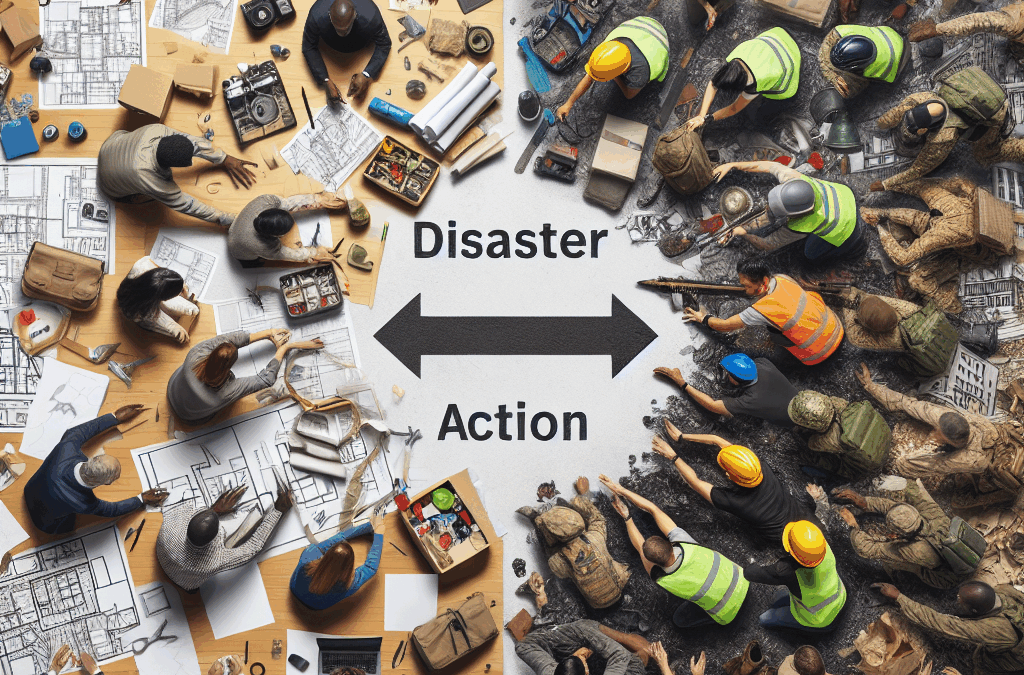
Creating an effective emergency plan involves identifying potential risks in your area, such as floods, earthquakes, or wildfires. Prioritize these risks and tailor your plan accordingly. For example, if you live in a flood-prone area, establish clear evacuation routes and make sure you have a supply kit ready that includes necessities like food, water, medications, and important documents. A common mistake is assuming that emergency services will be available immediately during a disaster; in reality, they may be overwhelmed, making self-sufficiency essential.
Additionally, consider the unique needs of your family members. For instance, if you have small children or elderly relatives, ensure that your plan includes provisions for their specific requirements. Regular drills can help everyone in the household become familiar with the plan, reducing confusion and increasing confidence when a real disaster strikes. Always remain informed about local emergency protocols and resources available to you.
Understanding Different Types of Disasters
Understanding the various types of disasters that may occur in your area is the first step toward effective preparedness. Disasters can be natural, such as hurricanes and earthquakes, or man-made, like chemical spills or terrorist attacks. Each type of disaster comes with its own risks and required responses.
For instance, hurricanes require evacuation plans and knowledge of local shelters, while earthquakes necessitate securing heavy furniture and knowing how to “drop, cover, and hold on.” A common pitfall is underestimating the impact of less frequent disasters; even if a disaster seems unlikely, having a plan ensures you are ready if it occurs. Prioritize understanding which disasters are most likely to affect your area and tailor your preparations to those scenarios.
Creating Your Emergency Supply Kit
An emergency supply kit is essential for staying safe during a disaster. This kit should include at least three days’ worth of non-perishable food, water, first aid supplies, medications, flashlights, batteries, and important documents. Ensure that your kit is easily accessible and regularly check its contents to replace expired items.
When assembling your kit, consider the specific needs of your family, including dietary restrictions and medical needs. It’s also wise to include a multi-tool and a whistle for signaling in case of an emergency. A common mistake is assuming that one kit fits all; customize your supplies based on your family’s unique circumstances. Regularly revisiting your kit can help ensure it meets your current needs.
Developing a Communication Plan
A communication plan is a key component of disaster preparedness. This plan should detail how family members will contact each other during a disaster and where you will meet if separated. Establishing a designated family contact outside your immediate area can provide a point of communication for family members who may be displaced.
Consider using group messaging apps or social media to keep everyone informed. A common oversight is failing to discuss these plans with all family members. Ensure everyone knows the plan, how to use communication tools, and what to do if they cannot reach each other immediately. Regular discussions can reinforce the plan and keep it fresh in everyone’s mind.
Reviewing and Practicing Your Plan
Regularly reviewing and practicing your emergency plan is vital for effective disaster preparedness. Schedule drills to ensure everyone knows their roles and responsibilities during a disaster. This practice can help reduce anxiety and uncertainty during an actual event.
A common mistake is treating the emergency plan as a one-time task. Revisit your plan at least once a year or whenever significant changes occur in your family or community. This ensures that your plan remains relevant and effective. Encourage feedback from family members on the plan and make adjustments as necessary to improve readiness.
Further Reading
Authoritative Sources
Ready.gov ready.gov
Official U.S. preparedness guidance, checklists, and planning resources for households and emergencies.
FEMA fema.gov
Federal emergency management resources, disaster planning information, and recovery guidance.
American Red Cross Emergency Preparedness redcross.org
Practical emergency preparation steps, supply lists, and safety guidance for families.
National Weather Service weather.gov
Official forecasts, hazard alerts, and weather safety information.
CDC Emergency Preparedness and Response cdc.gov
Public health guidance for emergencies, disasters, and recovery situations.
Frequently Asked Questions
What should be included in an emergency supply kit?
Your emergency supply kit should include non-perishable food, water, first aid supplies, medications, flashlights, batteries, and important documents.
How often should I review my emergency plan?
Review your emergency plan at least once a year or whenever significant changes occur in your family or community.
Why is a communication plan important during a disaster?
A communication plan ensures that family members can contact each other during a disaster and know where to meet if separated.
How can I prepare my children for a disaster?
Involve them in discussions about the emergency plan and conduct drills to familiarize them with procedures and reduce anxiety.
What are common mistakes people make in disaster preparedness?
Common mistakes include underestimating the risks, not customizing emergency kits, and failing to communicate the plan to all family members.
Conclusion
Staying safe in disaster requires proactive planning and preparation. By creating a personal emergency plan, assembling a comprehensive supply kit, and ensuring clear communication among family members, you can significantly enhance your safety during emergencies. Regularly review and practice your plan to keep it effective and relevant. Prioritizing these steps will not only prepare you for potential disasters but also instill confidence in your ability to respond effectively when it matters most.
Understanding the specific risks in your area is crucial. For instance, if you live in a hurricane-prone region, your preparations will differ from those in areas susceptible to earthquakes or wildfires. Assessing your unique situation allows you to prioritize your supplies and emergency plans effectively, ensuring that you are not caught off guard when a disaster strikes.
Common mistakes include underestimating the importance of communication during emergencies. Families often assume everyone will know what to do, but having a clear plan is essential. Designate a family meeting place, establish a communication method, and ensure that all members understand the plan. This preparation can significantly reduce confusion and panic during a crisis.
Assessing Risks and Needs
To create an effective disaster prep guide, start by assessing the specific risks your household faces. This includes evaluating local hazards such as floods, earthquakes, or tornadoes, as well as personal vulnerabilities like health issues or mobility limitations. Understanding these factors helps tailor your emergency plan to address the most likely scenarios.
By identifying potential threats, you can prioritize your preparations. For example, if flooding is a concern, focus on waterproofing your home and securing important documents. Conversely, if wildfires are a risk, consider creating defensible space around your property and having a go-bag ready. These targeted actions enhance your safety and responsiveness during emergencies.
Another common pitfall is failing to involve all family members in this assessment. Everyone should have a clear understanding of the risks and the plan. Engaging children in discussions about safety can empower them and ensure they know what to do in various situations.
Gathering Essential Supplies
Once you have assessed your risks, the next step in your disaster prep guide is to gather essential supplies. This includes food, water, first aid kits, flashlights, and other necessities to sustain your family for at least 72 hours after a disaster strikes. Prioritize non-perishable foods and ensure your water supply is sufficient.
Consider creating a detailed inventory of your supplies, checking expiration dates regularly, and rotating items as needed. This practice prevents last-minute scrambles for crucial items when emergencies occur. Additionally, think about special needs for pets, infants, or elderly family members, ensuring that everyone is accounted for in your supply plan.
Many people overlook the importance of having a manual can opener or battery-powered devices. These small items can make a significant difference in your ability to access food and stay informed during a crisis. Make a checklist of supplies and regularly update it to reflect any changes in your family’s needs.
Establishing Communication Plans
A solid communication plan is a vital component of any disaster prep guide. In emergencies, traditional communication methods may fail, so having alternative strategies is essential. Designate a family member outside your area as a point of contact, allowing everyone to check in during crises.
Ensure all family members know how to reach this contact and establish a plan for what to do if separated. This could include using text messages when voice calls fail or utilizing social media platforms for updates. Familiarize everyone with local emergency services and radio frequencies for weather updates.
To wrap up, practice these communication strategies regularly. Family meetings and drills can help reinforce the plan and ensure everyone feels confident in their roles. This preparation can alleviate anxiety and improve response times during actual emergencies.
Practicing Your Emergency Plan
Creating an emergency plan is only effective if it is practiced regularly. Schedule drills to ensure that all family members are familiar with the procedures, including evacuation routes and meeting points. Practicing these scenarios can reveal weaknesses in your plan and areas for improvement.
Consider varying the drills to simulate different types of emergencies. For example, practice evacuating during a fire alarm, or run through a scenario where communication methods have failed. These exercises help everyone understand their roles and responsibilities, increasing confidence during real emergencies.
Remember, the goal is to ensure that everyone in your household can act quickly and effectively when it matters most. Regular practice fosters familiarity and preparedness, which can significantly reduce panic and confusion during actual crises.
Further Reading
For those looking to deepen their understanding of disaster preparedness, consider visiting official resources such as the Ready.gov, which offers comprehensive guides and checklists tailored to various emergencies.
Further Reading
Authoritative Sources
Ready.gov ready.gov
Official U.S. preparedness guidance, checklists, and planning resources for households and emergencies.
FEMA fema.gov
Federal emergency management resources, disaster planning information, and recovery guidance.
American Red Cross Emergency Preparedness redcross.org
Practical emergency preparation steps, supply lists, and safety guidance for families.
National Weather Service weather.gov
Official forecasts, hazard alerts, and weather safety information.
CDC Emergency Preparedness and Response cdc.gov
Public health guidance for emergencies, disasters, and recovery situations.
Frequently Asked Questions
What should I include in my disaster prep kit?
Your disaster prep kit should include food, water, first aid supplies, flashlights, batteries, personal hygiene items, important documents, and any necessary medications.
How often should I review my emergency plan?
Review your emergency plan at least once a year or after any significant life changes, such as moving, adding family members, or changing jobs.
What are the best ways to stay informed during a disaster?
Use a combination of weather radios, smartphone alerts, and local news sources to stay informed about emergencies in your area.
How can I prepare my pets for disasters?
Include pet supplies in your disaster kit, such as food, water, leashes, and carriers. Also, ensure microchips or ID tags are up to date.
What should I do if I become separated from my family during a disaster?
Have a designated meeting place and a family contact outside the area. Ensure all members know how to reach this contact and what to do if separated.
Conclusion
Preparing for disasters requires a proactive approach that involves assessing risks, gathering essential supplies, establishing communication plans, and practicing emergency procedures. By prioritizing these steps, you enhance your family’s readiness and resilience in the face of unforeseen events. Remember that preparation is an ongoing process that should adapt to changing circumstances and needs. Regularly review and update your plans to ensure everyone is informed and equipped for any situation that may arise.
Understanding what to include in your evacuation preparedness checklist is vital for minimizing risks during emergencies. Many people overlook essential items or fail to plan adequately, leading to chaos and confusion when it’s time to leave. Prioritizing critical supplies—such as food, water, and medications—can significantly enhance safety and comfort during an evacuation. Additionally, having a clear plan for where to go and how to stay connected with loved ones is crucial.
Moreover, a common mistake is assuming that evacuation will only be necessary for natural disasters, such as hurricanes or wildfires. However, emergencies can arise from various sources, including civil unrest or hazardous material spills. Thus, it’s essential to tailor your evacuation checklist to your specific circumstances and local risks. This ensures that you are adequately prepared regardless of the situation.
Essential Items for Your Evacuation Kit
When preparing your evacuation kit, focus on essential items that can sustain you and your family for at least 72 hours. This kit should include non-perishable food, bottled water, a first-aid kit, flashlights, batteries, and necessary medications. Having these supplies readily available can make a significant difference in your comfort and safety during an emergency.
It’s crucial to regularly check and update your evacuation kit. Items like food and medications can expire, so make a habit of reviewing your supplies at least twice a year. Additionally, consider the specific needs of all family members, including pets, when assembling your kit. For instance, if you have infants, include baby formula and diapers, while pet owners should ensure they have enough food and supplies for their animals.
Don’t forget important documents such as identification, insurance papers, and medical records. Keeping these documents in a waterproof container can help protect them from damage during emergencies. Furthermore, using a checklist can streamline the packing process and ensure nothing is overlooked when it’s time to evacuate.
Planning Your Evacuation Route
Planning your evacuation route ahead of time is essential for a successful and efficient departure. Familiarize yourself with local roads, potential hazards, and alternative routes. Knowing where to go can save valuable time and reduce stress when an evacuation is necessary.
Consider the distance to your chosen evacuation destination and assess whether it’s safe to travel there. For instance, if you’re evacuating to a friend’s house or a public shelter, ensure that it is accessible and that you have a plan for transportation. Map out various routes to avoid traffic congestion or road closures that may occur during emergencies.
One often-overlooked aspect is the need to communicate your evacuation plans with family members. Establish a meeting point in case you become separated during the evacuation. This ensures everyone knows where to go and can reunite safely. Regularly practice your evacuation plan with family members to ensure everyone understands their roles and responsibilities.
Communicating During an Evacuation
Effective communication is critical during an evacuation. Establish a communication plan that includes how you will contact family members and friends. Ensure everyone has a charged mobile phone and knows how to use it to reach each other.
In addition to phone calls, consider using text messaging or social media to keep in touch, as these methods can be more reliable during emergencies when cellular networks may be overloaded. Inform family members of your evacuation route, destination, and estimated arrival time.
It’s also wise to designate an out-of-area contact person who can serve as a central point of communication. This person can relay information between family members if local communication systems fail. This strategy can be particularly beneficial if family members are in different locations during the evacuation.
Common Mistakes to Avoid
Many individuals make critical errors when preparing for an evacuation, often leading to increased risk. One common mistake is underestimating the time needed to evacuate. Always allow more time than you think you’ll need, as unexpected delays can occur.
Another frequent oversight is neglecting to prepare for pets. Many shelters do not accept animals, so having a plan for your pets is crucial. Research pet-friendly accommodations in advance and include pet supplies in your evacuation kit.
Additionally, avoid relying solely on technology during an evacuation. Maps and GPS can fail, so it’s wise to have a physical map on hand. This provides an alternative way to navigate if electronic devices malfunction or lose power.
Further Reading
Authoritative Sources
Evacuating Yourself and Your Family ready.gov
This resource from FEMA provides comprehensive information on evacuation planning and safety tips
Evacuation Planning redcross.org
The American Red Cross offers guidelines on how to prepare for evacuations and what to include in your emergency kit
Frequently Asked Questions
What should I include in my evacuation kit?
Your evacuation kit should include non-perishable food, bottled water, a first-aid kit, medications, a flashlight, batteries, important documents, and personal hygiene items.
How can I plan my evacuation route?
Familiarize yourself with local roads and potential hazards. Identify alternative routes and ensure your destination is accessible.
What are some common mistakes during evacuations?
Common mistakes include underestimating evacuation time, neglecting to prepare for pets, and relying solely on technology for navigation.
How often should I update my evacuation kit?
Review and update your evacuation kit at least twice a year to ensure all items are current and in good condition.
How can I communicate with family during an evacuation?
Establish a communication plan that includes phone contacts, text messaging, and an out-of-area contact person to relay information.
Conclusion
Preparing an evacuation preparedness checklist is crucial for ensuring your safety and that of your loved ones during emergencies. Prioritize essential items, plan your evacuation route, and establish effective communication strategies. Regularly review and update your kit and plans to adapt to changing circumstances. By taking these proactive steps, you can enhance your readiness and reduce stress when an evacuation is necessary.