The first earthquake response is controlled protection, not cleanup. If the ground is still moving, drop to your hands and knees, cover your head and neck, and hold on to a sturdy shelter if one is within reach. Moving across a room to reach a doorway, staircase, or another room can expose you to glass, falling furniture, and ceiling material. A doorway is not automatically safer than a nearby table or desk, and running outside during shaking can place you beneath façades, signs, utility lines, or masonry.
Where you are changes the immediate choice. Inside a home, move away from windows, tall cabinets, hanging objects, and exterior walls when possible. In bed, stay there and cover your head with a pillow unless something above you is falling. Outdoors, move toward an open area away from buildings, trees, poles, and overhead wires. In a vehicle, stop when safe, avoid bridges and overpasses, and remain inside until the shaking ends unless the vehicle itself is threatened.
Once motion stops, pause before rushing into action. Expect aftershocks and use each one as a reason to repeat the same protective posture. Put on shoes and, if available, sturdy clothing before walking through a damaged room; broken glass may be hidden under dust. Keep children, older adults, and pets away from unstable furniture and areas with shattered glass. The practical priority is a head count and a quick scan for life-threatening bleeding, breathing difficulty, entrapment, or fire—not recovering phones, photographs, or scattered belongings.
A common mistake is treating silence after the main shaking as proof that the building is safe. Cracks, shifted doorframes, sagging ceilings, broken stairs, unusual noises, or fallen masonry warrant caution and may require leaving by a safe route. Do not use an elevator. If a route is blocked, avoid forcing doors or climbing through unstable debris; wait for trained responders when remaining in place is safer.
For a household that has practiced, a short verbal routine can reduce confusion: “Protect, pause, people, hazards.” That sequence gives everyone a role without encouraging a dangerous race through the building. It also connects naturally with Earthquake preparedness actions for the first day as a broader household reference.
First Hours: Check Injuries, Fire, Utilities, and Structural Hazards
The first inspection should identify conditions that can worsen, especially fire, gas, electricity, and structural damage. Check people in the safest accessible location, then look for smoke, flames, leaking fuel, sparking wires, burst pipes, and strong gas odors. Do not light matches, smoke, operate switches, or use appliances near a suspected gas leak. Leave the area if conditions are dangerous and contact emergency services from a safe location; utility shutoffs should be used only when accessible and when you know how to operate them safely.
Water damage deserves attention even when it appears minor. A broken pipe can weaken ceilings, damage electrical equipment, and make floors slippery. If tap water is cloudy, smells unusual, or local authorities issue a water advisory, do not assume boiling or filtering is appropriate for every contaminant. Follow instructions from the local water provider or emergency management agency. Keep a separate supply of known-safe drinking water if available, and avoid opening refrigerators repeatedly while deciding what can be used.
First aid during the first day means addressing immediate threats while avoiding unnecessary movement of an injured person. Apply direct pressure to serious external bleeding, keep a person warm, and call for professional help when possible. Do not move someone with a suspected spinal injury unless remaining in place creates an immediate danger such as fire or collapse. People with asthma, diabetes, heart conditions, or other medication-dependent needs should identify their medications early rather than waiting until pharmacies reopen.
The building itself may be the decisive constraint. A few superficial wall cracks are not enough to declare a structure safe or unsafe from a distance, while a leaning wall, separated foundation, damaged stairwell, or strong shifting of the frame deserves immediate caution. Do not re-enter simply to retrieve supplies. A prepared bag outside the damaged zone is more useful than a complete kit locked inside an unstable room.
Another failure mode is switching off all utilities reflexively. Turning off electricity may reduce ignition risk in a visibly damaged system, but restarting it without inspection can create a hazard. Conversely, entering a dark, damaged room with a candle introduces an avoidable flame. Use a flashlight, keep clear of standing water near electrical equipment, and let qualified utility personnel or emergency officials determine when systems can safely return.
Before Nightfall: Organize Water, Shelter, Information, and Communication
By the afternoon, the goal shifts from reacting to hazards to making the next several hours predictable. Establish one safe area away from damaged walls, windows, chimneys, and heavy objects overhead. If the home is not clearly safe, use an official shelter or another location confirmed by local authorities rather than an improvised structure. Account for every person, including neighbors who may need assistance, but do not enter dangerous buildings to search without trained support.
Drinking water, prescription medicine, food that needs no cooking, sanitation items, warm layers, and light should be allocated according to actual household needs. Infants, pets, people with disabilities, and anyone with medical equipment may require different quantities or access arrangements. Avoid consuming all convenient food during the first afternoon; roads, stores, and power systems may remain disrupted. At the same time, do not save supplies so rigidly that people go without necessary medication, hydration, or infant feeding.
Communication works better when it is brief and prioritized. Send a text or use an agreed check-in service if networks are available, stating your condition and location without repeatedly calling every contact. Designate an out-of-area contact only if the household has already agreed on that person and knows how to reach them. Keep battery use low, write down key numbers, and use a battery-powered or hand-crank source for official updates when possible. Social posts can show local conditions, but they should not replace instructions from emergency management, public safety, or utility agencies.
A compact day-one sequence can prevent useful tasks from competing with urgent ones:
Reassess: repeat protective action after every aftershock and watch changing hazards.
Stabilize: provide first aid, move people from immediate danger, and secure pets.
Verify: check official information about evacuation, water, roads, shelters, and utilities.
Allocate: set aside medicine, drinking water, food, lighting, clothing, and sanitation supplies.
Prepare for darkness: choose a safe sleeping location and keep shoes, a light, and essential items within reach.
The tradeoff is between helping nearby people and preserving household capacity. A quick welfare check on an adjacent neighbor can be valuable, but repeated travel through damaged streets increases exposure to glass, traffic, downed wires, and aftershocks. Help within your ability, report serious emergencies, and avoid becoming a second casualty. More detail on prioritizing limited items appears in Earthquake preparedness actions for the first day.
What Commonly Goes Wrong on Day One
Day-one mistakes usually come from acting on assumptions. People may assume the largest shaking has ended, that a familiar building is safe, that clear-looking tap water is drinkable, or that a functioning phone means services are normal. Each assumption can fail because aftershocks, hidden structural damage, ruptured lines, and overloaded networks are not always visible. A safer approach is to treat conditions as changing and verify important decisions through official local information.
Another problem is concentrating supplies in one inaccessible place. A large container in a garage may be useless if the garage door is jammed, while a smaller set of shoes, lighting, medication, and water inside a safe room can cover the first hours. The best arrangement balances quantity with access. Keep essential items where they can be reached without crossing likely breakage zones, and replace expired medicines or dead batteries during normal times.
People also overestimate what a radio message or social update can tell them. A general announcement may not address a particular apartment, hillside, bridge, or neighborhood. Compare information from official emergency channels, local utilities, and public safety agencies, noting the time of each update. Avoid spreading unverified reports about collapsed roads, missing people, or contamination; incorrect information can send others toward danger.
Night introduces a separate set of risks. Darkness makes glass, stairs, water, and damaged ceilings harder to see, while fatigue reduces judgment. Before sleeping, place a light and shoes nearby, keep exits clear, avoid candles, and review what will happen if an aftershock occurs. If the structure has concerning damage, do not treat a quiet evening as permission to stay. A shelter, trusted undamaged location, or official evacuation instruction may be the safer choice.
Use the first day to document damage only when doing so is safe. Photos, notes, and contact information may later help with repairs or insurance, but documentation never outranks injury care, evacuation, or utility safety. The useful test is simple: if an action does not reduce immediate risk, restore essential function, or improve reliable information, postpone it. This principle keeps attention on what matters when time, light, transportation, and communications are limited.
Frequently Asked Questions
Should I leave my home immediately after an earthquake?
Leave when there is an immediate danger such as fire, gas odor, serious structural damage, or an official evacuation order. Otherwise, assess the route and building carefully after shaking stops.
What should I do during an aftershock?
Repeat drop, cover, and hold on. Stay away from windows and damaged areas, and expect objects loosened by the first earthquake to fall.
Can I use tap water after an earthquake?
Use it only when local authorities or the water provider indicate that it is safe. Clear water is not proof that pipes or the supply system are uncontaminated.
How should I contact family members?
Send a brief text or use an agreed check-in service when possible. Limit repeated calls so networks remain available for emergency traffic.
What should be beside me overnight?
Keep sturdy shoes, a flashlight, essential medication, a phone or radio, and water within reach. Sleep away from windows, unstable furniture, and visibly damaged parts of the building.
Further Reading
Authoritative Sources
Earthquakes ready.gov
Provides federal preparedness and immediate safety information for earthquake impacts and aftershocks
Earthquake Hazards Program usgs.gov
Explains earthquake hazards, aftershocks, and official scientific information for affected communities
Earthquake Safety redcross.org
Offers practical guidance for protecting people, responding after shaking, and preparing household resources
Conclusion
The first day after an earthquake is governed by changing hazards rather than a single checklist. Protect yourself during shaking, account for people, and then investigate fire, gas, electricity, water, injuries, and structural damage without taking unnecessary risks. Before nightfall, secure safe drinking water, medications, lighting, food, sanitation, and a sleeping location that remains usable during aftershocks. Use official updates to guide evacuation, shelter, road, and water decisions, and keep communication short and factual. A modest, accessible set of essentials can outperform a larger cache trapped in a damaged room. Reassess after every significant aftershock, postpone nonessential cleanup, and seek trained help whenever damage exceeds what you can safely evaluate.
An earthquake list is useful only when it reflects the first problems a household may face: unsafe rooms, interrupted water service, and injuries that need immediate attention. The order matters. A person cannot safely reach stored supplies through fallen furniture, and a large first-aid kit does little if there is no safe place to work or clean water for drinking and medication. Build the list around access, not appearance.
A practical priority sequence is to identify a protected location, place portable water where it can be reached without crossing likely hazards, and keep first-aid materials in a container that can be carried outdoors. A bedroom closet may hold blankets and shoes, while a smaller grab-and-go medical pouch stays near an exit. This split is often more useful than one heavy container because an aftershock, broken glass, or a blocked hallway may make one storage point inaccessible.
Consider the difference between a short interruption and a damaged building. For a brief service outage, bottled water, warm clothing, and a compact medical kit may cover the immediate need. If walls, ceilings, gas lines, or electrical systems are damaged, the priority shifts toward leaving safely, avoiding hazards, and using supplies outside or in a designated assembly area. Do not treat a supply list as permission to re-enter a questionable structure.
Use Earthquake lists covering shelter, water, and first aid as a planning framework, then adapt it to the people and property involved. Include infant care, prescriptions, hearing devices, mobility equipment, eyeglasses, pet needs, and language or communication requirements. The common mistake is buying a generic container and assuming it will serve every resident equally well.
Building a Shelter List That Works Inside a Damaged Home
Shelter planning begins with a location rather than a tent. Choose an interior spot away from windows, tall unsecured furniture, hanging objects, and exterior walls where practical. During shaking, the immediate objective is to protect the body from falling and broken material; after the movement stops, the objective becomes safe movement, warmth, weather protection, and separation from damaged areas.
A useful shelter list includes sturdy footwear, work gloves, long sleeves, blankets or sleeping bags, warm layers, rain protection, a flashlight, spare batteries, a whistle, dust protection, and a small amount of cash. Shoes should be placed beside beds because bare feet are vulnerable to glass and debris. A flashlight is preferable to an open flame near damaged gas lines or spilled flammable liquids. Protective equipment does not make a visibly unstable structure safe, so it should support evacuation rather than encourage inspection.
Think through several locations. A closet may protect supplies from weather but become difficult to open if furniture shifts. A garage may offer space but could contain chemicals, vehicles, or heavy stored objects. An outdoor container may improve accessibility yet expose supplies to heat, cold, moisture, and theft. The best arrangement may be a small indoor kit for immediate movement and a second protected cache outside the building.
Keep critical items light enough for the least physically strong adult who may need to move them. Label the container clearly and avoid stacking it under heavy boxes. If someone uses a wheelchair, walker, oxygen equipment, or other essential device, the shelter plan must account for clearance and charging or replacement needs. A common failure is planning for sleep but not for safe movement, lighting, temperature changes, or the possibility that the preferred room is inaccessible.
Practice the route in daylight and darkness. Check whether doors open, whether a flashlight can be found without searching, and whether shoes remain paired and usable. For more planning context, review Earthquake lists covering shelter, water, and first aid alongside the home’s actual hazards rather than copying a fixed packing list.
Planning Water for Drinking, Medication, and Limited Hygiene
Water deserves its own calculation because an earthquake can interrupt supply, contaminate plumbing, or make taps inaccessible even when the building appears intact. Separate water intended for drinking and medication from water reserved for limited cleaning. That distinction prevents a household from using its safest supply for avoidable tasks and then discovering that little remains for essential consumption.
Store water in food-grade containers designed for storage, keep it away from direct sunlight and chemicals, and follow the container maker’s instructions for inspection and replacement. Commercially packaged water is convenient to rotate, while filled storage containers may be more economical but require attention to cleanliness, leaks, and handling weight. Several smaller containers are often easier to move and distribute than one large vessel, especially for older adults or people with limited strength.
Water planning must include medication schedules, infants, pets, hot weather, and the possibility that normal cooking or washing will not be available. Keep a safe method for obtaining additional water only if the source and treatment method are appropriate; do not assume that cloudy water, floodwater, swimming-pool water, or water from an uncertain plumbing line is safe. Follow public health instructions if authorities issue a boil-water or do-not-use notice.
Hygiene needs can be reduced without pretending they disappear. Add hand sanitizer, soap, wipes, towels, and small waste bags so drinking water is not consumed for every cleaning task. The tradeoff is storage space: a very large reserve may be difficult to move, while a tiny reserve leaves no margin for delays. Divide water into accessible locations and write the replacement date on each container.
Check the plan by asking who can carry each container, how the supply will be reached if the kitchen is unsafe, and what happens if the household must leave. A common mistake is storing water in a basement, garage corner, or cabinet that becomes blocked. Place at least part of the supply near the planned shelter or exit, and keep it distinct from cleaning chemicals.
Assembling First-Aid Items for Earthquake Injuries
Earthquake first aid should address common immediate problems without pretending that a household kit replaces professional care. Cuts from broken glass, punctures, bruises, sprains, burns, and dust irritation may occur during the shaking, cleanup, or evacuation. The kit should help control bleeding, protect wounds, reduce contamination, and support communication with emergency services.
A practical kit may include disposable gloves, sterile or clean dressings in multiple sizes, adhesive bandages, rolled gauze, medical tape, triangular bandages, antiseptic wipes, saline for eye or wound rinsing, scissors, tweezers, a cold pack, a thermometer, and a basic first-aid reference. Include personally appropriate medicines and prescriptions according to medical advice, plus spare glasses, hearing-aid supplies, or other daily-use items. Check labels and expiration dates rather than assuming that sealed products remain suitable indefinitely.
Separate minor-injury materials from items reserved for more serious events. A small pouch with gloves, gauze, and a light can reach an injured person quickly, while the larger kit can remain with the main supply container. If an injury involves severe bleeding, breathing difficulty, loss of consciousness, suspected spinal injury, major burns, or other urgent signs, contact emergency services when possible and follow dispatcher instructions. Do not move someone unnecessarily when structural hazards are not forcing evacuation.
First-aid supplies work best when paired with practical knowledge. A household may own tourniquet-style equipment or specialized products that no one knows how to use, while lacking basic gloves or dressings. Training from a recognized first-aid provider may be more valuable than adding another complicated device. At the same time, training does not justify delaying professional treatment or attempting procedures beyond the user’s skill.
Store the kit where all responsible adults can find it, not only in a locked cabinet or under a bathroom sink. Add a written list of allergies, prescriptions, emergency contacts, and medical conditions if household members consent and the information can be protected. The common failure is treating a first-aid kit as complete because it looks full; inspect whether its contents match actual residents and the injuries most likely during cleanup.
Storing, Testing, and Updating the Lists
A list becomes dependable when it is connected to storage, inspection, and practice. Write the location of shelter items, water, first aid, lighting, and communication tools in a format that can be read without power. Keep one printed copy with the household supplies and another in a location that is not dependent on a single phone or internet connection.
Use a simple review cycle. Inspect containers for damage, test flashlights, replace batteries according to the manufacturer’s guidance, check medical supplies, rotate water, and confirm that clothing still fits. Review the plan after moving furniture, changing bedrooms, adding a pet, welcoming a baby, or changing a prescription. Seasonal checks matter because a lightweight blanket may not suit winter conditions and stored water may be exposed to temperature extremes.
Test the plan with a short scenario: the main hallway is blocked, the power is out, one person has a cut, and the household must wait outside. Can someone reach shoes and lighting? Is the water divided into movable containers? Can the first-aid pouch be identified without opening several boxes? If the answer is no, reorganize before purchasing more equipment.
Compare a low-cost, distributed setup with a premium all-in-one kit. The former is easier to customize and may be more accessible; the latter can save shopping time but may contain unsuitable medicines, poor-quality tools, or equipment that one person cannot carry. A sensible compromise is to buy durable basics, remove irrelevant items, and add resident-specific supplies.
Use Earthquake lists covering shelter, water, and first aid as a living document. Mark each item’s location, owner, replacement date, and backup location. The strongest sign that the plan works is not the size of the inventory; it is whether people can reach, recognize, and use the essentials under noise, darkness, limited mobility, and changing conditions.
For current recommendations, consult local emergency-management offices, public health agencies, and recognized first-aid organizations. Their guidance can account for local hazards, water advisories, evacuation routes, and emergency contact procedures that a general household list cannot provide.
Frequently Asked Questions
Where should earthquake shelter supplies be stored?
Keep a small set near beds or the planned exit, with additional supplies in a protected, accessible location. Avoid areas likely to be blocked by heavy furniture or stored chemicals.
How should water be divided across the home?
Use several manageable containers rather than one heavy vessel, and place some water near the shelter or exit. Keep drinking water separate from water intended for cleaning.
What first-aid items matter most after an earthquake?
Gloves, dressings, gauze, tape, wound-cleaning materials, scissors, personal medicines, and a flashlight are useful starting points. Match the kit to household medical needs.
Should a first-aid kit include prescription medicine?
Plan for prescriptions and essential medical devices according to the person’s medical guidance, while maintaining a safe rotation system. Do not change treatment without professional advice.
How often should earthquake lists be reviewed?
Review them during a regular seasonal schedule and whenever residents, medications, furniture, pets, or living arrangements change. Test access rather than merely counting items.
Conclusion
Effective earthquake lists connect three decisions: where people can shelter safely, how drinking water remains accessible, and how injuries can be managed while professional help is unavailable or delayed. Keep footwear, lighting, warmth, and weather protection close to likely sleeping and exit areas. Divide water into containers people can carry, reserve it for essential uses, and inspect storage conditions. Build first aid around gloves, dressings, wound cleaning, personal medicines, and the skills available in the household.
Next, walk the planned route in darkness, test each container and flashlight, and run a blocked-hallway scenario. Remove supplies that no one can use, add items required by children, pets, older adults, or medical conditions, and record replacement dates. A smaller, distributed plan that remains reachable is more useful than a large kit trapped behind debris.
An earthquake kit for ordinary weather disruption is not automatically suitable for a damaged building. Shattered glass, fallen furnishings, ceiling material, jammed doors, leaking pipes, dust, darkness, and unstable shelves can make simple tasks hazardous. A kit designed for debris and utility loss must therefore support two different jobs: helping people move or shelter safely during the first minutes, then sustaining basic needs while power, water, communications, or sanitation remain unreliable.
The first constraint is access. A large storage bin in a garage may be well stocked but useless if the garage door cannot open or the route is blocked. A compact bedside kit is more useful immediately because it can provide shoes, a light, gloves, and eye protection before someone crosses a room. A larger cache can remain elsewhere in the home, but it should not be the only source of essential items.
Utility failure changes the order of priorities. Without electricity, a phone may become a short-lived flashlight and a refrigerator may no longer protect food. Without running water, handwashing, toilet flushing, cooking, and drinking compete for a limited reserve. A battery radio can provide information, but it does not replace a charged phone, a written contact plan, or a way to signal nearby people.
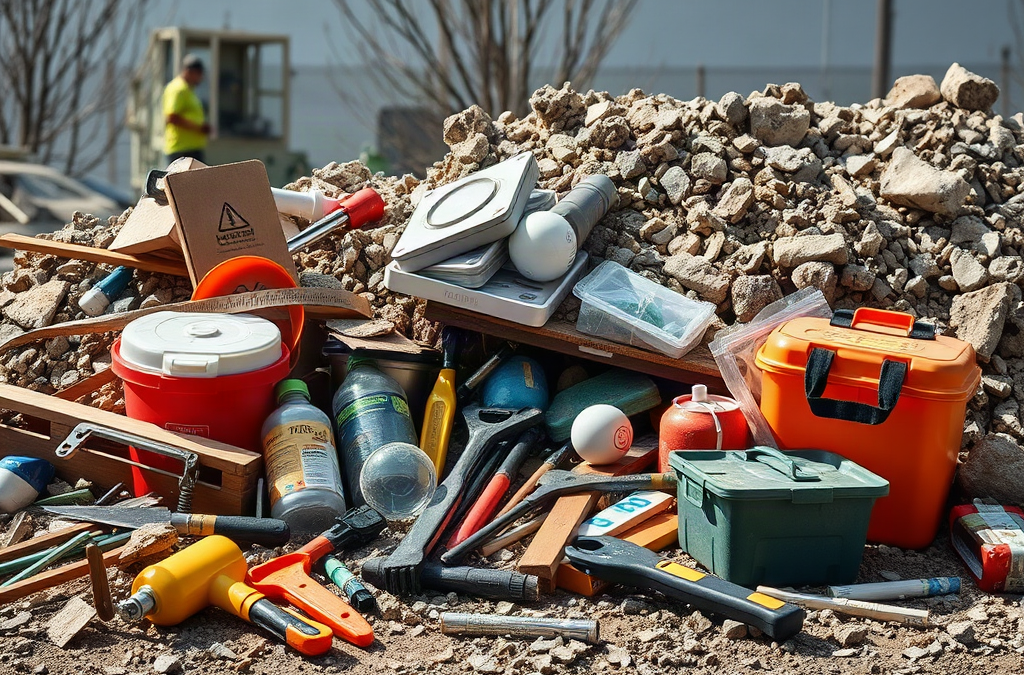
A common mistake is treating debris removal as a do-it-yourself rescue task. Household tools can help clear light objects from a walking path, but they are not a reason to enter a visibly damaged structure, cut unknown wires, disturb suspected gas leaks, or lift unstable masonry. The kit should support cautious assessment and communication, not encourage risky entry. If a structure appears unsafe, leave it and follow local emergency instructions.
Use the linked Earthquake kits designed for debris and utility loss planning reference as a category check, then adapt quantities to the people, pets, mobility needs, climate, and likely storage locations in your own setting.
Building the Core Kit Around Immediate Hazards
The first layer should address injury prevention and visibility rather than convenience. Place closed-toe shoes and a headlamp where they can be reached from the bed, because broken glass and fallen objects may cover the floor before anyone reaches a closet. Add work gloves, safety glasses, a dust mask or respirator appropriate to the product instructions, and a whistle. These items are small, inexpensive compared with major equipment, and useful before the main supplies can be reached.
Hand tools should be selected for limited, observable tasks. A pry bar, adjustable wrench, pliers, utility knife, sturdy tape, cord, and a compact tool set may help open a stuck cabinet, shut off a valve when it is safe to do so, secure a loose tarp, or cut packaging. A wrench is not a substitute for knowledge of the home’s gas and water controls. Marking shutoffs before an earthquake is more useful than adding a larger tool after it.
Lighting deserves redundancy. Headlamps leave both hands available, while lanterns illuminate a shared room. Keep spare batteries sealed and stored with the devices, and inspect for leakage. Rechargeable lights can reduce waste but depend on a charging method; disposable batteries provide a different kind of backup. A small power bank should be kept charged and paired with the correct phone cable. Solar charging may be slow or ineffective in smoke, shade, or bad weather, so it should not be the only plan.
First aid supplies should cover cuts, sprains, routine medications, and personal medical equipment rather than merely occupying a decorative pouch. Include wound dressings, gloves, cleansing supplies, bandages, pain medicines used safely by the household, and copies of essential medication information. Prescription continuity requires advance planning with a clinician or pharmacy; a first-aid kit cannot replace medication access.
Keep a compact grab kit and a deeper home cache rather than forcing every item into one heavy container. The grab kit serves the first movement through a dark or cluttered room. The home cache holds water, food, sanitation materials, replacement batteries, blankets, and specialized supplies. A common failure is storing the heavy cache beneath other objects or in a location that becomes inaccessible after shaking. Test access with the lights off and without assuming every door or shelf will function normally.
Water, Food, Power, and Sanitation Without Utilities
Water is the limiting resource when a utility outage affects drinking, cooking, hygiene, and toilets at the same time. Store commercially packaged drinking water or suitable food-grade containers, and rotate them according to the manufacturer’s guidance. Keep water away from fuels, cleaning chemicals, direct heat, and places where falling objects could puncture containers. A purification method can add flexibility, but it should be treated as a backup: filters differ in what they remove, and none should be assumed to make every contaminated source safe.
Food should require little or no cooking, refrigeration, or extra water. Ready-to-eat canned foods, shelf-stable pouches, nut or seed products, crackers, dried fruit, and other familiar items may be practical when matched to allergies, dental needs, age, and medication routines. Include a manual can opener if cans require one. Very salty foods can increase thirst, while unfamiliar foods may be rejected by children or cause digestive problems. Rotate the cache by eating and replacing items, rather than allowing it to become a forgotten emergency-only collection.
Power planning works best when each device has a clear purpose. A power bank supports communications; batteries support lights and radios; a small inverter or generator may support selected equipment only if used according to its instructions. Never operate fuel-burning generators, camp stoves, grills, or heaters inside a home, garage, basement, or other enclosed area. Carbon monoxide has no reliable odor warning, so ventilation assumptions are not a safe control.
Sanitation supplies protect more than comfort. Heavy-duty bags, toilet liners or a suitable portable toilet, toilet paper, hand sanitizer, soap, disposable gloves, menstrual products, diapers, cleaning cloths, and sealable bags can reduce contact with waste when water service is unavailable. Separate sanitation materials from drinking water and food. A single mixed bin often becomes disorganized, and people may use drinking water for cleaning because hygiene supplies were difficult to find.
Prioritize the cache in this order when money or storage space is limited:
Immediate access: shoes, headlamps, gloves, eye protection, whistle, and basic first aid.
Life support: drinking water, required medicines, ready-to-eat food, and sanitation supplies.
Continuity: radio, charging equipment, paper contacts, cash, blankets, and weather-appropriate clothing.
Recovery tasks: tools, tarps, cordage, cleaning materials, and replacement batteries.
The weak assumption to avoid is that a large equipment list compensates for too little water, food, medication planning, or safe storage. A smaller kit with known locations and tested equipment is more useful than an impressive container no one can open or operate.
Placement, Inspection, and Real-World Use
Placement determines whether an earthquake kit exists in practice or only on paper. Keep the bedside layer within reach, secure larger containers so they do not become falling hazards, and place additional supplies where people regularly spend time. A workplace, vehicle, or separate floor may need its own compact set because an earthquake can occur while household members are away or travel routes are blocked.
Use a written inventory with expiration dates, battery types, medication notes, pet needs, and the location of shutoff controls. Inspect the kit after moving furniture, remodeling, changing vehicles, or adding a household member. Test lights, radios, power banks, and can openers instead of assuming they work. Replace cracked containers, corroded batteries, damaged masks, expired medications, and food that no longer suits the household.
Run a practical drill that does not involve dangerous simulated damage. In daylight, ask someone to locate the bedside supplies, identify the main cache, retrieve a radio, and find the written contact information. Then repeat part of the exercise under low light. If a person cannot find shoes, open the container, identify the battery type, or use the can opener, the problem is not solved by adding more equipment.
Think through competing scenarios. If the home is safe but the power is out, lighting, water, food, sanitation, and charging matter most. If glass blocks a hallway, footwear and eye protection come first. If water service is interrupted, drinking reserves and toilet arrangements outrank a tarp or multipurpose tool. If evacuation is advised, a heavy cache may be less useful than documents, medicines, a phone, water, and a small carryable bag.
Do not store every critical item in one location. A vehicle kit may be exposed to heat and theft, so it should contain durable basics rather than temperature-sensitive medication or all household water. A basement may offer storage volume but can flood or become inaccessible. An upper floor may avoid flooding yet be difficult to leave. The practical solution is layered storage, clear labeling, and regular access checks rather than dependence on one perfect container.
For a more focused planning cross-check, use Earthquake kits designed for debris and utility loss alongside a household map showing exits, hazards, utility shutoffs, and meeting points. The map converts supplies into a usable response plan.
Frequently Asked Questions
What should be reachable immediately after an earthquake?
Keep closed-toe shoes, a headlamp, spare batteries, gloves, eye protection, a whistle, and basic first aid within reach, especially beside beds.
Should tools be kept in an earthquake kit?
Yes, but choose tools for limited safe tasks such as opening cabinets, securing materials, or shutting off a known valve. Do not use them to enter unstable structures or handle unknown utilities.
How should water be stored separately from debris supplies?
Use clean, labeled containers for drinking water and keep them away from fuel, chemicals, sharp tools, and areas where falling objects could damage them.
What food works best when electricity is unavailable?
Choose familiar shelf-stable food that can be eaten without cooking or refrigeration, and include a manual can opener when needed. Account for allergies, medications, and dental needs.
Can a generator be used inside during a utility outage?
No. Fuel-burning generators must be used outdoors according to the manufacturer’s instructions and away from doors, windows, and vents to reduce carbon monoxide risk.
Further Reading
Authoritative Sources
Earthquakes ready.gov
Provides federal guidance on earthquake hazards, protective actions, family communication, and recovery planning
Earthquake Hazards Program usgs.gov
Explains earthquake hazards and offers science-based information for understanding local risk
Carbon Monoxide Safety cdc.gov
Details the dangers of carbon monoxide from fuel-burning equipment during power outages
Conclusion
A useful earthquake kit is organized around the conditions people may face, not around the number of products in a storage bin. Put immediate-access items beside sleeping areas, protect water and food from contamination, provide lighting and communication without the grid, and include sanitation supplies for a failed water system. Add tools only for tasks that can be performed safely, and never treat a kit as permission to enter a damaged structure. Layer supplies across the home, vehicle, workplace, or other regular locations, then test access and equipment under realistic conditions. The next practical step is to walk through each likely route, identify where debris or darkness would slow movement, and place the first layer where it can be reached without crossing unnecessary hazards.