Before a disaster strikes, the importance of thorough preparation cannot be overstated. Whether it’s a natural calamity like a hurricane or an unexpected emergency, knowing what to do before a disaster is essential for safeguarding yourself and your loved ones. This preparation involves more than just gathering supplies; it requires a well-thought-out strategy that addresses various scenarios and potential risks.
Many individuals underestimate the urgency of disaster preparedness, often believing that such events are unlikely to impact them. This complacency can lead to critical mistakes, such as waiting until the last minute to gather supplies or failing to establish a communication plan. The reality is that disasters can occur without warning, and being unprepared can have dire consequences. Prioritizing preparedness not only enhances personal safety but also fosters community resilience.
Assessing Your Risk: Understanding Potential Disasters
Understanding the types of disasters that could affect your area is a critical first step in preparedness. Different regions face unique risks—hurricanes, earthquakes, floods, and wildfires are just a few examples. Assessing these risks allows you to tailor your preparation efforts effectively.
Many people fail to consider the specific hazards relevant to their location, leading to inadequate planning. For instance, a household in a flood-prone area must prioritize water safety and evacuation routes, while those in seismic zones should focus on securing heavy furniture and knowing earthquake safety protocols. A smart approach involves researching local history and consulting official resources to identify potential threats.
Creating a Comprehensive Emergency Plan
A well-structured emergency plan is the backbone of disaster preparedness. This plan should outline clear roles for each family member, strategies for evacuation, and designated meeting points. Additionally, it should consider the needs of all household members, including pets.
Common pitfalls in emergency planning include neglecting to involve all family members in discussions or failing to update the plan regularly. For example, if a family member moves away or a new pet is adopted, the plan should reflect these changes. Regularly reviewing and practicing your emergency plan ensures everyone knows their responsibilities, reducing confusion during actual emergencies.
Building Your Disaster Supply Kit
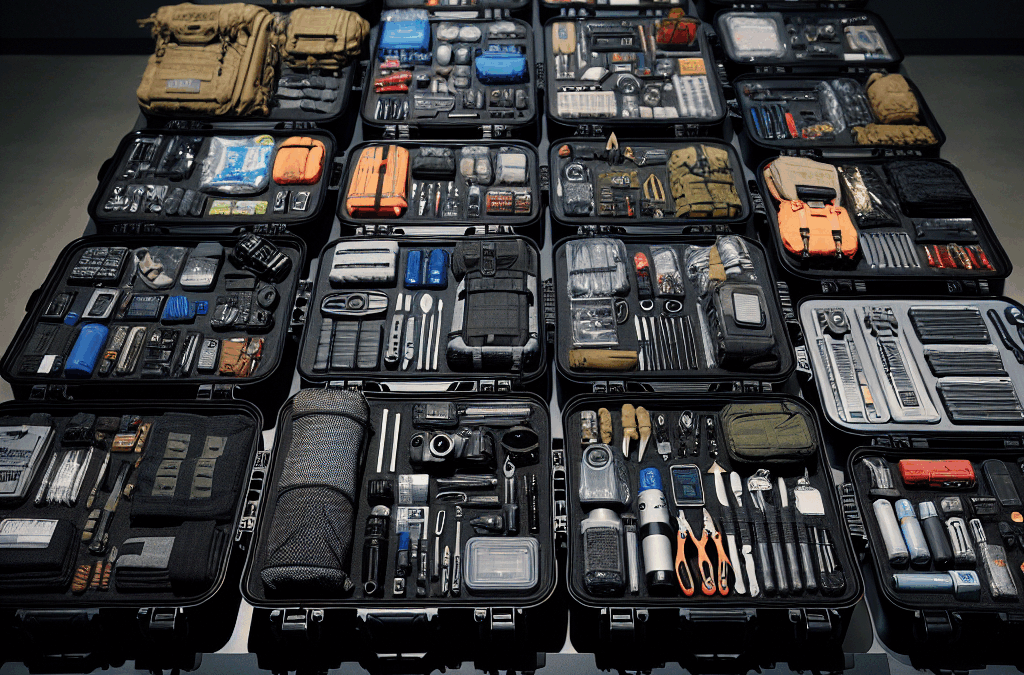
An effective disaster supply kit is crucial for survival during emergencies. This kit should include non-perishable food, water, first aid supplies, medications, flashlights, batteries, and important documents. The key is to pack items that cater to specific needs and potential scenarios.
Many individuals make the mistake of underestimating the quantity of supplies needed or failing to personalize their kits. For instance, families with young children should include items like formula or diapers, while those with elderly members may need specific medications. Regularly checking and refreshing supplies ensures you’re ready when disaster strikes.
Establishing Communication Protocols
Effective communication during a disaster can significantly enhance safety and coordination. Establishing a communication protocol involves selecting reliable methods to stay in touch with family members, friends, and emergency services. This may include mobile apps, text messaging, or designated meeting places.
A common oversight is assuming everyone will have access to the same communication tools. In reality, power outages or network failures can disrupt typical communication channels. Therefore, it’s wise to have backup methods, such as two-way radios or a family member living outside the affected area who can relay information.
Training and Drills: Practicing Your Plan
Once your plan is in place, practicing it through drills is vital. Regular drills help reinforce the steps everyone should take during an emergency, enhancing confidence and response times. Training can include everything from basic first aid to fire safety protocols.
Many families skip this crucial step, assuming that discussing the plan is sufficient. However, practical experience is invaluable. Conducting drills can reveal gaps in your plan or areas that need improvement, ensuring that when a disaster occurs, everyone knows exactly what to do.
Further Reading
For those looking to deepen their understanding of disaster preparedness, consider exploring resources from organizations like the Federal Emergency Management Agency (FEMA) or the Red Cross. These organizations provide valuable guidelines and checklists tailored to various types of emergencies.
Frequently Asked Questions
What should I include in my disaster supply kit?
Your kit should include non-perishable food, water, first aid supplies, medications, a flashlight, batteries, and important documents.
How often should I review my emergency plan?
Review your emergency plan at least once a year, or more often if there are significant changes in your household or local risks.
Why is it important to practice emergency drills?
Practicing drills helps reinforce roles and responsibilities, ensuring everyone knows what to do during a real emergency, which can save lives.
What are common mistakes in disaster preparedness?
Common mistakes include underestimating risks, neglecting to involve all family members in planning, and failing to update supply kits regularly.
How can I stay informed during a disaster?
Stay informed by using multiple communication methods such as radio broadcasts, weather apps, and alerts from local emergency services.
Conclusion
Preparing for a disaster requires a proactive approach that prioritizes risk assessment, communication, and practical preparedness. By understanding potential threats and creating a detailed emergency plan, you can significantly enhance your family’s safety. Regularly reviewing your strategies and practicing drills will ensure that you are ready to respond effectively when the unexpected occurs. Take the first step today and begin your preparedness journey.
In today’s unpredictable world, having reliable emergency communication tools is crucial for personal safety and effective crisis management. Whether it’s a natural disaster, civil unrest, or a personal emergency, these tools help ensure that you can stay connected with loved ones and emergency services. The right emergency communication tools not only facilitate communication but also provide peace of mind during stressful situations. You’re about to discover the various types of emergency communication tools available, how to select the best ones for your needs, and common pitfalls to avoid.
Understanding the landscape of emergency communication tools can significantly enhance your preparedness. With the right knowledge, you can make informed decisions that will keep you and your family safe when it matters most. Let’s dive into the essential aspects of these tools and how they can impact your emergency readiness.
The Importance of Emergency Communication Tools
Emergency communication tools play a pivotal role in crisis situations. They ensure that individuals can relay vital information quickly and effectively to those in need. During emergencies, traditional communication networks may fail, making alternative methods necessary. Here’s why these tools are indispensable:
They enhance coordination with first responders.
They allow for real-time updates to family and friends.
They can be life-saving when power and standard communication methods are down.
They help maintain situational awareness.
In essence, these tools are not just about communication; they are about survival and safety. Investing time in understanding and utilizing emergency communication tools can make a significant difference in your response during crises.
Types of Emergency Communication Tools
There are various types of emergency communication tools available, each serving distinct purposes. Here are some of the most common:
Mobile Applications
Smartphones have become essential tools for communication. Many apps can help during emergencies:
Emergency Alert Apps: Notify users of local emergencies.
Messaging Apps: Allow communication even when cell networks are congested.
GPS Tracking Apps: Help locate family members during a crisis.
Two-Way Radios
In areas where cell service is unreliable, two-way radios can be a reliable alternative:
They allow instant communication without the need for a network.
Ideal for groups, such as families or community groups.
Range varies, so choose based on your specific needs.
Satellite Phones
For extreme situations, satellite phones provide global communication capabilities:
They work in remote areas where cell networks fail.
Higher cost but invaluable in critical scenarios.
Consider rental options for occasional use.
Emergency Notification Systems
Many communities offer notification systems that provide alerts via text or email:
Sign up for local alerts to stay informed.
These systems can provide timely information during emergencies.
How to Choose the Right Tools
Selecting the appropriate emergency communication tools depends on several factors:
Assess Your Needs
Consider the following:
Your location and the types of emergencies likely to occur.
Size of your family or group.
Budget constraints.
Test Your Tools
Before an emergency strikes, ensure that:
All devices are functional and charged.
You understand how to use each tool effectively.
You have backup power sources available.
Common Mistakes to Avoid
Even with the best emergency communication tools, mistakes can hinder your preparedness:
Not testing equipment regularly.
Failing to include all family members in communication plans.
Over-reliance on a single tool.
To maximize effectiveness, ensure that you diversify your communication strategies and regularly update your plans.
References and Resources
These resources provide valuable information about emergency communication tools. Check them out for additional insights:
Authoritative Sources on emergency communication tools
Ready.gov ready.gov
A comprehensive resource for emergency preparedness, including communication strategies during crises.
FEMA fema.gov
Offers guidelines on emergency management and communication tools to use in various scenarios.
American Red Cross redcross.org
Provides resources on disaster preparedness, including communication tools and apps.
NIST nist.gov
Research on communication technologies and their applications in emergency situations.
CDC Emergency Preparedness cdc.gov
Offers health-related emergency communication guidelines and resources.
NOAA Weather Radio noaa.gov
Provides emergency weather alerts and warnings, an essential tool for preparedness.
APTA apta.com
Focuses on public transportation emergency communication and preparedness.
IAEM iaem.org
International Association of Emergency Managers provides resources on effective communication strategies.
Frequently Asked Questions
What are emergency communication tools?
Emergency communication tools are devices or applications designed to facilitate communication during crises, ensuring that individuals can stay connected and informed regardless of the situation.
How do I choose the best emergency communication tools?
Assess your specific needs based on location, type of emergencies you may face, and the size of your family. Testing tools beforehand is also crucial.
Can mobile apps be considered emergency communication tools?
Yes, many mobile applications are designed specifically for emergency communication, providing alerts, messaging capabilities, and GPS tracking during crises.
What mistakes should I avoid with emergency communication tools?
Common mistakes include not testing your equipment regularly, failing to include all family members in communication plans, and over-relying on a single tool for communication.
How often should I update my emergency communication plan?
It’s wise to review and update your emergency communication plan at least once a year or whenever there are significant changes in your family or local environment.
Conclusion
In closing, understanding and utilizing emergency communication tools is essential for effective crisis management. These tools can significantly enhance your ability to stay connected and informed during emergencies. By choosing the right tools and avoiding common pitfalls, you can ensure that you and your loved ones are better prepared for any situation. Take the time to assess your needs, explore various options, and develop a comprehensive communication plan that can make all the difference when it matters most.
In today’s unpredictable world, having a solid understanding of basic prepping tips is not just advisable; it’s essential. Whether it’s natural disasters, civil unrest, or other emergencies, being prepared can make a significant difference in your family’s safety and well-being. You’re about to discover practical steps to enhance your readiness through effective basic prepping tips, ensuring you feel confident and secure in any situation.
Many people underestimate the importance of being prepared, often believing that emergencies won’t happen to them. However, the reality is that disasters can strike at any moment. By implementing basic prepping tips, you can mitigate risks, protect your loved ones, and navigate the challenges that come your way. Let’s dive into the essential strategies you need to adopt.
Understanding Basic Prepping
What is Prepping?
Prepping refers to the act of preparing for emergencies, disasters, or any unforeseen circumstances. It involves creating plans, gathering supplies, and ensuring that you and your family can handle various situations effectively. Understanding what prepping entails is the first step toward implementing basic prepping tips.
Why is it Important?
The importance of prepping cannot be overstated. Recent events have shown that natural disasters and emergencies can happen unexpectedly. By being prepared, you can reduce anxiety, ensure your family’s safety, and maintain a sense of control during chaotic times.
Creating Your Emergency Plan
Step 1: Assessing Risks
Start by identifying potential risks in your area, such as floods, earthquakes, or civil unrest. Understanding these threats will help you tailor your emergency plan effectively.
Step 2: Developing a Communication Strategy
Establish a meeting point for your family.
Ensure everyone knows how to reach each other in case of separation.
Designate an out-of-town contact for communication.
Step 3: Practice Regularly
Conduct regular drills to ensure everyone knows their roles and responsibilities during an emergency. This practice can significantly enhance your preparedness.
Building a Supply Kit
Essential Items to Include
Your emergency supply kit should contain:
Water: At least one gallon per person per day for three days.
Non-perishable food: A three-day supply of food items.
First aid kit: Include bandages, antiseptics, and necessary medications.
Flashlights and batteries: Ensure you have reliable light sources.
Multi-tool or knife: Useful for various tasks.
Personal documents: Keep copies of important documents in a waterproof container.
Common Mistakes to Avoid
When building your supply kit, it’s crucial to avoid common pitfalls:
Neglecting to rotate supplies: Check expiration dates regularly and replace items.
Overlooking individual needs: Consider personal requirements such as baby formula or pet supplies.
Failing to store items properly: Ensure your supplies are in a cool, dry place.
Staying Informed and Prepared
Monitoring Local Alerts
Stay updated on local news and weather alerts. Use apps or services that provide real-time information about emergencies in your area.
Reviewing and Updating Your Plan
Regularly revisit your emergency plan and supply kit. As your family grows or circumstances change, your prepping strategies should adapt accordingly.
References and Resources
These resources provide valuable information about basic prepping tips. Check them out for additional insights:
Authoritative Sources on basic prepping tips
Ready.gov ready.gov
A comprehensive resource for emergency preparedness provided by the U.S. Department of Homeland Security.
American Red Cross – Emergency Preparedness redcross.org
Offers guidance on creating emergency plans and building disaster supply kits.
National Fire Protection Association – Emergency Preparedness nfpa.org
Provides insights on fire safety and emergency preparedness tips.
FEMA – Emergency Management fema.gov
Federal resources for creating effective emergency plans.
Meridian Health – Preparedness meridianhealth.com
Focuses on health-related emergency preparedness tips.
CDC – Disaster Preparedness cdc.gov
Centers for Disease Control and Prevention’s insights on disaster preparedness.
National Geographic – Natural Disaster Preparedness nationalgeographic.com
Offers a detailed guide on preparing for various natural disasters.
Nolo – Planning for Emergency Preparedness nolo.com
Legal insights on emergency preparedness and planning.
Frequently Asked Questions
What are basic prepping tips?
Basic prepping tips involve strategies for preparing for emergencies, including creating an emergency plan, building a supply kit, and staying informed about potential threats. These practices help ensure safety during unforeseen events.
How do I start with basic prepping tips?
Begin by assessing risks in your area, developing an emergency plan, and gathering essential supplies. Regularly review and practice your plan to ensure everyone is prepared.
What should I include in my emergency supply kit?
Your kit should contain water, non-perishable food, a first aid kit, flashlights, batteries, and personal documents. Tailor it to meet your family’s specific needs.
How often should I update my prepping strategies?
Review your emergency plan and supply kit at least once a year, or more frequently if your family circumstances change. This ensures your preparations remain relevant and effective.
Where can I find more information on basic prepping tips?
Numerous resources are available, including government websites like Ready.gov and the American Red Cross. These sites provide comprehensive information on emergency preparedness.
Conclusion
All in all, implementing basic prepping tips is crucial for ensuring your family’s safety and preparedness in emergencies. By understanding potential risks, creating a solid emergency plan, and building a comprehensive supply kit, you can significantly enhance your readiness. Remember, the goal is to stay informed and adaptable, regularly reviewing your strategies to ensure they meet your evolving needs. Don’t wait for an emergency to take action; start preparing today to unlock peace of mind for you and your loved ones.