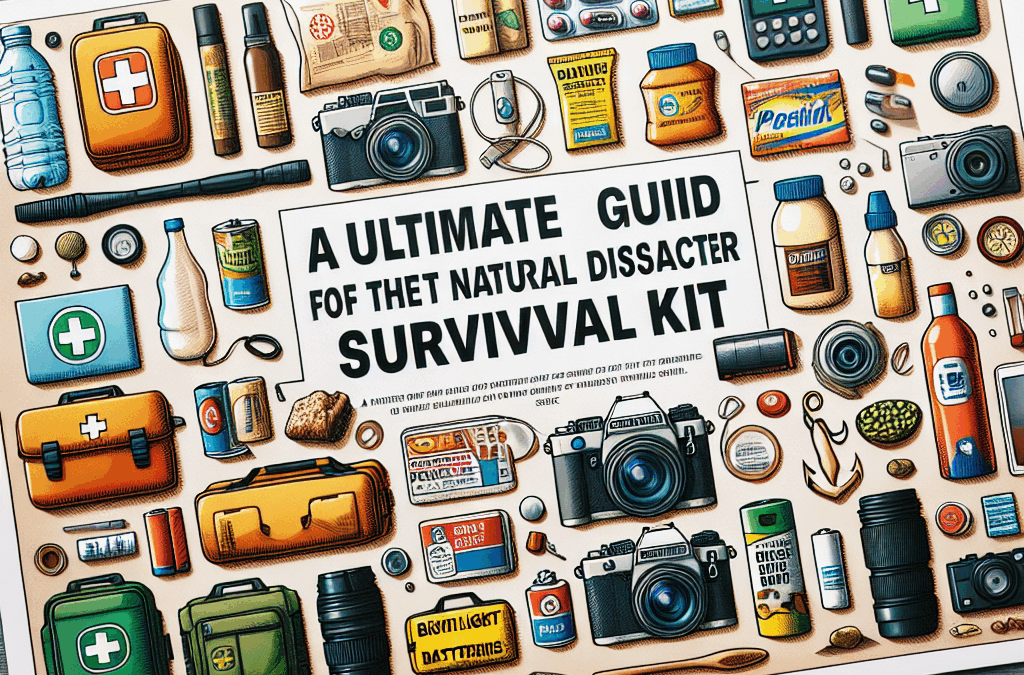
When assembling your go bag, it’s important to consider the specific risks you may face in your area, such as natural disasters or civil unrest. Prioritize items that cater to your unique circumstances, including any personal medical needs or the needs of family members. Common mistakes include overpacking, which can make your bag too heavy to carry comfortably, or neglecting to include necessary items that can make a significant difference in survival.
Another key factor is the duration for which you need to be self-sufficient. While a typical go bag may be stocked for 72 hours, consider extending your supplies based on your environment and potential evacuation scenarios. Regularly update your go bag to account for changes in seasons, personal circumstances, or emerging threats.
Food and Water Supplies
Food and water are the most essential items in any go bag, as they directly impact your ability to survive. Non-perishable food options, such as energy bars, canned goods, and freeze-dried meals, are ideal due to their long shelf life and compact packaging. Aim to include at least one gallon of water per person per day, stored in durable, leak-proof containers. Consider also including water purification tablets or a filter for longer-term scenarios.
In practice, it’s crucial to regularly check and rotate your food and water supplies to avoid expiration. Many people overlook the importance of hydration, leading to dehydration during emergencies. Keep in mind that high-energy foods can help you maintain stamina, especially if you need to evacuate or travel long distances.
Prioritize lightweight, calorie-dense items that are easy to prepare. Avoid foods that require extensive cooking or preparation, as they can complicate your situation. Additionally, consider dietary restrictions or preferences of those who may use the bag.
First Aid Kit Essentials
A well-stocked first aid kit is a must-have when assembling your go bag. It should contain basic medical supplies such as bandages, antiseptics, pain relievers, and any prescription medications you or your family members may require. Include a first aid manual to help guide you through common medical emergencies.
Many people underestimate the importance of training in first aid practices. While having supplies is critical, knowing how to use them effectively can save lives. Consider taking a first aid and CPR course to better prepare yourself for emergencies.
Additionally, regularly check your first aid supplies and replace any expired items. Personalize your kit by adding items tailored to your specific health needs, such as EpiPens for allergies or inhalers for asthma.
Personal Identification and Important Documents
In emergencies, having your personal identification and important documents can be crucial. Include copies of your ID, insurance policies, medical records, and any emergency contact information in a waterproof bag. This can facilitate access to services and support during a crisis.
Many people overlook the need for documentation, which can lead to complications when seeking assistance. Ensure that all documents are current and accessible. Consider digital backups stored securely online or on a portable device for added safety.
Prioritize organizing your documents in a way that makes them easy to retrieve quickly. This can save valuable time during a stressful situation.
Clothing and Shelter
Clothing and shelter items in your go bag should be appropriate for the climate and environment. Include a change of clothes, sturdy shoes, and a compact emergency blanket or sleeping bag. These items can help maintain body temperature and protect you from the elements.
When selecting clothing, consider the layering principle to adapt to changing weather conditions. Many people fail to account for temperature variations, which can lead to hypothermia or heat exhaustion in emergencies.
Additionally, include a small tarp or emergency poncho for added protection from rain or wind. Ensure these items are lightweight and easily packable to maximize space in your go bag.
Further Reading
Authoritative Sources
Ready.gov: Build a Kit ready.gov
This resource provides detailed guidelines on assembling emergency kits, including go bags for various scenarios
Red Cross: Emergency Kit Checklist redcross.org
The Red Cross offers a comprehensive checklist for emergency kits, ensuring you have all necessary items for safety
Frequently Asked Questions
What should I include in a basic go bag?
A basic go bag should include food and water, a first aid kit, personal identification, clothing, and tools for communication and navigation.
How often should I update my go bag?
It’s advisable to review and update your go bag every six months or whenever there’s a change in your personal circumstances or the environment.
What types of food should I include?
Include non-perishable, high-energy foods like energy bars, canned goods, and freeze-dried meals that are easy to prepare and consume.
How can I make my go bag lighter?
Choose lightweight, compact items and prioritize only the essentials. Avoid unnecessary tools and bulky clothing to reduce weight.
Why is documentation important in a go bag?
Documentation helps in accessing services, verifying identity, and ensuring you can receive assistance quickly during emergencies.
Conclusion
Ultimately, assembling a well-thought-out go bag is vital for emergency preparedness. Prioritize essential supplies like food, water, a first aid kit, personal documents, and appropriate clothing to ensure you can navigate unexpected situations effectively. Regularly update your bag to reflect your current needs and circumstances, and consider the unique risks associated with your environment. By taking the time to prepare, you can significantly enhance your ability to respond to emergencies and safeguard yourself and your loved ones.
Readiness and recovery encompass a proactive approach to managing emergencies and disasters. This dual framework not only prepares individuals and communities to respond effectively during crises but also facilitates a smooth transition back to normalcy afterward. Prioritizing readiness means having the necessary plans, resources, and training in place, while recovery focuses on restoring and rebuilding after an event.
In real-world scenarios, many people underestimate the complexities involved in both readiness and recovery. Common pitfalls include over-reliance on generic plans, lack of community engagement, and failure to address specific vulnerabilities. Understanding that both components are interconnected is vital; effective recovery relies heavily on how well one is prepared beforehand. This article aims to provide you with a comprehensive understanding of these concepts, practical strategies for implementation, and insights into the common mistakes to avoid.
Understanding Readiness and Recovery
Readiness refers to the state of being prepared for potential emergencies, including having plans, resources, and knowledge to respond effectively. Recovery, on the other hand, involves the actions taken to restore normalcy following an incident. These two elements are interlinked; a thorough preparedness plan can significantly reduce the time and resources needed for recovery.
When assessing your readiness, consider the specific risks your community faces. Whether natural disasters, technological failures, or health crises, each scenario requires a tailored approach. Misjudging the risks can lead to inadequate preparations, making recovery more challenging. Prioritize understanding your local hazards, and develop plans that address those specific threats.
Key Components of Readiness
To achieve effective readiness, several components must be in place. These include risk assessment, resource allocation, training, and community engagement. Conducting a thorough risk assessment helps identify vulnerabilities within your household or community.
Resource allocation involves ensuring that essential supplies, such as food, water, and medical kits, are readily available. Training and exercises enhance skills and knowledge, making individuals more effective in emergencies. Additionally, engaging with the community fosters collaboration and shared responsibility, making collective readiness more robust.
Risk Assessment: Identify potential hazards and vulnerabilities.
Resource Allocation: Stockpile essential supplies and equipment.
Training: Regular drills and educational workshops.
Community Engagement: Foster collaboration among neighbors.
Effective Recovery Strategies
Post-incident recovery strategies should aim for swift restoration while considering long-term resilience. This includes assessing damage, mobilizing resources, and providing support to affected individuals. A well-structured recovery plan should not only focus on restoring infrastructure but also address the emotional and psychological needs of those impacted.
In practice, effective recovery often involves collaboration among various stakeholders, including government agencies, non-profits, and community organizations. The trade-off here is balancing immediate needs with sustainable recovery efforts. For instance, while rapid rebuilding may provide quick relief, it might overlook the need for improved infrastructure that can withstand future incidents.
Common Mistakes to Avoid
Many individuals and organizations fall into traps that hinder their readiness and recovery efforts. One common mistake is failing to regularly update preparedness plans, which can lead to outdated strategies that do not align with current risks. Another pitfall is neglecting to involve the community in planning processes, which can result in a lack of buy-in and support during emergencies.
Moreover, underestimating the psychological impact of disasters can lead to insufficient mental health support during recovery. It’s crucial to recognize that readiness is not a one-time action but an ongoing process that requires continuous evaluation and adaptation.
Further Reading
Authoritative Sources
Ready.gov ready.gov
A comprehensive resource for individuals and families on emergency preparedness and recovery strategies
FEMA fema.gov
Federal Emergency Management Agency provides guidelines and resources for effective disaster preparedness and recovery
American Red Cross redcross.org
Offers training, resources, and support for community preparedness and disaster response
Frequently Asked Questions
What is the difference between readiness and recovery?
Readiness focuses on preparing for emergencies, while recovery refers to the actions taken to restore normalcy after an incident.
How can I assess my community’s readiness?
Conduct a risk assessment to identify vulnerabilities and resources, and engage with local organizations for collaborative planning.
What are some key elements of a recovery plan?
A recovery plan should include damage assessment, resource mobilization, and support services for affected individuals.
Why is community engagement important in readiness?
Community engagement fosters collaboration and shared responsibility, making the collective readiness more effective during emergencies.
How often should preparedness plans be updated?
Preparedness plans should be reviewed and updated at least annually or after any significant changes in risks or community resources.
Conclusion
Mastering readiness and recovery is essential for building resilience against emergencies. By understanding the key components of preparedness and developing effective recovery strategies, individuals and communities can significantly enhance their ability to respond and recover from crises. Prioritize ongoing assessment and community engagement to ensure your plans remain relevant and effective. Take proactive steps today to secure a safer tomorrow.
When considering what you need for survival, the essentials boil down to five critical categories: water, food, shelter, first aid supplies, and tools for communication and navigation. Each element plays a vital role in sustaining life and ensuring safety during emergencies. However, it’s not just about having these items; it’s about knowing when and how to use them effectively.
Many individuals mistakenly assume that simply stocking up on supplies is enough. The reality is that survival situations often require quick decision-making and adaptability. Prioritizing these essentials based on specific scenarios—like natural disasters, wilderness survival, or urban emergencies—can make the difference between life and death. The interdependencies between these factors also mean that poor planning in one area can undermine your entire survival strategy.
Water: The Foundation of Survival
Water is the most critical resource for survival. The human body can only survive a few days without it, making it your top priority. In any emergency situation, ensure you have access to clean drinking water. Water purification methods, such as boiling, filtration, or chemical treatments, should also be part of your preparedness plan.
When planning for water needs, consider your household size and the duration of your potential isolation. A common guideline is to store at least one gallon of water per person per day for at least three days. However, in scenarios where you might be cut off from resources for longer, having larger quantities or knowing local sources of freshwater could be lifesaving.
Food: Nutritional Needs in Crisis
Food is another essential component of survival. While you can survive longer without food than water, your energy levels and cognitive function will decline without proper nutrition. Pack non-perishable, nutrient-dense foods such as canned goods, dried fruits, nuts, and energy bars.
Consider dietary restrictions and preferences when preparing your food supplies. It’s also wise to have a plan for how to cook or prepare food if the power goes out. Understanding foraging and hunting basics can provide additional food sources, but these skills require practice and knowledge.
Shelter: Creating Safe Havens
In survival situations, having a secure shelter is crucial for protection against the elements and ensuring your safety. Whether you’re at home or in the wilderness, assess your environment for potential shelter options. In urban areas, your home might suffice, but make sure it is secure and has necessary supplies.
In outdoor scenarios, knowing how to build a temporary shelter with natural materials or carry a lightweight emergency tent can provide essential protection. Evaluate your surroundings and consider factors such as weather, visibility, and safety when choosing a shelter location.
First Aid: Medical Preparedness
First aid supplies are essential for treating injuries and illnesses that may arise during emergencies. A well-stocked first aid kit should include bandages, antiseptics, pain relievers, and any personal medications. Be familiar with basic first aid techniques, as knowing how to treat common injuries can be crucial.
Prioritize learning about first aid through courses or resources, as this knowledge could be invaluable in a crisis. In addition, keep your first aid kit updated and accessible, ensuring that everyone in your household knows its location and how to use the supplies inside.
Tools: Navigating and Communicating
Having the right tools can enhance your survival capabilities significantly. Items such as a multi-tool, flashlight, fire starter, and a portable phone charger can make a considerable difference. Additionally, a map and compass or GPS device can help you navigate if you need to evacuate.
Communication tools are also vital. A battery-operated radio can keep you informed about emergency updates, while a whistle can help signal for help. Assess your specific needs and ensure that your tools are reliable and easy to use under pressure.
Further Reading
Authoritative Sources
Ready.gov ready.gov
Official U.S. preparedness guidance, checklists, and planning resources for households and emergencies.
FEMA fema.gov
Federal emergency management resources, disaster planning information, and recovery guidance.
American Red Cross Emergency Preparedness redcross.org
Practical emergency preparation steps, supply lists, and safety guidance for families.
National Weather Service weather.gov
Official forecasts, hazard alerts, and weather safety information.
CDC Emergency Preparedness and Response cdc.gov
Public health guidance for emergencies, disasters, and recovery situations.
Frequently Asked Questions
What are the top three items I need for survival?
The top three items are water, food, and shelter. These essentials are crucial for sustaining life and protecting yourself in emergencies.
How much water should I store for emergencies?
Store at least one gallon of water per person per day for three days, but more is better if possible.
What types of food are best for survival situations?
Non-perishable, nutrient-dense foods such as canned goods, dried fruits, nuts, and energy bars are ideal for survival.
How can I learn basic first aid skills?
Enroll in first aid courses offered by organizations like the Red Cross or take online courses that cover essential first aid techniques.
What tools should I have in my survival kit?
Your survival kit should include a multi-tool, flashlight, fire starter, and a portable phone charger, along with navigation tools like a map and compass.
Conclusion
Understanding what you need for survival is not just about gathering supplies; it’s about making informed decisions based on your specific circumstances. Prioritize water, food, shelter, first aid, and tools, and ensure you have the knowledge to use them effectively. Take the time to practice your skills and maintain your supplies, as preparation can greatly increase your chances of survival in an emergency.