Keeping Your Electronics Charged During Blackouts
1. Understanding Power Needs
Assessing Your Electronics
First things first, I’ve learned to take a good look at the gadgets I rely on. From my trusty smartphone to my laptop, figuring out which devices I can’t live without during a blackout is key. This helps me prioritize what needs charging the most, especially for those long power outages that leave us feeling cut off from the world.
I like to jot down the power requirements for each device. Most manufacturers list this info in the user manual or online—make sure to check it out! If I’m not careful here, I might be left scrambling to find a backup plan when the lights go out.
Also, consider factoring in the need for charging accessories, like power banks and chargers. Just because my laptop is at 100% doesn’t mean I can use it freely without ensuring my charger’s accessible and healthy! It’s all about prepping smart.
Battery Life Management
Once I’ve assessed my electronics, I focus on battery management. Reducing the usage of non-essential apps or turning down the screen brightness can stretch my device’s battery life significantly. When I know a blackout is looming, I often switch to battery saver modes to help prolong how long my devices last.
A vital move I’ve made is to turn off Bluetooth and Wi-Fi when I don’t need them. Even though these features are super handy, they can drain your battery like crazy if left on. It doesn’t hurt to be a bit old school sometimes—turning off notifications and closing unused apps really can help keep my devices alive longer when the power’s out.
I also make a habit of updating my apps and software regularly. Outdated apps might consume more energy than necessary, and I’ve learned it’s not worth the headache during an outage. Keeping things streamlined helps keep my battery life intact.
Choosing the Right Power Backup
Now, let’s talk power sources. I’ve done my share of research and learned that not all power banks are created equal. Depending on my device, I choose one that supports fast charging and has enough output to keep up with my electronics. I want to make sure that when the power flickers out, I have a reliable source ready.
Additionally, if you’re going for a generator, that’s a whole different game. I’ve personally found solar generators to be super helpful for longer outages. They’re eco-friendly and, if I have enough sunshine, they can be a game changer for keeping my devices working.
Ultimately, it’s all about having options. I keep a mix of portable chargers and a generator ready. You never know what can happen, and having various power solutions ensures I can stay connected or entertained, even when the grid goes down.
2. Preparing Your Charging Station
Creating an Accessible Setup
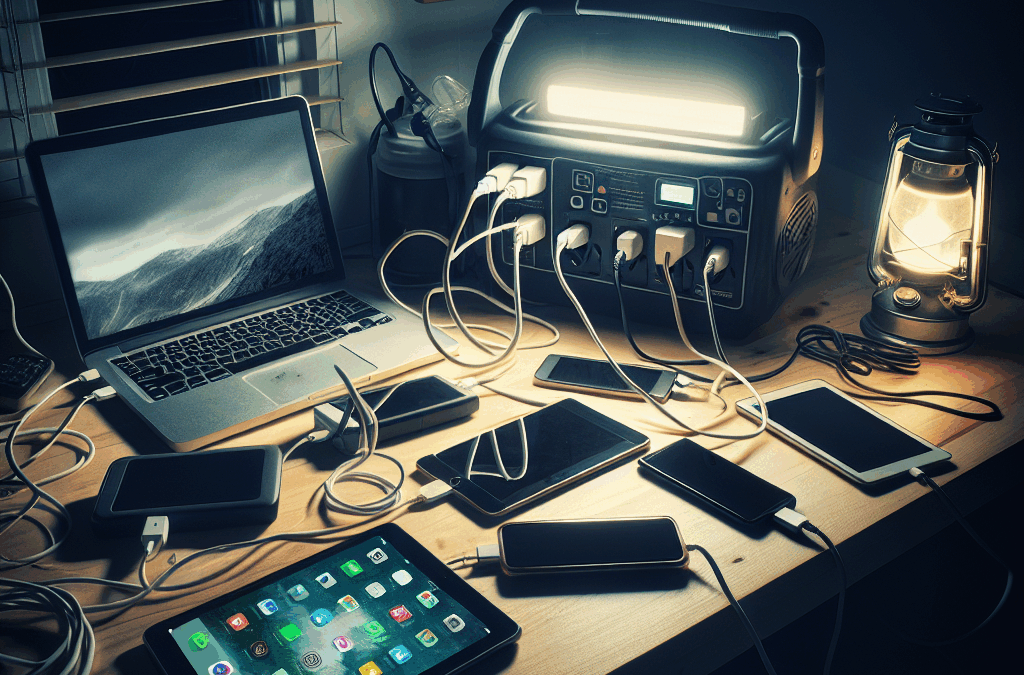
Setting up an efficient charging station is crucial when preparing for outages. I usually gather all my devices and their chargers in one place. This creates an easy-access hub that’s nearby when I need it most. It saves me from hunting around the house when I’m already dealing with chaos!
I like using a power strip with surge protection. This way, if the power returns with a jolt, my devices are still safe. Also, with multiple outlets, it keeps everything charged simultaneously. Besides, it gives me peace of mind knowing I can charge multiple devices if necessary.
Lastly, I label everything! This might sound a bit excessive, but trust me—when the stress hits, having things organized helps a ton. I even create a little chart with names and purposes for each cord. It seems silly, but you’ll thank yourself when the lights go out and you’re rushing to plug in your phone!
Stocking Up on Essentials
Charging during blackouts requires more than just a good setup; it means stocking up on essentials! I always make sure to have extra USB cables and adapters on hand. There’s nothing worse than realizing you’ve misplaced a key piece when you desperately need to charge your devices.
I also recommend having a backup battery or two. They’re not super expensive these days, and some even come with multiple USB outputs. This way, I can share the love with family or friends who may have forgotten to prepare!
Don’t forget about good ole’ batteries for any gadgets that require them. Keeping a solid stash around can help you avoid dead controllers, flashlights, or radios when the grid fails. It’s about thinking ahead and being about your devices, but also those around you.
Backup Plans for Extended Outages
Sometimes, a blackout can last longer than expected, and that’s when backup plans come into play. I’ve set aside some time to really consider what I would do if the power were out for several days. This includes everything from charging options to entertainment.
For entertainment, I load up my device with movies or eBooks, so even without power, I can still have options. It sounds silly, but I like keeping my spirits up during those times. Thank goodness for offline mode!
Another smart move? I keep a list of places nearby with Wi-Fi. Knowing where to go can make all the difference when things get tough. Whether it’s a friend’s house or a local café, it keeps me connected when the home front isn’t delivering.
3. Alternative Energy Solutions
Exploring Solar Options
In my quest to keep those electronics charged, I dove into solar energy options. Solar chargers have become increasingly popular, and let me tell you—they’re worth checking out! They harness sunlight to power up devices, which is fantastic on a sunny day.
When I first considered a solar charger, I made sure to research the most efficient types. Some fold out like a little panel, making them convenient to bring on camping trips or just stick in a bag. It’s good to explore and find what suits your lifestyle best!
Plus, they’re eco-friendly! It made me feel warm and fuzzy knowing I was contributing positively, even during an outage. It’s a win-win when I can recharge my devices and respect the environment at the same time.
Investing in a Portable Generator
Before I jump on the generator bandwagon, I did my research. I found that investing in a portable generator can be a solid choice for those who face frequent blackouts. It’s like having a little power plant right in my yard! Just plug it in, fire it up, and I’m back in business.
However, be mindful of the fuel type needed. I’ve learned that choosing one that can run on propane or gasoline is beneficial, depending on what’s available during an outage. It’s all about flexibility, people!
Ensure you follow safety guidelines when using generators. They produce carbon monoxide, so I’ve got a great little carbon monoxide detector nearby. It’s just smart to prioritize safety while keeping everything charged and good to go.
Using Wind and Other Renewable Sources
Though a bit of a wild card, wind and other renewable sources can also be fun to consider! While I haven’t fully embraced wind energy yet, I know others who’ve set up small wind turbines to harness that natural energy. It’s fascinating to see how creativity can lead to electrifying solutions!

Other methods I’ve heard about include using rechargeable batteries that can draw energy from various sources. They’re game changers when thinking long-term and charging multiple devices without relying heavily on traditional methods.
If wind or other sources interest you, dive in! Research your options and see what could work best. It’s all about embracing resourcefulness and keeping my electronics up and running during those blackout moments.
4. Connecting with Community Resources
Finding Local Charging Stations
I’ve learned that during a blackout, it’s super useful to harness community resources. Local hubs like libraries or community centers often have backup generators and can provide charging options during outages. Check your area for these resources!
It’s not only about finding a place to charge but also about connecting with your neighbors. Building relationships can turn into a support system during these blackout events. Trading charging time or even resources can lead to smoother sailing when the lights go out.
Don’t forget social media! Finding local groups or pages can help gather intel on where people are charging their devices. You might discover hidden gems in your town that could work as your go-to when the power dips.
Neighborhood Collaborations
Speaking of neighbors, I love collaborating with my community! We’ve started a little group to discuss blackout preparedness—everybody brings different gadgets or backup plans to the table. It’s been eye-opening to see the various methods everyone uses.
We also share resources like solar chargers or generators when the situation arises. If my gear is charged and your gear is low, a little lending can go a long way! This sense of collaboration helps us feel less isolated during power outages.
Plus, getting to know the folks next door over a cup of coffee while discussing backup options is also a highlight. It adds a sense of connection outside of just dealing with the blackouts—it’s about community and support!
Engaging Local Organizations
Another dynamic way to navigate power shortages is by engaging with local organizations. I’ve noticed that several non-profits focus on helping families prepare for emergencies. They provide workshops, distribute emergency supplies, and even offer charging stations during disasters.
These resources can be lifesavers in times of crisis. Getting to know these organizations has made me feel more connected. By participating in their events, I’ve also learned tips and tricks that I never even considered, boosting my preparedness.
If you haven’t already, take a look around your community and find out who’s out there. You’d be surprised at how many local organizations are geared up to help you out during tough times, all while fostering a sense of community along the way!
5. During the Blackout: Staying Charged
Implementing Smart Charging Practices
Once the blackout hits, it’s all about staying calm and using smart charging practices. My go-to is to prioritize charging my vital devices first, like my phone or portable wifi. These are my lifelines to the outside world, so I make sure they’re good to go.
Next, I start utilizing what I called ’emergency charging.’ If I need to keep an eye on important updates, I charge my phone for just a little while and power it back down until I need it again. This way, it can stretch out battery life and keep me in touch without consuming too much power.
During blackouts, I also find it helpful to limit the number of devices I charge at one time. It seems some happiness goes a long way when it comes to efficiency. Giving my devices a break from constant charging can really prolong their life and let me focus on what I need in the moment.
Staying Connected to Information
During a blackout, staying informed is crucial. I always make sure I have access to a battery-operated radio or an app that can work offline, so I don’t miss essential updates from local authorities. It’s a good way to stay in the loop without draining my phone right away.
Another fun trick? I keep a journal! Jotting down important info, notes about charging, or even just thoughts during blackouts can help me process things better. Staying mentally sharp is just as important when the world feels a bit chaotic.
Plus, engaging with apps that provide community alerts or local updates gives me peace of mind. Though I keep the screen down when I’m charging, a quick check-in can help make me feel more grounded.
Managing Stress and Emotions
Let’s be real, blackouts can be stressful. I’ve found that managing my emotions plays a significant role in staying proactive. During longer outages, I practice mindfulness and breathing techniques to keep calm and help refocus my thoughts. It’s all about creating a space of peace amidst the chaos.
I try to keep a positive mindset. It helps to make checklists or plans to get through it. I’ve learned that the more prepared I am, the less anxious I feel. Honestly, treating a blackout as an adventure rather than an inconvenience can help shift my perspective.
Lastly, I always prioritize engagement with family. Sometimes gathering around a candlelight dinner or playing card games during a blackout becomes a fun bonding experience. It’s about making the most of what I’ve got while creating cherished memories even in tough times!
FAQ Section
1. What should I charge first during a blackout?
It’s best to start with the devices you rely on the most, like your phone or portable wifi devices. They keep you connected to updates and family during an outage.
2. How do I extend my battery life during an outage?
Using battery saver modes, turning off unneeded apps and features, and lowering screen brightness can stretch your battery life a good bit!
3. Are solar chargers effective for keeping devices charged?
Absolutely! They can be really effective, especially on sunny days. Just ensure you get one suited for the devices you wish to charge.
4. What kind of backup resources should I consider?
Consider investing in a portable generator, keeping extra power banks, and using solar chargers. It’s always better to have multiple options!
5. How can I stay informed during a blackout?
Battery-operated radios are great, and keeping connected with apps that work offline can help you stay updated without draining your phones right away.