
by Preparation Call Editorial Team | Jul 31, 2025 | Preparedness
Understanding Positive Preparedness
Defining the Concept
Positive preparedness is all about being ready for life’s ups and downs with a constructive mindset. When I first stumbled upon this idea, I was struggling to see how I could turn adversities into opportunities for growth. I realized that it’s not just about avoiding the storm but learning to dance in the rain. It’s about packing your emotional toolkit with hope and resilience, ready to tackle whatever comes your way.
At the core of positive preparedness is the belief that we can handle challenges, no matter how daunting they may seem. This perspective shifts our focus from being reactive to proactive. Instead of waiting for the next wave of difficulties, we prepare ourselves mentally and emotionally, ensuring that we’re equipped to face any situation with optimism.
In my experience, this shift in mindset not only enhances our ability to cope but also empowers us to inspire others in their journeys. It’s about creating a ripple effect of positivity that can change the atmosphere in any challenging situation.
The Importance of Mindset
Your mindset can be your greatest ally or your worst enemy. I learned this through trial and error – times when I let negativity cloud my judgment and prevent me from seeing the good in tough situations. A positive mindset enhances our capacity to address challenges with creativity and fearlessness; it opens up pathways we may not have considered otherwise.
Cultivating a positive mindset involves conscious effort and practice. I’ve found that starting each day with gratitude can significantly set the tone for how I approach challenges. Keeping a gratitude journal has been a game-changer for me, allowing me to reflect on the positives, even when the negatives loom large.
Ultimately, a positive mindset is like a muscle – the more you work on it, the stronger it becomes. Embracing challenges with a hopeful outlook helps convert stress and fear into motivation, enabling personal growth and resilience.
Building Emotional Resilience
Emotional resilience is one of the cornerstones of positive preparedness. It’s that inner strength we develop which allows us to bounce back from setbacks. My journey toward increasing my emotional resilience began when I realized that I couldn’t control every circumstance but could control my reaction to them.
One effective way I’ve built my resilience is by developing coping strategies. Whether it’s deep breathing exercises, mindfulness, or simply talking it through with a friend, finding what works for you is crucial. Each small step you take will add to your capability to bounce back better and more robust than before.
A supportive community also plays a crucial role in building resilience. Surrounding myself with positive influences has made a world of difference; we can lean on each other during tough times and celebrate victories together, no matter how small. Remember, resilience isn’t about never failing; it’s about getting up every time you do.
Embracing Challenges as Opportunities
Finding the Silver Lining
When challenges arise, finding the silver lining can be tough but incredibly rewarding. There have been moments in my life where frustrating situations turned into transformative experiences. For instance, after losing my job unexpectedly, I was initially devastated, but it opened doors I never knew existed. I learned to focus on what I could control – taking courses, networking, and ultimately launching my own venture.
Embracing challenges requires a shift in perspective; it’s about seeing obstacles as opportunities for growth. I often remind myself that every challenge comes with a lesson. Reflecting on what has worked in the past and what hasn’t can shed light on the next steps to take as we navigate uncharted waters.
In reflecting on life’s challenges, I always find stories of triumph and success that inspire me. Whether it’s someone fighting illness or overcoming personal adversity, these narratives fuel my motivation to choose hope over despair, prompting actionable change.
Taking Action Despite Fear
Fear is a natural reaction when faced with the unknown. However, taking action, even when scared, is crucial for personal growth. I’ve learned to recognize fear as a signpost directing me toward a path I need to explore rather than a wall holding me back.
Instead of letting fear paralyze me, I’ve found ways to step forward in spite of it. I often break challenges down into smaller, manageable tasks. This approach allows me to tackle the bigger picture without feeling overwhelmed, making the action steps feel more achievable.
Taking calculated risks is essential as well. Each time I challenge myself to step out of my comfort zone, I discover new strengths and capabilities I didn’t know I had. It’s in those moments that I realize how much I can handle when I embrace challenges rather than shy away from them.
Learning from Past Experiences
Every setback contains seeds for future success. Looking back on my own journey, I’ve encountered numerous hurdles, each with valuable lessons embedded within. For instance, a failed project once taught me the importance of planning and backup strategies. These lessons have shaped my current approach to new ventures.
Reflecting on past experiences also allows us to identify patterns in our responses to challenges. I often analyze moments of success and difficulty, looking for insights to prepare myself for the future. Journaling these experiences helps me track personal growth as well.
The beauty of learning from our experiences is that it creates a pathway to approach new challenges with confidence. When we can draw on past lessons, we arm ourselves with knowledge that prepares us to face whatever comes our way.
Fostering a Supportive Network
Building Connections
A strong network can make all the difference when embracing challenges. Over the years, I’ve learned the importance of surrounding myself with people who uplift and encourage me. These connections have provided support during difficult times, often serving as a reminder that I’m not alone in my struggles.
Connecting with others allows us to share insights, advice, and sometimes just a listening ear. I actively seek opportunities to meet like-minded people – be it through networking events, community activities, or simply reaching out to friends for a chat. Each connection adds a layer of strength to my support system.
It’s also crucial to be a source of support for others. This reciprocal relationship not only benefits our network but enriches our own experiences through shared growth. There’s a profound satisfaction in helping others navigate their challenges, which ultimately reinforces our own ability to deal with difficulties.
Importance of Vulnerability
Being vulnerable is often seen as a weakness, but in my experience, it’s a strength. Allowing myself to be vulnerable has helped forge deeper connections with others. When I share my challenges and insecurities, I create an inviting space for others to reciprocate, forming genuine bonds based on shared experiences.
Vulnerability fosters authenticity, making it easier for us to lean on our support networks when times get tough. I’ve found that opening up often leads to shared insights and perspectives that I might have missed otherwise. By embracing vulnerability, I’ve discovered countless opportunities for learning and mutual support.
It’s essential to remember, vulnerability doesn’t mean exposing every part of ourselves at once. It’s about being open to others, sharing just enough to create connections, and being comfortable asking for help. This exchange of authenticity can be incredibly healing.
Maintaining Positive Relationships
Maintaining supportive relationships is vital for positive preparedness. I make it a priority to nurture my connections, recognizing that maintaining open lines of communication is essential. Regularly checking in on friends and family, even with a simple message, shows that you care and strengthens the bond.
It’s also important to recognize and at times distance ourselves from negative influences. Surrounding ourselves with people who uplift us allows for a healthier environment to foster growth. Each positive encounter builds a fortified community that supports our endeavors, especially in tackling challenges.
All in all, building and maintaining relationships fills my life with joy and resilience. These connections not only provide external support but also empower us to take action in our own lives, knowing we have a solid foundation behind us.
Conclusion: Embracing Hope for the Future
In my journey of embracing challenges with hope, I’ve discovered that positive preparedness is about cultivating resilience, supportive relationships, and a proactive mindset. Life will always throw challenges our way, but how we choose to approach them defines our growth and potential. So let’s take a moment to cherish our victories, learn from our experiences, and keep moving forward with an open heart and mind.
FAQ
1. What is positive preparedness?
Positive preparedness refers to the proactive mindset and emotional readiness to tackle life’s challenges with hope and resilience. It involves equipping ourselves with tools and strategies to turn adversity into growth opportunities.
2. How can I build emotional resilience?
Building emotional resilience can involve developing coping strategies such as mindfulness, deep-breathing exercises, and seeking support from others. Reflection on past experiences also enhances our capacity to bounce back.
3. Why is vulnerability important?
Vulnerability fosters authenticity and deeper connections with others. By sharing our struggles, we create an environment that encourages openness and support, allowing us to navigate challenges together more effectively.
4. How can I maintain positive relationships?
Maintaining positive relationships involves regular communication, showing appreciation, and sometimes distancing ourselves from negativity. Nurturing these connections helps create a supportive community that bolsters our capacity to face challenges.
5. What role does mindset play in facing challenges?
Your mindset can significantly impact how you handle challenges. A positive mindset empowers you to see difficulties as opportunities for growth and encourages proactive steps rather than reactive responses.


by Preparation Call Editorial Team | Jul 31, 2025 | Preparedness
Understanding the Impact of Power Failures
What Happens During a Power Failure?
You might not give much thought to the power supply in your daily life until it suddenly goes out. I’ve been there—sitting in the dark, staring at my dead screens, wondering what just happened. When the power goes out, all sorts of systems shut down: lights, heat, cooling, and all those fancy gadgets we rely on daily. It can be a real shock to the system.
The first thing to know is that outages can be short or long. Short outages might only last minutes, but a longer failure could mean hours—or even days—without power. Each type can impact your daily routine differently, from keeping your food fresh in the fridge to maintaining a comfortable temperature at home.
Understanding how a power failure affects your life is crucial for planning. When you generate awareness about these impacts, you can start strategizing ways to minimize disruptions in your life. Trust me, preparation is key to reducing the stress that comes with unexpected outages.
Why Do Power Failures Occur?
Power failures can happen for various reasons. Most commonly, weather plays a huge role; think about those stormy days when high winds and rain cause branches to fall on power lines. I’ve had instances when a thunderstorm knocked out my power just as I was about to binge-watch the latest series.
Other causes include technical failures, maintenance issues, and even human errors. It’s interesting how something so invisible, like electricity, can be affected by so many tangible factors. A blown transformer or an overloaded circuit can lead to outages. So, understanding these causes helps you prepare better.
Staying informed about the regional infrastructure and potential weather conditions can also help output the likelihood of an outage in your area. There’s no way to control nature or technical failures, but knowledge gives you the ability to foresee potential problems.
How Long Can Power Failures Last?
I’ve been caught in power failures that seemed to stretch on forever. The duration of a power failure can truly vary. Some might last less than an hour, while others could drag on for days, especially in severe weather conditions. Ugh! The anxiety of waiting for the lights to flicker back on can feel unbearable!
Electric companies usually give estimates for repairs, but those can change. That’s why it’s wise to prepare for the worst-case scenario. Accepting that a long outage might happen helps you focus on solutions rather than getting stressed about ‘when’ the lights will come back.
Having a plan in place can alleviate that anxiety. I always recommend preparing a backup plan that considers varying durations of power outages—knowing you can weather the storm gives you peace of mind.
Creating a Power Failure Emergency Kit
What to Include in Your Kit
When I first had a power outage, I was scrambling around looking for candles, flashlights, and all the essentials. Now, I keep a well-stocked emergency kit. So, what should you put in yours? Start with the basics like flashlights and batteries. It might sound simple, but trust me—having a reliable light source makes all the difference when your home is pitch black.
Next, include non-perishable food and water. Stuff like canned goods, dried fruits, and nuts are great because they don’t require cooking. And who wants to eat cold beans directly from a can, right? But in a pinch, you might have to!
Don’t forget a first-aid kit. Accidents can happen in the dark, and it’s always better to be prepared. A little foresight can save you a lot of trouble. The simple act of compiling these items can help ease anxiety, knowing you’re equipped if the power goes out.
How to Secure Your Devices
Backups are crucial! I can’t stress this enough. In our modern lives, losing access to devices can feel like losing a lifeline. For me, ensuring my phone and laptop are fully charged is a top priority whenever I hear about potential outages. Whenever strong winds or storms loom on the horizon, I make it a point to charge my devices beforehand.
Considering investing in a portable charger or power bank, too. That way, even if the power is out for an extended period, you can still keep your phone alive for emergencies.
And don’t forget about your internet router! If you have a mobile hotspot, using it during an outage can help you stay connected. Internet isn’t just for browsing; it’s essential for communication during emergencies.
Local Resources and Contact Information
Keep a list of important contacts readily available. Jot down the numbers of local electric companies, emergency services, and community resources. If anything goes awry, having immediate access to this information can save you time and hassle. I’ve found that when the power is out, it feels like everything is in slow motion, which makes the downtime even more frustrating.
Additionally, familiarize yourself with local emergency management websites. Many communities have social media pages or apps that provide real-time updates during outages.
Staying connected and informed has helped me tremendously in the past. And even if the power is out, knowing the local resources can truly help in navigating an unexpected situation.
Planning Ahead: Assessing Your Home’s Vulnerabilities
Identifying Problem Areas
Your home may have specific areas that are more vulnerable during a power failure, and it’s key to identify them ahead of time. Have you ever woken up freezing because your heating system went down? Yeah, it’s no fun! Check if your heating or cooling systems rely solely on electricity.
Evaluate your home’s insulation too. If your insulation isn’t up to par, you might find that your home turns into an icebox during a power failure in winter, or a sauna in summer. I made this mistake once, and trust me; it’s a surreal experience that you never want to go through again.
Understanding the layout of your home can guide your preparations. For instance, if your basement is prone to flooding when it rains hard, planning will be vital to ensure your possessions remain safe during an outage.
Making Necessary Adjustments
Once you’ve assessed your home’s vulnerabilities, it’s time to make adjustments. Simple fixes can make all the difference. If you rely heavily on electrical systems for heating, consider investing in a propane heater or a wood stove. This can become an alternative heat source should the power fail.
Additional backup measures might include solar chargers for your gadgets or a generator for essential appliances. Not to be dramatic, but trust me, these can be lifesavers. Just think—your fridge can keep working, and you won’t return to a stinky mess after a long outage.
Making these adjustments might require upfront costs, but they’re investments in your peace of mind. Assess what’s necessary for you and act accordingly; the effort will pay off down the line.
Communicating with Your Family
One of the most important elements of any power failure plan is communication. Talking to your family about emergency plans can prevent panic in the event of an outage. I always sit down with my family and discuss what they need to know—where the emergency kit is, how to manage without power, and who their emergency contacts are.
Getting everyone involved ensures that information is easily transferable. In the chaos of an unexpected outage, clear communication can help manage stress levels and ensure everyone feels secure.
Establishing a system for checking in during an outage is also good—perhaps a group chat or a designated meeting spot nearby in case the phones go down. Making these plans shows that you’re all in this together, which can be comforting.
Staying Informed and Updated
Utilizing Technology
Believe it or not, technology can be your best buddy when it comes to staying informed during an outage. Download apps from your local power company that provide real-time updates. A few minutes spent setting these up now can save major headaches later.
I love using weather apps as well. These not only warn about potential storms and resulting outages but also guide you on necessary precautions to take ahead of time. Knowledge is power—pun intended!
Moreover, setting up alerts for emergency notifications is crucial. This keeps you informed even when the power is out, as long as your devices are charged or you have a backup plan for communication.
Listening to Local News and Alerts
Staying connected to local news can provide you with useful updates and information. During outages, I often turn to the radio or battery-operated devices to stay in the loop. Local news stations often have updates on recovery efforts, road conditions, and safety advisories.
Being aware of what’s going on in your area can also guide your decisions—whether it’s safe to stay home or if you need to evacuate if storms are severe enough. Staying informed can give you vital information that helps keep you safe.
Don’t forget social media forums as they also share real-time information and community experiences. Connecting with neighbors and sharing updates can help everyone feel a sense of community—especially during challenging times.
Preparing for Future Emergencies
Lastly, I can’t stress enough the importance of ongoing preparation. Just because you’ve made it through one power failure, doesn’t mean you’re off the hook for another one. Regularly assess your kits, update emergency contacts, and refresh emergency plans with your family. Life changes, and so do our needs. Staying proactive is key!
I also recommend practicing emergency drills as a family. It might sound silly, but running through the motions can make a huge difference when anxiety kicks in during an actual outage. The more familiar everyone is with the plan, the smoother things will go.
Remember, being prepared is about feeling secure when the unexpected happens. Taking these steps can give you peace of mind, knowing you’re ready for whatever comes your way.
FAQs
1. What should I include in an emergency kit for power failures?
Your emergency kit should include flashlights, batteries, non-perishable food, water, a first-aid kit, and any necessary medications. Don’t forget a battery-operated radio for updates!
2. How can I securely charge my devices during an outage?
Invest in portable chargers or power banks to keep your devices charged. Also, consider solar chargers for a sustainable option during longer outages.
3. Why is it essential to communicate with my family about power failures?
Clear communication helps manage anxiety during outages. Discussing plans and emergency contacts ensures everyone knows what to do, reducing panic.
4. How do weather conditions affect power outages?
Severe weather, like storms, can lead to power failures through downed lines or equipment damage. Staying informed about impending weather can help you prepare accordingly.
5. What adjustments can I make to my home for better power failure preparedness?
Consider investing in alternative heating sources, reviewing insulation, and creating an emergency kit specific to your home’s vulnerabilities. Making these changes enhances your preparedness for unexpected outages.
by Preparation Call Editorial Team | Jul 31, 2025 | Preparedness
Evaluate Your Needs
Consider Your Environment
When putting together a survival kit, the first thing I think about is the environment where I live and possibly travel. For example, if you’re in a region prone to earthquakes, your gear will differ significantly from someone living in a forested area where wildfires are a concern. I always suggest evaluating seasonal factors too—winter gear, for instance, would include items for cold weather survival.
It’s critical to make a list of potential survival scenarios you might encounter. This can include anything from natural disasters to being lost in the woods. Each situation requires a nuanced approach to gear selection. Taking the time to think about your needs will save you time and potentially your life down the road.
In closing, keep in mind that your personal skills also dictate what gear you might need. If you’re a skilled fisherman but not a hunter, include fishing gear over hunting tools. Tailoring your kit to your abilities enhances your chances of survival in stressful situations.
Identify Key Situations
Next up, I recommend identifying key situations you might face and which gear is essential for each. For example, if you find yourself outdoors frequently, having the right navigation tools is crucial. A compass or a reliable GPS should be part of your primary gear list. There’s no excuse for getting lost, especially when a little preparation could make all the difference.
You might also want to think about emergencies at home. If you live in a flash flood zone, gear that’s waterproof is essential. You never realize how much you need certain tools until it’s too late, so prepping for specific situations can help you choose wisely among the available gear.
Lastly, keep your local threats in mind. Hurricanes? Pack a weather radio. Wildfires? Ensure you have breathing masks and fireproof blankets. The more prepared you are, the less likely you’ll feel overwhelmed when a real emergency arises.
Assess Group Size
The size of your group is another vital consideration. If you’re prepping for just yourself, you can get away with more minimalistic gear. However, if you’re packing for a family of four, you’ll need to rethink your entire kit. I remember hearing a friend share his survival story where he underestimated how much food and water he would need for his kids. It really drove home the point that you can’t ignore group size!
In a larger group, I’ve found it helpful to break down gear assignments. If everyone knows their roles and the gear they’re responsible for, it minimizes chaos when the pressure hits. Everyone can’t have a giant backpack; distributions of smaller, specialized items work wonders.
Ultimately, every person needs gear that fits their skills and needs. A smaller, lightweight pack works for kids, while adults might need something more robust. It’s all about finding that balance to keep everyone safe during tough situations.
Choose Essential Survival Gear
Prioritize Basic Needs
Confession time: I used to think I needed all sorts of gizmos in my survival kit. But after a bit of trial and error, I learned that the basics—food, water, shelter—are what you must prioritize. You can have all the fancy gadgets in the world, but if you don’t have clean drinking water or food that you can cook, you’ll be in serious trouble.
Food in your kit should ideally be non-perishable. Think energy bars or canned goods. I’ve found freeze-dried meals to be a game-changer too—they’re lightweight and easy to prepare. You just add water, which you better make sure you have as a backup!
Water, on the other hand, can be more challenging to store. I always keep a portable water filter on hand, as it allows me to purify water from creeks or ponds. And let’s not forget about shelter: a durable tarp or a lightweight tent can be a blessing when the weather turns nasty.
Add Tool Variety
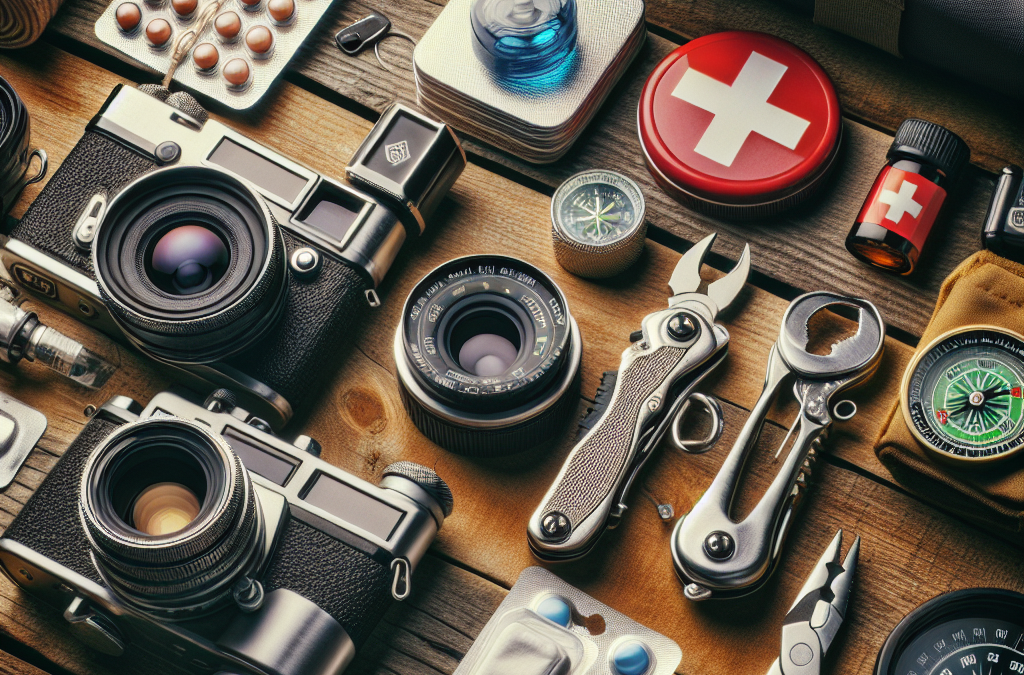
When I began my survival journey, I learned the importance of variety in the tools I carried. A multi-tool can function like a Swiss Army knife with various uses for cutting, screwing, and opening. I’d say it’s one of the must-have items in your kit. You never know when you need to fix something or build a makeshift shelter!
Don’t underestimate the importance of a first-aid kit either. Accidents happen, and having basic medical supplies can provide immediate help. I consider including things like antiseptics, bandages, and even scissors crucial for dealing with common injuries. Your fists can only do so much in a pinch!
Lastly, think about self-defense tools if that’s a concern in your area. A whistle or a simple personal alarm system can be a lifesaver when you’re trying to draw attention to yourself. Covering all your bases will ensure you’re better prepared for whatever comes your way.
Include Comfort Items
Now, this may sound odd, but don’t overlook the comfort items in your survival gear. After a long day in the wild, the last thing you want is to be miserable. Items like a decent sleeping pad or lightweight blanket can make a world of difference. I tell ya, having a comfortable place to sleep at night is a game-changer for morale!
You might also consider packing a portable charger or solar charger, depending on your situation. Keeping your phone charged for emergencies seems trivial, but it’s essential for navigation and communication. I can’t stress enough how useful that connectivity is even in outdoor scenarios.
And let’s face it, mental well-being matters too. A book, journal, or even a small pack of cards can help break the monotony. Laughter can do wonders in tough times, so bringing along something to lift spirits can turn a dire situation into a bonding experience.
Package and Maintain Your Gear
Organize Your Kit
Once you’ve sourced all your gear, I can’t stress enough how important it is to keep everything organized. I’ve had instances where I’ve frantically searched for items only to find them buried under an avalanche of stuff. A well-organized kit is easy to navigate, making chaos that much more manageable when you’re in a survival situation!
I recommend using labeled zip bags or compartments in your backpack. When everything has its own spot, you can easily grab what you need without turning into a hot mess. Not to mention, you’ll know if something is missing, which means you can restock long before you need it.
Also, don’t forget to check your kit regularly. Gear can wear out or expire, and I’ve been guilty of forgetting about items until it’s too late. Create a routine—maybe once a season—for checking everything so that you’re always prepared.
Train with Your Gear
Now that you’ve nailed down your gear and organized it like a pro, the real fun begins: training! Yep, knowing how to use your gear is just as important as having it. I’ve learned this the hard way during a camping trip when I struggled to set up my tent in the dark. Talk about embarrassing!
Consider doing a trial run of your kit in a safe environment. This helps you understand what works and what doesn’t without the pressure of a real emergency. Practice making quick meals, setting up your shelter, or even using your first-aid kit. Knowledge and familiarity can give you the confidence you need during a real-life situation!
Additionally, I suggest connecting with local survivalists or groups. Learning from others not only exposes you to new techniques and gear but can also lead to a strong support network. Trust me, having friends who are on the same path can provide a much-needed experience boost!
Stay Updated on New Gear Options
The world of survival gear is extensive and continuously evolving. I often find exciting new products that make survival more manageable and efficient. Keeping up with new supplies can better your kit and adapt to modern challenges. I keep an eye on blogs, forums, and even outdoor expos to stay informed about the latest trends.
Sometimes, social media can be a treasure trove for discovering innovative gear. Following enthusiasts and survival experts can introduce you to tools others have found effective. Plus, you can read reviews and feedback, making it easier to determine what suits your unique needs.
Also, don’t shy away from trying DIY. Some of the best survival gear I’ve made have come from experimentation. You might find that you can easily tailor existing items to your needs. Just keep safety and functionality in mind as you explore your options!
FAQs about Choosing the Right Gear for Your Survival Kit
1. What are the most essential items for a survival kit?
The essentials include food, water, shelter, a first-aid kit, and multi-tools. Prioritizing basic survival needs ensures you can stay safe in various scenarios.
2. How often should I check my survival gear?
I recommend checking your survival gear at least once a season. This ensures everything is in good condition and ready for use when needed.
3. Can I make my survival gear?
Absolutely! DIY solutions can provide custom adaptations tailored to your needs. Just ensure you’re considering functionality and safety when creating your gear.
4. Is it necessary to train with my survival gear?
Yes! Training with your gear can build confidence and ensure you know how everything works, which is vital in emergencies.
5. What should I do if I realize I don’t have a needed item in my kit?
Don’t panic! Assess the situation, and if time allows, source the needed item. Regular checks can help prevent this scenario, but adaptability is key!






