
by Preparation Call Editorial Team | Jul 30, 2025 | Preparedness
Situational Awareness
Understanding Your Environment
One of the first things I learned about urban survival is the importance of being aware of my surroundings. This means not just looking around, but really absorbing the details of the environment. I pay attention to the people around me, their behaviors, and the general mood of the area. Spotting unusual activities could help me avoid potential threats.
When walking down the street, I try to make eye contact with those around me, which helps me build a mental map of who’s in my vicinity. Is someone acting strangely? Are there too many people crowded in one spot? These subtle cues can signal whether it’s safe to stay or time to move.
Being attentive is not just about protection; it’s also about opportunity. Sometimes, I notice an open café or a friendly face in a crowded market. Those little details can enrich my urban experience, adding to both safety and enjoyment.
Reading the Crowd
Another aspect of situational awareness is learning to read crowds. Each gathering of people can tell a story; the energy in the air is palpable. If I sense restlessness or agitation in a crowd, it’s often best to steer clear.
I’ve often found that just observing how people react to their surroundings can give me hints about what to expect. For instance, if there’s a large crowd congregating, I might step back and assess how they’re interacting. It could be a peaceful gathering, or it could escalate quickly.
This skill has saved me from uncomfortable situations more than once. Trusting my gut, in addition to my observations, has been key to navigating urban life safely.
Stay Ready and Prepared
Being prepared is essential. I always carry a small emergency kit with essentials – think first aid items, a portable charger, and some snacks. You never know when you might need them! There’s a certain peace of mind that comes from knowing I’m ready for minor mishaps.
Also, I regularly plan my routes and know alternatives in case of disruptions. If a street is blocked or something feels off, I like having a backup plan so I can get to safety without panic.
Lastly, practicing mindfulness helps me maintain mental readiness. Whether it’s a morning meditation or a walk where I consciously take in my surroundings, it’s crucial for keeping a steady head in uncertain times.
Basic Self-Defense Techniques
Finding the Right Class
Self-defense isn’t just for tough guys; it’s for anyone looking to feel safe in an urban environment. I started by researching local classes – a combination of online reviews and recommendations were golden. Talking to friends who’ve taken classes was also super helpful.
When I In summary found a class, it was all about learning techniques without relying on strength. I learned how to leverage my body weight and target sensitive areas. It was eye-opening to practice with a partner who also wanted to learn how to protect themselves.
Self-defense also builds confidence. Just knowing some basic moves transformed how I carry myself in public spaces. I walk a little taller and with more assurance, which can sometimes deter potential threats as well.
Practice Situational Self-Defense
Learning self-defense techniques isn’t enough; practicing them is crucial. I remember the first few classes being challenging, honestly. But as I consistently practiced, I began to feel more in tune with my own capabilities. I tried to incorporate small drills into my daily routine.
One exercise I found particularly useful was visualization. When I’d walk through my neighborhood, I mentally replay potential ‘what-if’ scenarios: What if someone approaches me on the street? How would I react? Thinking through these scenarios makes me feel more equipped in reality.
Having conversations with fellow class participants also helped. Exchanging experiences and tips created a supportive environment where we could challenge ourselves and grow together.
Understanding De-escalation Techniques
A huge part of self-defense is knowing when to walk away. I’ve learned that sometimes the best strategy is not to engage at all. If I find myself in a tense situation, my first instinct is to assess whether a calm demeanor could defuse the tension. It’s all about reading body language and tone.
Practicing calming techniques, like speaking softly and maintaining eye contact, has been effective in my experiences. I’ve noticed that defusing a potential confrontation can often come down to reassurance. I’ll try saying less, while keeping my body language open and relaxed.
De-escalation isn’t just about avoiding fights; it’s about respecting others and yourself. This skill does more than just keep me safe; it builds bridges of understanding, even in chaotic environments.
Urban Foraging Skills
Identifying Edible Plants
One of my favorite skills I’ve picked up is urban foraging. You wouldn’t believe how many edible plants are just sitting around in public parks or even along sidewalks! I started with a simple foraging guidebook and educated myself about the plants in my area. Learning which ones are safe to eat was such an eye-opener.
I’ve learned to eye dandelions, for example. They’re everywhere and absolutely edible! Other plants, like wild garlic, have not only enriched my diet but have also connected me to the environment around me in a meaningful way.
City gardening communities often host foraging walks, which are great for getting hands-on experience. Sharing knowledge with others who are passionate about the same skills as me makes the learning process so much fun.
Understanding Legal Considerations
While foraging is a fantastic skill, recognizing legal considerations is equally important. I’ve made it a point to familiarize myself with local laws about foraging in public and private spaces. Some areas have specific rules about whether certain plants can be harvested or not.
Being informed protects not just me but also the environment. I try to tread lightly and leave plenty for others, as well as ensure I’m not taking from protected areas. Growing awareness of these regulations enhances the sense of community around sustainable practices.
If in doubt, it’s always best to ask. Sometimes I reach out to community gardens or local environmental groups to clarify what’s safe and respectful while foraging.
Cooking with Foraged Foods
To wrap up, once I’ve gathered my foraged treasures, knowing how to prepare them is key. There’s something incredibly fulfilling about cooking with ingredients I’ve scoured the city for. My go-to meals often include freshly foraged herbs and greens tossed into salads or used in soups.
Experimenting with recipes has opened up my palette, and I love discovering new flavors. Sharing these meals with friends has even sparked interest in urban foraging among them! Cooking guides focused on foraged foods can be a treasure trove of inspiration.
It’s a blend of creativity, sustainability, and nourishment that gives me a fantastic sense of accomplishment. Plus, it’s a great conversation starter at dinner parties, as everyone loves hearing about the unusual ingredients I’ve sourced.
Emergency Preparedness
Creating an Emergency Kit
Emergency preparedness can sometimes feel overwhelming, but it doesn’t have to be! I started by assembling a basic emergency kit that fits my lifestyle. In it, I’ve included essentials like water, non-perishable snacks, a flashlight, and a first-aid kit. It’s like my security blanket for unexpected situations. Making sure it’s easily accessible gives me comfort.
I recommend adding personal items, too, like important documents or medications you may need in a pinch. This makes it personalized for your specific needs and ensures I have everything at hand when situations get tricky.
Regular check-ins are important. I like to refresh the items periodically to keep everything in working order, especially food and batteries, making sure my kit is always ready to roll.
Developing an Emergency Plan
Having a solid emergency plan is crucial. I’ve gone as far as sketching a map of my area, including where to meet with friends or family if something goes down. Knowing potential escape routes from my home and recognizing safe spots is something I review often.
Communication is key, too. I keep a list of emergency contacts in my phone, and I make sure folks in my circle understand our plan. It’s great to know we’re all on the same page if something happens. Sharing details helps all of us maintain calm and focus when stress levels rise.
Lastly, I practice drills every so often. It might seem silly, but rehearsing scenarios helps me think clearly in case of an actual emergency. It reduces the panic and increases my chances of efficiently executing our plan.
Staying Informed
Staying informed about local emergencies—like weather alerts or neighborhood specifics—has become a part of my routine. I follow local news apps and listen to community alerts to keep track of any incidents that might affect my area. It’s that proactive approach that helps me feel empowered.
In addition, I’ve connected with community groups focused on emergency preparedness. It’s great to swap tips and hear about what others are doing. The more I learn, the more confident I feel about handling potential crises.
With the right blend of information and practical skills, I find myself more at ease, ready to adapt if challenges arise. Urban survival feels less daunting when I take charge of my knowledge and resources.
Conclusion
Urban survival may sound challenging, but breaking it down into manageable skills makes it an exciting journey. Each skill learned adds a layer of security and confidence to my daily life. I encourage you to dive into whichever area resonates with you, and remember that practice and mindfulness can transform any situation into an opportunity for growth!
FAQ
1. Why is situational awareness important in urban survival?
Situational awareness helps you recognize potential threats or important opportunities in your environment, allowing for better decisions when navigating urban life. It’s all about being tuned in to what’s happening around you.
2. How can I start learning self-defense?
Finding a local class is a great way to begin! Look for classes that focus on practical techniques rather than just physical strength. Practicing with a partner can be incredibly beneficial.
3. What should I include in my emergency kit?
Your emergency kit should include essentials like water, non-perishable food, a flashlight, a first-aid kit, personal documents, and any necessary medications. Tailor it to fit your needs!
4. Is urban foraging safe?
Yes, as long as you educate yourself about the local flora and legal considerations surrounding foraging. Ensure you can properly identify edible plants and respect the environment around you.
5. How do I stay informed about local emergencies?
Following local news sources, weather apps, or connecting with community groups can help keep you informed about emergencies in your area. Regular check-ins with your contacts also ensures everyone is on the same page.
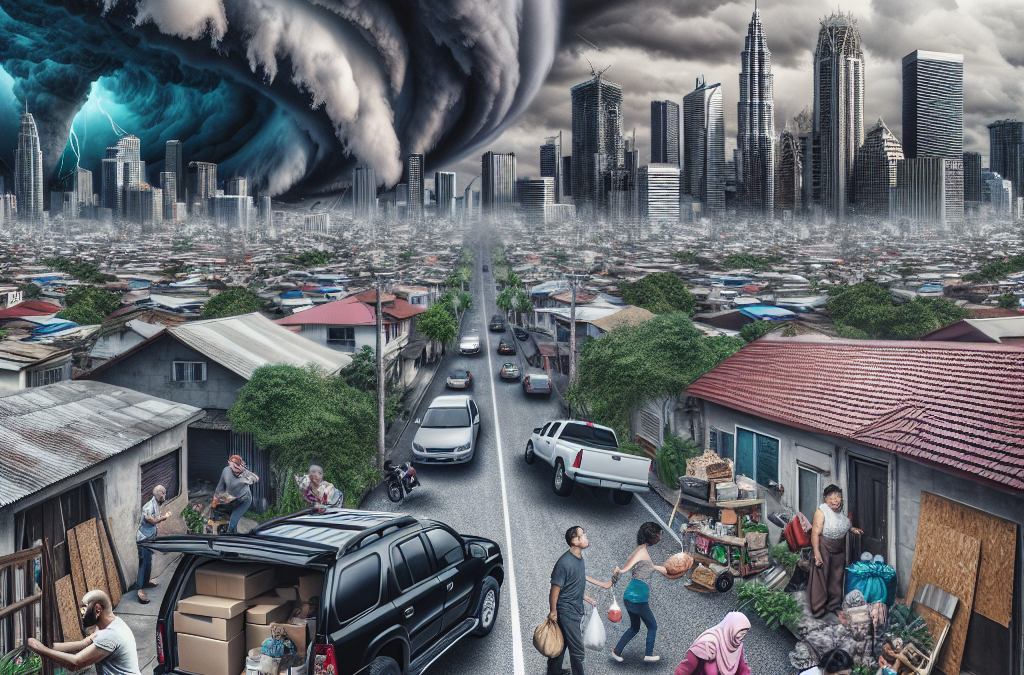
by Preparation Call Editorial Team | Jul 30, 2025 | Preparedness
Changing Weather Patterns and Their Effects
Understanding the Shift
First off, let’s talk about the changing weather patterns that we’ve all been noticing. I mean, it feels like every time I turn around, there’s a new headline about some crazy storm or unexpected heatwave. These changes aren’t just a nuisance; they’ve got real implications for how we prepare for disasters. You see, when the seasons start to blur together, it throws us all off balance.
For instance, having a normally predictable storm season suddenly become erratic changes everything. Emergency services are trained to expect an average pattern, but climate change makes averages obsolete. It’s like trying to play a board game where the rules keep changing mid-play.
As someone who’s keenly aware of these shifts, I’ve learned that keeping an eye on meteorological trends can help us anticipate these changes better. Communication between scientists and local communities becomes essential when we’re trying to brace ourselves for the unknown.
Impact on Local Communities
Here’s where things get personal—our communities need to know how to deal with this. In many places, local emergency management is unprepared for such drastic changes, and it’s becoming crucial to re-evaluate how we respond. Communities need to step up and figure out strategies to adapt their emergency plans according to these intensified weather patterns.
After all, we’re all in this together. I often think about my own neighborhood’s disaster response plan. It feels outdated as I’ve observed firsthand how storms and floods have become more frequent and violent. Engaging communities in conversation about their specific needs in these changing climates is fundamental for successful disaster preparedness.
Furthermore, let’s not forget the importance of training the community in basic disaster response. The more equipped we feel, the better we can navigate these unpredictable times. Regular drills and educational workshops can make a significant difference.
Preparedness Plans
So how do we adapt our preparedness plans in the face of these changing patterns? Well, it starts with a review of our existing systems. Just like any good business, we need to constantly evaluate how things are working and adjust accordingly. If our disaster plans were written a few years back, it’s time for a refresh!
In my experience, involving local experts who understand both the community and the science behind climate changes can yield profound insights. They can help tailor plans to meet specific local risks rather than using a generic template that may not fit everyone.
And don’t forget about the technology! There are some amazing apps and platforms out there that can help track weather changes and give alerts. Incorporating these tools into our preparedness plans can really boost our response efficiency. Plus, who doesn’t love a little tech to spice up disaster preparedness?
Infrastructure Vulnerability
Assessment of Infrastructure
Let’s dive into the state of our infrastructure. Over the years, I’ve seen firsthand how certain buildings and systems struggle under the weight of severe weather events. Assessing the structural integrity of dams, bridges, and roads is crucial. If all these systems are designed with past weather norms in mind, that’s a big red flag!
In many places, older structures aren’t equipped to handle the extreme conditions brought on by climate change. This creates a vulnerability that we simply can’t afford when disasters strike. We need to prioritize retrofitting older buildings or even consider relocating vital infrastructure away from high-risk zones.
Bringing in engineers and urban planners to evaluate and remodel these infrastructures can help communities stand stronger in adversity. It’s a smart, proactive step that I believe all communities should consider seriously.
Investment in Robust Solutions
During my journey, I’ve realized that investing in robust and sustainable solutions is a game-changer. This might sound like a no-brainer, but you’d be surprised at how many places still overlook the need. Flood barriers, improved drainage systems, and storm-resistant buildings can significantly mitigate disaster impacts.
The best part? These solutions often pay for themselves over time by saving communities from the cost of damage and rehabilitation after a disaster. It’s financially wise to invest in prevention rather than just response!
Community leaders must make these investments a top priority. Getting the local government and stakeholders on board is essential. I’ve learned that with the right push, informed advocacy can lead to securing necessary funding for these projects.
Long-Term Implications
So what happens when we don’t address infrastructural concerns? Well, the long-term implications can spell disaster for communities. We must consider the socio-economic impact of natural disasters exacerbated by climate change. Economic recovery can take years if not decades!
People lose their homes, jobs, and sometimes even their lives. As someone who takes these matters to heart, it’s heartbreaking to see communities struggle due to a lack of foresight. Our investments today can shape a more resilient future.
Additionally, there’s also the issue of mental health. It’s not something everyone thinks about, but the trauma associated with disasters can linger long after the physical cleanup is done. Addressing structural vulnerabilities not only safeguards facilities but also the inhabitants’ well-being.
Community Engagement and Education
Empowering Local Communities
Alright, let’s pivot to the importance of community engagement. If there’s one lesson I’ve learned, it’s that informed civilians make for a resilient community. Educational initiatives about disaster risks and climate preparedness must be accessible to everyone. It’s all about empowering people with knowledge!
Engaging local leaders and organizations, like schools and community centers, can play a key role in spreading the word. Workshops, seminars, and even social media campaigns can help keep the public informed on how to respond and prepare for climate-related disasters.
Open discussions about our vulnerabilities also foster a sense of ownership among community members. They become better prepared and feel a stronger connection to their neighbors. Collective action is always more effective, and the emotional support garnered is invaluable!
Interactive Training Programs
Now, let’s talk about how fun disaster preparedness can truly be! Implementing interactive training programs can shift the perception of preparedness from a chore to something engaging. I’m all about making it fun! Who says you can’t have both education and entertainment?
Consider organizing drills that mimic real-life scenarios. Getting hands-on experience can prepare people in ways that just reading a pamphlet won’t. It’s often through role play and practical exercises that the biggest lessons are learned.
Plus, it builds camaraderie within the community. From planning a local disaster fair where people can learn more about both climate risks and preparedness plans to hosting competitions, the possibilities are endless!
Building Communication Networks
Lastly, effective communication networks must be established. In my experience, having multiple lines of communication can save precious time during emergencies. Social media platforms, community websites, and texting groups can all play critical roles during a disaster.
The faster you can disseminate information, the better off everyone will be. I mean, imagine if half the town knew the evacuation route, and the other half didn’t? Total chaos! Establishing protocols before a crisis hits can streamline actions and prevent confusion.
It’s also crucial to ensure that everyone has access to these networks. I often think about the elderly or those without internet access. Solutions should be inclusive, ensuring that everyone gets the information they need when they need it most.
Policy and Governance Adjustments
Integrating Climate Risk into Policy
Last, but definitely not least, let’s dig into how policy adjustments influence our preparedness for climate impacts. Integrating climate change risk into local and federal policies is something we all need to rally for! When lawmakers understand the reality of climate impacts, they can begin to build solid frameworks for disaster preparedness.
I’ve seen policies evolve, but there’s still a long way to go. It’s great to see more proposals that consider how climate variability affects our disaster response systems. Together, we can advocate for comprehensive policies that prioritize sustainability and adaptation.
Engaging in advocacy creates a louder voice for concerned citizens. I believe grassroots movements can significantly impact how policies are crafted and enacted. Let’s put pressure where it counts!
Funding and Budget Allocations
Here’s the thing about policies—not all of them come with the cash to back them up. We need to ensure that budgets are allocated correctly to support these initiatives. As I’ve learned in marketing, a great plan is worthless without the resources to implement it.
This involves direct communication with local governments to prioritize funding for disaster preparedness measures. We must push for transparency about where funds are going and advocate for necessary budget adjustments.
Getting community buy-in on these issues can help put additional pressure on decision-makers. The more people who express concern and interest, the more likely they are to take action!
Monitoring and Evaluation
All in all, we can’t forget the importance of monitoring and evaluating the effectiveness of policies. Just like I continually assess marketing strategies, policies need to be reviewed regularly to determine how well they work in practice.
Continuous assessment helps refine policies, ensuring they adapt to the evolving nature of climate change. Engaging with community feedback during this process can yield wonderful ideas and solutions that might be overlooked otherwise.
I always say, learning is a journey, not a destination. By acknowledging that our approaches may need tweaking, we can ensure that our strategies remain relevant and effective in the face of our growing climate challenges.
Conclusion
Ultimately, addressing the impact of climate change on disaster preparedness is no small feat. It requires a multifaceted approach that involves understanding weather patterns, evaluating our infrastructures, engaging communities, adjusting policies, and continuously learning from our experiences. Together, we can build resilient communities that stand strong in the face of unforeseen challenges.
Frequently Asked Questions
- 1. How does climate change affect normal weather patterns?
- Climate change can cause more extreme weather events and disrupt traditional seasonal patterns, making it difficult to predict storms, floods, and heatwaves.
- 2. What role does community engagement play in disaster preparedness?
- Community engagement empowers residents to be proactive in disaster response, fostering a sense of ownership and encouraging collective action, which strengthens resilience.
- 3. Why is infrastructure assessment crucial for disaster preparedness?
- Older infrastructure may not withstand extreme weather events, so assessing its integrity is essential to prevent failures that could exacerbate disaster impacts.
- 4. What are some effective communication strategies during a disaster?
- Establishing multiple channels like social media, community websites, and text communication can ensure timely and accurate information dissemination during emergencies.
- 5. How can policy changes enhance disaster preparedness?
- Integrating climate risk into policies and ensuring proper funding can create comprehensive strategies that prepare communities for future challenges posed by climate variations.

by Preparation Call Editorial Team | Jul 30, 2025 | Preparedness
Evaluate Your Current Digital Security
Understanding Your Digital Footprint
First things first, let’s talk about our digital footprints. It’s amazing how many details about us are floating around online. From social media profiles to old apps, it’s crucial to take a hard look at what’s out there. I always start by searching my name to see what pops up. Trust me, it can be eye-opening!
Once you’ve identified your presence, take stock of what you want to keep and what you need to clean up. Unused accounts? Old posts? This step is more like a digital decluttering session, and it feels great to get rid of what no longer serves you.
Keeping an eye on your digital footprint helps you understand your vulnerabilities. The less information you have floating around, the better your chances are of keeping it out of the wrong hands during a crisis.
Assessing Your Current Passwords
Next up, let’s talk passwords. Oh boy, who hasn’t been guilty of using “123456” or “password” at some point, right? It’s time to face the music. I recommend using a password manager to generate and store complex passwords that would make a hacker weep. This way, you’re not just relying on memory!
Changing your passwords frequently can feel tedious, but it’s really important especially during a crisis. Think of it like changing the locks on your doors after a break-in. You wouldn’t want to leave your digital doors wide open, would you?
And, please, activate two-factor authentication whenever you can. It’s just an extra layer of security that makes a world of difference, especially for your most important accounts where sensitive information lives.
Review Privacy Settings
Another thing I can’t stress enough is checking your privacy settings. Whether it’s Facebook, Instagram, or even those less-known apps, make sure you’re comfortable with how much information you’re sharing. I once had my location settings open and didn’t even realize it until a friend pointed it out!
Taking the time to narrow down who can see your posts or access your information can be one of the simplest steps in strengthening your digital security. Remember, not everyone needs to know what you had for breakfast!
All in all, consider reviewing app permissions on your devices. Some apps don’t need access to your camera or microphone, so take the time to revoke those permissions to minimize your risk further.
Update Your Software Regularly
The Importance of Software Updates
I’ll admit, I used to be that person who would ignore my software updates. But, I learned the hard way that these updates are critical to keeping your devices and data safe. They fix bugs and patch vulnerabilities that could be exploited by hackers, so don’t skip over them!
Setting your devices to update automatically can save you the extra step and keeps you secure without even thinking about it. It’s a small change that can have huge impacts on your overall digital safety.
Furthermore, take some time to check the apps you use frequently. Are they up to date? If not, go ahead and update those too. You’ll be glad you did when the next crisis hits!
Evaluate Your Device Security
Let’s chat about device security for a sec. Do you have those nifty security features turned on? Things like biometric logins, PIN codes, and tracking services should be enabled. I can’t tell you how much peace of mind it gives me to know that if I lose my phone, I can track it down!
Also, consider using encryption for sensitive files, especially if you store some personal information on your devices. It works like a locked box where only you have the key—very handy during crises.
In summary, have a back-up plan for your data. Whether it’s through cloud services or external hard drives, backing up your important files ensures you don’t lose everything if something goes wrong. Trust me; you’ll be thankful later!
Get Familiar with Recovery Options
Familiarizing yourself with your recovery options is crucial. It can be a real lifesaver if you ever find yourself locked out of an account or if your device gets lost. Every platform has its methods for recovery, and knowing them can save you a world of frustration.
I make it a point to write these recovery options down in a secure location. Things like backup emails or phone numbers can be super helpful to regain access if needed.
Also, never hesitate to contact customer support for additional help. They’re there for a reason, and they might have solutions up their sleeves that you haven’t even considered.
Be Aware of Phishing Scams
Identifying Phishing Attempts
Now, let’s talk about phishing scams. These sneaky attempts to steal your information are everywhere, and they’re getting more sophisticated. I make it a habit to slow down and scrutinize emails and texts. If it feels fishy, it probably is!
Look for signs like strange email addresses, poor grammar, or requests for sensitive information. If something doesn’t seem right, it’s better to err on the side of caution.
In my experience, staying informed about common phishing tactics can help you stay one step ahead. Trust me, knowledge is power in this case!
Practicing Safe Browsing Habits
When I’m online, I stay vigilant about what sites I visit. Making sure a website is secure (you know, looking for HTTPS instead of just HTTP) is a must. It’s a simple step that offers an extra layer of protection to your data.
Using a virtual private network (VPN) is another best practice. It protects your internet connection, especially if you find yourself using public Wi-Fi—we all love a good coffee shop, right?
So, be aware of shady links and avoid clicking on anything that looks reminiscent of a sketchy email. If in doubt, don’t interact!
Reporting Suspicious Activity
If you see something fishy, don’t just ignore it! Report phishing attempts to the respective platforms and your email provider. Sharing this info helps improve security and keeps the community safer.
I always suggest sharing your experiences with friends and family. Informing others about phishing scams can help them protect themselves too. It’s a little community shield against these cyber threats!
And remember, staying proactive about security can save you a ton of hassle in the long run. The more eyes that are watching for scams, the harder they’ll be to pull off!
Stay Informed and Adaptable
Keeping Up with Digital Trends
Digital trends move super fast, and keeping up can be exhausting. But being in the loop about current threats and best practices is key! I follow blogs, podcasts, and even social media accounts dedicated to cybersecurity to stay educated.
Every couple of months, I dedicate time to read up on new guidelines or tools that can help secure my digital life. Trust me, an informed user is a safer user!
Being adaptable in your security practices ensures you’re ready for anything. This means not only keeping security software and devices updated but also being open to changing habits as needed.
Utilizing Security Tools
I can’t emphasize enough how handy security tools can be. From antivirus software to firewall applications, these tools work tirelessly to protect us in the background. I have systems in place that run scans and alert me to any suspicious activity.
Ensure you pick the right tools for your needs. Read reviews, and don’t shy away from asking others for recommendations—you’ll find some reliable options!
Using security tools should be a complement to good habits. They provide that extra layer of security, but they can’t replace our active involvement in keeping our digital lives secure.
Engaging in Online Communities
One of my favorite ways to stay informed is by engaging in online communities. Whether it’s forums, social media groups, or workshops, there’s a wealth of knowledge to tap into. Sharing experiences and learning from others can be invaluable.
These communities often discuss new threats and the latest security measures, giving you insight that you can use to bolster your digital defenses. It feels more like a supportive network than just a group of users, which is incredibly refreshing!
Don’t be afraid to ask questions or share your own experiences. Let’s face it—no one is perfect, and everyone can learn from each other in this ever-evolving digital landscape.
Frequently Asked Questions
1. What should I do if I suspect my account has been hacked?
First, change your password immediately. Then, enable two-factor authentication. After that, check for any unauthorized activity and report it to the platform’s support.
2. How can I secure my Wi-Fi network?
Make sure your router has a strong password, enable WPA3 encryption, and regularly update the router’s firmware. It’s also a good idea to hide your network name.
3. What steps should I take if I receive a suspicious email?
Do not click on any links or download attachments. Verify the sender’s email address, and if you suspect phishing, report it to your email provider.
4. Can using public Wi-Fi really put my data at risk?
Yes! Public Wi-Fi networks are often not secure, making it easier for hackers to intercept your data. Using a VPN can offer protection in these situations.
5. Should I use the same password for multiple accounts?
No, using the same password increases your risk if just one of those accounts is compromised. Always use unique passwords for different accounts.






