
by Preparation Call Editorial Team | Jul 6, 2025 | Preparedness
Evaluate the Situation
Take a Deep Breath
First, let’s be real. When your emergency plan falls apart, it’s easy to feel overwhelmed. I’ve been there, and trust me, panic doesn’t help anyone. The first step I take is to literally pause and breathe. Taking a moment to collect my thoughts helps clear my mind and allows me to assess the situation more calmly.
Breathing exercises can be super helpful here. Try inhaling for four counts, holding for four, and exhaling for four. This little trick can reduce anxiety and refocus your attention. Believe me; a calm mind is key in emergencies.
Once you’ve cooled your jets a bit, you can turn your attention toward analyzing what’s happening. Ask yourself: What’s gone wrong? Why isn’t my plan working? This introspection is crucial for making informed decisions moving forward.
Understand the Resources at Hand
Your emergency plan might have stumbled, but that doesn’t mean you’re out of options. Look around and really consider what you’ve got available. I always ask myself: Do I have access to local support—friends, family, or community services? You’d be surprised how quickly help starts to appear when you reach out.
Also, consider the tools and supplies you’ve prepared. They’re there for a reason. Whether it’s a first aid kit or backup power sources, leveraging those resources can make a massive difference in managing the situation.
Lastly, don’t forget about technology. In today’s world, our smartphones can be lifesavers. Reach out for help via social media, locate emergency services through apps, or even just Google the nearest shelter if you need to get somewhere safe. Knowledge is power!
Assess Your Options
Alright, so now you’ve taken stock of your feelings and your resources; what’s next? It’s time to consider your options. I like to jot down several possible courses of action. It might take some time, but trust me, brainstorming out loud can help: talk to someone else or just think through it.
When evaluating options, be strategic. Weigh the pros and cons of each possibility to make a well-informed decision. Some options may seem appealing but carry risks you haven’t considered yet. It’s vital to factor those into your choice.
Don’t hesitate to revisit your backup plan if you have one. Sometimes, adjusting an existing plan can be just as effective as starting from scratch. Be creative and flexible in your approach!
Communicate Your Needs
Reach Out for Support
Never underestimate the power of communication in a crisis. I’ve learned that sharing my situation with those around me not only helps me feel less alone but also opens up potential support avenues. Whether it’s posting in a neighborhood group or texting a friend, don’t be shy!
Sometimes, just knowing someone else is in your corner can be a huge morale booster. I recall a time I was dealing with a community emergency, and just reaching out to a neighbor led to a small group coming together to find solutions.
Utilizing social media can also yield surprisingly helpful outcomes. Many people in your network might have insights or resources they’re willing to share. It’s all about connecting!
Be Clear About Your Situation
When engaging with others, it’s essential to communicate clearly about what’s going on and what you need. I make it a point to express my needs succinctly and to the point. For example, instead of saying, “I need help,” try something more specific like “I need someone to assist me with transportation.” Clear communication can make all the difference.
Don’t forget to ask questions too! Sometimes the best support comes from asking someone if they’ve experienced something similar or know resources that could be beneficial. I’m always amazed by how many people are willing to share their knowledge and support!
This two-way dialogue can also help you gather information on what others are doing in similar situations. Who knows? There may be a solution out there that you hadn’t even considered!
Utilize Available Communication Tools
These days, we’ve got so many ways to communicate. Apps like WhatsApp or Facebook Messenger allow real-time conversation with multiple people, which can help organize a plan efficiently. Utilize group chats to keep friends and family updated on your situation, and coordinate any potential support.
If things get really hairy, don’t forget about the good old phone calls! Sometimes hearing a friendly voice can provide the reassurance you need that you’re not alone in this. Plus, you can convey your situation much faster than typing it all out.
As a last resort, establish a shout-out network. If you’ve set up a group of contacts, keep them informed, so everyone knows what’s going on and how they can help. Communication is key, folks!
Revise Your Emergency Plan
Learn from Experience
After everything settles down, it’s time for some serious reflection. I always try to figure out what went wrong in my emergency plan and why it failed. What worked? What didn’t? Reflecting on these questions can help you identify the gaps that need to be filled.
Try to remember specific moments during the crisis—did I ignore a critical piece of advice? Was there a resource that could have improved the situation? Learning from past mistakes empowers you to make better decisions in the future.
And remember, this is not about blaming yourself. Mistakes happen, and they are often unavoidable. The goal is to learn and grow from the experience so you can be more prepared next time around!
Update Your Resources
Once you’ve pinpointed what needs fixing, it’s crucial to update your emergency resources. This could mean stocking up on essential supplies, upgrading your first aid kit, or even enrolling in a first aid or CPR course. Don’t we all feel more secure when we know we’re prepared?
I’ve found that creating a checklist of items you need on hand can save you time and effort in the future. Make a habit of reviewing your supplies regularly; after all, it’s easy to overlook items that might fall out of date or go missing over time.
Another idea is to consider developing a more detailed plan. Where will you go if there’s an emergency? What are your specific action steps based on various scenarios? These details will provide a roadmap for handling unexpected situations with a bit more confidence.
Share Your Plan with Others
Now that you’ve revamped your emergency plan, don’t forget to share it! Discussing your updated plan with family, friends, or anyone else involved can make all the difference in a future crisis. Everybody should know what to do in case things go south again.
Do a quick walkthrough of the plan with your loved ones. It helps reinforce the action steps and gives everyone a chance to voice any concerns or suggestions. I’ve found that people often come up with ideas I hadn’t considered!
Letting your network in on the plan ensures that you’re all on the same page and boosts everyone’s confidence in facing emergencies collaboratively. Teamwork makes the dream work, am I right?
Stay Positive and Resilient
Embrace the Learning Curve
Life throws curveballs—it’s a part of being human. I’ve learned to embrace these challenges as opportunities for growth rather than setbacks. Keeping a positive mindset helps me bounce back more quickly and effectively when things don’t go as planned. Celebrate small victories even in tough situations!
Every time my plans fail—and they will—I remind myself that it’s a chance to learn something crucial. It’s not just about surviving; it’s about thriving in the face of adversity. This perspective shift can really help shape your long-term resilience.
Often, people around you might struggle alongside the same issues. So, sharing your experiences can show them they’re not alone, creating a support network that builds resilience for everyone involved.
Practice Self-Care
Your mental and emotional health are super important, especially after a crisis. I make it a priority to practice self-care in the aftermath of a failed emergency plan. Simple things like grabbing a favorite snack, going for a walk, or just taking a relaxing bath help me recharge and refocus.
Don’t hesitate to reach out to a therapist or counselor if needed. Talking with someone who’s trained in resilience building can provide invaluable support and guidance as you process the experience.
Remember, taking care of yourself allows you to be better equipped for the next time life throws a surprise your way. It’s all about finding balance and being kind to yourself in tough times!
Keep a Flexible Mindset
Staying flexible is crucial, both mentally and emotionally, when things don’t go according to plan. I find that having a go-with-the-flow approach helps. While I’ll always aim to be well-prepared for any situation, I also recognize that life is unpredictable, and that’s perfectly okay!
Flexibility allows me to adapt quickly to new situations and keep my wits about me, even when surprises arise. Rather than fixating on a failing plan, I focus on ways to turn the setback into an opportunity for learning and growth.
Who knows what new paths might open up when we let go of trying to control every aspect of a situation? Embracing change can lead to exciting new adventures you never would have anticipated!
Frequently Asked Questions
1. What should I do if my emergency plan fails during a natural disaster?
If your emergency plan fails, first assess the situation calmly. Take stock of your resources, reach out for support, and be flexible with your options. Then, you may need to revise your plan based on what you learn.
2. How do I effectively communicate my needs during an emergency?
Be clear and specific about what you need. Use concise language and don’t hesitate to ask questions. Whether through phone calls, group chats, or face-to-face interactions, clear communication is key to finding help.
3. How can I prepare my emergency kit for future crises?
Regularly check your emergency kit and replenish supplies as needed. Make a tailored checklist of essential items and consider enrolling in relevant courses to enhance your preparation!
4. What are some coping strategies after an emergency plan fails?
Embrace a learning mindset, practice self-care, and maintain flexibility. These strategies will help you manage stress and build resilience for the future.
5. How can I involve my family in emergency preparedness?
Share your updated plans with them and include them in discussions. Practice your emergency plan together, allowing everyone to voice their opinions and suggestions for improvement.
by Preparation Call Editorial Team | Jul 6, 2025 | Preparedness
Understand Your Needs
Assess Possible Emergencies
When I started thinking about preparing for emergencies, the first thing I did was take stock of what kinds of emergencies could happen in my area. I made a list of potential scenarios: natural disasters, power outages, or even job loss. This helped me focus my efforts where they were needed most.
It’s key to tailor your preparations to your specific situation. For instance, if you live in a flood-prone area, you might need more emphasis on water safety supplies. On the other hand, if you’re in a region that frequently faces wildfires, having a plan for evacuation and supplies to sustain you in that event becomes crucial.
Always keep in mind that preparedness isn’t one-size-fits-all. By understanding your unique risks, you’ll be better positioned to allocate your limited budget effectively, ensuring that you don’t waste resources on things you don’t actually need.
Start with Essentials
Create Your Emergency Kit
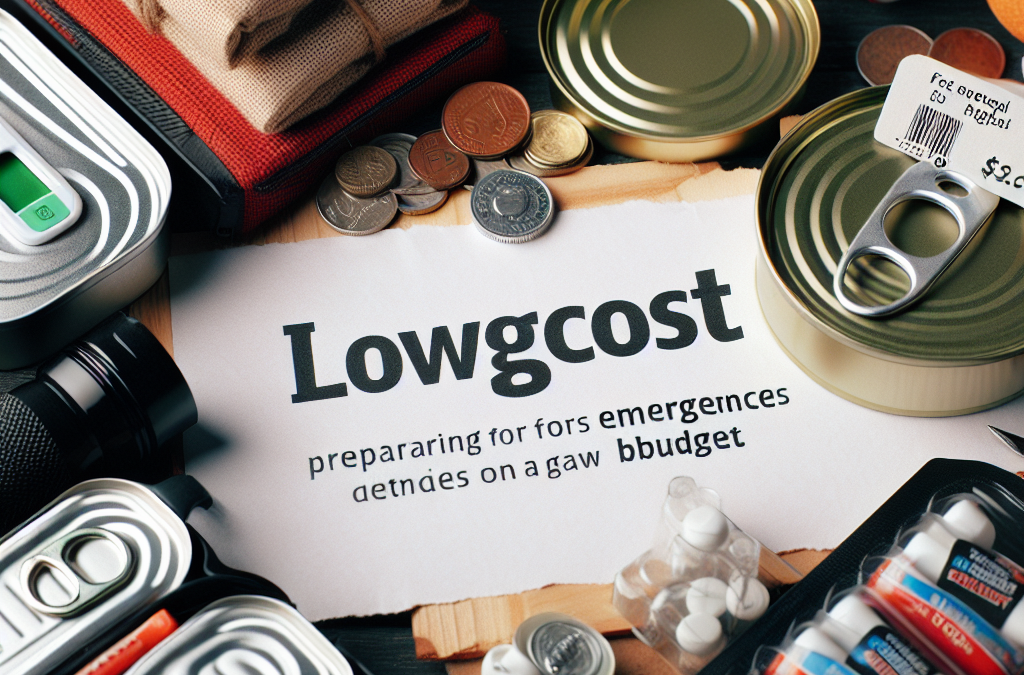
An emergency kit can sound intimidating, but it doesn’t have to break the bank. I started with the basics: water, non-perishable food, a flashlight, and a first aid kit. Sometimes, the simplest things can make a big difference when things go haywire.
One neat trick I discovered was to look for deals on emergency supplies at discount stores or during sales. I often found bulk water bottles or canned goods that were nearing their expiration date but still perfectly good to use. That way, I stock up without feeling the pinch on my wallet.
Over time, I’ve added personal items—medications or special foods for family members with dietary needs. Always remember, personalization is key, and these items can truly elevate your emergency preparedness.
Budget-Friendly Methods
DIY Solutions
Who said prepping needs to cost an arm and a leg? I’ve found that many times, a little creativity can go a long way. For example, I made my own water filtration system using a clean, empty plastic bottle and sand. It’s not only cost-effective but also a fun little project!
YouTube has been my go-to for DIY projects, with step-by-step videos guiding me through everything from building a solar oven to creating a makeshift stove. It’s a great way to learn, and honestly, I feel a sense of accomplishment each time I finish a project.
Never underestimate the power of community too. Local groups often share resources, swap supplies, and offer workshops on various skills. This has not only saved me money but has also helped me develop a sense of solidarity with others in my community.
Stay Informed and Flexible
Utilize Reliable Resources
Being prepared goes beyond just having supplies; it’s about knowledge too. I started following reliable websites and blogs dedicated to emergency preparedness. Their tips are gold and often free to access!
I also enrolled in some local workshops. Many times these are offered at a low cost or even for free. From basic first aid to survival skills, I learned a ton and felt more equipped to handle unexpected situations. Plus, I got to meet others who shared my interest!
Flexibility is also key in this journey. What works one year might not be relevant the next, so I always stay open to updating my knowledge and adapt my plans accordingly. Life is unpredictable—being ready means staying on my toes.
Connect and Share Your Knowledge
Community Engagement
Engaging with my community made a world of difference. I started small by sharing what I learned with friends and family. It’s incredible how much you can empower others by simply sharing your experiences and knowledge.
I’ve also joined local forums and social media groups where folks discuss their prepping strategies. It’s a two-way street; you share your techniques, and others share theirs. It creates a wealth of ideas that cost nothing but can have real, tangible benefits.
Don’t forget about volunteering! Getting involved in local emergency response teams or community service groups can help you gain firsthand knowledge about logistics and planning. Plus, these activities often come at little to no cost and are great for networking too.
FAQ
1. What should be included in my emergency kit?
Your emergency kit should include water, non-perishable food, a flashlight, batteries, a first aid kit, and any personal items like medications or important documents.
2. How can I find local workshops on emergency preparedness?
Check community centers, local libraries, or social media for announcements. Websites of local emergency management departments often list workshops as well.
3. Are there any free resources for emergency preparedness?
Absolutely! Websites like FEMA, local health departments, and community groups often provide free educational materials and planning guides.
4. How often should I update my emergency kit?
It’s a good idea to review and update your emergency kit at least once a year, or whenever there’s a change in your family’s needs or local risks.
5. Can I really prepare effectively on a small budget?
Yes! With careful planning, creativity, and resourcefulness, you can build a solid emergency preparedness plan without spending a lot of money.
by Preparation Call Editorial Team | Jul 6, 2025 | Preparedness
Let’s be real – life throws curveballs at us all the time. From unexpected medical expenses to sudden job loss, financial instability can creep up on anyone. Over the years, I’ve learned that having a solid financial plan isn’t just a good idea; it’s essential. In this article, I’m going to break down why having a strategy for such times is crucial, and I’ll share some of the insights I’ve picked up along the way. So, grab a cup of coffee, and let’s dive in!
Understanding Financial Instability
What Does Financial Instability Mean?
When I first heard the term “financial instability,” I thought it was just a fancy way of saying “broke.” But it’s much broader than that. Financial instability refers to a state where an individual’s or a household’s financial health is uncertain – whether that means fluctuating income, debts, or unexpected expenses. You could be earning well one month and struggling the next, and that uncertainty is what can really get you in a jam.
The crux of it all is vulnerability; when your finances are unstable, you can find yourself making decisions based on fear rather than logic. That’s why understanding what financial instability means for you personally is the first step in creating a solid plan to address it.
It’s not just about being broke; it’s also about the potential risk of being unable to meet your financial responsibilities. By grasping this concept, I’ve been able to better prepare myself for whatever life throws my way.
The Common Causes
Over the years, I’ve identified several causes of financial instability that are often overlooked. Job loss is a big one. Even if you’re a high performer, layoffs happen. I’ve seen colleagues and friends face sudden unemployment, and it can be devastating without a cushion to fall back on.
Another sneaky culprit is lifestyle inflation. It’s so easy to start spending more as you earn more, but that can lead to severe consequences when income streams dry up. I learned to keep my expenditures in check, which proved invaluable during uncertain times.
Shouldn’t ignore unexpected expenses, either! Whether it’s car repairs or medical bills, these can wipe out your savings in a heartbeat. I have learned to expect the unexpected and set aside some emergency funds to cushion those blows.
Why It Matters
You might be wondering: “Why should I care?” Well, let me tell you. A financial plan gives you peace of mind. When I know I have a strategy in place, I feel more secure, no matter what surprises come my way. It’s like a security blanket for my bank account!
Additionally, having a plan means I’m more resilient. Should the worst happen, I can bounce back quicker and more effectively. It’s truly empowering to know I have options and can navigate challenges without feeling paralyzed by fear.
Lastly, it sets the stage for future stability. By planning now, I open doors to opportunities down the line. Instead of being reactive, I can be proactive, which is a game-changer in the world of finances.
Building Your Financial Safety Net
Assessing Your Current Situation
To get started, I first took a hard look at my current financial status. This meant tracking my income and expenses, figuring out where my money was going every month. I was surprised by how much I could save simply by cutting out those little “just-because” splurges.
I used various apps to get a grip on my financial situation, but pen and paper works just as well. Seeing everything laid out in front of me made it easier to acknowledge what needed to change. Honestly, sometimes you’ve just got to face the music.
Once I had a solid grasp on my cash flow, it became evident what my next steps needed to be, and that clarity brought me immense relief.
Establishing Emergency Funds
Next up, I knew I needed to establish my emergency fund. This is my go-to buffer during times of financial uncertainty. The goal is to save enough to cover three to six months’ worth of living expenses, which might sound daunting. But I focused on starting small. The key is consistency!
Automating my savings made a world of difference. I set up a separate savings account, and every month a portion of my paycheck goes straight there. This way, I’m building that safety net without even thinking about it.
Over time, I found that having this emergency fund gave me so much more freedom. I stopped worrying as much about my day-to-day expenses because I knew I had backup when things went awry. This is definitely something I recommend to everyone!
Review Your Priorities
When I started this journey, I realized I needed to re-evaluate my spending. I went through everything – subscriptions, daily coffee runs, you name it. This process helped me understand what truly matters to me financially. Do I really need that extra streaming service, or could that money be better spent on my emergency fund?
I found that once I identified my priorities, it became easier to redirect my money into areas that aligned with my long-term goals. Plus, it felt good to take control over my finances and not let them control me.
This prioritization also helped me feel confident in my spending choices, which is super important when considering financial instability.
Developing a Long-Term Strategy
Set Clear Financial Goals
With a solid understanding of my current situation and an emergency fund in place, it was time to look ahead. I set some clear financial goals, like saving for a house, paying down debt, and planning for retirement. Breaking these down into achievable chunks made them feel much less intimidating!
I learned the importance of setting both short-term and long-term goals. Short-term goals could be things like saving for a vacation, while long-term goals are those bigger, life-changing milestones. Keeping these in sight keeps me motivated.
Setting goals isn’t just about the destination; it’s about the journey too. Each small win feels great, serving as a reminder that I’m on the right track.
Diversifying Your Income Sources
To really bolster my financial stability, I looked into diversifying my income sources. Relying on a single job can feel like walking a tightrope; it’s precarious. So, I explored side gigs that aligned with my skills and interests.
Whether it’s freelancing, consulting, or even investing, exploring these avenues gave me additional financial security. It also gave me more opportunities to learn and grow, which I always appreciate.
Developing multiple income streams essentially means I’m better buffered against financial instability. If one source dries up, I have others to lean on. That’s a comforting thought!
Investing for the Future
Lastly, I had to consider investing. Sure, it comes with risks, but it’s also one of the most effective ways to grow wealth over time. Researching and learning about different investment vehicles helped me feel more confident in making those decisions.
Saving is awesome, but investing lets my money work for me. It was eye-opening to see how compounding interest can significantly impact my financial future. So, I started dabbling in investments that match my risk tolerance.
Having a diverse portfolio also prepares me for potential financial instability down the line. It’s about not only safeguarding what I have now but making sure I can thrive in the future as well.
Staying Flexible and Prepared
Regularly Review Your Financial Plans
One thing I learned is that financial plans aren’t set in stone; they evolve. I make it a point to sit down at least twice a year to review and update my financial plan. This keeps me aware of where I’m at and where I want to go.
During these reviews, I reassess my emergency funds, savings, investments, and budget. Life changes, and so do financial needs. Adapting my plan has been key to maintaining my financial health.
No shame in adjusting your plans! The financial landscape can shift, and I want to be prepared to pivot when necessary. That flexibility really enhances my sense of security.
Educate Yourself Constantly
I can’t stress this enough: continuous education is vital. Whether it’s reading books, attending webinars, or listening to finance podcasts, staying informed makes such a difference. The more I learn, the better equipped I feel to handle challenges.
This education can even lead to new opportunities! Networking through learning platforms has opened doors I never imagined would be available to me.
Plus, discussing financial topics with friends often leads to new insights. There’s strength in community, as everyone brings unique perspectives to the table. I encourage you to tap into that!
Remain Patient and Stay Positive
Financial journeys are rarely linear; they come with ups and downs. I had to learn the valuable lesson of patience along the way. Sometimes plans fall through, and that’s okay.
Staying positive has been a game-changer for me. I focus on what I can control and celebrate my wins, no matter how small. This mindset helps me stay motivated to continue building my financial security.
Implementing these plans takes time, but the effort is worth it. When I feel those inevitable waves of financial uncertainty hit, I remind myself that I’m prepared and can weather the storm. That’s what it’s all about!
Frequently Asked Questions
1. Why is having a financial stability plan so crucial?
A financial stability plan is essential as it provides guidance on how to manage uncertainties, helping you feel more secure and in control of your finances during tough times.
2. How much money should I have in my emergency fund?
It’s generally advised to save between three to six months’ worth of living expenses. This amount can vary based on individual circumstances and comfort levels.
3. What are some effective ways to diversify my income?
You can consider freelancing, starting a side business, investing in rental properties, or engaging in the stock market to diversify your income streams.
4. How often should I review my financial plan?
It’s a good idea to review your financial plan at least twice a year, or whenever significant life changes happen, to ensure it still aligns with your goals.
5. What resources can I use to educate myself about finance?
There are many resources available such as finance books, online courses, podcasts, and webinars. Local workshops and community colleges also often offer personal finance courses.






