
by Preparation Call Editorial Team | Jul 6, 2025 | Preparedness
1. Financial Readiness
Budgeting Wisely
One of the first things I learned about preparing for an economic downturn is the importance of budgeting. I started by tracking all my expenses for a month. This gave me a clear picture of where my money was going. From there, I was able to adjust my spending habits and prioritize necessities. Living within my means became easier, and I even discovered areas where I could cut back.
After budgeting, I also created a separate emergency fund. It’s a game-changer! Having some savings set aside not only provides peace of mind but also acts as a cushion if income falters or unexpected expenses arise. By setting up automatic transfers to my savings account each month, I built that fund without even noticing the difference in my spending.
All in all, I always revisit and tweak my budget regularly. Economic conditions are ever-changing, so I make it a habit to reassess my finances quarterly. It keeps me acutely aware of any financial pressures that might be on the horizon, allowing me to adapt my strategy as needed.
2. Resource Management
Stocking Up on Essentials
When times are tough, having the right resources can mean the world. I’ve learned that stocking up on essentials like food, hygiene products, and common medications helps in more ways than one. It’s not only useful for unforeseen circumstances but also can save money when buying in bulk. I often check for sales and buy non-perishable goods ahead of time.
Another area of resource management is being savvy about utilizing what I already have. Instead of rushing out to buy the latest gadgets or products, I take time to assess and repurpose. For example, I’ve turned old furniture into useful storage solutions, which helps me avoid spending while maximizing my space. Innovation can stretch resources further than you’d think!
Moreover, I connect with community resources and trade groups, where exchanging goods can be beneficial. This practice has helped me find everything from clothes to tools at little or no cost. Building a network not only enriches my life but also enhances my preparedness for challenging times.
3. Skills Development
Learning New Skills
Investing time in developing new skills has become a crucial part of my preparation strategy. I realized that knowing how to cook from scratch or repair basic home items could save a ton of cash. So, I started watching DIY videos online and even took a few community classes. It was fun, and I felt empowered along the way!
In addition to practical skills, I also focus on financial literacy. Understanding personal finance terms and investment strategies has opened new doors for me. By joining workshops or reading books on the subject, I feel much more in control of my financial future. Plus, having this knowledge helps in making informed decisions during economic uncertainties.
Another area I’ve delved into is self-sufficiency. I’ve taken up gardening and learned how to grow some of my own food. It not only provides fresh produce but also reduces grocery bills significantly. I enjoy sharing the yield with friends and family, which makes the experience even more rewarding.
4. Building Community Connections
Networking with Neighbors
One of the most gratifying aspects of preparedness planning has been building a strong network with my neighbors. During tough economic times, having supportive people nearby can be a lifesaver. I often engage in neighborhood meetings or local gatherings, which helps form connections and share resources.
Pooling resources has worked wonders for me and those around me. Whether it’s organizing community meals, where everyone contributes, or starting a supply swap among families, it brings us together and lessens the impact of any economic strain. Together, we’re able to create a safety net that feels more secure than if we were alone.
Also, community volunteering has both enriched my experience and helped build relationships. Giving back fosters camaraderie, and who knows, those connections might come in handy down the line if resources dwindle or there’s a need for assistance.
5. Mental Resilience
Practicing Mindfulness
Lastly, in times of potential economic stress, keeping a resilient mindset is key. I’ve found mindfulness practices to be invaluable. Simple techniques like meditation or deep breathing help to maintain focus on what I can control, rather than worrying about external stresses. It’s all about staying grounded!
Additionally, I surround myself with positive influences. Whether it’s reading inspiring books, listening to podcasts, or being with uplifting people, it helps combat negativity. This positive attitude reflects in how I handle challenges and prepares me for unexpected events.
In summary, embracing adaptability is crucial. Life throws curveballs, and being able to pivot or think creatively during economic hardships has turned out to be one of my greatest assets. I intentionally foster a solution-oriented mindset, which allows me to see opportunities others might miss.
Frequently Asked Questions
1. Why is financial readiness important in economic downturns?
Financial readiness acts as a buffer against unexpected changes in income, allowing individuals to manage essential expenses without panic.
2. What are some key essentials to stock up on?
Non-perishable foods, toiletries, and medical supplies are great essentials. It’s all about ensuring you won’t run out of basics during a tough time.
3. How can I learn new skills effectively?
Online courses, workshops, local classes, and DIY videos are excellent ways to learn new skills that can benefit your preparedness strategy.
4. What’s the benefit of having community connections?
Community connections provide a support system during hardships, enabling resource sharing and emotional support to lessen the burden of tough times.
5. How does mental resilience help in preparedness planning?
Mental resilience boosts your ability to face challenges with a clear mind and positive attitude, allowing for more effective problem-solving and adaptability.
by Preparation Call Editorial Team | Jul 6, 2025 | Preparedness
Stay Calm and Assess the Situation
Taking a Moment to Breathe
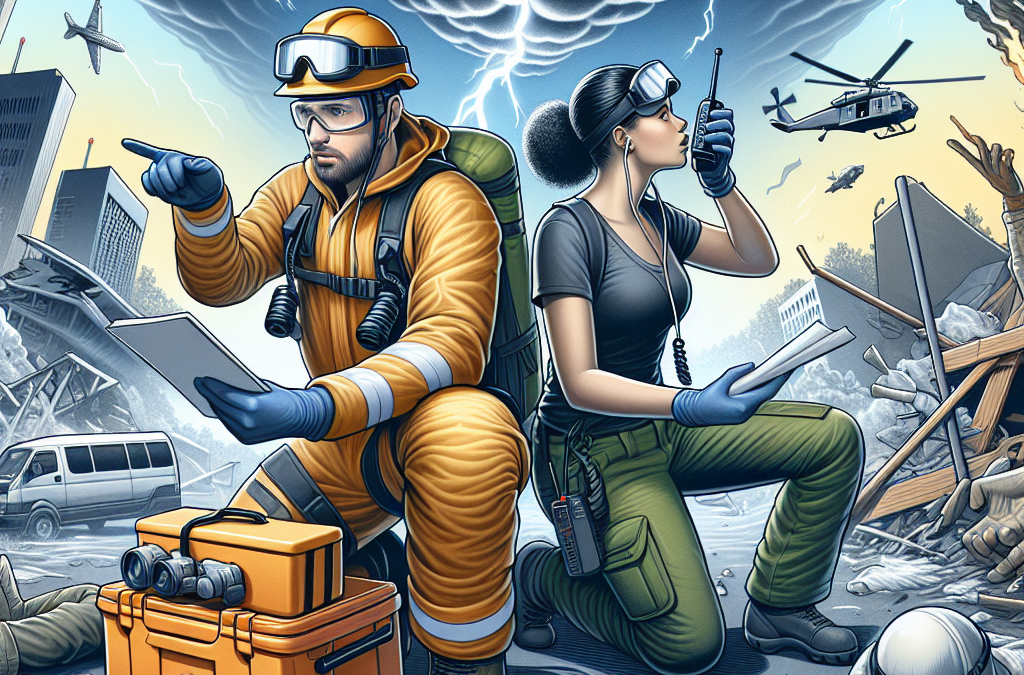
When disaster strikes, the first thing you want to do is take a deep breath. I know it sounds cliché, but seriously, staying calm is key. Panic can lead to poor decisions, and in a crisis, we need our minds working at full capacity. I remember during a storm warning, I found myself glued to the weather app, but pausing for a moment really helped me think through my next steps.
Assessing the situation means figuring out what just happened. Was it a natural disaster like an earthquake or a man-made incident? Understanding the nature of the disaster can help create a response plan. After you’ve paused, ask yourself what you need to react properly. Clarity leads to better decision-making.
Talking to others around you can also help. Sharing information can ground you and provide multiple perspectives on what to do next. In my experience, even just chatting with a neighbor with more experience in emergencies helped me assess my own situation better.
Ensure Safety First
Find a Safe Location
Your safety and the safety of those around you should be the top priority. Whether that means moving to a sturdier building during an earthquake or getting away from rising floodwaters, knowing where to go is crucial. I learned this the hard way during a minor flood in my area; I didn’t move fast enough and wound up dealing with a soggy mess in my home.
Look for designated safe spots around you. It’s good to know local evacuation routes and shelters in advance, so you’re not scrambling during a disaster. Trust me, the last thing you want is to find yourself in a panic, surrounded by unfamiliar terrain, with no idea where to go.
Once you’ve secured a safe spot, check on those around you. Making sure your loved ones are out of harm’s way can alleviate some stress. I can’t tell you how many times keeping tabs on family and friends has helped calm my nerves in emergencies.
Emergency Kit Preparedness
Gather Essentials Beforehand
Believe me when I say that an emergency kit can be a lifesaver. Before a disaster strikes, take the time to gather essentials like water, non-perishable food, first-aid supplies, flashlights, and batteries. These items seem trivial until you actually need them. I put mine together after spending a night without power, and I definitely learned my lesson!
Storing everything in a waterproof container is also a smart move. You never know when floods or heavy rain can hit. In my experience, I’ve seen how a well-organized kit made a stressful weather event so much easier to handle.
Don’t forget to refresh the supplies in your kit regularly! I always say it’s like changing the batteries in your smoke detectors—an annoying job, but oh so necessary. Check expiration dates and swap out items that’ve gotten stale or expired so you’re always ready to roll.
Stay Informed
Use Trusted Sources for Updates
In a crisis, staying informed can mean the difference between safety and danger. I always rely on trusted news sources and government advisories when something goes down. Social media can be useful, but it’s a double-edged sword—rumors spread like wildfire, so stick to verified channels.
Weather apps and emergency alerts on phones can also provide real-time updates. It’s like having a lifeline at your fingertips. Personally, I never thought to turn on alerts until I missed a critical update during a storm. Now, I feel more secure having that info ready.
Another smart tactic? Engage with community forums or local groups. Sometimes, people share information faster than the news. I’ve found that connecting with neighbors through apps like Nextdoor can keep me well-informed about what’s actually happening around me.
Communicate and Plan Ahead
Create a Family Communication Plan
One thing I can’t stress enough is the importance of communication. When everyone is scattered during a disaster, having a plan in place is crucial. Sit down with your family and discuss where to meet if you are separated. Make sure everyone knows how to contact one another. I learned through experience that having a designated meeting spot can save a lot of anxiety!
Consider everyone’s comfort with technology. Not everyone will have phones or service. I always tell my friends that texting sometimes works better than calling during emergencies. It’s just one of those things to try out when the services are strained.
Regularly reviewing and practicing the plan can make all the difference. Even doing a quick role-play can remind everyone what to do if the situation arises. Trust me; having that muscle memory can help you stay calm under pressure!
FAQ
- What should I do first in a disaster? – First, stay calm and assess your surroundings. This helps you comprehend the situation accurately.
- How can I prepare an emergency kit? – Gather essentials like water, food, first aid supplies, and flashlights. Ensure everything is in a waterproof container.
- What communication methods should I use? – Stick to trusted sources for updates, engage in community forums, and have a family communication plan in place.
- How can I ensure my loved ones are safe? – Check on them immediately after a disaster, and make sure everyone understands the safety plan.
- Should I practice my emergency plan? – Absolutely! Regularly revisiting your plan with family can help all members feel prepared and reduce panic.

by Preparation Call Editorial Team | Jul 6, 2025 | Preparedness
1. Cultivating a Positive Mindset
Understanding the Power of Perspective
When I first set out on my journey towards self-reliance, I quickly learned that my mindset played a huge role in my progress. It’s all about perspective – if you believe you can overcome challenges, you’re already halfway there. I remember moments when things seemed bleak, but shifting my thoughts to focus on potential rather than limitations made a world of difference.
Fostering positivity isn’t about ignoring the tough stuff; it’s about recognizing the potential for growth and learning in every situation. By reframing hardships as opportunities, I began to look at my limited resources as a canvas for creativity. Each problem became a puzzle I could solve, which shifted my entire approach to life.
In short, building a positive mindset can set the stage for growth and independent feats in the face of resource limitations. Regular practices such as journaling gratitude or surrounding yourself with positive influences can help reinforce this mindset, making your journey a whole lot smoother.
Setting Achievable Goals
One of the first actionable steps I took was setting realistic and achievable goals. It sounds simple, but trust me, it’s crucial. Instead of overwhelming myself with big dreams, I started with small, manageable tasks – like saving a tiny bit of money each week or learning a new skill that I could put to use. Each small victory felt like a massive leap forward.
By breaking down my larger goals into bite-sized pieces, I was able to track my progress without feeling discouraged. This kind of structure kept me motivated and helped me adapt along the way when I encountered obstacles. It’s all about celebrating those little wins; they add up faster than you think!
So, whether it’s reading a book on a new subject or trying out a DIY project at home, make sure your goals are specific, measurable, and, most importantly, achievable. It’s a surefire way to build self-reliance and your confidence along the journey.
Embracing Failure as Part of the Journey
Let’s be real: failure is a part of life. I can’t tell you how many times I’ve tried something and it tanked. Yet, each of those missteps, while painful, taught me invaluable lessons about resilience and resourcefulness. Instead of seeing failure as an endpoint, I learned to view it as a stepping stone on my path to self-reliance.
By welcoming failure, I stopped being afraid to try new things or take risks. I found that each time I dusted myself off after a setback, I was building my confidence and learning more about what really worked for me. This shift in mentality made it easier to navigate limited resources because I became accustomed to seeking solutions rather than succumbing to doubt.
Remember, every failure is just feedback – a crucial part of the learning process. So embrace it; don’t shy away from it. The more you allow yourself to fail and grow, the more self-reliant you’ll become!
2. Leveraging Community Resources
Exploring Local Initiatives
When I started my self-reliance journey, I quickly discovered the treasure trove of resources available in my community. There are often local groups, workshops, and organizations that offer support in various areas like skill development, food sharing, or even financial aid. It’s amazing how much you can tap into once you start looking!
I joined community classes that not only expanded my skillset but also introduced me to people who were on similar paths. Seeing others make the most of limited resources inspired me to think outside the box and explore new ways to overcome challenges. Plus, I got to network and build meaningful relationships that have become invaluable over time.
Don’t hesitate to reach out to local organizations or community centers; you might just find an incredible resource that’s right under your nose. Often, these initiatives just need a little visibility, and they’re ready to welcome folks who want to learn and grow.
Building a Supportive Network
No one can do it alone. I realized early on that having a network of supportive friends and family was crucial. I started sharing my goals and aspirations with them, and surprisingly, many were eager to help. Whether it was offering advice, sharing resources, or even lending a hand in projects, I learned the power of community.
Communication is key; don’t be shy about asking for help or sharing what you’re trying to achieve. People love to support those they care about, and you’d be amazed at what kind of resources your circle can offer. Moreover, leaning on others provides emotional support, which can make all the difference when the going gets tough.
So, get out there and start building connections with those around you. A solid support network is like having a safety net when you’re walking the tightrope of self-reliance.
Participating in Skill-Sharing Programs
Skill-sharing is one of the best ways to grow without breaking the bank. I started participating in local programs where people could teach and learn from each other. It’s not only a fantastic way to pick up new skills, but it also fosters community and collaboration.
By engaging with others who have varied expertise, I learned how to fix things around my house, sew my own clothes, and even cook new recipes with limited ingredients. It felt empowering to rely on my own hands and knowledge instead of instant solutions from stores.
Skill-sharing often creates a barter-like system where services can be exchanged rather than focusing on money. This approach not only cuts costs but also builds a sense of community, reinforcing the idea that together we’re stronger.
3. Adopting Resourcefulness in Daily Life
Finding Creative Solutions
Resourcefulness is the name of the game when you’re working with limited resources. I found myself looking at things differently – instead of seeing what I lacked, I began to see what I had at my disposal. For instance, rather than rushing to the store for new materials, I started thinking about how I could upcycle or repurpose items I already owned.
It’s almost like a puzzle; when you start piecing together what you have and what you can create, it ignites that creative spark! I’ve reused old T-shirts as cleaning rags, turned empty jars into storage solutions, and transformed scrap wood into beautiful home décor.
The more I got into this habit, the more confident I felt in my abilities. Flexibility and creativity make it easier to face the hurdles of limited resources. It’s a fun challenge that helps you grow, and you might end up surprising yourself with what you can achieve!
Practicing Minimalism
Adopting a minimalist lifestyle was another eye-opener for me. The idea isn’t about depriving yourself; it’s more about consciously deciding what adds value to your life and letting go of what doesn’t. I started decluttering my space and my schedule, which helped me focus on the essentials and prioritize my truly meaningful experiences.
Living with less allowed me to appreciate what I had more. Instead of being overwhelmed by clutter, I found joy in my surroundings and in the simple things, from a leisurely walk to enjoying a good book. This shift took away the pressure of needing more – I was satisfied with just enough.
Minimalism can also extend to your mindset and time management; it encourages thoughtful choices that lead to self-reliance. You’ll notice you’re spending less on things that don’t matter, freeing up time and resources to invest in what truly counts.
Learning to DIY
Learning how to do things myself was revolutionary for my self-reliance journey. Whether it was fixing a leaky sink or learning to bake bread, taking on DIY projects helped me save money and gain confidence in my capabilities. I started researching tutorials and diving into hands-on projects that I never thought I could tackle.
Every project turned into a class where I was both the teacher and the student. I learned the value of patience, precision, and creativity in each endeavor. Sometimes things didn’t go as planned, and the process was messy, but the joy of creating something with my own two hands was exhilarating!
Embrace the power of DIY; it opens a world of possibilities. With each successful project, you’ll not only save money but also discover new interests and skills that contribute to your self-reliance journey.
4. Financial Management Skills
Budgeting Wisely
Ah, the ever-important topic of finances! When you’re trying to build self-reliance, understanding where your money goes is paramount. I began creating a budget that was realistic and easy to stick to. It took some trial and error, but eventually, I managed to track my spending and find areas I could cut back.
Budgeting isn’t about restricting yourself. It’s about elevating your awareness regarding your needs versus wants. By seeing my spending habits laid out, I realized I could prioritize essential expenses and save for future goals. This awareness allowed me to stretch my limited resources further than I thought possible!
Make budgeting fun by setting mini-goals or rewards for sticking to your plan. Getting creative with how you treat yourself without spending too much can turn budgeting into a fun challenge rather than a chore.
Exploring Alternative Income Streams
Diversifying my income sources felt like a game changer. Relying solely on one job can be risky, especially when resources are tight. I started exploring side hustles that matched my skills and interests – like freelancing, online tutoring, or selling handmade goods. This not only supplemented my income but also re-energized my passion for creativity.
Finding what I enjoyed doing made the process feel less like work and more like a fulfilling exploration. Along the way, I met new people, learned new skills, and even discovered hidden talents that I could monetize!
So, consider all your options, whether they be passive income ideas, freelance opportunities, or even good ol’ fashioned part-time gigs. With a little hustle and creativity, it can lead you to greater self-reliance.
Understanding Debt Management
Let’s face it: debt can feel overwhelming, but it doesn’t have to be a life sentence. I took the time to dive deep into understanding my debts – the types, interest rates, and repayment options. Once I mapped everything out, it felt less ominous and more manageable. Knowledge is power, right?
I began tackling my debt strategically, focusing on the highest-interest items first while still keeping up with regular payments on others. Trust me, having a solid plan made it easier to chip away at that weight on my shoulders.
Understanding your debts and taking control is an essential part of building self-reliance. It allows you to allocate your resources wisely and avoid falling into traps that can derail your journey towards independence.
5. Continuously Educating Myself
Having a Growth Mindset
Being open to learning is a cornerstone of self-reliance. I adopted a growth mindset where I viewed challenges as opportunities to expand my knowledge and skills. By prioritizing learning, I found new techniques and strategies to overcome resource limitations, making life feel like a continuous adventure.
Whether it was enrolling in online courses, reading more books, or attending workshops, I embraced the idea that education doesn’t stop after school. It’s all around us, and we just need to have an open mind to soak in all that knowledge. Learning has been an empowering tool in developing my self-sufficiency.
Never underestimate the transformative power of education. Taking the initiative to learn can inspire you to innovate solutions within your own life, directly contributing to your journey towards self-reliance.
Seeking Online Resources
The internet is packed with free resources that can help you learn everything from budgeting hacks to a new skill! I utilized platforms like YouTube, educational websites, and online forums to gain insights and practical knowledge. The wealth of information available can be game-changing when working with limited resources.
Depending on the community you choose to engage with, you can often find different perspectives that enrich your understanding and approach to problems. I loved discussing my experiences with others who shared their journeys; it’s a great way to stay inspired!
So dive into the pool of online resources! There’s no shortage of free materials waiting for you to explore. This can effectively stretch your skills and understanding without needing to spend a dime.
Reflective Practice
Lastly, reflection has been pivotal in my learning process. Taking time to look back on my experiences helped me assess what worked and what didn’t, allowing me to adjust my strategies. I kept a journal where I recorded my thoughts on various lessons learned, which provided clarity and helped reinforce my growth.
Reflection is about more than just recognizing successes or failures; it’s about connecting the dots and synthesizing knowledge into actionable insights. This practice has allowed me to pause in our fast-paced world and truly appreciate my journey toward self-reliance.
If you haven’t already, I highly recommend incorporating reflection into your routine. It helps solidify the learning and reinforces the habits that will lead you to personal independence in the long run.
FAQs
1. What is self-reliance?
Self-reliance is the ability to rely on one’s own judgment and resources rather than depending on others. It often involves developing skills and independence to navigate life’s challenges.
2. What are some practical ways to be more self-reliant?
Start by cultivating a positive mindset, setting achievable goals, and seeking community resources. Learning DIY skills, budgeting wisely, and continuously educating yourself also contribute greatly to self-reliance.
3. How can I find local resources to support my self-reliance journey?
Look for community centers, local workshops, and non-profit organizations that offer programs or resources that align with your interests. Online community boards can also be great places to discover local initiatives.
4. Why is a growth mindset important for self-reliance?
A growth mindset enables you to see challenges as opportunities to learn rather than obstacles. This perspective fosters resilience and encourages continuous personal development, which is essential for self-reliance.
5. Can self-reliance improve my financial situation?
Absolutely! By managing your finances better, seeking alternative income sources, and reducing unnecessary spending, you can create a more stable financial footing that contributes to overall self-reliance.






