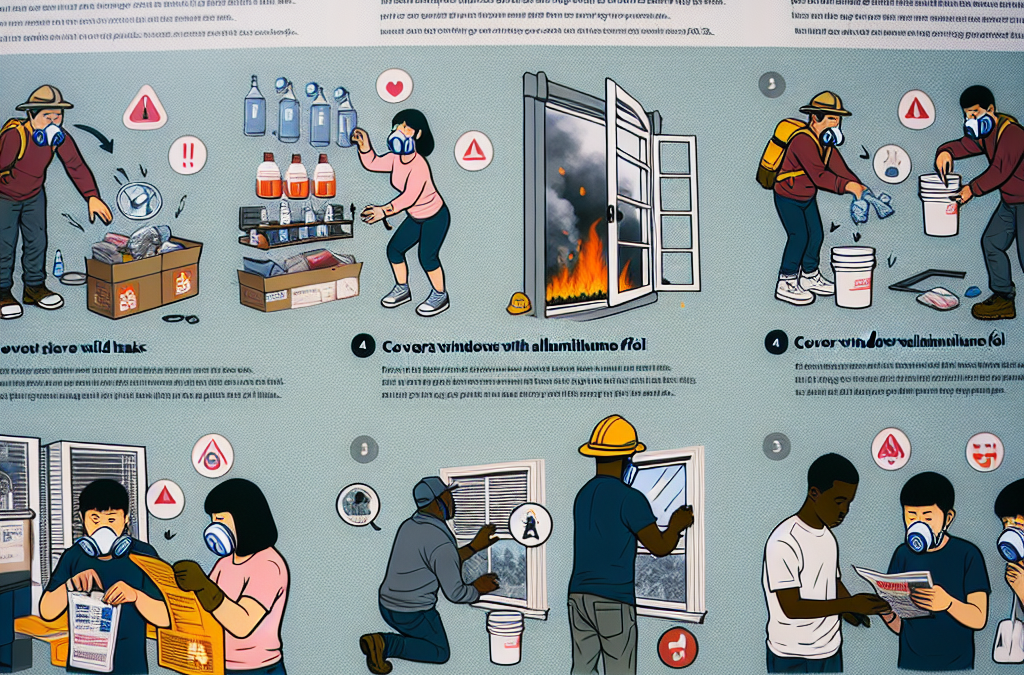
When it comes to wildfires, I’ve learned that understanding fire behavior is super crucial. Fire doesn’t just move in a straight line; it dances and flows with the wind. Observing weather patterns can clue you in on how it might spread. For instance, during hot, dry, and windy conditions, fires can escalate quickly.
Another thing I’ve found valuable is to keep an eye on the terrain. If you live in a hilly area, it’s essential to know how slope affects fire behavior. That is, fires tend to move faster uphill than downhill. Who knew a little geography could make such a difference when facing something as destructive as a wildfire?
Lastly, stay updated on the fire’s path. There are apps and services that provide real-time updates. Trust me, knowledge is power, especially in life-and-death situations like these!
Create a Fire-Resistant Buffer Zone
I’ve made it a habit to keep a defensible space around my property. This means clearing out any flammable debris like dead leaves or overgrown grass. It sounds like a boring chore, but it’s absolutely worth it! Aim for at least 30 feet of clearance around your home.
You’ll also want to consider using fire-resistant plants and materials in your landscaping. Some folks don’t realize just how flammable certain plants can be! Instead of a beautiful, but risky, rose bush, opt for some less flammable options.
And let’s not forget the importance of your home’s exterior. Investing in fire-resistant siding or roofing may seem pricey upfront, but it pays off when you think about the devastation wildfires can bring.
Have a Fire-Preparedness Kit Ready
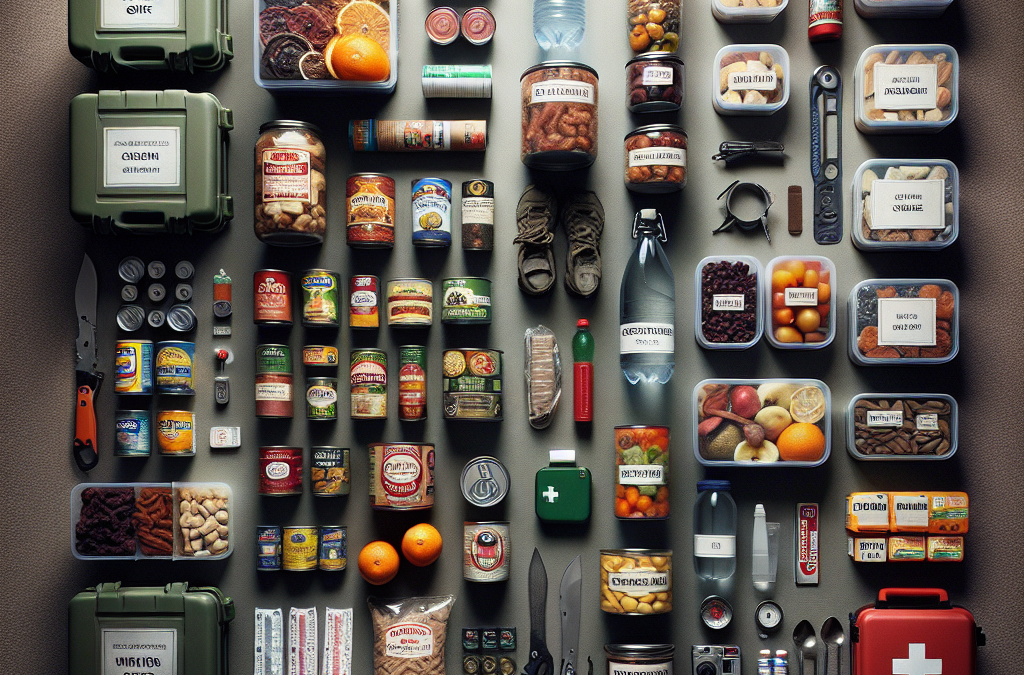
I can’t stress this enough: being prepared can make all the difference. I always keep a fire-preparedness kit readily accessible. This kit should include essentials like water, non-perishable snacks, a flashlight, and a first aid kit. You never know when you might have to evacuate in a hurry!
It’s also a good idea to include important documents like insurance policies, IDs, and prescriptions. I keep these in a waterproof container; let me tell you, it takes a weight off your shoulders to know I’m ready for anything.
Lastly, don’t forget about your pets. Their food, medications, and a safe carrier should also be part of your kit. They don’t have the same understanding of the situation, and I find that keeping them calm is a top priority.
Emergency Evacuation Plans
Create a Family Evacuation Plan
Your family’s safety is number one, right? Creating a family evacuation plan isn’t just a good idea; it can genuinely save lives. Sit down with your loved ones and talk about how you’ll react in the event of a wildfire. Make sure everyone knows the escape routes and, importantly, the meeting spot outside your house.
After we made our plan, everyone felt more secure knowing we had a solid back-up plan. We even practice these drills; let me tell you, it’s not always pretty. But it’s worth it when you see everyone can navigate through the chaos.
Additionally, consider having a buddy system in place with neighbors or friends. That way, no one gets left behind, and everyone knows who to check in with during evacuation.
Stay Aware of Local Authorities
I’ve found that local authorities are key players in a crisis like wildfires. Always listen for alerts from officials on the best time to leave. Trust me, it’s easy to think you can manage, but it’s vital to heed their warnings.
I also recommend installing a weather app on your phone for instant notifications. Many of them offer information on air quality and fire warnings, which can be lifesavers.
And if evacuations do occur, prioritize following the established routes. It may sound tempting to take shortcuts, but those could lead to dangers you aren’t prepared for. A little patience can go a long way!
Emergency Communication Methods
Adopting reliable methods of communication during an emergency is huge. I always carry a portable charger to keep my devices running. Phones can die quickly when you’re trying to reach loved ones amidst chaos.
It’s also good to note that text messages may get through even when phone calls can’t. So, I’ve started using messaging apps that work on Wi-Fi like WhatsApp. They really help during emergencies when network towers are bogged down.
Lastly, establish a contact who lives outside the fire zone as your communication central. Having a single point of contact can make it easier to share updates and ensure everyone is safe.
Protecting Your Home from Wildfires
Assess Your Property’s Vulnerability
Before you even think about what to do next, it’s essential to really assess your property. I’ve walked my yard multiple times, checking for vulnerabilities. Are there branches hanging over my roof? Is there flammable mulch too close to the house? These seemingly small details can make a massive difference.
Don’t be afraid to consult with fire experts, either. They can provide insights and recommendations on how to make your property more fire-resistant.
I also recommend doing this assessment at least once a year, especially at the beginning of wildfire season. It’s just part of that proactive life!
Install Fire-Resistant Structures
As I mentioned before, investing in fire-resistant materials really pays off. I’ve updated my roofing and siding, opting for materials that are less susceptible to flame. I also use non-combustible fences around my home to further protect it.
Moreover, think about your windows; using double-paned glass can be a better choice. You’d be amazed how far these efforts can go in protecting your sanctuary.
And let’s not forget about creating safe zones within your property. Clear spaces around pool equipment or outdoor furniture help manage the risks better.
Utilize Outdoor Equipment Wisely
Part of maintaining your outdoor space is using your tools wisely. I’ve seen folks using their lawnmowers on dry grass, which is a big no-no during fire season. Make sure you know your landscaping equipment can create sparks and take those fire safety steps.
Additionally, I keep hoses that can reach around my whole home during fire season. If you can spray down your property, do it! It may sound simplistic, but every little effort counts.
Lastly, being mindful of how you grill or use fire pits can also prevent potential disasters. I’ve stopped grilling on windy days—better safe than sorry, you know?
Staying Informed During Wildfires
Regularly Check Local News and Updates
I know it can be easy to get lost in the hustle and bustle of life, but checking your local news regularly during wildfire season is vital. They’ll have the latest on fire patterns, air quality, and evacuation orders. I try to dedicate a few moments each day to get updated.
Also, don’t forget about your social media channels. Many local agencies use their accounts to relay real-time information. Just make sure they’re reliable sources!
With the slew of information out there, keeping your news sources clear and concise helps avoid confusion. I personally have a few news apps on my phone that deliver the information I need without overwhelming me.
Join Community Alerts and Notification Systems
One of the best things I did was sign up for community alert systems. They send texts or emails during emergencies—so handy!
My community has a system in place that alerts us about local incidents, including those pesky wildfires. Signing up is usually quick and simple, so don’t skip this step!
Staying in the loop also fosters a sense of community. I feel much better knowing I’m not alone during a stressful situation.
Engage with Your Neighbors and Community
This one might sound a bit old-fashioned, but talking to your neighbors is worth the effort. Create a network and make it a point to discuss wildfire preparedness. You never know; your neighbor may have tips or experiences to share that can be super helpful!
Group discussions can give everyone a boost in confidence during tough times. Plus, setting up neighborly check-ins during fire season can enhance that sense of community.
Lastly, consider engaging with local groups or online forums that focus on wildfire preparedness. Being able to share information and experiences creates a sense of collaboration that’s incredibly comforting.
FAQs
What should I include in my fire preparedness kit?
You should include essentials like water, snacks, a flashlight, a first aid kit, important documents, and pet supplies. Anything that you would need to make a quick exit and be comfortable during an emergency!
How do I create an effective family evacuation plan?
Creating an evacuation plan involves mapping out escape routes, designating a meeting spot, and practicing your plan together. Regular drills help everyone know what to do if the time comes.
What materials are best for fire-resistant landscaping?
Fire-resistant plants, as well as non-combustible mulch and stone, are ideal for creating a defensible space. Look for materials specifically rated for fire resistance to maximize safety.
How can I stay informed during wildfire season?
Regularly checking local news and signing up for community alert systems can keep you updated. Also, consider following local authorities on social media for real-time updates on emergencies.
The Hidden Secrets to Food Storage for Emergencies
The Hidden Secrets to Food Storage for Emergencies
Here are the top 4 semantic keyword phrases for our topic:
Emergency food storage tips
Long-term food preservation methods
Food storage for natural disasters
Preparing for food shortages
Emergency Food Storage Tips
Understanding Emergency Food Needs
When I first started thinking about emergency food storage, I didn’t know where to begin. It’s crucial to assess how many people you are storing for – this helps to calculate the right amount of food. Generally, I recommend a minimum of a three-day supply per person, but aiming for a two-week reserve can really give you peace of mind.
Also, consider dietary restrictions. For example, if someone is gluten-free or has allergies, you’ll need to stock up on suitable alternatives. It’s all about personalizing your storage plan – I made the mistake of buying items I never eat!
In summary, it’s about versatility. I always grab items that can be used in different meals. Think canned vegetables, grains, and beans. They’re not only nutritious but can be combined to make multiple dishes!
Choosing the Right Containers
Now let’s chat about containers. You don’t want your food getting stale or, worse, full of bugs! Personally, I use airtight containers whenever possible, and I double-check for any cracks or chips.
Don’t skip the vacuum-sealed bags, especially for items like grains or pasta. They can save a ton of space and keep food fresh much longer. Plus, I love how organized my pantry looks with them!
Labeling is also super important. I’ve been guilty of forgetting when I bought things. Having the date and contents labeled on containers is a lifesaver in ensuring I use older items first.
Keep an Inventory
Okay, so here’s the deal: keeping track of what you have is half the battle. I started using a simple spreadsheet that I update anytime I add or take something away. It helps ensure I rotate my stock and eliminate anything nearing expiration.
Regular checks on your inventory are essential. I make it a habit to do a ‘pantry sweep’ every month. This way, I can see what needs to be used and what I might need to re-stock.
Additionally, think about writing notes on your calendar for when to replace or check specific items. Trust me, it prevents the panic of unexpected food shortages!
Long-Term Food Preservation Methods
Canning Basics
Canning was one of those topics I put off forever, thinking it was too complicated. But once I gave it a shot, I realized it’s actually quite simple! I recommend starting with something like tomatoes or pickles. There are plenty of beginner-friendly recipes around.
The biggest tip I have? Always use the right equipment. A pressure canner is essential for low-acid foods, while a boiling-water canner works well for high-acid items like fruits. Safety first!
And remember to research proper storage for canned goods. They do take up a bit of space, but the joy of seeing jars filled with your own food is absolutely worth it!
<h3-Freezing Your Favorites
Freezing has been a game changer for me. It’s one of the easiest methods to preserve the food I love. I freeze fruits, vegetables, and even some meals. Just make sure to pre-pack meals or portion out foods so they’re ready to go!
Investing in some quality freezer bags or containers is key. Make sure to label everything with the date and contents. I learned the hard way by digging through an ice-cold abyss trying to identify mystery packets!
Also, check the temperature of your freezer regularly. It should ideally be 0°F or lower. If it fluctuates too much, it could affect your food quality. I bought a small thermometer, and it’s been so helpful.
Dehydrating Foods
Dehydrating food is a fantastic way to create space in your pantry and extend shelf life! When I discovered dehydrators, it opened up a whole new world. Fruits, veggies, and even meats can be preserved through this method.
The key is to slice items uniformly, so they dry evenly. I whip up a batch of apple chips or beef jerky all the time now! Plus, they make excellent snacks for road trips or work.
Always research how long to store dehydrated goods, too. They generally last longer than fresh items, but they aren’t invincible. I recommend keeping them in a cool, dark place for the best results!
Food Storage for Natural Disasters
Research Local Needs
It’s essential to understand the specific kinds of disasters that could happen in your area. For example, if you live in a flood-prone area, it might be wise to focus on waterproof storage solutions for your emergency kit.
I took a class on local hazards, and it really opened my eyes to what I should have on-hand. Being proactive can save you so much stress down the line!
Additionally, check with your local emergency management office. They often have lists of recommended items that can help tailor your supplies to your specific situation.
Choosing the Right Emergency Items
When stocking up for natural disasters, it’s not just about food. I suggest incorporating items like water, batteries, and first-aid kits. It can be a little overwhelming figuring out what to prioritize, so I always start small!
Think about how much you really consume. I like to think of what I typically eat in a week and multiply that for supplies. Extra snacks and comfort foods are great too – it helps keep morale up!
Lastly, consider shelf life. Some foods last longer than others. Having a mix of canned goods, freeze-dried items, and some fresh perishables that can last a week can be a safe bet.
Educating Your Family
Communication is key when it comes to emergency preparedness. I made it a family project to discuss our emergency plan. Everyone needs to know what to grab and where to go if something happens.
Doing drills might seem silly, but it helped my kids feel less anxious about the unknown. We’ve even had fun making it a game! It’s amazing how a little preparedness can build confidence.
Make sure everyone is aware of the supplies you have, too. This way, there won’t be any surprises if something does go down. It builds a sense of teamwork!
Preparing for Food Shortages
Understanding Supply Chains
Food shortages can seem daunting, but it’s crucial to understand how supply chains work. Once I got my head around it, I realized how quickly things can change due to weather events or transportation issues. Stay informed; it empowers you to make better choices!
Follow local news or even join community groups focused on sustainability. Sharing resources can save money and stress. I adore my local farmers’ markets – I’ve learned so much there about seasonal produce!
Being adaptable is crucial. If you know something’s in short supply, it helps to be flexible about what you purchase. It also makes planning your meals a bit more creative!
Diversifying Your Supplies
Diversification is the spice of life and also crucial in food storage! I like to keep a variety of grains, proteins, and fruits. Different foods have varying shelf lives, so having an assortment ensures I won’t run out of everything at once.
Experimenting with new recipes can also be fun! I often challenge myself to make meals with what I have on hand. When you’re stocked up, you might discover meals you would’ve never thought to make!
All in all, variety keeps your palate from getting bored. Plus, it’s a great way to help your family embrace new flavors – who doesn’t love a little culinary adventure?
Building Community Resilience
Community is everything. I really believe in supporting local initiatives that focus on food security. It’s not just about your individual supplies; it’s about what you can help others with in times of need.
Consider starting a community garden or even a food swap group. I’ve met some of the most incredible people through these initiatives! It’s uplifting to see how people rally together in tough times.
Education is vital too. Sharing knowledge about food preservation or storage tips can uplift others. Just think of how powerful a bunch of prepared neighbors can be when trouble strikes!
FAQ
What should I prioritize when starting my emergency food storage?
I suggest starting with foods that you and your family regularly eat, then expanding into items that can be used in many recipes. Key items include canned goods, grains, dried beans, and freeze-dried meals.
How long can I store canned foods?
Generally, canned foods can last anywhere from 1 to 5 years if stored properly. Just make sure to check for any bulging or rusting, which can spoil the contents.
Is it difficult to can my own food?
It’s really not as difficult as it sounds! Start with simple recipes and follow guidelines for safe canning. It becomes easier with practice, and you’ll feel accomplished!
What’s the best way to maintain a stockpile?
Regularly check your inventory and rotate your supplies. I recommend doing a monthly inventory check to monitor expiration dates, ensuring that you consistently use older items first.
Emergency preparedness is an essential aspect of life that people often overlook. It’s not until a crisis hits that we realize how unprepared we are. In this blog post, we will discuss some survival skills everyone should master before the next crisis hits.
Introduction to Emergency Preparedness
Emergencies can happen at any time and without warning. Being prepared for such situations can help you stay safe and protect your loved ones. The first step in emergency preparedness is creating a plan. You need to identify potential risks in your area and develop strategies on how to deal with them. This includes having evacuation routes, meeting points, and communication plans in place.
The Importance of Having a Plan in Place
Having a plan in place is crucial because it helps you respond quickly and effectively during times of crisis. When disaster strikes, people tend to panic, and chaos ensues. By having a plan, you can avoid making rash decisions and ensure that everyone stays calm. Your plan should include details like where to go, who to call, and what to do in different scenarios.
Essential Survival Skills for Any Crisis
There are several survival skills that everyone should master before the next crisis hits. These skills will help you stay alive and keep others around you safe as well. Some of these skills include:
1. First Aid – Knowing basic first aid techniques can save lives during crises. Learn how to treat common injuries like cuts, burns, and fractures.
2. Fire Building – Learning how to build fires under various conditions is critical when trying to stay warm or cook food during emergencies.
3. Water Purification – Access to clean water is vital during crises. Learn how to purify water from natural sources like streams and lakes.
4. Navigation – Getting lost during a crisis can be deadly. Learn how to navigate using maps, compasses, and GPS devices.
5. Shelter Building – Knowing how to construct shelters from natural materials can provide protection against harsh weather conditions.
How to Build an Emergency Kit on a Budget
Building an emergency kit doesn’t have to break the bank. Here are some tips on how to create one on a budget:
1. Start With the Basics – Focus on essentials like food, water, and shelter first. You can always add more items later.
2. Buy in Bulk – Buying non-perishable foods and other supplies in bulk can save money in the long run.
3. Use What You Have – Look through your home for items that could be useful during emergencies like flashlights, batteries, and blankets.
4. Research Discount Stores – Check out discount stores like Costco or Sam’s Club for deals on emergency supplies.
Preparing Your Home and Family for Disasters
In addition to preparing yourself, it’s also essential to prepare your home and family for disasters. Here are some steps you can take:
1. Create a Communications Plan – Establish a communications plan with your family members so everyone knows what to do in case of an emergency.
2. Assemble an Emergency Kit – Put together an emergency kit that contains everything your family needs to survive for up to three days.
3. Practice Drills – Conduct regular drills with your family to practice evacuating your home and other emergency procedures.
Mental Health Tips During Times of Crisis
During times of crisis, mental health is just as important as physical health. Here are some tips to maintain good mental health during tough times:
1. Connect with Others – Social support is crucial during difficult times. Reach out to friends and family members for emotional support.
2. Take Breaks – Give yourself time to rest and recharge. Engage in activities that bring you joy and relaxation.
3. Seek Professional Help – If you’re struggling emotionally, don’t hesitate to seek professional help from a therapist or counselor.
Conclusion
Being prepared for emergencies can give you peace of mind knowing that you can handle whatever comes your way. By mastering essential survival skills, building an emergency kit, and preparing your home and family, you can increase your chances of surviving a crisis safely. Remember to prioritize your mental health during challenging times by connecting with others, taking breaks, and seeking professional help if needed.