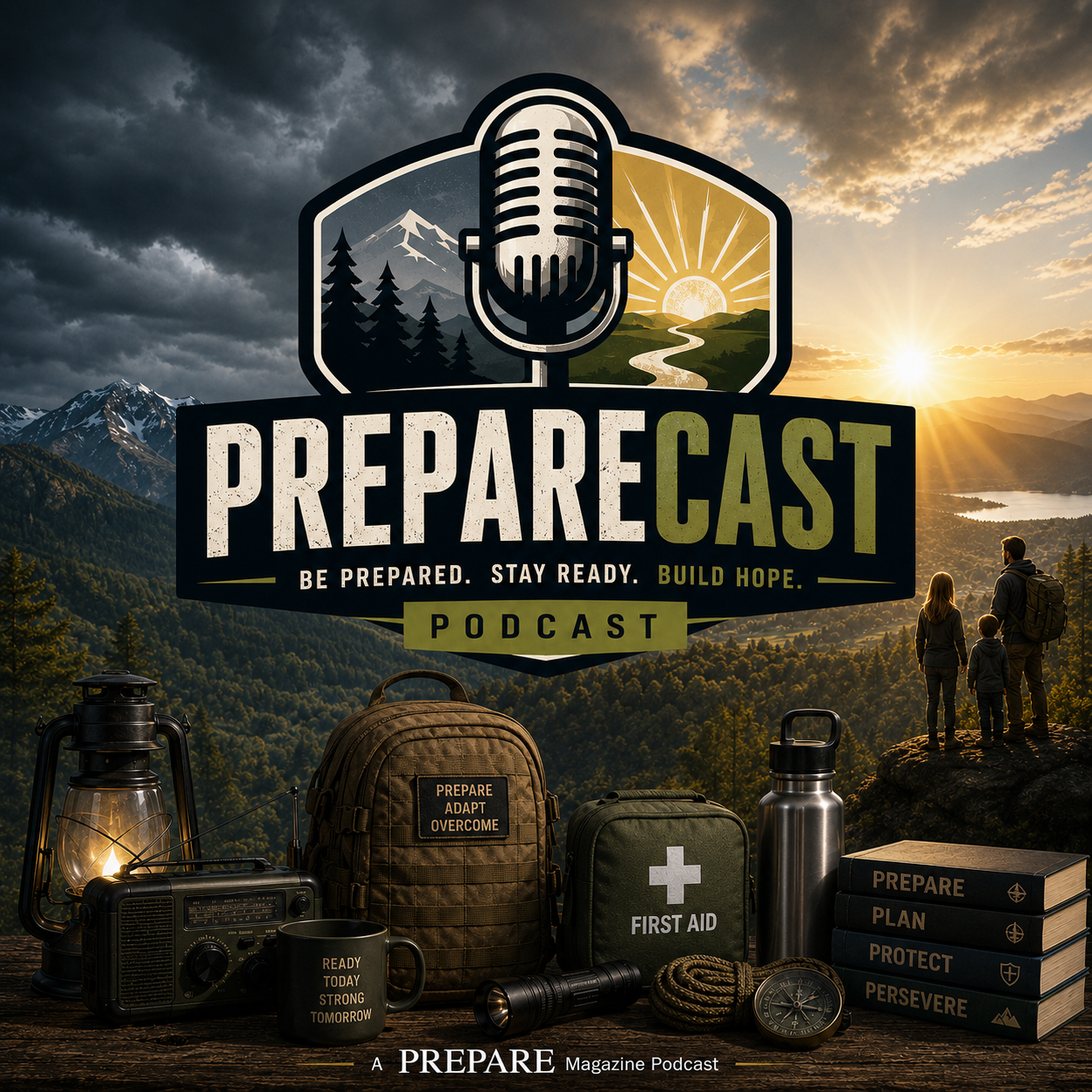
Emergencies can strike at any time, and being prepared is key to ensuring your family’s safety. In this blog post, we will cover the ultimate checklist for emergency preparedness, including building an emergency kit, creating a family communication plan, preparing your home and property for natural disasters, and more. Let’s get started!
Building an Emergency Kit: What You Need to Know
An essential part of emergency preparedness is having an adequate emergency kit on hand. Your kit should include supplies that will help you survive for at least 72 hours in case of an emergency. Here are some items you should consider adding to your kit:
Water (one gallon per person, per day)
Non-perishable food items
First aid kit with bandages, antiseptic wipes, and other medical supplies
Flashlight or lantern with extra batteries
Portable phone charger
Extra clothing and blankets
How to Create a Family Communication Plan in Case of an Emergency
In addition to building an emergency kit, it’s also important to create a family communication plan. This plan should outline how you will communicate with each other during an emergency, as well as what steps you will take to reunite if separated. Consider the following when creating your plan:
Identify a safe meeting place for your family to gather in case you are separated during an emergency.
Establish a contact person who lives out of town that everyone can call or text to check-in.
Make sure everyone has the necessary contacts saved in their phones, including emergency services and local authorities.
Preparing Your Home and Property for Natural Disasters
Natural disasters such as hurricanes, earthquakes, and wildfires can cause significant damage to homes and properties. Taking proactive measures to prepare your home and property can help minimize potential risks. Here are some tips to follow:
Secure loose outdoor furniture and objects that could become projectiles during high winds or storms.
Trim trees and shrubs around your home to reduce fire hazards.
Install smoke detectors and carbon monoxide alarms throughout your home.
Have a professional inspect your roof annually to ensure it can withstand heavy rain or snowfall.
Conclusion
Being prepared for an emergency can give you peace of mind knowing that you have taken the necessary precautions to keep yourself and your loved ones safe. By building an emergency kit, creating a family communication plan, and preparing your home and property for natural disasters, you can be better equipped to handle whatever life throws your way. Remember, emergency preparedness starts with you!
Disasters can strike at any time, and being prepared is essential for ensuring your safety and the well-being of your loved ones. In this blog post, we will discuss five essential steps to disaster preparedness that you should take to ensure that you are ready for whatever life throws your way.
Step 1: Introduction to Disaster Preparedness
The first step in disaster preparedness is understanding what types of disasters could occur in your area. This includes natural disasters such as hurricanes, earthquakes, floods, and wildfires, as well as man-made disasters like terrorist attacks or hazardous materials spills. Once you have identified potential risks, it’s crucial to develop a plan to protect yourself and your family.
Step 2: The Importance of Having a Plan
Having a plan is critical because it helps you stay calm and focused during times of crisis. Your plan should include evacuation routes, emergency contacts, and safe meeting places. It’s also important to practice your plan regularly so that everyone knows what to do in case of an emergency.
Step 3: Building an Emergency Kit
Another essential aspect of disaster preparedness is building an emergency kit. This kit should contain supplies that will help you survive for up to three days without electricity or running water. Some items to consider including in your kit are non-perishable food, bottled water, flashlights, batteries, and first aid supplies.
Step 4: Staying Informed During a Crisis
During a crisis, it’s essential to stay informed about what’s happening around you. This means monitoring local news sources and following instructions from authorities. You may also want to sign up for alert systems that send notifications to your phone or email address when there is a threat.
Step 5: Practicing Your Plan and Maintaining Readiness
All in all, practicing your plan and maintaining readiness is key to ensuring that you are fully prepared for any type of disaster. This involves regular drills, updating your emergency kit, and keeping your contact information up to date. By taking these five essential steps to disaster preparedness, you can rest easy knowing that you and your family are protected in case of an emergency.
Emergencies can strike at any time, and being prepared is key to ensuring your safety and the safety of those around you. One important aspect of emergency preparation is having an emergency kit on hand that contains essential items to help you survive until help arrives or the situation stabilizes. In this blog post, we will discuss five essential items that should be included in every emergency kit.
Introduction:
An emergency kit is a collection of supplies and tools that are designed to help you stay safe and comfortable during unexpected situations such as natural disasters, power outages, accidents, etc. Having an emergency kit ready beforehand can make all the difference when faced with unforeseen circumstances. The following five essentials items are must-haves for any emergency kit.
What is an Emergency Kit?
An emergency kit typically includes basic necessities like food, water, first aid supplies, lighting sources, communication devices, and other equipment that may prove useful in times of crisis. These items should be stored in a convenient location where they can easily be accessed when needed. It’s also crucial to regularly check the contents of your emergency kit to ensure everything is still usable and up-to-date.
The 5 Essential Items to Keep in Your Emergency Kit:
1) Water – Water is essential for survival, and it’s recommended to have at least three days worth of drinking water in your emergency kit. Make sure to store it properly in sealed containers or use a water filtration system if necessary.
2) Non-Perishable Food – Pack non-perishable food items like granola bars, trail mix, or canned goods that won’t spoil quickly. Choose foods that require no cooking or refrigeration and provide high energy levels.
3) First Aid Supplies – A well-stocked first aid kit can mean the difference between life and death in an emergency situation. Be sure to include bandages, antiseptic wipes, pain relievers, antihistamines, and any prescription medications you may need.
4) Flashlight/Batteries – During a power outage, a flashlight can come in handy to navigate through dark spaces safely. Ensure you have extra batteries too.
5) Communication Device – Being able to communicate with others during an emergency is critical. Consider including a portable phone charger or solar-powered chargers to keep your cellphone charged. You could also pack a two-way radio or walkie-talkies to stay connected with loved ones.
Why are these items essential?
These five items were chosen because they address some of the most fundamental needs during an emergency situation. Water and non-perishable food are essential for sustaining life while waiting for rescue or assistance. First aid supplies can prevent minor injuries from becoming major problems, while flashlights and communication devices allow you to call for help or signal for rescue.
How to assemble your emergency kit?
Assembling an emergency kit doesn’t have to be complicated or expensive. Start by making a list of the essential items mentioned above, then gradually add more supplies based on your specific needs and budget. Remember to always double-check the expiration dates of perishable items and replace them accordingly. In summary, store your emergency kit in a secure place where it can be easily accessed but not damaged or stolen.
Conclusion:
In closing, assembling an emergency kit is an effective way to prepare yourself and your family for unexpected events. By including the five essential items discussed in this article, you can increase your chances of surviving until help arrives or the situation stabilizes. Don’t forget to periodically review and update your emergency kit to ensure its effectiveness.