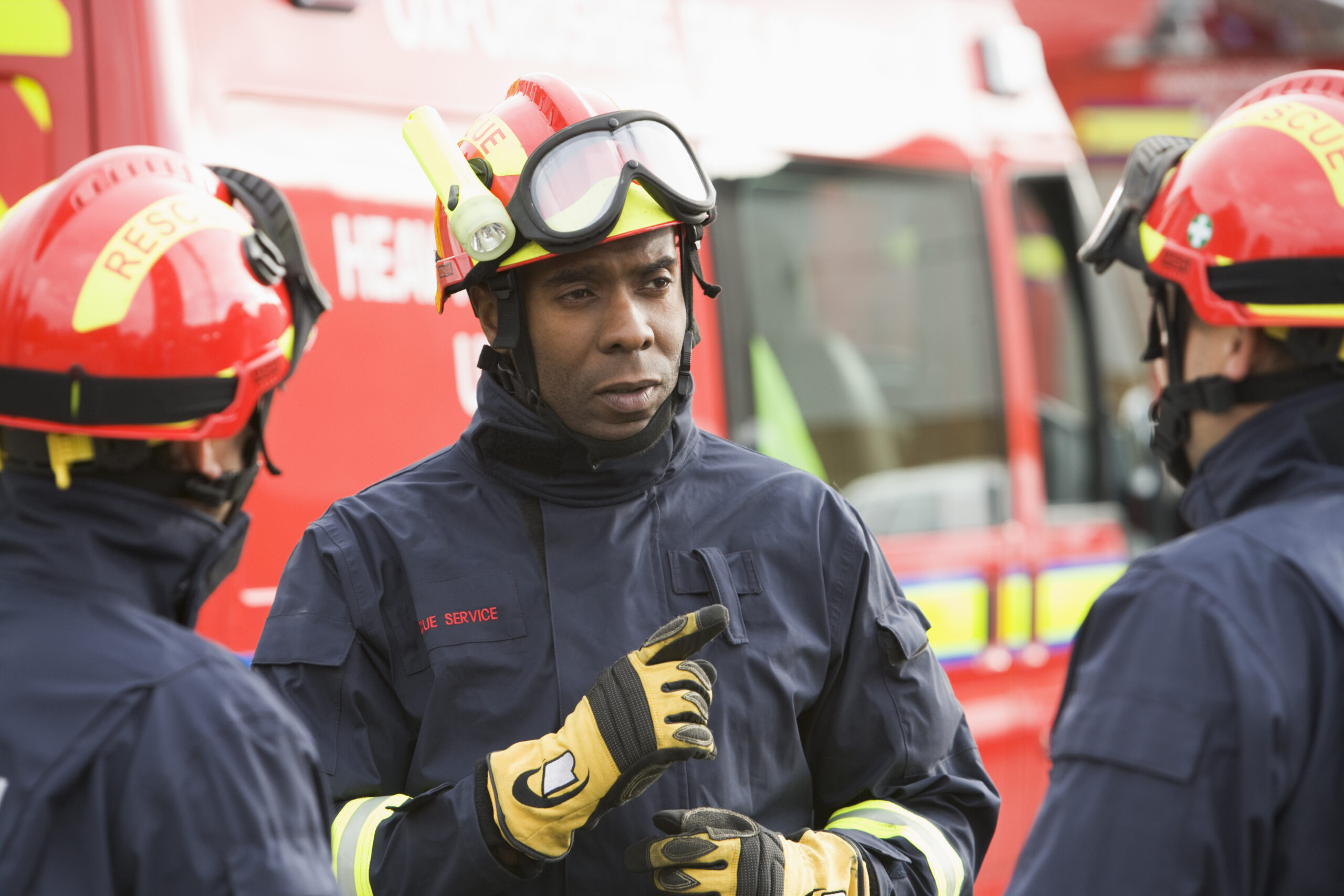
Disaster preparedness is an essential aspect of life that helps individuals and families prepare for unexpected emergencies. Natural disasters can strike at any time, leaving people without power, water or food. It’s crucial to have a plan in place before disaster strikes so you know how to keep yourself and your loved ones safe. In this guide, we will cover everything you need to know about preparing for natural disasters.
Creating a Disaster Plan:
The first step in disaster preparedness is creating a plan. Sit down with your family members and discuss what steps you should take in case of an emergency. Identify potential risks in your area such as hurricanes, earthquakes, floods, wildfires, etc., and create a plan based on those risks. Make sure everyone knows their roles and responsibilities during the emergency. Practice your plan regularly to ensure everyone remembers what they need to do.
Building an Emergency Kit:
Another critical component of disaster preparedness is building an emergency kit. This kit should include supplies that will help you survive for up to 72 hours after the disaster hits. Some items to consider adding to your kit are non-perishable food, water, flashlights, batteries, first aid supplies, extra clothing, and important documents like passports and birth certificates. Remember to check your kit regularly to make sure nothing has expired or gone bad.
Staying Safe During and After the Disaster:
During a natural disaster, it’s vital to stay calm and follow the instructions from local authorities. If evacuation orders are given, obey them immediately and head to a designated shelter. Stay away from windows and doors and avoid using electricity or gas if there are leaks. After the storm passes, be cautious when returning home and survey your property for damage. Call your insurance company right away to report any losses.
Conclusion:
All in all, being prepared for natural disasters is critical to keeping yourself and your loved ones safe. By following these tips, you can rest easy knowing that you have a plan in place and the necessary supplies to weather any storm. Remember to practice your plan regularly and update your emergency kit every six months.
Are you ready for the ultimate guide to surviving natural disasters? Disaster preparedness is an essential aspect of life that can help keep you and your loved ones safe during times of crisis. In this blog post, we will cover everything from understanding different types of natural disasters to building a disaster kit and emergency plan, as well as how to survive during and after a natural disaster and recovering from it. Let’s get started!
Introduction to Disaster Preparedness:
Disaster preparedness refers to the steps taken beforehand to prepare for any type of natural or man-made disaster. It involves being aware of potential risks in your area, creating an emergency plan with your family, and having supplies on hand to last at least 72 hours. By taking these precautions, you can increase your chances of survival and reduce the impact of a disaster on yourself and those around you.
Understanding the Types of Natural Disasters:
There are several types of natural disasters that can occur, including hurricanes, earthquakes, floods, tornadoes, wildfires, and more. Each type of disaster requires specific preparation measures to ensure safety. For example, if you live in an area prone to hurricanes, you should have a plan to evacuate early and take necessary items such as food, water, medications, and important documents with you. If you reside near a fault line, you may need to secure furniture and other household items to prevent them from falling over during an earthquake. Understanding the types of natural disasters that could affect you is crucial to developing an effective disaster plan.
Building a Disaster Kit and Emergency Plan:
A disaster kit is a collection of supplies that can help you stay alive during a disaster. Your kit should include non-perishable food, water, first aid supplies, flashlights, extra batteries, clothing, blankets, and personal hygiene products. You should also consider adding additional items like a portable charger for electronic devices, matches, and a multi-tool. It’s essential to build a disaster kit that meets the needs of everyone in your family, including pets.
Another critical component of disaster preparedness is creating an emergency plan. This includes identifying safe places to shelter during a storm, designating meeting points for family members, and establishing communication protocols. Make sure every member of your family knows what to do in case of an emergency, and practice your plan regularly.
Surviving During and After a Natural Disaster:
During a natural disaster, it’s essential to follow the advice of local authorities and stay informed about weather updates and evacuation orders. If you’re unable to evacuate, make sure to seek refuge in a designated safe room or basement. Stay away from windows and doors, and avoid using electricity or appliances until the storm has passed.
After a natural disaster strikes, it’s vital to remain calm and assess the situation. Check for injuries and call for medical assistance if needed. Use caution when moving around damaged areas, and be mindful of hazards like downed power lines and contaminated water. Reconnect with loved ones, and reach out to community resources for support and assistance.
Recovering from a Natural Disaster:
The recovery process following a natural disaster can be long and challenging. However, by taking proactive steps, you can speed up the recovery process and minimize the damage caused by the disaster. Start by documenting all property losses and contacting insurance companies to file claims. Seek financial assistance from government agencies or nonprofit organizations if necessary. In closing, work towards rebuilding and restoring your home and community, focusing on making improvements that will better protect against future disasters.
Ultimately, disaster preparedness is critical to ensuring the safety and wellbeing of you and your loved ones during times of crisis. By understanding the types of natural disasters, building a disaster kit and emergency plan, surviving during and after a natural disaster, and recovering from it, you can improve your chances of survival and reduce the impact of a disaster on your life. Remember, being prepared is key to staying safe and thriving even in the face of adversity.
Disaster preparedness is an essential aspect of ensuring the safety and well-being of your family. It involves taking proactive steps to prepare for unexpected emergencies, such as natural disasters or other crises that could impact your community. By being ready ahead of time, you can help ensure that your loved ones are protected in case a crisis occurs.
The Importance of Having a Plan
Having a plan is critical when it comes to disaster preparedness. This includes developing a strategy for how you will communicate with family members during a crisis, identifying evacuation routes and safe places to shelter, and establishing procedures for handling different types of emergencies. A good plan should be easy to understand and follow, and should include specific details about what actions to take in various scenarios.
Creating an Emergency Kit
Another important component of disaster preparedness is creating an emergency kit. This should include supplies that can help you survive for at least three days without access to electricity, water, or other utilities. Some items to consider including in your emergency kit are non-perishable food, bottled water, flashlights, extra batteries, first aid supplies, and clothing appropriate for the weather.
Staying Informed During a Crisis
During a crisis, staying informed is crucial. Make sure you have multiple ways to receive information, such as through local news channels, social media, or weather apps on your phone. Keep an eye out for updates from authorities, and listen carefully to any instructions they provide.
Evacuation Procedures and Routes
If evacuation is necessary, make sure you know the best routes to take and where to go. Identify several possible escape routes in advance, and practice them regularly so everyone knows what to do. Also, make sure you have a designated meeting place if you get separated from your family.
Communicating with Family Members
Good communication is key during a disaster situation. Establish a plan for how you will keep in touch with family members, such as through text messaging or email. Be sure to share this plan with everyone involved, and test it periodically to ensure it works properly.
Practicing Your Plan Regularly
Regular practice is essential to ensure your disaster preparedness plan is effective. Conduct drills with your family members to simulate different emergency situations, and review your plan frequently to identify areas for improvement. The more familiar you are with your plan, the easier it will be to execute it under pressure.
Handling Stress during a Disaster Situation
In closing, managing stress during a disaster situation is vital. Encourage open communication among family members, and offer support and encouragement to one another. Take breaks when needed, and try to maintain a positive attitude despite the challenging circumstances.
Common Misconceptions about Disaster Preparedness
There are many misconceptions about disaster preparedness that can lead to confusion and uncertainty during a crisis. One common myth is that you need to stockpile large amounts of supplies to be adequately prepared. In reality, having a basic emergency kit with essentials like food, water, and first aid supplies is sufficient for most situations. Another misconception is that disasters only happen in certain parts of the country or during particular seasons. However, emergencies can occur anywhere at any time, making it essential to always be prepared.
Conclusion: Taking Action for Disaster Preparedness
Taking action for disaster preparedness is not only smart but also empowering. By following these tips and implementing a comprehensive plan, you can help protect yourself and your family from potential emergencies. Remember, being prepared isn’t just about surviving; it’s about thriving even in the face of adversity.