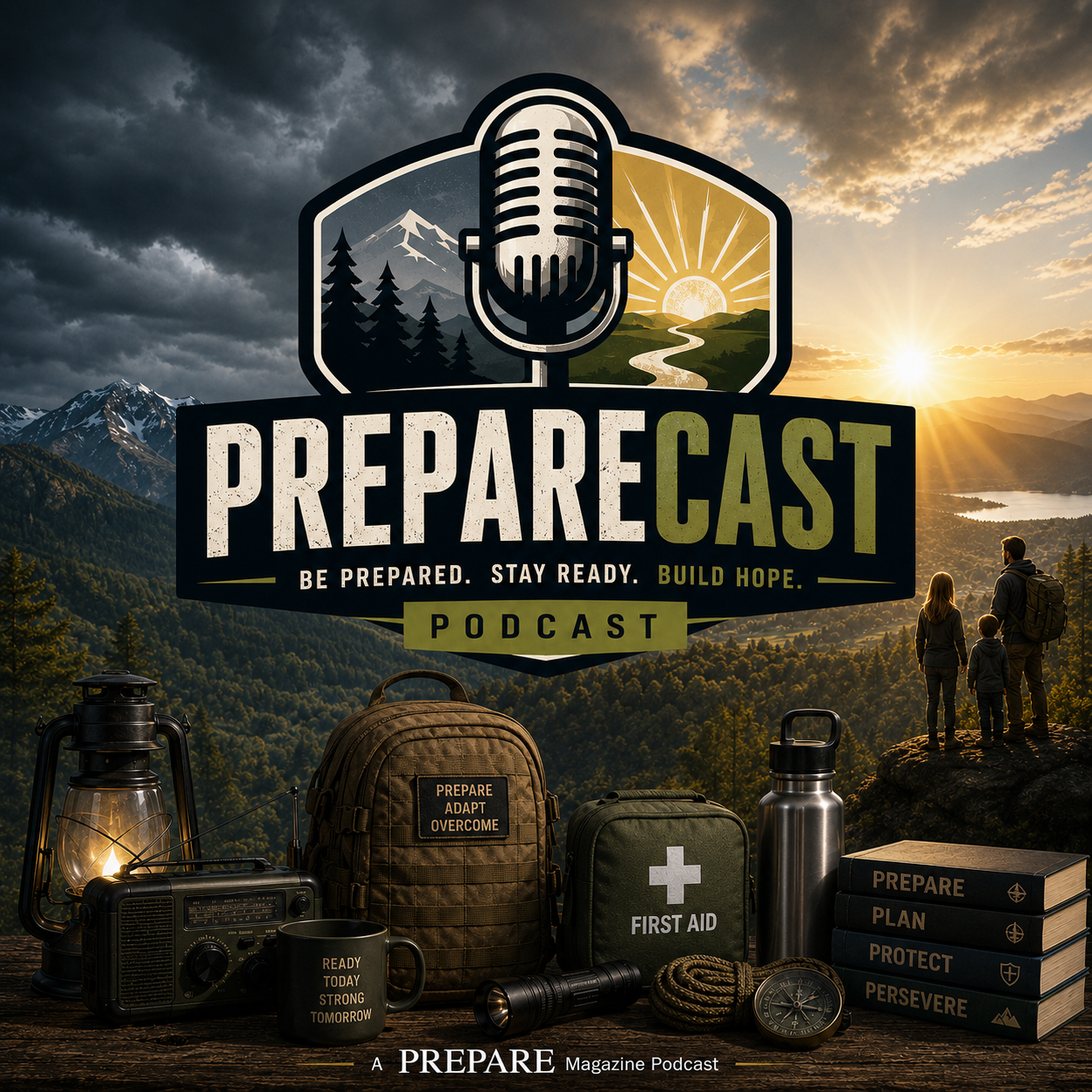
Disasters can strike at any time, and it’s essential to be prepared. Whether you live in an area prone to hurricanes or earthquakes, or if you simply want to be ready for anything that comes your way, disaster preparedness is crucial. In this blog post, we will cover everything you need to know about preparing for a crisis, from building a disaster kit to staying informed during a crisis. Let’s get started!
Introduction to Disaster Preparedness
The first step in disaster preparedness is understanding what types of emergencies could occur in your area. This knowledge will help you tailor your preparation efforts accordingly. Some common types of disasters include hurricanes, tornadoes, floods, wildfires, and earthquakes. Once you have identified potential risks, it’s time to start planning.
Building a Disaster Kit
A disaster kit should contain all the essentials you may need in case of an emergency. Here are some items to consider including:
Water (at least one gallon per person per day)
Non-perishable food (such as granola bars or trail mix)
First aid supplies (bandages, antiseptic wipes, etc.)
Flashlight with extra batteries
Portable phone charger
Whistle to signal for help
Map of the local area
Creating an Emergency Plan
Next, create an emergency plan with your family members. Decide on a meeting place in case you become separated, and establish a communication plan (for example, texting instead of calling). Practice evacuating your home twice a year so everyone knows what to do in case of an actual emergency.
Protecting Your Home and Property
There are several steps you can take to protect your home and property before a disaster strikes. These include:
Reinforce doors and windows with storm shutters or plywood
Secure loose outdoor furniture or move it inside
Trim trees and shrubs around your house
Install a backup generator in case of power outage
Important Documents to Keep Safe
In addition to physical possessions, there are also important documents you should keep safe in case of a disaster. These include:
Birth certificates
Social Security cards
Passports
Marriage licenses
Wills and trusts
Staying Informed During a Crisis
Ultimately, make sure you stay informed during a crisis by monitoring weather updates and news reports. You can sign up for alerts through your community’s emergency management agency, and download apps such as FEMA’s app or the Red Cross’s app for additional information.
Conclusion
By following these tips, you can prepare yourself and your loved ones for whatever disasters may come. Remember, being proactive and taking action now can save lives later.
Are you ready for the unexpected? Natural disasters can strike at any time, and being prepared is essential to keeping your family safe. In this step-by-step guide, we’ll cover everything from creating an emergency plan to recovering after a natural disaster. Let’s get started!
1. Introduction to Emergency Preparedness:
Emergency preparedness is crucial in ensuring that you and your loved ones are protected during times of crisis. It’s important to have a plan in place so that everyone knows what to do if a natural disaster strikes. Start by identifying potential risks in your area such as hurricanes, earthquakes or wildfires. Once you know what types of disasters could occur, it will be easier to prepare accordingly.
2. Creating an Emergency Plan and Kit:
The first step in preparing for a natural disaster is to create an emergency plan. This should include information on how to evacuate safely, where to go in case of an emergency, and who to contact in case someone gets separated from the group. You may also want to designate a meeting spot outside of your home in case you need to evacuate quickly.
Next, put together an emergency kit with supplies that will last for at least three days. Your kit should include items like non-perishable food, water, flashlights, batteries, first aid supplies, and extra clothing. Make sure to store these items in a convenient location so they can be easily accessed when needed.
3. Preparing Your Home for Natural Disasters:
There are several steps you can take to protect your home from natural disasters. For example, if you live in an area prone to flooding, consider elevating furniture and valuables off the ground. If you live near a fault line, secure heavy objects to walls and brace overhead light fixtures. You may also want to install shutters or plywood over windows to prevent damage from wind and flying debris.
4. Staying Safe During a Natural Disaster:
During a natural disaster, stay calm and follow your emergency plan. Listen to local news reports for updates on the situation and follow instructions from authorities. If you need to evacuate, do so immediately and take your emergency kit with you. Avoid using electrical appliances and equipment until the storm has passed, and always wear appropriate safety gear such as helmets and gloves when cleaning up after a disaster.
5. Recovering After a Natural Disaster:
After a natural disaster, it’s essential to take care of yourself and your family. Seek medical attention if necessary and reach out to friends and family members for support. Contact your insurance company to file claims for damages to your property, and document all losses thoroughly. Be patient throughout the recovery process, and don’t hesitate to ask for help when you need it.
In closing, emergency preparedness is critical in ensuring that you and your loved ones remain safe during times of crisis. By following these simple steps, you can create an effective emergency plan and kit, prepare your home for natural disasters, stay safe during a disaster, and recover quickly afterwards. Remember, being proactive is key to surviving a natural disaster.
Are you ready to create a disaster plan for your business? Disaster preparedness is an essential aspect of running any successful enterprise. A well-planned and executed disaster recovery strategy can help protect your employees, customers, assets, and reputation in the event of unforeseen circumstances. In this article, we will guide you through seven easy steps to creating a comprehensive disaster plan for your business.
Introduction to Disaster Preparedness
Disasters come in many forms, including natural calamities such as hurricanes, earthquakes, floods or fires, cyber attacks, power outages, and more. These events can cause significant damage to your business operations, affecting everything from data loss to physical infrastructure destruction. It’s crucial that companies have a solid disaster plan in place to minimize downtime and financial losses resulting from these types of incidents.
The Importance of Having a Disaster Plan in Place
A disaster plan is critical because it helps businesses prepare for unexpected emergencies by identifying potential risks, developing strategies to mitigate those risks, and establishing procedures to respond quickly and effectively when disaster strikes. By having a clear roadmap for how to handle crises, companies can reduce confusion, improve communication, and speed up recovery times. Additionally, a well-crafted disaster plan demonstrates due diligence on behalf of the organization, which can be beneficial in terms of legal liability protection.
Step 1: Conduct a Risk Assessment
The first step in creating a disaster plan is conducting a risk assessment. This involves analyzing your company’s vulnerabilities and identifying potential threats that could impact its operations. Some common areas to consider include IT systems, facilities, supply chain, and employee safety. Once you identify potential risks, prioritize them based on their likelihood and severity.
Step 2: Develop an Emergency Response Team
Next, develop an emergency response team (ERT) consisting of key personnel who will be responsible for implementing the disaster plan if necessary. The ERT should include representatives from various departments within the organization, such as IT, HR, finance, and operations. Ensure that all members receive adequate training and are aware of their roles and responsibilities during a crisis situation.
Step 3: Create a Communication Plan
Communication is critical during a disaster scenario, so it’s essential to establish a communication plan. This includes determining how you will communicate with employees, customers, vendors, and other stakeholders before, during, and after a disaster occurs. Consider using multiple channels of communication, such as email, phone, text messaging, social media, and your website, to ensure that everyone receives timely updates.
Step 4: Establish a Business Continuity Plan
A business continuity plan (BCP) outlines how your company will continue operating during and after a disaster. This includes identifying alternative work locations, backup technology solutions, and contingency plans for suppliers and logistics. It’s also important to establish recovery time objectives (RTOs) and recovery point objectives (RPOs), which specify how quickly your business needs to resume normal operations following a disaster.
Step 5: Test and Review Your Plan Regularly
Regular testing and reviewing of your disaster plan is vital to ensuring its effectiveness. Schedule regular drills and exercises to test different aspects of the plan, including communications, evacuation procedures, and technology recoveries. After each test, evaluate the results and make adjustments as needed. Also, review the plan regularly to ensure that it remains relevant and up-to-date with changes in your business environment.
Conclusion
Creating a disaster plan may seem daunting, but breaking it down into manageable steps like the ones above can make it easier to tackle. Remember, having a well-prepared disaster plan in place can save lives, protect your assets, and keep your business running smoothly even in the face of adversity.