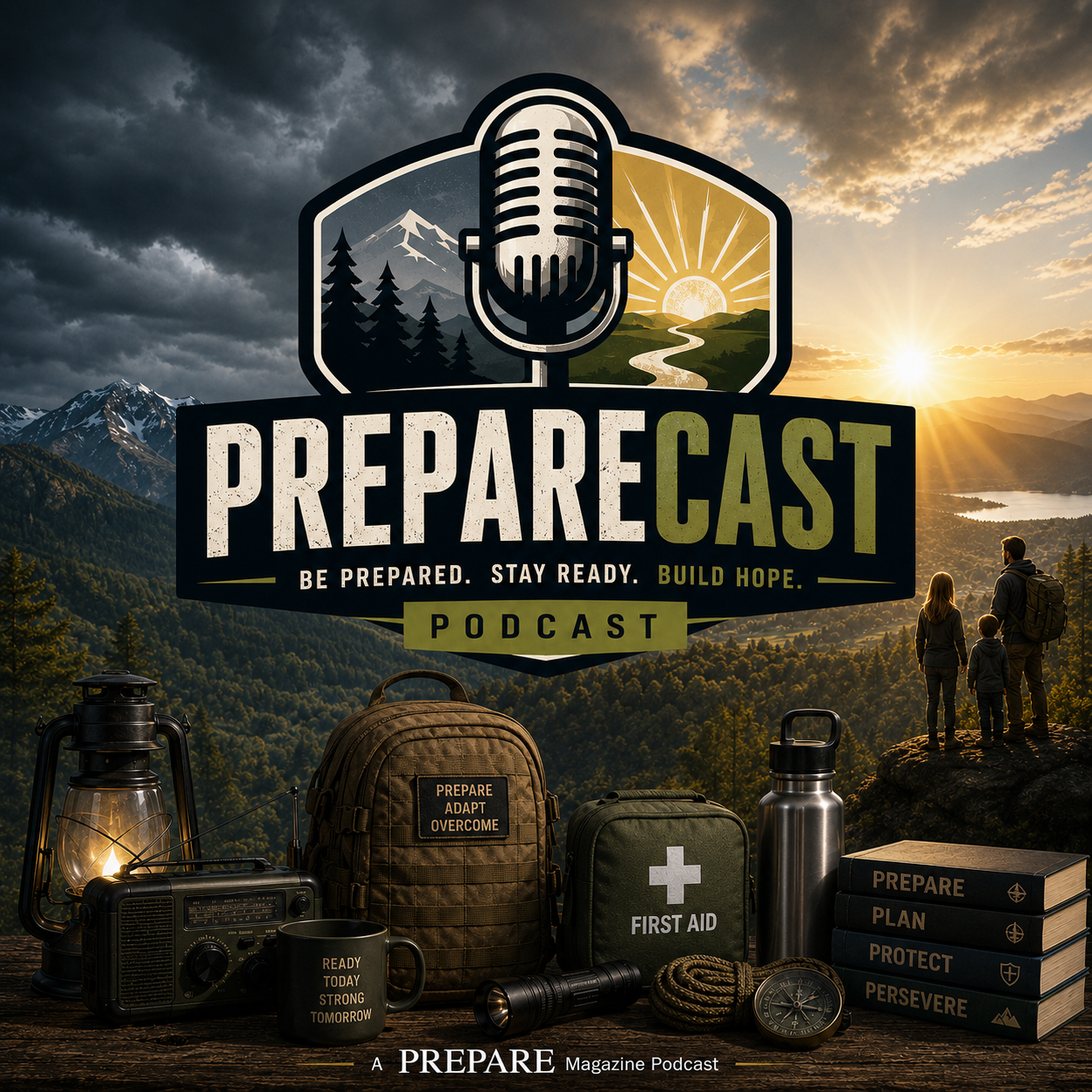
Emergency preparedness is an essential aspect of ensuring your family’s safety and well-being in times of crisis. Being prepared can make all the difference when disaster strikes, as it allows you to respond quickly and effectively to any situation that may arise. In this blog post, we will discuss what emergency preparedness entails, why it’s important, and how you can ensure that you are ready for whatever life throws at you.
The Importance of Being Prepared
Emergencies can happen anywhere and at any time, which means that being prepared is critical. Whether it’s a natural disaster like a hurricane or earthquake, or a man-made crisis such as a terrorist attack or pandemic outbreak, having a plan in place can help keep you safe and reduce stress during difficult situations. By taking proactive steps towards emergency preparedness, you can minimize the impact of these events on yourself and those around you.
Creating an Emergency Kit
One of the most crucial aspects of emergency preparedness is creating an emergency kit. This should include supplies that will help you survive the first 72 hours of a crisis, as it may take up to three days before rescue teams arrive or services become available again. Some essentials to include in your emergency kit are non-perishable food items, water bottles, flashlights with extra batteries, first aid supplies, and communication devices like radios or walkie-talkies. It’s also a good idea to have cash on hand, as ATMs and credit card machines may not be working during a crisis.
First Aid and Medical Supplies
In addition to basic first aid supplies like bandages and antiseptic wipes, it’s recommended to have additional medical supplies in your emergency kit. These might include prescription medications, over-the-counter pain relievers, antihistamines, and insect repellent. If anyone in your household has specific medical needs, make sure to account for those in your preparation as well.
Water and Food Storage
It’s essential to have enough water and food stored away for the duration of a crisis. The general rule of thumb is to have one gallon of water per person per day, so make sure to stockpile accordingly. As for food, focus on non-perishable items that won’t spoil easily, such as canned goods, granola bars, and trail mix.
Shelter and Warmth
If you’re forced to evacuate during a crisis, make sure to bring appropriate clothing and shelter materials with you. This could include warm blankets, sleeping bags, and tarps for protection from the elements. Additionally, consider investing in a portable heater or camp stove to stay warm if necessary.
Communication and Contacts
During a crisis, communication can be challenging, but it’s vital to stay connected with loved ones and emergency response teams. Make sure to program important phone numbers into your cellphone, including local police and fire departments, as well as out-of-state contacts who can help coordinate assistance if needed. Social media platforms like Facebook and Twitter can also be useful for sharing information and updates.
Safety Tips During a Crisis
Staying safe during a crisis is paramount. Follow these tips to protect yourself and others:
1. Stay informed by monitoring news reports and social media channels.
2. Follow the instructions of emergency responders and law enforcement officials.
3. Evacuate immediately if instructed to do so. Don’t wait until the last minute.
4. Be careful when using candles or other open flames, as they can cause fires.
5. Use extreme caution when driving or walking outside, as there may be hazards like downed power lines or debris.
Practicing Your Plan
In closing, practicing your emergency plan is key to ensuring its effectiveness. Conduct regular drills with your family members to simulate different scenarios and test your responses. This way, everyone will know what to do in case of an actual emergency. Remember, being prepared isn’t just about having the right gear; it’s also about knowing how to use it efficiently and effectively.
Conclusion: Staying Vigilant
By following these guidelines, you can increase your chances of survival during a crisis. However, staying vigilant is equally important. Keep an eye on weather patterns and current events, and always have a backup plan in case your initial strategy fails. With proper planning and preparation, you can rest easy knowing that you and your loved ones are protected in even the most trying circumstances.
Disasters can strike at any time, and being prepared is essential for ensuring the safety of yourself and your loved ones. In this blog post, we will cover five essential steps to disaster preparedness that you should take to ensure that you are ready in case a crisis occurs.
Step 1: Introduction to Disaster Preparedness
The first step to disaster preparedness is understanding what it means to be prepared. This involves having a plan in place, building an emergency kit, staying informed during a crisis, practicing your plan, and maintaining readiness. By taking these steps, you can help ensure that you are able to keep yourself and your family safe during a disaster.
Step 2: The Importance of Having a Plan
Having a plan in place is crucial when it comes to disaster preparedness. Your plan should include information on how to evacuate your home or workplace, where to go if you need to evacuate, and how to communicate with family members who may not be with you during a crisis. It’s also important to have a designated meeting spot so that everyone knows where to go if they get separated.
Step 3: Building an Emergency Kit
Building an emergency kit is another essential step to disaster preparedness. Your kit should contain supplies such as food, water, flashlights, batteries, and first aid equipment. You should also make sure to include items like extra clothing, blankets, and personal hygiene products. Make sure to store your emergency kit in a location that is easily accessible and easy to grab in case you need to evacuate quickly.
Step 4: Staying Informed During a Crisis
During a crisis, it’s essential to stay informed about what’s happening around you. Keep an eye on local news channels and social media platforms to stay up-to-date on the latest developments. You should also sign up for alert systems through your local government or emergency management agency to receive updates directly to your phone or email address.
Step 5: Practicing Your Plan and Maintaining Readiness
Practicing your plan and maintaining readiness is critical to ensuring that you are fully prepared for a disaster. Regularly review your plan with your family or colleagues, and practice evacuating your home or workplace. Also, make sure to check your emergency kit regularly to ensure that all supplies are still fresh and functional.
In summary, disaster preparedness is essential for keeping yourself and your loved ones safe during a crisis. By following these five essential steps, you can help ensure that you are ready for whatever life throws your way. Remember to always stay informed, practice your plan, and maintain readiness to ensure that you are fully prepared for any potential disaster.
Being prepared for an emergency can help you and your family stay safe, calm, and informed during a crisis. It’s essential to have a plan in place before disaster strikes so that everyone knows what to do and how to keep each other safe. Start by identifying potential risks in your area such as natural disasters like hurricanes or earthquakes, terrorist attacks, pandemics, power outages, etc., and make sure you are ready to face them head-on.
Building an Emergency Kit:
An emergency kit is a collection of supplies that will help you survive during the first 72 hours after a disaster hits. Your kit should include items such as non-perishable food, water, flashlights, batteries, first aid supplies, medication, personal hygiene products, extra clothes, blankets, and important documents. Make sure to store everything in a portable container that you can easily grab on your way out the door if necessary.
Creating a Family Communication Plan:
Communication is critical during an emergency, especially when family members may be separated. Establish a communication plan with your loved ones ahead of time so that everyone knows who to call, text, or email in case of an emergency. Consider setting up a group chat or using social media platforms to share updates and check-ins. Also, designate a meeting spot where everyone can gather safely in case evacuation is required.
Importance of First Aid Training:
First aid training is crucial because it prepares you to handle medical emergencies until professional help arrives. Take a course through your local Red Cross chapter or online to learn basic skills such as CPR, wound care, and how to use an automated external defibrillator (AED). You could also invest in a comprehensive first aid kit that includes essentials like bandages, antiseptic wipes, and pain relievers.
Evacuation Planning and Practice:
Knowing what to do and where to go during an evacuation can save lives. Identify safe routes and shelter locations in advance, and practice evacuating regularly with your family. Keep track of traffic patterns, road closures, and alternative transportation options in case you need to leave quickly. Remember to take your emergency kit with you and let someone outside of your immediate circle know where you’re going.
Staying Informed During an Emergency:
During an emergency, it’s essential to stay informed about what’s happening around you. Listen to local news stations, follow government agencies on social media, and sign up for alert systems offered by your community. These resources will provide real-time information on weather conditions, evacuation orders, and other vital details that could affect your safety.
Conclusion:
Preparing for an emergency doesn’t have to be overwhelming. By taking small steps like building an emergency kit, creating a communication plan, and practicing evacuations, you can increase your chances of staying safe and protected during times of crisis. Don’t wait until disaster strikes; start planning today!