
by Preparation Call Editorial Team | Apr 9, 2025 | Preparation Guide, Preparedness
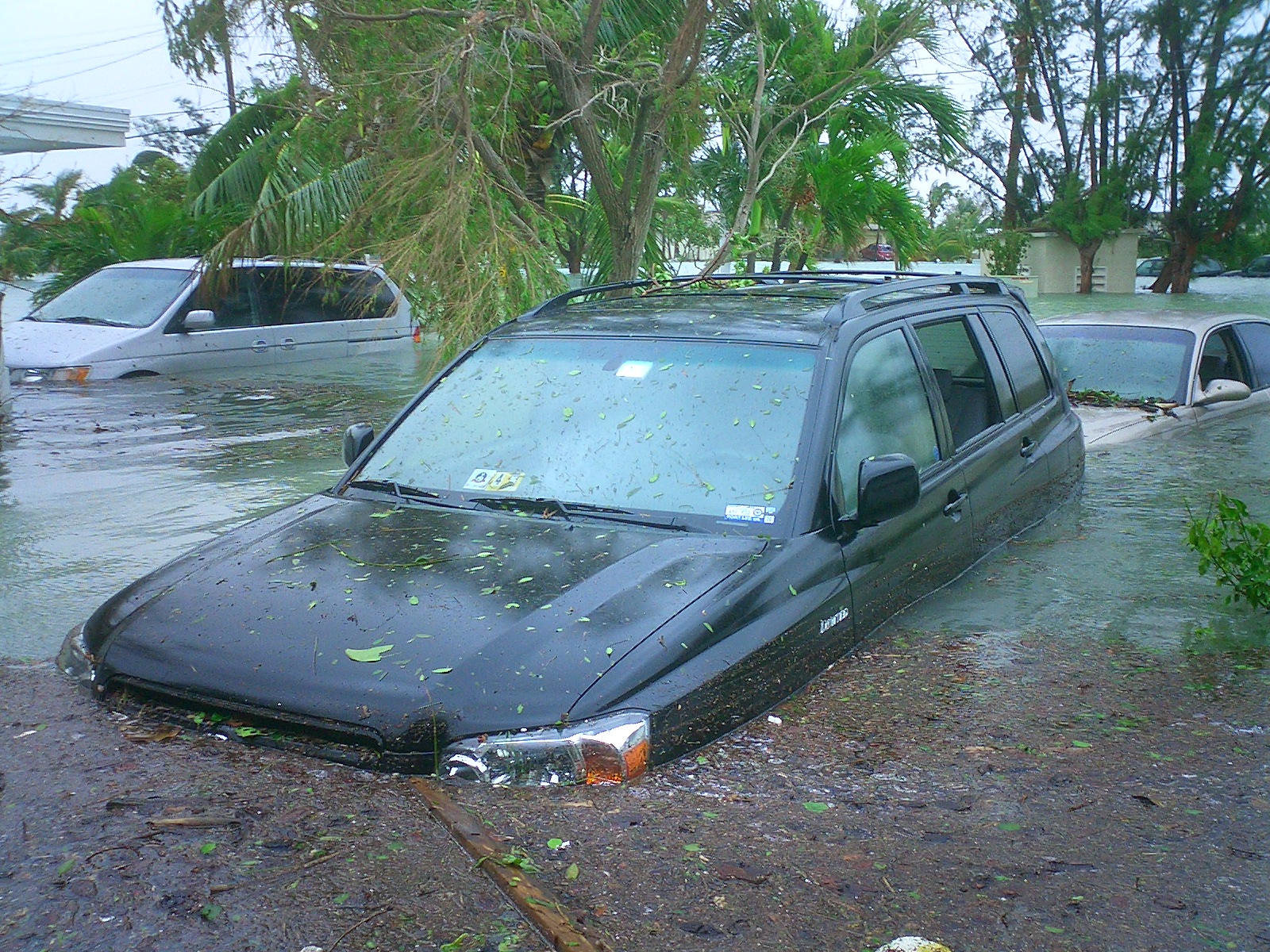
In today’s unpredictable world, emergency situations can happen to anyone at any time. Whether it is a natural disaster like a hurricane or a man-made disaster, being prepared for such emergency situations is critical. Emergency preparedness involves taking specific steps to plan, prepare and respond to unexpected events. In this article, we will explore the top 5 questions people ask about specific steps for emergency preparedness.
1. What Is Emergency Preparedness?
Emergency preparedness refers to the process of planning, preparing, and responding to emergency situations. These events may include a variety of natural disasters or human-made threats. Being well prepared for such situations can help to minimize the potential damage and loss of life.
2. Why Is Emergency Preparedness Important?
Emergency preparedness is essential because it can save lives and protect property. In times of an emergency, every second counts. Having a well-planned emergency preparedness plan in place can help you and your family act fast, stay safe and survive. It can also help to reduce the burden on emergency services.

PREPARE Magazine
3. What Are the Key Elements of Emergency Preparedness?
The key elements of emergency preparedness include risk assessments, emergency plans, communication strategies, and emergency kits. Risk assessments involve evaluating potential threats and hazards that may arise in a particular area. An emergency plan outlines the steps to take during an emergency, including evacuation routes, communication plans, and emergency contacts. Communication strategies include alert systems, warning signals, and response protocols. Emergency kits should contain essential items like food, water, shelter, medication, and tools.
4. What Are Some Specific Steps to Take for Emergency Preparedness?
It is important to have a well-established emergency preparedness plan in place that takes into account the specific hazards and risks in your area. This may include the development of emergency communication strategies and evacuation plans. You should also create and maintain an emergency kit that includes essential items such as food, water, first aid supplies, flashlights, and a radio. Additionally, training for various emergencies, including CPR and basic first aid, can support in an emergency.
5. What Are Some Essential Items for Emergency Preparedness Kits?
Emergency kits should contain items that can sustain you and your family for at least 72 hours. Essential items include food, water, shelter (i.e., blankets, emergency shelter), first aid supplies, hygiene items, medication, communication devices, and necessary tools (i.e., whistle, compass, flashlight, and batteries).
Conclusion:
Emergency preparedness is a critical aspect of life that cannot be ignored. It is crucial to have a holistic preparedness plan that considers all the possible risks and hazards in your area. Specific steps for emergency preparedness may include risk assessment, development of emergency plans, and maintenance of emergency kits. Remember, the safety of you and your family starts with preparedness.
by Preparation Call Editorial Team | Apr 9, 2025 | Preparation Call, Preparedness
In times of crisis, being prepared is crucial for the safety and survival of individuals and communities. This article delves into the essential needs for preparedness and how to ensure you’re ready for any emergency situation.
Introduction on Why Should You Prepare
Disasters can strike at any moment, leaving individuals and communities in chaos and disarray. Whether it’s a natural disaster, a terrorist attack, or a pandemic, being prepared is key to ensuring safety and survival in times of crisis. In this article, we will explore the essential needs for preparedness and how to ensure you’re ready for any emergency situation.
Water is Essential in Preparedness
One of the most basic and essential needs for preparedness is access to clean water. In the event of a disaster, the water supply might be contaminated or disrupted, making it impossible to obtain safe drinking water. It’s recommended that individuals have at least one gallon of water per person per day for drinking and sanitation purposes. Having a reliable water filtration system, water purification tablets, or access to natural sources of water such as springs or lakes can also be helpful.
Be Sure to Store Food for Emergencies
 Another essential need for preparedness is food. In times of crisis, food might be scarce or difficult to obtain. It’s important to have a supply of non-perishable food items that can sustain individuals for at least a few weeks. Canned goods, dried fruits and vegetables, and protein bars are good options. It’s also important to consider dietary restrictions and allergies when preparing food supplies.
First Aid
Accidents and injuries can occur at any time, but in a disaster situation, access to medical care might be limited or non-existent. A basic first-aid kit is an essential component of preparedness. It should include items such as bandages, gauze, antiseptic, pain relievers, and any necessary prescription medications. Knowing basic first aid techniques can also be helpful in emergency situations.
Communication
PREPARE Magazine
In a disaster situation, communication can be a lifeline. It’s essential to have a way to communicate with loved ones, emergency services, and other individuals in the community. A battery-operated or hand-crank radio can provide up-to-date information on the situation and any emergency alerts. Also, having a charged cell phone or a backup way to charge devices is important.
Shelter and Clothing
In a disaster situation, access to shelter and clothing can become a critical need. It’s important to have a plan in place for where to go in the event that you need to evacuate your home. Having a go-bag or bug-out bag with essential clothing items such as warm blankets and extra clothing can help in a crisis situation.
Tools and Supplies
 Having the necessary tools and supplies can help individuals be self-sufficient in an emergency situation. Having a reliable flashlight, batteries, a multi-tool or small hand-held tools, and duct tape can be essential for basic repairs and maintenance. It’s also important to have a supply of basic hygiene items such as soap, toothbrushes, and toilet paper.
Final Thoughts on Preparedness Needs
Being prepared for a disaster situation is crucial for the safety and survival of individuals and communities. The essential needs for preparedness include access to clean water, food, first aid, communication, shelter and clothing, and tools and supplies. By being prepared and having a plan in place, individuals can increase their chances of survival and recovery in a disaster situation.

by Preparation Call Editorial Team | Apr 9, 2025 | Preparation Supplies, Preparedness
Do you Need a Bug-Out Bag in Your Car?
When it comes to emergency preparedness, having a bug-out bag is a no-brainer. This is a pre-packed bag filled with essential items that you will need in case of an emergency evacuation or unexpected emergency situation. While many people prepare for emergencies by having a bug-out bag at home, it’s equally important to have one in your car. Here are a few reasons why:
Emergencies can happen anywhere, anytime
 It’s never possible to predict when and where an emergency will occur. The same is true for natural disasters like earthquakes, hurricanes, floods, and wildfires, which could happen anywhere and anytime. When you’re on the road, you may not have the luxury of time to pack or run back home to grab your bug-out bag. Having a well-prepared go-bag in your car can make all the difference in an emergency.
Your car is one of the best places to store critical survival gear
When it comes to transportation during emergencies, your car can be a reliable means of getting away from a dangerous situation quickly. However, it’s worth noting that your vehicle can also be your shelter and your storage in case of a sudden emergency. Your vehicle can store several survival essentials, including food, water, blankets, spare clothes, and other essential items that can keep you safe and comfortable for a few days.
You’ll be ready for any situation
It’s common knowledge that emergencies come in different forms and magnitudes. Nobody knows what the future holds, and being prepared for anything can help you stay calm and composed during emergencies. In case of a sudden emergency, you won’t be forced to gather everything from scratch; instead, you’ll have what you need in one place. With a well-stocked and organized bug-out bag, you and your family are ready for anything that comes your way.
You can help others in need
When you’re the only person who’s prepared in an emergency situation, you can help others who aren’t as prepared. A well-stocked bug-out bag for your car ensures that you have extra resources like water, first aid kits, and other essentials that you can share with others who may need them. In case of an emergency, you can be the hero who helps others in need.
Conclusion
Emergencies can happen anywhere, anytime, and it’s always better to be prepared than not. Being prepared means having a well-stocked bug-out bag for your car, ready to go at a moment’s notice. By taking the time to prepare a go-bag for your car, you’ll be ready to face any emergency situation, whether it’s a natural disaster or an unexpected event. Having a bug-out bag in your car is an investment in your safety, security, and peace of mind.







