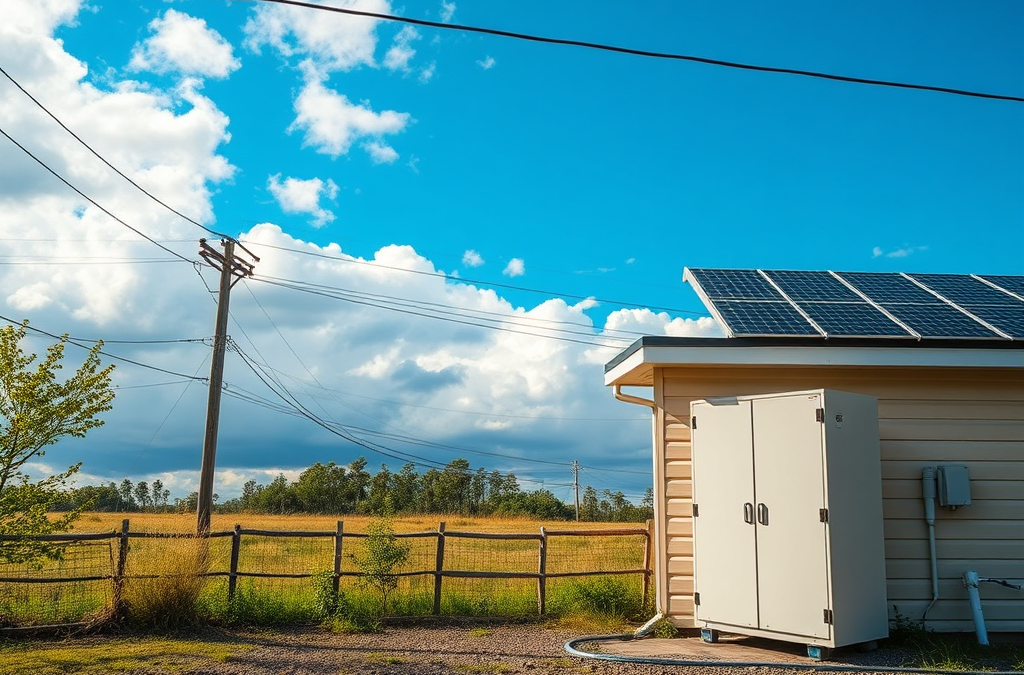
Cloudy weather does not automatically stop a solar backup system, but it can reduce the energy available for charging and force the battery to carry more of the household demand. Solar panels still generate electricity under diffuse light, yet output may be far below the figure shown on a panel label. That label describes a controlled peak condition, not the energy a roof will deliver through heavy cloud, shade, low sun, dust, or a short winter day.
The failure usually begins before the outage. A household may size its plan around the battery’s advertised capacity and the array’s maximum wattage, then assume that a few hours of daylight will restore the charge. During a gray multi-day period, that assumption breaks down. The panels may produce enough to run a small refrigerator but not enough to run the refrigerator, internet equipment, lighting, medical devices, and a well pump while also replenishing the battery.
Location matters more than a weather app’s simple “cloudy” label. A bright overcast morning, dense rain clouds, fog, and storm darkness create different production patterns. Roof orientation, nearby trees, snow, panel dirt, and the inverter’s operating range also affect usable output. A system that performs acceptably in open summer sun may have little charging margin in a shaded winter installation.
Compare a plan built around average sunny-day production with one built around a poor-production day. The first may appear efficient and affordable, but it leaves no room for weather variation. The second reserves energy for essential loads and identifies a second charging source. That does not require abandoning solar; it means treating solar as one part of the supply chain rather than a guaranteed fuel source.
Readers reviewing why backup power plans fail during cloudy weather should first inspect the production assumption. Ask how many usable watt-hours the array produced on an overcast day, not how many watts the panels can theoretically produce at noon. That single distinction often reveals why an apparently large system cannot recover its battery.
Battery Capacity, Charging Losses, and Hidden Drain
A battery does not provide all of its nameplate capacity to household devices. Usable energy depends on the battery chemistry, permitted depth of discharge, temperature, age, inverter efficiency, and the power required by the inverter itself. A battery showing a full charge may deliver less than expected under a large load, while an older battery may lose capacity gradually without an obvious warning.
Charging also consumes more energy than the battery ultimately stores. Electricity passes through wiring, a charge controller, and battery-management electronics before it becomes stored energy. When solar input is weak, these losses take up a larger share of the available production. A small array can spend much of a dim day covering standby demand and conversion losses, leaving little surplus for charging.
Temperature creates another constraint. Batteries may accept charge more slowly in cold conditions, and some systems limit charging to protect the cells. Heat can also reduce battery life or trigger protective controls. The exact limits depend on the equipment, so the manufacturer’s operating range matters more than a generic runtime estimate.
Consider a battery that appears large enough for overnight use. If the household begins the evening at 70 percent rather than 100 percent, runs an inverter continuously, and powers a refrigerator with frequent compressor starts, the practical reserve may disappear before morning. Cloud cover then becomes the second failure, not the first: the system entered the low-production day without enough stored energy.
Check the battery’s state-of-charge reading against actual performance. If the display falls rapidly under a modest load, investigate capacity, calibration, temperature, and error codes before adding more appliances. A larger battery is not always the best first purchase. If the array cannot refill it during the available daylight, extra storage may simply provide a larger empty container. The better sequence may be load reduction, panel maintenance, more generation, and then additional storage.
The Loads That Quietly Exhaust a Backup System
Backup plans fail when the expected load is smaller than the real load. Continuous devices such as refrigerators, freezers, routers, security systems, aquarium pumps, ventilation fans, and heating controls consume energy hour after hour. Intermittent equipment can be even more demanding: well pumps, electric water heaters, kettles, microwave ovens, sump pumps, and space heaters may draw high power while operating.
Starting current complicates the picture. A motor-driven appliance may briefly require much more power when its compressor or pump starts. If the inverter cannot handle that surge, it may shut down even though the average wattage appears acceptable. A system can therefore fail from insufficient instantaneous power before the battery is technically empty.
Cloudy weather magnifies these errors because the panels contribute less during the same period that people may use more electricity. Dark afternoons encourage extra lighting, wet weather can increase pump operation, and cold conditions may increase heating demand. Electric resistance heat is especially difficult for a small battery system because it converts electricity directly into heat at a high continuous draw.
Make two load lists rather than one. The first contains equipment that must remain powered, such as a medically necessary device or a sump pump. The second contains conveniences that can wait, including laundry, cooking appliances, entertainment equipment, and vehicle charging. Then identify whether each essential item needs constant power or can run in scheduled intervals. A freezer may tolerate carefully managed cycling; a network connection may not.
Measure: use a plug-in meter for smaller appliances and equipment documentation for larger circuits.
Separate: place critical circuits on a dedicated backup panel where possible.
Schedule: run high-demand devices only when solar production is strongest, provided the equipment and installation support that practice.
Reserve: keep enough battery energy for overnight essentials instead of spending it on discretionary loads.
A common mistake is to switch off visible appliances while overlooking hidden consumption. An inverter, network device, freezer, and ventilation fan can continue draining power in the background. Rechecking the plan with measured wattage and run time produces a more realistic estimate than adding appliance labels together.
How to Build a Cloud-Resilient Backup Plan
A resilient plan assigns each power source a defined job. Solar can provide daytime energy, the battery can cover short interruptions and overnight needs, and a generator or utility connection can cover extended low-production periods. Treating one source as a fallback for every situation creates a single point of failure.
Begin with the minimum acceptable service. For one household, that might mean refrigeration, communications, lighting in selected rooms, a medical device, and a sump pump. For another, water pumping or heating controls may rank first. Write the priority order down because an outage is a poor time to negotiate which devices remain connected.
Next, establish a reserve threshold. The threshold should reflect the expected overnight demand and the time required to obtain another charging source. A battery-management system may provide low-state-of-charge warnings, but the warning is not a substitute for a plan. If the system reaches the reserve during a cloudy afternoon, disconnecting nonessential loads may preserve the critical circuits.
Use a short decision sequence when production falls:
Confirm that the panels, inverter, and battery show normal operating status.
Remove discretionary loads and delay high-demand equipment.
Compare current solar input with the measured essential load.
Protect the overnight reserve rather than chasing a full charge at any cost.
Use the alternate charging source before the battery reaches its shutdown limit.
The tradeoff is cost and complexity. A generator requires safe fuel storage, ventilation, maintenance, and suitable transfer equipment. More panels may improve recovery but cannot create sunlight during a prolonged storm. More battery capacity extends runtime but does not solve an energy deficit if daily generation remains too low. The appropriate choice depends on outage length, critical loads, local weather patterns, installation limits, and the user’s ability to operate and maintain the equipment.
That practical balance is central to why backup power plans fail during cloudy weather: the answer is often not one defective component but a mismatch between energy entering the system and energy leaving it.
Testing the Plan Before the Weather Turns
A backup plan should be tested under a controlled low-generation scenario, not only during a convenient sunny outage. Choose a safe period, review equipment instructions, and simulate the essential load while observing solar input, battery percentage, inverter temperature, and warning messages. Do not disconnect utility power or operate a generator unless the installation and procedure are appropriate and safe.
Record the results in practical terms. Note the battery level at the beginning, the essential loads connected, the weather, and the time required for the battery to fall by a measured amount. Repeat the observation when solar production is weak if conditions allow. The goal is not a laboratory-grade calculation; it is a household-specific picture of how quickly the reserve disappears.
Signs of a weak plan include a battery that never reaches its intended reserve, an inverter that trips when a pump starts, solar input that remains unexpectedly low after clouds clear, or a system that requires manual intervention several times a day. A healthy plan should show stable operation, predictable consumption, and a clear response when production drops.
Review maintenance items before storm season. Keep panels clear of avoidable debris, inspect visible wiring without touching hazardous components, confirm that ventilation openings are unobstructed, and check battery and inverter alerts. Battery terminals, transfer switches, generator connections, and household electrical panels may require a qualified professional rather than user servicing.
Use the findings to update the load list and operating instructions. The most valuable result of a test is often discovering that a supposedly essential appliance can be reduced, rescheduled, or replaced with a lower-demand option. Revisit the plan after adding equipment, changing occupancy, aging the battery, or experiencing a longer outage. A written procedure that reflects actual measurements is more dependable than a capacity estimate copied from a product listing.
Frequently Asked Questions
Do solar panels work during cloudy weather?
Yes, panels can generate electricity from diffuse daylight, but output may be much lower than on a clear day. Heavy cloud, rain, shade, dirt, and short daylight hours can reduce the surplus available for battery charging.
Why does a battery run out even when the panels are producing power?
The panels may produce less energy than the connected loads consume. Inverter losses, battery charging losses, standby demand, and motor-start surges can widen that gap.
Is adding a larger battery enough to fix cloudy-weather failures?
Not always. A larger battery can extend runtime, but it will not solve a daily energy deficit if weak solar production cannot refill the storage. Load reduction or additional generation may be needed first.
Which appliances should be disconnected first?
Disconnect discretionary and high-demand equipment first, such as space heaters, electric water heaters, cooking appliances, laundry machines, and vehicle chargers. Keep medically necessary devices and other defined critical loads connected.
How can I tell whether my backup plan is realistic?
Measure actual appliance consumption, observe battery decline during essential use, compare solar input on weak-production days, and test the alternate charging procedure before an outage occurs.
Further Reading
Authoritative Sources
Ready.gov ready.gov
Official household preparedness guidance, emergency plans, and supply checklist resources.
FEMA fema.gov
Federal emergency management information, disaster planning resources, and recovery guidance.
American Red Cross Emergency Preparedness redcross.org
Practical emergency preparation, safety, and response guidance for households.
CDC Emergency Preparedness and Response cdc.gov
Public health guidance for disasters, emergency response, and recovery conditions.
Conclusion
Cloud cover exposes the gap between a backup system’s advertised capacity and its real operating margin. Reliable planning depends on measuring household loads, accounting for inverter and charging losses, protecting an overnight reserve, and recognizing that cloudy days can reduce input while increasing demand. Start by separating critical circuits from conveniences and recording how quickly the battery declines under actual use. Then decide whether the next improvement should be lower consumption, better solar exposure, more generation, additional storage, or a dependable alternate source. Test the procedure before storm conditions arrive, and treat generator safety and electrical connections as professional matters where appropriate. A plan built around measured energy flows will remain useful when the panels produce only a fraction of their clear-sky output.
Set the Capacity Around Real Evacuation Conditions
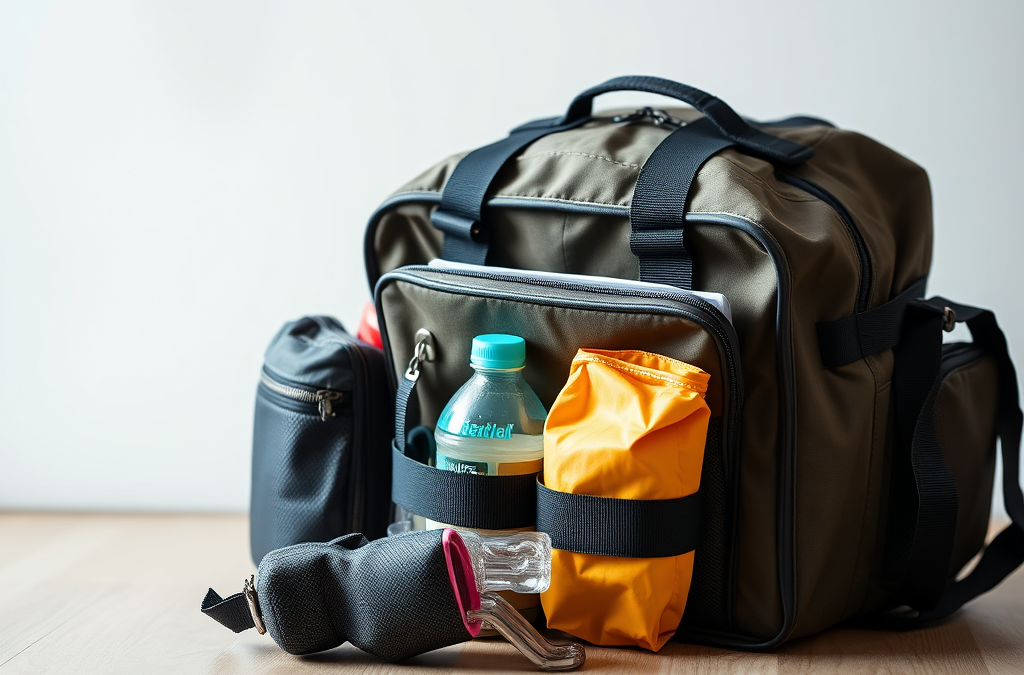
An evacuation pack for one adult is a mobility system, not a household pantry. Its value comes from keeping one person functional while traveling to a shelter, hotel, friend’s home, or safer area during the first part of a disruption. The right capacity depends on the likely route, weather, transportation, access to water, and whether the bag supplements supplies already stored at a destination.
A backpack is usually more useful than a suitcase because it leaves both hands available and works over uneven ground. A large hiking pack may hold more, but added capacity often encourages overpacking. A medium, comfortable pack with a supportive waist belt is a better choice for many adults than a heavy tactical-style bag with unused external features. The practical test is simple: load it with the intended contents and walk stairs, board a vehicle, sit down, and lift it from the floor. Pain, shifting weight, or difficulty reaching essentials signals a design problem.
Think in layers rather than a single number of days. The first layer covers immediate movement: shoes, weather protection, light, identification, medication, water, and communication. The second supports an overnight stay: food, hygiene items, spare clothing, and sleep protection. The third covers disruption at the destination: extra charging capacity, documents, cash, and personal comfort items. This approach is more useful than blindly targeting a particular pack size.
A common mistake is treating the bag as a substitute for a home emergency supply. A portable pack cannot realistically carry all the water, cooking fuel, bedding, and food needed for prolonged sheltering. Keep the bag focused on evacuation and maintain larger supplies separately. Review the evacuation bag for one adult against the conditions you may actually face, especially stairs, public transit, winter temperatures, or a long walk.
Build the One-Adult Supply Priorities
The first priority is the person’s ability to move, communicate, take medication, and remain protected from weather. Water should be accessible, while food can be compact and shelf-stable. A headlamp or flashlight is more useful than relying on a phone light because it preserves phone battery and leaves hands free. A small first aid kit should address ordinary problems such as blisters, minor cuts, and pain relief rather than attempting to replace professional medical care.
Personal needs deserve more space than generic gear. Pack prescription medicines according to the person’s medical plan, along with glasses, contact-lens supplies if used, hearing-aid batteries, mobility supports, and a written list of medications and relevant contacts. Include menstrual products, incontinence supplies, or other items that may be difficult to obtain during an evacuation. A generic checklist often fails because it assumes every adult has the same health requirements.
Documents and money are compact but high-value. Use a sealed pouch for identification copies, insurance information, emergency contacts, medication details, and relevant property or vehicle information. Keep some cash in small denominations because card readers, ATMs, or mobile payment systems may be unavailable. Do not place every original document in the bag if losing it would create a larger problem; copies and secure digital backups may be the better balance.
Use a priority order when space is limited:
Protect: seasonal clothing, rain protection, sturdy footwear, sun protection, and an emergency blanket.
Function: water container, food, medication, first aid, light, power bank, and phone cable.
Maintain: hygiene supplies, wipes, tissues, hand sanitizer, waste bags, and a small towel.
Adapt: work gloves, a whistle, basic repair tape, a multitool where lawful, and a small notepad with a pen.
Overpacking specialist tools is a frequent failure mode. A person who has never used a water filter, radio, or complicated stove may carry equipment that adds weight without adding dependable capability. Choose simple gear, learn its operation, and keep instructions with unfamiliar items. For a more personalized comparison, the evacuation bag for one adult should reflect whether the person is driving, walking, using transit, or going directly to a known host.
Pack Water, Food, and Health Items Intelligently
Water planning requires a tradeoff between carrying weight and knowing where safe resupply may occur. Carry at least a practical starting supply in sturdy bottles or a hydration reservoir, then account for the route and destination. Water is heavy, so a person traveling on foot may need a replenishment plan rather than attempting to carry every possible need. Never assume a stream, fountain, or public tap is safe without appropriate treatment or reliable local information.
Food should be edible without refrigeration, cooking, or extensive cleanup. Dense options include energy bars, nut or seed packets, crackers, dried fruit, shelf-stable pouches, and ready-to-eat meals that match the person’s allergies and dietary needs. Rotate foods that tolerate heat and do not crumble into the rest of the pack. Canned food can be useful when a destination has a can opener, but heavy cans are often a poor choice for a walking bag. A small spoon and resealable bags can make several foods easier to manage.
Health supplies should be chosen around interruption risk. Medication should remain in its labeled packaging when practical, and the user should confirm storage requirements for heat, cold, or light-sensitive products. A compact first aid kit can include adhesive bandages, gauze, antiseptic wipes, blister treatment, gloves, and any routinely used over-the-counter products. It should not create false confidence about treating serious injuries; severe symptoms, major bleeding, breathing problems, or other urgent conditions require emergency medical help.
Pack items in separate waterproof pouches so a leaking bottle does not ruin documents, medication, or electronics. Keep one water bottle, light, and essential medicine where they can be reached without unpacking the bag. Test the food before relying on it. A bar that melts, causes stomach trouble, or is impossible to open is not a good emergency choice. The useful signal is not how impressive the inventory looks; it is whether the person can access and use the contents under fatigue, darkness, rain, or stress.
Food and water also need a destination plan. A person driving may carry more water in the vehicle and keep the backpack lighter, while someone walking may prioritize a comfortable load and a refill strategy. Someone heading to a public shelter may need hygiene items and identification more than cooking equipment. These choices make an evacuation bag for one adult more effective than a fixed checklist copied without regard to travel conditions.
Organize, Test, and Maintain the Bag
Organization determines whether the bag works when visibility, time, and attention are limited. Put high-use items in exterior or top compartments: phone power, light, medication, documents, water, and a rain layer. Place heavier objects close to the back and centered between the shoulders. Keep sharp tools covered, liquids sealed, and clothing compressed only enough to prevent wasted space. Label unfamiliar pouches with short descriptions rather than requiring a tired person to remember the entire layout.
Run a realistic test before storing the pack. Wear the shoes intended for evacuation, walk the expected distance, climb stairs, and attempt to retrieve medication or a flashlight without emptying the contents. Notice hot spots on the shoulders, water bottle leaks, strap movement, food packaging problems, and battery compatibility. If the bag is too heavy, remove duplicate tools and comfort items before removing medication, water, weather protection, or communication equipment.
Maintenance is a schedule, not a once-a-year glance. Check expiration dates on food, medication, batteries, and chemical products. Replace clothing that no longer fits, update contact information, and inspect zippers, straps, seals, and water containers. Seasonal changes matter: warm-weather clothing does little during a cold evacuation, while heavy winter layers may become burdensome in hot conditions. A twice-yearly review, plus a check before a known storm or travel period, catches many predictable failures.
Keep the bag where an adult can reach it quickly but not where heat, moisture, or unauthorized access can damage its contents. If a car is part of the evacuation plan, decide whether the bag stays at home, in the vehicle, or in both places. Do not store all capability in a vehicle that may be inaccessible because of road closures or a damaged garage. A small duplicate kit for the vehicle may be worthwhile, but duplication should not replace maintaining the primary bag.
The most misleading assumption is that possession equals readiness. A sealed pack that has never been worn, opened, or matched to a route may fail at the first practical test. Repack it after every use, record missing items, and ask whether each item solves a plausible problem for this specific adult. The final standard is dependable access, manageable weight, and equipment the user can operate without guesswork.
Further Reading
Frequently Asked Questions
How large should an evacuation bag for one adult be?
Choose a pack that holds essential supplies without making walking, stairs, or public transit difficult. A medium backpack is often more practical than the largest model available.
How much food should one adult pack?
Pack compact, ready-to-eat food for the expected travel and initial shelter period, commonly enough for about three days when feasible. Match choices to allergies, medical needs, heat exposure, and access to cooking.
Should water be stored inside the bag?
Yes, carry a practical starting supply in leak-resistant containers, but plan for resupply because water adds substantial weight. Keep containers sealed away from documents and electronics.
What personal items are easiest to forget?
Prescription medication, glasses, menstrual products, hearing-aid batteries, comfortable shoes, charging cables, and copies of identification are frequently missed by generic checklists.
How often should the bag be checked?
Review it at least twice a year and after every use. Check expiration dates, batteries, clothing fit, weather suitability, packaging, medication storage, and contact information.
Further Reading
Authoritative Sources
Academy of Nutrition and Dietetics eatright.org
Professional nutrition guidance, healthy eating resources, and practical dietitian-reviewed advice.
U.S. Department of Agriculture usda.gov
Official food, nutrition, agriculture, and consumer guidance from the USDA.
NIH Office of Dietary Supplements ods.od.nih.gov
Research-based fact sheets on nutrients, supplements, dietary intake, and safety considerations.
International Society of Sports Nutrition sportsnutritionsociety.org
Evidence-informed sports nutrition resources and position stands for active people and athletes.
Conclusion
A reliable one-adult evacuation bag is built around movement, health, weather, communication, and the first destination—not around collecting every conceivable gadget. Put personal medication and mobility needs ahead of generic equipment, carry food that can be eaten without cooking, protect documents and electronics from leaks, and keep the load comfortable enough to move with confidence. Test the loaded backpack on stairs and outdoors, then remove anything that adds weight without a clear use. Review the contents when seasons change and after any evacuation drill or real-world use. The next practical step is to lay out the bag beside the adult’s shoes, phone cable, medications, and identification, then pack and walk with it before an emergency makes the choices for you.
Emergency preparedness education involves training individuals to respond effectively to various crises, including natural disasters, medical emergencies, and other unforeseen events. It is essential because it empowers people with the knowledge and skills necessary to act decisively when seconds count. Ongoing education ensures that individuals stay informed about the latest best practices, techniques, and tools available for effective emergency response.
A key aspect of ongoing education is its adaptability to new challenges. As technology and our understanding of emergencies evolve, so too must our approaches to preparedness. Regular training sessions help individuals grasp concepts like situational awareness, risk assessment, and effective communication during a crisis, ensuring they can navigate complex emergency situations skillfully.
Skills Developed Through Ongoing Education
One of the primary benefits of ongoing education in emergency preparedness is the development of critical skills. Participants learn vital skills such as first aid, CPR, fire safety, and evacuation procedures. These skills are not only essential for personal safety but also enable individuals to assist others during emergencies.
Moreover, ongoing education fosters problem-solving abilities and enhances decision-making skills under pressure. For instance, through simulation exercises, individuals practice their responses to various scenarios, which helps them remain calm and effective when real emergencies arise. Additionally, they learn to identify common mistakes, such as failing to communicate effectively or overlooking essential supplies, which can significantly impact the outcome of an emergency response.
Resources for Continuous Learning
Access to reliable resources is vital for ongoing education in emergency preparedness. Numerous organizations, such as the American Red Cross and FEMA, offer comprehensive training programs, workshops, and online courses. These resources provide up-to-date information and practical skills that individuals can implement in their communities.
Furthermore, community-based organizations often host local training sessions and drills, allowing participants to practice their skills in real-world scenarios. Engaging with these resources not only enhances individual preparedness but also builds a network of informed citizens ready to assist one another during crises.
Community Engagement and Preparedness
Community engagement plays a critical role in the effectiveness of emergency preparedness efforts. Ongoing education encourages individuals to share their knowledge and skills with others, fostering a culture of preparedness. When communities work together, they can develop comprehensive emergency plans that address specific local risks, such as floods, wildfires, or other hazards.
Moreover, community training programs can help identify and address gaps in preparedness, ensuring that all members have access to essential resources and information. This collaborative approach not only enhances individual readiness but also strengthens community resilience, making it easier to recover from emergencies and reduce the impact of crises.
Frequently Asked Questions
Why is ongoing education important in emergency preparedness?
Ongoing education helps individuals stay informed about the latest techniques and best practices for emergency response, ensuring they are prepared to act effectively when crises occur.
What skills can I gain from emergency preparedness education?
Participants can learn essential skills such as first aid, CPR, crisis management, and effective communication during emergencies, enhancing their ability to respond in real situations.
What role does community engagement play in preparedness?
Community engagement fosters collaboration and knowledge sharing, strengthening the overall preparedness of the community and ensuring that everyone is informed and equipped to handle emergencies.
What are common mistakes in emergency preparedness?
Common mistakes include failing to communicate effectively, not having an updated emergency plan, and neglecting to practice skills regularly, which can hinder effective response during a crisis.
Further Reading
Authoritative Sources
Ready.gov Preparedness Guidance ready.gov
Federal preparedness guidance for household planning, alerts, supplies, and emergencies
American Red Cross Emergency Preparedness redcross.org
Emergency preparedness resources for families, disasters, and practical safety planning
FEMA Preparedness Resources fema.gov
National preparedness resources for planning, mitigation, and response readiness
Conclusion
Ongoing education in emergency preparedness is vital for developing the skills and knowledge necessary to respond effectively to crises. By prioritizing continuous learning, individuals and communities can enhance their resilience, ensuring they are better equipped to handle emergencies. Engaging with training resources and participating in community preparedness efforts will not only improve personal readiness but also foster a culture of preparedness that benefits everyone.