Evaluating the credibility of prepper networks is crucial for ensuring you connect with trustworthy individuals and organizations. Reliable networks often exhibit transparency in their operations, including clear communication about their goals, strategies, and member expectations. One effective method to assess a network’s credibility is to look for established groups with a history of successful preparedness activities and community involvement.
Moreover, consider the background and experience of the network’s leaders. They should have practical knowledge of survival skills and emergency preparedness. Engaging in local meetups or workshops can give you firsthand insight into the group’s dynamics and the preparedness levels of its members. It’s essential to observe how they interact with one another and whether they promote a collaborative environment, as this can indicate the network’s reliability.
Common Pitfalls When Joining Networks
Many individuals encounter pitfalls when attempting to join prepper networks, often stemming from misinformation or unrealistic expectations. One common mistake is placing blind trust in online forums or social media groups without verifying the credibility of the information shared. This can lead to joining networks that may not have the necessary expertise or resources.
Additionally, some people may overlook the importance of shared values and goals within a network. It’s vital to ensure that the group’s philosophy aligns with your own beliefs about preparedness and survival. A mismatch can create friction and reduce the effectiveness of your collaborative efforts. Take the time to interview potential networks, ask about their values, and assess how they approach preparedness challenges.
Building Your Own Prepper Network
Creating your own prepper network can be an effective way to ensure that you are surrounded by like-minded individuals who share your values and objectives. Start by identifying your community’s needs and the specific skills or resources you wish to include in your network. This could encompass individuals with expertise in areas such as gardening, first aid, or self-defense.
Once you have a vision for your network, begin reaching out to friends, family, and local community members to gauge interest. Organizing initial meetings or workshops can spark engagement and help you establish a foundational group. As your network grows, prioritize open communication and collaboration to foster a supportive environment. Regular training sessions and skill-sharing workshops can enhance the preparedness of your group while building trust among members.
Evaluating Online Prepper Communities
Online prepper communities can offer valuable connections and resources, but they require careful evaluation to avoid potential pitfalls. Start by researching the community’s reputation through reviews, testimonials, and member feedback. Look for platforms that emphasize accountability and provide opportunities for members to verify each other’s claims and experiences.
Engagement levels within the community are also significant. A vibrant, active community with regular discussions and member contributions is often a good sign of reliability. Pay attention to the quality of information shared; credible communities will provide well-researched, actionable advice rather than sensationalized content. Always be cautious about sharing personal information and ensure that the community prioritizes privacy and security.
Frequently Asked Questions
What should I look for in a reliable prepper network?
Look for networks with transparent communication, experienced leadership, and a history of successful preparedness activities.
How can I avoid misinformation in prepper networks?
Verify information through multiple sources, engage with established members, and prioritize networks that promote accountability.
What are the benefits of building my own prepper network?
Building a network allows you to connect with like-minded individuals, share skills, and create a supportive community focused on preparedness.
How can I assess the credibility of online prepper communities?
Research the community's reputation, evaluate member engagement, and pay attention to the quality of information shared.
What common mistakes should I avoid when joining a prepper network?
Avoid placing blind trust in unverified sources and ensure that the network's values align with your own preparedness philosophy.
Further Reading
Authoritative Sources
Library of Congress Research Guides guides.loc.gov
Research guides that help readers locate reliable background sources on a wide range of subjects
USA.gov Official Information and Services usa.gov
Official U.S. government information and public resources for practical reference
Google Scholar scholar.google.com
Academic search resource for finding research literature and source material
Communication breakdowns during disasters can severely hinder response efforts and lead to confusion. These breakdowns often occur due to overloaded networks, loss of power, or physical damage to communication infrastructure. Understanding the various causes of these breakdowns is essential for developing effective strategies to mitigate their impact. For instance, natural disasters like hurricanes and floods can disrupt traditional communication systems, making it crucial to consider alternative methods.
Recognizing that relying solely on cell phones may not suffice is a common misconception. During disasters, cell towers can become overloaded or damaged, leaving individuals without reliable means of communication. Therefore, assessing the risks associated with your primary communication methods can help in identifying potential weaknesses and preparing accordingly.
Establishing Multiple Communication Channels
One of the most effective strategies for preparing for communication breakdowns is to establish multiple communication channels. This includes utilizing a combination of landlines, mobile phones, two-way radios, and satellite phones. Each method has its advantages and limitations; for example, while mobile phones are widely used, they may become unusable during network overloads.
Incorporating tools like amateur radios (HAM radios) can be particularly beneficial, as they can operate independently of commercial networks and can be used to communicate over long distances. It’s also important to ensure that all family members or team members are familiar with these alternative communication methods. Regularly testing these channels can help identify any issues and ensure that everyone knows how to use them effectively in a crisis.
Creating a Comprehensive Emergency Plan
A well-structured emergency plan is crucial for effective communication during disasters. This plan should outline how communication will be maintained, who will be responsible for contacting whom, and what information needs to be shared. It is essential to designate a central point of contact who can relay information to all parties involved, reducing confusion and ensuring that everyone is on the same page.
Moreover, consider including a written communication strategy that details how and when to use different communication tools. This strategy should also address what to do if initial plans fail, including backup methods and alternative points of contact. By having a clear plan, individuals can respond more effectively during emergencies and avoid the chaos that often accompanies communication failures.
Regular Drills and Training
Practicing communication strategies through regular drills is vital for preparedness. These drills help identify weaknesses in your communication plan and ensure that all members are familiar with the procedures. During drills, simulate various scenarios that may cause communication breakdowns, such as power outages or network failures. This practice enables individuals to become comfortable using backup communication methods, such as two-way radios or even emergency signal techniques.
In addition, training sessions can provide valuable insights into how to effectively communicate under stress. Understanding how to convey critical information quickly and clearly can make a significant difference in emergency situations. Regularly reviewing and updating your communication plan based on feedback from these drills can also enhance its effectiveness over time.
Frequently Asked Questions
What are common causes of communication breakdowns during disasters?
Common causes include network overload, damaged infrastructure, and loss of power, which can all disrupt standard communication methods.
How can I improve my family’s communication during a disaster?
Establish multiple communication channels, create a clear emergency plan, and conduct regular drills to ensure everyone knows how to communicate effectively.
Why is having a backup communication method important?
A backup method ensures that you can still communicate if your primary method fails, increasing your chances of staying informed and connected during a crisis.
What tools can I use for emergency communication?
Consider using landlines, mobile phones, two-way radios, and satellite phones, as each offers different advantages during a disaster.
How often should I review my emergency communication plan?
Your emergency communication plan should be reviewed at least annually or whenever there are significant changes in your household or communication technology.
Further Reading
Authoritative Sources
Ready.gov: Communication Plans ready.gov
This resource provides comprehensive guidelines for creating effective communication plans during emergencies
FEMA: Emergency Preparedness fema.gov
FEMA offers a wealth of information on disaster preparedness, including communication strategies
Conclusion
Preparing for communication breakdowns during disasters is essential for ensuring safety and effective response. Establishing multiple communication channels, creating a comprehensive emergency plan, and conducting regular drills can significantly enhance your preparedness. By understanding the potential pitfalls and prioritizing practical solutions, you can improve your resilience in the face of emergencies. Take proactive steps now to ensure that you and your loved ones can maintain communication when it matters most.
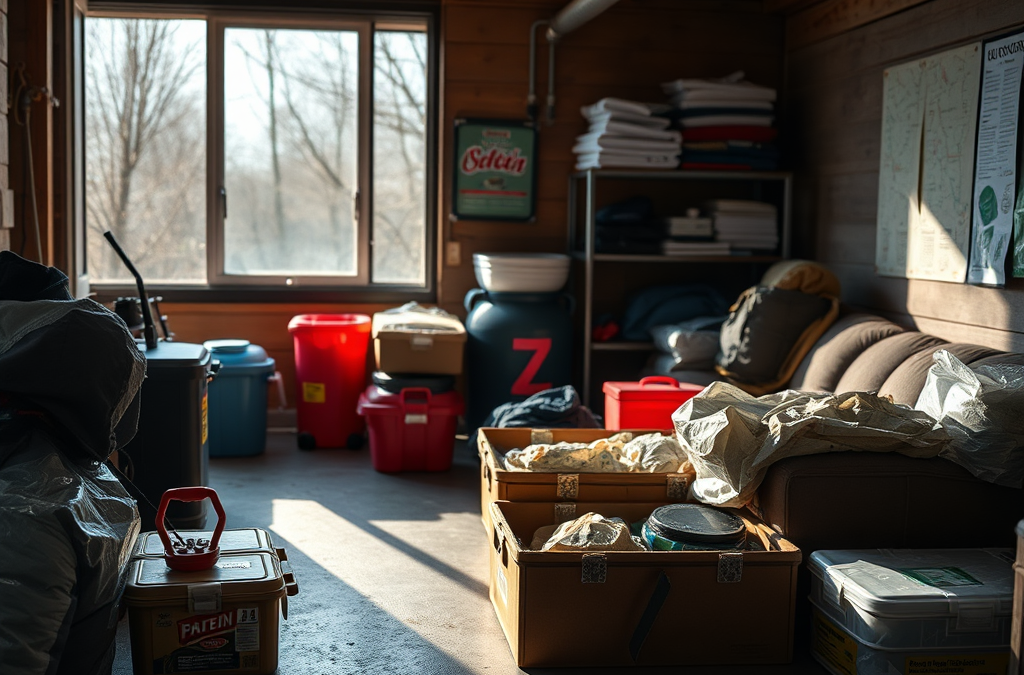
Emergency supplies are the essential items you need to sustain yourself and your family during unexpected situations, such as natural disasters or power outages. These supplies typically include food, water, first-aid kits, flashlights, batteries, and tools. Understanding what these supplies are and why they are important is the first step in effective emergency preparedness. When you know exactly what is in your supply kit, you can make informed decisions about what to include and how to prioritize your resources.
The significance of having a well-stocked emergency supply kit cannot be overstated. In critical situations, having access to food, clean water, and medical supplies can mean the difference between safety and danger. Furthermore, being prepared reduces stress and anxiety, allowing you to focus on responding effectively to the crisis at hand. Regularly assessing your supplies ensures that you are not caught off guard when an emergency strikes.
The Role of Routine Checks
Routine checks of your emergency supplies are vital for maintaining their effectiveness and ensuring you are well-prepared for any situation. These checks help you identify expired items, assess the condition of your supplies, and restock as necessary. By routinely reviewing your emergency kit, you can ensure that you have what you need when you need it.
During these checks, focus on three key areas: expiration dates, functionality, and completeness. Expired food or medical supplies can be dangerous if relied upon during an emergency. Similarly, tools such as flashlights and radios must be functional and have fresh batteries. Lastly, assess whether your kit is complete based on your family’s needs and any new recommendations for emergency preparedness. This proactive approach helps build confidence in your preparedness plan and ensures you are ready to respond effectively.
Common Mistakes in Supply Management
One of the most prevalent mistakes people make is neglecting their emergency supplies altogether. Many assume that once they have assembled a kit, it will remain functional indefinitely. However, without routine checks, supplies can expire or become damaged, leading to a false sense of security. Another common error is failing to tailor the emergency kit to specific family needs, such as including medications or items for infants or pets.
Additionally, some individuals overlook the importance of having a communication plan in place. During emergencies, it’s crucial to have a reliable way to communicate with family members or emergency services. Failing to include this aspect can hinder your ability to respond effectively. Addressing these common pitfalls through regular checks can improve your overall preparedness and ensure you are equipped for various scenarios.
Developing a Routine Check Plan
Creating a routine check plan for your emergency supplies can streamline the process and make it more manageable. Start by setting a regular schedule, such as monthly or quarterly, to review your supplies. During each check, follow a checklist that includes verifying expiration dates, testing the functionality of equipment, and restocking any depleted items.
Engaging the whole family in these routine checks can also foster a culture of preparedness. Assign different family members specific tasks, such as checking food supplies or testing flashlights. This not only distributes the responsibility but also educates everyone on what to expect during an emergency. Ultimately, having a well-structured routine check plan enhances your readiness and ensures that your emergency supplies remain effective.
Frequently Asked Questions
How often should I check my emergency supplies?
It is recommended to check your emergency supplies at least once every six months to ensure they are up to date and functional.
What should I include in my emergency supply kit?
Your emergency supply kit should include food, water, a first-aid kit, flashlight, batteries, and any necessary medications.
What is the best way to store emergency supplies?
Store emergency supplies in a cool, dry place, and consider using airtight containers to protect them from moisture and pests.
How do I know if my supplies are still good?
Check expiration dates on food and medical supplies, and inspect items for damage or signs of wear during your routine checks.
Can I use expired supplies in an emergency?
While some expired supplies may still be safe, it is not advisable to rely on them. Always replace expired items to ensure safety and effectiveness.
Further Reading
Authoritative Sources
Ready.gov: Emergency Kits ready.gov
This resource provides comprehensive guidelines for assembling and maintaining emergency kits, emphasizing the importance of regular checks
American Red Cross: Emergency Preparedness redcross.org
A reliable source for emergency preparedness resources, including checklists and supply recommendations
FEMA: Emergency Planning fema.gov
Offers insights into effective emergency planning and the importance of routine checks for preparedness
Conclusion
Maintaining your emergency supplies through routine checks is essential for ensuring preparedness during unexpected situations. By understanding the importance of these checks and developing a structured plan, you can significantly enhance your readiness. Focus on verifying expiration dates, testing equipment, and customizing your supplies to fit your family’s needs. Take the time to engage your family in these checks, fostering a culture of preparedness that will serve you well in times of crisis.