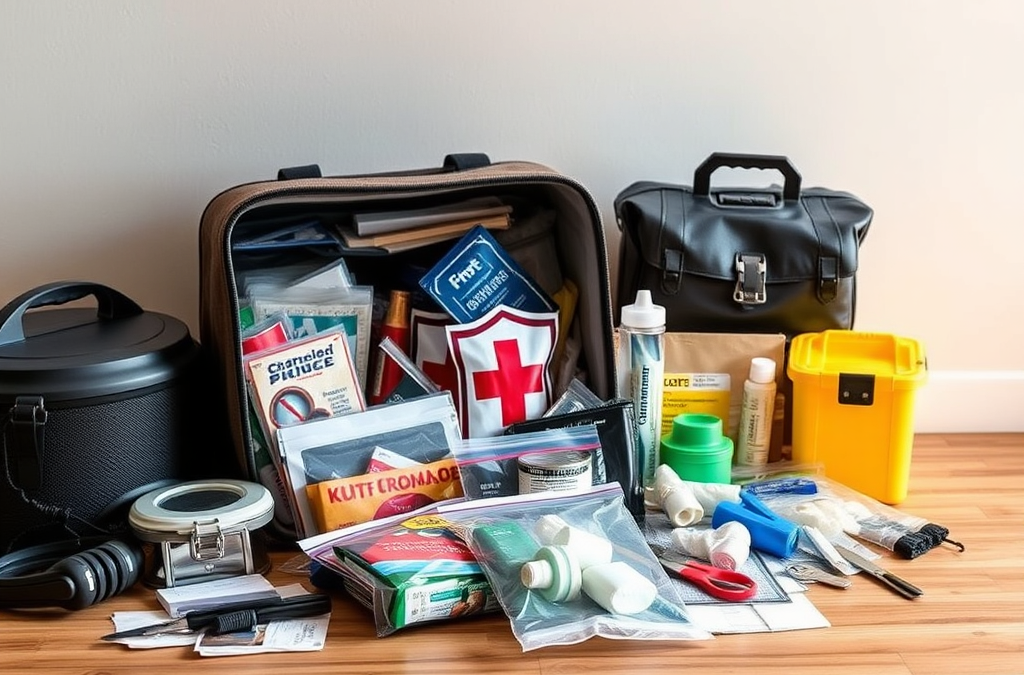
When assembling an emergency kit, one of the most significant mistakes is failing to identify personal needs. Each household is unique, and the contents of an emergency kit should reflect the specific circumstances and requirements of its users. For example, families with infants need baby formula and diapers, while households with elderly members may require medications and mobility aids.
Understanding your personal situation is crucial. Assess factors such as the number of people in your household, any special medical conditions, and the types of emergencies most likely to occur in your area. This tailored approach ensures that your kit is not only comprehensive but also practical for your unique needs.
Essential Items Often Overlooked
Another common pitfall is overlooking essential items that may not seem immediately necessary but are critical during emergencies. While basic supplies like food, water, and a flashlight are often included, other items such as a multi-tool, whistle, and local maps frequently get neglected. These tools can provide significant advantages in survival situations.
Additionally, personal hygiene products, first aid supplies, and a reliable communication device should be prioritized. For instance, a first aid kit should contain gloves, antiseptics, and bandages, as well as any personal medications required by household members. Having a well-rounded kit can make a substantial difference in comfort and safety during crises.
Regular Maintenance and Updates
Many people assemble their emergency kits and then forget about them, which leads to expired items or outdated supplies. Regular maintenance is crucial for ensuring the kit’s effectiveness. Check your kit at least twice a year to replace expired medications, food items, and batteries in flashlights or radios.
Furthermore, consider any changes in your household, such as new family members or changes in health conditions, which may necessitate updates to the kit. Keeping the kit current ensures that it remains functional and useful when needed most.
Common Misconceptions About Emergency Kits
There are several misconceptions surrounding emergency kits that can lead to ineffective preparations. One common belief is that pre-packaged kits are sufficient for all situations. While they can be a good starting point, they often lack personalization and may not address specific needs. Additionally, many assume that having a basic kit is all that’s required, overlooking the importance of customizing and enhancing their supplies.
Another misconception is that emergency kits only need to be prepared for natural disasters. In reality, emergencies can arise from various sources, including power outages, civil unrest, or health crises. Therefore, it is crucial to think broadly about potential emergencies and tailor your kit accordingly.
For more information on assembling effective emergency kits, consider exploring resources from local emergency management agencies or the Ready.gov website, which offers comprehensive guidelines and checklists.
Frequently Asked Questions
What are the most important items to include in an emergency kit?
Essential items include water, non-perishable food, a flashlight, first aid supplies, and any personal medications.
How often should I update my emergency kit?
It's recommended to check and update your emergency kit at least twice a year to replace expired items and adjust for any changes in your household.
Can I use a pre-packaged emergency kit?
While pre-packaged kits can be a good starting point, they often lack personalization and may not meet specific family needs, so customization is important.
What should I do if my emergency kit contains expired items?
Expired items should be replaced immediately to ensure your kit remains effective and useful in an emergency situation.
Why is it important to consider personal needs when assembling an emergency kit?
Considering personal needs ensures that the kit is tailored to your unique circumstances, which can significantly improve preparedness in a crisis.
Further Reading
Authoritative Sources
Ready.gov Preparedness Guidance ready.gov
Federal preparedness guidance for household planning, alerts, supplies, and emergencies
American Red Cross Emergency Preparedness redcross.org
Emergency preparedness resources for families, disasters, and practical safety planning
FEMA Preparedness Resources fema.gov
National preparedness resources for planning, mitigation, and response readiness
Conclusion
Assembling an effective emergency kit requires careful consideration of personal needs, essential items, and regular maintenance. By avoiding common pitfalls such as neglecting to tailor the kit and overlooking critical supplies, you can better prepare for any emergencies that may arise. Prioritize regular updates and be aware of misconceptions surrounding emergency preparedness to ensure your kit remains functional and relevant. Take the time to assess your situation and customize your emergency kit to enhance your readiness for any potential crisis.
Evaluating your home’s structural integrity is the first step in ensuring safety during disasters. This involves checking for weaknesses in the foundation, walls, roof, and windows. Look for cracks in walls or ceilings, signs of water damage, and any indications of pest infestations that may compromise the structure. A strong foundation and sturdy framework can significantly reduce the risk of severe damage during events like earthquakes or hurricanes.
Common mistakes include overlooking minor issues that can escalate during a disaster. For instance, a small crack may seem insignificant but could lead to major structural failure under stress. Regular home inspections by professionals can help identify these vulnerabilities before they become serious problems. Additionally, consider reinforcing your home with storm shutters or retrofitting for earthquakes to enhance safety.
Understanding Local Hazards
Every region faces unique hazards that can affect homes during disasters. Understanding these risks is crucial for effective preparation. For example, coastal areas may be prone to hurricanes and flooding, while regions near fault lines are at risk for earthquakes. Research local historical data on disasters to gauge the likelihood of specific events occurring in your area.
Neglecting to understand local hazards can lead to inadequate preparations. A common error is assuming that because a disaster hasn’t occurred recently, it won’t happen again. Stay informed through local news and government resources to understand emerging risks and ensure your home is prepared for potential disasters.
Creating an Emergency Plan
An effective emergency plan is essential for ensuring your family’s safety during disasters. This plan should include evacuation routes, communication strategies, and designated meeting points. Ensure every family member understands the plan and practices it regularly to build confidence and familiarity.
A frequent pitfall is failing to account for all family members, including pets. Ensure your plan includes provisions for pets, such as pet carriers and emergency supplies. Additionally, consider any special needs family members might have, such as mobility issues, and adapt the plan accordingly to ensure everyone can evacuate safely.
Emergency Supplies and Resources
Having the right emergency supplies can make a significant difference during a disaster. Essential items include food, water, first aid kits, flashlights, and batteries. Regularly check these supplies to ensure they are not expired and are sufficient for your family’s needs.
A common mistake is underestimating the amount of water and food required for a disaster scenario. Aim for at least one gallon of water per person per day for three days, along with non-perishable food that can last for several days. Additionally, familiarize yourself with local emergency services and resources, such as shelters and recovery centers, to ensure you know where to turn for help when needed.
Frequently Asked Questions
What are the key components of a home safety evaluation?
The key components include assessing structural integrity, understanding local hazards, creating an emergency plan, and ensuring adequate emergency supplies.
How often should I evaluate the safety of my home?
It is recommended to evaluate your home’s safety at least once a year and after any significant weather events or changes in your property.
What types of disasters should I prepare for?
Prepare for disasters that are common in your area, such as floods, earthquakes, hurricanes, tornadoes, or wildfires.
How can I make my home more disaster-resistant?
Enhance your home’s resistance by reinforcing the structure, installing storm shutters, and ensuring proper drainage to prevent flooding.
What should I include in my emergency supply kit?
Include water, non-perishable food, a flashlight, batteries, a first aid kit, necessary medications, and personal hygiene items.
Further Reading
Authoritative Sources
Library of Congress Research Guides guides.loc.gov
Research guides that help readers locate reliable background sources on a wide range of subjects
USA.gov Official Information and Services usa.gov
Official U.S. government information and public resources for practical reference
Google Scholar scholar.google.com
Academic search resource for finding research literature and source material
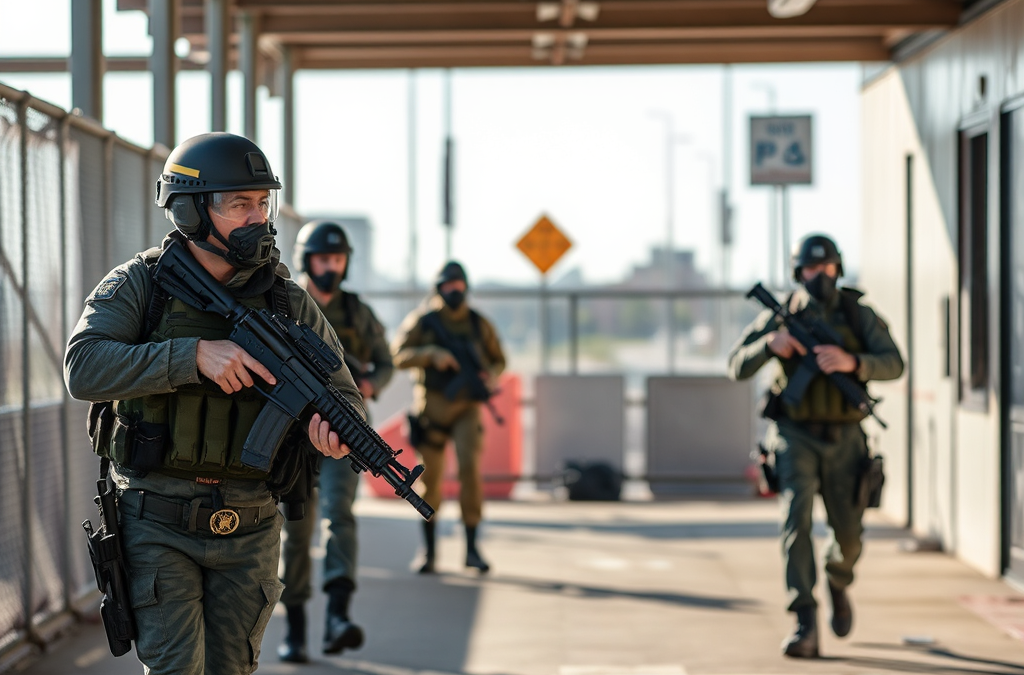
Situational drills are structured exercises that simulate potential emergency scenarios to prepare individuals and teams for real-life crises. They are essential components of any preparedness plan, as they not only enhance skills but also foster teamwork and communication. The primary purpose of these drills is to create a safe environment where participants can practice their responses, identify gaps in their plans, and build confidence in their ability to act decisively during an actual emergency.
By regularly engaging in situational drills, organizations and individuals can ensure that they are not caught off-guard in times of crisis. These drills help reinforce the importance of preparedness and allow participants to experience firsthand the pressures of a real emergency, thereby increasing their overall readiness.
Types of Situational Drills
There are several types of situational drills that can be implemented, each serving different purposes and focusing on various aspects of preparedness. Some common types include:
Tabletop Exercises: These involve discussion-based scenarios where participants analyze their responses to hypothetical situations. They are effective for evaluating plans and procedures without the need for physical execution.
Functional Drills: These drills focus on specific functions or tasks, such as evacuations or emergency communications. Participants practice their roles in a controlled setting, allowing for targeted skill enhancement.
Full-Scale Exercises: These are comprehensive simulations that replicate real-life emergency situations as closely as possible. They involve all stakeholders and test the entire response system, including logistics and coordination.
Fire Drills: A specific type of functional drill that focuses on evacuation procedures in the event of a fire. These are crucial for ensuring that everyone knows how to exit a building safely and efficiently.
Each type of drill has its unique advantages and can be tailored to meet the specific needs of a group or organization. Understanding these types allows for the selection of the most appropriate drill for the intended training outcomes.
Implementing Effective Drills
To maximize the effectiveness of situational drills, careful planning and execution are paramount. Start by establishing clear objectives for each drill, ensuring that all participants understand the goals and expected outcomes. This clarity helps align efforts and fosters a sense of purpose among participants.
Next, develop realistic scenarios that reflect potential emergencies relevant to the group. Scenarios should challenge participants while remaining achievable, providing a balance that encourages engagement without overwhelming them. Involving different stakeholders in the planning process can enhance the realism of these scenarios, as diverse perspectives contribute to well-rounded training.
After conducting the drill, it is critical to hold a debriefing session. This allows participants to discuss their experiences, identify challenges, and provide feedback on what worked well and what could be improved. Documenting these insights helps refine future drills and ensures continuous improvement in preparedness efforts.
Common Mistakes in Drills
While situational drills are valuable, there are common pitfalls that can undermine their effectiveness. One major mistake is failing to involve all relevant stakeholders. When key individuals are excluded, it can lead to gaps in communication and coordination during actual emergencies.
Another frequent error is neglecting to practice drills regularly. Infrequent drills can result in skills becoming rusty, diminishing the benefits of training. Additionally, failing to adapt scenarios to reflect real-world changes can render drills ineffective, as participants may not encounter the same conditions during an actual emergency.
In summary, not conducting a thorough debrief after a drill can prevent valuable learning opportunities. Without feedback, participants may not recognize areas for improvement, and critical lessons may go unaddressed.
For those looking to deepen their understanding of situational drills in preparedness, consider exploring resources from recognized organizations such as the Federal Emergency Management Agency (FEMA) or local emergency management agencies. These sources provide comprehensive guidelines and best practices for effective drill implementation.
Frequently Asked Questions
What are situational drills?
Situational drills are structured exercises that simulate emergency scenarios to prepare individuals and teams for real-life crises, enhancing their skills and confidence.
Why are situational drills important?
They are crucial for improving response efficiency during emergencies, allowing participants to practice critical skills and identify weaknesses in their plans.
What types of situational drills exist?
Common types include tabletop exercises, functional drills, full-scale exercises, and fire drills, each serving different training purposes.
How often should drills be conducted?
Drills should be conducted regularly to maintain skills and ensure that participants remain familiar with their roles and procedures.
What should be done after a drill?
A debriefing session should be held to discuss experiences, identify challenges, and gather feedback to improve future drills.
Further Reading
Authoritative Sources
Ready.gov Preparedness Guidance ready.gov
Federal preparedness guidance for household planning, alerts, supplies, and emergencies
American Red Cross Emergency Preparedness redcross.org
Emergency preparedness resources for families, disasters, and practical safety planning
FEMA Preparedness Resources fema.gov
National preparedness resources for planning, mitigation, and response readiness
Conclusion
Situational drills are an essential component of emergency preparedness, providing invaluable opportunities for practice and learning. By understanding their significance and implementing effective strategies, individuals and organizations can enhance their readiness for real-world crises. Regular practice, careful scenario development, and thorough debriefing are key to maximizing the benefits of these drills. Prioritize situational drills as part of your preparedness efforts to ensure that you and your team can respond effectively when it matters most.