Understanding the Vulnerabilities of a Single Power Source
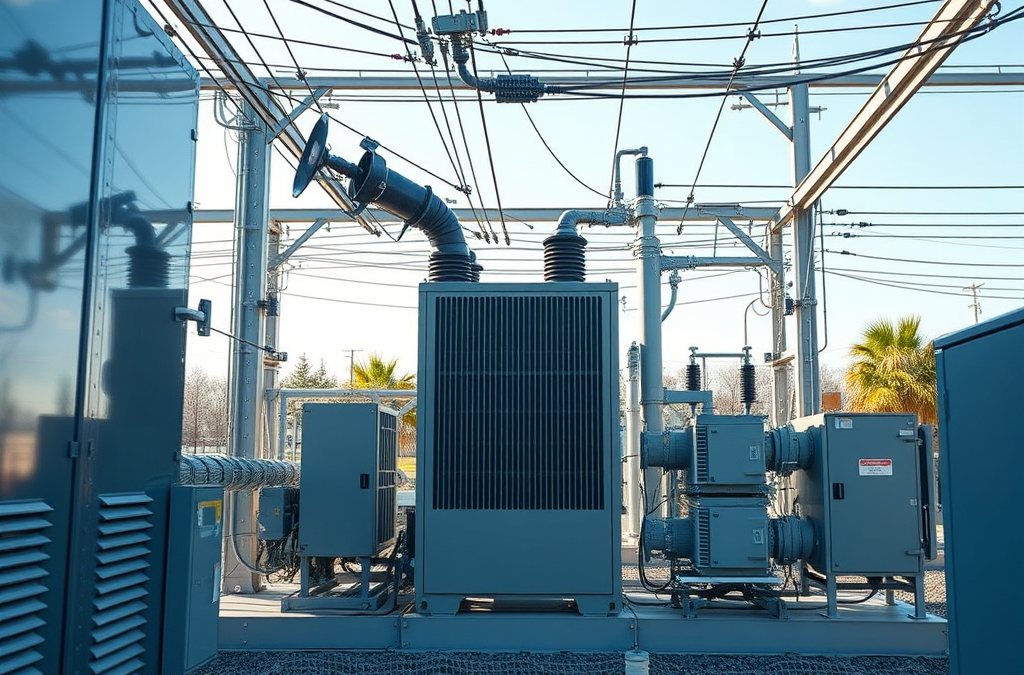
Relying on a single power source poses significant vulnerabilities that can impact both personal and organizational operations. When a power grid or generator is the only source of energy, any disruption—be it from natural disasters, equipment failure, or maintenance issues—can lead to complete power loss. This situation is particularly critical for businesses that rely on continuous energy supply for production, data management, or customer service.
Many underestimate the potential frequency and severity of outages, often believing that their primary power source is infallible. However, the reality is that aging infrastructure, climate change, and increased demand can strain power systems, leading to unexpected failures. For example, during extreme weather events, power lines may become damaged, causing widespread outages. Organizations that do not account for these risks may face not only operational disruptions but also reputational damage and financial losses.
The Impact of Power Outages on Operations
Power outages can have devastating effects on operations, particularly for industries that require constant energy supply. The immediate impact is often the halt of production lines, which can lead to significant financial losses. Moreover, companies may incur additional costs related to restarting operations, lost data, and potential damage to equipment due to abrupt power interruptions.
For instance, a manufacturing facility that depends on automated machinery may find that even a brief outage can lead to hours of downtime, not to mention the risk of damaging sensitive equipment. Furthermore, businesses that operate in sectors such as healthcare can face dire consequences, where power failure might compromise patient safety. These scenarios illustrate the importance of assessing the risks associated with a single power source and preparing for contingencies.
Redundancy: Why It Matters for Power Systems
Establishing redundancy within power systems is crucial for mitigating the risks associated with relying on a single power source. Redundancy involves having backup systems or alternative energy sources that can immediately take over in case the primary source fails. This approach significantly enhances resilience and reliability, ensuring that critical operations can continue uninterrupted.
For example, many data centers employ uninterruptible power supplies (UPS) and backup generators to maintain operations during an outage. By doing so, they can avoid data loss and maintain service availability. Additionally, integrating renewable energy sources, such as solar or wind, alongside traditional power grids can provide an extra layer of security. This diversification not only helps in managing outages but also reduces dependency on any single energy source, aligning with sustainability goals.
Strategies for Diversifying Power Sources
Diversifying power sources is a practical strategy that organizations can adopt to minimize risks associated with reliance on a single power source. One effective approach is to integrate various energy solutions, including renewable energy options like solar panels, wind turbines, and battery storage systems. This not only enhances resilience but also aligns with growing sustainability initiatives.
Organizations can start by conducting a thorough energy audit to assess their current power consumption and identify potential alternative sources. Investing in hybrid systems that combine traditional and renewable energy can also be beneficial. Furthermore, establishing agreements with multiple energy providers can ensure a steady supply, even if one provider experiences issues. Ultimately, these strategies not only safeguard against outages but also contribute to a more sustainable energy future.
Frequently Asked Questions
What are the main risks of relying on a single power source?
The main risks include power outages, system overload, and lack of redundancy, which can disrupt operations and lead to significant losses.
How can I mitigate risks associated with a single power source?
Mitigation can be achieved by diversifying energy sources, implementing backup systems, and conducting regular risk assessments.
What are some examples of backup power systems?
Examples include uninterruptible power supplies (UPS), backup generators, and renewable energy systems like solar panels.
Why is redundancy important in power systems?
Redundancy is vital because it ensures continuous power supply during outages, enhancing operational resilience and reliability.
What should organizations consider when diversifying power sources?
Organizations should assess current energy consumption, explore renewable options, and establish contracts with multiple providers to ensure reliability.
Further Reading
Authoritative Sources
Grid Modernization and Smart Grid energy.gov
This resource provides insights into modernizing power grids to enhance reliability and resilience
Renewable Energy Basics nrel.gov
A foundational document explaining the benefits and integration of renewable energy sources into existing systems
Mitigation Strategies for Reducing Disaster Risk fema.gov
This guide outlines various strategies for mitigating risks associated with power outages and other disasters
Conclusion
Relying on a single power source presents significant risks that can jeopardize operational continuity and safety. By understanding these vulnerabilities and implementing strategies such as redundancy and diversification, organizations can enhance their resilience against power disruptions. It is crucial to conduct regular assessments of energy needs and explore alternative energy solutions to safeguard against potential outages. Prioritizing a multi-source approach not only mitigates risks but also aligns with sustainability efforts, ensuring a dependable and eco-friendly energy future.
Understanding the Importance of Food Stock Rotation
Effectively rotating emergency food stock is crucial for ensuring food safety and maintaining the nutritional value of supplies. Expired food can lead to health risks, and neglecting stock rotation can result in significant waste. By prioritizing the use of older items, you can prevent spoilage and ensure that your emergency provisions are always ready for consumption. This practice not only safeguards health but also maximizes the value of your food investments.
Moreover, understanding the risks associated with outdated supplies is essential. Foods may lose their nutritional potency over time, and some can become hazardous if consumed after their expiration dates. Establishing a routine for stock rotation helps mitigate these risks and promotes responsible preparedness.
Implementing the FIFO Method
The FIFO (first in, first out) method is a widely accepted practice for rotating food stock effectively. This approach ensures that the oldest items are used first, reducing the likelihood of waste. To implement FIFO, organize your food storage so that new items are placed behind older ones. This simple arrangement encourages the use of older stock before newer additions.
As part of the FIFO system, labeling items with purchase dates or expiration dates can enhance visibility and help you track which items need to be used sooner. Regularly updating these labels can prevent confusion and reinforce the importance of using older items first. This system is particularly useful for canned goods, dehydrated foods, and other long-term storage items.
Storage Conditions for Emergency Food
Proper storage conditions are vital for maintaining the integrity of emergency food supplies. Temperature, humidity, and light exposure can significantly impact food quality and shelf life. Ideally, food should be stored in a cool, dry place away from direct sunlight. High temperatures can accelerate spoilage, while humidity can lead to mold growth and spoilage.
Using airtight containers can help protect foods from moisture and pests. Additionally, organizing your storage area to allow for good airflow can prevent condensation and further protect your stock. Regularly checking the conditions of your storage area is essential to ensure that it remains suitable for food preservation.
Regular Inspection and Maintenance
Regular inspection of your emergency food stock is necessary to ensure that items remain safe for consumption. This includes checking expiration dates, inspecting packaging for damage, and assessing overall food quality. A routine inspection schedule, such as every six months, can help you stay on top of your inventory and address any issues before they escalate.
During inspections, take note of items that are nearing their expiration dates and prioritize their use. This proactive approach can help prevent waste and ensure that your emergency food stock is always up to date. Additionally, consider rotating your stock during these inspections to reinforce the FIFO method and keep your supplies organized.
Frequently Asked Questions
Why is food stock rotation important?
Food stock rotation prevents spoilage, ensures safety, and maintains nutritional value, reducing waste and health risks associated with expired items.
How can I implement FIFO in my food storage?
To implement FIFO, organize your food so that older items are at the front and newer items are placed behind them, ensuring older stock is used first.
What storage conditions are best for emergency food?
Emergency food should be stored in a cool, dry place away from direct sunlight, ideally in airtight containers to protect against moisture and pests.
How often should I inspect my emergency food stock?
Regular inspections should occur every six months to check expiration dates, packaging integrity, and overall food quality.
What are common mistakes in food stock rotation?
Common mistakes include neglecting to check expiration dates, not using the FIFO method correctly, and improper storage conditions that can lead to spoilage.
Further Reading
Authoritative Sources
Ready.gov Preparedness Guidance ready.gov
Federal preparedness guidance for household planning, alerts, supplies, and emergencies
American Red Cross Emergency Preparedness redcross.org
Emergency preparedness resources for families, disasters, and practical safety planning
FEMA Preparedness Resources fema.gov
National preparedness resources for planning, mitigation, and response readiness
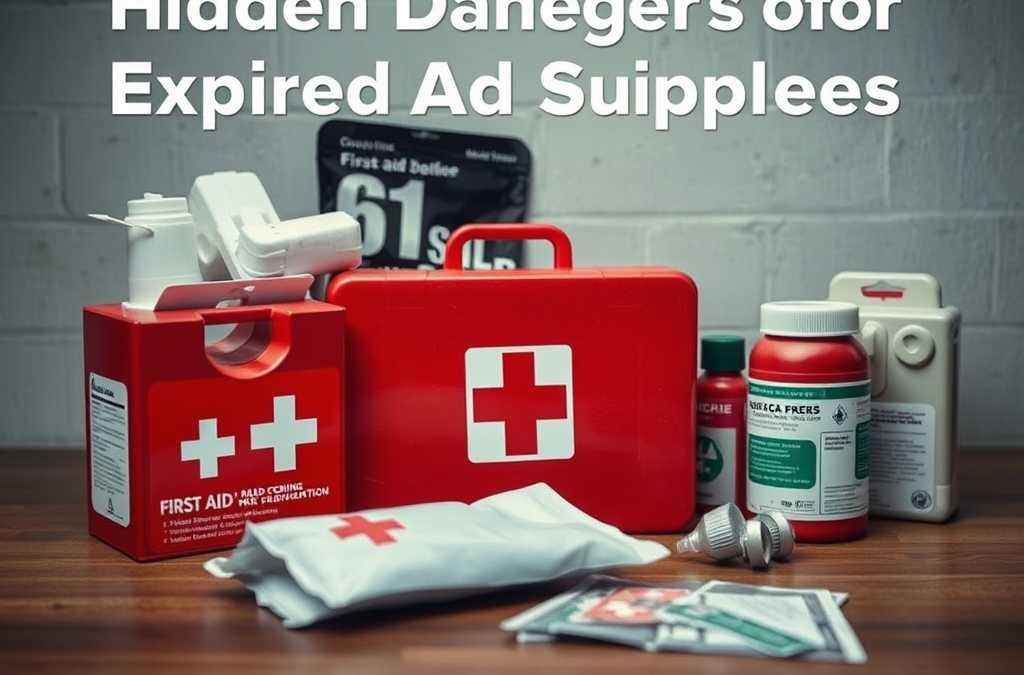
Expired first aid supplies refer to any medical products that have surpassed their designated expiration date, which indicates the time frame in which they are guaranteed to be effective and safe to use. This category can include medications, antiseptics, bandages, and various medical devices. Understanding what constitutes expired supplies is essential for ensuring safety and efficacy during emergencies. Many people might assume that supplies are still usable after their expiration date, but this can lead to dangerous outcomes.
For example, a common misconception is that medications, such as pain relievers or antibiotics, can still be effective past their expiration. However, chemical properties may change, rendering them ineffective or, in some cases, harmful. Bandages and dressings can also degrade in quality, potentially exposing wounds to infection or causing inadequate coverage.
Risks of Using Expired Supplies
Utilizing expired first aid supplies poses several risks that can compromise health and safety. The most immediate concern is the potential for ineffective treatment. For instance, if a person relies on expired pain medication during an emergency, they may not achieve the necessary pain relief, which could exacerbate their condition. Similarly, expired antiseptics may fail to properly clean a wound, increasing the risk of infection.
Another significant risk involves legal liability. In a situation where expired supplies are used and a person suffers harm as a result, the individual administering first aid may face legal consequences, especially in professional settings such as workplaces or public events. It is crucial to be aware of these risks and take preventive measures to ensure that first aid supplies are up-to-date and functional.
How to Check Your First Aid Kit
Regularly inspecting your first aid kit is essential to ensure that all supplies are current and effective. Begin by removing all items from the kit and checking the expiration dates on medications and supplies. It is advisable to create a checklist to make this process systematic. Note any items that are expired or nearing expiration, and plan to replace them promptly.
Additionally, assess the condition of non-medication items, such as bandages and gauze. Look for signs of wear, such as discoloration or damage to packaging, which could indicate compromised integrity. It’s also wise to periodically review the contents of your first aid kit to ensure that it is adequately stocked for your needs, including any specific supplies required for family members or pets.
Best Practices for Maintaining Supplies
To maintain an effective first aid kit, establish a routine for checking and replenishing supplies. Aim to conduct a comprehensive review of your first aid kit at least twice a year. This frequency allows you to catch any expired items and replace them before they can be needed in an emergency.
In addition to regular checks, consider implementing a rotation system for medications and supplies. When purchasing new items, place them at the back of the kit and move older items to the front. This method helps ensure that older supplies are used first, minimizing the risk of expiration. All in all, educate all family members about the importance of first aid kit maintenance, so they can contribute to keeping it up to date.
Conclusion
Understanding the hidden dangers of expired first aid supplies is crucial for maintaining safety during emergencies. By regularly checking expiration dates, replacing outdated items, and following best practices for kit maintenance, you can ensure that your first aid supplies remain effective and reliable. Taking these proactive steps will help you be better prepared for unexpected situations, ultimately safeguarding yourself and others.
Frequently Asked Questions
What should I do with expired first aid supplies?
Expired first aid supplies should be properly disposed of according to local regulations, often involving safe disposal methods for medical products.
How often should I check my first aid kit?
It is recommended to check your first aid kit at least twice a year to ensure all supplies are current and in good condition.
Can I still use expired medications?
It is not advised to use expired medications, as they may lose potency or become harmful after their expiration date.
What are the risks of using expired bandages?
Expired bandages may not adhere properly or provide adequate protection, increasing the risk of infection or inadequate wound care.
How can I keep my first aid supplies organized?
Use clear containers and labels to organize supplies by type, and implement a rotation system to ensure older items are used first.
Further Reading
Authoritative Sources
Library of Congress Research Guides guides.loc.gov
Research guides that help readers locate reliable background sources on a wide range of subjects
USA.gov Official Information and Services usa.gov
Official U.S. government information and public resources for practical reference
Google Scholar scholar.google.com
Academic search resource for finding research literature and source material