Preparing your home for emergencies starts with understanding the specific risks you may face in your area, such as natural disasters, fires, or intrusions. Each home may require different safety strategies based on location, construction, and available resources. Recognizing these factors allows homeowners to tailor their prepare your home checklist effectively.
For example, homes in flood-prone areas should prioritize water barriers and evacuation routes, while those in wildfire zones might focus on creating defensible space around their property. This targeted approach helps ensure that the measures taken are relevant and effective, ultimately increasing the likelihood of safety in the event of an emergency.
Essential Supplies for Your Home Checklist
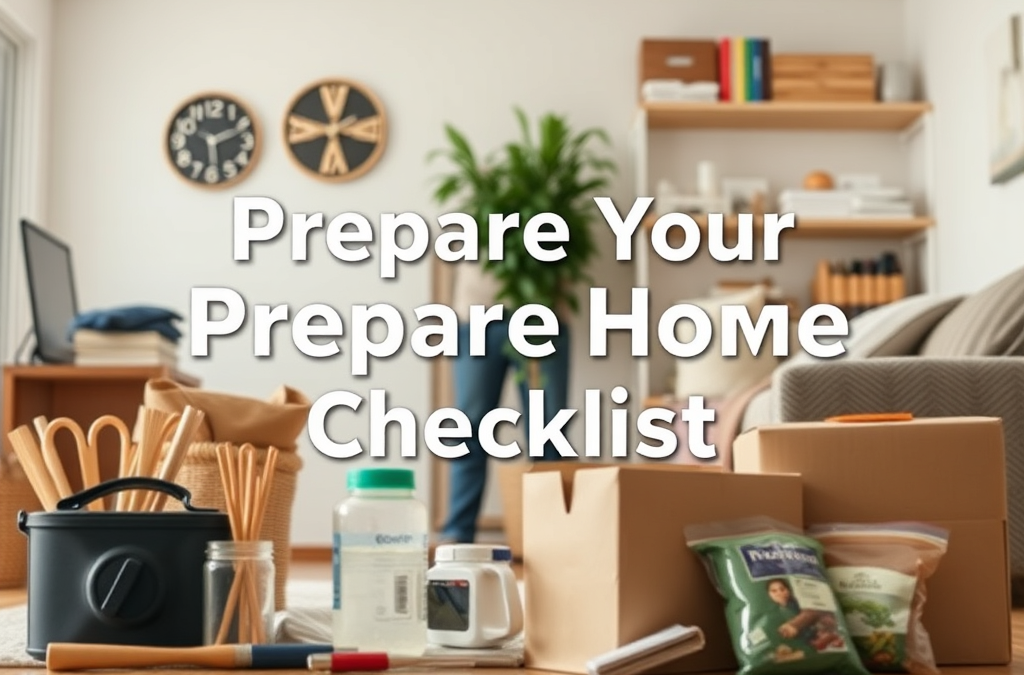
A comprehensive prepare your home checklist should include essential supplies that cater to the needs of your household. This typically involves food, water, medical supplies, and tools for both short-term survival and long-term recovery. Start by assessing your family’s unique needs. For instance, consider any dietary restrictions, medical conditions, or the number of pets in your home.
Here’s a basic list of items to include:
Non-perishable food items
Water (one gallon per person per day for at least three days)
First aid kit
Flashlights and batteries
Multi-tool or Swiss Army knife
Local maps
Whistle to signal for help
Common mistakes include underestimating the amount of food and water needed or failing to update supplies regularly. Always check expiration dates and rotate stock to ensure freshness.
Creating an Effective Communication Plan
Establishing a communication plan is crucial for maintaining contact with family members during emergencies. This plan should outline how to reach each other if separated and designate a meeting place. Consider utilizing both local and out-of-town contacts to ensure coverage in case local networks are compromised.
For example, if family members are at school or work when an emergency occurs, having a designated point of contact outside the immediate area can provide a reliable way to share information. Include all family members in the planning process, and conduct regular drills to ensure everyone remembers the plan.
Regular Maintenance and Safety Checks
Routine maintenance and safety checks are vital components of your prepare your home checklist. Regularly inspect smoke detectors, carbon monoxide detectors, and fire extinguishers. Replace batteries as needed and ensure that all safety devices are in working order.
Additionally, evaluate your home’s structural integrity. Check for signs of wear and tear, such as loose shingles, cracks in the foundation, or gaps around windows and doors. Addressing these issues proactively can prevent larger problems during emergencies and enhance overall safety.
Frequently Asked Questions
What should be included in a home emergency kit?
A home emergency kit should include water, non-perishable food, a first aid kit, flashlights, batteries, and essential personal items.
How often should I update my emergency supplies?
Check and update your emergency supplies at least once a year, ensuring food and medications are not expired.
What is the best way to secure my home against intrusions?
Install sturdy locks, outdoor lighting, and security cameras, and consider a neighborhood watch program.
How can I prepare my home for natural disasters?
Understand local risks, create an emergency plan, and have supplies ready specific to the types of disasters in your area.
Why is a communication plan important during emergencies?
A communication plan ensures family members can reach each other and stay informed during emergencies, enhancing safety and coordination.
Further Reading
Authoritative Sources
Library of Congress Research Guides guides.loc.gov
Research guides that help readers locate reliable background sources on a wide range of subjects
USA.gov Official Information and Services usa.gov
Official U.S. government information and public resources for practical reference
Google Scholar scholar.google.com
Academic search resource for finding research literature and source material
Conclusion
Preparing your home checklist is a critical step in ensuring safety and readiness for emergencies. By understanding risks, stocking essential supplies, creating a communication plan, and conducting regular maintenance, you can significantly enhance your family’s preparedness. Prioritize these elements, and take proactive measures to protect your home and loved ones.
Developing a family emergency plan is a fundamental step in ensuring readiness for families. This plan should outline clear roles and responsibilities for each family member, specify communication methods, and include meeting points in case of evacuation. Establishing these elements helps to reduce confusion during stressful situations. Families should discuss potential scenarios and agree on the best course of action, ensuring everyone is on the same page.
For example, if a family lives in an area prone to wildfires, they should identify safe routes for evacuation and designate a location to regroup. Additionally, families should regularly review and update their plans to adapt to changing circumstances or new family members. A common mistake is neglecting to practice the plan, which can lead to panic and poor decision-making during an actual emergency.
Assembling a Disaster Supply Kit
A well-stocked disaster supply kit is crucial for families to manage emergencies effectively. This kit should include essential items such as non-perishable food, water, first aid supplies, flashlights, batteries, and hygiene products. Families should tailor their kits to meet their specific needs, including medications, baby supplies, or pet food if applicable.
It’s important to regularly check the kit to replace expired items and ensure everything is in working order. A common failure is underestimating the time it takes to gather these supplies, which can lead to last-minute scrambles during a crisis. Families should aim to have their kits ready well in advance of any potential emergency, ensuring they can respond swiftly and effectively.
Conducting Safety Drills
Regular safety drills are an essential component of family readiness. These drills help family members practice their emergency plan, reinforcing their roles and familiarizing them with evacuation routes and safety procedures. Drills can include fire evacuations, earthquake safety practices, or severe weather responses, depending on the risks faced by the family.
Conducting these drills not only builds confidence but also highlights any gaps in the family’s emergency plan. For instance, during a drill, a family might realize that their chosen meeting point is not easily accessible in certain conditions. Addressing these issues proactively ensures that the family can respond effectively when real emergencies occur.
Understanding Local Risks
Awareness of local risks is vital for families to prepare adequately for emergencies. Families should research and understand the hazards that are most likely to affect their area, such as floods, hurricanes, or earthquakes. This knowledge allows them to tailor their emergency plans and supplies to address these specific threats.
For example, families living in flood-prone areas should prioritize waterproof storage for important documents and ensure their disaster kits include items that can aid in flood recovery. A common misconception is that preparedness efforts are one-size-fits-all; however, recognizing local risks helps families develop a more effective and relevant readiness strategy.
For additional resources on family preparedness, check official guidelines from organizations such as the Federal Emergency Management Agency (FEMA) or local emergency management offices.
Frequently Asked Questions
What should be included in a family emergency plan?
A family emergency plan should include communication methods, meeting points, roles for each member, and specific actions for different emergency scenarios.
How often should we update our emergency plan?
Emergency plans should be reviewed and updated at least annually or whenever there are significant changes in the family structure or local risks.
What items are essential in a disaster supply kit?
Essential items include non-perishable food, water, first aid supplies, flashlights, batteries, and any personal medications or hygiene products.
How can we conduct effective safety drills?
Effective safety drills involve practicing the emergency plan regularly, simulating different scenarios, and discussing the outcomes to identify areas for improvement.
Why is understanding local risks important for preparedness?
Understanding local risks helps families tailor their emergency plans and supplies to address specific threats, increasing their overall preparedness effectiveness.
Further Reading
Authoritative Sources
Ready.gov Preparedness Guidance ready.gov
Federal preparedness guidance for household planning, alerts, supplies, and emergencies
American Red Cross Emergency Preparedness redcross.org
Emergency preparedness resources for families, disasters, and practical safety planning
FEMA Preparedness Resources fema.gov
National preparedness resources for planning, mitigation, and response readiness
Conclusion
To achieve readiness for families, it is essential to create a comprehensive emergency plan, assemble a well-stocked disaster supply kit, conduct regular safety drills, and understand local risks. Prioritizing these actions can significantly enhance a family’s ability to respond effectively during emergencies. By remaining proactive and continuously updating their preparations, families can foster resilience and ensure safety in the face of unexpected challenges.
A ready for disaster plan is vital for protecting lives and property during emergencies. Natural disasters, such as hurricanes, earthquakes, and floods, can strike without warning, making preparedness essential. A well-structured plan allows families and individuals to respond swiftly and effectively, minimizing chaos and confusion during a crisis.
Many people underestimate the likelihood of disasters occurring, believing they are either rare or unlikely to affect them. This misconception can lead to a lack of preparation, resulting in severe consequences. By understanding the specific risks associated with their location and potential disasters, individuals can create tailored plans that address their unique circumstances.
Key Components of a Disaster Plan
To create a comprehensive ready for disaster plan, several key components must be included:
Risk Assessment: Identify potential hazards and the likelihood of their occurrence in your area. This can include natural disasters, fires, or technological emergencies.
Communication Strategy: Establish a clear communication plan that includes emergency contacts, meeting points, and methods of communication during a disaster.
Evacuation Routes: Determine the safest routes for evacuation and familiarize all family members with them.
Emergency Contacts: Compile a list of important contacts, including local emergency services, family members, and neighbors.
Each component plays a crucial role in ensuring that individuals can respond effectively to disasters. Regularly reviewing and updating these elements is essential as circumstances change and new threats emerge.
Creating Your Emergency Kit
An essential aspect of a ready for disaster plan is assembling an emergency kit. This kit should contain supplies that can sustain you and your family for at least 72 hours. Key items to include are:
Water: At least one gallon per person per day for three days.
Non-perishable food: A three-day supply of food that requires no cooking or refrigeration.
First aid kit: Include bandages, antiseptics, and any necessary medications.
Flashlight and batteries: Ensure you have reliable light sources during power outages.
Multi-tool: A versatile tool can be invaluable in various situations.
It’s important to tailor your emergency kit to your family’s specific needs, including any necessary medical supplies, baby items, or pet food. Regularly check and update the kit to ensure all items are in good condition and not expired.
Regularly Reviewing and Practicing Your Plan
Creating a ready for disaster plan is only the first step; it must be regularly reviewed and practiced to ensure effectiveness. Schedule drills to familiarize all family members with the plan, ensuring they understand their roles and responsibilities during an emergency.
During these drills, evaluate the plan’s effectiveness and identify areas for improvement. Adjust the plan as necessary based on feedback and changing circumstances, such as new family members, changes in location, or newly identified risks.
Frequently Asked Questions
What is a disaster plan?
A disaster plan outlines the steps and resources needed to respond effectively to emergencies, ensuring safety and preparedness.
How often should I update my disaster plan?
Your disaster plan should be reviewed and updated at least annually or whenever significant changes occur in your household or community.
What should be included in an emergency kit?
An emergency kit should include water, non-perishable food, a first aid kit, flashlight, batteries, and any necessary medications or supplies.
Why is practicing my disaster plan important?
Practicing your disaster plan helps ensure all family members understand their roles and can respond quickly and effectively during an actual emergency.
How can I assess risks for my disaster plan?
To assess risks, research potential hazards specific to your area, such as natural disasters, and consider historical data and community resources.
Further Reading
Authoritative Sources
Ready.gov ready.gov
A comprehensive resource for disaster preparedness information and planning tools
American Red Cross redcross.org
Guidelines on how to prepare for various emergencies and create a personal disaster plan
Conclusion
Having a ready for disaster plan is essential for ensuring safety during emergencies. By understanding the importance of preparedness, creating a detailed plan, assembling an emergency kit, and regularly practicing your plan, you can significantly enhance your family’s resilience in the face of disasters. Prioritize these actions to protect your loved ones and property effectively.