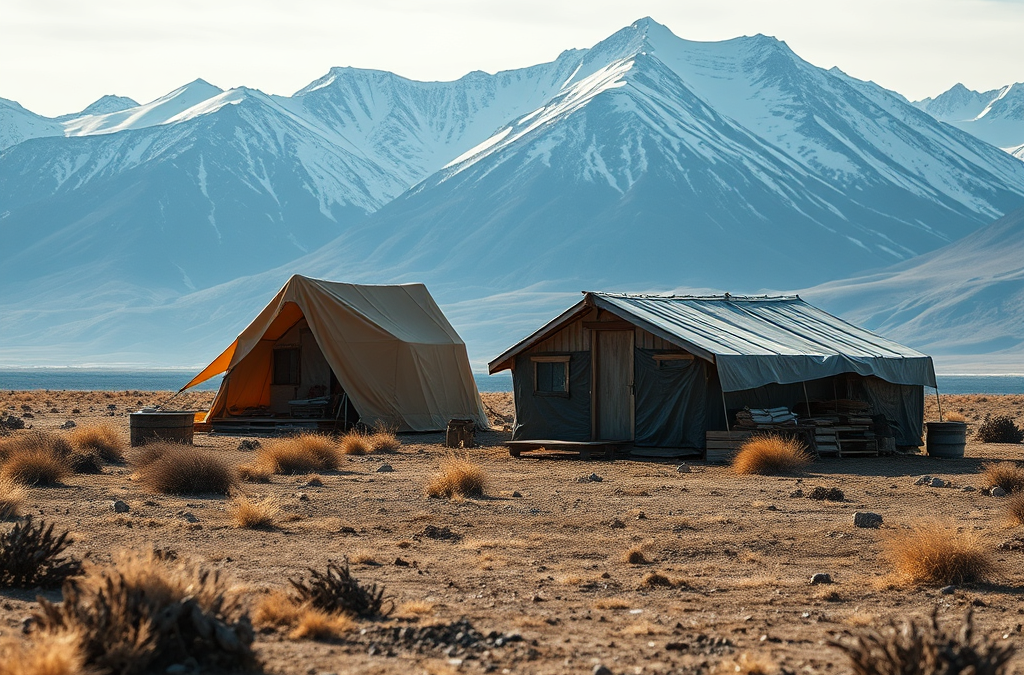
Geographic isolation presents significant challenges for preppers in remote locations. The distance from urban centers means limited access to essential services, including medical care, food supplies, and emergency assistance. In emergencies, the lack of nearby help can be life-threatening, making it crucial to understand the implications of living in a remote area. For instance, if a natural disaster strikes, the time it takes for emergency services to reach isolated communities can be considerably longer than in urban environments.
Moreover, geographic isolation can lead to a false sense of security. Many preppers assume that being away from populated areas inherently means safety from disasters or societal collapse. However, isolation can also mean a lack of community support, making it essential to build networks with nearby neighbors or like-minded individuals. Establishing strong relationships can provide mutual aid and resource sharing, which is vital during emergencies.
Logistical Challenges in Resource Acquisition
Acquiring supplies in remote areas often poses logistical hurdles that can hinder effective prepping. The challenges include limited transportation options, higher costs, and potential supply chain disruptions. For example, if a prepper relies on a single road for supply deliveries, any blockage—due to weather or accidents—can severely impact their ability to restock essential items.
Additionally, the scarcity of local stores means that preppers must plan their supplies meticulously. Bulk buying may seem advantageous, but storing large quantities of food and supplies requires adequate space and proper preservation methods. Preppers should also consider the perishability of items and invest in reliable storage solutions, such as root cellars or climate-controlled environments, to ensure longevity.
Self-Sufficiency Strategies
To effectively prep in a remote location, embracing self-sufficiency is crucial. This involves not only having a robust food storage plan but also developing skills to grow, hunt, or forage for food. Establishing a garden, raising livestock, or learning about edible wild plants can significantly enhance food security. For instance, a small vegetable garden can provide fresh produce, reducing reliance on store-bought items.
Moreover, energy independence is another aspect of self-sufficiency. Utilizing renewable energy sources like solar panels or wind turbines can ensure a reliable power supply, which is vital for food preservation and communication devices. Preppers should evaluate their energy needs and consider investing in off-grid systems that can sustain them during outages or emergencies.
Emergency Communication Plans
Effective communication is essential for preppers in remote locations, especially during emergencies. Establishing a communication plan that includes various methods—such as ham radios, satellite phones, or even signal mirrors—can enhance safety and coordination. Relying solely on cell phones may not be sufficient due to potential network outages during crises.
Moreover, creating a network with neighbors or local community members can provide additional support. Regularly scheduled check-ins or establishing a signaling system can help ensure everyone remains informed and safe. It’s also beneficial to have multiple communication options, including written messages or physical signals, to prepare for different scenarios.
Frequently Asked Questions
What are the main challenges of prepping in a remote location?
The main challenges include limited access to resources, isolation from emergency services, and logistical difficulties in transporting supplies.
How can I ensure food security in a remote area?
Building a sustainable garden, raising livestock, and foraging for wild edibles are effective ways to enhance food security.
What should I include in my emergency communication plan?
Your plan should include various communication methods such as radios, satellite phones, and signal systems to ensure connectivity during emergencies.
How do I manage supply logistics in a remote location?
Plan your supplies carefully, consider bulk purchasing, and invest in reliable storage solutions to manage logistics effectively.
What are some self-sufficiency strategies for preppers?
Focus on growing your own food, raising livestock, and utilizing renewable energy sources to enhance self-sufficiency.
Further Reading
Authoritative Sources
Ready.gov ready.gov
This resource offers comprehensive information on emergency preparedness, including communication strategies and resource management
U.S. Nuclear Regulatory Commission nrc.gov
The NRC provides guidelines on emergency preparedness and response, relevant for those living in remote areas
FEMA fema.gov
FEMA's website offers insights into disaster preparedness, including tips tailored for isolated communities
Conclusion
Prepping in a remote location requires careful consideration of unique challenges such as isolation, limited resources, and logistical hurdles. By prioritizing self-sufficiency, establishing robust communication plans, and understanding local geography, preppers can effectively navigate these challenges. Building a supportive community and developing practical skills will enhance resilience and readiness for emergencies, ensuring that you are well-prepared for any situation.
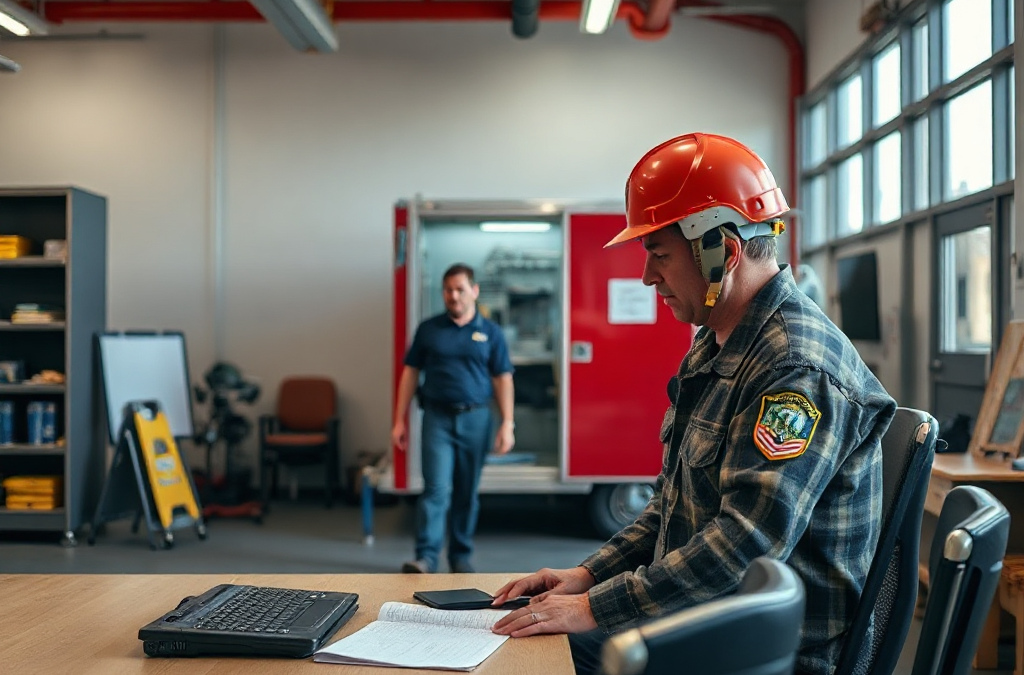
To effectively assess emergency drills, it’s vital to establish key performance indicators (KPIs) that align with your organization’s objectives. These KPIs can include metrics such as the time taken to evacuate a building, the number of participants who successfully complete assigned tasks, and the accuracy of responses to simulated emergencies. By quantifying these elements, you can gauge the efficiency and effectiveness of your drills.
For instance, if a drill’s objective is to evacuate a facility in under five minutes, measuring the actual time taken allows you to determine if participants are meeting expectations. Evaluating these KPIs not only highlights strengths but also uncovers weaknesses that need addressing, ensuring that future drills are more effective.
Participant Feedback and Observations
Gathering feedback from participants is crucial for a comprehensive assessment of emergency drills. After each drill, conduct debriefings to discuss what went well and what could be improved. Encourage open dialogue, allowing participants to share their experiences and observations. This feedback offers valuable insights that quantitative metrics alone may not reveal.
Consider using surveys or questionnaires to collect structured feedback, focusing on aspects like clarity of instructions, perceived realism of the scenario, and overall confidence in responding to emergencies. This qualitative data complements the quantitative KPIs and provides a holistic view of drill effectiveness.
Realistic Scenario Simulation
Realism in emergency drills is essential for effective training. Ensure that scenarios closely mimic potential real-life situations to prepare participants adequately. This includes using actual equipment, realistic timelines, and involving all relevant stakeholders, such as emergency services when possible.
For example, if you are conducting a fire drill, use smoke machines, alarms, and even emergency responders to create a more immersive experience. This realism not only enhances engagement but also allows participants to practice critical decision-making under pressure. Evaluating how well participants navigate these realistic scenarios can help you identify gaps in training and areas for improvement.
Continuous Improvement and Training
Assessment of emergency drills should not be a one-time event; it requires an ongoing commitment to improvement. After analyzing performance data and feedback, develop action plans to address identified weaknesses. This may involve additional training sessions, revising protocols, or modifying drill scenarios to enhance effectiveness.
Additionally, consider implementing a regular schedule for drills to ensure skills remain sharp. Continuous training reinforces knowledge and prepares participants for actual emergencies. By fostering a culture of preparedness and responsiveness, your organization will be better equipped to handle real-life crises.
Frequently Asked Questions
What are the main goals of emergency drills?
The main goals are to improve preparedness, enhance response skills, and ensure participants can effectively handle real emergencies.
How often should emergency drills be conducted?
Emergency drills should be conducted regularly, typically at least twice a year, to maintain readiness and reinforce skills.
What should be included in the debriefing after a drill?
Debriefings should include performance evaluation, participant feedback, areas for improvement, and action items for future drills.
How can realism be incorporated into drills?
Realism can be incorporated by using actual equipment, simulating real-life scenarios, and involving emergency services when appropriate.
What are common mistakes during emergency drills?
Common mistakes include lack of clarity in instructions, insufficient realism, and not allowing enough time for participants to complete tasks.
Further Reading
Authoritative Sources
Ready.gov ready.gov
A comprehensive resource for emergency preparedness, offering guidelines and best practices for conducting effective drills
FEMA fema.gov
Provides a wealth of information on emergency management and preparedness, including tools for evaluating drill effectiveness
National Fire Protection Association (NFPA) nfpa.org
Offers resources on fire safety and emergency preparedness, including best practices for conducting drills
Conclusion
Assessing the effectiveness of your emergency drills is crucial for ensuring preparedness and improving response capabilities. By focusing on key performance indicators, gathering participant feedback, and creating realistic scenarios, you can enhance the value of your drills. Continuous improvement through regular training and evaluation will foster a culture of readiness within your organization, ultimately leading to better outcomes in real emergencies.
The impact of seasonal changes on prepping strategies is crucial for effective emergency preparedness. Each season presents unique challenges that dictate the necessary supplies and techniques. For example, extreme weather conditions can affect not just personal safety but also the availability of resources like food and water. By recognizing these seasonal variations, preppers can prioritize their needs, ensuring they are equipped to handle specific challenges that arise throughout the year.
Moreover, understanding the seasonal context helps in making informed decisions about resource allocation. For instance, winter weather may require a focus on thermal clothing and heating supplies, while summer might necessitate an emphasis on hydration and heat-related safety measures. Each transition between seasons is an opportunity to reassess and refine your prepping strategies, adapting them to the realities of the climate.
Winter Prepping Essentials
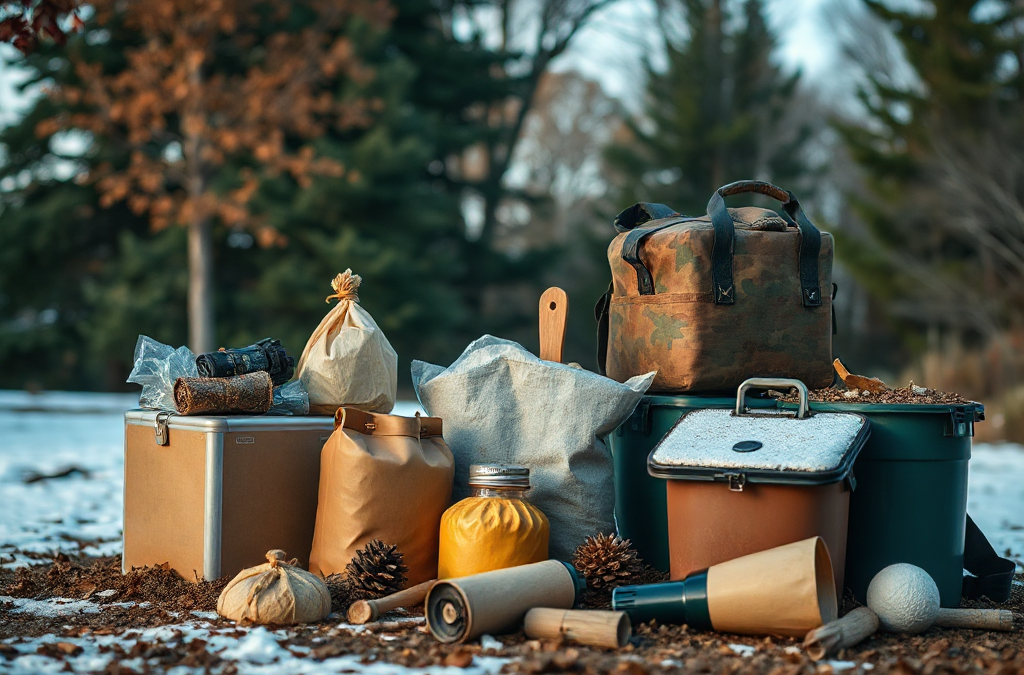
Winter prepping is often centered around ensuring warmth and safety during extreme cold. Essential items include insulated clothing, sleeping bags rated for low temperatures, and reliable heating sources such as propane heaters or wood stoves. Additionally, maintaining a stockpile of non-perishable food that can be easily prepared without electricity is vital.
In many areas, winter storms can lead to power outages or road closures, making it important to have alternative cooking methods, like camping stoves, and sufficient fuel supplies. Preppers should also consider snow removal tools and strategies for maintaining access to their homes. One common mistake is underestimating the importance of staying warm; failure to prepare adequately can lead to hypothermia or frostbite.
Spring and Fall Considerations
Spring and fall require a more versatile approach to prepping, as these transitional seasons can bring unpredictable weather. Prepping strategies should include a mix of winter and summer supplies, ensuring readiness for both cold snaps and warm spells. During spring, focus on checking and replenishing emergency kits, as well as preparing for potential flooding or severe storms.
In fall, it’s critical to prepare for the onset of winter by securing heating sources and winterizing your home. This might involve insulating pipes, checking the roof for leaks, and ensuring that all heating equipment is functioning properly. One often-overlooked aspect is the importance of maintaining a well-stocked first aid kit that can address seasonal allergies or illnesses that may arise during these months.
Summer Prepping Strategies
Summer prepping strategies should prioritize hydration and heat safety. Ensure that you have ample water storage, as well as methods for purifying water in case of shortages. Lightweight, portable cooling solutions, such as fans or cooling towels, can be beneficial for managing heat stress.
In addition to personal safety, summer prepping should also consider the increased risk of wildfires in some regions. Creating defensible space around your property and having an evacuation plan can mitigate these risks. A common mistake during summer is neglecting food storage; high temperatures can spoil supplies quickly, so proper storage methods are essential.
Frequently Asked Questions
How often should I update my prepping supplies?
It's advisable to review and update your prepping supplies at least twice a year, ideally at the transition between seasons, to ensure everything is functional and relevant.
What are the key items for winter prepping?
Key items include insulated clothing, sleeping bags, heating sources, and a supply of non-perishable food that is easy to prepare without electricity.
How can I prepare for summer heat?
Ensure adequate hydration supplies, portable cooling solutions, and plan for heat-related emergencies, including having a first aid kit that addresses heat exhaustion.
What should I consider for spring prepping?
Focus on replenishing emergency kits, preparing for flooding or severe storms, and checking the functionality of all equipment and supplies.
How do seasonal changes affect food storage?
Seasonal changes can impact food storage methods; ensure that food is stored properly to prevent spoilage, especially in high temperatures during summer.
Further Reading
Authoritative Sources
Ready.gov ready.gov
This government resource provides comprehensive guidelines on emergency preparedness for all seasons
American Red Cross redcross.org
Offers valuable insights and resources for disaster preparedness, including seasonal challenges
Conclusion
Adapting your prepping strategies to the seasonal changes is essential for maintaining readiness and ensuring safety. Each season brings unique challenges that require tailored supplies and methods. By understanding these impacts and regularly updating your supplies, you can effectively prepare for any situation that arises throughout the year. Prioritizing seasonal needs, from winter warmth to summer hydration, can make a significant difference in your overall preparedness and response capabilities.