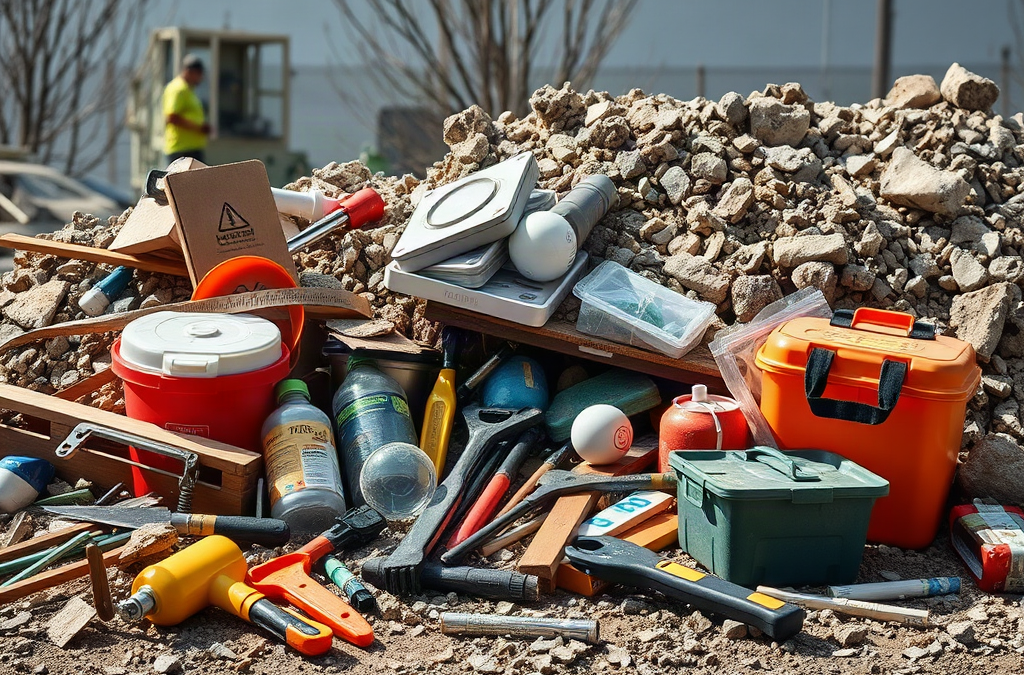
An earthquake kit for ordinary weather disruption is not automatically suitable for a damaged building. Shattered glass, fallen furnishings, ceiling material, jammed doors, leaking pipes, dust, darkness, and unstable shelves can make simple tasks hazardous. A kit designed for debris and utility loss must therefore support two different jobs: helping people move or shelter safely during the first minutes, then sustaining basic needs while power, water, communications, or sanitation remain unreliable.
The first constraint is access. A large storage bin in a garage may be well stocked but useless if the garage door cannot open or the route is blocked. A compact bedside kit is more useful immediately because it can provide shoes, a light, gloves, and eye protection before someone crosses a room. A larger cache can remain elsewhere in the home, but it should not be the only source of essential items.
Utility failure changes the order of priorities. Without electricity, a phone may become a short-lived flashlight and a refrigerator may no longer protect food. Without running water, handwashing, toilet flushing, cooking, and drinking compete for a limited reserve. A battery radio can provide information, but it does not replace a charged phone, a written contact plan, or a way to signal nearby people.
A common mistake is treating debris removal as a do-it-yourself rescue task. Household tools can help clear light objects from a walking path, but they are not a reason to enter a visibly damaged structure, cut unknown wires, disturb suspected gas leaks, or lift unstable masonry. The kit should support cautious assessment and communication, not encourage risky entry. If a structure appears unsafe, leave it and follow local emergency instructions.
Use the linked Earthquake kits designed for debris and utility loss planning reference as a category check, then adapt quantities to the people, pets, mobility needs, climate, and likely storage locations in your own setting.
Building the Core Kit Around Immediate Hazards
The first layer should address injury prevention and visibility rather than convenience. Place closed-toe shoes and a headlamp where they can be reached from the bed, because broken glass and fallen objects may cover the floor before anyone reaches a closet. Add work gloves, safety glasses, a dust mask or respirator appropriate to the product instructions, and a whistle. These items are small, inexpensive compared with major equipment, and useful before the main supplies can be reached.
Hand tools should be selected for limited, observable tasks. A pry bar, adjustable wrench, pliers, utility knife, sturdy tape, cord, and a compact tool set may help open a stuck cabinet, shut off a valve when it is safe to do so, secure a loose tarp, or cut packaging. A wrench is not a substitute for knowledge of the home’s gas and water controls. Marking shutoffs before an earthquake is more useful than adding a larger tool after it.
Lighting deserves redundancy. Headlamps leave both hands available, while lanterns illuminate a shared room. Keep spare batteries sealed and stored with the devices, and inspect for leakage. Rechargeable lights can reduce waste but depend on a charging method; disposable batteries provide a different kind of backup. A small power bank should be kept charged and paired with the correct phone cable. Solar charging may be slow or ineffective in smoke, shade, or bad weather, so it should not be the only plan.
First aid supplies should cover cuts, sprains, routine medications, and personal medical equipment rather than merely occupying a decorative pouch. Include wound dressings, gloves, cleansing supplies, bandages, pain medicines used safely by the household, and copies of essential medication information. Prescription continuity requires advance planning with a clinician or pharmacy; a first-aid kit cannot replace medication access.
Keep a compact grab kit and a deeper home cache rather than forcing every item into one heavy container. The grab kit serves the first movement through a dark or cluttered room. The home cache holds water, food, sanitation materials, replacement batteries, blankets, and specialized supplies. A common failure is storing the heavy cache beneath other objects or in a location that becomes inaccessible after shaking. Test access with the lights off and without assuming every door or shelf will function normally.
Water, Food, Power, and Sanitation Without Utilities
Water is the limiting resource when a utility outage affects drinking, cooking, hygiene, and toilets at the same time. Store commercially packaged drinking water or suitable food-grade containers, and rotate them according to the manufacturer’s guidance. Keep water away from fuels, cleaning chemicals, direct heat, and places where falling objects could puncture containers. A purification method can add flexibility, but it should be treated as a backup: filters differ in what they remove, and none should be assumed to make every contaminated source safe.
Food should require little or no cooking, refrigeration, or extra water. Ready-to-eat canned foods, shelf-stable pouches, nut or seed products, crackers, dried fruit, and other familiar items may be practical when matched to allergies, dental needs, age, and medication routines. Include a manual can opener if cans require one. Very salty foods can increase thirst, while unfamiliar foods may be rejected by children or cause digestive problems. Rotate the cache by eating and replacing items, rather than allowing it to become a forgotten emergency-only collection.
Power planning works best when each device has a clear purpose. A power bank supports communications; batteries support lights and radios; a small inverter or generator may support selected equipment only if used according to its instructions. Never operate fuel-burning generators, camp stoves, grills, or heaters inside a home, garage, basement, or other enclosed area. Carbon monoxide has no reliable odor warning, so ventilation assumptions are not a safe control.
Sanitation supplies protect more than comfort. Heavy-duty bags, toilet liners or a suitable portable toilet, toilet paper, hand sanitizer, soap, disposable gloves, menstrual products, diapers, cleaning cloths, and sealable bags can reduce contact with waste when water service is unavailable. Separate sanitation materials from drinking water and food. A single mixed bin often becomes disorganized, and people may use drinking water for cleaning because hygiene supplies were difficult to find.
Prioritize the cache in this order when money or storage space is limited:
Immediate access: shoes, headlamps, gloves, eye protection, whistle, and basic first aid.
Life support: drinking water, required medicines, ready-to-eat food, and sanitation supplies.
Continuity: radio, charging equipment, paper contacts, cash, blankets, and weather-appropriate clothing.
Recovery tasks: tools, tarps, cordage, cleaning materials, and replacement batteries.
The weak assumption to avoid is that a large equipment list compensates for too little water, food, medication planning, or safe storage. A smaller kit with known locations and tested equipment is more useful than an impressive container no one can open or operate.
Placement, Inspection, and Real-World Use
Placement determines whether an earthquake kit exists in practice or only on paper. Keep the bedside layer within reach, secure larger containers so they do not become falling hazards, and place additional supplies where people regularly spend time. A workplace, vehicle, or separate floor may need its own compact set because an earthquake can occur while household members are away or travel routes are blocked.
Use a written inventory with expiration dates, battery types, medication notes, pet needs, and the location of shutoff controls. Inspect the kit after moving furniture, remodeling, changing vehicles, or adding a household member. Test lights, radios, power banks, and can openers instead of assuming they work. Replace cracked containers, corroded batteries, damaged masks, expired medications, and food that no longer suits the household.
Run a practical drill that does not involve dangerous simulated damage. In daylight, ask someone to locate the bedside supplies, identify the main cache, retrieve a radio, and find the written contact information. Then repeat part of the exercise under low light. If a person cannot find shoes, open the container, identify the battery type, or use the can opener, the problem is not solved by adding more equipment.
Think through competing scenarios. If the home is safe but the power is out, lighting, water, food, sanitation, and charging matter most. If glass blocks a hallway, footwear and eye protection come first. If water service is interrupted, drinking reserves and toilet arrangements outrank a tarp or multipurpose tool. If evacuation is advised, a heavy cache may be less useful than documents, medicines, a phone, water, and a small carryable bag.
Do not store every critical item in one location. A vehicle kit may be exposed to heat and theft, so it should contain durable basics rather than temperature-sensitive medication or all household water. A basement may offer storage volume but can flood or become inaccessible. An upper floor may avoid flooding yet be difficult to leave. The practical solution is layered storage, clear labeling, and regular access checks rather than dependence on one perfect container.
For a more focused planning cross-check, use Earthquake kits designed for debris and utility loss alongside a household map showing exits, hazards, utility shutoffs, and meeting points. The map converts supplies into a usable response plan.
Frequently Asked Questions
What should be reachable immediately after an earthquake?
Keep closed-toe shoes, a headlamp, spare batteries, gloves, eye protection, a whistle, and basic first aid within reach, especially beside beds.
Should tools be kept in an earthquake kit?
Yes, but choose tools for limited safe tasks such as opening cabinets, securing materials, or shutting off a known valve. Do not use them to enter unstable structures or handle unknown utilities.
How should water be stored separately from debris supplies?
Use clean, labeled containers for drinking water and keep them away from fuel, chemicals, sharp tools, and areas where falling objects could damage them.
What food works best when electricity is unavailable?
Choose familiar shelf-stable food that can be eaten without cooking or refrigeration, and include a manual can opener when needed. Account for allergies, medications, and dental needs.
Can a generator be used inside during a utility outage?
No. Fuel-burning generators must be used outdoors according to the manufacturer’s instructions and away from doors, windows, and vents to reduce carbon monoxide risk.
Further Reading
Authoritative Sources
Earthquakes ready.gov
Provides federal guidance on earthquake hazards, protective actions, family communication, and recovery planning
Earthquake Hazards Program usgs.gov
Explains earthquake hazards and offers science-based information for understanding local risk
Carbon Monoxide Safety cdc.gov
Details the dangers of carbon monoxide from fuel-burning equipment during power outages
Conclusion
A useful earthquake kit is organized around the conditions people may face, not around the number of products in a storage bin. Put immediate-access items beside sleeping areas, protect water and food from contamination, provide lighting and communication without the grid, and include sanitation supplies for a failed water system. Add tools only for tasks that can be performed safely, and never treat a kit as permission to enter a damaged structure. Layer supplies across the home, vehicle, workplace, or other regular locations, then test access and equipment under realistic conditions. The next practical step is to walk through each likely route, identify where debris or darkness would slow movement, and place the first layer where it can be reached without crossing unnecessary hazards.
A useful emergency list begins with a threshold table, not a shopping spree. Each line should identify who needs the item, how long the supply must last, and what quantity marks the minimum acceptable level. A household of four should not use the same baseline as a single adult, and a list that works for a brief power interruption may fail during a longer evacuation or water-service disruption.
Separate universal needs from individual requirements. Drinking water, shelf-stable meals, light, sanitation materials, and a way to receive information belong on the shared list. Prescription medicines, infant feeding supplies, mobility aids, pet food, and allergy-safe foods require person- or animal-specific calculations. The distinction prevents a common failure: counting one communal package as though it automatically covers every household member.
Use a simple formula for each category: people or animals × daily minimum × planned days + a small practical margin. The margin should account for spills, awkward packaging, visitors, or a longer wait, but it should not disguise an arbitrary stockpile. If storage space is tight, protect the minimum for the first period before buying optional conveniences. The emergency supply list thresholds should make shortages visible at a glance.
Time also changes the meaning of “minimum.” A short interruption may require only supplies that need no refrigeration or cooking. A longer disruption raises the importance of fuel, waste management, food variety, medication continuity, and battery replacement. An evacuation plan has different constraints again: heavy water containers and glass jars may be less useful than portable packaging, even when the total quantity is similar.
A practical first pass can rank each line as critical, necessary, or optional. Critical items protect immediate safety or ongoing medical needs. Necessary items preserve basic function, such as food, lighting, and hygiene. Optional items add comfort but should not consume the budget before the first two groups are complete. The mistake to avoid is treating every desirable product as equal to water, medication, or a reliable light source.
Calculate Water, Food, and Medical Baselines
Water deserves its own calculation because it supports more than drinking. A threshold should distinguish drinking and food preparation from extra water for hygiene, cleaning, or special medical routines. Local conditions, age, activity, heat, pregnancy, illness, and official instructions can change needs, so a generic household number should be treated as a starting point rather than a universal rule.
Food quantities should be measured in usable servings, not package counts. A box may contain several servings on its label but provide little practical value if it requires refrigeration, extensive cooking, or ingredients that are not stored. Choose foods that household members will actually eat, then check preparation needs, allergies, texture preferences, and the tools available during an outage. Ready-to-eat items can be more useful than dry staples when water or fuel is limited, while dry foods may offer better storage efficiency when cooking is reliable.
For example, a household may discover that its “three-day food supply” consists mainly of uncooked grains and canned ingredients without a manual opener. The list looks full but falls below the functional threshold. A better audit records portions, opening tools, cooking requirements, and waste. Pair canned or ready-to-eat food with a manual opener, utensils, and a plan for packaging that cannot be refrigerated after opening.
Medical supplies need an individual review rather than a generic quantity. Record prescription names, dosing schedules, refill timing, storage conditions, and backup contacts, while following the prescribing clinician and pharmacist’s instructions. Do not alter doses or store medicines under unsuitable conditions simply to create a larger reserve. Include spare glasses, hearing-device batteries, mobility equipment supplies, and basic first-aid materials when the household depends on them.
Thresholds also expose tradeoffs. Buying large quantities of one food may reduce cost but create menu fatigue, dietary gaps, or concentrated expiration risk. A smaller rotation of foods with different preparation methods may be more resilient. The same principle applies to water containers: one large vessel may be efficient for storage, while several smaller containers may be easier to carry and allocate during a move. Use the quantity planning checklist to compare usable capacity rather than advertised capacity.
Cover Sanitation, Light, and Communication Gaps
Sanitation thresholds prevent a supply list from ending at food and water. Waste bags, toilet paper, soap, hand-cleaning supplies, menstrual products, diapers, cleaning materials, and gloves may become difficult to replace when services or transport are disrupted. The amount needed depends on household habits, medical conditions, available toilets, and whether water service remains functional.
Count sanitation supplies by use where possible. Estimate toilet use, hand cleaning, infant changes, menstrual products, and cleanup tasks over the planned period. A household with an infant, a person with incontinence, or a member who needs sterile handling may reach its minimum much faster than a generic list suggests. Store these materials where they can be reached without unpacking food or medical supplies.
Lighting should be tested as a system rather than counted as a number of devices. A flashlight with dead batteries, an incompatible charger, or a switch that is difficult to operate offers little practical coverage. Keep at least one dependable light source accessible without searching in darkness, and check the battery type, charging cable, and spare power method. Headlamps can leave both hands free, while lanterns may illuminate a shared room; neither automatically replaces the other.
Communication supplies have a similar constraint. A radio is useful only if household members know how to power and operate it, and a phone is not a complete communication plan when charging depends on the electrical grid. Record emergency contacts on paper, identify an out-of-area contact if appropriate, and keep charging equipment with the devices it supports. Official local alerts remain more useful than unverified social media updates during a developing incident.
A common mistake is buying specialized equipment before closing ordinary gaps. A sophisticated power station cannot compensate for missing sanitation materials or an inaccessible medication. Use a short priority check: can the household drink safely, eat without unavailable equipment, manage waste, maintain essential care, see at night, and receive reliable information? If any answer is no, direct the next purchase there before adding comfort items.
Test, Rotate, and Adapt the List
A minimum threshold is reliable only when the household can use the supplies under realistic conditions. Run a small test before an emergency: prepare one stored meal using the intended utensils and fuel, locate every light source in a dark room, open containers without electricity, and verify that key items fit the available storage or transport method.
Testing reveals failures that inventory software cannot. A food package may require more water than expected, a battery may leak, a child may reject the available texture, or a mobility aid may not fit beside the packed containers. Treat each failure as a list correction. The goal is not to simulate every disaster; it is to identify friction that would matter when time, light, and attention are limited.
Use a rotation schedule tied to ordinary shopping. Put older food and water containers where they will be noticed, label purchase dates, and replace damaged packaging or expired products according to manufacturer instructions. Batteries, fuel, medicines, and temperature-sensitive items need their own checks. Avoid assuming that an unopened package is automatically suitable after poor storage conditions.
Review the thresholds after changes in household composition, health, pets, housing, climate, or transportation. A move to an apartment may reduce storage and increase the value of compact, portable containers. A new infant, medication, or pet may require entirely new lines on the list. Seasonal review can identify heat-related water demands, cold-weather clothing needs, or changes in evacuation routes.
Keep the final document operational. List the item, minimum quantity, current quantity, expiry or review date, storage location, and person responsible for checking it. A compact table or spreadsheet works well, but a printed copy is useful if devices cannot be charged. The threshold-based preparation plan should show the next action clearly: buy, rotate, test, relocate, or confirm.
Frequently Asked Questions
What does a minimum quantity threshold mean?
It is the lowest quantity that still supports a defined person, need, and time period. Falling below it identifies a priority gap; exceeding it is optional until higher-priority gaps are closed.
Should every household use the same emergency quantities?
No. Household size, ages, medical needs, pets, climate, storage, and evacuation plans can change the practical minimum for each category.
How should food be counted on an emergency list?
Count usable servings and preparation requirements, not just cans or packages. Include opening tools, water, fuel, utensils, and dietary restrictions in the calculation.
Why should sanitation supplies have their own threshold?
Water and food do not address waste, hand cleaning, diapers, menstrual care, or household cleanup. Service interruptions can make these products difficult to replace quickly.
When should an emergency supply list be updated?
Review it after household, health, housing, seasonal, or transportation changes, and routinely check expiration dates, battery condition, packaging, and actual usability.
Conclusion
A strong emergency supply list is a measurement tool, not a catalog of everything a household might want. Set a defensible floor for each person, pet, and essential function, then check whether the stored items remain usable without normal power, water service, refrigeration, or shopping access. Give priority to drinking water, workable food, required medicines, sanitation, light, and reliable information before adding convenience gear. Test one meal, one light setup, and one communication method so hidden failures appear early. Record quantities, storage locations, review dates, and the next action for every shortfall. Revisit the list when household needs or living conditions change, because a threshold that matched last year’s situation may no longer protect the people relying on it.
Set Water and Sanitation Priorities Before Packing
A useful 72-hour kit is organized around functions rather than a shopping list. Water supports drinking, medication use, food preparation, and limited cleaning, while sanitation supplies keep human waste, dirty hands, and contaminated surfaces from spreading problems through a confined space. Treating both categories as afterthoughts often leaves a household with snacks and flashlights but no workable way to manage a failed toilet or a spilled container.
Begin by identifying who the kit serves and where it will be used. A household sheltering in place may need more toilet-containment and cleaning supplies than a person evacuating by car, while an evacuation kit must balance quantity against weight and carrying space. Infants may need diapers and wipes; menstruating household members may need preferred menstrual products; and people with mobility limitations may require a toilet arrangement that is stable, accessible, and easy to clean.
Water should be separated from sanitation gear. Use clean, closed containers for drinking water and place them in a protected compartment away from waste bags, chemical cleaners, and used cloths. A practical priority order is:
Drinking water and water needed for essential medications.
Containers, treatment options, or a safe refill plan.
Toilet-containment materials and waste bags.
Soap, hand sanitizer, toilet paper, wipes, and absorbent materials.
Cleaning and personal-care items matched to the household.
The common mistake is assuming that a large multipurpose bag is automatically efficient. It may be difficult to find clean items after a messy task, and a leaking bottle can damage paper products or food. Use smaller labeled pouches for potable water accessories, hand hygiene, toilet supplies, and personal care. The related water and sanitation planning reference can help keep those functions visible when the rest of the kit grows.
Build a Practical Water Reserve
Water planning works best when it distinguishes drinking water from water used for other purposes. Drinking and medication needs deserve the first claim on the reserve. Food that requires boiling or extensive rehydration consumes additional water, so a menu built around ready-to-eat foods can preserve the potable supply. Water for handwashing, surface cleaning, or flushing should not be quietly taken from the drinking allocation unless there is no alternative.
Choose containers that household members can lift, open, and reseal. Several smaller containers are often easier to rotate and distribute than one heavy vessel. They also reduce the chance that a single puncture or contaminated opening affects the entire supply. Store containers away from heat, direct sunlight, sharp tools, and chemicals, and follow the container maker’s storage guidance. Mark the fill or replacement date so inspection does not depend on memory.
Treatment equipment is useful when the plan includes a known water source and the user understands the product instructions. A filter, disinfectant, or boiling method may address particular contaminants, but no single method handles every water problem. Filters can have limits with chemicals or viruses, and disinfection products require correct dosage and contact time. Do not treat an unfamiliar source as safe merely because it looks clear.
Consider the food before finalizing the water plan. Crackers, nut or seed products, shelf-stable pouches, and ready-to-eat canned foods may require little or no preparation water, although cans need a suitable opener. Instant meals and dehydrated foods can be practical in normal conditions but consume more water and may create hot-water or fuel demands during a disruption. That tradeoff matters when the kit must work without electricity or a functioning stove.
A useful test is a short household drill. Have each person locate the drinking supply, open one container, prepare the chosen food, and identify what water remains for medication and hygiene. If opening containers requires a tool that is missing or if the planned meal uses more water than expected, revise the kit. A common failure is storing treatment tablets or a filter without a backup drinking supply; treatment is a capability, not a substitute for immediate potable water.
Plan Sanitation for Toilets, Hands, and Waste
Sanitation planning must answer three separate questions: how people will use the toilet, how hands will be cleaned, and how waste will be contained until disposal is available. A bucket, sturdy container, or purpose-built portable toilet may provide the structure, but the container alone does not solve lining, sealing, odor, privacy, or cleaning problems.
Use compatible heavy-duty bags or liners and test their fit before an emergency. A liner that slips, tears, or cannot be tied securely turns a simple task into a contamination event. Keep absorbent material available for liquid management and place waste-handling supplies where they can be reached without crossing the clean-food area. Toilet paper, tissues, wipes, and menstrual products should be stored dry in a separate pouch.
Hand hygiene is the control point between sanitation work and eating. Soap and water are preferable when hands are visibly dirty, while alcohol-based hand sanitizer may be useful when water is limited and the product is suitable for the situation. Provide a way to dry hands and remember that wipes used on surfaces should not automatically be treated as hand-cleaning products. Follow product labels, particularly around children and food-contact surfaces.
Odor-control products can improve comfort, but fragrance does not replace containment or cleaning. Household bleach and other chemicals should never be mixed, and cleaning agents should remain in labeled containers away from drinking water and food. If a person in the household has respiratory sensitivity, select products with that limitation in mind rather than packing strong fumes as a default solution.
Privacy and accessibility affect whether the sanitation plan will actually be used. A sheltering household may need a screen, a stable seat, lighting, and a path that remains usable at night. A person evacuating may need compact disposable options instead of a full bucket system. The wrong approach is to buy a portable toilet without practicing setup. Test the height, liner placement, tie-off method, and disposal procedure while the kit is still clean. The linked kit allocation notes can be used to compare a shelter-in-place setup with a vehicle-based version.
Pack, Test, and Maintain the Kit
Good packing makes the kit usable under stress. Put frequently needed items near the top: a small amount of drinking water, hand-cleaning supplies, toilet paper, essential medications, and a light source. Keep reserve water and replacement sanitation materials in clearly marked containers. A waterproof inventory card should list quantities, expiration or replacement dates, household-specific items, and the location of heavier supplies.
Build the kit in modules that can be carried separately if needed. A water module may contain sealed water, a cup, and treatment instructions. A sanitation module may contain liners, absorbent material, ties, gloves, disinfecting supplies, and waste-storage bags. A personal-care module can hold diapers, menstrual products, wipes, spare clothing, and prescription information. Separating these functions reduces cross-contamination and makes it easier to take only what an evacuation route allows.
Run a practical inspection at least periodically and after every use. Check for cracked containers, dried-out wipes, damaged bags, leaking bottles, expired medications, and missing tools. Replace food and water according to product guidance rather than assuming an unopened package will remain suitable indefinitely. Rotate items into ordinary household use when appropriate, then replace them immediately so the kit does not become an empty storage bin.
Testing should include the awkward details that shopping lists omit. Can a child or older adult open the water container? Can someone tie the waste bag while wearing gloves? Is the toilet stable on the intended floor? Can the household identify which supplies are clean and which have been used? A short rehearsal may reveal that the chosen bag is too small, the sanitizer is inaccessible, or the planned food requires more water than the reserve can spare.
Do not overpack sanitation chemicals while neglecting basic consumables. Extra disinfectant cannot compensate for too few liners, hand-cleaning supplies, or absorbent material. Conversely, a large water stock may be impractical for an evacuation vehicle. The best plan matches the likely setting, household size, climate, mobility needs, and duration of disruption. For a final review, use the priority checklist to confirm that each essential task has both a supply and a workable method.
Frequently Asked Questions
How should water be prioritized in a 72-hour kit?
Reserve potable water first for drinking and medications, then account for food preparation and limited hygiene. Keep treatment equipment as a backup capability rather than counting an uncertain water source as immediately safe.
What sanitation supplies are most important?
Pack compatible liners, heavy-duty waste bags, toilet paper, hand-cleaning supplies, absorbent material, gloves, and a stable toilet or container arrangement. Add personal-care items such as diapers or menstrual products when needed.
Can wipes replace handwashing?
Wipes may remove visible dirt in some situations, but they are not automatically equivalent to soap and water or suitable sanitizer. Use products according to their labels and keep sanitizer available for situations where hands are not visibly dirty.
Should sanitation supplies be stored with food?
Keep them in separate, sealed modules. Waste bags, cleaning chemicals, used cloths, and toilet equipment should not share an unprotected compartment with food or drinking water.
How can a household test its kit?
Conduct a short drill that includes opening water, preparing the selected food, setting up the toilet liner, tying a waste bag, cleaning hands, and locating essential medications. Replace or redesign anything that is difficult to use.
Further Reading
Authoritative Sources
Build A Kit ready.gov
Provides federal preparedness guidance for assembling household supplies, including water and sanitation-related needs
When and How to Wash Your Hands cdc.gov
Explains hand-cleaning methods and situations where soap, water, or sanitizer may be appropriate
Emergency Disinfection of Drinking Water epa.gov
Describes official options and limitations for treating drinking water when normal supplies are unavailable
Conclusion
A strong 72-hour kit gives water and sanitation equal planning attention. Protect the drinking reserve, choose foods that do not consume unnecessary water, and provide a realistic method for toilet use, hand cleaning, waste containment, and personal care. Separate clean supplies from waste-handling equipment, then test the arrangement with the people who will actually use it.
Household size, mobility, climate, evacuation method, and access to a safe water source should determine the final quantities. Replace damaged or depleted items promptly and review the kit after any change in medications, caregiving needs, or living arrangements. A compact, practiced system is more useful than an oversized bag filled with supplies no one can locate, open, or safely use.
A three-day supply is a short-term bridge, not a promise that every disruption will end after three days. Its purpose is to cover the first period when stores may be closed, utilities may be unreliable, roads may be blocked, or outside assistance may be delayed. The contents should match the people, animals, health needs, and living arrangements in the home rather than follow a fixed commercial kit.
Count everyone who may rely on the collection, including infants, older adults, visitors who regularly stay overnight, and pets. A person who needs formula, mobility equipment, hearing-aid batteries, or refrigerated medicine changes the design more than an extra snack does. Someone planning to evacuate also needs portable containers and documents, while a person sheltering at home may place greater emphasis on sanitation and utility-free food.
Use Three-day supplies for an initial emergency period as a planning category, then divide it into functions. Water and food protect against immediate shortages; sanitation limits exposure to waste; lighting and communication support decisions; medication and first aid address personal risks. This functional approach makes omissions easier to find than a shopping list organized only by product type.
A useful first pass asks four questions: How many people are covered? Can anyone safely drink ordinary tap water? What can each person eat without cooking? What must remain available if the household loses power? The answers reveal weak assumptions early. For example, a box of dry pasta may appear substantial, but it is not useful if the home lacks water, heat, and a way to dispose of cooking water.
Budget limits do not require buying everything at once. Start with water containers, shelf-stable food already tolerated by the household, needed medicines, sanitation materials, and a light source. Add specialized comfort items later. A smaller collection that is accessible, labeled, and usable is more valuable than a large box stored in a damp garage or buried beneath seasonal equipment.
Prioritize Water and Food That Work Without Utilities
Water deserves first priority because people need it for drinking, medication, limited food preparation, and basic hygiene. Store commercially packaged water or clean, food-grade containers in a cool location away from chemicals and direct sunlight. Keep some water in portable containers if evacuation is possible; heavy bulk storage is useful at home but difficult to move quickly.
Do not treat water quantity as a simple arithmetic exercise. A household may use more than drinking water when it must mix infant feeding, prepare powdered foods, wash hands, or manage illness. Local authorities may issue specific instructions during a water emergency, so stored water should supplement rather than replace attention to official notices. If water safety is uncertain, use an appropriate treatment method and follow the product or public-health instructions rather than guessing.
Food should be selected for the conditions in which it will be eaten. Ready-to-eat canned fish, beans, vegetables, fruit, nut or seed products, shelf-stable milk, crackers, cereal, and familiar energy-dense foods can work well when they suit allergies and medical needs. Include a manual can opener, disposable or washable utensils, and a small amount of salt or preferred seasoning only if they improve actual use. A household that dislikes the chosen food may avoid it precisely when replacement options are limited.
Compare cooking-dependent foods with no-cook alternatives. Rice, dried beans, and dehydrated meals can store efficiently, but they require water, heat, time, and often fuel. Canned meals and pouch foods create more packaging waste and may be heavier, yet they reduce preparation demands. A mixed selection usually provides a better balance: some foods can be eaten immediately, while others offer variety if fuel and water remain available.
Plan for temperature and storage conditions. Heat can damage some foods, freeze-thaw cycles can affect containers, and opened products need prompt handling. Mark purchase dates where useful, inspect cans for bulging, leakage, deep rust, or damaged seams, and rotate items into ordinary meals before quality declines. Do not rely on a camping stove indoors unless the equipment is specifically designed and safely operated for that setting; carbon monoxide and fire risks can turn a meal plan into a serious hazard.
A compact priority check can be written on the storage bin:
Water that household members can access and carry.
Food requiring little or no cooking, matched to allergies and age.
A manual opener, utensils, and a safe waste plan.
One backup preparation option used only according to its safety instructions.
Build Around Sanitation, Health, and Communication
Sanitation supplies prevent a short interruption from becoming harder to manage. Include toilet paper, hand soap or sanitizer, toothbrushes, toothpaste, menstrual products, diapers, wipes, heavy-duty bags, paper towels, and household disinfecting materials suitable for their intended use. Gloves may help with cleanup, but they do not replace handwashing or safe waste handling.
Waste planning deserves more attention than it usually receives. If plumbing is unavailable, ordinary toilets may not function safely, and flushing can consume scarce water or worsen an already damaged system. A household should know in advance how it will isolate waste, keep children and pets away from contaminated material, and follow local instructions. Do not mix cleaning chemicals, and never use fuel-burning equipment in an enclosed space to solve a sanitation or heating problem.
Health supplies must be personal rather than generic. Keep prescribed medicines in their original containers where practical, maintain a current list of doses and prescribers, and include items such as glasses, contact-lens supplies, glucose-monitoring materials, inhaler accessories, or mobility-device batteries when applicable. A general first-aid kit may cover minor cuts and sprains, but it is not a substitute for condition-specific treatment or professional care.
Consider how a real household operates under stress. A child may need familiar foods and comfort items; an older adult may need a clearly marked walking path and backup hearing-aid batteries; a pet may require food, water, medication, a leash, and waste bags. These details are not optional extras when their absence prevents someone from eating, moving, communicating, or taking prescribed treatment.
Lighting and information supplies support safer choices. Place flashlights or headlamps where they can be found without searching in darkness, and store spare batteries in their packaging. A battery-powered or hand-crank radio may provide updates when internet and mobile service are unreliable, although it cannot guarantee reception. Keep charging cables, a tested power bank, paper contact information, and a small amount of cash if those fit the household’s circumstances.
A common mistake is buying a large first-aid kit while forgetting ordinary hygiene products. Another is storing batteries, medicine, and food together without checking expiration or temperature limits. The better comparison is not “premium kit versus cheap kit”; it is “usable, household-specific supplies versus impressive-looking items that do not solve the next practical problem.”
Pack, Rotate, and Test the Collection
Storage design determines whether the supplies can be used when needed. Keep the main collection in a dry, accessible location and separate heavy water from lightweight items that could be crushed. Use labeled containers for food, water, health, sanitation, lighting, and documents. A smaller grab-and-go bag can hold essential medicines, identification copies, chargers, water, snacks, and hygiene items if leaving home becomes necessary.
Test the collection as a system rather than inspecting it only by looking at the labels. Open one food item and confirm that it can be eaten with the available tools. Check that flashlights work, power banks hold a charge, batteries fit the devices, and every adult can locate the supplies. If the plan assumes a stove, verify that its fuel, ventilation requirements, and operating instructions are understood before an emergency occurs.
Rotation should follow actual use and storage conditions. Move older cans and packaged foods into routine meals, replace what was consumed, and review medicines according to pharmacy or clinician guidance. Inspect water containers for leaks, check that labels remain readable, and revise quantities when household membership, health needs, pets, or living arrangements change.
Practice also exposes uncomfortable tradeoffs. A basement may offer stable temperatures but become inaccessible during flooding. A garage may be convenient but experience damaging heat. A single large bin may simplify inventory but be impossible for one person to carry. Two smaller containers can improve access and portability, even if they require more labeling. Choose the arrangement that matches the most likely disruption and the abilities of the people who will use it.
Use a short review after every test: What was hard to find? Which item required electricity, water, or a tool that was missing? Did anyone reject the food? Was waste contained safely? Were instructions understandable to someone unfamiliar with the setup? Those observations are more useful than adding random products. For related planning, see Three-day supplies for an initial emergency period and keep the final inventory short enough to maintain.
The strongest plan remains adjustable. A three-day collection for an apartment, a rural property, and an evacuation-prone area will not look identical. Review official local alerts during an incident, follow instructions about water and shelter, and seek medical or emergency assistance when the situation exceeds household care.
For current advice on drinking-water safety, emergency communication, food handling, and local hazards, consult official public-health agencies, emergency-management offices, and utility providers serving your area. Their instructions may change according to the specific incident and should take priority over a general household checklist.
Frequently Asked Questions
How much water should be stored for three days?
Use local emergency guidance as the starting point, then account for drinking, medication, food preparation, hygiene, heat, illness, and pets. Store some water in containers that can be carried.
What foods are best when power may be unavailable?
Choose familiar shelf-stable foods that can be eaten cold or prepared with minimal water and heat, such as canned meals, beans, fish, fruit, crackers, cereal, and suitable milk products.
Should emergency food be stored in one large container?
Not necessarily. Several labeled containers may be easier to carry, inspect, and distribute, especially for households with limited mobility or a possible evacuation.
What sanitation items are commonly forgotten?
Toilet paper, hand-cleaning supplies, menstrual products, diapers, waste bags, wipes, and a safe plan for handling waste are frequently overlooked.
How often should the supplies be checked?
Review them on a regular household schedule and after every use. Rotate food, inspect containers, test lighting and power, and update medicines and personal needs as circumstances change.
Conclusion
A three-day collection works when it reflects real household tasks rather than a product checklist. Put accessible water, no-cook food, sanitation, essential medicines, lighting, communication, and pet or infant needs ahead of novelty equipment. Compare every item with the conditions in which it must work: no electricity, limited water, poor transportation, reduced mobility, or an urgent departure.
Next, inventory the people and animals covered, choose foods they will actually use, and place the supplies where they can be reached quickly. Test one meal, one light source, one charging method, and the waste plan. Rotate consumed or aging items and revise the arrangement after household changes or local hazard updates. The result should be compact enough to manage, specific enough to trust, and flexible enough to support the first few days without creating new safety problems.
Short-term household disruption planning works best when it begins with a defined scenario rather than a shopping spree. A brief power outage, a temporary water interruption, severe weather, and a local road closure create overlapping needs, but they do not require the same equipment. A household preparing for a winter outage may need blankets and safe heating decisions, while a summer outage may make cooling, hydration, and food-temperature control more urgent.
Choose a practical duration and count the people, animals, and routines involved. A two-person home with no medical equipment has a different baseline from a family with an infant, a service animal, or refrigerated medication. Record daily water use, meals, prescriptions, lighting needs, and communication methods. That short inventory reveals gaps that generic lists miss.
A useful first pass divides supplies into three layers: items needed immediately, items that make the next few days manageable, and optional gear that improves convenience. Water, medications, lights, sanitation products, and food belong in the first layer. A portable power station or specialty cooking appliance may be useful, but it should not displace basic necessities.
The common mistake is treating “72 hours” as a universal shopping formula. Duration is only one variable; access, weather, household health, storage space, and the likely failure point matter just as much. A compact Home prepper supplies for short-term disruptions list should reflect the home that will use it, not an imagined household.
Prioritize Water, Food, and Cooking
Water deserves the earliest attention because it supports drinking, food preparation, medication routines, and basic hygiene. Store commercially packaged water or clean, food-safe containers in a cool, accessible location, and follow the container maker’s guidance for storage and replacement. Keep some water where it can be reached without moving heavy boxes, especially if a power failure may disable pumps or elevators.
Food selection should favor familiar, shelf-stable items that can be eaten with little or no cooking. Canned beans, fish, vegetables, fruit, nut butter, crackers, dry cereal, shelf-stable milk, and ready-to-eat meals can form a flexible base. Include a manual can opener. A household that stores only dry staples may still face a problem if water, fuel, or time for cooking is unavailable.
Cooking equipment introduces a safety tradeoff. An indoor-rated appliance may provide convenience during an outage, while outdoor-only fuel-burning devices can create carbon monoxide hazards indoors. Never improvise with grills, camp stoves, generators, or charcoal devices inside a home, garage, basement, or enclosed porch. If cooking is unnecessary because the food is ready to eat, that simpler approach may be safer for a short disruption.
Plan for dietary and functional needs rather than buying the cheapest calories. Infants may need formula and feeding supplies; people with allergies need clearly identified alternatives; older adults may prefer soft foods with familiar textures. Rotate stored food by placing newer items behind older ones and using products during ordinary meals. A failed approach often becomes visible when food is technically edible but nobody has the tools, water, appetite, or dietary compatibility to use it.
Store water and ready-to-eat food before buying advanced gadgets.
Match quantities to household members, pets, medical needs, and storage conditions.
Keep an opener, utensils, cups, and basic cleaning supplies with the food.
For a more complete household inventory, connect this section with your Home prepper supplies for short-term disruptions worksheet and note which items require electricity, refrigeration, or special handling.
Cover Light, Power, Sanitation, and Health
Lighting and communication supplies reduce avoidable confusion when rooms become dark, phones lose charge, or local information changes. Place flashlights or headlamps where household members can find them without searching. Headlamps leave both hands free for stairs, cleanup, or caring for a child. Store spare batteries in their packaging and check that the battery types match the devices.
Power planning should distinguish between charging a phone and running an appliance. A power bank may handle several phone charges, but it cannot substitute for a medical backup system or a refrigerator strategy. Keep charging cables that fit the household’s phones, and test the power bank periodically. If a generator is part of the plan, follow the manufacturer’s placement and operating instructions, keep it outdoors at a safe distance from openings, and install working carbon monoxide alarms according to local safety guidance.
Sanitation becomes difficult sooner than many households expect. Include toilet paper, hand soap, alcohol-based hand sanitizer, disinfecting supplies, heavy-duty bags, paper towels, menstrual products, diapers, and disposable gloves where appropriate. Water should not be reserved solely for drinking if a disruption is likely to affect toilets or handwashing. A small lidded container can help separate clean supplies from waste-handling materials.
Health supplies should support ordinary first aid rather than attempt to replace professional care. Keep a basic first-aid kit, thermometer, personal protective items, prescription information, and a reasonable reserve of routinely used medicines when legally and medically appropriate. Store medicines according to label instructions; heat and moisture can damage them. Include glasses, hearing-aid batteries, mobility-device charging equipment, and written emergency contacts if anyone depends on them.
A frequent failure mode is scattering these items throughout the house. During a nighttime outage, a flashlight in an upstairs closet is less useful than one beside the bed. Create a small central cache plus a few point-of-use items in bedrooms, the kitchen, and the vehicle. Test the arrangement during a normal evening: if someone cannot locate lighting, hygiene supplies, and phone charging equipment quickly, the storage system needs revision.
Build, Test, and Maintain the Household Cache
The most reliable supply system is organized for use, not display. Place heavy water containers low, keep frequently used items visible, and protect food and paper goods from heat, moisture, pests, and direct sunlight. A waterproof tote can group outage items, but do not seal away everything so tightly that nobody can inspect expiration dates or reach medications.
Use a simple priority check when money or storage space is limited. First verify water, food, medications, lighting, sanitation, and a way to receive information. Next address temperature management, cooking, pet care, and mobility needs. Only then consider comfort upgrades such as specialty tools or large battery systems. This order prevents an expensive purchase from masking a basic shortage.
Testing exposes assumptions that labels cannot. Eat one stored meal, use the can opener, charge a phone with the power bank, operate the lantern in darkness, and check whether every adult knows where the supplies are. If a food item requires more water than expected or a device has an unfamiliar control panel, replace it or provide clear instructions. A plan is working when ordinary household members can use it without one knowledgeable person directing every step.
Review the cache on a schedule tied to real household changes. Replace damaged packaging, expired batteries, spoiled food, outgrown infant supplies, and discontinued medication containers. Recheck needs before storm seasons, moves, renovations, or changes in work schedules. Keep a paper list because phones may be uncharged or network service may be limited.
Do not confuse quantity with resilience. Ten versions of one meal create less flexibility than a smaller assortment that covers different tastes and preparation conditions. Likewise, a sophisticated device may be a poor choice if it needs proprietary accessories or regular maintenance. Practical value comes from accessible, familiar supplies that remain usable when electricity, water service, transportation, and routine shopping are temporarily unavailable.
Frequently Asked Questions
How much water should a household store?
Use household size, climate, health needs, and the expected duration to set a practical amount. Include drinking, cooking, medication, and limited hygiene needs rather than counting drinking water alone.
What foods work best for a short disruption?
Choose familiar shelf-stable foods that need little or no cooking, such as canned meals, beans, fruit, crackers, nut butter, cereal, and shelf-stable milk. Include a manual opener and utensils.
Should a generator be part of a home supply plan?
It may help some households, but it requires safe outdoor placement, fuel management, maintenance, and carbon monoxide precautions. A generator is not a substitute for water, sanitation, or evacuation planning.
How can supplies be stored in a small home?
Use several accessible locations instead of one bulky cache. Store water low, keep lights near beds and exits, and use labeled containers under beds or in closets without blocking ventilation or escape routes.
How often should short-term supplies be checked?
Inspect them several times a year and whenever household needs change. Test lights and chargers, rotate food, replace damaged packaging, and confirm that medications and batteries remain suitable.
Further Reading
Authoritative Sources
Build a Kit ready.gov
Provides public guidance on assembling household items for disruptions, including water, food, lighting, and special needs
Emergency Water Supply cdc.gov
Explains practical water considerations when normal service is interrupted or water safety is uncertain
Food Safety During Emergencies usda.gov
Offers food-handling and appliance guidance for power outages and other household emergencies
Conclusion
A useful short-term home cache is built around interruptions people actually face: unavailable water, lost electricity, limited cooking, dark rooms, sanitation problems, and delayed access to stores or services. Put water, familiar food, medications, lighting, charging, hygiene products, and household-specific items ahead of complicated equipment. Separate safe indoor supplies from outdoor-only fuel devices, and never rely on an appliance that the household has not tested.
Next, inventory three days of ordinary routines, fill the most obvious gaps, and run a brief practice evening using only the stored items. That exercise will show whether food can be opened, phones can be charged, waste can be managed, and everyone can find what they need. Revise the cache as seasons, health needs, and household members change.
Useful apocalypse supplies begin with a realistic threat ranking, not a dramatic shopping list. Most households face interruptions such as severe weather, extended power loss, contaminated water, wildfire evacuation, transportation delays, or temporary shortages before they face a total breakdown of public institutions. Those events still create serious pressure, but they reward ordinary necessities that work without electricity, refrigeration, or a functioning store.
Separate hazards by duration and by whether you will remain home. A short outage favors lighting, phone charging, ready-to-eat food, and safe water. A longer utility failure increases the value of sanitation, cooking fuel, water treatment, medication continuity, and temperature management. An evacuation changes the priority toward identification, portable water, compact calories, copies of documents, footwear, and a way to receive official instructions. A basement-oriented shelter plan is poorly suited to a fast-moving wildfire, while a large pantry is of limited use if the household must leave within minutes.
A practical ranking uses four questions: What is most likely in your area? What fails first? How long could outside help or resupply be delayed? Which household members have requirements that cannot be improvised? Local flood exposure, winter temperatures, wildfire conditions, building type, mobility limitations, pets, and medical equipment all change the answer. Check local emergency-management guidance rather than assuming that a national disaster scenario describes your neighborhood.
Prioritize in this order:
Immediate survival: drinking water, medications, warmth or cooling, and a way to obtain reliable information.
Daily function: food, sanitation, lighting, cooking, hygiene, and waste control.
Continuity: charging, cash, transportation, documents, pet care, and replacement parts.
Low-probability specialties: advanced tools or protective equipment that match a documented local need.
The mistake to avoid is treating every possible disaster as equally probable. A smaller, tested cache aimed at credible disruptions generally serves more situations than an expensive collection built around one extreme fantasy.
Water, Food, and Sanitation Come First
Water deserves the first purchasing priority because people need it for drinking, food preparation, and basic hygiene, while contaminated water can create additional health hazards. Store commercially packaged water or clean containers filled from a reliable source, and keep a treatment method appropriate to the kind of contamination you may face. Boiling, filtration, and chemical treatment do not solve identical problems, so follow the product instructions and understand whether a filter addresses microbes, chemicals, sediment, or only some combination of these.
Food should be chosen for usability rather than maximum shelf life alone. Canned fish, beans, vegetables, oats, rice, nut butter, shelf-stable milk, crackers, and familiar packaged foods can form a workable reserve, but some require water, cooking, a can opener, or extra fuel. Ready-to-eat foods are more useful during an outage when fuel is scarce; dry staples become more attractive when the household has a safe cooking method and enough water. A family that buys bulk wheat without a mill, practice, or fuel has purchased a future task rather than a dependable meal.
Sanitation often receives less attention than food and becomes urgent quickly. Include soap, hand sanitizer, toilet paper, heavy-duty bags, disinfecting supplies, absorbent material, menstrual products, diapers when needed, and a method for separating waste from living areas. Do not mix household chemicals casually, and follow product labels. During flooding or sewage disruption, avoid contact with contaminated water and use official public-health instructions for disposal.
Build a first-use box containing water, no-cook food, a manual can opener, wipes, bags, a flashlight, and medications. Keep it accessible rather than buried behind long-term storage. A common failure is storing supplies in a hot garage, damp basement, or inaccessible attic; heat, moisture, pests, and delayed access can reduce their value. Link this inventory to Apocalypse supplies prioritized by realistic threats when comparing a short outage kit with a longer shelter-in-place cache.
Power, Light, Communication, and Health Needs
Loss of power affects more than illumination. It can stop refrigeration, water pumps, elevators, heating controls, medical devices, internet access, and card payments. Battery lanterns, headlamps, spare batteries, power banks, charging cables, and a vehicle-charging option cover different needs. Headlamps leave both hands free for cooking or repairs, while lanterns are better for shared rooms. Rechargeable equipment reduces disposable-battery waste but needs a charging plan and periodic testing.
Communication supplies should be modest and functional. Keep a battery or hand-crank radio if local authorities use broadcast alerts, but do not assume one device will operate indefinitely. Write down important phone numbers, meeting locations, medical information, and out-of-area contacts because phones may be damaged, discharged, or unable to connect. A small amount of cash can help when payment networks are unavailable, though it should supplement rather than replace ordinary financial planning.
Health supplies should reflect actual household conditions. Maintain a reasonable reserve of prescribed medicines through lawful refill planning, store them according to label requirements, and ask clinicians or pharmacists about temperature-sensitive products and backup arrangements. Add first-aid materials for cuts, burns, blisters, and routine minor injuries, but do not treat a consumer kit as a substitute for urgent medical care. Include eyeglasses, hearing-aid batteries, mobility-device charging equipment, inhaler supplies, and pet medications where applicable.
Consider the difference between energy storage and energy generation. A power bank may keep a phone working for a limited period; a generator may support larger loads but introduces fuel, ventilation, noise, maintenance, and carbon-monoxide risks. Never operate fuel-burning equipment indoors, in a garage, or near openings where exhaust can enter. The safer choice for a small apartment may be several tested power banks and battery lights, while a rural property may justify a carefully installed generator system. That decision belongs in the threat-based supply assessment, not in a generic gear list.
Build a Scalable Supply Plan
A scalable plan assigns supplies to time periods and locations. Create a portable layer for rapid departure, an accessible layer for the first day or two, and a deeper reserve for longer disruption. This prevents the common error of putting every useful item in one heavy container that cannot travel and may be inaccessible during a damaged-building or evacuation scenario.
The portable layer might contain identification copies, water, compact food, medication information, a flashlight, charger, basic hygiene items, weather-appropriate clothing, and a small first-aid kit. The home layer can carry more water, food, sanitation material, cooking equipment, and lighting. The reserve layer may include replacement filters, batteries, shelf-stable ingredients, household repair items, and seasonal clothing. Label containers by function and date, not by vague labels such as “survival.”
Budget constraints make prioritization more valuable. Buy one reliable water container, light, can opener, and sanitation set before adding specialized equipment. Used or donated items can be suitable when cleanliness, condition, compatibility, and safety are easy to verify; avoid unknown containers, expired medications, damaged electrical cords, and fuel equipment with uncertain maintenance histories. The cheapest product is not economical if it leaks, fails to fit, or requires an unavailable accessory.
Use a simple decision test for every purchase: Does it address a likely threat? Can the household operate it without instruction from the internet? Does it require another item to work? Can it be stored safely? What happens when it fails? A compact water filter without a backup method may be less resilient than a filter paired with stored water and a verified treatment option. A large quantity of food that nobody eats creates waste, while familiar foods make rationing and meal preparation more realistic.
Test, Rotate, and Adapt the Cache
Supplies become dependable only after use under ordinary conditions. Cook a stored meal, operate the stove outdoors as directed, charge each power bank, check flashlight switches, fit respirators if they are part of a legitimate hazard plan, and confirm that every household member can locate the essentials. Testing exposes missing adapters, unreadable instructions, unpleasant foods, dead batteries, and storage problems before a crisis.
Rotation should follow the item rather than a single annual date. Replace food as it approaches its quality limit, inspect water containers for leaks, recharge batteries according to manufacturer guidance, and review medications with a pharmacist or prescriber. Keep a written inventory with purchase dates, expiration or replacement dates, and the storage location. Seasonal review is useful: winter may require blankets and safe heating contingencies, while summer may raise water, cooling, and wildfire concerns.
Watch for signs that the system is failing. Supplies are not ready if nobody knows where they are, a treatment method has not been tested, stored food requires unavailable fuel, or one person carries all critical information. Correct those weaknesses before buying more. Ask a household member to retrieve the first-use box in low light, prepare a no-cook meal, and explain the communication plan. The exercise should reveal friction without creating unnecessary risk.
Reassess after a move, a new prescription, a household change, or a local hazard update. The most useful cache is not the largest one; it is the one that remains accessible, understandable, safe, and matched to the disruption most likely to affect the people who depend on it. For a related prioritization check, use Apocalypse supplies prioritized by realistic threats as an inventory prompt rather than a fixed universal list.
Frequently Asked Questions
What should be purchased before specialized survival gear?
Prioritize water, familiar food, sanitation items, medications, lighting, charging, and reliable information. These address common disruptions and remain useful across several hazards.
How should supplies differ for evacuation?
Use lighter, portable supplies: water, compact food, medicines, documents, chargers, weather-appropriate clothing, hygiene items, and a way to receive official instructions.
Is a generator necessary for apocalypse supplies?
Not always. Apartments or short outages may be better served by tested lights and power banks, while larger properties may benefit from a properly installed generator with safe fuel storage and ventilation.
How much food should a household store?
Choose an amount based on household size, likely outage duration, storage space, dietary needs, and cooking capability. Build gradually with foods people already eat rather than buying unfamiliar bulk staples.
How often should the supply cache be checked?
Review it seasonally and after changes in health, housing, household membership, or local hazards. Test equipment during each review and rotate food, batteries, and other time-sensitive items as needed.
Further Reading
Authoritative Sources
Ready.gov Emergency Supply Kit ready.gov
Provides government guidance for assembling supplies around common disruptions, evacuation, and household needs
CDC Emergency Water Information cdc.gov
Explains safer drinking-water practices and precautions when normal water service is disrupted
FEMA Local Emergency Management Information fema.gov
Helps readers identify local hazard guidance, alerts, evacuation information, and regional planning resources
Conclusion
A credible supply plan is built around the disruptions a household can reasonably face, not around the most spectacular scenario imaginable. Put safe water, usable food, sanitation, medications, lighting, communication, and temperature protection ahead of specialized gear. Divide the cache into portable, immediately accessible, and longer-term layers so it remains useful whether you shelter or leave. Test every important item, protect supplies from heat and moisture, and revise quantities when household or local conditions change. The next step is simple: list the threats most relevant to your area, identify what would fail first, and fill the highest-consequence gaps in order. That method produces a smaller, safer, and more dependable set of apocalypse supplies than an unranked stockpile.