Hey there! You know, navigating the world after dark can be a bit daunting, especially when streetlights are few and far between. I’ve had my fair share of nighttime adventures, and over the years, I picked up some cool strategies that can help anyone feel a bit safer. Here are five major tips to keep in mind, based on my own experiences.
Plan Your Route Ahead of Time
Know Your Surroundings
Before stepping out, I like to take a good look at the area I’ll be traversing. Familiarizing myself with the streets, alleys, and shortcuts can make all the difference. If there are areas I consider dodgy or poorly lit, I’ll avoid them like the plague. It’s all about knowing, right?
It might sound excessive, but sometimes I even scout these routes during the day. By doing this, I can spot landmarks or safe havens, like shops or the odd house with lights on. It really helps build my confidence when I’m moving about at night.
If you’re heading out somewhere new, I recommend using apps or maps to help plan your route, highlighting any spots to steer clear from. It’s no fun getting lost in the dark!
Check for Safe Zones
Safe zones can be anywhere that feels welcoming and secure—think well-lit areas like gas stations, convenience stores, or the front steps of busy houses. Knowing where these spots are can provide a quick escape route if you need to change course.
I’ve found that it really helps to mentally note these spots as I walk. It gives me a sense of control and makes those dark moments feel, well, a little less scary. Trust me, having a plan in your back pocket is a game changer!
Also, if the area is new to you, don’t hesitate to ask locals about safe zones. They often have good insights and can steer you towards the best routes. Community is often more important than we realize, especially at night.
Use Technology Wisely
Now, I’m a huge fan of tech, so I can’t stress enough how helpful my phone’s navigation can be when it’s dark. Having a reliable app that gives turn-by-turn directions can keep you from making wrong turns in poorly lit spots.
Another smart move is using your phone’s flashlight. It’s like carrying a miniature streetlight! I keep my phone charged and ready; a small light can help illuminate uneven pavements or even deter a potential threat.
Lastly, sharing your location with a trusted friend can be a tremendous safety net. Let them know when you’re on the move, and they’ll feel more at ease, too. Nothing builds trust like keeping those in your circle informed!
Walk With Purpose
Stay Aware of Your Surroundings
When walking in the dark, I can’t stress enough the importance of being aware of my surroundings. This means not getting glued to my phone or wearing headphones. Sure, I love my tunes, but staying alert is far more important at night.
Each time I’m out, I try to notice small details, like if there are any unusual sounds or people lingering about. It may sound overly cautious, but even a slight change can signal a need to reassess my surroundings.
When I feel the tension in the air or see something odd, I instinctively adjust my body language to appear more confident. It’s funny how often that alone can shift things in my favor. Sometimes, it’s all about projecting strength!
Keep Your Body Language Confident
One of the tricks I’ve learned is the importance of confident body language. Standing tall and walking with purpose can actually deter unwanted attention. I try to keep my chin up and shoulders back, which not only portrays confidence but also makes me feel more secure.
When I encounter others while walking, I’ll make eye contact. Not in a confrontational way, but in a way that shows I’m aware of them. People often pick up on this and tend to be less likely to mess with you when they know you’re alert.
Body language can communicate a lot! I even practice my “power poses” when I’m at home, just to instill that sense of confidence in myself. It’s all about mindset, my friends.
Travel with a Friend
Whenever possible, going out with someone else is one of my favorite tips! There’s something about having an ally that eases the nerves and enhances safety. Plus, it can be a lot more fun to share experiences with someone else.
If my friend and I are heading out, we always chat about our plans and keep each other aware of our surroundings. It’s less about just feeling safe and more about having each other’s backs, you know?
Honestly, there’s a sense of comfort in numbers. We often find ourselves looking out for potential hazards, which makes the journey way more enjoyable and less stressful! Never underestimate the power of companionship.
Dress to Be Prepared
Wear Reflective or Bright Clothing
I can’t tell you how pivotal it is to wear bright or reflective clothing when heading out at night. I’ve made it a habit to sport something noticeable, especially if I’m walking near car traffic. It’s one of those little choices that can make a huge difference!
Last winter, I bought a reflective vest for my evening walks. I felt like a safety superstar turning heads, but honestly, I felt safer knowing drivers could actually see me. It’s worth every penny if it means being visible!
Remember, it’s not about being fashionable; it’s about being smart. Choose clothes that stand out, especially if the area you’re walking through is dimly lit.
Choose Comfortable, Sturdy Shoes
Comfortable shoes are a must! I’ve been in too many situations where I regretted my choices. Whether you’re sprinting away from a situation or just walking a few miles, make sure your footwear won’t let you down.
I’ve opted for shoes with good grips and sturdy soles since they’d not only keep me comfortable but help navigate tricky terrains. I’ve tripped on uneven sidewalks all too often to know that is vital!
It might sound trivial, but taking those extra minutes to choose wisely can save a lot of hassle when you’re feeling the pace after sunset.
Carry Essential Gear
Last but not least, I always carry a small bag with essential gear when I head out at night. A mini first-aid kit, a portable phone charger, and a small flashlight are my go-tos. You never know when you might need them!
I’ve been in situations where a tiny flashlight saved me from tripping or worse. I even consider my pepper spray a part of my nighttime essentials—just a small deterrent that provides peace of mind while walking alone.
Make it easy on yourself by choosing a compact bag that’s light but functional. This will make you feel prepared and safer during those dark ventures.
Trust Your Instincts
Listen to Your Gut
This is a big one! I’ve learned time and again that my gut feelings are usually spot on. If something doesn’t feel right—a person, a sound, or even a street—I trust that inner voice more than anything!
There have been times when I’ve felt uncomfortable and chose to change my course. It’s better to be safe than sorry, right? Listening to your instincts is a fundamental part of staying safe.
Sometimes, this might mean avoiding certain paths altogether or seeking immediate company. Never hesitate to act on those feelings; they’re there for a reason!
De-escalate When Necessary
If I find myself in a tense situation, I’ve learned a few tricks to de-escalate. I focus on staying calm and keeping my voice steady. Often, my calm demeanor can influence the mood around me—people respond to energy!
Also, avoiding direct confrontation is usually a smart approach. Sometimes, simply changing the subject or walking away can diffuse tension. I’m not about proving something; I just want to get home safe.
Having strategies like these has really set my mind at ease. Practicing calm communication helps not just in the moment but builds my confidence for future encounters too.
Know When to Seek Help
There’s absolutely no shame in seeking help if you feel threatened or in danger. If I notice someone is lingering a bit too long near me, I don’t hesitate to approach a nearby shop or even flag down someone for assistance.
I’ve often found that just being loud and drawing attention can sometimes deter unwanted attention as well. People are programmed to notice when someone’s in distress. I’ve had moments when a simple shout has helped to solve potential issues.
Don’t forget: you’re not alone in this! There are so many people around who can lend a hand. Never hesitate to reach out, even if it’s to simply share your fears with someone who looks supportive.
Frequently Asked Questions
1. What should I do if I feel unsafe while walking?
If you feel unsafe, trust your instincts. Change your route, head to a well-lit public area, or seek help from others around you. Always prioritize your safety and don’t hesitate to call for assistance.
2. How can I prepare for walking at night?
Plan your route ahead of time, wear bright or reflective clothing, and ensure you have a charged phone and essential gear like a flashlight. Staying aware and confident is key.
3. Is walking alone at night dangerous?
It can be, particularly in poorly-lit or unfamiliar areas. It’s important to stay aware, trust your gut, and follow the strategies outlined in this article to enhance your safety.
4. What if I notice someone acting suspiciously?
Trust your instincts and avoid engaging. If you feel particularly threatened, seek help immediately and consider contacting authorities if necessary. Always put your safety first.
5. How important is body language when walking at night?
Very important! Confident body language can deter potential threats. Walk with purpose, make eye contact with others, and be aware of your posture to avoid appearing vulnerable.
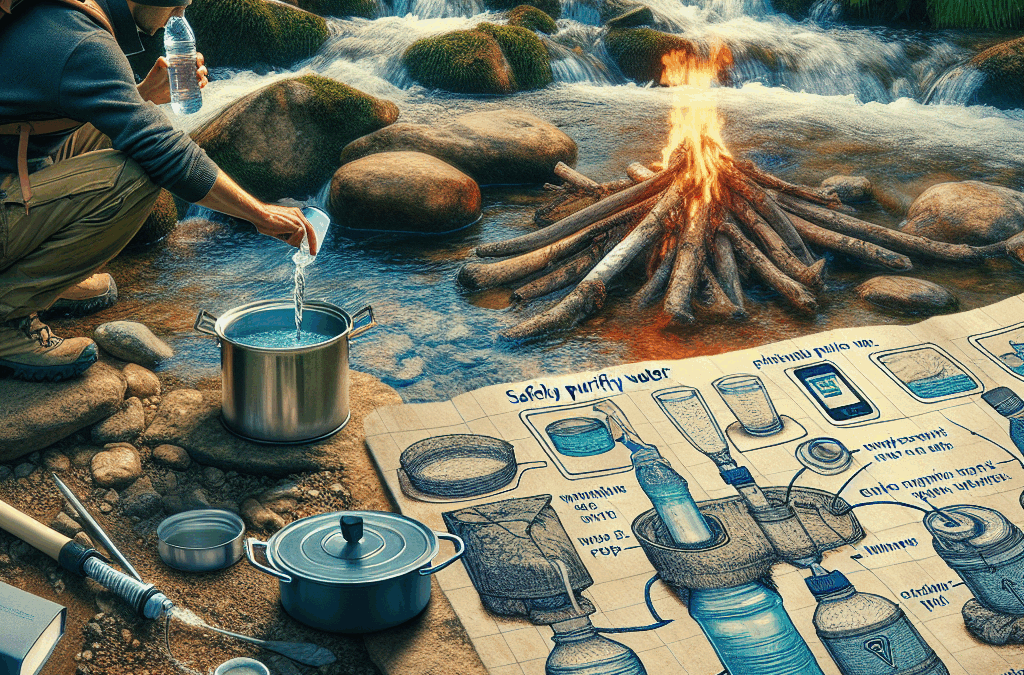
Hey there! So, you’re out in the wild, maybe hiking or camping, and you realize you need water. The good news is that nature provides, but you gotta be smart about it. Let me share what I’ve learned about purifying water in the great outdoors, covering five major methods that can keep you hydrated without getting sick!
Boiling Water
Why Boiling is Effective
Boiling water is one of the oldest and simplest methods, and it always amazes me how straightforward it is. The high temperatures kill off bacteria, viruses, and parasites. Basically, if you bring water to a rolling boil for at least one minute, you’re in the clear. If you’re at higher altitudes, you might wanna crank it up to three minutes just to be safe!
In my experience, I usually look for clear water—it’s a good sign that it’s probably cleaner than murky options, even though it’s not a guaranteed sign. Once I’ve got my water boiling, I’ll wait for a few minutes, and I can usually go back to enjoying the scenery while I wait.
One thing to remember when boiling water: it can take time. If you find yourself in a rush, this method could delay your plans a bit. Just keep your fire going and make sure you have everything set up before you get parched!
How to Boil Safely
Setting up an efficient boiling process is crucial. First up, make sure you’ve got a clean and suitable pot to hold that water, something you can use without worrying about toxins melting into your drink. Camping gear is often designed for this, but if you’re improvising, feel cautiously creative.
Next, keep your fire and the pot steady. Fire tends to just have its own feelings sometimes, especially when the wind kicks in. I always say, find a nice sheltered spot where you can keep the flames going strong.
Lastly, once you’re done, let the water cool before sipping. Trust me; you don’t wanna gulp down boiling hot water and end up with a nasty burn. Patience is key here!
Limitations of Boiling
While boiling is fantastic, it’s not without its limits. First off, it won’t remove chemical contaminants. If your water source is near industrial activities or agricultural areas, boiling might not help much. So it’s important to take a good look at where your water is coming from.
Another thing to keep an eye on is that boiling can use up precious firewood. If you’re in a spot where resources are limited, you might want to save that energy for cooking or warming up instead.
Lastly, don’t forget about the taste! Some folks find boiled water can taste a bit flat. You can always let it cool and add a bit of flavor if that’s your thing. A pinch of salt or some herbs might make your hike a bit more enjoyable!
Using Water Filters
The Benefits of Filtering
Water filters are arguably one of my go-to tools when I’m out exploring. They’re portable, usually lightweight, and super efficient. Filters can remove a range of contaminants, including sediment and bacteria. Plus, they often improve the taste of your water—definitely a bonus after a long day of hiking!
When I use my filter, I love how easy it is. Just scoop up your water and let it pass through. It’s like magic! Many personal filters can handle a surprising amount of water before needing replacement, which is a game-changer for those longer trips.
It’s essential to know that not all filters are created equal, though. Some are designed for wilderness conditions, while others are more suited for treating water that is already relatively clean. So definitely do your homework on what you’re buying!
Setting Up Your Filter
Setting up a filter is usually straightforward. I generally start by checking my filter’s instructions (not the most fun part, I admit!). It’s important to know how to assemble and use it properly so you don’t find yourself in a bind.
You’ll want to attach it to your water container or drink directly from the outlet if you can. I have found that there’s some finesse involved; make sure there are no leaks to avoid wasting good water. Once you’re set up, just collect the water as per the guidelines!
Don’t forget to clean your filters after use; they can get clogged up quickly if you don’t. Keep them washed and stored properly for your next adventure to keep them in tip-top shape.
Potential Downsides of Filters
While handy, filters can have their downsides too. For starters, they generally don’t handle chemicals or heavy metals well, which is another reason to keep an eye on your water source. Depending on your location, you may still catch a nasty illness.
Also, filters can be finicky. If you don’t maintain them, they can jam, leading to a frustrating experience when you’re in a pinch. I’ve had to deal with a slow filter before—talk about an exercise in patience!
Lastly, while many are lightweight, carrying a filter along with all your other gear can add extra ounces to your pack. Just keep that in mind when you’re packing for your trip!
Treating Water with Chemical Purification
Understanding Chemical Purification
Chemical treatments like iodine or chlorine tablets are lifesavers. They’re lightweight and simple to use—just pop one in a bottle of water and wait. I love how efficient they are, especially when I’m carrying a lot of gear and need to conserve weight.
These chemicals work by killing harmful bacteria and viruses. Most of the time, a simple wait of about 30 minutes is all it takes before you’re good to drink! They don’t need boiling water—another big plus when you’re on the go.
However, be aware that chemical purification does come with some flavor drawbacks. Some people find that the taste of iodine is pretty off-putting. I usually carry a little flavoring to help mask those strong tastes when necessary.
How to Use Chemical Purification
When using chemical tablets, start by following the manufacturer’s instructions closely. More tablets don’t mean faster purification, and that could lead you to a bad experience. I usually set a timer and take a moment to relax while I wait for it to do its magic.
Another tip is to mix the water beforehand if you can. Shaking it up ensures that the chemical distributes evenly. Just don’t get too carried away and splash it everywhere—you’ll only have that much water to work with!
Lastly, keep track of expiration dates on those tablets. Old chemicals can lose their effectiveness, and you definitely want your purification methods to be reliable, especially when you’re far from home.
Safety Concerns of Chemical Treatments
While chemical treatments can be effective, they also have their risks. Iodine is not recommended for pregnant women or those with thyroid issues. Plus, prolonged use isn’t advised either, so it’s best for short trips.
Another thing to remember is how chemicals can affect the taste and smell of water. You might tolerate it, but it could be a bit much for guests. This is when carrying some sugar or flavoring can come in handy to make things more pleasant!
Lastly, don’t forget that chemical purification doesn’t address physical contaminants or sediment. So if you’re dealing with muddy or foul-looking water, it’s best to filter or let sediment settle before you drop those tablets in.
Using UV Light Purifiers
The Magic of UV Light
Ultra-violet light purifiers are some truly cool gadgets. They’re compact and efficient, completely taking out bacteria and viruses with their light. No chemicals, no boiling—just light! I can’t tell you how awesome it feels to push a button and know the water is getting zapped.
However, you need to have batteries or a rechargeable source, which can sometimes be a pain to manage when you’re off the grid. I always try to plan ahead and bring extra batteries just in case!
Another thing to watch out for is water clarity. If your water has a lot of particulates, UV light won’t work as well. Turbid water can block the light, so always aim for clearer sources!
How to Utilize a UV Purifier
Using a UV purifier is typically straightforward. First, check to make sure your unit is functioning and the batteries are good to go. It’s also important to have a clear receptacle for the water—some purifiers require drinking bottles, while others can be used in any container.
Then, immerse the UV light in the water for the time specified in the instructions (usually around 30 seconds to several minutes). I love how simple it is—just watch the light and know that you’re treating your water effectively!
Once time’s up, your water is ready to drink. Just give it a quick shake if your purifier allows for that, and you’re set! Easy peasy.
The Limitations of UV Light Purification
Even though UV light is great, it’s not a complete replacement for other methods. Like I mentioned, it won’t deal with sediment and particulates. If your water is cloudy, you should probably filter it before zapping it with UV light.
Also, when using the UV light method, don’t forget that it requires a power source. If you’re camping for an extended time, keeping those batteries charged might become an issue! I usually scope out solar chargers if I think I’ll be relying on it a lot.
Lastly, make sure you’re aware of how long it takes to purify your water. This method can be quick, but if you don’t pay attention, it may hold you back from your plans. Timing is everything, especially when there’s adventure calling!
FAQ Section
1. Is it safe to drink water directly from rivers or lakes?
Not without purifying it first! Natural water sources can contain harmful bacteria and viruses that can make you sick, so always use a purification method before drinking.
2. How long does it take to boil water for purification?
You need to bring it to a rolling boil for at least one minute. If you’re at a higher altitude, run it for at least three minutes to ensure it’s safe.
3. Are chemical purification tablets effective?
Yes, they are effective for killing bacteria and viruses. Just make sure to follow the instructions and check for any health concerns with iodine if that’s what you’re using.
4. What water filter should I use for wilderness camping?
A good backpacking filter is essential. Look for one that’s lightweight and can handle pathogens and particulate matter. Do your research to find a product that’s reputable for wilderness conditions.
5. Can UV light purifiers handle cloudy water?
No, UV light won’t be effective on cloudy or turbid water as particulates can block the light from reaching pathogens. You should always filter the water first if it appears murky.
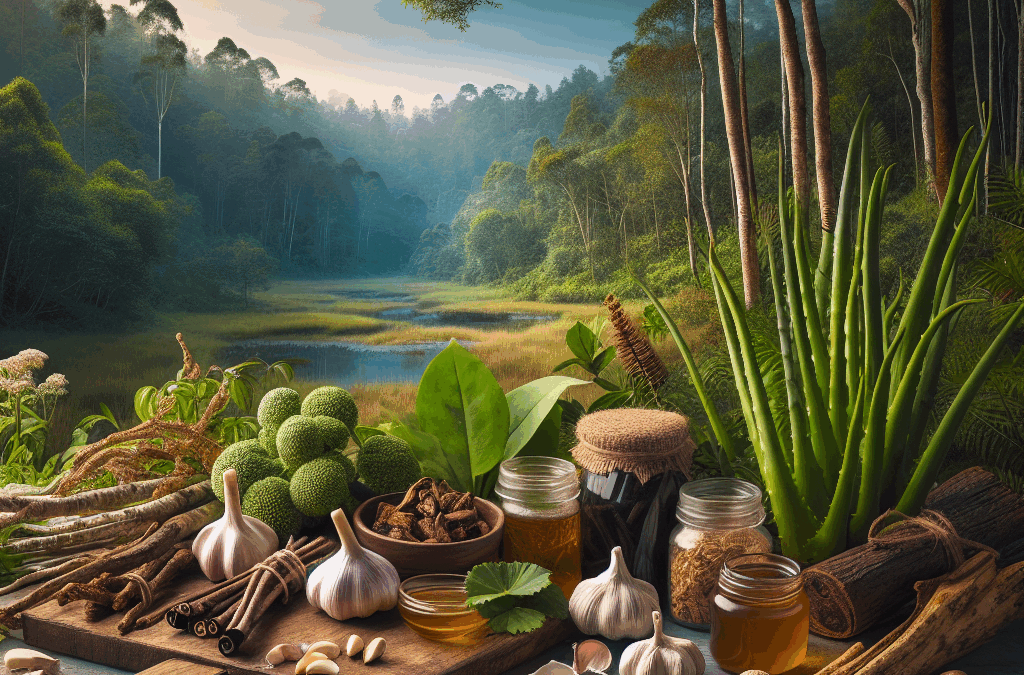
When I think about survival situations, one of the first things that pops into my mind is how to treat wounds. I’ve had my fair share of scrapes and cuts, and herbal compresses truly come to the rescue. Using fresh herbs like chamomile or calendula made into a compress can help reduce inflammation and promote healing.
You can make a compress by steeping the herbs in hot water and then soaking a clean cloth in this infusion. When you press it onto the wound, you’re not just applying moisture—you’re delivering those healing properties right where you need them. I’ve found this method incredibly soothing.
Just a heads-up though, always make sure the wound is clean before applying anything. It’s essential to avoid any kind of infection, which can really complicate healing. Trust me on this—I’ve learned the hard way!
Essential Oils for Disinfection
Essential oils like tea tree, lavender, and oregano come in really handy for disinfection. I always keep a small bottle of tea tree oil with me, as it’s known for its antibacterial and antifungal properties. When faced with a wound, diluting a few drops of the oil with a carrier oil can provide a natural disinfectant without the sting of conventional products.
Application is super easy; just dab it gently with a cotton ball on the affected area. I love the scent of lavender, plus it helps with relaxation—perfect when you’re stressed about being in a tough situation.
But remember, essential oils are potent! Always do a patch test to ensure you don’t have any allergic reactions. I can’t stress this enough; knowing your body’s reactions can make a world of difference.
Nutrients for Accelerated Recovery
Nutrition plays such a critical role in recovery that I can’t overlook it. I make it a point to consume plenty of vitamin C-rich foods like berries and citrus whenever I’m dealing with a wound. They help with collagen production and healing processes. If you can forage or have access to these foods in the wild, don’t skip them!
Additionally, incorporating protein sources like beans or nuts is vital in building new tissues. I’ve relied on nuts for energy and protein on numerous outdoor trips, and they’ve never let me down.
Remember, every little nutrient counts! Your body needs all the help it can get when bouncing back from injuries, so keep that diet packed with natural goodness.
Digestive Aids
Herbal Teas for Upset Stomachs
Upset stomach? Yikes! I’ve been there, especially after being out in nature for a few days with questionable cuisine. That’s when herbal teas come to the rescue. Peppermint or ginger tea can work wonders for soothing digestive issues. Just a few sips can help ease nausea and discomfort.
In the wild, I’ve managed to make ginger tea with wild ginger roots. It’s refreshing and works incredible magic on a troubled tummy. Make sure to steep the ginger properly, and you’ll feel that warm embrace soothing your insides.
And don’t forget about chamomile! That little flower has a calming effect on both your stomach and mind. Perfect combo in a tense situation, right?
Probiotics from Natural Sources
Keeping gut health in check is a survival priority, and fermented foods are packed with probiotics that can really help. Though in a tough situation, options might be limited, look for wild edibles that could have some fermentation properties.
I’ve often found wild dandelion greens—great for promoting digestion. They’re super nutritious, and I like munching on them when I feel off. Plus, they can help with nutrient absorption—so again, totally worth it!
If you have access to yogurt, that’s also a fantastic source of probiotics. Just one serving can boost your gut health immensely. I treat it like liquid gold during my adventures.
Natural Laxatives
In the world of survival, constipation isn’t just uncomfortable; it can actually become a serious issue. That’s why I always keep my eye out for natural laxatives like senna leaves or prunes, which help keep everything moving along.
Senna is a powerful herb that’s been traditionally used for its laxative properties. Just be cautious on dosages; I’ve learned the hard way that a little goes a long way! Steeping senna in hot water is the way to go for a relaxing drink.
And if you can find some wild berries or apples, they’re not only delicious—especially after a rough day—but they’ll also keep your digestive system functioning like clockwork. Easy, natural remedies right from nature!
Respiratory Relief
Steam Inhalation Techniques
Breathing issues? They can really put a damper on your survival situation. I’ve found that steam inhalation can work wonders. Whenever I have a cold or am dealing with congestion, simply boiling water and inhaling the steam can provide immediate relief. Adding a few drops of eucalyptus oil elevates the benefits even more.
To do this safely, I always keep a safe distance from the boiling pot—no one wants a face full of steam burns! Covering my head with a towel creates a mini steam tent that traps all that therapeutic goodness. It’s like a spa treatment wherever you are!
The warmth and moisture also help with throat irritations, which let’s be real, can happen way too easily when you’re out and about. Just give it a try next time you feel stuffy.
Natural Expectorants
If you’ve got a phlegmy cough, nature’s got your back! Some herbs like thyme and peppermint work as natural expectorants. I usually brew a strong herbal tea from these plants when I feel my throat getting scratchy. They’re not just soothing; they help loosen mucus too!
Making a simple syrup from honey and thyme is another trick I keep in my toolkit. If you’ve never tasted it, you are missing out! Not only is it sweet and enjoyable, but it works brilliantly to ease throat discomfort.
So next time you’re feeling under the weather, turn to your local herbs and see what they can do to help you breathe easier!
Herbal Cough Syrups
When I’m dealing with a nagging cough, I’ve found that homemade herbal cough syrups work wonders. Combining honey with herbs like marshmallow root or slippery elm creates a soothing mixture that coats the throat. It’s a game-changer for those stubborn coughs!
This is super easy to make—just mix the herbs with honey and let it infuse over a couple of days. I’ve even improvised with other sweeteners when honey wasn’t around, and it still did the trick. The key here is to keep it natural and gentle while soothing your throat.
It’s pretty cool knowing that I can whip up something effective from my surroundings or pantry, rather than relying on store-bought options that might not even be handy in a pinch!
Skin Care for Harsh Conditions
Natural Sunscreens
When you’re out in nature, protecting your skin from harsh sun rays is non-negotiable. I’ve experimented with various natural sunscreens using ingredients like coconut oil infused with shea butter and zinc oxide. It’s not only effective but also moisturizing, which is a bonus!
Mixing a little bit of carrot seed oil into the blend gives it added sun protection benefits. You can easily create a homemade sunscreen in a jar and warm it up before applying it as needed. I swear by applying this every few hours, especially during long hikes or outdoor activities.
But always remember to patch test any new concoctions on your skin before slathering it on. The last thing you want is a reaction that could ruin your adventure!
Moisturizers from Nature
Harsh environments can lead to dry, cracked skin, which is where natural moisturizers come into play. I’ve often used shea butter or even plain coconut oil to keep my skin hydrated. They’re simple yet incredibly effective and totally safe for sensitive skin too.
In addition, if you find aloe vera while out there, grab it! The gel is fantastic for soothing sunburns or dry patches. Trust me; I’ve turned to the aloe plant more times than I can count, and it never lets me down.
Making sure your skin stays soft can help avoid further complications or infections, so make this a priority when you’re in survival mode.
Natural Insect Repellents
Insects can really make survival situations harder, especially mosquitoes. I learned how to whip up natural repellents using essential oils like citronella and lemongrass mixed in carrier oils. Applying this blend, not only keeps the bugs away, but it smells good too!
I’ve also used witch hazel mixed with essential oils as a spray. It’s light, refreshing, and really practical. If I can’t find any ready-made version, this DIY spray comes in handy to keep those pesky insects at bay.
Remember, reapplication is key! These natural options might not last as long as chemical ones, but it’s still worth it to avoid those nasty bites.
FAQs
1. What are the best natural remedies for treating wounds?
Using herbal compresses, essential oils for disinfection, and ensuring good nutrition can greatly aid in wound healing.
2. How can I soothe an upset stomach naturally?
Herbal teas like peppermint or ginger are fantastic for settling stomach issues. Also, looking for wild edibles that can aid digestion is beneficial.
3. What should I do about respiratory issues while in the wild?
Steam inhalation and herbal expectorants, as well as making your own cough syrup with honey and herbs can help ease respiratory discomfort.
4. How can I protect my skin from the sun naturally?
Natural sunscreens made from coconut oil, shea butter and other ingredients provide a great barrier against sun damage while moisturizing your skin too.
5. What are some effective natural insect repellents?
Essential oils like citronella and lemongrass, mixed in a carrier oil or witch hazel, work effectively to keep insects at bay.
Before you dive into food storage, I found it super helpful to figure out what my family actually consumes regularly. It’s all about translating our eating habits into practical storage solutions. I took a week to jot down everything we ate and how often we went grocery shopping for those items. Trust me, this little exercise saved me a ton of time and money later on!
By understanding our patterns, I could prioritize the items that needed to be stocked up more frequently. For example, if we were downing peanut butter and jelly sandwiches for lunch on repeat, it made sense to buy these in bulk! Plus, it helps to identify seasonal foods that I could preserve or store for later use.
Once I had this laid out, organizing my pantry became way easier. I could categorize things, creating sections for our staples, snacks, and even our baking goods. A bit of foresight goes a long way!
Considering Storage Space
The next step in my journey was to take a look at the available space in my home. I mean, you can have the best food storage system planned out, but it won’t mean squat if you don’t have the room! I started by evaluating my kitchen, pantry, and even closets.
After measuring shelves and emptying some areas out, I realized I could repurpose a few underutilized spots. Like, who knew that shallow bins under the bed could hold some extra canned goods? It felt like finding treasure!
I highly recommend thinking vertically too. Installing some simple shelving can provide a whole new realm for your food items, allowing you to store things without cluttering countertops. Keeping it organized is key to a successful food storage strategy.
Identifying What to Store
Once I had a good grip on my consumption patterns and storage space, the next thing I had to tackle was what actually needed to be stored. I wanted a balance of non-perishables that made sense for my family’s taste! I came up with a list that included grains, dried beans, canned veggies, and protein options.
<pI also kept an eye on expiration dates for anything I was considering for long-term storage. Trust me, you don't want to end up with a pantry full of expired goods! I honestly had to toss a few things during my initial clean-up because I’d neglected them for too long.
It was also essential for me to rotate items—new purchases go to the back while older ones move to the front. This little hack has been a lifesaver! It minimizes waste and ensures that items I bought ages ago don’t just sit there, collecting dust.
Choosing the Right Storage Containers
Types of Containers
Okay, let’s talk about containers because they are crucial for keeping food fresh! I learned the hard way that not all containers are created equal. Glass jars are my best friends when storing grains and dried fruits because they seal really well and are easy to see through. However, I use plastic bins for larger items like flours or sugars that I buy in bulk.
I’ve also discovered vacuum-sealed bags, which are fantastic for longer-term storage of meats and cheeses. They reduce the risk of freezer burn and keep everything fresh! Seriously, if you haven’t tried vacuum sealing, you’re missing out.
My advice? Make sure your containers are airtight and preferably opaque, as light can spoil some foodstuffs. Plus, I label everything! It saves me the time of digging around trying to remember what’s in what.
Temperature and Environment
Temperature can be a sneaky little culprit when it comes to food storage. I learned that some foods are more sensitive than others. Items like oils and spices do best in a cool, dark place. My old habit was to keep them above the stove, but now I have a dedicated spice cabinet that’s cooler.
The fridge is another area to be mindful of. I always thought it was just about keeping things cold, but different zones have different temperatures. For instance, storing fruits and veggies in separate drawers keeps them fresh longer. It’s all about the right environment!
Lastly, I’ve got to give a shout-out to humidity. It can create a breeding ground for mold. If you live in a high-humidity area, consider using desiccants in your storage spaces to absorb excess moisture.
Accessibility and Organization
With everything in place, I found that making my stored food easily accessible was key! I worked on creating a system so that everyone in my household could find and put things back without confusion. Clear bins for snacks and pantry staples have become my go-to method!
Another cool tip I picked up? Labeling is a must! It cuts down on the chaos. Plus, I used different colors for different types of food, making it visually appealing and super easy to locate.
The final touch was to make use of lists. I created a master inventory for my pantry and shared it on the fridge. This way, we can keep track of what we have, what needs restocking, and we avoid those frantic last-minute grocery runs.
Implementing a Rotation System
Understanding FIFO (First In, First Out)
Implementing a rotation system, like FIFO, has made a huge difference in managing my food stocks effectively. The idea here is simple—use what you bought first before tapping into the newer stuff. When I first heard of this concept, it seemed so straightforward, but I didn’t realize how impactful it would be!
I started applying this method as I organized my pantry, and it became way easier to keep track of what needed using up. Each time I brought home new groceries, I’d just slide the older items to the front and into my cooking routine.
This habit minimizes waste and reminds me to get creative with what I already have. Trust me, some of my best meals have come out of needing to use up ingredients before they expired!
Utilizing Clear Labeling
Alongside FIFO, I found that clear labeling helped reinforce this system. I labeled not just the contents, but also the dates when items were purchased or opened. This allows me to make informed decisions, especially when packing my lunch or planning dinners for the week.
When I see a jar of pasta with yesterday’s date, I know that it’s time to incorporate it into tonight’s dinner. It keeps the whole process smooth and efficient! I also encourage everyone to personalize their labeling systems—maybe you prefer a fancy font or artistic doodles!
For me, the visual cues speed things up and help my family members jump in and help out too. It’s become a little game of “who can use up what!”
Scheduling Regular Checks
In closing, I’ve made it a routine to check on my food storage regularly—honestly, it’s become a family affair! I set aside a Saturday afternoon, maybe once a month, for a good old pantry and freezer review. We go through everything, toss out things that have expired, and replenish what we need to stock up on.
These checkups help me stay ahead of things. Like, if something is looking a bit sad or close to expiry, we come up with meal ideas together as a family. It’s fun and contributes to less food waste!
It’s also a time to celebrate what we “saved” or stored! It kind of turns into an informal “pantry party,” where we experiment together. It’s a lovely way to bond over food and get creative with what we’ve stockpiled.
Expanding Your Food Storage Knowledge
Researching Preservation Techniques
If you’re passionate about food storage, diving into different preservation methods is seriously empowering. I’ve explored canning, dehydrating, and even fermenting, and let me tell ya, it has opened up a new world of flavors and options! Estimatedly, you can save lots of money while enjoying seasonal delights all year round.
When I experimented with canning fruits from our local farmer’s market, not only did I save money, but I ended up with the most delicious homemade jams and sauces! This knowledge expanded my culinary skills and got me all giddy for being self-sufficient.
Online resources and community workshops have been invaluable. Connecting with others who share the same interests fuels my motivation to continue learning and trying new things!
Joining Community Groups
Networking within local groups or online forums has become a game changer. I stumbled upon a local gardening and preserving group, and wow, the tips and shared experiences are unbelievable! I got to learn from others’ successes and even their mistakes, which makes my food storage journey feel a lot less lonely.
These groups offer incredible resources, whether it’s sharing where to find good bulk items or giving me the heads-up on local sales. Plus, the confidence boost that comes from being part of a community is priceless!
Remember, we’re all in this together. So, don’t shy away from asking questions and sharing your own experiences. It’s all about learning and growing as a home cook and food saver!
Staying Updated on Trends
The last step in expanding my food storage knowledge has involved keeping up with trends. I love following blogs or subscribing to channels that focus on sustainable living, which often touch on food storage tips too! You’d be amazed at how often these trends evolve and what genius methods people come up with.
These insights might inspire you to switch up your storage methods or explore new food items you hadn’t considered trying before. I think it’s crucial to not just stick to what we know but continuously adapt and improve our strategies.
And let’s be real, who doesn’t love hearing about the latest ‘superfood’ or trending preservation method? It’s kind of like keeping a pulse on the culinary world in addition to being practical for my family’s food needs!
FAQs
1. Why is it important to assess my food consumption patterns?
Assessing your food consumption patterns helps you understand what you actually use and need to store. This way, you can avoid waste and ensure that your storage system is tailored to your family’s eating habits.
2. What types of containers are best for food storage?
Airtight containers, glass jars, vacuum-sealed bags, and clear bins are the best options for food storage. They help keep food fresh and organized, and they should be durable enough for regular use.
3. How often should I check my food storage?
Regular checks can be done monthly. It helps ensure that you’re staying on top of expiration dates, allows you to rotate items, and keeps your pantry organized and functional.
4. Can I store all types of food in the same space?
No, different types of food have varying needs in terms of temperature and humidity. For best results, separate dry goods, refrigerated items, and perishables to ensure optimal freshness.
5. Where can I learn preservation techniques?
You can learn preservation techniques through community workshops, online resources, forums, and books. It’s a great way to expand your knowledge and share experiences with others who have similar interests!
In a world where unforeseen events can strike at any moment, preparedness is not just a luxury; it’s a necessity. Whether it’s natural disasters like hurricanes and earthquakes or man-made emergencies, having a solid plan in place can mean the difference between chaos and calm. Let’s explore the five pillars of emergency preparedness that every family should know to navigate through crises with confidence.
*Pillar 1: Risk Assessment – Understand Your Threats**
Before you can formulate an effective strategy, it’s crucial to identify the specific threats your family may face. Each region has its unique risks—flooding in low-lying areas, wildfires in dry regions, or even civil unrest in urban settings. Start by researching local hazards and consider historical data on past emergencies. This knowledge allows you to tailor your preparedness efforts accordingly, ensuring that you’re ready for what might come your way. After all, understanding potential risks is the first step towards effective planning.
*Pillar 2: Emergency Plan – Creating a Family Safety Strategy**
Once you’ve assessed the risks, it’s time to craft an emergency plan that involves everyone in your household. Your plan should include evacuation routes, designated meeting points, and contacts for family members who may be away from home during an emergency. Be sure to discuss this plan openly with all family members so everyone knows their role when disaster strikes. A well-thought-out strategy will foster a sense of security and enable smooth coordination during stressful times.
*Pillar 3: Essential Supplies – Building Your Emergency Kit**
An essential part of being prepared is assembling an emergency kit stocked with supplies that can sustain your family for at least 72 hours. Include water (one gallon per person per day), non-perishable food items like canned goods or energy bars, first-aid supplies, flashlights with extra batteries, personal hygiene products, and any necessary medications. Don’t forget important documents—keep copies of IDs, insurance policies, and medical records both digitally and physically accessible. Make it a habit to review and update this kit regularly so that nothing expires or goes unused.
*Pillar 4: Communication – Staying Connected During a Crisis**
During emergencies, communication channels can become disrupted or overloaded. Establishing alternative ways to stay connected with loved ones is vital. Designate an out-of-area contact person who can relay messages if phone lines are down locally; text messages often get through when calls do not. Additionally, using apps designed for crisis communication may enhance your ability to stay informed about each other’s safety during chaotic situations.
*Pillar 5: Training and Drills – Practicing for the Unexpected**
Preparedness isn’t just theoretical; it requires practice! Schedule regular drills so everyone knows how to respond under pressure—whether it’s evacuating quickly or using fire extinguishers effectively. Encourage each family member to learn basic first aid skills as well as CPR techniques; these could prove invaluable in critical moments.
*Conclusion: Staying Proactive and Prepared for Any Situation**
Being proactive about emergency preparedness means taking control rather than waiting for problems to arise unexpectedly. By focusing on these five pillars—risk assessment, creating an emergency plan, building essential supplies, establishing reliable communication methods, and practicing regularly—you empower yourself and your loved ones against uncertainty.
*Additional Resources – Helpful Links for Further Learning**
For those looking for more information on how best to prepare their families:
Ready.gov
The American Red Cross
FEMA’s Emergency Management Guide
*Call to Action – Start Your Family’s Preparedness Journey Today**
Don’t wait until it’s too late! Begin discussing these pillars with your family today and take actionable steps toward creating a safer future together. Remember—the best time to prepare was yesterday; the second best time is now!
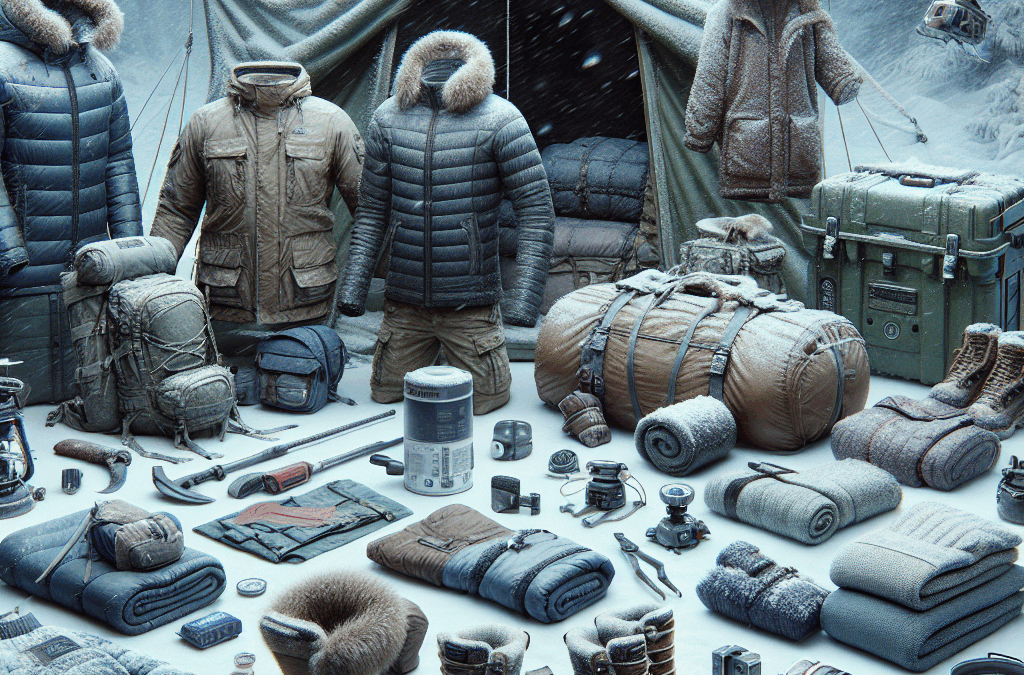
When it comes to surviving harsh weather, layering is a game changer. I always start with a moisture-wicking base layer that keeps the sweat away. Trust me, feeling soggy is the last thing you want when the temperatures drop.
Next, I add an insulating mid-layer. This could be a fleece or down jacket, depending on how cold it is. I remember one trip where my fleece saved me from freezing; I was so grateful for that extra warmth!
In closing, I finish off with a waterproof and windproof outer layer. A good shell jacket protects me from harsh winds and rain. I once got caught in a downpour, and my high-quality jacket was the only thing keeping me dry—worth every penny!
Footwear Matters
Let’s talk boots. I’ve learned the hard way that the right footwear is crucial. Insulated and waterproof boots are essential to keep my feet warm and dry. You wouldn’t want to be hiking in soggy shoes—trust me!
I also make sure my boots have good traction. Slips and falls in snowy or icy conditions can really ruin a good trip. I like to pick ones with Vibram soles, as they help grip better on slippery surfaces.
Lastly, don’t forget about warm socks! Wool socks are my go-to. Not only do they keep my feet cozy, but they also wick away moisture, which helps prevent blisters during long treks.
Accessories for Protection
Accessories may seem minor, but they make a big difference. I always pack a good hat that covers both my head and ears. On cold days, it can trap warmth and stop the chilling wind from making my ears turn red.
Gloves are just as important! I prefer layered gloves: a thinner glove underneath for dexterity and a thicker, insulated glove on top. I once tried to make a fire with cold fingers, and let’s say it didn’t go too well.
Lastly, don’t overlook sunglasses! Snow glare can be brutal, and UV rays reflect off white surfaces surprisingly well. Protecting your eyes can save you from headaches and enhance your visibility in those bright snowy landscapes.
Navigation Tools
Compasses and Maps
In the wilderness, relying solely on technology can backfire. I always have a trusty compass and a physical map handy. GPS devices can fail, especially in remote areas, so it’s essential to know how to read a compass.
When I first started hiking, I got lost because I didn’t have a map. It was a learning moment! Now, every adventure comes with a printed map of the area, annotated with trails I plan to take.
Plus, learning how to navigate can be incredibly rewarding. There’s something empowering about orienting yourself with a map and compass—it connects you to the land in a way that technology rarely does.
Portable GPS Devices
While maps are important, I do enjoy the convenience of portable GPS devices. They can provide real-time information about your location, altitudes, and even track your route. Just make sure to carry extra batteries or a solar charger!
During my last camping trip, the GPS really came in handy when we accidentally wandered off the track. It helped us get back on a safe path quickly. Technology can be your buddy if used wisely!
However, it’s crucial to know how to use them properly. Don’t just rely on it. Always check any devices before heading out to ensure they’re updated and functional.
Emergency Beacons
In the event of a serious situation, having an emergency beacon can be a lifesaver. These devices send out distress signals that can go a mile in getting you help. I always keep one in my pack, just in case.
I remember a camping trip in a remote area where our group faced sudden weather changes. Having that beacon gave us peace of mind that if things took a drastic turn, we could call for help.
Moreover, many beacons are now compact and lightweight, making it easy to include them as part of my gear without adding much bulk. Safety is always worth the extra weight!
Shelter and Sleeping Gear
Tents and Tarps
A good shelter is critical. I prefer those lightweight tents that are easy to set up and pack away. They provide a cozy place to sleep and protect me from wind, rain, and critters.
Tarps also play an important role. I often use a tarp in versatile ways, whether it’s as an extra layer for my tent or even to create a makeshift shelter when I need it. There’s something satisfying about finding multiple uses for one item!
Just remember to check the weather forecast before your trip and choose a tent suited for the conditions you might face. There’s nothing worse than being caught unprepared!
Sleeping Bags
Choosing the right sleeping bag can make or break your outdoor experience. I always look for bags that are rated for at least ten degrees cooler than the expected night temperatures. Trust me; you won’t want to wake up shivering!
Also, pay attention to the weight and compressibility. If I’m hiking, the last thing I want is to haul around a bulky bag. I’ve found that a good down bag strikes the balance between warmth and packability.
Before heading out, I always check for drafts, zippers issues, and any holes in my sleeping bag. A good night’s sleep can keep you energized for the adventures ahead!
Ground Pads
Never underestimate the comfort of a good ground pad! It serves as insulation from the cold ground and adds a bit of cushioning. After trying multiple types, I usually opt for inflatable pads as they’re lightweight and easy to pack.
I remember a backpacking trip where I didn’t bring an insulated pad, and I ended up feeling every rock underneath me! It was a rough night, and I realized comfort is key to enjoying the journey.
Investing in a good ground pad is worth every penny, especially on long expeditions where good rest can make a huge impact on your physical and mental state.
Cooking Gear
Portable Stove
Having a reliable stove transforms camping meals from bland to delightful. I always carry a lightweight portable stove, which makes cooking outdoors super easy. Even boiling water for coffee feels like a treat!
When choosing a stove, consider its fuel efficiency and ease of use. Some stoves run on multi-fuel options, allowing me to adapt to the resources I have at hand. Nothing is worse than running out of fuel miles away from camp!
Plus, cooking can be a fun activity, especially with friends or family, making mealtime a shared adventure. Good food not only warms your belly but warms your spirit, too!
Cookware and Utensils
In my experience, lightweight and durable cookware is essential; it should be able to withstand the rigors of the outdoors yet not weigh you down. I typically pack a multipurpose pot and pan that can handle various meals.
Don’t forget utensils! A good spatula and a sturdy spoon have saved me countless times while preparing meals. It pays off to have a dedicated set of easy-to-clean utensils so that I can enjoy great food without unnecessary hassle.
Lastly, be sure to bring along a trash bag for proper disposal of waste. Keeping nature clean is important, and it also makes life easier when you pack out your garbage with your gear!
Food Supplies
When it comes to food, preparing ahead can save you time and stress. I always pack non-perishable items like nuts, dried fruits, and energy bars for quick snacks on the trail. They keep me fueled up throughout the day!
For meals, I prefer dehydrated food packets. They’re lightweight and easy to cook; just add water. I couldn’t believe how enjoyable dehydrated meals could be until I tried them!
Lastly, don’t forget about hydration! Carry a water filter or purification tablets to ensure you have access to clean drinking water. Staying hydrated keeps my energy levels up, especially after long hikes!
First Aid and Emergency Gear
First Aid Kits
A well-stocked first aid kit is essential for any outdoor adventure. I always make sure mine contains items like adhesive bandages, antiseptic wipes, and pain relief medication. A little preparation goes a long way in case of a minor mishap.
Additionally, I add some specialized items like blister pads or even a snake bite kit, depending on the terrain I’ll be exploring. It’s all about considering the unique risks of your specific adventure.
Taking a wilderness first aid course can also enhance my skills significantly. Knowing how to handle injuries on the spot can make a world of difference in an emergency situation!
Emergency Blankets
Compact emergency blankets are lifesavers. They’re lightweight and keep heat in, which can be crucial if someone is feeling overly cold. I always pack a couple in my pack, just in case.
Using an emergency blanket isn’t just about warmth, either; it can serve multiple purposes, like reflecting light for signaling or shielding from rain when necessary. It’s such a versatile piece of gear to have!
One day, we got stuck out in unseasonably cold weather, and having those emergency blankets made a big difference for our comfort level. You never know when they’ll come in handy!
Whistles and Flashlights
A whistle is a simple tool that packs a big punch in emergencies. It can carry much farther than a shout, making it invaluable if you’re separated from your party or in need of help.
Flashlights (along with extra batteries) are essential for navigating dark conditions. I prefer headlamps because they keep my hands free for tasks. The last thing I need is to fumble around in the dark!
These small pieces of gear can really provide comfort and security in unfamiliar situations, making them must-haves in my survival kit.
Conclusion
Equipping yourself with the right survival gear for harsh weather conditions isn’t just about surviving; it’s about thriving during your adventures. Each piece of gear has a specific role that can make your journey safer and more enjoyable.
Whether you’re trekking through snow, rain, or extreme temperatures, proper gear makes all the difference. Listen to your instincts, rely on what works for you, and enjoy the great outdoors without fear!
FAQs
1. What are the most important layers of clothing for harsh weather?
The most important layers are a moisture-wicking base layer, an insulating mid-layer, and a waterproof outer layer. This combination helps regulate temperature and keep you dry.
2. How do I choose the right cooking gear?
Opt for lightweight and durable cookware that fits your needs. Consider the types of meals you plan to prepare and pack multipurpose items to save space and weight.
3. What should I include in my first aid kit?
Include adhesive bandages, antiseptic wipes, blister pads, pain relief medication, and emergency items specific to your needs or the environment you’ll be in.
4. Are portable GPS devices reliable?
Yes, but it’s important to have backup options like maps and compasses. Always check that the devices are functioning properly before heading into the wilderness.
5. How can I stay safe in extreme weather conditions?
Be prepared with the right gear, know your limits, stay informed about the weather, and always have an emergency plan in place. Trust your instincts while in the outdoors!