by Preparation Call Editorial Team | Aug 2, 2025 | Preparedness
In a world where uncertainty can strike at any moment, understanding the importance of emergency preparedness is not just a luxury; it’s a necessity. Whether it’s natural disasters, power outages, or unexpected medical emergencies, having a well-thought-out plan can mean the difference between chaos and calm. Every household should prioritize discussing and developing an emergency strategy tailored to their unique circumstances. It’s about ensuring safety for yourself and your loved ones when every second counts.
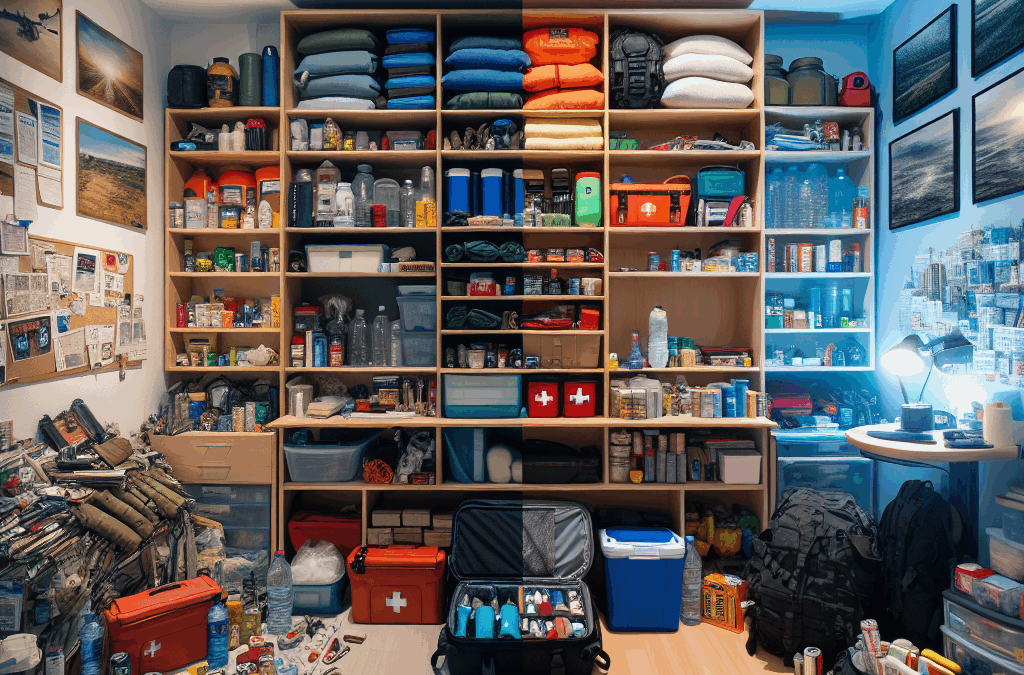
The backbone of effective emergency preparedness lies in assembling essential supplies. Building your ultimate emergency kit is not as daunting as it may seem. Start by gathering non-perishable food items, including canned goods, granola bars, and dried fruits—foods that provide energy while requiring little prep time. Don’t forget water! A gallon per person per day for at least three days is advisable. Include first-aid essentials such as bandages, antiseptics, and necessary medications in your kit. Flashlights with extra batteries are crucial for navigating those dark moments when power fails unexpectedly. Lastly, add important documents like identification and insurance information, stored in waterproof containers. When disaster strikes, having these resources at hand can save precious time.
Creating your family emergency plan is another vital aspect of preparedness. This involves establishing clear communication strategies to ensure that everyone knows what to do and where to go during an emergency situation. Designate safe meeting spots both close to home and outside of the neighborhood so that family members can regroup easily if separated. Discuss how you’ll communicate if cell services become unreliable; consider using texts or social media platforms since they often operate better than voice calls during high-volume situations.
Moreover, make sure every member of your household understands the safety protocols associated with various emergencies—these could range from fire escape routes to procedures for severe weather events like tornadoes or hurricanes. Regularly practicing drills helps engrain these actions into muscle memory so that when panic sets in, instinct kicks in instead.
Staying informed is paramount on this journey towards mastering emergency preparedness at home. Utilize available resources to enhance your knowledge continually; local community centers often offer workshops on disaster preparedness led by trained professionals who specialize in safety techniques relevant to your area’s risks. Online resources from organizations like FEMA provide comprehensive guidelines on everything from creating plans tailored for pets to understanding the latest updates on potential threats facing your region.
Investing time into ongoing training elevates not only personal confidence but also collective readiness within families and communities alike—consider taking classes in first aid or CPR; these skills can be invaluable when help may be delayed due to overwhelming circumstances.
All in all, transitioning from chaos to calm requires deliberate efforts toward preparation—understanding its importance lays the groundwork for action while building comprehensive supply kits fortifies resilience amidst uncertainty. Clear communication strategies empower families during crises while staying informed ensures adaptability against evolving threats around us. Embrace this challenge with optimism; together we can turn potential turmoil into manageable scenarios through diligent planning!
by Preparation Call Editorial Team | Aug 2, 2025 | Preparedness
Basic First Aid
Understanding Common Injuries
Getting a scrape or a cut is part of life, especially as a teen or a child. I remember the first time I got a nasty scrape riding my bike. I panicked at first, but learning about common injuries helped a ton. Knowing the difference between a minor scratch and something that might need stitches is crucial. It gives you confidence and helps you react appropriately.
Common injuries include cuts, scrapes, burns, and sprains. Each type has its own way of treating it effectively. For example, a scrape might only need cleaning and a bandage, while a sprain needs rest and maybe some ice. Understanding these can save a lot of stress in those moments!
First aid isn’t just about band-aids. It’s also about recognizing when to get help. If something doesn’t look right or if the pain is severe, knowing when to call an adult or head to the ER is a key skill that can’t be overlooked.
How to Handle Bleeding
When I accidentally cut my hand while chopping vegetables, I was shocked at how much it bled. I didn’t know what to do, but thankfully, I remembered a few basic first aid skills. Applying pressure with a clean cloth is the first step. It’s amazing how quickly that can help!
If the bleeding doesn’t stop after a few minutes, it might be time to elevate the injury above the heart level. Sometimes it feels like chaos, but staying calm and helping the blood clot is the best course of action. Remember, staying calm helps not just you, but the patient too.
If you ever find yourself in a situation where the bleeding won’t stop, don’t hesitate to seek medical help. It’s better to be safe than sorry, and there’s zero shame in calling someone for advice.
Using a First Aid Kit
Every teen should know how to use a first aid kit. I used to think these were just packed with random stuff, but I’ve learned they’re incredibly useful. Taking a moment to familiarize yourself with what’s inside can be a lifesaver—literally.
Check what your kit includes, like antiseptic wipes, gauze, and ointments. Each item serves a purpose, and knowing how to use them properly can make treating an injury a whole lot easier. For example, using antiseptic wipes will help prevent infection, which is super important for proper healing.
Also, don’t forget to keep your first aid kit stocked! It’s not only about having the items but ensuring they’re usable. Expired medication or used bandages don’t do anyone any good, so check your kit every few months.
Basic Cooking Skills
Essential Cooking Techniques
You’d be surprised at how many teens can boil water but leave anything else to the parents! I remember feeling super accomplished when I learned how to scramble eggs without burning them. Mastering the basics like boiling, frying, and baking is key; these simple skills can make a world of difference.
Learning how to chop, sauté, and season can take your cooking to the next level. You might start by following recipes, but soon you’ll see how enjoyable it is to experiment. Cooking isn’t just a chore; it can become a fun hobby! Plus, it saves you from relying on takeout every pizza night.
Practice makes perfect. Don’t worry if things don’t turn out great; I’ve burnt my fair share of food! Just keep trying, and it’ll get easier. Cooking for yourself is not only satisfying, but it promotes healthier eating habits as well.
Meal Planning and Prep
One of the craziest skills I picked up was meal planning. I used to just wing it every week, which led to a lot of last-minute fast food runs. Once I started planning my meals, not only did I save time, but money too. My grocery bill was cut in half!
Think about what you enjoy eating, and plan a mix of easy-to-make and a little more complex meals for the week. Shopping for ingredients ahead of time reduces that pesky stress when you’re standing in front of the fridge at 8 PM wondering what to eat.
Prep days are so fun. I’ll put on some music and spend a few hours prepping veggies or cooking in bulk. Setting aside some time makes it easier to nourish yourself during busy school weeks, ensuring you fill your body with what it needs to stay energized.
Kitchen Safety
Safety in the kitchen is super important. Whenever I’m cooking, I have a constant reminder: “Be cautious!” This means using oven mitts when grabbing hot pans and keeping knives pointed down while chopping. These little checks can prevent accidents!
During my early cooking days, I had a minor mishap with a knife. I learned the importance of how to cut properly and how to store knives safely. Keeping the kitchen tidy is another key element of kitchen safety—nobody wants to trip over a rogue pot on the floor.
Learning to use the stove and oven safely is vital. Know what to do if there’s a fire and how to properly extinguish it. Establishing these protocols will keep you and anyone else around you safe when you’re whipping up something delicious!
Communication Skills
Verbal Communication
Good communication can completely change the game, trust me! I used to struggle with speaking my mind, especially in group projects. But over time, I learned that expressing my opinions respectfully takes practice and will make me feel more confident.
Finding the right words is crucial, and applying active listening plays a significant role. When you’re genuinely engaged with someone, you can respond better and keep conversations flowing. Being present in a conversation is key to building relationships, and it’s something I keep improving every day.
Practicing these skills in daily conversations—whether it’s a casual chat with friends or standing up in class—can dramatically boost your communication. The more you practice, the more effortless it becomes.
Non-Verbal Communication
Ever heard the saying, “actions speak louder than words”? Non-verbal communication is huge, and I learned it the hard way on a few occasions where my body language didn’t match my words. If you’re slouching or crossing your arms, people might think you’re bored or closed off, even if you’re not.
Presenting yourself well also ties into this. Maintaining eye contact shows interest, while a simple smile can warm up the atmosphere instantly. Trust me, people respond better when you seem engaged and open.
The cool thing is that once you understand this, you can become more mindful in all kinds of settings, whether with friends or during job interviews. Being aware of body language can really set the tone for your interactions.
Conflict Resolution
Conflict is just a part of life! Whenever I had disagreements with friends, I had no idea how to resolve them smoothly. Learning how to approach conflicts calmly was necessary for my friendships to flourish. I found stepping back and viewing things objectively really helped!
Understanding other people’s perspectives is essential in resolving conflicts. It’s not always about winning an argument; sometimes it’s about compromise and finding common ground. I’ve found that asking questions and showing genuine interest can help de-escalate tense situations.
Reaching a resolution requires patience and practice. Don’t rush the process because the outcome is worth it. Keeping the lines of communication open is key, ensuring everyone feels heard and respected.
Outdoor Skills
Basic Survival Techniques
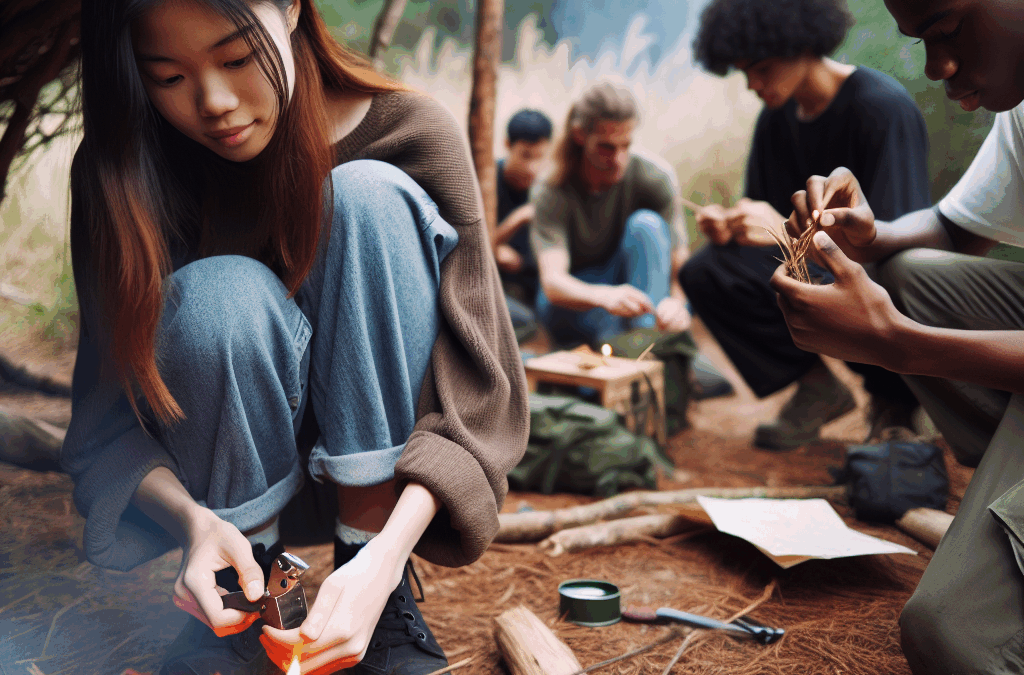
Being out in nature can be exhilarating, but it’s also important to know how to handle it! I remember my first camping trip; I was totally lost without some basic survival skills. Starting with knowing how to build a fire is a great kickoff to outdoor adventures. Fire can provide warmth, light, and the ability to cook. Just remember to practice safety first!
Another cool skill is learning how to identify edible plants. This is essential if you ever find yourself in a pinch. I took a nature walk guided by an expert, and it was eye-opening to see how much food is just around us if we know where to look!
And let’s not forget about navigation! Learning how to read a map and use a compass is a valuable skill that needs to be trusted. You might be surprised at how easy it is when you break it down into smaller steps, Avoid getting lost when you’re hiking or exploring!
Setting Up a Shelter
When you’re out in the wild, having a shelter can make all the difference. I remember the first time I had to build a temporary shelter—it was a learning experience! Finding the right materials like branches, leaves, and even moss can create a sturdy shelter.
Ensure your shelter is close to a water source but not too close to have flooding issues. That was one mistake I won’t forget! Pay attention to the wind direction; this helps in positioning your shelter to keep you comfortable while sleeping.
If you get the chance, practice setting up different types of shelters at home or on outings. Being prepared with options can be very helpful, especially in unforeseen situations that may arise outdoors.
Understanding Weather Conditions
Weather can be the difference between a great outdoor experience and a risky adventure. Keeping an eye on the forecast before heading out is vital. I learned to check things like temperature and precipitation chances regularly. It prepares you for what to expect!
Knowing how to observe the sky is essential too. Dark clouds can mean rain, and changes in wind can signal sudden storms. These clues can help you make informed decisions about your activities and keep you safe.
After all, being calm and prepared is the best way to enjoy nature. Embracing the outdoors means respecting it and ensuring you have the skills to handle whatever comes your way.
Financial Literacy
Understanding the Basics of Budgeting
Let’s be real: managing money can be tough. I used to spend my allowance on anything and everything until I realized how important budgeting is. Breaking down income and expenses is where it all starts! Learning to save some for future plans is key to being financially stable.
Set up a basic spreadsheet or use an app to track your money. With practice, you’ll see where your cash goes and where you can cut back. I often found it helpful to set a small, reachable savings goal to keep me motivated.
Budgeting isn’t a one-time thing; it’s an ongoing task. Monthly reviews of your budget help you stay in control. Flexibility is also crucial! Life tends to throw curveballs, so learning to adjust your budget is a valuable skill.
Saving and Investing
Saving money is important for future needs, right? I once started saving for a new phone, and it felt amazing to see my pot grow! The earlier you start, the better. Even putting just a few bucks aside each week adds up over time!
Now, let’s talk about investing. I was intimidated at first, thinking it was only for adults or rich people, until I learned how accessible it can be! Investing small amounts in stocks, or even apps aimed at young investors, is a great way to make your money work for you.
Understanding the difference between saving and investing is crucial! Saving is typically for short-term goals, while investing is for long-term growth. You don’t need a huge amount of cash to start; just a little effort can lead to great results!
Using Credit Responsibly
Credit cards can be confusing, but they’re also powerful tools! Getting my first card was nerve-wracking. I learned early on that using it responsibly means understanding interest rates and tracking spending. Making timely payments is essential, or else I’d face hefty fees!
Building good credit takes time but will pay off in the long run. It can impact things like renting an apartment or even getting a loan for a car. Learning how to use credit wisely empowers you to make better financial choices.
Just remember: credit isn’t free money! Treat it as part of your budget and always pay more than the minimum when possible. Developing healthy financial habits is something I wish I had focused on earlier.
Frequently Asked Questions
1. What are the most essential survival skills every teen should know?
Essential survival skills include basic first aid, outdoor skills like fire building and shelter setting, effective communication, basic cooking, and financial literacy. Mastering these skills will prepare you for various situations in life.
2. Why are cooking skills important for teenagers?
Cooking skills are important because they promote independence and healthier eating habits. Knowing how to prepare your meals can save money and improve your overall well-being.
3. How can I improve my communication skills?
You can improve your communication skills by practicing active listening, engaging in conversations, and being mindful of your body language. Join clubs or activities that encourage discussion to build confidence.
4. What should be included in a basic first aid kit?
A basic first aid kit should include adhesive bandages, antiseptic wipes, gauze pads, adhesive tape, scissors, tweezers, pain relievers, gloves, and a CPR face shield. Familiarize yourself with each item for effective use.
5. How can I effectively manage my budget as a teen?
To manage your budget effectively, track your income and expenses, set spending limits, and create savings goals. Review your budget regularly and adjust as needed to stay on top of your finances.
by Preparation Call Editorial Team | Jul 31, 2025 | Preparedness
1. Planning and Coordination
Framework Development
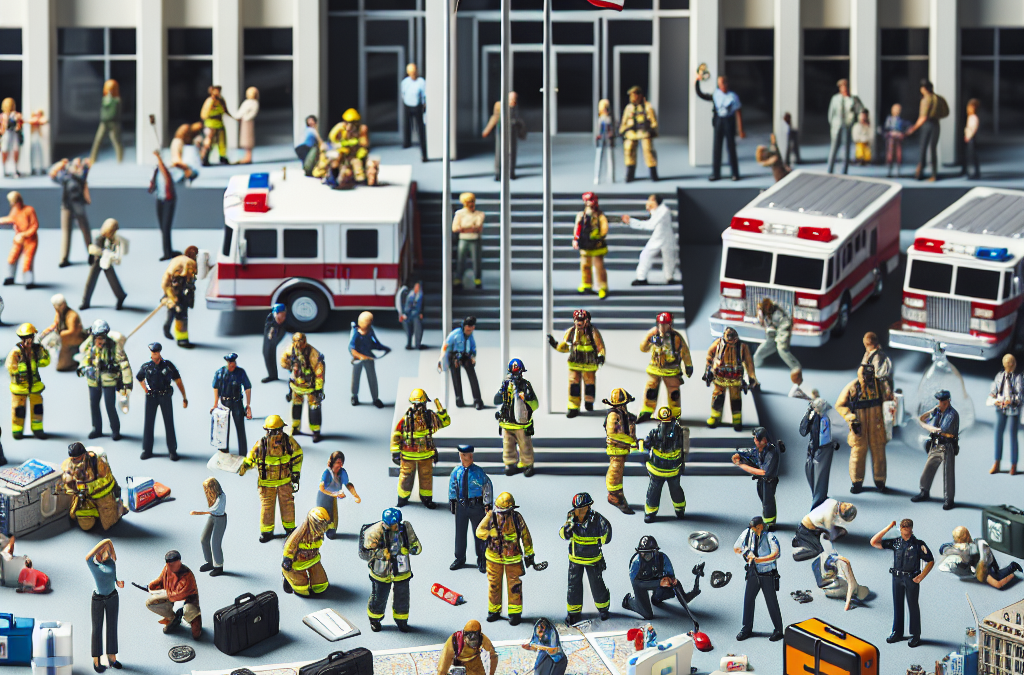
When we talk about emergency preparedness, one of the first things that come to mind is planning. Local authorities take the lead in developing a solid framework that outlines how to respond during various emergencies. This includes everything from natural disasters to public health crises. They pull together resources, expertise, and community input to build a comprehensive plan.
In my experience, being involved in community safety meetings helped me see the meticulous work that local authorities put into creating these frameworks. It’s not just paperwork; it’s about ensuring we are ready for anything that might come our way. A well-thought-out plan acts as a roadmap, guiding everyone from first responders to ordinary citizens on what to do when disaster strikes.
Moreover, local authorities often collaborate with other stakeholders—like schools, businesses, and non-profits—to ensure the plan is inclusive. This partnership is vital because it brings multiple perspectives together, making the plan more robust and effective.
Resource Allocation
One of the unsung heroes of emergency preparedness is resource allocation. Local authorities work tirelessly to ensure that necessary supplies and personnel are in place before an emergency occurs. This includes everything from medical supplies to shelters. I’ve seen first-hand how this can make a huge difference when a crisis hits.
They assess various risks, identify what the community needs, and invest in those resources. It’s not just about having enough blankets or food; it’s also about logistics and ensuring that these resources can be delivered quickly when they are needed the most.
During a recent flood in my area, for instance, I noticed how quickly local authorities mobilized teams to distribute food and water. Their preparation and strategic placement of supplies truly exemplified how resource allocation plays a critical role in successful emergency response.
Training Programs
Training is another crucial element. Local authorities invest in training programs not only for their staff but also for the community. I remember the first time I participated in a community CPR class organized by my local fire department. It was eye-opening to realize how being prepared can actually save lives.
These training sessions range from basic first aid to more advanced crisis management strategies. They empower citizens to take action during emergencies, fostering a culture of preparedness. The more people who are trained, the less pressure there is on emergency services during a disaster.
I often encourage my friends and family to get involved in local training programs. Not only is it a great way to learn practical skills, but it also creates a stronger, more connected community during tough times.
2. Communication Strategies
Public Awareness Campaigns
Effective communication is key during emergencies, and local authorities are proactive in spreading awareness. Through campaigns, they educate the public about disaster preparedness and response. I appreciate how these efforts provide essential information on various hazards, from earthquakes to wildfires.
Local authorities often utilize various platforms—social media, community meetings, flyers—to ensure the message reaches everyone. In my neighborhood, I’ve seen flyers on preparing disaster kits and emergency contact lists, which can be truly lifesaving.
It’s all about keeping the community informed and prepared. The more we know what to do ahead of time, the more equipped we are when an actual emergency strikes. These campaigns create a sense of community responsibility and awareness that is invaluable.
Emergency Alerts and Notifications
One tool I’ve come to rely on is the emergency alert system. Local authorities ensure that timely notifications are sent out via text, sirens, and even social media platforms during emergencies. It’s a lifeline that can provide crucial updates when situations change rapidly.
In the past, I’ve experienced sudden storms that required quick action. Receiving an alert about the impending danger helped me and my family prepare and stay safe. Local governments are constantly improving these systems to ensure they are effective and reach as many people as possible.
Plus, many communities have apps that provide real-time updates, which I find incredibly helpful. It’s like having a direct line to the local authorities, keeping us in the loop and ready to respond as needed.
Crisis Communication Plans
When things go south, having a well-developed crisis communication plan is essential. Local authorities create these plans to manage information efficiently and reduce panic and misinformation. I’ve learned from attending workshops how crucial it is for them to have protocols in place for communicating during a crisis.
These plans often specify who speaks on behalf of the community, what information is shared, and how updates will be delivered. I remember a recent emergency where the local police chief held regular press briefings, which kept everyone informed and calm—definitely an example of effective crisis communication!
It’s also an ongoing effort. Local authorities continuously evaluate and improve their communication strategies after each incident, striving to be better prepared for the next time around. That adaptability makes a significant difference in community resilience.
3. Support Services during Emergencies
First Responders
First responders are the front lines of any emergency response; they’re the heroes that rush in when things go sideways. Local authorities are responsible for coordinating police, fire, and emergency medical services. I can’t stress enough how vital it is for these teams to work seamlessly together during a crisis.
From their training to their equipment, local authorities ensure that first responders are adequately prepared. I once attended a ride-along with my city’s fire department and witnessed first-hand the level of skill and commitment that goes into their preparations.
It’s all about saving lives. Coordinating these services effectively can drastically improve outcomes during emergencies. The better prepared our first responders are, the safer the community will be when disaster strikes.
Emergency Shelters
Another critical service involves emergency shelters. Local authorities establish these safe havens—allowing people to have a place to go when their homes are no longer safe. They coordinate resources to ensure that the shelters are well-stocked and ready to receive evacuees.
Having seen how quickly shelters are set up after a natural disaster, I’ve grown to appreciate the logistical efforts that go into providing shelter, food, and comfort during the worst of times. I remember volunteering at a shelter during a hurricane, and it was heartwarming to see how the community came together.
Being able to provide a safe place with emotional and practical support can make a world of difference for those affected by emergencies. It’s about more than just a roof over your head; it’s about community support in times of need.
Community Support Programs
Beyond immediate response, local authorities often implement community support programs to help those impacted by emergencies in the long run. For instance, financial assistance programs or counseling services are typically offered to help people recover.
It’s heartening to see how these services can help families regain stability. I recall hearing stories from those who benefitted from these support programs after a major wildfire in my area. The outreach and help provided were truly commendable and made a profound impact on people’s lives.
Moreover, local authorities actively engage with the community, seeking input on what support services are needed. This ongoing dialogue helps ensure that the assistance provided truly meets the needs of the people.
4. Recovery and Resilience Post-Emergency
Long-term Recovery Plans
It’s one thing to respond to an emergency; it’s another to build back stronger. Local authorities develop long-term recovery plans that address the aftermath of a disaster. They analyze the impact and prioritize what needs to be rebuilt, repaired, or restructured.
From my perspective, this is crucial. The decisions made in the wake of an emergency can shape a community for years to come. I recall how our local government rolled out plans to rebuild more sustainably after a major flooding incident.
These plans often involve extensive community engagement, as local authorities seek input from residents about what’s most needed. It’s a collaborative effort that helps foster a sense of shared responsibility and community spirit.
Infrastructure Improvements
Additionally, a post-emergency recovery phase usually includes upgrading infrastructure to better withstand future challenges. Local authorities are often on the front lines of advocating for improved roads, bridges, and utilities. I’ve seen some amazing projects come to fruition after a natural disaster.
These improvements aren’t just about repairing damage; they’re about resilience. For example, my town has invested in building better drainage systems in flood-prone areas to prepare for the next storm. The focus on long-term solutions makes a huge difference.
Seeing infrastructure evolve to become more disaster-resistant is a testament to how proactive local authorities are in protecting their communities. It shows a commitment that goes beyond just immediate response.
Community Education and Involvement
Lastly, local authorities cultivate community education and involvement every step of the way. They offer workshops, forums, and training sessions to ensure everyone knows how to prepare for future emergencies. It’s empowering for me to see the enthusiasm in community workshops, as people learn to advocate for themselves and each other.
Being actively engaged means that citizens are not just passive recipients of information but are empowered participants in emergency preparedness. This grassroots involvement strengthens community ties, which can be invaluable during an emergency.
If we all know what to do and how to help each other, we are creating a resilient community that is ready to face whatever comes next. Isn’t that what it’s all about?
5. Collaboration with State and Federal Agencies
Mutual Aid Agreements
Local authorities play a critical role in establishing mutual aid agreements with surrounding regions. These agreements allow communities to help each other during emergencies, sharing resources and personnel when local capacity is exceeded. I’ve observed how this collaboration can significantly enhance response capabilities.
For instance, during a massive wildfire, agreements enabled neighboring counties to send firefighters and equipment where they were most needed. It’s like having an extended family ready to lend a hand in times of trouble!
This network of support fosters a culture of cooperation that extends beyond geographic boundaries. Everyone works together toward a common goal: protecting and serving their communities effectively.
State and Federal Resources
Local authorities also tap into state and federal resources, particularly during large-scale emergencies. They navigate the complex channels to procure funding, specialized equipment, and expert personnel. The funding can make a huge difference in local response capabilities, and I have seen communities transform when they receive these resources.
It’s a bit like having a safety net. When local authorities can access state and federal assistance, it leads to stronger, more effective response efforts. It’s incredibly reassuring to know that support is available when things get tough.
Staying informed about available resources ensures that our community is never alone in facing hardships. Having reliable backup from larger agencies only strengthens our local emergency planning and execution.
Best Practices Sharing
Lastly, local authorities actively engage in sharing best practices with other agencies. Learning from each other is crucial for continuous improvement. I’ve attended conferences where leaders share their experiences and strategies. It’s inspiring to see how collaboration leads to better preparedness.
By sharing lessons learned and successes, local authorities can refine their strategies and apply innovative approaches to emergency management. It’s all about elevating our collective abilities and increasing our resilience as a community.
This culture of openness and sharing not only bolsters local preparedness but also reinforces the bonds between regions. After all, we’re all in this together!
Frequently Asked Questions
1. What specific roles do local authorities play in emergency preparedness?
Local authorities are involved in planning and coordination, resource allocation, training programs, crisis communication, and recovery efforts. They ensure that communities are prepared and resilient when emergencies occur.
2. How can residents get involved in their local emergency preparedness plans?
Residents can participate in community meetings, training sessions, and volunteer opportunities. Engaging with local authorities and providing feedback can also help shape effective preparedness strategies.
3. Why is communication so important during emergencies?
Effective communication helps keep the community informed and reduces panic. It ensures that accurate information is shared promptly, enabling residents to take necessary actions during emergencies.
4. What are mutual aid agreements?
Mutual aid agreements are partnerships between neighboring communities that allow them to share resources and personnel during emergencies. These agreements enhance response capabilities when local resources are overwhelmed.
5. How do local authorities learn from previous emergencies?
Local authorities evaluate their response to past emergencies, identifying strengths and areas for improvement. They also share best practices with other agencies and communities, contributing to continuous learning and refinement of strategies.
by Preparation Call Editorial Team | Jul 31, 2025 | Preparedness
Understanding Chemical Spills
What Are Chemical Spills?
So, let’s kick things off by defining what a chemical spill really is. In simple terms, it’s when harmful substances leak out of their containers, often leading to contamination and safety hazards. Chemicals can range from household cleaners to industrial solvents, and when it spills, it can create tricky situations.
I’ve had my fair share of experiences with this. Once, I spilled a small bottle of bleach at home. The panic that ensued was unreal! The important takeaway is that no matter the size, always treat any spill seriously. They can escalate quickly if you’re not prepared.
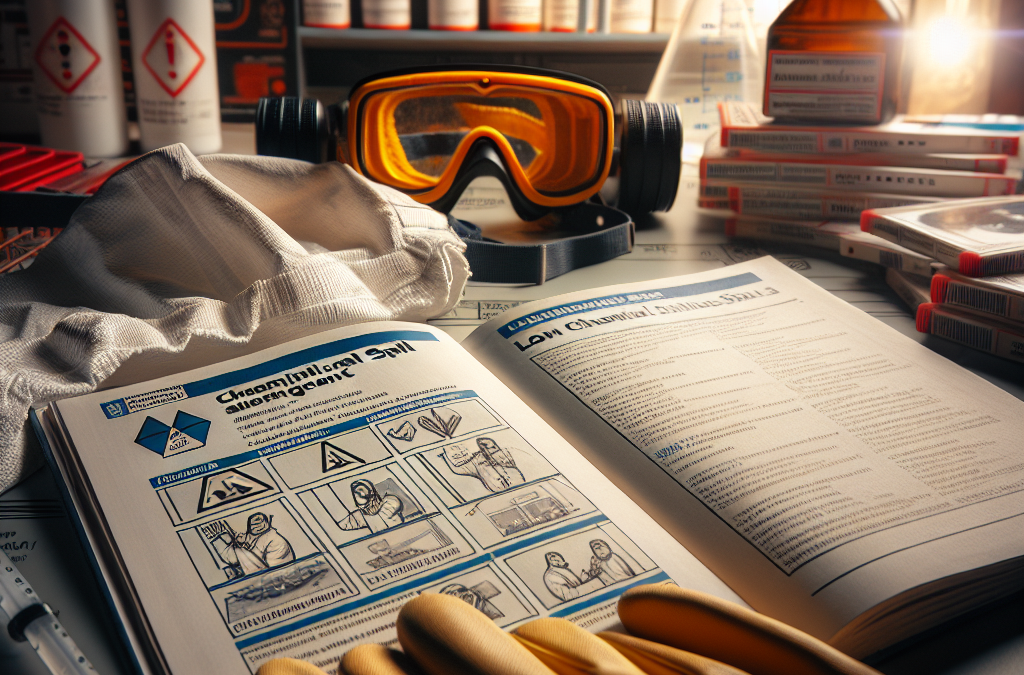
Understanding the danger levels is crucial. Some chemicals can be benign, while others might emit toxic fumes or pose fire hazards. Always check the material safety data sheets (MSDS) if they’re available. These sheets break down the risks and necessary precautions.
Personal Safety First
Assessing Your Environment
Before you even think about cleaning up that mess, you need to make sure your space is safe. Look for any signs of danger—fumes, unusual sounds, or even a strong smell. You should evaluate whether you can handle it alone or if you need to call for help. There’s no shame in asking for assistance!
Last summer, I was at a friend’s garage when a container burst and spilled all over. I remember feeling anxious, and instead of diving in, I took a step back to assess the surroundings. By doing so, I noticed some fumes hanging in the air and quickly made a mental note to get everyone away from that area.
Don’t underestimate the environment. Sometimes, just separating yourself and gathering the right tools can change the game. Planning your moves is essential for everyone’s safety, including yours. Wearing proper protective gear isn’t a fashion statement; it’s self-preservation!
Containment Measures
Act Fast to Prevent Spread
Once you’ve ensured your personal safety, it’s time to think about containment. Always have materials like spill kits handy—trust me, having these around is a lifesaver! They usually come equipped with absorbent pads and containment barriers that can help in a pinch.
I learned this the hard way during a small workshop where someone knocked over a container of paint. We scrambled for rags, but it was way too late, and we ended up with a mess that spread like wildfire. Just having a proper spill kit would have made life sooo much easier.
Also, if you’re working with liquids, remember to build a perimeter with absorbent materials. This helps contain the mess and prevents it from seeping into drains or other areas where it shouldn’t go. Quick thinking can save you from bigger headaches down the line!
Cleanup Techniques
Choosing the Right Cleanup Supplies
When it comes to cleanup, using the right materials is vital. Don’t just grab whatever’s lying around! Choose absorbent pads designed for the specific type of spill you’re dealing with. For example, oil spills require different cleaning agents than chemical spills do.
Thinking back, I remember tackling that bleach I spilled. I initially thought paper towels would do the job, but boy was I wrong! It spread and caused more harm. So, always keep specialty supplies on hand tailored to different kinds of spills.
Also, I’d recommend double-bagging any contaminated materials before you toss them out. You want to contain anything that could leak in the trash! It’s about being thorough and taking those extra steps to maintain safety.
Post-Cleanup Safety Precautions
Disposing of Waste Safely
The cleanup might be done, but your job isn’t over yet. Knowing how to properly dispose of hazardous waste is key. Always follow local regulations on chemical disposal; it varies from place to place. After all, we don’t want to make someone else’s job harder!
There was that time I was unsure about how to get rid of leftover paint thinner after a project. I Googled it, and thankfully found a local hazardous waste drop-off site. Weirdly satisfying to know that I did the right thing by not just throwing it in the regular trash.
Also, following up on the cleanup area is super important. Check for any lingering residues or smells after you think you’re done. Nothing beats that satisfying feeling of getting everything back to normal while keeping safety as a priority.
FAQ
1. What should I do immediately after a chemical spill?
The first thing to do is to ensure your safety. Evacuate anyone nearby and assess the situation. Use protective gear if necessary and check for any signs of danger, then start containment if it’s safe to do so.
2. Where can I find safety data sheets for chemicals?
Most manufacturers provide safety data sheets (SDS) on their websites. You can also find them through online databases and industry resources.
3. How can I prevent spills in the future?
Organizing your workspace and ensuring all containers are properly sealed can help. Regular training on safe handling procedures is also a solid prevention method.
4. What type of spill kit should I have?
Your spill kit should be tailored to the types of chemicals you use most frequently. Look for options that include absorbent materials, gloves, goggles, and bags for waste disposal.
5. Is it necessary to report all spills?
Depending on the severity and the type of chemical, yes. Reporting can help with monitoring and ensuring the safety of others, as well as prevent future incidents.
by Preparation Call Editorial Team | Jul 31, 2025 | Preparedness
Understanding Basic Hygiene Practices
Cleanliness is Key
Let’s start with the basics because, honestly, you can’t go wrong here. Teaching my family about cleanliness has been my go-to strategy. Simple habits like washing hands can make all the difference in avoiding common illnesses. I always remind my kids to wash their hands before meals and after playing outside.
You’d be amazed at how just a few seconds of handwashing can help to fend off the nasties. Make it fun! I turn it into a little song, and now they know to scrub for 20 seconds. Clean hands equal less sickness, period.
Also, don’t forget to keep surfaces clean. I keep disinfecting wipes around the house, especially in high-touch areas like doorknobs and the kitchen. You’d be surprised how fast germs can spread if we let our guards down.
Healthy Eating Habits
Nurturing a healthy diet is another defense mechanism I swear by. I’ve found that food is not just fuel; it’s our frontline defense against diseases. With that, I try to prepare meals that include plenty of fruits and vegetables. They’re packed with vitamins and minerals essential for keeping our immune systems strong.
I’ve also turned grocery shopping into a fun family outing. We explore the produce section together, picking colorful veggies and fruits. This not only teaches them about nutrition but also encourages healthy eating habits that’ll stick with them.
Let’s not forget hydration! Drinking enough water is crucial for overall health. I’ve set reminders on my phone, and now we have a little water challenge going in our household. It’s important that they understand what a good diet can do for their body’s defenses.
Staying Active Together
Physical activity isn’t just for fun; it’s vital for our health. I try to be a role model by getting everyone up and moving. Whether it’s biking, hiking, or just a simple walk around the neighborhood, staying active helps boost our immune systems.
I find that involving the whole family keeps it enjoyable. We’ve started weekend game days, which includes some serious physical challenges. Trust me, you’ll find laughter and exercise can go hand-in-hand!
Exercise isn’t only about being fit. It’s about reducing stress and maintaining overall well-being. I remember a period of time when we focused more on couch time rather than workout time, and it made us all feel sluggish. Now, we prioritize our activity levels, and it’s been a game changer.
Staying Informed About Health Risks
Educating Ourselves
One key to protecting my family is staying informed. I regularly check reliable health resources. Knowledge is power, right? When I learned about the flu season and the importance of vaccinations, I made it a priority to educate my family about it as well.
Discussing health topics around the dinner table has helped demystify a lot of concerns. I encourage my family members to ask questions so they can express their thoughts and fears regarding health issues. This dialogue opens the door to education.
Part of being informed also means knowing your family’s medical history. I’ve found that understanding hereditary conditions helps us take proactive steps in our health management. On family days, we even talk about our health backgrounds and what we can do to mitigate risks.
Regular Health Check-ups
I can’t stress enough the importance of regular check-ups. We schedule annual visits with our doctor for comprehensive health assessments. It may not be the most thrilling way to spend a Saturday, but it’s essential to catch potential health issues before they become serious.
Sometimes we stack appointments together to make it more fun. I plan little rewards after our visits to keep spirits high. Plus, I’ve noticed that my kids model this behavior and are now more open about seeking help when they need it.
Checking in with our healthcare provider is a way to communicate health changes too. It’s not just about looking at charts; it’s about being proactive about our health as a family, and I think that unity strengthens our protective measures against diseases.
Staying Updated on Vaccinations
Let’s chat about the big “V” word: vaccinations. Keeping all of our shots up-to-date is crucial in protecting against various diseases. I make it a point to research vaccinations for both children and adults, and I talk openly about it with family and friends.
When it’s time for vaccines, I treat it like a family event. I’ve found that a little bit of fun and distraction can ease anxiety. Plus, we always follow up with a small treat afterward to celebrate being proactive about our health.
Being informed about what vaccines are out there and when they are recommended has helped me take charge of this aspect of our health. It gives me peace of mind knowing I’m taking steps to safeguard my family’s well-being.
Promoting Mental Health Awareness
Creating an Open Environment
Health isn’t just physical; mental health is super important too. I’ve learned that creating a supportive environment where family members feel free to share their thoughts can’t be overlooked. Sometimes the stresses of life can take a toll, and we need to be there for each other.
Regular family check-ins about how everyone is feeling have become part of our routine. Kids have worries just like adults, and I want my family to know they can come to me with anything. Listening openly has strengthened our bonds.
We’ve also incorporated mindfulness activities like yoga and meditation at home. I love joining my kids in simple breathing exercises, making them feel relaxed and focused. It teaches us ways to cope with stress together and reduces anxiety about health issues.
Promoting Emotional Expression
I firmly believe that allowing emotional expression is crucial. I encourage my kids to share their feelings, whether they’re happy, sad, or worried. Allowing space for those feelings fosters resilience in handling challenges.
One fun way we’ve done this is through art. Crafting sessions become our emotional outlet, where we draw or paint what we’re feeling. It’s an engaging way to express emotions without the pressure of words sometimes.
Recognizing signs of emotional distress in each other has also been key. When one person is off, we all rally around that individual to provide support. It’s a beautiful thing to see openness thrive in our home.
Seeking Professional Help
If things ever feel overwhelming, I remind my family that seeking professional help is a sign of strength, not weakness. I have always been transparent about my own experiences and have chosen therapy sessions when needed. It’s important that we break the stigma surrounding mental health.
I guide my family to understand it’s okay to ask for help, whether it’s talking to a therapist, a guidance counselor, or even a trusted friend. Connecting with the right resources can be life-changing and strengthens our family unit.
In the end, we want to ensure that both our physical and mental health are thriving. That balance is important, and as a family, we are committed to supporting each other through thick and thin.
Practicing Preparedness
Creating a Family Emergency Plan
No one wants to think of emergencies, but trust me, being prepared can save a lot of heartache. I’ve established a family emergency plan that we review together. This includes what to do in case of illness, natural disasters, or any other emergency situations.
We even practice our plan with drills (yes, they can be fun!). Simulations allow everyone to understand their roles and to feel confident if the real deal ever happens. We’ve made it seem like a game, so it doesn’t feel burdensome.
With kids, it’s important to keep things light yet informative. Knowing where our first aid kit is and what it contains has been essential. Teaching them basic first aid skills has empowered my kids to be proactive in emergencies.
Stocking Up on Essentials
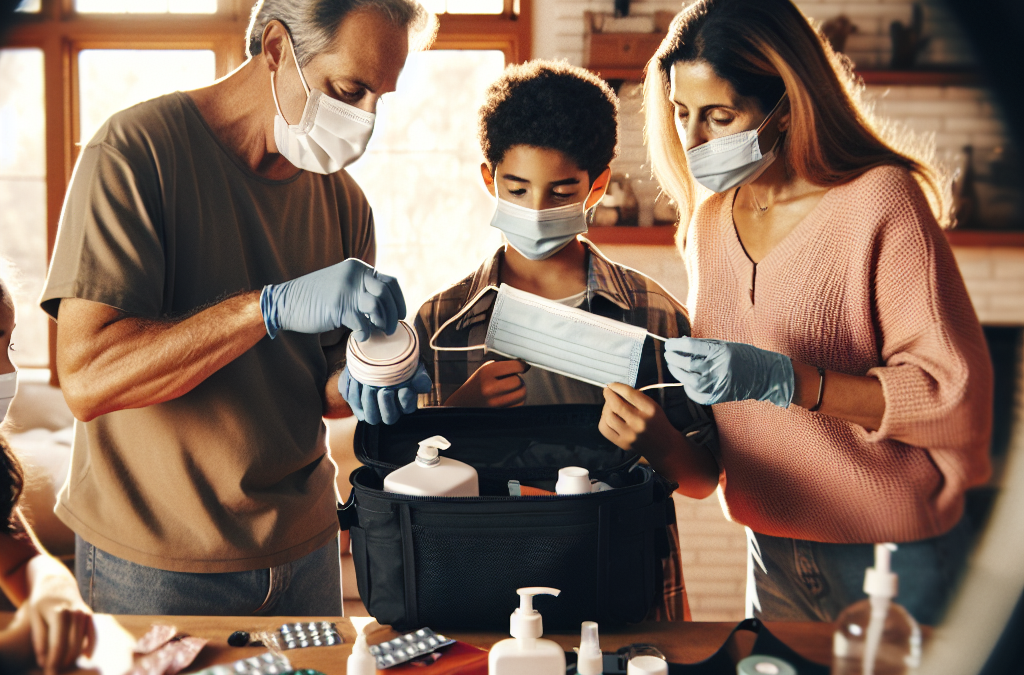
Alongside our emergency plan, I keep a well-stocked supply of essentials. This includes medications, first aid supplies, non-perishable foods, and hygiene products. Trust me, being caught without these items during a crisis is no fun.
We even have a rotation system where my family takes turns checking expiry dates of our supplies. This teaches responsibility and ensures we’re always ready. Plus, we’ve made it a habit to build these supplies into our monthly budget.
I encourage you to personalize your supplies based on your family’s needs. Knowing I have what I need in a pinch brings me peace of mind, and I want my family to feel secure, knowing we’re ready for whatever comes our way.
Regularly Reviewing Emergency Plans
This one might seem obvious, but it’s worth repeating: regularly review and test your preparedness plans. We sit down at least every six months to discuss our family emergency strategies. It keeps it fresh in our minds.
Having open discussions allows my family to voice any concerns or questions they have. Together, we can confirm that everyone knows how to evacuate, and that we have transportation arranged if needed. When they know what to do, they feel safer.
I truly believe being proactive is the best prevention. It generates a sense of safety and responsibility within our family, reinforcing the idea that we can navigate challenges together no matter what happens.
FAQ
1. What are the most important hygiene practices to teach my family?
Start with handwashing, maintaining clean surfaces, and practicing good food hygiene. These habits lay a strong foundation for preventing the spread of germs.
2. How can I encourage my family to eat healthier?
Make it a group effort! Involve them in grocery shopping and meal prep, and offer diverse but delicious options. Lead by example by enjoying nutritious foods yourself.
3. Why are regular health check-ups necessary?
Regular check-ups help detect potential health issues early. They serve as a preventive measure for our overall health and well-being.
4. How can I promote mental health within my family?
Create an open environment for communication, encourage emotional expression, and seek professional help when needed. Mental health should be approached with the same seriousness as physical health.
5. What should be included in a family emergency plan?
Your plan should outline procedures for various emergencies, contact information, a location to meet, and basic supplies. It’s essential to review and rehearse it regularly.
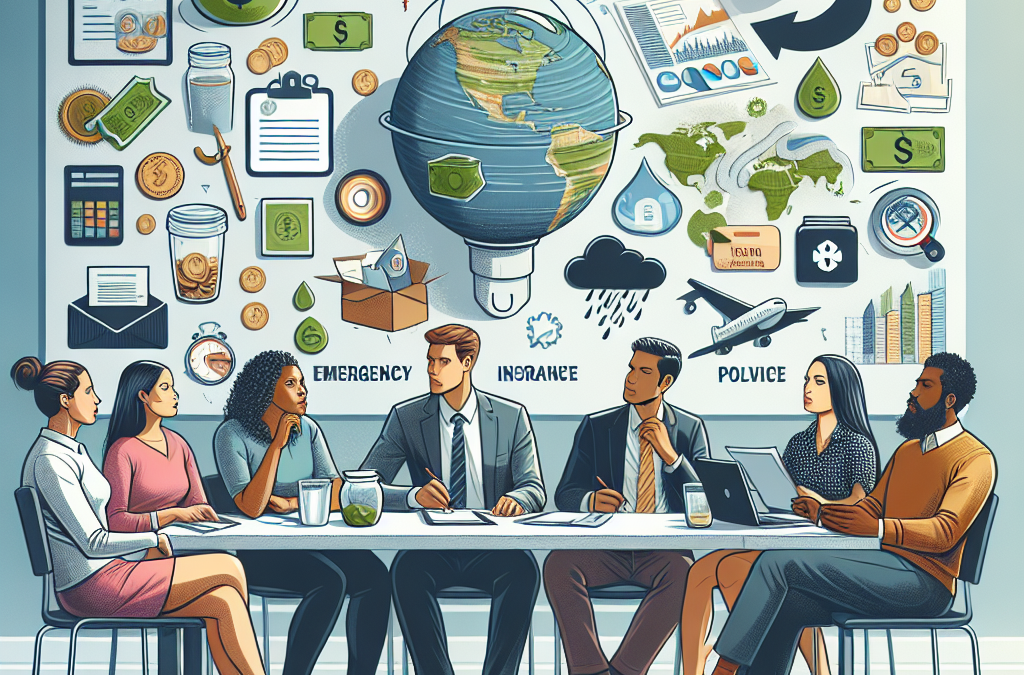
by Preparation Call Editorial Team | Jul 31, 2025 | Preparedness
Understand Your Risks
Assessing Your Location
When I think about preparing for natural disasters, the first thing that jumps to my mind is understanding the risks associated with where I live. I mean, not all regions are created equal. For instance, if you’re in hurricane territory, you’ll need to have a different approach than someone living in a place prone to wildfires or earthquakes. I remember when I first moved to a coastal town, I did a bit of research to see which hazards were common. Trust me, it paid off!
Take some time to look up historical data on natural disasters in your area. This includes looking at past events and their impacts. Familiarizing yourself with scenarios that could affect you not only prepares you mentally but also financially. Knowing what hazards are likely to strike allows you to allocate resources wisely.
Lastly, don’t forget to take into account potential changes due to climate change. What was safe yesterday might not be safe tomorrow. So, keep your ears to the ground and stay informed about shifts in weather patterns that could affect your risk assessment.
Insurance Considerations
Alright, let’s talk insurance. This can be a bit of a headache, but it’s crucial. Properly insuring your home and belongings is one of the best ways to prepare yourself financially for natural disasters. When I first got home insurance, I’ll admit I didn’t read the fine print. Big mistake! Make sure you understand what is covered and what is excluded.
Sometimes, standard homeowner insurance doesn’t cover certain natural disasters, like floods. So, look into separate policies if needed. Check into federal programs like the National Flood Insurance Program to see if that’s right for you. Trust me, you don’t want to be frantically browsing insurance policies after a disaster hits!
Also, consider the value of your belongings. Conducting a home inventory might seem tedious, but it’s invaluable. Having a detailed list of your possessions will ease the claims process, ensuring you get back on your feet faster when disaster strikes.
Emergency Funds
Having an emergency fund is something I can’t stress enough. When a natural disaster hits, the last thing you want to worry about is whether you have enough savings to get through it. Ideally, your emergency fund should cover at least three to six months’ worth of expenses. Imagine losing power or being displaced—having that cushion would make life a lot easier.
Stashing away cash isn’t just smart; it provides peace of mind. I set up a separate savings account just for disasters, and honestly, it feels great knowing it’s there for a rainy day—or in my case, a snowstorm! Consider auto-depositing a small amount from your paycheck if you’re not great at saving on your own.
Lastly, keep that emergency fund accessible. It’s tempting to invest in stocks or high-yield accounts, but when disaster strikes, you want that money easy to get to. Think of it as your financial safety net, ready to catch you when you fall.
Document Everything
Keeping Important Records Safe
This is where I have learned my lesson the hard way. Maintaining a thorough documentation system can be a lifesaver after a disaster. I recommend making digital copies of important documents like your insurance policies, property deeds, and even your medical records. Trust me; you don’t want to be racing against time to find them after something has gone down.
Cloud storage is your best friend here. I store copies of my important records on a secure cloud service, so I can access them anywhere, even if I’m not at home. In addition, consider keeping a physical copy in a waterproof safe—just in case the internet’s down!
In summary, don’t forget to share critical information with loved ones. Having a designated person who knows where your information is stored and how to access it can be beneficial if you’re separated during a disaster.
Creating a Family Plan
Having an emergency plan is something I’ve come to realize is absolutely essential. Start by having family meetings where you discuss what to do if a disaster strikes. Cover things like where to meet up, how to communicate if the phones are out, and who to contact. I can tell you from experience, a little prep goes a long way.
Make sure everyone knows their roles and responsibilities. Whether it’s grabbing the emergency backpack or ensuring the pets are safe, each family member should have a job. I remember discussing this with my family and how grateful I was to find out that everyone felt empowered to contribute to our safety.
Once you’ve established your plan, practice it! Go through drills for different types of emergencies. The more familiar everyone is with the plan, the calmer you’ll all be when a disaster actually happens. Practice makes perfect, right?
Community Resources
Community can be a massive resource during a disaster. Get to know local organizations, emergency services, and community groups that play a role during emergencies. I’ve attended several community meetings, and they’ve helped me not only understand my local resources but also foster a sense of belonging.
Joining local social media groups can keep you updated on immediate needs and resources during a disaster. I can’t tell you how many times I’ve seen or benefited from neighbors helping each other out with shelter and supplies. It’s heartwarming and reinforces the importance of looking out for one another.
Lastly, consider volunteering with your local Red Cross or other organizations. Not only does it prepare you for problems, but you also get to meet people who are equally committed to making the community stronger. Plus, you’d be amazed at how much knowledge you’ll gain from those experiences!
Stay Informed
Monitoring Weather and Alerts
In today’s age, there are countless ways to stay updated on potential threats. I’ve invested in a weather radio that alerts me for severe weather warnings. It’s made all the difference! Whether it’s hurricanes, tornadoes, or floods, knowing what’s coming can save you time and stress.
Don’t just rely on one source. Use multiple platforms—social media, local news, and weather apps—to stay informed. I’ve found that combining these helps me get a clearer picture of what to expect. Always remember that information is power, and being prepared means being informed!
Lastly, sign up for emergency alerts from your local government. They often send notifications about shelters, evacuations, and vital updates during disasters. I keep my phone handy with notifications turned on. The peace of mind it brings is totally worth it.
Community Preparedness Initiatives
Look into community preparedness initiatives that your local government or organizations may offer. These usually come with great resources and tips on how to prepare personally and at the community level. I found it not only helpful but also inspiring to see my neighbors actively participating in making our neighborhood stronger.
You can often take part in workshops, training sessions, or simulations that many organizations host to raise awareness about disaster preparedness. The knowledge gained from these is not only useful but can become a shared experience to bond over within your neighborhood.
Once you’re involved, spread the word! Encourage friends and family to get on board! You’d be surprised how many people are willing to step up and help each other out when they feel informed and included.
Staying Educated on New Procedures
Lastly, keep educating yourself! New protocols and recommendations are frequently updated as we learn more about disaster preparedness. I make it a point to dedicate some time to read up on the latest safety guidelines and best practices. Following credible resources, such as FEMA, can keep you on top of new information.
Attend local workshops or online webinars that dive deeper into specific natural disasters or preparedness techniques. The knowledge will ultimately empower you. I like to consider myself a disaster prep enthusiast now, and it’s been a journey of continuous learning.
Inviting friends to join these classes or workshops not only helps them but also creates a support network. You can hold each other accountable and share tips to improve your overall preparedness. It’s more enjoyable tackling these subjects together!
FAQ
What should I do first to prepare financially for a natural disaster?
Your first step should be assessing the specific risks associated with your location. Understanding the common natural disasters in your area allows you to tailor your preparation and financial planning accordingly.
How can I effectively manage my insurance policies?
Start by reviewing and understanding the coverage of your homeowner’s insurance. Make sure you include any specific policies needed for natural disasters common in your area, like flood or earthquake insurance, and keep a detailed inventory of your belongings.
How much should I save in my emergency fund?
Ideally, aim for at least three to six months’ worth of expenses in your emergency fund. This safety net will help you cover costs if you’re faced with displacement or unexpected expenses due to a disaster.
What kind of records should I keep for emergencies?
Keeping a digital and physical copy of important documents, like your insurance policies, medical records, and property deeds, is vital. Ensure these copies are stored safely, preferably with cloud access and in a waterproof safe.
How do I get my community involved in preparedness efforts?
Encourage participation by sharing resources, organizing community meetings, and volunteering with local emergency organizations. Help create a supportive network where everyone feels empowered to prepare together.