by Preparation Call Editorial Team | Jul 31, 2025 | Preparedness
Stay Connected with Loved Ones
Make Regular Calls and Video Chats
One of the best ways I manage my anxiety is by keeping in touch with friends and family. Regular calls or even video chats can be a game-changer. It’s so easy to feel isolated during stressful times. Just picking up the phone can brighten my day. I’ve found that seeing familiar faces—even through a screen—provides some sort of comfort that makes the uncertainty feel a tad more manageable.
During one particularly anxious week, I set up a weekly video hangout with a group of friends. We played games, shared stories, and honestly just laughed at how life was throwing curveballs at us. It’s incredible what a little connection can do to lift your mood. You realize you’re not alone in these feelings, and that can be a relief.
So, don’t wait around! Schedule those calls or get a group together for a virtual hangout. Life gets hectic, but if you prioritize these moments of connection, you’ll start to notice a shift in your perspective. It’s a little reminder that there are people who care, even amidst the chaos.
Join Group Activities
When times get tough, it’s easy to retreat into our shells. For me, joining a group activity was a fantastic step forward. Whether it’s a book club, yoga class, or even an online forum, engaging with others who share similar interests can ease the sense of anxiety. I attended an online cooking class once, and it wasn’t just about making new recipes; it was about the camaraderie that came with it!
Think about what you love to do. There are communities for everything these days! Meeting people who share your interests helps to create bonds and can often lead to lasting friendships. Plus, it distracts from whatever might have you feeling anxious. Every time I fire up that group chat after our meet-up, I feel a rush of joy.
So, jump into an activity that speaks to you! The beautiful part is that you’ll not only be learning something new, but you’ll also be forming connections that could help you through these uncertain times. And who knows? You might even find a new lifelong friend along the way!
Share Your Feelings
I can’t tell you how empowering it is to just speak openly about what’s weighing on your mind. Talking to someone, whether it’s a friend or a professional, really helps lift that heavy cloud of anxiety. I remember one day I decided to share my fears with a close friend. It felt risky at first, but once I did, it was like a weight had been lifted.
Sharing doesn’t mean you have to spill every detail, but just expressing how you feel can provide a sense of relief. It lets you know that others are there for you. Sometimes they might even relate and share their experiences, making it feel like we’re not alone—like we’re all in this together. What a comforting thought, right?
And if you need more support, seeking out a therapist can be a transformative step. I’ve done this personally, and that safe space to talk about my feelings has been priceless. It’s okay to ask for help. Everyone has their struggles, and finding someone who listens with compassion can make all the difference.
Establish a Routine
Set Daily Goals
Having a routine has always anchored me, especially when everything else feels unpredictable. Each night, I jot down three things I want to achieve the next day. It could be as simple as going for a walk, reading a book, or tackling a work project. These small, achievable goals give me a clear direction and a sense of purpose, even on tough days.
Sometimes, having a well-defined structure helps stave off those anxious feelings that come from feeling lost. There’s something satisfying about crossing things off my list. It’s like a little victory every time! Plus, it steers my mind away from worrying about what’s outside my control.
So, give it a try! Start small, and see how setting daily goals grounds you. You might be surprised by how much better you feel watching your accomplishments build up day by day. Routines may seem mundane, but they can also bring a sense of joy and control back into your life.
Practice Mindfulness
If you haven’t tried mindfulness yet, I can’t recommend it enough. It has been a total game changer for me. Taking time each day to meditate or practice deep breathing exercises calms my racing mind. When facing uncertainty, I find being present in the moment to be a lifesaver.
Mindfulness teaches us to acknowledge our feelings without judgment, and that alone can ease anxiety. I often use apps for guided meditation, and that really helps me focus. Plus, you only need a few minutes to start seeing the benefits. Just breathe, focus on your breath, and allow your thoughts to come and go.
So, carve out a little “me” time daily. Whether it’s meditating, taking a nature walk, or simply sipping tea in silence, give yourself the opportunity to recharge. It’s like hitting a reset button for my brain, and boy, does it feel good!
Create a Supportive Environment
My environment plays a massive role in how I feel. When I’ve got clutter and chaos around me, my mind tends to spiral with anxiety. Making my space cozy and uplifting helps shift my energy in a positive way. I prioritize decluttering and decorating to create an environment that feels safe and calming.
Adding plants, soft lighting, or a favorite blanket can make a space feel warm and inviting. I set up a little corner of my home just for relaxation—a comfy chair, some books, and a candle. Whenever I sit down there, it’s like my own mini sanctuary. It reminds me to take a breath and simply be.
So, take a moment to assess your space. Are there changes you could make to foster positivity? Creating a supportive environment can be incredibly soothing during troubled times.
Limit Media Exposure
Choose What You Consume
In today’s world, we are bombarded with news 24/7, and honestly, it can be overwhelming. I’ve learned the hard way that constantly checking the news only fuels my anxiety. Now, I consciously limit my media consumption. I designate specific times to check in and then step away.
Remember, not all news is beneficial. Sometimes, it’s just the same stories cycling through, adding stress without any solution. Instead, I focus on positive or inspiring stories. These not only uplift my spirit but provide a sense of hope during uncertain times.
So, make the decision for yourself! Choose the news outlets and content that resonates with a positive vibe. It’s up to you to protect your mental space. You deserve to consume content that nourishes your spirit, not weighs it down!
Set Boundaries
This was a tough lesson for me, but setting boundaries with media has been crucial. It’s okay to say no to conversations that dive deep into negativity. Surrounding myself with optimistic, hopeful people has been a game changer. I’ve started to gauge who lifts me up versus who drags me down.
I’ve also talked openly with friends about avoiding heavy topics. Creating that bubble of positivity feels freeing! Setting clear boundaries allows me to manage my emotional health better and reduce that feeling of being overwhelmed.
So, chat with your friends about establishing some boundaries. It can help as a group to recognize what might be triggering and support one another in maintaining a more positive atmosphere. Your mental health is too valuable to compromise!
Engage in Positive Activities
Finding ways to engage in uplifting activities has played a huge role in combating anxiety. Whether it’s picking up a hobby, watching feel-good movies, or volunteering, I strive to immerse myself in positivity. For me, painting has become my creative outlet, a space where I can express myself and forget about worries for a while.
The impact of participating in positive activities is profound. Each time I engage, I’m reminded that there are sources of joy amidst uncertainty. It provides a distraction from the chaos and allows me to pour my energy into something constructive. Plus, it’s fun to learn new skills!
So, explore activities that spark your interest! Dive into something new or revisit old passions. You’ll notice that as you fill your time with joy, there’s less room for anxiety to creep in. It’s all about channeling your energy where it truly counts!
Seek Professional Help
Recognize When You Need Support
There have been times when I realized that my coping strategies weren’t enough, and that’s completely okay! Recognizing that you might need support from a professional can feel daunting, but it’s an excellent step. When anxiety starts to become overwhelming, seeking help doesn’t mean you’re weak; it’s simply a sign of self-awareness and self-care.
It took me a while to accept that therapy was a viable option for me. It’s a space to explore feelings and strategies in a supportive environment, and I’ve learned so much about myself through it. I encourage anyone feeling stuck or excessively anxious to consider chatting with a mental health professional.
So, don’t shy away from seeking help. Your mental wellness is a priority, and sometimes, a little guidance can make all the difference. We all need a little help at times, and there’s strength in that acknowledgment.
Explore Treatment Options
There’s a world of treatment options out there! Sometimes, therapy alone isn’t enough, and that’s where additional resources can help. I learned about different forms of therapy, from cognitive-behavioral to holistic approaches. Each offers unique benefits that might resonate with you differently, and addressing anxiety in various ways can lead to more successful outcomes.
There are also medications available that can support mental health. Speaking openly with a healthcare provider about any options available is essential. It’s about finding what works for YOU. I’ve personally met people whose lives changed positively after exploring various treatments, and it’s heartening to know that relief is achievable.
So, don’t hesitate to do some research or ask for guidance from professionals! You deserve to explore every avenue that can help reclaim your peace and happiness in uncertain times.
Follow Up
After starting on a treatment path, following up regularly is crucial. This isn’t just about seeking help; it’s about maintaining and adjusting to ensure you’re on the right course. I like to schedule regular check-ins with my therapist to discuss what’s working and what isn’t. It’s important for us to communicate our needs and what we’re experiencing.
Adjusting the approach, whether that means trying new strategies or reassessing treatment methods, can elevate our journey toward managing anxiety. Reflection can lead to an incredible amount of growth and understanding.
So, don’t hesitate to reach out for continued support. Checking in with a therapist or support group helps create space for ongoing healing and learning. You’re taking steps in your mental health journey, and every follow-up counts!
Frequently Asked Questions
1. How can staying connected with loved ones help reduce anxiety?
Staying connected provides emotional support and reassurance during tough times. It helps reduce feelings of isolation and reminds you that others share similar experiences, which can be incredibly comforting.
2. Why is establishing a routine important for managing anxiety?
Having a routine creates structure in your day, helping reduce feelings of chaos and uncertainty. It allows you to focus on small, achievable goals, which can boost your sense of control and accomplishment.
3. What are the benefits of seeking professional help for anxiety?
Professional help provides a safe space to explore your feelings and learn coping strategies tailored to your needs. It can also offer insight into underlying issues contributing to anxiety, making it a valuable step toward healing.
4. How can mindfulness practices impact anxiety levels?
Mindfulness practices, like meditation and deep breathing, help you focus on the present moment, reducing overwhelming feelings of worry. They can promote relaxation and a greater understanding of your thoughts and emotions.
5. Is it okay to limit media consumption during anxious times?
Absolutely! Limiting media exposure allows you to protect your mental health by reducing the intake of negative or overwhelming information. It’s okay to prioritize your emotional well-being over constant news updates.

by Preparation Call Editorial Team | Jul 31, 2025 | Preparedness
Understand Your Body’s Needs
Recognizing Signs of Dehydration
First off, it’s crucial to understand how your body signals that it needs water. You might experience common symptoms like dry mouth, fatigue, or headaches. These can be sneaky signs that you’re running low on hydration, especially when water access is scarce.
As I’ve experienced, dehydration can sneak up on you, especially during hot weather or after intense physical activity. Don’t wait until you’re extremely thirsty to think about your hydration, because by that time, you may already be dehydrated.
Pay attention to your urine! If it’s dark yellow or amber, that’s your body hollering for more H2O. And trust me, being mindful of these signals can help prevent nasty headaches or fatigue that can be debilitating.
Calculate Your Water Requirements
It can also be helpful to understand your daily water requirements. On average, adults need about 2 to 3 liters a day, but this varies based on activity levels and environmental conditions. When water sources are limited, being strategic about this is essential.
I usually take into account my activities for the day. If I’m hiking in the heat, I know I’ll need more water. Tracking my water intake through apps or even just keeping a mental note has been a lifesaver. It helps me ensure I’m drinking enough, especially when access to water isn’t guaranteed.
It’s also a good idea to adjust your intake based on your body’s signals and your personal habits. If I’ve been sweating a lot or feeling especially thirsty, I make it a point to drink more, even if it means rationing my current water supply.
Adapt to Your Environment
Your environment plays a key role in your hydration needs. I’ve learned that when I’m out in the sun for long periods, staying in the shade or taking a breather helps manage my hydration without guzzling all my water at once.
On colder days, I often find myself less thirsty, but that doesn’t mean I should ignore my hydration. I make it a habit to sip regularly, even when I’m not feeling parched. It’s like muscle memory after a while—once you get into the habit, it becomes second nature.
So, when you’re out in nature or in a dry environment, remember to tweak your hydration strategy according to what your body requires. Trust me, your future self will thank you for it when you’re not feeling sluggish!
Utilize Alternative Hydration Sources
Incorporate High-Water Content Foods
One of my favorite tricks for staying hydrated without drowning in water is loading up on fruits and vegetables with high water content. Items like cucumbers, watermelon, and oranges not only help deliciously quench my thirst but also provide essential nutrients.
I often make smoothies or salads packed with these ingredients as a refreshing way to hydrate. It’s like multi-tasking for your body; you’re not just drinking water—you’re getting vitamins and minerals at the same time.
During times when water is limited, I try to have a stash of these snacks available. If I know I’m going to be in a place with little access to clean water, having these foods ensures I’m still fueling my body properly.
Explore Hydration Options Beyond Water
Have you ever thought about alternative hydration sources like herbal teas or electrolyte drinks? I’ve found that these options not only taste great but can also provide added benefits, especially when I’m sweating a lot or feeling drained.
You’d be surprised how a nice cup of herbal tea can perk me up, or how coconut water can replenish my electrolytes when fresh water is scarce. It’s all about being inventive and trying things out to see what works best for you.
Just remember to check labels on ready-to-drink options, as they can be loaded with sugar. Look for natural, low-sugar options if you’re going this route to keep it healthy and hydrating without any weird aftershocks.
Carry Portable Water Sources
When I venture out, I always carry a reusable water bottle with a built-in filter. This small addition has been a game-changer for me, allowing me to drink from streams or refill at public fountains with peace of mind.
If you don’t have a water filter, carrying purification tablets can also come in handy. In situations where I’m unsure about water quality, these tablets enable me to make ordinary water safe to drink, which is super comforting when I’m outdoors.
So, make sure to prepare yourself ahead of time before heading out by packing these essentials. It’s all about being ready and making the most of what’s available!
Monitor Your Hydration Regularly
Set Reminders to Drink Water
One simple, yet incredibly effective tip I personally rely on is setting reminders on my phone to drink water. Sure, it sounds a bit anxious at first, but trust me, it’s easy to forget to hydrate when caught up in daily activities.
What I’ve started doing is setting an alarm every couple of hours to remind myself to drink. When the alarm goes off, I simply knock back some water. It’s become part of my routine, and I bet it could work for you too!
Over time, I’ve found that this habit not only keeps my energy up but greatly reduces the chances of that dreaded dehydration headache later on. The key is consistency!
Track Your Intake
There are amazing apps and fitness trackers available nowadays that can help you monitor your water intake. I’ve played around with several and found them to be quite motivating. Seeing my daily hydration levels has encouraged me to make better choices!
By logging what I drink, I’ve gained insight into my habits and see that I often underestimate my daily needs. This awareness helps me adjust and prevent those moments when I realize I’m way behind on hydration.
If tech isn’t your jam, keeping a notepad might do the trick too. It could be as simple as marking down every glass of water you drink throughout the day. Just figure out what works best for you!
Assess Hydration Effects on Performance
All in all, I’ve noticed how maintaining good hydration directly impacts my performance, whether exercising or at work. When dehydrated, I become sluggish and struggle to concentrate. It’s all about feeling good and functioning at my best.
When I’m well-hydrated, my energy levels soar, and tasks feel more manageable. I complete my workouts without feeling wiped afterward, and I promise, a clear mind makes all the difference in productivity.
So, pay close attention to how your body responds to your hydration habits. I guarantee it’ll motivate you to stay on top of your water game when you notice how so much better you feel each day!
Make a Plan for Emergencies
Create Your Hydration Strategy
Life throws curveballs all the time! I always make it a priority to have a hydration strategy ready for emergencies. If I’m going somewhere that might lack water sources, I mentally create a game plan on how to manage my intake effectively.
This strategy might involve figuring out how much water to bring along, identifying potential water sources, and setting reminders to hydrate. Planning ahead saves me a lot of stress when water is running low. It makes those situations less scary because I have backup plans!
Always remember: Preparation is key. If I’m heading into the wilderness, I’ll know exactly how to ration my water while drinking enough to stay functional. This approach has been a lifesaver more than once!
Know How to Purify Water
If you find yourself in a pinch, knowing how to purify water can be an invaluable skill. I’ve learned various methods, from boiling water to using filtration systems or solar purification, depending on the situation.
Carrying small water purification tablets can also be a game-changer for me, especially when traveling. I can fill up from a creek or tap and turn untrustworthy sources into something safe to drink. It feels empowering to have these skills in my back pocket!
Prepare yourself by practicing these methods beforehand. Test out purification tablets at home to get comfortable with them. This knowledge could be invaluable when you find yourself in an unexpected scenario!
Share Your Strategy with Others
Lastly, don’t forget to share your hydration strategies with friends or family. I find that discussing what works for me encourages others to take their hydration seriously as well. We reinforce each other’s good habits!
Maybe plan hikes or outdoor activities together where water management can be a joint effort, swapping tips and tricks. It’s super reassuring knowing we’re all on the same page and supporting each other in staying hydrated.
Who knows? You might even learn something new from them that you can incorporate into your routine. Always keep that line of communication open; it makes for a supportive community!
FAQs
What are some signs I might be dehydrated?
Common signs include dry mouth, fatigue, dark yellow urine, and headaches. It’s crucial to tune into these signals before they escalate.
How much water should I drink if water sources are limited?
The general recommendation is to aim for about 2 to 3 liters daily, but adjust based on activity levels and weather conditions.
What foods can help with hydration?
Fruits and vegetables with high water content, like cucumbers, watermelon, and oranges, are fantastic options to boost hydration.
What are some alternative hydration sources besides water?
Herbal teas, coconut water, and low-sugar electrolyte drinks are great alternatives worth considering when water is limited.
Why is it important to monitor hydration?
Regularly monitoring your intake ensures you’re meeting your hydration needs and helps you maintain energy levels for daily activities.

by Preparation Call Editorial Team | Jul 31, 2025 | Preparedness
Hey there, fellow adventurers! If you’ve ever found yourself wandering in the great outdoors, you know how crucial navigation can be. I’m here to share my personal take on how to use a map and compass effectively. This isn’t just theory—I’ve learned this stuff through plenty of trial and error out on the trails. So grab your gear, and let’s dive into it!
Understanding Your Map
Types of Maps
When it comes to maps, it’s like a candy shop—you’ve got plenty of options! There are topographic maps, which show elevation changes, and road maps, which are more about the streets and highways. I personally lean towards the topographic maps when I’m trekking, as they can give you a lot of insight into what lies ahead—like hills, rivers, and valleys.
Another favorite of mine is the trail map. These are specific to hiking trails and often include important information, like distances, estimated times, and difficulty levels. It’s just super helpful to know what you’re getting into when you’re heading out!
In summary, don’t underestimate the digital maps available on your phone. While I always carry a physical map for backup, tech can really help me plan routes before I hit the trails.
Map Symbols and Legends
Next up, let’s chat symbols. Every map has a legend, which is basically a key that explains what those little icons mean. Trust me; getting familiar with them will save you some headaches later! From marking trails to indicating water sources, these symbols are your best friends when navigating.
It’s a bit like learning a new language—at first, it feels overwhelming, but with time, it becomes second nature. Make sure to spend some time studying the legend and get to know the symbols; it’ll pay off when you’re out there.
I often find that while I’m studying the map, it also helps me visualize my route, making the journey feel more immersive and exciting. So, don’t rush this part!
Plotting Your Route
The most thrilling part, in my opinion, is plotting your route. It’s like creating a mini-adventure! Once you have an idea of where you want to go, use a pencil to mark your waypoints onto the map. I love to do this before I head out so I can have a clear picture when I’m in the field.
But don’t forget to factor in your pace, the terrain, and any potential obstacles. These elements can impact your travel time more than you might think! I’ve learned to allow for a little extra time during unexpected situations—it’s all part of the adventure.
Lastly, remember to set realistic expectations. Just because you can see a straight line on the map doesn’t mean it’ll be a walk in the park!
Using Your Compass
Parts of a Compass
Just like any tool, understanding your compass is key. Familiarize yourself with its parts—the needle, the baseplate, and the bezel. The needle always points north, and getting to know how it interacts with your map is crucial.
For instance, the baseplate often has a ruler on it, which can help you measure distances. Meanwhile, the bezel is rotational, allowing you to set bearings. I’ve found that by playing around with my compass, it becomes a lot less intimidating!
So take a few moments to hold your compass in your hand, spin it, and practice. A bit of hands-on experience will go a long way in building your confidence before hitting the trails.
Taking Bearings
Okay, now we’re getting into some nitty-gritty stuff! Taking bearings with your compass is like getting a cheat code for navigation. To do this, hold the compass flat in your palm and rotate your body until the needle lines up with the north marking on the compass. Voilà, that’s your bearing!
Once you have your bearing, you can align it with your map. Find a feature on the map you can see in the real world and use that landmark to stay on course. Honestly, it’s super satisfying, like putting together a puzzle.
And remember, practicing this skill will help you a ton when you’re out in nature. I can’t stress enough how much confidence it builds to know you’re heading in the right direction!
Following a Bearing
Now that you’ve taken a bearing, how do you follow it? Picture this: You’re on a trail with beautiful scenery but you need to steer in a specific direction. It’s easy! Focus on a fixed point in the distance that aligns with your bearing and walk towards it.
But here’s a friendly reminder—keep checking your map and compass so you don’t veer off course. I’ve had my moments where I got a bit too engrossed in the views and strayed off! It’s all part of the adventure, but constant checking helps keep your path clear.
As you move, make sure to adjust as needed. If there’s a big obstacle, like a lake or steep hill, don’t hesitate to recalculate your bearing. Flexibility is a big part of navigation!
Improving Your Skills
Practice, Practice, Practice
Just like any skill, the more you practice using your map and compass, the better you get. I make it a point to go on mini-adventures to test my skills. Whether it’s in the local park or the wild mountains, I always have my map and compass on hand.
Even just setting out to find specific landmarks can help. Each outing reinforces your skills and teaches you new tricks. It’s all about building muscle memory!
And hey, do it with friends! It’s a shared learning experience that can make it even more fun. Plus, they might have some cool tips to share!
Joining Navigation Groups
Another great way to improve is by joining navigation or hiking groups. Sharing experiences with like-minded folks is super valuable. Not only do you get to learn from more experienced navigators, but you also get to hear stories that make your own journeys feel more alive.
From workshops to group hikes, there are plenty of opportunities to sharpen your skills. I’ve made some amazing friends through these groups, and it definitely adds to the adventure!
Plus, discussing techniques and experiences opens up a world of tips that can enhance your navigation skills in ways you never expected!
Reflecting on Your Adventures
Lastly, don’t forget to reflect on your adventures! After each trip, I take some time to jot down what went well and what didn’t. Reflecting on these experiences really helps me learn from my mistakes and celebrate my wins.
Did I miss a bearing? What would I do differently next time? This reflection has helped me grow so much as a navigator, and I highly recommend it!
So grab your journal and start keeping track—you’ll thank yourself later!
FAQ
1. Do I really need a physical map if I have a smartphone?
Yes! Technology can fail, especially in remote areas. Always carry a physical map as a backup.
2. What if my compass isn’t pointing north?
Make sure you’re holding it flat and away from metal objects. Sometimes magnetic interference can mess with your compass. If it still doesn’t work, try another compass.
3. How do I stay oriented on a longer trek?
Regularly check your map and compass, and look for landmarks as you travel—they’re great indicators of your position!
4. Is it difficult to learn navigation skills?
It might feel daunting at first, but with practice, it becomes intuitive! Just take your time and enjoy the learning process.
5. Can I use a compass at night?
Absolutely! Just make sure you have a light source to see your compass and map. Night navigation can be magical!
So there you have it! With a bit of practice and patience, you can become confident in using a map and compass for navigation. Get out there, explore, and most importantly, have fun!
by Preparation Call Editorial Team | Jul 31, 2025 | Preparedness
Staying Calm Under Pressure
The Importance of Composure
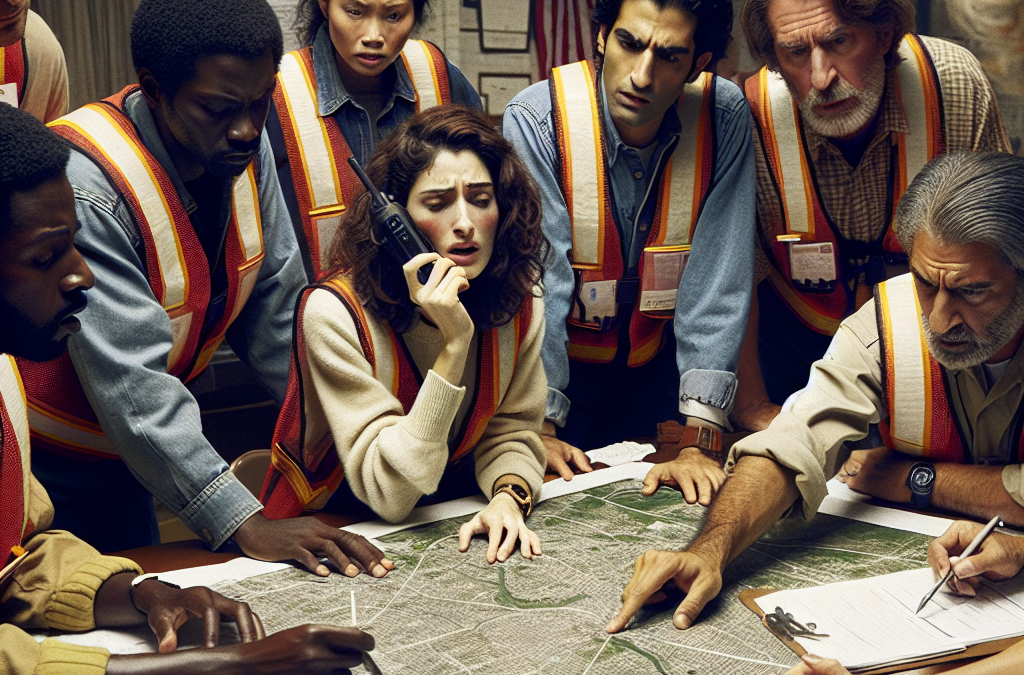
First things first, when disaster strikes, the chaos around us can be overwhelming. From my experience, one of the biggest assets you can have is calmness. A level-headed approach not only helps you think clearly but also reassures those around you. People tend to look to a leader during a crisis; if you’re composed, they’ll be too.
Why does it matter? Well, in my past experiences with emergencies, I’ve found that panic spreads like wildfire. If I could maintain my calm, it not only allowed me to make better decisions but also helped others to regain their own composure. So, take a deep breath and remind yourself that you can handle this.
Practice exercises like visualization or meditation beforehand so that when the real deal goes down, you’ll instinctively know how to stay calm. Trust me, your voice and demeanor will have a ripple effect in those stressful moments.
Clear Communication
When you’re in a tight spot, getting your point across is absolutely critical. What I’ve learned is that you must be concise and straightforward. This isn’t the time for long-winded explanations or jargon; keep it simple. For example, instead of saying, “We need to ensure that everyone evacuates in an orderly manner,” you might say, “Everyone, please exit the building quickly and calmly!”
Additionally, using clear, direct language reduces misunderstandings. I’ve seen how easily misinterpretations can happen in tense situations—one misplaced word can change everything. Avoid complex phrases; it helps people react quickly, which in turn might save lives.
Another point I can’t stress enough is the tone of your voice. Maintain a steady, firm but friendly tone; it encourages loyalty and trust. A calm voice amidst chaos serves as an anchor, keeping everyone connected and engaged.
Utilizing Technology
In modern times, technology can be a lifesaver. From my hands-on experience, using social media or emergency response apps can help spread the word faster than traditional methods. I’ve seen firsthand how a simple tweet or text message can alert a community to danger. Make sure you know the platforms available in your area that you can utilize during a crisis.
However, technology isn’t foolproof. It can sometimes fail, especially in natural disasters. So, ensure that you also have a backup plan, like a bullhorn or a group of people to relay messages. The goal is to be repetitive and consistent in your communication, so everyone stays informed.
Moreover, do not forget about the importance of two-way communication. Encourage people to report back any info they gather. This will not only keep everyone informed but also help in responding to evolving situations more effectively.
Being Empathetic
Understanding Emotions
During a crisis, emotions run high, and I can’t stress enough how crucial it is to acknowledge those feelings. When people’s fears are validated, it can drastically change the atmosphere. I learned to listen actively; just letting people vent can sometimes be the best support you can offer them.
Offering reassurance helps a lot. When I’ve provided a comforting presence, it seemed to ease their turmoil. Sometimes, just saying, “I know this is tough. We’ll get through this together,” can provide immense comfort during a disaster.
Being emotionally aware helps in tailoring your communication. If someone is particularly distressed, simple and direct messages might not be enough. I’ve found that a gentle approach can work wonders, showing you care about their wellbeing can open the lines of effective communication.
Encouraging Team Spirit
No one should feel alone during a disaster; that’s something I’ve taken to heart. Promoting a sense of teamwork can empower individuals and create a support network. When I’ve rallied people together, they seemed more willing to act, knowing they weren’t solo in the fight.
Consider organizing small groups where each member has a specific role. This not only spreads responsibilities but also gives people a sense of purpose amidst panic. I’ve seen how this can transform a chaotic environment into a well-oiled machine.
Don’t forget to celebrate the small wins. Whether it’s securing a safe space or assisting someone in need, acknowledging and praising those efforts can uplift spirits and reinforce that team bond, making the tough situation just a bit easier to handle.
Providing Accurate Information
Providing accurate information is absolutely non-negotiable during any disaster. Misinformation can lead to chaos and confusion, so always ensure you’re communicating the facts. From my experience, I’ve seen how misinformation hinders effective response and can even worsen the situation.
Make it a point to verify any information before sharing it, especially concerning resources or evacuation routes. I’ve learned to rely on trusted sources, and it’s truly crucial that everyone is on the same page, especially in a crisis.
Share updates regularly, as things can change rapidly. Keeping communication flowing not only informs everyone but also calms anxieties. Just being proactive really helps to maintain confidence among the group, which is vital for effective disaster management.
Conclusion
Mastering essential communication skills during a disaster isn’t just a nice thing to have; it’s a lifeline. From staying calm and clear to managing technology and emotions, every little detail counts. Remember, effective communication can be the difference between chaos and order, life and death, so take these skills to heart.
FAQ
1. Why is calmness important during a disaster?
Calmness helps to make clear decisions and reassure others around you. A composed demeanor can set a positive tone and help stabilize the situation.
2. How can I ensure clear communication in a crisis?
Use simple, direct language and avoid jargon. Keep messages concise and ensure your tone is steady and reassuring.
3. What role does technology play in disaster communication?
Technology can be used for rapid information sharing, alerts, and updates. However, always have backup plans like face-to-face communication or group relaying.
4. How can empathy enhance communication during emergencies?
Empathy helps you connect with people’s emotions. Acknowledging their feelings fosters trust and can make them more receptive to your messages.
5. What measures can I take to provide accurate information?
Always verify facts before sharing and rely on trusted sources. Providing regular updates keeps everyone informed and helps avoid the spread of misinformation.

by Preparation Call Editorial Team | Jul 31, 2025 | Preparedness
Emergency Radios
What They Are
When the power goes out and cellular networks crash, emergency radios can be a lifesaver. I remember a time during a big storm when my neighborhood was plunged into darkness. I pulled out my trusty emergency radio, which has both AM and FM capabilities. It was my window to the outside world, giving updates on the storm and safety instructions from local authorities.
These handy gadgets don’t just offer weather updates, though. Many models can pick up NOAA weather alerts, so you’ll also be informed about any tornado warnings or flash floods in real-time. Plus, they tend to have solar charging options or hand crank mechanisms, so you’re not stuck without power.
In emergencies, it’s calming to know that I can tune into something reliable. There’s a sense of security that comes with being informed. So, if you’re considering investing in an emergency radio, think about one that combines reliability with additional features, like USB ports for charging your devices!
How to Choose the Right One
Choosing the perfect emergency radio can feel overwhelming. Here’s the deal: consider your primary needs. Will you be needing it mainly for weather updates, or do you want something versatile that can also boost your phone battery? Look for multi-band radios to give you the broadest access.
Durability is another biggie. You want something that can withstand the elements; after all, emergencies can hit hard! I suggest looking for models that claim to be weather-resistant. It’s also a good idea to check the battery life. Some radios come with long-lasting batteries that can outlast a few days of emergencies.
Lastly, read the reviews. Other users can provide insight into how the device performed in real situations. I learned a lot from others regarding usability and sound clarity. Giving it a good read through can help you narrow down your options!
Staying Updated
Having an emergency radio is only part of the equation. The other part is knowing how to use it effectively. When I first got mine, I did a practice run. I sat there, flipped through the channels, and made sure I understood how to get updates during different scenarios.
Be sure to understand how to set alerts. Many emergency radios allow you to save specific channels that will keep you updated on various emergencies. Setting this up in advance takes the stress out when things go south.
Lastly, don’t forget to regularly check the functionality. There’s nothing worse than reaching for a device you’ve saved for a rainy day, only to find its batteries are dead or it’s broken. Make it a routine to check it every few months!
Satellite Phones
Why You Need One
While smartphones are our go-to for communication in daily life, they might fail when you’re off the grid. During my last hiking trip, a friend relied on his satellite phone when our phones couldn’t get a signal anywhere. It was a relief knowing he could contact emergency services if things went sideways.
Satellite phones operate independently of cellular networks and can connect to satellites overhead, which provides coverage almost anywhere. Whether you’re camping in the wilderness or traveling to remote areas, these phones can be invaluable. Just remember, they tend to be pricier than your regular phone, so keep that in mind while making a decision.
Plus, many satellite phone providers offer plans with different features like text messaging and data services. Make sure you understand what you’re getting into before you invest. In emergencies, being able to communicate could make all the difference!
Choosing the Right Provider
Once you’re ready to go with a satellite phone, picking a provider is the next step. Research is key—I turned to online reviews and comparison sites to check coverage maps. Some providers may not cover regions you’ll be visiting, so it’s vital to analyze their service area.
Also, think about the plans they offer. Some are pay-as-you-go, while others might lock you into a contract. Depending on how often you think you’ll need it, one could work better for you than the other.
Ultimately, ask yourself: what will you be using it for? If it’s just emergency calls, you probably don’t need the fanciest model. But if you’re planning on traveling or staying put in a remote area, investing in a high-quality device pays off.
Staying Connected
Using a satellite phone requires a little bit of a learning curve, but it’s worth it. I practiced sending texts and making calls before heading out on my next trip. Knowing how to reach someone quickly if you’re in a tough spot helps ease that panic that can creep in during emergencies.
Additionally, familiarize yourself with the device’s user manual. It can contain useful tips and emergency procedures you might need to remember. Building up that knowledge ahead of time can make emergencies a lot less stressful!
In closing, consider carrying a backup power source for your satellite phone. When you’re out and about, you might find yourself in a situation where charging isn’t an option. Being prepared can mean the difference between staying in touch or being alone when you need help.
Two-Way Radios
Understanding Two-Way Radios
Two-way radios are downright fun, and they can also be practical in emergency situations. During a family camping trip a few years ago, we used them to keep in touch while hiking separately. It added a playful layer to our adventure, but they also served a serious purpose, ensuring we could coordinate in case of emergencies.
These devices come with varying ranges, so depending on how far apart you think you might get, you’ll want to choose accordingly. In most cases, they’re much more reliable than cell phones when it comes to in-the-field communication.
It’s also worth noting that some two-way radios utilize GMRS or FRS frequencies, so be sure to check regulations if you’re outside the country. If you find yourself in a situation where you need to use one of these radios, you’ll want to comply with local laws!
Choosing the Right Model
When selecting a two-way radio, you’ll want to consider the distance you need to cover. I found that while some brands might advertise an impressive range, the actual performance can vary greatly in different environments, like forests or mountains. Always check the actual test results that users report!
Battery life can be a big deal too. Look for radios with good battery conservation features, especially if you expect to be using them extensively. Also, check how easy it is to switch batteries in case you need to replace them on the fly.
I always recommend going with a model that feels comfortable in your hand and is easy to use. In an emergency, you want something that’s straightforward, without a million buttons you have to fiddle with!
Advantages in Emergency Situations
What I love about two-way radios is their immediate connectiveness. Just press a button, and bam—you’re talking to your buddy or family member. There’s no dialing or waiting for a connection like with phones, which can be crucial in urgent situations.
Also, they’re a great option for group communications. Plus, when you’re in a large group, you can coordinate with your friends and family seamlessly without needing everyone to have phone service. It just helps keep everyone on the same page.
Lastly, they’re generally more rugged and portable than smartphones, so if you’re out in the wild, your risk of damage is lower. Toss them in your pack and go! Just don’t forget to establish a communication plan ahead of time.
Signal Flares
When to Use Them
Signal flares are old-school but incredibly effective for getting attention in emergencies. I remember practicing how to use one during wilderness survival training, and it gave me a real sense of confidence knowing I had a last-resort method to signal for help.
They’re particularly useful in situations where you might be lost or needing to draw attention—like if you’re hurt and can’t move easily. The bright colors and smoke can cut through even dense wilderness, signaling your location to rescue teams or passersby.
However, using a signal flare requires some safety precautions. They can be hazardous if not used properly, so always follow instructions carefully and use them in open areas where there’s no fire risk!
Types of Flares
There are generally two types of flares: handheld and aerial. Handheld flares are great for close-up signalling, but they burn out quickly. Aerial flares, on the other hand, can shoot high into the sky, making them visible from miles away.
When I first chose my flares, I opted for both types, since I couldn’t foresee every situation I might land in. This combo has provided flexibility while staying safe when I’m out and about!
Ensure you check the expiration dates and storage of your flares. Over time, they can become less effective, and you don’t want that to be the case when you need them most!
Storing and Handling
Proper storage is critical. I keep my flares in a waterproof bag, ensuring they stay dry and functional whenever I need them. Just storing them in my backpack is a no-go. Having dedicated storage protects them from any bumps or moisture during travel.
Additionally, familiarize yourself with the activation process. During emergencies, your adrenaline will be pumping, and remembering how to use them without a hitch could save valuable moments.
Lastly, be aware of local regulations regarding signal flares. They can be classified differently based on your location, and it’s smart to know what you can and can’t do with them to avoid any issues down the line.
Online Communication Apps
Why They Matter
In this digital age, we can’t overlook the power of online communication apps, especially during emergencies. I have found apps like WhatsApp and Signal to function even when phone lines are down in certain areas, as long as there’s Wi-Fi or a cellular signal available.
The great thing about these apps is the ability to send texts, make calls, and even share locations with friends and family. During a past event, my group used an app to coordinate when we got separated during a festival, and it made a huge difference in keeping us all together.
Moreover, many apps now have built-in features for emergency contact alerts and location sharing, which can be instrumental in a pinch. Just remember, though, that they require connectivity; you need Wi-Fi or a data connection, so always have backup options.
Best Apps for Emergencies
Some popular emergency apps include Zello, which works like a walkie-talkie, and Life360, which provides location sharing for friends and family. I’ve met people who swear by these for large events, providing peace of mind knowing everyone is safe or can be quickly located. Staying connected is practically at our fingertips!
Check if the app has a user-friendly interface—trust me, the last thing you want is to fumble around during an emergency trying to find the “send” button!
Don’t forget to encourage your friends and family to download the same apps! Communication is easier when you’re all working with the same tools. After all, you want to ensure your entire network is on the same page in emergencies.
Limitations to Consider
While these apps are convenient, they come with limitations. For starters, battery life can be a significant factor in emergencies. Phones can drain quickly, especially when you’re in a high-stress situation or if multiple apps are running.
Moreover, if the internet is down (like during a natural disaster), these apps become useless. Again, thank heavens for radios or two-way systems as a backup! Mixing various communication devices ensures you have reliable options.
Be sure to update your apps regularly, too. This can provide you with the most current features and security enhancements, which can prove especially valuable in emergencies where privacy and efficiency are key.
FAQ
1. What is the most reliable communication device during emergencies?
It really depends on your situation, but most people find emergency radios and satellite phones to be the most reliable options because they don’t rely on cellular networks.
2. How often should I check the battery life of my devices?
I recommend checking at least every few months to ensure they’re ready when you need them. After all, nothing is worse than pulling out a dead device during a crisis!
3. Can signal flares be reused?
No, signal flares are one-time-use devices and should be disposed of properly after activation. Always check your local regulations regarding disposal.
4. Are two-way radios legal everywhere?
Most places allow you to use them, but some regions have specific frequencies that require a license. Always check local regulations to avoid issues.
5. Why should I invest in multiple communication devices?
Having a mix provides greater reliability. If one device fails due to power loss or lack of connectivity, you’ll have alternatives to ensure you can stay connected.
by Preparation Call Editorial Team | Jul 31, 2025 | Preparedness
Preparation and Planning
Understanding the Risks
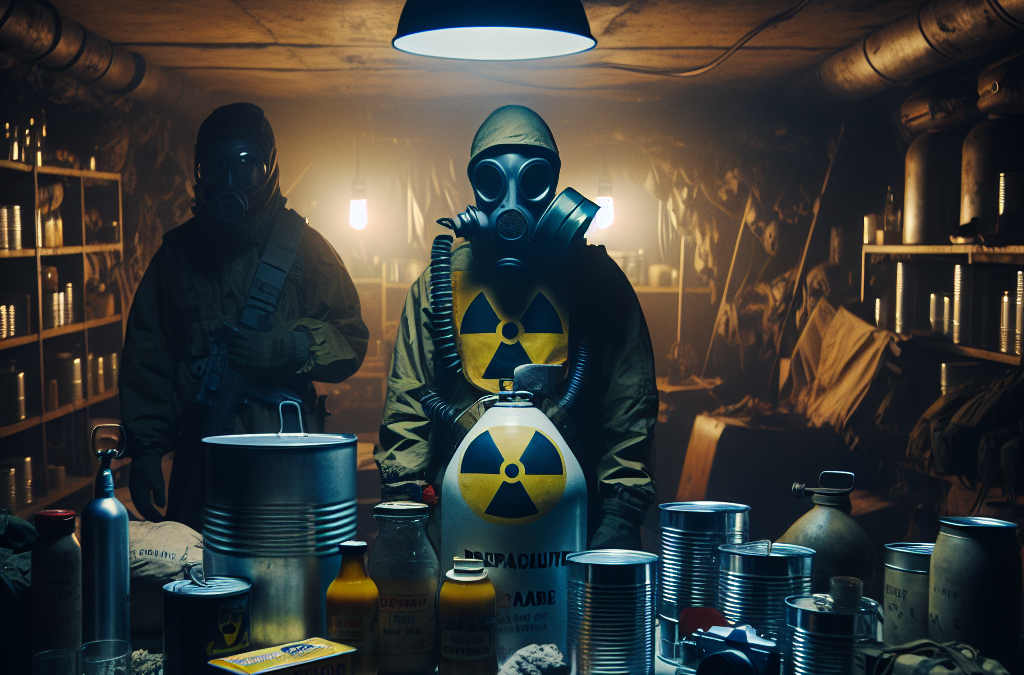
First and foremost, it’s crucial to understand what nuclear fallout is and what risks it carries. Living in a world where geopolitical tensions can escalate rapidly means that preparation is key. I’ve spent a fair bit of time researching nuclear fallout—because you never know when you’ll need that knowledge! Understanding the fallout zones and how radiation behaves is essential. You see, nuclear explosions create a significant number of radioactive particles, which can linger in the atmosphere for quite some time.
Knowing the wind patterns in your area can also be a game-changer. For instance, when a blast occurs, the fallout will likely spread in the direction of the wind. If you live near potential targets, you need to stay informed about local emergency management plans and the proximity of fallout shelters.
Additionally, understanding the differences between sheltering in place versus evacuation is important. Sometimes, staying put, especially in a well-prepared home, can be safer than hitting the road when everyone else is trying to evacuate. Create a plan that considers all potential scenarios, so you’re not left scrambling if an emergency arises.
Building a Comprehensive Emergency Kit
When the talk turns to emergencies, I can’t stress enough the importance of having an emergency kit. You never know when you’ll need that stash of supplies! Your kit should include basics like bottled water, non-perishable food, a flashlight, extra batteries, and of course, a first-aid kit. I’ve found it helpful to have portable chargers and radio devices to stay connected during a crisis.
Moreover, consider adding specific items for radiation exposure. Potassium iodide (KI) tablets can help protect your thyroid from radiation, so it’s worth looking into. Of course, while having these supplies is great, make sure to check their expiration dates periodically—nothing worse than discovering your emergency stash has expired!
Last but not least, don’t forget to include items that suit your family’s specific needs. If you have pets, think about their food and any necessary medications. That’s right, your pets are part of your family too! Tailoring your emergency kit to your unique situation can make a huge difference when the chips are down.
Regular Drills and Training
Preparation isn’t just about having stuff; it’s also about practice. Trust me, scheduling regular drills with your family is super important! When I first started, we practiced evacuating the house and moving to our designated safety area. It felt a little silly at first, but when you’re actually facing a real emergency, you’ll be glad you practiced!
Incorporating basic first aid and survival training can also empower you and your loved ones. Local organizations often offer courses, and there are tons of online resources available too. Being knowledgeable about what to do in an emergency will make you feel more at ease—and that’s priceless. Plus, it’s kind of fun to learn those skills together as a family or with friends!
In closing, don’t forget to include any elderly or differently-abled family members in your drills. It’s crucial that everyone knows the plan and feels capable of following it, no matter their age or ability. The last thing you want is anyone feeling lost or confused when the time to act comes.
Understanding Fallout Shelter Options
Building or Finding a Shelter
So, here’s where it gets a bit more detailed: if you’re serious about preparing for nuclear fallout, consider a shelter. There are multiple options, whether you’re building one from scratch or finding a pre-made one. Building your own fallout shelter can be quite a project—if that’s something you’re into! I watched a bunch of YouTube videos and checked out numerous guides before diving in myself.
For those not quite ready to build, there are various existing structures that can serve as effective shelters, like basements or even community shelters. Familiarize yourself with your local offerings, as they might surprise you. There’s comfort in knowing that a proper shelter can shield you effectively from radiation.
Whatever route you choose, it’s essential to stock the shelter appropriately. I ensured mine was stocked not only with food and water but also with entertainment options! Trust me, you don’t want to go stir crazy in there. So, think books, games, maybe even a portable movie player—whatever keeps the morale up!
Maintaining Your Shelter
Now here’s a crucial point: once you have your shelter set up, maintaining it is key! Over the years, I’ve learned that regular checks are vital to keep your supplies fresh. I like to set a reminder on my phone to do a comprehensive check every few months. That way, I’m always ready for anything.
Ensure that the ventilation system is functional, and that your shelter has no leaks that could allow dangerous particles inside. It’s not just about stockpiling supplies; keeping everything in good order means you won’t face nasty surprises later.
Don’t forget about updating your plans and supplies, too. Your needs may change over time, as your family grows or circumstances shift. Keeping everything up-to-date will save you a whole lot of trouble when that day arrives.
Accessibility and Comfort
Let’s talk about comfort—because let’s face it, if you’re stuck in a shelter for an extended period, you want it to be as cozy as possible. You might want to consider how accessible your shelter is for every family member. Accessibility is essential, particularly for the elderly or those with mobility issues.
Consider adding things like seating, blankets, and even board games or art supplies. When I added a few personal touches to my shelter, it turned it into a space that felt less like a bunker and more like a home. That psychological aspect can really help ease stress in times of uncertainty.
Ultimately, remember that in any emergency, your state of mind matters. Creating a warm and inviting atmosphere can make a world of difference when you’re hunkering down for safety. I like to think of my shelter as our little sanctuary during uncertain times.
Post-Fallout Procedures
Safety First: When to Emerge
After a nuclear event, patience is critical. Knowing when it’s safe to leave your shelter is as important as knowing how to get in it! I’ve often thought about how crucial it is to stay updated with reliable news sources. Most people will be eager to dash outside and assess the situation, but caution is essential!
Listen for announcements regarding radiation levels and when it’s deemed safe by officials to emerge. I advise against sticking your head out when you think it’s clear; that’s where mistakes can happen. Keeping a radio and batteries in your shelter can keep you informed without risking exposure.
In addition, always use protective gear once you do decide to leave your shelter. This is not the time for casual attire; think masks and coveralls to prevent exposure to any lingering particles. Preparation will serve you well, and when you’re prepared, you’ll feel more confident in your decisions!
Assessing the Area
Once you’re outside, you’ll want to survey the area before fully exiting your shelter. Start by checking the condition of your home and surrounding areas, watching out for damaged infrastructure or radiation hotspots. I’ve learned to keep a pair of binoculars handy for this reason; they can really help you safely assess things from a distance.
Look for signs of danger and listen for instructions from emergency personnel. Approaching the situation carefully and making sure to gather reliable information will be your best friend at this stage. This part can get overwhelming, but remember to breathe and take it step by step.
If you plan to return to your home, have a plan for decontamination. This might involve changing clothes, washing up, or even sealing your home if necessary. It might seem overwhelming, but just take it in stride; you’ve prepped for this moment!
Long-term Recovery and Adaptation
Lastly, let’s discuss long-term recovery. After the initial chaos, going back to a sense of normalcy might take time. I’ve found that maintaining a community spirit can be incredibly helpful. Check up on your neighbors, share resources when you can, and help each other adapt during the recovery process.
Your mental health is equally important during this time. It’s natural to feel anxiety about the fallout and what it means for your future. Engaging with family and friends, sharing experiences, and connecting can be a lifeline for anyone feeling isolated.
Lastly, keep an eye on the news for updates or guidance from authorities. Adapting to a new way of life can be challenging, but remember, you’re not alone—many are on this path with you! Tackle it together and rebuild your community with resilience.
Frequently Asked Questions
What should I include in my emergency kit?
Your emergency kit should contain essential items like water, non-perishable food, a flashlight, batteries, a first-aid kit, and, ideally, potassium iodide tablets. Always customize your kit to include items suited for your family and lifestyle.
How do I determine if my shelter is safe?
Listening to information from local authorities will guide you on safety levels. Additionally, checking for radiation levels with a Geiger counter, if available, can help assess your shelter’s conditions.
How can I make my shelter more comfortable?
Adding personal touches like blankets, seating, and entertainment options can make a big difference. You want to create an environment where you feel safe and relaxed during your time inside.
What if I have mobility issues with respect to my shelter?
Make sure your shelter is accessible to all family members. Plan for any special needs based on their abilities and consider investing in items that ease mobility, like ramps or seating options.
How long should I stay in my shelter after the fallout?
The guidance from emergency services is critical here. Stay informed and heed their instructions, as they will provide updates on when it’s safe to emerge.