The most useful shelter location is usually the building’s most central area or basement, away from windows, exterior doors, and the roof. Concrete, brick, packed earth, books, filled water containers, and other dense materials can add shielding between occupants and radioactive fallout. A basement is often a strong option, but a below-ground room is not automatically suitable if it floods, has poor access, contains a furnace hazard, or cannot accommodate the household safely.
Walk through the home and compare rooms rather than selecting the nearest space by habit. In a multi-story house, a basement corner may provide better protection than an upper bedroom. In an apartment, an interior corridor, stairwell-adjacent room, or central bathroom may be preferable to a room with large glass surfaces. The goal is not to create a perfect bunker; it is to increase distance and shielding while keeping people away from contaminated dust.
Prepare the selected room before an incident. Clear a sitting and sleeping area, identify a route to the bathroom, and store supplies where they can be reached without crossing the entire home. Keep a flashlight and shoes nearby because broken glass or debris may make bare feet unsafe. Do not block required exits, ventilation equipment, electrical panels, or fire-safety equipment while adding movable shielding.
Windows deserve special attention. Closing them and exterior doors can reduce the entry of outdoor dust, but ordinary household sealing is not a substitute for official instructions or a purpose-built radiation shelter. Turn off systems that intentionally draw outside air if authorities advise doing so, while avoiding improvised actions that create carbon monoxide or fire hazards. A common mistake is focusing on plastic sheeting and tape while ignoring the room’s location; a well-sealed exterior room may still offer less shielding than an unsealed central room.
Use the Nuclear preparedness checklist for home sheltering to record the chosen room, backup location, household head count, and pet arrangements. Recheck the space when furniture changes, a new family member arrives, or seasonal flooding affects the basement.
Build Supplies for the First Several Days
Supplies should support sheltering without requiring frequent trips outside. Store drinking water, ready-to-eat food, prescribed medicines, sanitation items, lighting, communication equipment, and basic first-aid materials in or near the shelter room. Water deserves priority because people can tolerate a narrow food menu more easily than a prolonged interruption in safe drinking water. Keep containers closed and label them with the date they were filled or purchased.
Choose foods that can be eaten with little or no cooking: canned meals, shelf-stable protein, crackers, cereal, nut or seed products, dried fruit, and infant or medical foods when needed. Include a manual can opener and utensils. A portable stove may be useful later, but using fuel-burning equipment inside a closed shelter can produce deadly carbon monoxide. Food stored in sealed packaging is generally easier to manage than open sacks that can collect dust. Rotate ordinary household foods into the emergency supply so the stock remains familiar and usable.
A practical supply cache may include:
Sealed water and no-cook food, plus a manual can opener.
Prescription medicines, glasses, hearing-aid supplies, and copies of critical medical information.
Battery or hand-crank radio, spare batteries, flashlights, chargers, and a power bank.
Soap, wipes, toilet paper, heavy-duty bags, gloves, and a bucket or alternate toilet arrangement.
Basic clothing, blankets, masks for dust control, and cleaning materials kept for later use.
Sanitation often determines whether a shelter remains workable. If water service fails, toilets may not function, and waste must be isolated from living areas. Plan for children, older adults, pets, and anyone who needs mobility assistance. Pet food, carriers, litter, and waste bags should be stored with the human supplies; pets should not be left outside simply because they cannot understand the warning.
Do not confuse a large stockpile with a usable one. Heavy water containers placed on a high shelf can injure someone during hurried movement, while supplies scattered across several rooms may be inaccessible if one area is contaminated or damaged. Put the highest-priority items in reachable containers and keep an inventory. The home sheltering checklist should show which supplies are inside the room, which are backup items, and which need rotation.
Use Fallout Timing and Information Wisely
Fallout preparedness depends on making a fast indoor move and then resisting unnecessary exposure. If a nuclear detonation or radiation emergency is reported, go inside the nearest sturdy building, move toward its center or basement, and stay there while official information is gathered. People outside the immediate blast area may have more protection from prompt sheltering than from attempting an improvised drive to another location.
Timing creates a difficult judgment call. A person may want to collect relatives, inspect property, or drive away before roads become crowded. Those actions can increase exposure if radioactive dust is present outdoors, and a vehicle offers limited shielding compared with a substantial building. A better pre-event arrangement is to agree on who collects children during normal conditions, which location is the household shelter, and how family members will receive updates. During the event, follow official instructions rather than treating silence or rumors as permission to leave.
Use a battery-powered or hand-crank radio as a primary information source, with charged phones as a supplement. Keep devices quiet to preserve power and write down instructions, times, and confirmed contact information. Social media posts, forwarded messages, and unverified claims may conflict with emergency broadcasts. A household contact outside the affected area can help reduce repeated calls, but that person should not be treated as a substitute for local authorities.
If someone was outdoors, remove the outer layer of clothing carefully and place it away from people and animals; washing exposed skin and hair with soap and water may reduce contamination. Do not scrub harshly or use household bleach on skin. Sealed clothing and bags can be handled according to public-health instructions. Avoid bringing visibly dusty objects into the shelter room when another option exists.
The key mistake is treating a countdown as universally precise. Fallout movement depends on the event, wind, terrain, building conditions, and official measurements. Do not use a generic online timetable to decide that an area is safe. Remain sheltered until credible authorities announce the next action, such as continued sheltering, controlled movement, medical assistance, or evacuation.
Practice Household Actions and Handle Special Needs
A checklist works only when people know how to use it under stress. Conduct a short household drill that identifies the shelter room, demonstrates how to close doors and windows, locates the radio and batteries, and tests whether everyone can reach the room quickly. The exercise should reveal practical failures: a locked interior door, a missing can opener, a medication stored in another building, or a basement that cannot accommodate a wheelchair.
Assign simple responsibilities without making one person the single point of failure. One adult might retrieve the supply container, another might bring medicines and documents, and an older child might guide a pet to the shelter. Everyone should know the backup plan if the primary room is damaged, inaccessible, occupied by smoke, or affected by flooding. A written card can list names, medications, allergies, emergency contacts, and the location of shutoffs, but it should not encourage hazardous utility work during an active emergency.
Medical and accessibility needs require specific preparation. Keep enough routine medication to avoid an immediate interruption when feasible, and ask a pharmacist or clinician about storage requirements. People dependent on powered medical equipment need a documented backup-power arrangement and a plan for safe ventilation. Infants need formula, diapers, and feeding supplies; people with diabetes or other conditions may need temperature-sensitive items that cannot simply be stored in an unmonitored room.
Practice communication without assuming cellular service will remain available. A written meeting point outside the shelter can be useful for ordinary disruptions, but it should not override radiation instructions. If a household member is away, the agreed message should direct them to the nearest sturdy building rather than asking them to cross town. Compare this with a weak plan that says “meet at home”: it may draw someone outdoors when sheltering nearby would be safer.
Pets introduce another constraint. Keep animals indoors, prevent them from tracking dust through the shelter, and store water and food for them. Do not use animal decontamination products on people, and do not release pets outdoors to relieve crowding. The sign of a successful drill is not speed alone; it is whether everyone can perform the essential actions without searching, arguing, or opening the door repeatedly.
Common Sheltering Mistakes and Final Checks
The most damaging preparation errors usually involve misplaced priorities. People may buy a radiation detector while lacking water, medicines, sanitation supplies, or a reliable way to hear instructions. A detector can provide information in some circumstances, but it does not replace shielding, distance, official guidance, or a functioning shelter plan. Likewise, a face covering may limit inhalation of ordinary dust during movement but cannot make an exposed location safe from penetrating radiation.
Review the home for conditions that weaken the plan. Confirm that the shelter room has enough space for the household to sit and sleep, that emergency lighting is reachable, and that stored items are not likely to fall. Check batteries and radio operation periodically. Inspect water containers for leaks and rotate food before quality declines. Make sure every adult can explain where the supply cache is and which room is the backup.
Use this priority order when time and money are limited:
Select the safest available interior or below-ground shelter area.
Store water, medicines, no-cook food, sanitation supplies, lighting, and a radio.
Plan for children, pets, disability, medical equipment, and communication.
Practice moving indoors and reducing exposure to outside dust.
Monitor official instructions and revise the plan after household changes.
Do not spend the preparation budget on elaborate construction before addressing basic access and supplies. A renter may improve readiness with a well-organized room cache and a written household plan, while a homeowner may have more options for structural shielding but still face basement flooding or ventilation issues. The appropriate solution depends on the building, occupants, budget, and local hazards.
For a final review, ask whether a person arriving home after dark could find the shelter room, whether a child could identify the radio, and whether the household could manage waste if water service stopped. Those answers expose weaknesses more clearly than a long shopping list. Revisit the preparedness checklist at least when supplies rotate, household members change, or local emergency guidance is updated.
Frequently Asked Questions
Which room is best for home sheltering?
Choose the most central room or basement area available, with substantial walls above or around it and minimal windows. Avoid rooms directly under the roof or beside exterior walls when a better option exists.
How long should a household stay sheltered?
Stay inside until official authorities provide updated instructions. Do not rely on a fixed internet timetable because fallout conditions vary by location, weather, and the event.
What food belongs in a nuclear shelter supply?
Store sealed, ready-to-eat foods such as canned meals, shelf-stable protein, crackers, cereal, and infant or medical foods as needed. Include water, utensils, and a manual can opener.
What should someone do after being outdoors?
Enter a sturdy building, remove the outer clothing layer carefully, isolate it from people and pets, and wash exposed skin and hair with soap and water. Follow public-health instructions for contaminated items.
Does sealing windows make a room radiation-proof?
No. Closing openings may reduce entry of outdoor dust, but it does not replace shielding from dense building materials or official instructions. Room location and distance from exterior surfaces matter greatly.
Further Reading
Authoritative Sources
Nuclear Explosion ready.gov
Explains immediate actions for getting inside, staying inside, and receiving official updates
Radiation Emergencies cdc.gov
Provides public-health information about sheltering, contamination reduction, and emergency instructions
Radiation Protection Actions epa.gov
Describes protective actions and the role of time, distance, and shielding in radiation safety
Radiological Emergency Preparedness fema.gov
Offers planning information for households and communities preparing for radiological incidents
Conclusion
Effective home sheltering rests on a few decisions made before an emergency: identify the strongest practical interior space, place essential supplies within reach, and rehearse how the household will move indoors and remain informed. Water, medicines, sanitation, lighting, food, and communications deserve attention before specialized equipment. Fallout dust also makes clothing removal and skin washing important for anyone who was outside. Review the plan against real household conditions, including pets, disability, medical devices, children, basement flooding, and unreliable power. Update supplies and contact information when circumstances change. If an incident occurs, enter the nearest sturdy building, follow official broadcasts, and avoid unnecessary travel until authorities explain what comes next.
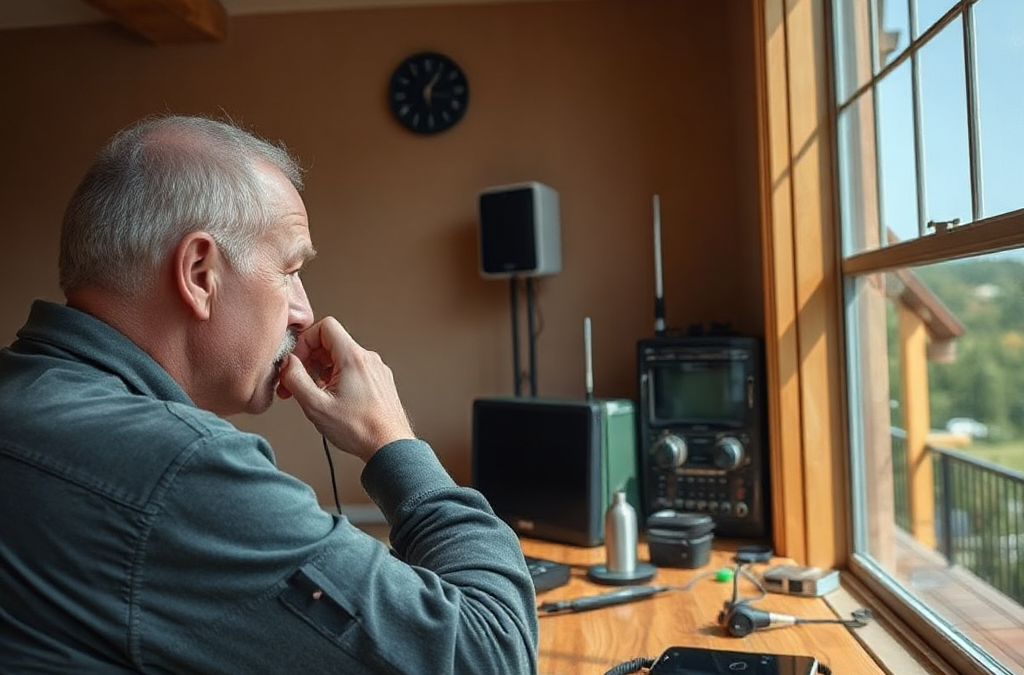
A shielded building reduces radio reception because conductive materials reflect, absorb, or redirect portions of the incoming radio-frequency signal. Steel reinforcement, metal siding, foil-backed insulation, metal roofing, elevator structures, and below-grade concrete can create a much harder path for broadcast energy. The effect is not always uniform: one room may receive understandable audio while another produces noise, fading, or no usable signal.
The building’s electrical environment matters as well. LED drivers, battery chargers, inverters, computer power supplies, ventilation controls, and other electronic equipment may add locally generated interference. That interference can mask a weak station even when the building itself is not completely blocking the signal. A useful test therefore separates two conditions: poor signal strength from outside and noise created inside.
Frequency also changes the result. AM signals may respond strongly to the radio’s orientation and nearby metal, while FM reception can be affected by wall construction, window placement, and reflections that create multipath distortion. Weather-band reception may vary with transmitter distance and terrain. A result from one band should not be treated as proof that every other band will perform similarly.
Begin by identifying the services that actually matter to your household or facility. Record several known local stations rather than relying on one favorite frequency. A station that is loud but carries no relevant information is less useful than a weaker station with dependable local coverage. For broader planning, the same observations can inform testing radio reception from inside a shielded building across normal and contingency conditions.
A Controlled Reception Test That Produces Useful Results
A reliable test changes one variable at a time. Use the same radio, batteries or power source, antenna configuration, tuning mode, and volume for every location. Write down the frequency and location, then rate the result using a simple scale such as clear audio, understandable with noise, intermittent, or unusable. A written record prevents a brief lucky signal from being mistaken for consistent coverage.
Take an outdoor or near-entry reading first when it is safe and practical. That reference shows what the radio can hear before the building alters the signal. Repeat the measurement at the main occupied room, a central interior location, a room beside an exterior wall, and areas near doors or windows. If the structure has more than one floor, include the lowest and highest practical positions. Keep the radio still for long enough to notice fading rather than judging it from a few seconds of audio.
Test at more than one time of day. Local electrical loads can change, and some stations may be easier to receive at certain times because of propagation conditions. The purpose is not to create a laboratory measurement; it is to learn whether reception is stable enough for the intended use. A station that works only when a charger is unplugged may be technically receivable but operationally unreliable.
A compact test record can include:
Station frequency, band, and program identification.
Room, floor, and distance from doors, windows, and metal equipment.
Antenna position, radio orientation, and power source.
Audio clarity, fading, static, hum, and whether speech remains understandable.
Time, weather if relevant, and nearby devices that were switched on or off.
Do not change the radio’s volume to judge signal quality. Volume changes make weak audio seem better without improving reception. Instead, listen for missing syllables, repeated dropouts, distortion, and whether the station can be reacquired after the radio is moved. A second radio can be useful as a comparison, but different receivers and antennas should be documented rather than treated as interchangeable.
Antenna Placement, Building Openings, And Equipment Choices
Antenna placement often produces the largest improvement available without modifying the building. Move a telescoping antenna slowly through different orientations and positions, allowing the receiver to settle at each point. Near a window or exterior door may outperform the geometric center of the room, but that position is not automatically safe or convenient for routine use. Metal frames, security screens, ductwork, and wiring can create sharp differences over a small distance.
For AM reception, rotate the radio itself as well as its internal ferrite-bar antenna. A quarter-turn can reduce interference or strengthen a station. For FM and weather-band signals, the telescoping antenna’s length and angle may matter more. Extending it fully is a reasonable starting point, but not a universal solution; reflections inside a reinforced structure can make a slightly different position work better.
External antennas may help when the building permits an approved installation, but they introduce tradeoffs. A properly installed feed line can bring a signal indoors while keeping the receiver in a convenient location. Long cable runs, poor connectors, damaged coaxial cable, and unsuitable adapters can offset the gain. Routing a cable through an unapproved opening can compromise the building’s shielding, weather resistance, fire separation, or security. Follow the building owner’s requirements and equipment documentation instead of improvising a penetration.
Active or amplified antennas deserve particular caution. An amplifier cannot restore information that the antenna never received, and it may amplify interference or overload the receiver near a strong transmitter. A passive antenna placed well is often a better first experiment. Compare the same station with the radio’s built-in antenna and with the proposed external setup, using identical notes and positions.
Portable radios should be tested with fresh batteries and, where possible, a known-good power adapter. A weak battery can cause distortion or unstable operation that looks like a reception problem. Keep chargers, inverters, and power banks away from the radio during part of the test, then reconnect them to identify noise sources. This practical comparison is more informative than assuming the building alone explains every failure.
Interpreting Results And Correcting Weak Coverage
The useful result is not the strongest isolated signal; it is the location and setup that produce understandable, repeatable audio under realistic conditions. If reception improves near a window but disappears when the window is closed, the opening may be acting as the effective signal path. If moving the radio changes the result dramatically, reflections or local interference are likely involved. If every tested location fails while an outdoor radio works, the structure is probably imposing substantial attenuation.
Separate coverage problems from information problems. A radio may receive a station clearly but still be unsuitable if the station does not serve the relevant area, changes programming, or lacks the information needed for the situation. Test the stations you would actually monitor and write down their identifying details. Mark a dependable room and antenna position so another household member can reproduce the result without repeating the entire investigation.
Common mistakes include testing only beside a window, using automatic scanning as the sole method, overlooking internal electronics, and assuming a digital display means a stable signal. Automatic scanning can skip a weak but usable frequency, while a locked digital readout may remain displayed during unintelligible audio. Evaluate speech or program content directly. When possible, have a second person listen without being told which location is expected to perform better.
Choose the next correction according to the failure pattern:
Noise changes when equipment is unplugged: identify the offending device, increase separation, or test another power arrangement.
Reception improves at one repeatable wall or opening: document that position and consider an approved antenna solution.
Audio fades as the radio is held or moved: investigate orientation, contact with metal, and antenna clearance.
Only one station works: test additional frequencies before deciding the building has adequate coverage.
Do not assume an antenna fix makes every room reliable. A building can contain reception pockets, and a cable may serve one receiver without improving handheld use elsewhere. Recheck the setup after furniture, equipment, generators, or power systems change. The most useful outcome is a repeatable operating procedure: which radio, which station, which room, which antenna position, and which backup location should be used.
A documented location can be paired with a broader reception test record that includes seasonal or time-of-day observations. Keep the notes with the radio rather than on a device that may be unavailable when power or connectivity is limited. Repeating the test periodically reveals whether new electronics or construction changes have altered performance.
Making The Test Useful For Real-World Communication
Reception testing becomes more valuable when it reflects how the radio will actually be used. Practice tuning the selected station from the documented position, adjusting the antenna without losing the signal, and identifying the difference between station audio and electrical noise. If several people may operate the radio, each person should be able to reproduce the setup. A technically excellent result that only one person can find is a weak operational solution.
Plan for degraded conditions rather than a perfect listening environment. Test with the lights on, likely chargers connected, ventilation operating, and any permitted backup power equipment running. Then repeat with those sources off to see what improvement is available. This comparison identifies whether the priority is a different room, a different antenna, a cleaner power source, or simply greater separation from a noisy device.
Keep expectations realistic. Shielding may be intentional and substantial, especially in secure, industrial, underground, or heavily reinforced spaces. A handheld receiver may never perform like an outdoor antenna system. The goal is dependable access to selected information, not maximum signal strength everywhere. A fallback such as a second tested location, another receiver, or an approved external feed can reduce dependence on one fragile arrangement.
For a final check, have someone who did not conduct the original test follow the written instructions. If that person cannot locate the station or distinguish usable speech from static, revise the instructions. The best radio reception testing produces decisions that remain clear when lighting, time, and attention are limited.
For technical background, consult receiver manuals, antenna manufacturer documentation, building-owner requirements, and publications from recognized radio engineering organizations. Those sources can clarify connector limits, antenna installation practices, receiver specifications, and any restrictions on modifying a shielded structure. Use documentation specific to the radio and building rather than relying on a generic signal-strength claim.
Frequently Asked Questions
Can a radio work inside a fully shielded building?
It may, but reception depends on the shielding materials, openings, frequency, transmitter distance, and internal interference. Test actual stations in several locations.
Should the radio be tested near a window?
Yes, as one comparison point. A window may provide a better signal path, but it may not represent reception in the room where the radio will normally be used.
Does an amplifier solve weak indoor reception?
Not necessarily. An amplifier can raise interference and overload the receiver. First test antenna placement, receiver orientation, cable quality, and nearby electronics.
How should reception quality be recorded?
Note the frequency, location, antenna position, time, power source, audio clarity, fading, and nearby devices. Repeat the same test so results can be compared.
Why does moving a radio only a few inches change reception?
Reflections from metal and reinforced surfaces can create small areas of stronger or weaker signal. Orientation and local electrical noise can produce the same effect.
Further Reading
Authoritative Sources
Academy of Nutrition and Dietetics eatright.org
Professional nutrition guidance, healthy eating resources, and practical dietitian-reviewed advice.
U.S. Department of Agriculture usda.gov
Official food, nutrition, agriculture, and consumer guidance from the USDA.
NIH Office of Dietary Supplements ods.od.nih.gov
Research-based fact sheets on nutrients, supplements, dietary intake, and safety considerations.
International Society of Sports Nutrition sportsnutritionsociety.org
Evidence-informed sports nutrition resources and position stands for active people and athletes.
Conclusion
Testing reception inside a shielded building should produce a repeatable operating choice, not merely a momentary indication on a display. Compare an outdoor or entry reference with several indoor locations, record multiple relevant stations, and keep the radio configuration consistent. Pay close attention to antenna orientation, openings, metal surfaces, power supplies, and electronic devices that may generate interference. A passive placement change may be enough, while an external antenna requires approved installation and careful cable evaluation. Mark the most dependable room and a fallback position, then retest after equipment or building changes. Clear notes allow other users to reproduce the result and reveal whether the actual problem is shielding, interference, equipment condition, or an unsuitable station.
Decide Which Instructions Belong in the Household Set
A useful household instruction set contains actions people may need to take quickly, not every piece of information the household owns. The first sorting decision is whether a reader needs the instruction during an urgent event, shortly afterward, or only for routine administration. Putting all three categories into one oversized binder makes urgent material harder to locate and increases the chance that a reader will skip it.
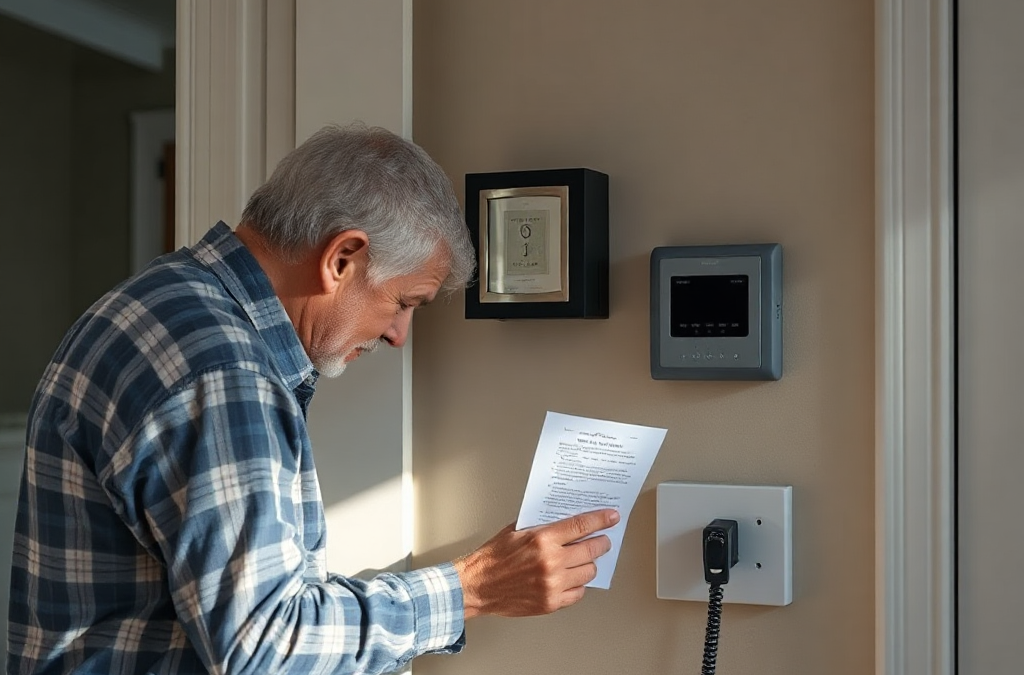
Immediate instructions commonly cover shutting off water, gas, or electricity when appropriate; leaving the home; calling emergency services; responding to a fire alarm; caring for a dependent person; locating medication information; and contacting an agreed-out-of-area person. Recovery instructions might explain where insurance details, landlord contacts, school information, appliance manuals, or copies of identification are stored. Routine material can remain in a separate household records file. Linking this system with storing critical instructions where every household member can find them keeps the central question visible: what does a person need to find and do?
A practical test is to remove any page that does not change a decision or action. “Know the neighborhood evacuation route” is too vague for a critical page. A stronger entry names the destination, the route options, the meeting place, and the person responsible for checking on a particular household member. Likewise, “turn off the utilities” should identify the location of the shutoff, the tool required, and any caution that makes the action inappropriate for an untrained person.
Do not place sensitive information beside general instructions merely for convenience. A page showing how to leave the home can be broadly accessible; a page containing account numbers, alarm codes, or detailed medical information may need restricted storage. The tradeoff is simple: maximum visibility improves speed, while unlimited access can expose private information. Separate public-use emergency actions from confidential records, and tell household members where the restricted material is kept.
A compact priority list
Immediate action: exit routes, meeting locations, emergency contacts, utility locations, and care instructions.
Time-sensitive follow-up: school or workplace contacts, medication lists, insurance contacts, and pet arrangements.
Routine reference: warranties, manuals, maintenance notes, and long-term records.
The common failure is collecting information without assigning it a purpose. Each critical page should answer who acts, what they do, where the item or control is located, and what condition changes the next step.
Choose Locations That Remain Findable Under Stress
The best location is not necessarily the safest-looking storage spot; it is the place a household member will remember and reach without asking for help. A primary copy often belongs in a visible, consistently named location near a normal traffic area, such as a labeled holder by the main exit or a household information station. The exact placement depends on the home, but the location should be fixed rather than moved between rooms.
Use a second physical location when one hazard could make the first inaccessible. For example, instructions stored beside the kitchen may be hard to reach during a kitchen fire, while a copy in a bedroom may be inaccessible if a nighttime evacuation begins elsewhere. A duplicate near an alternate exit, in a vehicle, or with a trusted nearby relative can provide resilience, but too many copies create a different problem: people may not know which version is current. Mark one copy as “Current Home Copy” and date every revision.
Visibility also involves height, lighting, language, and physical reach. A folder inside a high cabinet does not serve a short household member or a person using a mobility aid. Small gray text is difficult during a power outage, and a locked container may be unsuitable for instructions needed by a teenager or overnight caregiver. Place a flashlight or other dependable light source nearby, but do not assume a phone will be charged or connected.
Think through a realistic scenario rather than choosing a location abstractly. If a visitor must help an older adult leave the home, can that visitor recognize the holder? If a child is home with a babysitter, is the meeting place stated in terms the sitter can use? If smoke blocks the usual hallway, does the alternate copy remain reachable? These questions reveal whether a location is genuinely findable or merely tidy.
A digital file can supplement a physical location, but “it is somewhere in the family cloud” is not a retrieval plan. Give the file a distinctive name, place it in a shared folder, and explain how to access it. Avoid relying on a single household member’s phone, email account, or password manager. Digital convenience is useful for remote family members; paper remains valuable when batteries, networks, or authentication are unavailable.
Design Pages People Can Use Without Coaching
Critical instructions should be written for a reader who is hurried, unfamiliar with the home, or upset. Use direct verbs, short steps, ordinary words, and visible labels. “Water shutoff: basement, ceiling pipe beside the furnace” is more useful than “Main valve located in utility area.” If a control requires a special tool, show the tool’s location and add a small photograph or diagram when the image makes identification easier.
Each page should have one clear job. A utility page can identify shutoffs and cautions; an evacuation page can show exits, meeting places, and transportation responsibilities; a care page can list essential needs, allergies, preferred communication methods, and the location of supplies. Combining all of these into a dense narrative forces the reader to extract the relevant action at the worst possible time.
Use consistent page features without making the document visually busy. A strong page normally includes a descriptive heading, the situation that triggers action, numbered steps, a location or contact detail, and a date reviewed. Highlight differences that matter, such as “Do not use the elevator” or “Call the caregiver after reaching the meeting place.” The point is not decoration; it is reducing the number of decisions a reader must make.
Accessibility should be treated as an operating requirement. Provide large enough type, strong contrast, translations where needed, and wording that does not depend on color alone. A household member with hearing loss may need text instructions rather than an assumption that an alarm will be heard. Someone with limited literacy may benefit from photographs, symbols, or a practiced verbal explanation. Children can use a short version with the few actions they are expected to perform, while adults retain technical details.
There is a tradeoff between completeness and speed. A long explanation may prevent a dangerous misunderstanding, but it can bury the action. Put the action first and place explanation afterward. For example: “Leave by the front door. If blocked, use the rear door. Do not return for belongings.” A note about why the route was chosen can follow, but it should not delay the first instruction.
The frequent mistake is writing for the person who already knows the house. Ask someone who did not create the pages to locate the breaker, identify the meeting place, or follow the pet-care direction. Confusion, hesitation, or repeated questions are editing signals, not reader failures.
Maintain Paper and Digital Copies Without Creating Confusion
A storage system stays useful only when its instructions match the household’s current conditions. Changes to door locks, phone numbers, medications, school arrangements, pets, vehicles, or utility equipment can make a formerly accurate page misleading. Set a review point after any household change and conduct a broader check at a regular interval that people can remember.
Review the physical copy first because that is often the version used when time and connectivity are limited. Check that pages are present, legible, dry, and in the marked order. Confirm that the named meeting place still exists and that contact methods work. Test whether the flashlight, spare key, tool, or printed map mentioned by the instructions is actually beside the storage location. A page that directs someone to a missing item is worse than no page because it creates false confidence.
Digital copies need version control. Use one shared master file or folder rather than separate attachments circulating through family messages. Put the review date in the filename or first page, such as “Household Instructions—Reviewed March 2026,” and archive old versions outside the folder used in an urgent situation. If household members download copies, tell them how they will know a newer version exists.
Security deserves separate attention. A publicly visible sheet should not expose passwords, financial credentials, or unnecessary personal identifiers. Use contact names and phone numbers where they are sufficient, and store confidential records in a protected location with an access method that more than one trusted adult understands. A password-protected digital file is not a complete backup if only one person knows the password.
Paper and digital formats serve different failure conditions. Paper is immediately readable and independent of power, but it can be damaged, outdated, or left behind. Digital storage is easy to update and share at a distance, but it depends on a charged device, access credentials, and sometimes a functioning network. Keeping both is usually more robust than treating either format as universally reliable.
Use a small change log for meaningful revisions: date, page changed, reason, and person who checked it. The common failure is updating a phone contact in one place while leaving it unchanged on the refrigerator sheet, cloud file, and caregiver copy. A single master source and a deliberate replacement step reduce that drift.
Test the System With the People Who May Need It
A household instruction system is ready when people can find and use it without the creator narrating every step. A short practice session exposes problems that proofreading cannot. Ask each relevant person to locate the primary copy, identify the alternate exit, state the meeting place, and explain what they would do if the usual route were blocked.
Keep the exercise realistic but controlled. Do not simulate dangerous utility work, smoke, or medical treatment. Instead, use safe prompts: “The power is out and the phone battery is low—where is the paper copy?” or “A sitter is here and needs the contact sequence—what page should they use?” Observe whether the person searches, chooses an outdated duplicate, misreads a symbol, or depends on a locked device.
Different household members need different levels of information. An adult may need to know how to identify a water valve, while a child may only need to leave, go to the meeting place, and tell a trusted adult. A visiting caregiver needs location and contact information, not necessarily every household record. Assigning age- and role-appropriate tasks makes the system easier to remember and avoids giving an untrained person a technical action they should not attempt.
After the practice, revise the pages based on observed behavior. If someone cannot find the holder, improve the label or location. If a step causes hesitation, replace jargon with a photograph or a more precise landmark. If two people give different meeting places, remove the conflicting version immediately. A system that looks organized but produces disagreement has not yet solved the access problem.
Choose a review trigger as well as a calendar date. A move, new baby, change in mobility, new pet, renovation, new caregiver, severe weather season, or change in work schedule should prompt a focused update. This is more reliable than waiting for an annual reminder alone because household instructions become inaccurate through ordinary life changes.
The best next step is modest: create the current home copy, label its location, add a backup, and run one five-minute retrieval test. Expansion can follow after the basic path works. A sophisticated binder, app, or wall display is not an improvement if the people who need it cannot identify the correct version quickly.
Frequently Asked Questions
Where should the main household instruction copy be stored?
Keep it in a fixed, labeled, easy-to-reach location near a common exit or household information area. Choose an alternate location if the primary spot could be blocked by a likely hazard.
Should critical instructions be kept on paper or digitally?
Use both when possible. Paper works during power or connectivity failures, while a shared digital copy is easier to update and provide to people who are away from home.
What information should not be posted openly?
Keep passwords, financial credentials, alarm codes, and unnecessary personal identifiers out of a publicly visible sheet. Store confidential records separately with access instructions for trusted adults.
How often should household instructions be reviewed?
Review them after changes to contacts, locks, medications, pets, mobility, vehicles, or living arrangements, and set a recurring review date so smaller changes are not overlooked.
How can children or visitors use the instructions?
Give them a short, role-specific page with plain language, pictures where useful, the meeting place, and the few actions they are expected to take. Test retrieval with a child or visitor rather than assuming the format is clear.
Further Reading
Authoritative Sources
Academy of Nutrition and Dietetics eatright.org
Professional nutrition guidance, healthy eating resources, and practical dietitian-reviewed advice.
U.S. Department of Agriculture usda.gov
Official food, nutrition, agriculture, and consumer guidance from the USDA.
NIH Office of Dietary Supplements ods.od.nih.gov
Research-based fact sheets on nutrients, supplements, dietary intake, and safety considerations.
International Society of Sports Nutrition sportsnutritionsociety.org
Evidence-informed sports nutrition resources and position stands for active people and athletes.
Conclusion
Reliable household instructions depend on retrieval, not document volume. Separate immediate actions from private records, place the current paper copy where people naturally look, maintain a clearly named digital backup, and write each page around a specific decision. Use precise locations, readable formatting, alternate routes, and role-appropriate directions instead of assuming every reader knows the home as well as its organizer. Review copies after household changes and test them with someone who did not write them. If the person practicing cannot find the right page, identify the right control, or distinguish the current version, change the system rather than blaming the user. Build the simple access path first, then add detail only when it improves a real household decision.
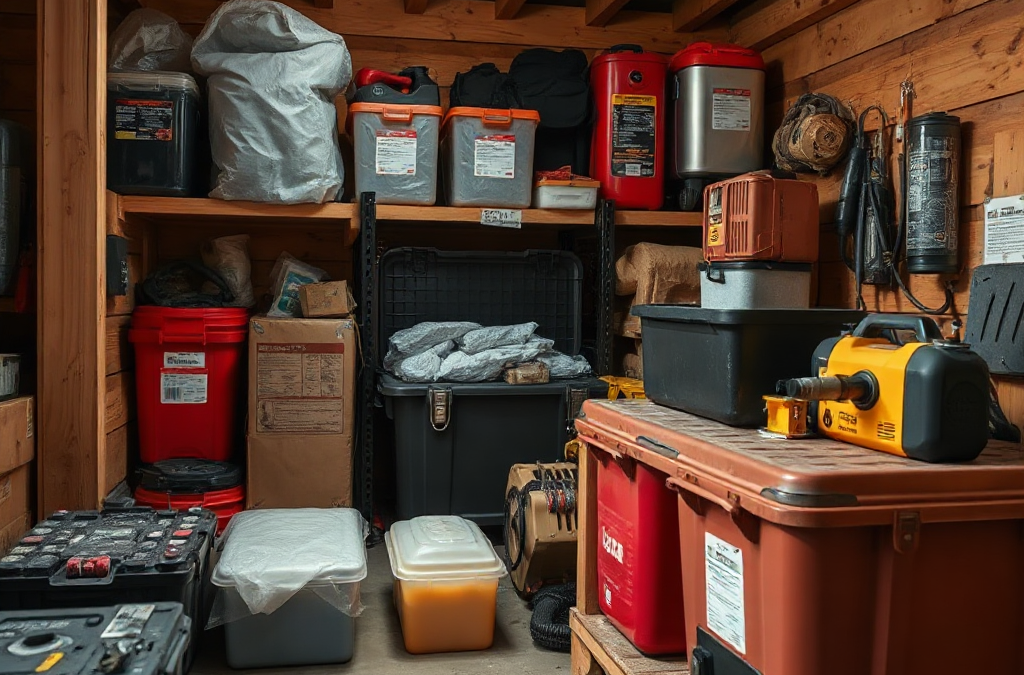
Seasonal storage changes the conditions surrounding preparedness equipment, even when the equipment is not being used. Heat can accelerate battery discharge, degrade plastics, and shorten the useful life of adhesives. Cold can reduce battery performance and make some materials brittle. Humidity encourages corrosion on metal tools, electrical contacts, stove parts, and fasteners, while repeated temperature changes can cause condensation inside sealed cases or containers.
The most useful distinction is between storage damage and use-related wear. A lantern may look clean but fail because a battery leaked onto its contacts. A hand tool may appear serviceable but have surface rust beneath a fabric cover. A water container may remain intact while its cap seal hardens or its stored water reaches its recommended replacement date. These failures are easy to miss when inspection means only opening a tote and checking whether everything is still present.
Storage location matters as much as the container. A basement with periodic dampness, an uninsulated shed, and a climate-controlled closet impose different risks. Garage storage may be convenient for heavy equipment, but fuel, batteries, medications, and temperature-sensitive electronics may require another location. Moving everything indoors is not always practical or necessary; separating vulnerable components from rugged equipment often gives a better result.
A common mistake is treating seasonal maintenance as a single annual chore. A generator, for example, may need fuel-specific attention, periodic operation, oil checks, and manufacturer-directed servicing rather than one visual inspection. Likewise, a first-aid kit can lose usefulness through expired sterile items or dried antiseptic products even though the pouch itself is undamaged. Use the guidance at maintaining preparedness equipment through seasonal storage as a recurring equipment-control task, not a one-time packing event.
A Practical Inspection And Cleaning Sequence
Inspect equipment in the order it would matter during an actual disruption: communication, lighting, water handling, shelter, cooking, tools, and replacement supplies. This order helps a household find high-consequence failures before spending time reorganizing less urgent items. Put the equipment on a clean, dry surface and compare the contents with an inventory rather than relying on memory.
Begin by checking for moisture, odor, corrosion, cracked housings, loose closures, insect activity, and damaged packaging. Open cases and pouches instead of inspecting only their exteriors. Remove dust with a dry or slightly damp cloth when the manufacturer permits it, then allow components to dry fully before repacking. Do not apply oil, solvent, or household cleaner to electrical contacts, rubber seals, water containers, or fuel systems unless the product instructions identify it as suitable.
Testing should match the equipment. A radio should power on and receive a signal; a headlamp should operate through its modes; a water filter should be checked for damaged connections and stored according to its instructions; and a manual can opener should actually engage a test can if that can be done safely. A tool that passes a visual check may still have a seized hinge, flattened gasket, blocked filter, or weak switch.
Use a compact maintenance record with four entries: item, condition, action taken, and next check date. If an item fails, mark it as unavailable rather than returning it to the container with a vague note. The preferred repair may be cleaning, a replacement seal, a fresh battery, or a manufacturer-approved part. Replacement is more sensible when plastic is brittle, corrosion has affected a structural or electrical part, or the item cannot be tested reliably.
Keep: clean, dry, complete equipment that passes a functional test.
Repair: items with a defined, affordable fix and available parts.
Quarantine: leaking, contaminated, fuel-damaged, or uncertain items until safely assessed.
Replace: equipment whose failure could affect water, communication, lighting, or safe cooking.
The weak assumption to avoid is that a sealed plastic bin automatically prevents damage. A bin reduces dust and may limit minor water exposure, but trapped humidity can remain inside it. Drying equipment before closure, using suitable desiccant where appropriate, and avoiding direct contact between metal parts and damp fabric are more useful than adding another outer container.
Batteries, Electronics, And Lighting Equipment
Batteries deserve a separate seasonal check because leakage and self-discharge can damage both the power source and the device. Remove disposable batteries from equipment that will not be used for an extended period unless the manufacturer specifically directs another practice. Store replacement batteries in their original packaging, away from loose metal objects, and check for swelling, corrosion, damaged wrappers, or leakage.
Rechargeable power stations, handheld radios, lanterns, and battery packs need a different approach. Follow the maker’s instructions for storage charge, temperature limits, charging intervals, and transport. Do not assume a power bank is ready because its indicator lights turn on; capacity may be reduced after long storage, and an aging pack may become unsafe. Inspect cables and charging adapters for crushed insulation or bent connectors before energizing the device.
Humidity and condensation create problems at the contact points where batteries, switches, and circuit boards meet. Moving a cold radio into a warm room and powering it immediately can expose internal parts to condensation. Let equipment reach room temperature while protected from direct moisture before testing it. If liquid has entered an electronic device, stop using it and consult the manufacturer’s instructions rather than repeatedly applying power.
Lighting equipment illustrates the difference between storage convenience and readiness. A flashlight with batteries installed is quick to grab, but it carries leakage risk. A flashlight stored empty with spare batteries in a labeled pouch takes slightly longer to deploy but is often easier to maintain. A practical compromise is to keep one frequently checked light assembled and store backup lights without disposable cells. Test brightness, switches, charging ports, and spare bulbs or compatible lamps where those parts apply.
Do not mix old and new disposable batteries, or different chemistries, in the same device. A partially depleted cell can cause uneven performance, and mixed batteries may discharge unpredictably. Keep a record of the battery type required by each device; this prevents a seasonal shopping trip from producing incompatible substitutes. The maintaining preparedness equipment through seasonal storage checklist should identify power sources separately from the devices they serve.
Water, Fuel, Tools, And Consumable Supplies
Water and fuel require different storage decisions, so they should not be managed as one category. Store drinking water in containers intended for that purpose, protected from direct sunlight and damaging temperature extremes, and replace or treat it according to the container maker’s directions and local guidance. Inspect caps, seams, and container surfaces for leaks or deformation. A container that has been exposed to chemicals, strong odors, or uncertain contamination should not be treated as automatically safe because it still holds liquid.
Fuel storage depends on the fuel type, equipment, container, ventilation, and applicable local rules. Use only approved containers and follow the equipment manufacturer’s instructions. Seasonal inspection should look for odor, swelling, corrosion, damaged caps, and evidence of leakage. Never bring fuel containers into living areas, and do not test a fuel-burning appliance in an enclosed space. Fuel that has aged beyond the manufacturer’s recommended interval may produce poor starting, deposits, or unsafe operation; disposal should follow local hazardous-material guidance rather than being poured onto the ground or into a drain.
Hand tools usually tolerate storage better than electronics, but they still need attention. Wipe moisture from metal surfaces, inspect cutting edges and handles, and check that folding tools lock correctly. Light corrosion on a noncritical surface may be addressed according to the tool maker’s instructions, while deep pitting, loose handles, or damaged locking mechanisms justify replacement. A shovel kept in a damp shed may need more frequent inspection than the same shovel stored in a dry utility room.
Consumables should be rotated by use rather than hidden behind newer purchases. Place the earliest expiration dates where they are visible, and record dates for water-treatment products, batteries, chemical light sticks, filters, sterile dressings, sanitation items, and shelf-stable foods. Packaging that is swollen, torn, wet, insect-damaged, or unusually odorous should be removed from service. Expiration dates do not mean every item becomes hazardous at midnight, but they do signal that the maker’s quality, sterility, potency, or performance expectation may no longer apply.
A seasonal reset is also a chance to compare equipment with household needs. A compact stove may suit short outages but be inadequate for a larger household; a high-capacity filter may be useful at home but too heavy for evacuation. Choose replacements based on the scenario, storage environment, and ability to operate the item safely—not merely on advertised capacity.
Labels, Rotation Dates, And The Next Seasonal Check
A reliable storage system makes the next inspection obvious. Label each container with its contents, storage location, last inspection date, and the next action due. Put a short equipment card inside the lid for items with model-specific requirements, such as filter replacement, battery chemistry, fuel type, charging procedure, or cleaning restrictions.
Separate supplies by maintenance behavior rather than by appearance. One container can hold dry hand tools and repair hardware, while another holds electronics and power accessories. Water-treatment supplies, fuels, and food should remain distinct from items that could absorb odors or become contaminated. Keeping a small, frequently accessed kit apart from long-term reserve stock also reduces the chance that routine use will quietly deplete the reserve.
Use the first seasonal inspection to establish priorities. If time is limited, test lights, radios, water-handling equipment, cooking equipment, and any device needed for medical or accessibility reasons. Then address storage conditions, batteries, fuel, and consumable dates. A complete inventory is useful, but a perfect inventory that never tests critical equipment offers less protection than a smaller kit that is known to work.
Compare the next inspection date with the season’s likely hazards. Cold-weather storage may call for attention to freeze exposure, heating equipment, and battery behavior. Warm-weather storage may raise concerns about heat, humidity, pests, and water loss. Severe-weather alerts or an impending move justify an additional check rather than waiting for the calendar.
Failure signs include repeated battery leakage, unexplained corrosion, damp packaging, missing accessories, fuel odor, and equipment that works only intermittently. Those patterns point to a storage-location or maintenance-process problem, not merely bad luck. Move vulnerable items, change the container arrangement, or revise the inspection interval. A written record turns seasonal maintenance into a feedback loop: the equipment’s condition tells you whether the storage method is working.
Frequently Asked Questions
How often should preparedness equipment be inspected?
Inspect equipment at least when seasons change, and check batteries, fuel, water, and frequently used supplies more often when their instructions require it or storage conditions are harsh.
Should batteries be removed from stored emergency devices?
Remove disposable batteries from devices that will sit unused unless the manufacturer says otherwise. Store compatible replacements safely and test the device after installing fresh cells.
What is the best place to store emergency equipment?
Use a dry, accessible location with stable temperatures when possible. Keep fuel, sensitive electronics, medications, and other temperature-sensitive items in locations appropriate to their specific instructions.
Can emergency supplies stay in a sealed plastic bin?
Yes, a suitable bin can reduce dust and minor exposure, but equipment must be dry before packing. A sealed bin can trap humidity and should not be treated as a substitute for inspection.
When should stored preparedness equipment be replaced?
Replace items with structural damage, unsafe leakage, deep corrosion, unreliable operation, expired sterile contents, or no practical manufacturer-approved repair.
Further Reading
Authoritative Sources
Academy of Nutrition and Dietetics eatright.org
Professional nutrition guidance, healthy eating resources, and practical dietitian-reviewed advice.
U.S. Department of Agriculture usda.gov
Official food, nutrition, agriculture, and consumer guidance from the USDA.
NIH Office of Dietary Supplements ods.od.nih.gov
Research-based fact sheets on nutrients, supplements, dietary intake, and safety considerations.
International Society of Sports Nutrition sportsnutritionsociety.org
Evidence-informed sports nutrition resources and position stands for active people and athletes.
Conclusion
Seasonal storage works best as a readiness reset rather than a packing exercise. Inspect the storage environment, clean and dry equipment, test critical functions, isolate batteries and fuel appropriately, and rotate consumables before they become unusable. Prioritize communication, lighting, water handling, cooking, and accessibility-related equipment when time is short. Labels showing the last check and next action make maintenance easier for everyone in the household, while a written record exposes recurring problems such as dampness or battery leakage. Adjust the storage location or inspection frequency when those patterns appear. A modest kit that is complete, tested, and stored according to its materials is more dependable than a larger collection left unchecked through changing temperatures and humidity.
Battery conservation works best when devices are ranked by what happens if they shut down. A phone may provide navigation, alerts, calling, and stored information. A radio may be the only way to receive local instructions or coordinate with people outside normal cellular coverage. A light affects movement, visibility, and the ability to handle equipment safely. Treating all three as equal convenience items encourages waste, especially when a bright light is left running while a phone repeatedly searches for a weak signal.
A useful priority order is communication and urgent information first, navigation second, and comfort or convenience lighting third. That order can change with the setting. A person walking on an unlit road may need a light immediately, while someone sheltering indoors may need to preserve it for nighttime movement. The point is not to follow a fixed ranking blindly; it is to spend stored energy on the consequence with the highest cost if unavailable.
Battery capacity is also affected by the load placed on it. A power bank may appear large on its label, yet conversion losses mean the phone receives less energy than the printed capacity suggests. Cold conditions can temporarily reduce available output, while heat accelerates battery aging. Rechargeable cells that have sat unused for months may show a full indicator and still perform poorly under load.
Before changing settings, make a short inventory. Record each device, its charging connector, its battery type, its approximate runtime, and the task it serves. Mark one phone, radio, or light as the primary unit rather than dividing attention among several partly charged devices. The preserving battery life across phones radios and lights approach is more reliable when it begins with an energy budget rather than a collection of isolated tricks.
Protect: communication, alerts, navigation, and essential illumination.
Reduce: background syncing, unnecessary transmissions, scanning, and excessive brightness.
Replace: high-drain tasks with lower-power alternatives such as text, downloaded maps, or a focused beam.
A common mistake is measuring success by the battery percentage shown on one device. The better measure is whether the complete set can perform its essential jobs when needed. A phone at 40 percent may be less useful than a phone at 25 percent with offline maps, a working cable, and a radio reserved for scheduled listening.
Reduce Phone Drain Without Losing Useful Functions
Phones lose power quickly when their radios, screen, processor, and location services work at the same time. Weak cellular coverage is particularly expensive because the phone may increase transmission effort and search repeatedly for a usable connection. A bright screen, constant location tracking, automatic photo backup, and app notifications can turn a lightly used phone into a continuously active device.
Begin by lowering screen brightness to the lowest level that permits safe reading, then shorten the screen timeout. Dark display settings may reduce consumption on some OLED screens, but they are not a substitute for limiting screen-on time. Download maps, instructions, tickets, contact details, and other necessary material while power and connectivity are available. Offline information prevents repeated searches and allows the phone to remain in airplane mode when a live connection is not needed.
Airplane mode is useful when cellular service is absent or communication is not expected, but it should not be enabled automatically if alerts or incoming calls matter. A practical compromise is to keep the phone offline for most of the period and check for messages at planned intervals. Text messages generally use less active airtime than long voice calls, and one concise message to several people can be more efficient than repeated individual calls. Avoid streaming, social feeds, video playback, and camera use unless they serve a clear operational purpose.
Location services require judgment. Keeping navigation open with the screen illuminated drains power faster than checking a downloaded map, noting the route, and turning the display off. Bluetooth and Wi-Fi can remain useful for a specific connection, but disabling constant device discovery reduces needless activity. Close or restrict apps that refresh content in the background, especially email, cloud storage, weather widgets, and social platforms.
Consider two competing approaches: keeping every feature active for convenience, or stripping the phone to its basic functions. The first offers immediate access but creates unpredictable drain; the second conserves power but may delay alerts or remove useful connections. Scheduled checks provide a middle path. Test the routine at home: leave the phone configured for offline use, send a text during a check window, open the stored map, and confirm that the chosen charger can restore power.
Do not assume a power bank solves poor phone management. If the cable is damaged, the bank is empty, or the phone is used heavily while charging, the reserve may disappear without creating much usable runtime. Keep the phone and power bank out of direct heat, and charge the bank before it reaches storage rather than discovering its condition when the phone is nearly empty. For more planning detail, use the battery-life checklist for phones, radios, and lights as a repeatable inspection rather than a one-time setup.
Extend Two-Way Radio Runtime
Two-way radios consume power in different amounts depending on whether they are receiving, transmitting, scanning, or sitting idle. Transmission usually demands the greatest output, so long conversations and repeated attempts to reach someone can exhaust a small battery quickly. A radio that scans many channels may also use more energy than one monitoring a single agreed channel.
Communication discipline matters more than simply lowering volume. Establish the channel, call sign or name, message format, and check-in time before people separate. Short transmissions reduce airtime and prevent a group from repeating the same information. Instead of holding the transmit button while searching for words, prepare the message first: identify the recipient, state the location, give the request, and release the button. If a person does not answer, wait for the agreed interval before trying again rather than transmitting continuously.
Use the lowest power setting that reliably covers the required distance. High power can help when terrain, buildings, or vegetation weaken the signal, but it is wasteful for two people standing nearby. Test both settings in the actual environment. A low-power signal that works inside a house may fail across a valley; a high-power setting used for every message may provide no practical benefit while consuming more energy.
Keep the radio speaker at a level that can be heard without distortion, and use an earpiece when that reduces repeated listening or avoids waking others. Turn off channel scanning, keypad lights, and confirmation tones when they are not needed. Some models offer voice-activated transmission, but it can trigger from wind, machinery, or conversation and may create both wasted airtime and missed messages. Manual transmission is often more predictable in a quiet operating plan.
Battery type creates a tradeoff. Rechargeable packs are convenient for repeated use and reduce the need to store many disposable cells, while disposable batteries can provide a useful backup when charging is unavailable. Do not mix old and new disposable cells, or different chemistries, in a device unless the manufacturer explicitly permits it. Inspect contacts for corrosion and verify polarity. Carry a tested spare pack or cell set separately so one failed battery does not disable the radio.
The failure mode to avoid is treating a radio as a substitute for a communication procedure. A fully charged unit is of limited value if everyone scans different channels or transmits at random times. A modestly powered radio with agreed check-ins, short messages, and a protected spare battery will often remain useful longer than a high-output unit used casually.
Make Portable Lights Last Longer
Portable lights waste energy when brightness is chosen for appearance instead of the task. Reading a label, walking across a room, checking a circuit panel, and signaling from a distance require different light levels and beam patterns. A narrow beam aimed at the work area can provide useful visibility with less output than a lantern illuminating an entire room.
Use the lowest setting that supports safe movement and accurate work. A headlamp is efficient for hands-on tasks because it follows the user’s line of sight; a fixed lantern is better when several people need broad illumination. Do not use a high-output beam simply because it is available. High modes generate more heat, shorten runtime, and may cause users to adapt poorly to darkness. Red modes can preserve night vision for some tasks, but they are not a replacement for white light when color identification or hazard inspection is required.
Brightness ratings do not tell the whole runtime story. A light may step down automatically as its electronics heat, producing a different output from the advertised maximum. Battery condition, temperature, beam design, and regulation all affect actual performance. Test the light in the room, path, or work area where it will be used. Confirm that the switch cannot turn on accidentally inside a bag, and store spare batteries where they cannot contact loose metal objects.
Rechargeable lights are convenient when a compatible charging source is available, while lights using standard cells may be easier to maintain in a distributed kit. A built-in battery can simplify charging but creates a single point of failure if the internal cell ages or the charging port is damaged. A replaceable-cell light offers more flexibility but requires correct cell handling and a clear storage system. Choose according to the likely charging environment, not only the brightest specification.
For a nighttime room check, place the light where it can be reached without searching in darkness, use a low setting, and switch it off between tasks. For walking, point the beam at the next few steps rather than into the distance. For signaling, use deliberate flashes or the manufacturer’s signal mode instead of leaving the light continuously on. These small choices preserve the reserve needed when fatigue, weather, or an unexpected repair makes illumination more important.
Build and Test a Practical Power Routine
A workable routine connects charging, storage, use, and inspection. Charge every device from a known-good source, then test it under the settings intended for real use. A phone should complete an offline map check and send a test message. A radio should receive and transmit a short exchange on the planned channel. A light should operate at its intended setting and show no intermittent switch or charging behavior.
Keep cables matched to their devices and label unfamiliar connectors. A collection of adapters is not useful if no one knows which cable supports the required connection. Store power banks, battery packs, and spare cells in a cool, dry location away from crushing pressure and loose metal. Rechargeable devices should be checked periodically because storage losses and unnoticed activation can leave them below the expected level.
Use a simple rotation rather than waiting for a crisis. Inspect the primary phone and radio, check the light switches, verify spare batteries, and top up charging equipment on a recurring schedule that fits the household or team. Record failures. If a power bank becomes hot, a battery swells, a cell leaks, or a charger behaves erratically, stop using the affected item and follow the manufacturer’s disposal or replacement instructions.
A compact operating plan can include:
Choose the primary phone, radio, and light for the situation.
Set phone connectivity and screen controls before power becomes scarce.
Assign radio check-in times and use the lowest reliable transmit setting.
Set lights to task-appropriate brightness and confirm access in darkness.
Reserve one charging source and one tested backup for essential devices.
Do not drain every device to prove its runtime. A short controlled test is safer and more informative than waiting for complete shutdown. Compare the result with the manufacturer’s instructions, but treat published runtime as an estimate rather than a promise. Temperature, signal strength, volume, brightness, battery age, and simultaneous use can all change the outcome.
For a household already relying on preserving battery life across phones radios and lights, the next improvement is usually coordination: fewer active devices, shorter communication windows, and a clear reserve. That approach reduces needless drain without sacrificing the functions that matter most.
Device-specific battery guidance is best confirmed in the manufacturer’s manual, especially for charging limits, compatible cell types, storage temperatures, and warnings about damaged batteries. Official documentation for each phone, radio, power bank, and light should take priority over generic runtime claims.
Frequently Asked Questions
Should a phone stay in airplane mode to save battery?
Use airplane mode when connectivity is unavailable or not needed. If alerts matter, schedule brief checks or enable only the connection required for a specific task.
Does lowering radio volume save much battery?
Lowering volume can reduce consumption somewhat, but limiting transmission time, disabling unnecessary scanning, and using the lowest reliable power setting usually matter more.
Are rechargeable batteries better for emergency devices?
Rechargeables work well when charging is available and their condition is checked. Disposable cells can provide a useful backup when power sources are uncertain.
What light setting gives the longest runtime?
The lowest usable setting generally lasts longest, but beam shape and task matter. A focused beam can provide more practical visibility than a brighter light aimed broadly.
Why does a phone lose power quickly in a weak-signal area?
The phone may search repeatedly and increase radio activity while trying to maintain service. Airplane mode or scheduled connection checks can reduce that drain when continuous service is unnecessary.
Further Reading
Authoritative Sources
Academy of Nutrition and Dietetics eatright.org
Professional nutrition guidance, healthy eating resources, and practical dietitian-reviewed advice.
U.S. Department of Agriculture usda.gov
Official food, nutrition, agriculture, and consumer guidance from the USDA.
NIH Office of Dietary Supplements ods.od.nih.gov
Research-based fact sheets on nutrients, supplements, dietary intake, and safety considerations.
International Society of Sports Nutrition sportsnutritionsociety.org
Evidence-informed sports nutrition resources and position stands for active people and athletes.
Conclusion
Longer runtime comes from managing the whole system rather than chasing one battery-saving setting. Protect communication and navigation first, then reduce phone screen and network activity, keep radio transmissions brief, and select light brightness for the actual task. Test the equipment with its intended cables, batteries, signal conditions, and operating modes; published runtime cannot account for every environment. Store spare cells and power banks safely, inspect them routinely, and remove damaged equipment from service. A clear check-in schedule and a small reserve charging plan are often more valuable than carrying additional untested devices. Set up the routine while power is available, confirm that each essential function works, and make convenience use yield to communication, information, and safe movement when energy becomes limited.
Utility shutoffs should be handled according to the type of damage each system could cause while the property is unattended. Water commonly deserves early attention because a split supply line, failed washing-machine hose, or leaking water heater can release water for hours. Gas and liquid-fuel systems carry a different risk: an unusual odor, hissing sound, damaged appliance, or suspected leak is not a routine shutoff task. Leave the area, avoid switches and flames, and contact the utility provider or emergency services from a safe location.
Electricity requires a more selective decision. Turning off the main breaker may reduce electrical hazards, but it can also disable sump pumps, security systems, internet-connected leak sensors, refrigeration, medical equipment, or heating controls. A blanket shutdown is therefore not automatically safer than isolating selected circuits. Before leaving, identify which systems must remain energized and whether someone can monitor them. A vacant home in freezing weather may need heat, while a summer property with no essential equipment may have fewer reasons to retain power.
Heat and fuel decisions depend on the building, season, and equipment. Shutting down a boiler or furnace may be reasonable when freezing is not a concern, but turning off heat in cold conditions can allow pipes, sprinkler components, or appliances to freeze. Conversely, leaving a malfunctioning combustion appliance operating because the home needs heat can create a greater hazard. The useful comparison is not “everything on” versus “everything off”; it is essential service versus avoidable exposure.
Use this priority order when time is limited: address immediate gas or electrical danger first from a safe location, stop uncontrolled water flow where access is safe, preserve power for essential equipment, and then adjust heating or fuel systems for the weather. A written securing utility shutoffs before an unplanned departure note can prevent a helper from disabling a pump or alarm without realizing its purpose.
Finding and Operating the Correct Shutoffs
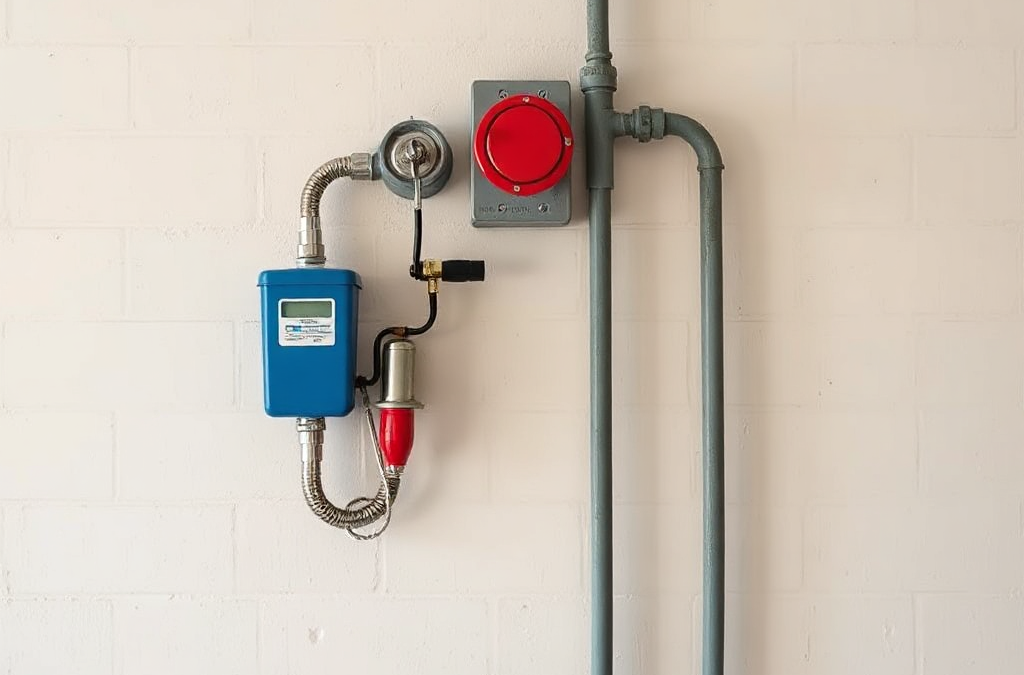
Knowing that a shutoff exists is not enough; the control must be identifiable, reachable, and operable without confusion. The main water valve may be near the meter, where the service line enters the building, or in a utility area. Individual valves may serve toilets, sinks, appliances, or outdoor faucets. Gas service commonly has a provider-controlled meter valve and, in some installations, appliance-level valves. Electrical control is usually divided between the service disconnect and branch breakers.
Before an unplanned departure, walk the property when conditions are calm and photograph each relevant control with its location visible. Add a label such as “main water,” “water heater,” “furnace,” or “sump pump circuit,” but do not label a control based on guesswork. A breaker that appears to serve a basement may also supply a freezer or alarm. Test one circuit at a time and record what changes. If the panel is not clearly marked, a licensed electrician can identify circuits more reliably than a hurried departure-time experiment.
Valves also have operating limits. A quarter-turn ball valve is generally open when the handle aligns with the pipe and closed when it crosses the pipe, but older gate valves may require several turns and can become stuck. Do not use excessive force, pipe extensions, or improvised tools; breaking a valve can turn a preventive action into an active leak. If a water valve will not move, close the nearest accessible individual valve if that meaningfully reduces risk and arrange professional service later.
Do not assume that closing the main water valve drains the plumbing. Pressure may remain in lines, tanks may still contain water, and a water heater can be damaged if its supply is closed while its heating source remains active under unsuitable conditions. If draining is necessary, follow the equipment manufacturer’s procedure or ask a plumber. The same caution applies to gas appliances: do not dismantle fittings or attempt to “test” a suspected leak by using a flame.
A compact departure card should list the control’s location, its normal position, the equipment that must stay active, and the person authorized to operate it. This makes the record useful to a neighbor or property manager without encouraging unsafe improvisation.
Protecting the Home From Secondary Damage
Shutting off one utility can create a new problem if connected systems are ignored. Water isolation may stop supply pressure but leave water in pipes, appliance hoses, toilets, and storage tanks. Electricity isolation may stop a leak detector or alarm. Fuel isolation may interrupt heat that protects plumbing from freezing. Each action should be checked against the equipment that depends on it.
For a short departure in mild weather, closing the main water valve and leaving necessary electrical circuits active may be a sensible compromise. A longer absence may justify shutting down a water heater according to the manufacturer’s instructions, disconnecting vulnerable hoses, and arranging periodic inspection. In freezing conditions, the better approach may be to maintain safe heat, keep cabinet doors open where appropriate for warm-air circulation, and use a qualified professional to determine whether draining the system is suitable. The right choice changes with building design and duration.
Consider a home with a basement sump pump. Turning off the main breaker may eliminate some electrical exposure, but it also prevents the pump from removing groundwater after rain. A home with a gas furnace presents the opposite concern: leaving the furnace powered does not make it safe if the venting is damaged or the appliance is malfunctioning. These examples show why utility controls should be evaluated as a connected system rather than as isolated switches.
Before leaving, check for visible leaks, wet insulation, unusual odors, damaged cords, exposed wiring, and alarms showing a fault. Move valuable items away from floor-level plumbing where practical, secure outdoor hoses, and confirm that appliance valves are not slowly dripping. If a shutoff action triggers an alarm, changes a sump-pump status, or causes a temperature warning, record the change and decide whether a qualified person must intervene.
Water: look for active leaks, appliance hoses, water heaters, and freeze exposure.
Electricity: identify alarms, pumps, refrigeration, medical devices, and heating controls.
Gas or fuel: respond to suspected leaks from outside the hazard area and use the provider’s emergency process.
The common mistake is treating a successful handle turn or breaker movement as proof that the property is safe. The meaningful test is whether the intended hazard was reduced without disabling a system that prevents a different loss.
Building a Departure Record and Handoff
A written record turns a rushed utility decision into something another person can verify. Record the date and time, the utility positions, visible conditions, equipment left operating, and any unresolved defect. Photos should show both the control and its surrounding location. A close-up of a breaker label without context may be useless to someone who has never entered the utility room.
Include provider names and emergency contact numbers from current bills or official account pages rather than relying on memory. Note whether the water meter, gas meter, generator, solar battery, or electrical panel has special access rules. Do not place account credentials in an exposed note. Give detailed instructions only to a trusted person, property manager, or professional who has a legitimate reason to enter.
Handoffs should distinguish observation from assumption. “Water valve closed at 6:20 p.m.; no active dripping seen” is stronger than “plumbing secured.” “Furnace left on for freeze protection; thermostat set according to the existing household setting” communicates both the action and the reason. If an alarm, pump, or medical device remains powered, name it explicitly so a helper does not mistake it for forgotten equipment.
When time is extremely short, use a minimum viable checklist rather than attempting unfamiliar repairs:
Move away from suspected gas, smoke, sparks, or damaged electrical equipment.
Close accessible water controls if they operate normally and doing so will not endanger another essential system.
Preserve power and heat needed for life safety, freeze protection, pumps, alarms, or monitoring.
Photograph control positions and record unresolved hazards.
Notify the utility provider, emergency contact, landlord, or qualified contractor as appropriate.
Recheck the record when returning. If a valve, breaker, or appliance behaves differently from the documented state, do not force it back into service. A staged securing utility shutoffs before an unplanned departure routine is useful because it reveals missing labels and stuck controls before a real departure creates pressure.
Frequently Asked Questions
Should the main water valve be closed whenever a home is evacuated?
Closing it may reduce the risk of unattended plumbing damage, but first consider fire sprinklers, heating equipment, freeze conditions, and any system that depends on water. Follow local or professional guidance where those systems are present.
Can a homeowner shut off gas at the meter?
Do not operate a gas control if you smell gas, hear hissing, or suspect damage. Leave the area and contact the gas provider or emergency services. Routine appliance servicing should be handled by a qualified professional.
Does turning off electricity stop every electrical hazard?
No. Some equipment may have separate supplies, stored energy, batteries, generators, or solar systems. Damaged wiring should not be touched, and a qualified electrician or utility provider should assess uncertain conditions.
What should remain powered during an unexpected departure?
Potentially essential items include medical equipment, alarms, leak sensors, sump pumps, refrigeration, communications equipment, and heating controls. Identify each item before switching off a main breaker.
What if a shutoff valve is stuck?
Do not force it with a wrench extension or improvised tool. Use a safer accessible control only if its function is known, document the problem, and contact a plumber, utility provider, landlord, or property manager.
Further Reading
Authoritative Sources
Ready.gov ready.gov
Official household preparedness guidance, emergency plans, and supply checklist resources.
FEMA fema.gov
Federal emergency management information, disaster planning resources, and recovery guidance.
American Red Cross Emergency Preparedness redcross.org
Practical emergency preparation, safety, and response guidance for households.
CDC Emergency Preparedness and Response cdc.gov
Public health guidance for disasters, emergency response, and recovery conditions.
Conclusion
Utility shutoffs are safest when they reduce an unattended hazard without disabling equipment that protects people or the building. Water isolation often deserves priority, but gas incidents require distance and professional response, while electricity and heat decisions must account for pumps, alarms, medical devices, refrigeration, and freezing temperatures. Photograph controls, label verified functions, record what remains active, and distinguish observed conditions from assumptions. A short practice inspection can expose stuck valves, unclear breaker labels, and missing emergency numbers before an unplanned departure occurs. If a control is unfamiliar, damaged, or located near a suspected leak or electrical danger, leave it alone and request qualified help rather than turning a rushed precaution into a larger failure.