by Preparation Call Editorial Team | Jul 30, 2025 | Preparedness
Understanding the Risks of Weather-related Disasters
Types of Weather Disasters
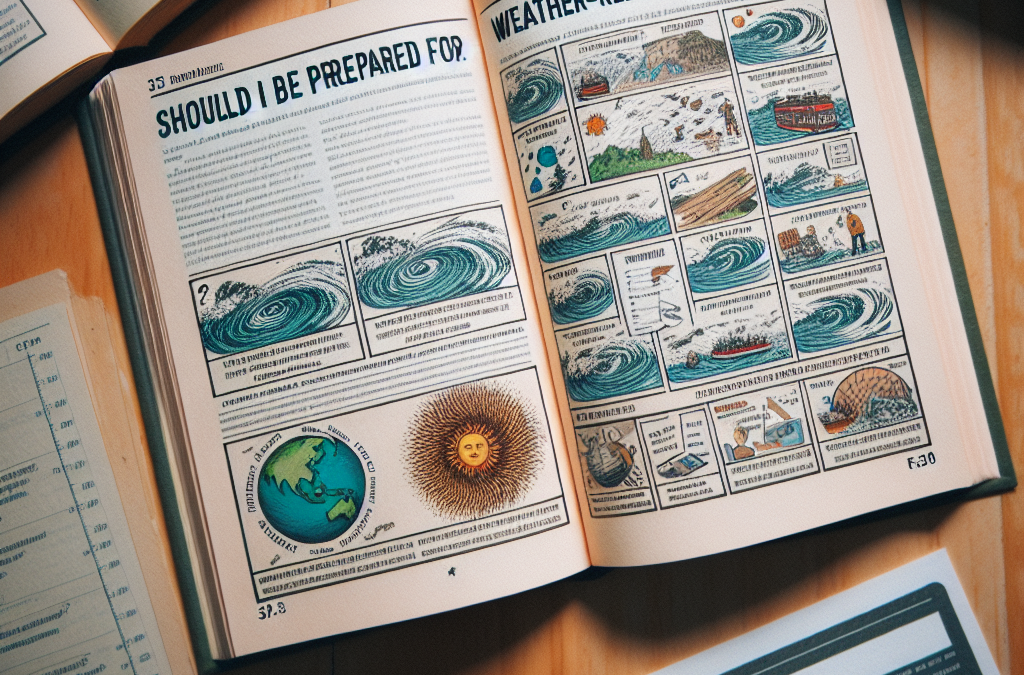
First off, let’s talk about what we’re dealing with here. Weather-related disasters can come in many forms. From hurricanes and tornadoes to floods and blizzards, each carries its own risks. Living in a place prone to one or more of these can be quite an eye-opener. Rusty old me used to think, “It won’t happen to me,” until it did!
Understanding the types of weather disasters that can affect your area is crucial. This knowledge shapes not just your preparations but also your mindset. For example, if you live in a hurricane zone, you need to stock up differently than if you were in a place known for heavy snow. Beach towels don’t help when you’re trying to dig your car out of three feet of snow!
Equipping ourselves with this info prepares us better. I remember scanning through government websites and local news—sometimes, it’s about what you can find within your community. Forecasts and alerts can become your best friends if you know how to interpret them!
Creating an Emergency Kit
What to Include in Your Kit
Now, let’s get practical and discuss an emergency kit. You want this puppy ready to go in case of a disaster. So what do you toss in there? I like to think about the essentials—water, non-perishable snacks, a flashlight, and a first-aid kit. These little things can make a massive difference when the chips are down.
Don’t forget personal documents—insurance info, IDs, etc. I learned the hard way about keeping copies of important papers. You just never know when you might need them, and trust me, scrambling around to find them post-disaster isn’t the time to be searching!
And for those of you with pets, don’t leave them out of the mix! Fido needs food and a cozy blanket to curl up with too. Preparing for the whole family helps ease anxiety, and let’s face it, pets can get anxious just like us when the winds start howling!
Staying Informed
Weather Alerts and Updates
This part might sound boring, but staying informed is KEY. I can’t stress this enough! You need to sign up for local weather alerts. Honestly, I have my phone buzzing whenever there’s severe weather in my area, and it’s saved my skin more than once—literally!
Watching local news or following your area’s meteorologist on social media can also be a game-changer. They provide real-time updates that national platforms might miss. Make it a routine to check the forecasts for the week ahead—you’ll be the friend who knows what’s up!
And don’t shy away from using apps! Weather apps are super handy for tracking storms and alerts on the go. I make it a point to keep mine updated and check them regularly. A little vigilance goes a long way when nature has other plans!
Planning Your Evacuation Routes
Knowing When to Evacuate
If things go south, knowing when to evacuate can be a lifesaver. The thing is, sometimes it can be a race against time! Keeping an ear to the ground (or, you know, your weather app) when storms are brewing helps you make that decision. I often ask myself, “Is it worth it?”
When disaster strikes, confusion reigns! Planning your escape strategy beforehand relieves some of that panic. Map out the routes, check local guidelines, and have a plan B in mind. You’d be surprised by how many people just assume they’ll figure it out on the fly. Trust me; that extra prep will save you from some serious headaches later!
Also, coordinate with your family. We have a little group chat where everyone knows the exit routes and meeting points in case we’re separated. Communication is key in these scenarios, and it’s better to be safe than sorry!
Recovering After a Disaster
Assessing Damage and Resources
Okay, so the storm’s passed. Now what? Recovery can be a hell of a process. First things first: make sure you and your family are safe. Check for any immediate hazards before you go poking around. I always take my time and gather my thoughts before diving back in—the last thing you want is to get injured when you’re already stressed!
After ensuring safety, assessing the damage comes next. It’s crucial to document everything—photos, videos, lists of what was lost. This will help your insurance claims later. I’ve been through the wringer with claims, and trust me, keeping organized makes a world of difference!
Lastly, don’t hesitate to tap into community resources! Local organizations often step up to provide aid, whether it’s food, shelter, or emotional support. I remember attending a local community meeting post-disaster; seeing everyone rally together is what healed not just our homes, but our spirits too!
FAQ
1. How often should I check my emergency kit?
It’s best to check your emergency kit every six months. Make sure items like food, water, and batteries are fresh or replace them as needed. Keeping it up-to-date is crucial!
2. What items are often overlooked in emergency kits?
People often forget personal documents, prescription medications, and pet supplies. Don’t let these slip through the cracks—make a comprehensive list!
3. How can I stay informed about severe weather?
Sign up for local weather alerts on your phone, watch local news, and use weather apps. Staying proactive will keep you informed of any changes in your area.
4. What should I do immediately after a disaster?
Take immediate stock of your surroundings for safety, document any damages, and check in with family. Always prioritize safety before assessing the wreckage.
5. Is it better to evacuate or stay during a storm?
It depends on the severity of the storm and the advice of local authorities. If they issue an evacuation order, it’s generally best to heed that warning and leave!
by Preparation Call Editorial Team | Jul 30, 2025 | Preparedness
Improvised First Aid Supplies
Bandaging Cuts and Scrapes
We’ve all been there, right? A little kitchen accident can quickly turn a fun cooking session into a mini-crisis. That’s when I discovered that clean kitchen towels make excellent makeshift bandages. Just remember to fold them to make them thicker and tie them off after applying pressure to the wound. If you’ve got a little duct tape lying around, it can work wonders to hold your makeshift bandage in place!
Another great item you might overlook is that old T-shirt you’ve been meaning to toss out. Cut it into strips, and voilà – you’ve got yourself a fashionably practical bandage! Not only is it absorbent, but it’s also soft against the skin, which is a win-win in my book. Just be sure to clean the wound first with whatever clean water you have on hand.
If the cut is a bit deeper and you need to create a more secure dressing, you can use plastic wrap to cover the area before wrapping it with the T-shirt strips. The plastic acts as a barrier against bacteria, and that’s key in keeping infections at bay until you can access proper medical attention.
Using Ice and Heat Packs
A sprain or strain during a hike can really put a damper on things. For quick relief, I’ve learned to fill a Ziploc bag with ice cubes or frozen veggies from the freezer. Honestly, next time I’m in a pinch, I might just grab that bag of peas! It’s not just cool; it’ll really help with reducing the swelling. Just wrap the bag in a towel before applying it to the affected area. We don’t want frostbite on top of the injury!
Now, if your pesky pain needs some warmth instead, a rice sock does the trick beautifully. Fill a clean sock with uncooked rice, tie it off, and pop it in the microwave for about 30 seconds. Bingo, you have an instant heat pack for those achy muscles. The rice holds heat really well and contours to whatever body part you’re soothing.
Keep in mind that both ice and heat should be used thoughtfully. Always take breaks in-between applications, maybe 20 minutes on, followed by a similar break, to give your body a chance to heal without too much shock or irritation.
Cleaning Wounds with Household Products
In case of minor cuts and scrapes, I’ve discovered that most of us have hydrogen peroxide hiding in our medicine cabinets. This is great for cleaning wounds, as it helps kill off bacteria. Just remember not to use it too often, as it can damage new skin cells. But in an emergency, it’s certainly better than leaving it uncleaned.
Now, if you run out of hydrogen peroxide, white vinegar can be a lifesaver. It’s a natural antiseptic! Just dab a little on a clean cloth and gently clean around the wound. I tend to follow this up with aloe vera from my houseplant, which can help soothe and promote healing. It’s an old trick I learned from my grandma.
Always remember to keep the area clean and dry while healing. Cover it with a clean bandage and change it regularly. Trust me, staying on top of this makes a world of difference in recovery time.
Homemade Fire Starters
Using Cardboard and Egg Cartons
If there’s one thing that has gotten me out of a tough spot while camping, it’s these homemade fire starters. Cut up cardboard and use it with empty egg cartons to create your own firestarter kits. Just pack the cardboard into each cup of the carton, then soak everything in a bit of melted wax or candle stubs. Trust me, this brilliant method will have a fire roaring in no time!
Once they’ve set, simply break off one of the compartments, place it under your kindling, and light it up. The egg carton holds everything together nicely, and the wax makes it burn longer, giving your kindling time to catch. It’s such a simple way to recycle and ensure you have a reliable fire starter ready at hand.
Plus, not to forget, this is a fantastic project to engage the kids in! They can have a blast decorating and filling up those egg cartons, prepping for future camping adventures or even chilly nights in the backyard.
Using Dryer Lint
You know when you’re cleaning out the dryer and thinking about all that lint going to waste? Don’t throw it out! Line a little container or baggie with dryer lint, and you’ve got another excellent fire starter. It lights quickly and burns hot, making it perfect when you’re in a bind.
To amp it up a notch, I’ve been known to soak that lint in used cooking oil for added longevity. Just stuff the oily lint into some old toilet paper rolls and seal one end with a piece of tape. When you need warmth, you just light the open end, and let it work its magic.
Remember, it’s not just for camping! These fire starters can come in handy for those chilly nights you want to have a fire in the backyard or even just to light up the fireplace indoors. Keep a few handy in your camping gear or emergency kit for quick access!
Using Pine Cones
Pine cones are my happy little fire-making friends. You can toss them right into the fire pit for extra flair, as they ignite splendidly. But wait, there’s more! You can enhance them by dipping them in wax for a slow-burning fire starter. Just like with the cardboard, make sure they’re thoroughly coated but not dripping wet.
For the best result, allow the wax-covered pine cones to harden in a cool spot before tossing them in your emergency gear. When you need a quick fire starter, just toss a few of these babies on the pile, and they’ll put on a show while everything else catches. Plus, they smell so good while they burn!
If you’re camping, collecting pine cones can double as a fun little nature scavenger hunt for kiddos while gathering supplies. Talk about making memories and being prepared at the same time!
Water Filtration Options
Use Coffee Filters for Clarity
Did you know that coffee filters can do more than just help you brew a good cup of joe? When in a pinch for clean drinking water, you can easily use a coffee filter to get rid of visible particles. Simply pour your water through the filter into a container, and voilà! You’ve got yourself clearer water.
Now, this won’t purify the water entirely, but it’s a great first step if you’re in a bind. Just be careful to always follow this up with boiling the water if you have the means to, or use purification tablets if you have them on hand. Safety first, right?
Another great tip? Layer multiple coffee filters for more effective filtration. The more, the merrier when it comes to debris! This simple idea can make your water much more palatable, especially when you’ve been out in the elements for a while.
DIY Sand Filter
If you’ve got a little time and access to some sand, gravel, and a clean container, you can make a simple sand filter! Start with a layer of clean gravel at the bottom of your container, then add a fine layer of sand on top. Lastly, put a coffee filter on top of the sand to catch the larger impurities.
When you pour unfiltered water in, gravity will do its thing, and the sand will catch smaller particles while letting you collect cleaner water below. It’s not quite as fun as making desserts, but it’s a substantial survival skill to have learned!
And remember, just like with the coffee filters, always boil or chemically treat the water afterward. This method is about getting the gunk out; we want to ensure we’re drinking safe water!
Using Activated Charcoal
If you have activated charcoal on hand, you’re in luck! This stuff can be used to purify water due to its porous nature, which traps impurities. If you’ve got a breathable fabric like cheesecloth, you can create a filter by placing activated charcoal in it and letting water drip through.
When setting this up, make sure to layer it well. The more charcoal, the better the filtration! Just remember, once again, this doesn’t guarantee safe drinking water unless you boil or chemically treat it afterward. It’s a great step toward making unfit water safer.
Don’t forget to store your activated charcoal properly; moisture can diminish its effectiveness. Consider stashing this stuff in your emergency kit along with those coffee filters – they’re the perfect team when it comes to ensuring safe hydration!
Home Cleaning Solutions
Vinegar for Disinfecting
When it comes to cleaning, vinegar has been my go-to for ages! In emergencies, whether it’s dealing with minor smells or surfaces that need disinfecting, vinegar is super effective and non-toxic. I often mix equal parts vinegar and water in a spray bottle and use it as an all-purpose cleaner.
This combo can do wonders on countertops, bathroom surfaces, and even fabrics (but be careful with colors, folks!). It’s a stellar natural disinfectant that keeps things clean without harsh chemicals. Plus, it’s affordable and typically already in most households!
And here’s a pro tip: If you’re dealing with mold, mixing vinegar with baking soda can create a powerful cleaning solution that not only cleans but helps to eliminate that pesky odor as well. Just be sure to rinse thoroughly afterward!
Baking Soda for Odor Control
Baking soda isn’t just for baking; it’s an absolute lifesaver when it comes to neutralizing odors! Whether it’s the fridge or your dog’s favorite spot in the house, I’ve sprinkled baking soda in those places to absorb unpleasant smells.
For carpets, I often mix it with a few drops of essential oil to make a gentle carpet powder. Just sprinkle it on, let it sit for a bit, and vacuum. Fresh-smelling rooms on a dime!
And let’s not forget its versatility when it comes to emergencies. It can also be a gentle abrasive for scrubbing surfaces, so I sometimes combine it with a splash of water to make a paste for cleaning tougher stains around the house.
Casting Out Bad Smells with Citrus
If you’ve got citrus fruits lying around, they can work wonders for freshening up your home in a heartbeat. What I love to do is take any leftover citrus peels and toss them in a pot of water on the stove. It becomes a lovely natural air freshener that fills the house with a pleasant aroma.
Beyond that, citrus cleaners can be made by combining peels with vinegar for a scrubbing solution. Just let the peels soak in vinegar for a couple of weeks and use it as you would with regular vinegar. It’s both delightful and effective!
So next time you’re slicing up an orange or a lemon, don’t toss those peels! Keep them aside for some nifty cleaning tricks that make your home smell oh-so-good.
Frequently Asked Questions
1. Can these household items actually work in emergencies?
Absolutely! Many household items can be repurposed effectively for emergency scenarios, and often they are more useful than we give them credit for. It’s all about knowing how to utilize them appropriately!
2. Are there any safety considerations to keep in mind?
Definitely! Always ensure that any items you use for first aid or cleaning are clean and suitable for the task. When dealing with food or body substances, hygiene is key. And for water purification, always boil or chemically treat any water that you aren’t 100% sure is safe!
3. How can I prepare my household for emergencies?
Start by creating an emergency kit stocked with basic household items, first aid supplies, and instructions on how to use them. This way, when emergencies arise, you’ll have your bases covered.
4. Can I use essential oils for cleaning during emergencies?
Yes! Essential oils can enhance cleaning solutions and provide pleasant scents. Just ensure they are safe for the surfaces you’re cleaning, and remember that some oils may not mix well with certain materials.
5. Is it suitable to use items like vinegar and baking soda around children?
Yes, both vinegar and baking soda are generally safe around children but should still be used with caution and supervision. Always store any cleaning products, even natural ones, out of reach of little ones!

by Preparation Call Editorial Team | Jul 30, 2025 | Preparedness
Preparation and Planning
Understanding Your Environment
When I first moved to the city, I quickly learned that power failures could strike at any moment, especially during storms. The first thing I did was to familiarize myself with my neighborhood’s infrastructure. Knowing whether you’re in a high-risk area for outages can save you a lot of headaches later on.
It’s super helpful to check out local news or community boards to see if there’s a pattern to power issues in your area. You’d be surprised how much information you can gather just from chatting with your neighbors who have been around longer!
This understanding will help you anticipate potential outages and prepare for them effectively. I’ve found that being proactive is much better than being reactive when the lights go out.
Creating a Smart Emergency Kit
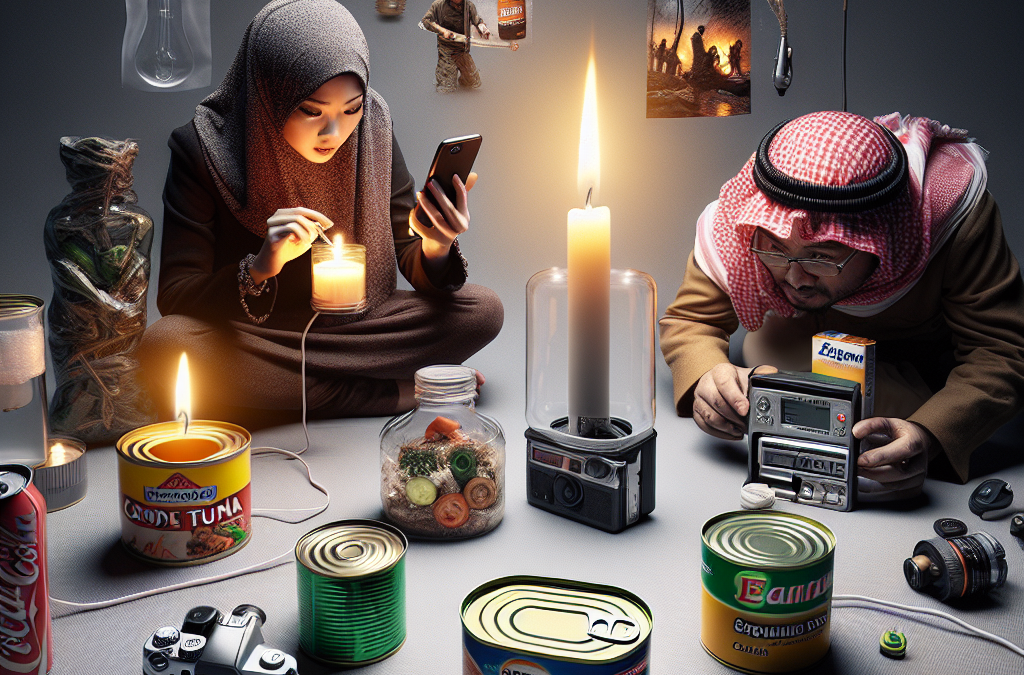
No one plans for a power failure, but having an emergency kit ready can make all the difference. I recommend starting with the basics: non-perishable food, bottled water, and a flashlight are must-haves. I keep an old backpack filled with supplies just in case.
Don’t forget your phone charger! Power banks are a lifesaver when the grid goes down. Also, think about including items like a first-aid kit and necessary medications—stuff you don’t want to be without if you’re stuck waiting for the power to come back on.
Make sure to check your kit regularly to replace expired items. It’s one of those things I often forget until it’s too late, but now I keep it on my seasonal checklist to stay ahead.
Communication Plans
Staying connected during an outage is crucial. I always make sure to have a list of important contacts saved in my phone and written down somewhere in my house too. Depending on your location, cell towers might be affected by outages, so having alternative methods of communication can be handy.
It’s also good to set a communication plan with your family or roommates. Decide on a meeting spot in case you get separated, and check in with each other often to make sure everyone’s alright.
Trust me, after experiencing my first power failure, I learned just how vital staying connected is when the lights go out. A little planning goes a long way!
Staying Calm During Outages
Emotional Management
Let’s face it: losing power can be incredibly frustrating, but panic doesn’t help anyone. In my personal experience, I’ve found that taking deep breaths and staying present can help alleviate some of that anxiety. Remember, it’s just temporary!
Try to distract yourself. Whether it’s reading a book (by candlelight if necessary), playing cards with friends, or just taking a stroll outside, staying busy can help ease the tension and pass the time.
Look for the silver lining! Sometimes an unexpected power failure can lead to an evening of laughter and stories with loved ones. Find joy in the moment, and everything will feel a bit lighter.
Resource Management
One of the biggest mistakes I’ve seen people make is to use all their resources too quickly. Conserving food and water should be a priority when you realize you’re in for the long haul. Remember, rationing is your best friend during these times.
I always keep a close eye on my battery levels for devices that matter. Limiting usage can mean the difference between staying connected or being completely cut off.
Sometimes, it may also be worth connecting with neighbors to share resources. I’ve had a great time trading snacks or lending a phone charger to neighbors—it creates a sense of community in tough times!
Safety First
When the lights go out, safety is paramount. I’ve learned the hard way that you should never light candles near flammable items or leave them unattended. Safety standards are key, especially during an emergency.
Keep flashlights handy and, if you have kids or pets, teach them about safety during power failures. Create a plan together that everyone understands, so no one panics.
All in all, make sure to invest in a good surge protector for when the power does come back on. I lost a few gadgets during a storm once, and now I always double-check my safety measures!
Post-Outage Recovery
Inspecting Your Equipment
Once the power is restored, checking all your electrical appliances is super important. You don’t want to trip a circuit with an overloaded system after a blackout. Trust me—I’ve had my struggles with that!
Reset any electronic devices that may go haywire during the outage. Things like microwaves and smart devices might need to be reset manually to get them back to functioning order.
Also, remember to keep an eye on any food that might have spoiled. A little inspection goes a long way in ensuring your household stays safe and healthy.
Reconnecting with Your Community
After a power failure, I always take the opportunity to reconnect with neighbors. Whether it’s sharing experiences or offering help, there’s something comforting about being part of a community that looks out for one another.
Organizing a neighborhood gathering to discuss how you all managed can create a support network for future outages. It’s nice to swap tips or just bond over some shared experiences.
Sometimes these connections can even lead to emergency preparedness groups that make future outages less stressful for everyone involved!
Reflecting and Learning
Every power failure comes with lessons learned. After each incident, I like to sit down and jot down what worked and what didn’t. This helps me strategize for next time.
Consider talking about what you learned with family and friends. Sharing knowledge not only helps you reinforce what you know, but you also might gain valuable insights from others’ experiences.
Above all, keep a positive attitude. Outages may be inconvenient, but with the right mindset, they can be opportunities for growth and connection!
FAQ
1. What should I include in my emergency kit for power failures?
Your emergency kit should have non-perishable food items, bottled water, a flashlight with extra batteries, a first-aid kit, necessary medications, a portable phone charger, and any other items specific to your household needs.
2. How can I stay updated during a power failure?
Communication can be tricky during outages, but it’s good to have a battery-operated radio or a charged power bank for your cell phone. Additionally, keeping emergency contact lists handy is vital.
3. What are some safety tips during a power outage?
Always be cautious with candles; never leave them unattended. Use flashlights instead for visibility, and ensure that food safety standards are adhered to, especially with perishables in the fridge.
4. How can I best accommodate my family during a power failure?
While it might be challenging, try establishing a communication plan with your family. Plan activities to keep everyone occupied and check in regularly to ease everyone’s minds.
5. What steps should I take once power is restored?
After power is restored, inspect your appliances for any damage, reset devices if needed, and check perishable food for spoilage. It’s also a good time to reflect on what you learned during the outage!
by Preparation Call Editorial Team | Jul 30, 2025 | Preparedness
Understanding Your Medication Needs
Assess Your Current Medications
First things first, I’ve learned that it’s crucial to sit down and list all the medications currently being used in your household. This includes everything from prescription meds to over-the-counter staples like ibuprofen and allergy pills. Having a comprehensive list can save you from the dreaded panic when an emergency strikes.
Once you have your list, dive a little deeper and note down why each medication is needed. For instance, if someone in your family is managing chronic conditions like diabetes or asthma, you’ll want to ensure those essentials are prioritized when you start your stockpiling endeavors.
Also, remind yourself to check the expiration dates on your existing supply. It happens to all of us; medications can sit in cabinets and become outdated without us even realizing it. Keeping track can prevent wastage and ensure you’re always covered during unforeseen circumstances.
Consult with Healthcare Professionals
Next, do yourself a favor and chat with your healthcare providers. This tactic has proven invaluable for me. By discussing your stockpiling plans with your doctor, you can get their insights on which medications are truly essential for your health needs.
Additionally, don’t hesitate to ask about alternatives or generics. There are many effective medications available that may not drain your pocket as much. Finding reliable substitutes could provide you some peace of mind while accumulating your supplies.
And if your doctor thinks it’s necessary, they may be willing to prescribe a larger supply of critical medications. This is especially true for people with chronic health issues. Just explain your situation, and you might find them understanding and accommodating.
Recognizing Emergency Scenarios
It’s super important to understand the various scenarios that may lead to a shortage of medications. Natural disasters, pandemics, or even economic disruptions can all disrupt the ease of accessing prescriptions. Trust me, I’ve seen it happen, and it’s wise to be prepared.
Aside from just the obvious natural disasters, smaller-scale emergencies like a family member becoming unexpectedly sick can put a strain on your supply. Keeping this in mind, developing a broader understanding of potential scenarios can help you be better prepared.
Having an awareness of these emergencies can guide you in how much medication you choose to stockpile and how diverse your supplies should be. It’s not just about gathering what you think you need, but about prepping for the unexpected.
Building Your Stockpile Step by Step
Inventory and Organization
When setting out to create a stockpile, my first move is always to organize everything. I like to create a dedicated space at home where I can keep all my medications. Whether it’s an old cabinet or a designated shelf, having a specific spot makes retrieval and management way easier.
Alongside organization, I also create a rotating system to avoid expiration. This means arranging medications based on their expiry date, with the oldest upfront so that I can use those first. It’s a simple hack, but it genuinely helps keep everything fresh!
I’ll even label everything—it sounds super extra, but it really helps when you’re in a hurry. A quick glance can direct you to what you need and prevent any mix-ups in times of stress.
Where to Purchase Additional Supplies
Finding the right place to stock up on medications can be a game-changer. Personally, I prefer checking local pharmacies first. They often have memberships or discounts on bulk purchases that can really help save a few bucks in the long run. Plus, supporting local businesses always feels good!
Online pharmacies are another great option. I’ve found that you can often get prescriptions delivered right to your door, and many times they offer discounts for first-time customers. Just be sure to use a reputable site to avoid counterfeit medications—safety first!
Don’t overlook community health organizations either. They sometimes provide free or discounted medications, especially for those in need. Connecting with these organizations can not only help you build your supplies but also reinforce a sense of community, which is critical during trying times.
Monitoring and Rotation for Safe Storage
As I dive deeper into stockpiling, I’ve realized that simply gathering medications isn’t enough; proper storage is key. Make sure the area you’ve chosen is cool and dry. Storing medicines in heat or humidity can majorly decrease their effectiveness, and let’s be real, that’s not what we want!
Additionally, I keep a eye on expiration dates and rotate my stock regularly. It’s a good habit to check in every couple of months to make sure everything is still valid and to reorder what’s running low. I usually set a reminder on my phone—it’s really helpful!
In summary, always keep a log of what medications you have, their expiration dates, and when you purchased them. Creating a simple spreadsheet might seem tedious, but I promise it pays off when you’re in a pinch and can’t remember what you have on hand!
Know the Legalities of Stockpiling Medications
Understand Prescription Laws
One of the most crucial aspects of stockpiling is being aware of the legalities in your area regarding medication prescriptions. As someone who’s dabbled in this quite a bit, I can tell you that every state has its own set of laws. It’s essential to familiarize yourself with these regulations to avoid running into any trouble.
For instance, certain states limit the quantity of medication you can obtain at one time. Knowing if your state allows for 90-day prescriptions or if there are restrictions can make a big difference in how you plan your stockpiling.
And let’s not forget about controlled substances, too. Strict regulations often apply, so being knowledgeable about what medications fall under this category is vital. This way, you can prepare accordingly and advocate for yourself where needed.
Communicate with Your Pharmacist
Now, here’s a little insider tip: your pharmacist can be your best buddy in this stockpiling mission. They have the insight and knowledge regarding local laws and can help you navigate the tricky waters of obtaining your medications. Seriously, don’t underestimate the power of a good conversation!
Don’t shy away from asking questions about bulk ordering, generic alternatives, or their policy on refills. Building a relationship with your pharmacist can also result in them looking out for you when it comes to potential savings or available discounts.
Having an open dialogue can make your stockpiling efforts not only smoother but also more effective. You never know, they might even provide you with valuable tips regarding medications or stockpiling based on what they see in their daily practice!
Document Your Supplies and Prescriptions
As I mentioned before, keeping a proper log is crucial. Treat it like a checklist where you record each medication, the quantity, expiration dates, and any refill information. By doing this, you make your stockpile legible and manageable at a glance.
In addition to that, store all important prescriptions and paperwork in a safe place. God forbid you lose access to a critical medication; having documentation could make all the difference in getting a swift refill when you need it.
In times of crisis, you want to be well-informed and prepared. By putting your stockpiling plan on paper—and storing it safely—you’re likely to feel much calmer knowing that you have things organized and legible when it counts the most.
Simplifying Long-Term Stockpiling Storage
Choose the Right Containers
Not all containers are created equal! Trust me, after experimenting with various options, I’ve learned how crucial it is to pick the right storage for my stockpiled medications. Opt for opaque containers that protect medicines from light, and always ensure they are labeled clearly to avoid any confusion.
Air-tight containers also help protect your meds from moisture. I’ve found that just repurposing old tupperware isn’t the best option. Instead, find containers specifically designed for storing pharmaceuticals, which provide better protection.
Investing a small amount in quality storage can save you a lot of heartache down the road! Plus, it keeps everything looking neat and professional, making it easier for you—or anyone else—who might need to access the meds in a hurry.
Regular Maintenance Checks
Let’s be real; just because you set up your stockpile doesn’t mean you can forget about it! Regular maintenance checks are essential to ensure everything is still in good condition and within its expiration dates. Personally, I schedule a bi-monthly check where I go through my entire stockpile.
During these checks, I’ll look for anything that looks suspect or damaged. Medications stored improperly may become ineffective, so it’s crucial to assess everything periodically. Catching expired meds can help you rotate what you have, so you’re using the freshest options first.
Moreover, this routine helps reinforce the importance of being prepared. The more you engage with your stockpile, the more comfortable you’ll feel using it when that inevitable rainy day comes.
Creating a Strategic Use Plan
Having a plan set in place detailing how to utilize your stockpile is as important as gathering it in the first place. I’ve drafted a strategic use plan that outlines what medications I’ll tap into for specific scenarios. For example, chronic conditions, minor illnesses, and even injuries should have specific meds prioritized!
This plan not only saves time in emergencies but also helps to ensure that the right medications are taken at the right moments. A little planning goes a long way in a pinch, right?
And as always, make sure to keep each family member in the loop. Having everyone informed takes the burden off of any one person during an emergency and ensures that everyone knows where to find what they need when they need it.
FAQs
1. How often should I check my stockpile of medications?
It’s a good idea to do a thorough check of your stockpile every couple of months. This way, you can assess expiration dates and quantities to see if you need to reorder anything. Regular checks keep your stockpile fresh and ready for emergencies!
2. Can I stockpile medications without a prescription?
While you can stockpile over-the-counter medications without a prescription, prescription medications must be obtained through a healthcare provider. Consult your doctor about the possibility of larger prescriptions for chronic conditions to help build your stockpile.
3. What types of medications should I prioritize when stockpiling?
Focus on medications that you or your family members frequently use. Essential prescriptions for chronic illness should be at the top of your list. Additionally, consider pain relievers, allergy meds, and first-aid supplies as part of your broader stockpile.
4. How do I ensure my medications stay effective over time?
Storing your medications in a cool, dry place away from direct sunlight is crucial. Use air-tight, opaque containers to help keep moisture and light out, which can degrade the effectiveness of your medications over time.
5. What should I do with expired medications?
Do not just toss expired medications in the trash! Instead, take them to a pharmacy that offers medication take-back programs or follow local regulations for safe disposal. It helps keep the environment clean and safe.

by Preparation Call Editorial Team | Jul 30, 2025 | Preparedness
Ensure Your Safety and the Safety of Others
Assess Your Surroundings
After a natural disaster strikes, the first thing I always do is take a good look around. Sometimes, in the heat of the moment, we forget to check for hazards. If you’re like me, the adrenaline might be pumping, but it’s crucial to assess any immediate dangers such as downed power lines or unstable structures. Trust me, stepping outside can reveal a lot about your surroundings.
It’s easy to get caught up in the aftermath and rush to help others. However, I’ve learned the hard way that ensuring your own safety first means you can be more effective when helping others. Avoid any areas that look hazardous and make a mental note of any unsafe spots before proceeding.
And remember, safety isn’t just about physical dangers; don’t overlook emotional wellbeing. In moments of chaos, people can react unpredictably. Stay on guard for your mental safety, too. A calm mind often helps us make better decisions in troubling times.
Check for Injuries
Next, I always check myself and those around me for injuries. It can be easy to forget about our own well-being when everything’s haywire. Do a quick scan of your body for any cuts, scrapes, or pains; sometimes, adrenaline masks injury. If I find someone else hurt, I try to stay calm and provide basic first aid if I can.
Even if you’re not a medical professional, knowing some first aid basics is a game changer. An old buddy of mine once saved this little kid’s life just by knowing how to stop a bleeding wound. So, investing time in a first aid course is totally worth it — trust me!
If you or anyone else has serious injuries, don’t hesitate to get professional help. Dial emergency services if needed. Staying composed can truly be a lifesaver for you and others in distress.
Follow Emergency Protocols
Another thing I’ve found useful is sticking to emergency protocols. Each area usually has a plan laid out for such situations, and it’s smart to know that stuff ahead of time. If you’re not sure what the emergency procedures are, try to locate your local authority and see if they have any plans in place.
Adhering to plans often ensures that affected communities get the help and prioritization they need. In each disaster I’ve faced, local authorities are bustling with teams doing their best. So play your part by staying informed and responsive. Following their guidance can enhance safety and reduce panic.
Letting people know you’re okay is also part of these protocols. Use social media or message trusted friends and family. Regular updates can soothe nerves and maintain a sense of community, even if you’re distanced by disaster.
Document Everything
Take Photos of Damages
As someone who appreciates the importance of documentation, my advice here is simple: take photos of any damages. Whether it’s property loss or injuries, capturing proof can ease the recovery process. Once I had to file an insurance claim, and let me tell you, having those photos ready made everything smoother.
Snap a pic of everything from fallen trees on your house to any personal belongings that got wrecked. A photo can tell a thousand words, especially when it comes to documenting your case with insurance or local authorities.
When possible, be methodical in your documentation. Organize photos by location or type of damage to create a clear file. This way, you’ll be utterly prepared when making claims or seeking assistance!
Write Down Important Information
After I’ve taken my photos, I jot down anything significant that’s happened. Details like the time the disaster occurred, how long the power’s been out, or specific dangers I’ve observed can become useful later. Note everything you can recall while it’s fresh in your mind!
Trust me, details fade after a while. Writing it all down helps keep the heavy feelings at bay and can even serve as a cathartic process. If crisis management comes up later, you’ll thank yourself for maintaining a record.
Additionally, keep a notebook near where you can easily access it, especially if you have ongoing claims. It could be your best friend during this hectic time! Plus, it shows that you are taking things seriously and staying organized amid chaos.
Contact Your Insurance Company
Man, talking to an insurance company always feels daunting, right? But reaching out is essential. I recommend doing this as soon as you’re able to share what’s happened and start the claims process.
Don’t worry if you feel overwhelmed; I completely understand – it’s like speaking a different language! Make sure to have your policy number and any notes from your documentation at hand. This keeps the conversation productive and makes you feel more in control.
To wrap up, be patient. They’re usually inundated with calls post-disaster. My motto? Plan for possible delays but keep following up to get things resolved. Patience will pay off long-term!
Stay Informed and Connected
Monitor News Updates
Staying connected with the outside world post-disaster is super critical. I make it a point to keep an eye on news updates for developments regarding the situation or necessary resources for my community.
In today’s age, you can find information through various channels, such as social media or local news channels. But I always try to stick with reliable sources. Fake news spreads like wildfire, and word-of-mouth can distort the truth in stressful situations.
Also, leverage updates to determine when it’s safe to return to certain areas or if any shelters are being set up. Keeping informed can bolster your peace of mind and provide the clarity needed to make important decisions in the following days.
Reach Out to Friends and Family
Using technology to contact friends and family is another step I find invaluable. Check in with loved ones to see how they’re doing. Sometimes, it cheers both parties up during dire times just to hear a familiar voice, right?
Also, if they are in the affected area, ask them if they need help. It’s easy to forget that others might be struggling, and being there for them can make a world of difference. Connecting in troubled times often helps us feel a little less isolated, which is so vital.
Also, create a group chat if you can. Keeping everyone in the loop makes it easier to share resources and updates. I’ve spent countless hours sharing information this way, and it’s always rewarding to see us come together as a team.
Participate in Community Efforts
Last but not least, don’t forget about the power of community! Often, I hold the belief that recovery is a team sport. Whether helping out locally or volunteering with organizations, doing something for others often rejuvenates our spirits.
Volunteer efforts can range from cleaning up debris to providing supplies for those who’ve lost everything. I absolutely love doing community drives to collect items for families in need. It not only helps those around us but brings a sense of purpose to our efforts.
So don’t just sit back and let things happen. Together, we can restore communities and offer support to those impacted. Each little gesture counts, and chances are, it’ll simultaneously heal our hearts, too.
FAQ
1. What is the first thing I should do after a natural disaster?
The first step is to ensure your safety and the safety of those around you. Check for hazards and assess your surroundings before proceeding further.
2. Why is documentation so important after a disaster?
Documentation helps provide evidence for insurance claims, allowing you to receive the assistance you need for recovery. It’s essential to have clear records of damages.
3. How can I help others after a disaster?
You can help by checking in with friends and family, volunteering for community efforts, and participating in local drives aimed at gathering supplies or providing support.
4. How do I stay updated during a crisis?
Monitor local news channels and trustworthy social media accounts for updates. Staying informed helps you navigate the aftermath effectively.
5. What if I have serious injuries after a disaster?
Do not hesitate to seek professional medical help. If injuries are significant, call emergency services right away to get the necessary assistance.
by Preparation Call Editorial Team | Jul 30, 2025 | Preparedness
When I first started thinking about preparedness, I wrestled with the idea of how to do it without completely sacrificing my comfort. I mean, let’s be real, who wants to trade in their cozy evenings for a life of dread and anxiety? After some trial and error and a fair bit of reflection, I distilled my thoughts into five key areas that help maintain that sweet balance. So, let’s dive in!
Mindset Shift
Understanding the Importance of Preparedness
First off, it’s crucial to realize that preparedness isn’t just about stockpiling supplies and building a bunker. It’s a mindset. For me, it was about shifting how I viewed potential emergencies or disruptions as opportunities to enhance my life quality. Embracing a proactive mindset really changed the game for me.
I began to see preparedness as an act of self-care rather than a burden. This perspective made it less daunting. Instead of thinking, “Oh no, I have to do this!” I switched to “Wow, this is going to make my life easier!” That simple change sparked my interest and made it enjoyable.
Moreover, with this mindset, I started incorporating small preparedness steps into my daily routine. For example, I began keeping extra batteries in my kitchen drawer. It’s a small step that promotes comfort since it saved me from frantic searches. Trust me, these little wins make all the difference.
Creating a Comfort-first Approach
What really helped me was figuring out how to blend preparedness with the things I love. Instead of treating it like a chore, I made it fun. Think about it: preparing for emergencies or tough times doesn’t have to suck the joy out of life.
For instance, I started to buy multipurpose tools that could help with daily tasks while also being useful in emergencies. A good Swiss Army knife became my best friend! It’s handy for everything from camping trips to mundane kitchen tasks, showing me that preparedness can be integrated seamlessly into my lifestyle.
Additionally, I began involving family and friends in the process. We turned emergency drills into game nights. The laughter and fun we shared made the necessity of emergency preparedness feel less like a burden and more like an enriching experience.
Setting Realistic Goals
In my journey, setting realistic, attainable preparedness goals was key. I realized that I didn’t have to do everything at once. Instead of trying to take on the world, I started with one small goal at a time, like ensuring that I had a three-day emergency kit somewhere handy.
Once I tackled one goal, I would celebrate that success, which kept my motivation high. I found it empowering to see progress without feeling like I was sacrificing too much of my comfort or time. Ten minutes each week felt doable and transformed into an effective strategy for preparedness.
By keeping my goals realistic, I could maintain my comfort while steadily preparing for anything that might come my way. It’s an ongoing journey, but it’s one that keeps evolving without sacrificing the cozy things in life.
Smart Shopping Strategies
Quality over Quantity
One of my biggest revelations was focusing on quality rather than just buying everything bulking up my supplies. I learned this the hard way after investing in cheap supplies that broke down when I actually needed them. It was a lesson learned!
I started putting my money towards high-quality, reliable items that would last longer and serve multiple purposes. For example, I swapped out my flimsy canned foods for nutrient-dense, versatile options. That way, I felt good about my choice and knew I’d actually be eating well if the time ever came.
It’s become something of a hobby for me, researching and investing in quality products. Not only are these items built to last, but they also often come in stylish packaging, making them look great on a shelf – no more hiding everything under the bed!
Utilizing Discounts and Sales
Trust me, I love a good deal as much as anyone. I started keeping an eye on seasonal sales and discounts. For food storage, I’ve learned to buy in bulk when items are on sale—grain, canned goods, even first aid supplies are much cheaper when you catch a deal!
Also, subscribing to newsletters from my favorite outdoor and preparedness stores keeps me in the loop about sales. I’ve scored some excellent items at steep discounts by staying informed. It makes prepping for the unexpected a bit easier on the wallet.
Utilizing these smart shopping strategies has allowed me to build my emergency supplies without busting the bank, ultimately preserving my overall comfort in my day-to-day spending.
Prioritizing Sustainability
Lastly, embracing sustainability has been a game-changer. Environmental consciousness melded perfectly with my preparedness journey. I began investing in reusable products and sustainable options, which not only help in emergencies but also promote a healthier lifestyle.
For instance, I swapped out single-use plastics for glass containers for food storage. It’s comforting to know that I’m making a choice that’s good for the planet while also preparing myself for any situation. Plus, it feels great to draw from my stash knowing I’m also contributing to sustainability!
This commitment to sustainability in my prepping has brought an added layer of comfort, knowing every choice I make is beneficial for both myself and the environment, making my prepping journey much more fulfilling.
Planning Engaging Activities
Practice Makes Perfect
To keep things engaging, I regularly incorporate preparedness drills into my routine. It initially felt a bit awkward, but over time, it became a fun bonding experience with my loved ones. We even set times for fire drills and evacuation plans!
Making it fun by turning it into a competition with friends or family keeps spirits high. For example, we time ourselves getting through our emergency plans—who knew practicing could be this adrenaline-inducing? These little challenges made a once-dreaded task into something we all looked forward to.
Even my kids get involved. They’ve learned valuable skills while having fun, and we all feel more secure knowing we’re prepared. Plus, it can act as a catalyst for meaningful conversations about safety and responsibility!
Exploring Nature Together
I also started outdoor adventures as part of my preparedness efforts. You can’t beat hiking trips for testing gear, practicing navigation, and honing survival skills in a fun setting.
These nature outings became integral to our family traditions. We bond over campfires, teach each other new skills, and even practice emergency scenarios. Who knew getting outside could tick both boxes of preparedness and comfort?
Taking my preparation into nature not only helps me become better equipped but also keeps me grounded while enjoying life’s simple pleasures. It’s a win-win for everyone involved!
Local Community Engagement
Building relationships in my local community around preparedness has been a great source of comfort. This is such a key area I can’t stress enough! Involvement in community preparedness programs or local groups creates a sense of belonging and support.
I’ve made great connections through such groups, and I’ve learned valuable tips and tricks about preparedness. Plus, sharing experiences creates a supportive environment that increases community resilience and helps everyone feel more secure.
Knowing I’m surrounded by like-minded individuals not only makes me feel more comfortable about my preparedness efforts, but it also makes our community as a whole stronger and more resilient.
Frequently Asked Questions (FAQ)
1. Is it possible to be prepared without sacrificing comfort?
Absolutely! With a good mindset and the right strategies, you can integrate preparedness into your life while still enjoying your comforts. It’s all about balancing priorities.
2. What are some practical tips for blending preparedness into everyday life?
Start with small, realistic goals that fit into your daily routine. Choose quality supplies, involve family in fun preparedness activities, and always look for smart shopping alternatives!
3. How can I involve my family in the preparedness process?
Make it fun and interactive! Turn drills into games, go on nature outings, or have discussions about safety and emergency plans over dinner. Kids love engaging activities!
4. What role does sustainability play in preparedness?
Sustainability encourages a healthier lifestyle and helps you make choices that benefit both yourself and the environment. It often leads to long-term savings and comfort in lifestyle decisions.
5. How can community involvement help with preparedness?
Engaging with local groups creates a support network that makes you feel more secure. Shared knowledge and experiences can improve resilience and foster a sense of belonging.