by Preparation Call Editorial Team | Jul 30, 2025 | Preparedness
Understanding Your Pet’s Needs
Recognizing Their Basic Needs
During an emergency, it’s super important to recognize that pets have basic needs — food, water, shelter, and companionship. If you’ve ever been in a stressful situation, you know how important it is to have the essentials. Your furry friends feel that too! Each type of pet can have different requirements, so it’s essential to know what yours needs specifically.
I remember when we faced a snowstorm a few years back. Our supplies of pet food were running low, and I had to scramble to stock up. I was definitely sweating it over whether we’d have enough kibble for my dog’s dietary restrictions. It’s best to stockpile what your pet needs ahead of time!
Making a clear list of your pet’s necessities can help ease the anxiety of an emergency situation. Having emergency food and water on hand can not only ensure your pet’s safety but also give you peace of mind when you need it most.
Health Considerations
Your pet’s health is absolutely paramount in any emergency plan. Regular check-ups with the vet are crucial, especially for pets that have ongoing health conditions. If your beloved cat requires medication, what’s your strategy for keeping their supply stocked? Knowing the ins and outs of your pet’s health ensures that they’re cared for even when chaos unfolds.
It’s always a good idea to keep a copy of their medical records handy and maybe even a list of their medications. Trust me, you don’t want to be scrambling for the vet’s number while trying to manage a crisis! Especially if you have multiple pets, keeping their info organized can save you a ton of stress.
Ultimately, understanding their health needs can make a world of difference during emergencies. Let’s not forget that your furry friends are family too, and their well-being is just as important as everyone else’s!
Creating a Pet Emergency Kit
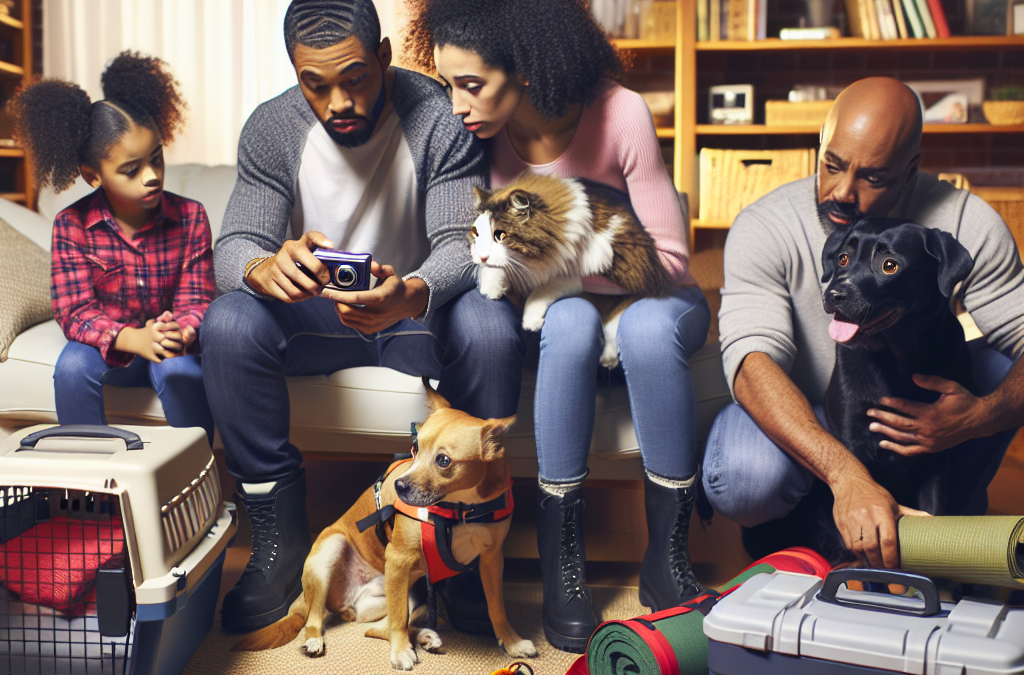
One of the most practical things you can do is create a dedicated pet emergency kit. You know, just like you have for human members of the family! Start with compiling food, water, a manual for any medications, and a few comfort items like their favorite toy or blanket.
Don’t forget about leashes, carriers, and bowls! If your pet isn’t feeling secure, it might just make your emergency situation ten times worse. Think about what comforts them to help mitigate stress, even when things are tough.
Having a plan always helps ease anxiety. And trust me, knowing you have everything in one place takes so much pressure off in a stressful moment.
Establishing a Communication Plan
Involving Family Members
Part of an effective emergency plan is making sure everyone in your family knows how to care for your pet. It’s not just you that needs to know the emergency procedures; everyone should be on the same page. For example, if you have kids, make sure they know how to handle the pets safely.
When times get tough, a little chaos can happen, especially with children. I’ve found practicing these procedures helps everyone to remember what to do in case of an emergency.
Also, relay this information clearly with any additional caregivers like neighbors or friends. Making them part of the plan can be a great backup if you aren’t able to get home to your fur babies right away.
Designating a Pet Caregiver
Sometimes, things happen, and we can’t always be the ones to take care of our pets. Designating a trusted friend or family member who can step in to care for your pets if you can’t get back home is a lifesaver. It’s like giving yourself a safety net.
Provide them with all the necessary information they need, from their feeding schedules to vet contacts. Be sure to make a list of their likes, dislikes, and quirks — believe me, it can help a ton if they’re caring for a picky eater!
I once had a neighbor step in when I had to leave town unexpectedly. Having someone reliable on speed dial gave me such peace of mind, knowing my dog was being loved and cared for even when I couldn’t be there.
Emergency Communication Tools
In today’s tech-savvy world, there are so many handy tools available to help us stay connected, even in a crisis. Whether it’s an app that alerts you when to check your emergency supplies or just a shared message thread with your pet’s caregivers, keeping communication lines open is crucial.
Also, having a list of all pet-related contacts in your phone and a physical copy somewhere accessible can come in clutch. You never know when you might need to contact your vet or a pet emergency service when things go south.
Utilizing communication tools effectively can help relay information quickly, ensuring everyone involved knows how to handle the situation, minimizing the stress for your pet!
Evacuation Strategies with Pets
Planning Safe Routes
In the unfortunate event of having to evacuate, knowing your safe routes with your pets ahead of time can save significant time and stress. Look into pet-friendly shelters or hotels, and map out your routes. The last thing you want is to get caught in traffic with an anxious pet in the car.
Recently, we had to evacuate due to a fire nearby. I had my routes mapped out, and it made the process so much easier. My dog knew just what to do, and there was less freak-out because I was prepared. It’s almost like they can sense your calmness!
Make sure to practice these routes with your pet, if possible. That way, it won’t be the first time they experience the car ride under such stressful conditions, helping to reduce their anxiety as much as possible!
Creating a Pet Evacuation Plan
An evacuation plan specifically for your pets is a must-have. This includes details like how to carry your smaller pets and plans for larger ones. If your pet is skittish, think of how they react in unfamiliar situations and prepare accordingly. This could also involve finding safe carriers in advance!
I remember the first time I had to put my cat in a carrier; well, let’s just say it turned into a mini wrestling match. So now, I make it a point to regularly get them used to it — even when we’re not actually evacuating. Creating a plan is one thing, but making sure pet issues are taken care of makes a world of difference!
By preparing these details, you ensure a smoother evacuation for you and your pets, minimizing stress and maximizing safety.
Executing Your Plan Effectively
Once you’ve established an evacuation plan, it’s all about execution. Ensure your pets are comfortable in their carriers and keep their favorite items nearby. When the time comes, grab your pet emergency kit and head out without any hesitation.
The key here is to remain calm and collected. Your pets can feel your energy, and your calm demeanor can soothe them during such stressful situations, allowing for a more successful exit.
Having a reliable, rehearsed evacuation plan gives both you and your pets a much higher chance of keeping safe and making it out together when everything around you is in complete disarray.
Post-Emergency Care for Pets
Assessing Their Emotional State
Once the crisis is over, the journey isn’t quite done yet. Pets can experience emotional distress after such significant events, just like us humans do. It’s essential to evaluate their behavior and be mindful of any changes that could indicate stress or anxiety.
After the fire evacuation, I noticed my dog seemed a little on edge, even when we returned home. It was heart-wrenching to see them uneasy in their familiar surroundings. Creating a safe space for them to decompress helped significantly. Hang out with them, cuddle, and provide reassurance; this can go a long way.
Understand that they may need extra comfort during this time, and don’t shy away from consulting your vet if you notice lasting behavioral changes. Your pet’s mental well-being is just as critical as their physical health!
Restoring Routine
Sticking to their routine can really help normalize things for your pets after an emergency. Once you’re back home, returning to their usual feeding and playtime can help establish a sense of normalcy and comfort for your furry friend.
I’ve found that keeping mealtimes consistent and sticking to their usual walk schedule really helped my pets feel safe and settled again. It gave them a sense of familiarity that they needed desperately after all the chaos.
Remember, recovery takes time for both you and your pet. Be patient and allow them the space they need to adjust back to the world. Your ongoing support will secure a faster recovery and ultimately fortify your relationship.
Providing Health Check-Ups
It’s a great idea to get your pet checked over by a vet following a stressful event. There could be underlying health issues that manifest due to the stress, or they may have gotten minor injuries during evacuation that you didn’t notice.
Some pets might even need help processing their experience. Being proactive about their physical health can help ease your mind and catch any problems before they become more significant concerns.
Regular health check-ups should always remain a priority, particularly after an emergency. Keeping tabs on their health is essential; after all, you want to ensure they have a long, happy life!
Frequently Asked Questions
1. Why is it important to include pets in emergency plans?
Including pets ensures their safety and well-being, just like for human family members. Animals can experience stress and anxiety, and having a plan helps keep them safe and comfortable during crises.
2. What should I include in a pet emergency kit?
Your pet emergency kit should have food, water, bowls, a leash, waste bags, first aid supplies, medications, and comfort items such as their favorite toy or blanket. Don’t forget a pet carrier if needed!
3. How can I help my pet cope after an emergency?
Provide a calm and loving environment, restore their routine as much as possible, and consider extra attention or reassurance. If behavioral changes persist, consult your veterinarian for guidance.
4. What should I do if I can’t evacuate with my pet?
Designate a trusted friend or family member who can care for your pet in your absence. Always have a backup plan and ensure your caregiver knows how to handle your pet’s needs.
5. Are there specific resources for pet-friendly shelters during emergencies?
Yes! Many organizations provide lists of pet-friendly shelters and resources. It’s wise to research and have this information ready before an emergency occurs.
by Preparation Call Editorial Team | Jul 30, 2025 | Preparedness
1. Preparedness for Emergencies
Understanding the Unexpected
You never know when an emergency might strike. I remember a time when my friend cut himself pretty deep while we were out hiking. Luckily, I had my first aid kit with me, and we were able to manage the situation effectively. In a situation like that, being prepared can make all the difference between a minor incident and a major crisis.
Having a complete first aid kit means you’re ready for a variety of situations—from treating cuts and scrapes to more serious injuries. Emergencies can happen anywhere, so it’s essential to be equipped, especially if you’re a parent, traveler, or outdoor enthusiast.
Moreover, preparedness gives you a sense of confidence. Knowing that you have the necessary tools to handle minor injuries or medical emergencies allows you to act swiftly and think clearly during a stressful situation.
Minimizing the Severity of Injuries
In my experience, having the right supplies at hand can greatly reduce the severity of injuries. For instance, if you have bandages, antiseptics, and gauze readily available, you can immediately address wounds before they become infected or worsen. Quick action is crucial.
When we help a person immediately after they’ve sustained an injury, it can significantly minimize pain and complications. A complete first aid kit contains items like cold packs to reduce swelling and pain relief options, which can be invaluable in those first minutes post-injury.
Realistically, not all injuries are severe, but failing to address even minor ones can lead to bigger issues later. A first aid kit lets you take control of the situation right away and keeps things from escalating unnecessarily.
Building Confidence and Knowledge
Investing in a complete first aid kit isn’t just about the supplies; it’s also about empowering yourself with knowledge. I took a basic first aid course after buying my first kit, and it was a game-changer! Understanding how to use the items effectively gives you confidence in emergencies.
Furthermore, certain kits come with pamphlets or manuals that guide you through various procedures. With this knowledge, you’re not just equipped physically but mentally prepared to help those in need.
Having this skill set is something I believe everyone should invest in. You can be a source of comfort and support when someone needs it most, and that’s powerful.
2. Comprehensive Coverage of First Aid Needs
The Essentials of a Complete Kit
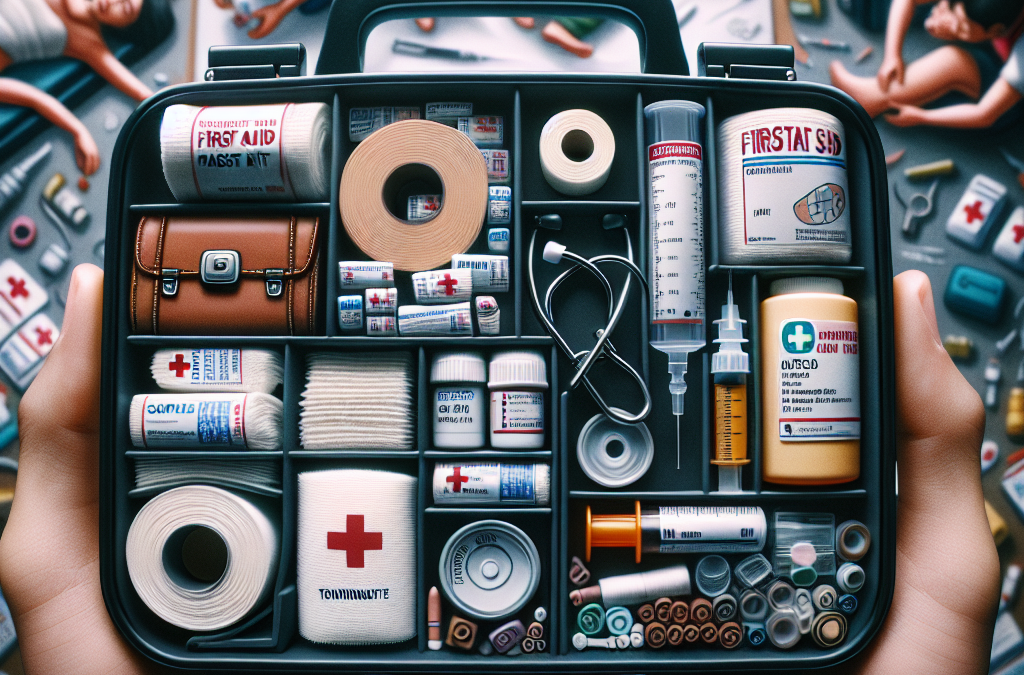
A complete first aid kit means you have a wide range of supplies to cover various injuries and ailments. Think about it: band-aids, antiseptics, gauze, medical tape—they all serve different purposes. When I put my kit together, I made sure to think about everything I might need in common scenarios.
Also, consider that not all injuries require the same treatment. Having access to a variety of supplies enhances your ability to respond appropriately. There’s nothing worse than reaching for a bandage only to find out you’re out of it!
A thorough first aid kit caters to different situations, making it much more effective than just a few random supplies thrown in a bag. When you’re prepared, you can act swiftly and effectively, which is incredibly reassuring during an emergency.
Specific Items for Unique Situations
In addition to the basics, I’ve found that thinking ahead about potential unique situations can be really helpful. For instance, if you’re an avid hiker or camper, consider including specific items like splints for fractures or snake bite kits.
Even more, if you travel often, including medications for allergies or stomach upsets makes sense. I always carry a few over-the-counter meds in my personal kit—it’s a lifesaver! These specific items ensure that you are truly ready for any eventuality.
By tailoring your first aid kit to your unique needs, you’re not only better prepared but you also feel more in control. You can’t predict every emergency, but you can make educated guesses based on your lifestyle and needs.
Family-Specific Needs
When considering a first aid kit, think beyond yourself. If you have kids, elderly relatives, or pets, your first aid kit should cater to their specific needs as well. For instance, my daughter has very sensitive skin, so I always pack hypoallergenic bandages.
Moreover, if you know someone in your family takes particular medications, it’s wise to have a plan in place. Keeping spare medications or specific treatments in your kit ensures you’re prepared to handle health issues as they arise.
Ultimately, having a family-oriented first aid kit gives you peace of mind, knowing you’re equipped to handle kid-related scrapes or the unique needs of older family members. It’s a must if you want to ensure everyone feels safe and looked after.
3. Enhancing Home Safety
Proactive Safety Measures
Investing in a complete first aid kit at home is an excellent proactive safety measure that can prevent serious health crises. Imagine the peace of mind you would feel knowing that you’re prepared at home for anything that might happen. I actually keep a well-stocked kit in my kitchen and another one in the living room.
By having a kit close at hand, you’re more likely to take swift action during a small emergency—whether it’s a burn from a hot pot or a scrapped knee from falling off a bike. Timely response can make a world of difference!
Creating a family safety plan around your first aid kit also helps everyone understand its importance. I often hold mini-trainings with my kids on how to use the kit properly—they love it! It becomes a fun family activity rather than a daunting task.
Encouraging a Culture of Safety
Having a first aid kit at home encourages a culture of safety. When you invest in the right supplies, you send a strong message to your family that safety matters. I often talk about safety with my family, and it’s refreshing to see my kids take an interest in being safe.
This culture doesn’t stop at home. It spills over into schools, outings, and other environments where your family exists. By instilling the importance of safety in the early years, you’re teaching them to look out for themselves and others.
There’s something empowering about knowing you can help in an emergency. When your family is on board with this idea, it fosters responsibility and an overall mindset of care for each other, which is something I genuinely cherish.
Creating a Safe Environment
Lastly, let’s not forget that having an organized first aid kit is actually part of creating a safe environment. I have to admit, I used to have a chaotic kit filled with half-used supplies, and it did more harm than good. Now, I regularly check the contents and make sure everything is accessible and well-labeled.
This organization means I can find precisely what I need when an emergency arises, whether it’s a swift bandage application or grabbing some ointment for a sunburn. I can’t stress enough how essential it is to keep your supplies in check!
Moreover, organizing your kit can be a fun little project. My kids help me with it every few months, and they actually enjoy sorting through supplies. It’s a hands-on way to keep safety on everyone’s mind!
4. Cost-Effectiveness in the Long Run
The Price of Preparedness
When I first looked at the price of a complete first aid kit, I thought, “Do I really need to spend this much?” But then I realized the cost of an injury or illness without proper supplies could be much higher. This perspective shift showed me how effective investing in a first aid kit can be.
Let’s say you don’t have the necessary items during an emergency—you may end up spending way more on doctor visits for something you could have handled at home. That realization alone made me a firm believer in investing in good supplies!
Additionally, many kits contain items that are specialized or hard to find elsewhere. Think about how much time and energy you’d waste trying to piece together supplies from various stores in a panic. Investing upfront saves you from that chaos!
Long-Term Use of Supplies
Another consideration is that the supplies in your first aid kit can last long-term if stored correctly. With the right maintenance, items such as bandages and antiseptic wipes have a viable shelf life, so you’re not just throwing money away. I keep an eye on expiration dates and restock as needed, and it’s been a game-changer.
The prolonged utility also means that you save in the long run since you’re prepared over years rather than just months. Plus, a well-maintained kit can handle the unexpected, so you’re less likely to find yourself scrambling for supplies.
This method of cost-effectiveness is practical and intelligent. Imagine how much stress you could avoid simply by having your kit stocked and ready rather than having to make an emergency run to the pharmacy.
Peace of Mind Equals Value
In closing, let’s not overlook the value of peace of mind. Knowing I have a complete first aid kit helps me relax more, whether I’m hosting a party or going on a camping trip. It’s worth every penny to eliminate that worry!
When I’ve got my kit ready, it changes how I approach activities with my family. I’m there to enjoy quality time rather than constantly fretting over what could go wrong. It’s about enhancing the experiences and being genuinely present.
In the end, the cost of a complete first aid kit is a small price to pay for that sense of security. It’s an investment in health, safety, and happiness, allowing you to focus on making memories rather than worrying about the “what-ifs.”
5. Encouraging Community Awareness
Being a Resource for Others
One of the most rewarding aspects of having a complete first aid kit is the opportunity to help others in need. I can’t count how many times my neighbors have come by, whether it was for a scraped knee from a bike accident or a child complaining of allergies at a playdate. I’m always happy to share resources!
This willingness to share encourages others to think more about safety and preparedness, too. When people see you taking action, they’re more likely to step up and follow suit. It’s all about creating a ripple effect in the community.
Also, teaching others about first aid resources can foster a greater sense of safety within your neighborhood or even at the workplace. Who knows, you might inspire someone else to create their first aid kit, and before long, everyone is looking out for each other!
Hosting First Aid Workshops
If you’re feeling ambitious, consider hosting a first aid workshop in your community! I’ve done a couple of these sessions where I walked folks through assembling a first aid kit and demonstrated how to use the supplies effectively.
These workshops can be engaging learning experiences and a great way to bring people together. Plus, I was pleasantly surprised by how many people wanted to learn! It turns into a communal effort where we can all become more aware and knowledgeable about health and safety.
The sense of camaraderie that comes with teaching someone else is powerful. You’re not only helping individuals but contributing positively to a community culture that prioritizes health and safety.
Building a Culture of Preparedness
Lastly, encouraging community awareness helps establish a culture of preparedness. Just like we look out for our families, we can extend that same care to those around us. When emergencies arise, we often lean on one another for support, and knowing our neighbors are trained and prepared is a tremendous relief.
By creating a community that values readiness, we’re also creating a safer space for everyone. It’s a win-win situation where we all can thrive together, knowing we’ve got each other’s backs!
Investing in a complete first aid kit ultimately fosters a connected and aware community. It starts with individuals and can create a ripple effect, making your neighborhood or workplace a safer place for everyone!
Frequently Asked Questions
1. Why is a complete first aid kit better than a basic one?
A complete first aid kit contains a wide range of supplies that prepare you for various emergencies, while a basic kit might only have a few essentials. Having complete coverage can make all the difference in a critical situation.
2. What items should I include in my first aid kit?
A well-rounded kit should include bandages, antiseptic wipes, gauze, medical tape, scissors, tweezers, and over-the-counter medications, among other supplies. Tailor it to your lifestyle and family needs for maximum efficacy.
3. How do I maintain my first aid kit?
Regularly check your kit for expired items and restock any supplies that are running low. I recommend doing this every few months to ensure you have what you need when it’s crunch time.
4. Can first aid kits be customized?
Absolutely! You can customize your first aid kit based on personal needs, activities, or family members’ specific health requirements. Adding unique items can enhance preparedness based on your lifestyle.
5. What’s the best way to educate my family on using the first aid kit?
Hold family training sessions where you go over the contents of the kit and how to use each item. Keeping it interactive and engaging makes it fun, and it empowers everyone to be prepared in emergencies!

by Preparation Call Editorial Team | Jul 30, 2025 | Preparedness
1. Enhanced Physical Resilience
Understanding Physical Resilience
When I think of physical resilience, it’s all about your body’s ability to withstand stress and recover from it. In a survival scenario, this is paramount. Whether you’re hiking in harsh terrains or facing unexpected weather changes, the stronger your body, the better you can handle those challenges. It’s like giving your body an upgrade, preparing it to take on whatever comes your way.
One key aspect of resilience is conditioning, which revolves around building muscle strength, endurance, and flexibility. Just think about it: being able to lift heavy objects when building a shelter, or running for a great distance to find help can be life-saving. The more we train, the more we enhance our capacity to deal with physical challenges.
Moreover, resilience isn’t just physical—it’s also about mental toughness. In times of severe stress, our bodies need to keep functioning optimally while our minds work through issues. I’ve often found that a solid fitness routine boosts my mental clarity and focus, which is invaluable when I need to make quick decisions under pressure.
Building Strength and Endurance
Strength and endurance are the bread and butter of physical fitness in survival situations. Practical exercises like weightlifting, running, and even bodyweight workouts contribute to building that essential strength. Picture this: getting trapped or having to scale cliffs. A well-conditioned body means less chance of injury and a higher likelihood of escape.
Endurance training, on the other hand, prepares you for long-duration activities. Whether you’re trekking miles in the woods or swimming across a river, the ability to keep going when fatigue sets in can determine your survival. Honestly, I find that combining both strength and endurance workouts keeps me prepared for any situation.
Consistency is key! I try to follow a balanced routine that targets both these areas weekly. It’s not just about pushing hard for one session; it’s about showing up and putting in the work repeatedly, making it a habit and part of my lifestyle.
Flexibility and Injury Prevention
When discussing physical fitness, flexibility often doesn’t get the credit it deserves. However, in survival, it’s super important. Good flexibility can help prevent injuries, and let me tell you, nobody wants to deal with an injury out in the wild where medical help is far away.
Incorporating yoga and stretching into my routine has really opened up my range of motion and kept my muscles ready for unpredictable movements. I always feel much more agile and less prone to pulls or strains thanks to my flexible body.
Remember, it’s about balance. A balanced approach to fitness makes you not just stronger, but smarter about how you move. So, I make sure to dedicate time to flexibility workouts because being able to move freely is key to surviving any situation.
2. Increased Mental Clarity and Focus
Fitness Boosts Brain Function
We often overlook how physical fitness connects with mental sharpness. But let’s face it: in survival situations, your mind is just as important as your body. When I work out, I feel that rush of endorphins, which not only uplifts my mood but also clears my mind. It’s like hitting a reset button!
Scientific research backs this up too! Regular exercise improves cognition and can boost our ability to make quick decisions. It’s easy to get overwhelmed in stressful situations, but regular physical activity helps me stay sharp. It’s about being prepared mentally as much as it is physically.
So, I encourage folks to incorporate activities like running or cycling into their routine as a way to enhance clarity. You’ll be amazed at how much more focused and alert you can be in tough situations just by hitting the gym or taking a jog outside!
Stress Management
Survival situations are a breeding ground for stress, and how we handle it can make a big difference. I have noticed that staying fit helps me deal with stress way more effectively. Exercising brings down those anxiety levels, allowing me to think more clearly when my heart is racing.
Finding healthy outlets for stress, like hitting the gym or going for a hike, can transform your entire approach to challenges. Instead of panicking when facing adversity, I’m able to channel that energy into physical exertion, which often leads to better decision-making.
Additionally, activities like meditation or breathing exercises paired with physical fitness can be a game-changer. They offer a holistic approach to maintaining both physical and mental well-being, ensuring that I’m ready to face whatever comes my way without succumbing to panic.
Problem-Solving Under Pressure
In survival, it’s not just about muscle power; you need to think strategically too. Regular fitness routines help sharpen my capacity for problem-solving. When I put my body under stress through exercise, I train my mind to stay calm and tackle problems effectively. It’s almost like a rehearsal for when things go south.
Engaging in various forms of training, such as team sports or obstacle courses, teaches you how to adapt and find solutions on the fly. In the face of obstacles during fitness, I’ve learned to think quickly and maintain composure—skills that are invaluable during real-life survival situations.
So, I always remind folks to engage in activities that challenge their mind and body simultaneously. This training creates a seamless integration of fitness and critical thinking that we can all benefit from.
3. Enhanced Metabolism and Energy Levels
Boosting Metabolism
Fitness doesn’t just make you strong; it catapults your metabolism too! When I keep active, my body becomes more efficient at burning calories, even while at rest. This isn’t just great for keeping in shape, but it also contributes to having those necessary energy reserves when adventure strikes!
An improved metabolism helps your body recover quicker after strenuous activities, meaning you can go longer and harder during survival situations without crashing. Plus, the more active I am, the more I find I want to maintain healthy eating habits too. It becomes a natural cycle of energy management.
It’s super beneficial for survivalists because it allows you to maximize the energy from whatever food you can scavenge or hunt. I find that by maintaining an active lifestyle, I can make the most of what I consume. It’s all part of the circle of survival!
Stamina for Adverse Conditions
It’s one thing to be fit and another to possess the stamina to endure tough conditions. In survival situations, you often face long days filled with physical labor without adequate rest. Having built up my stamina through consistent training is what keeps me going when things get hairy.
Interval training has worked wonders for my endurance. By mixing high-intensity bursts with lower intensity activities, I equip my body to handle variable stress. This is super useful when you need to sprint away from danger or hike out of a rough spot and you’re running on fumes.
Additionally, it’s essential to recognize your body’s limits during extended physical activity. I’ve learned to listen to my body and pace myself when necessary; knowing when to push and when to conserve energy is all part of mastering stamina.
Overall Well-Being
The impact of fitness on well-being goes beyond just physical aspects. It shapes your mental and emotional state as well. Staying fit can improve your mood and overall outlook on life. In survival situations, maintaining a positive attitude can be half the battle!
Physical activity releases biochemical substances that enhance our mental state, making us more resilient. I’ve experienced this firsthand—when I feel good physically, I naturally feel empowered and ready to take on challenges, even in less-than-ideal conditions.
Being in great shape means you’re likely to handle hardships with a clear mind and a determined attitude. It contributes to finding joy and positivity even when facing daunting scenarios. I can’t emphasize enough how vital it is to sustain that overall well-being through fitness!
4. Improved Social Connections
Teamwork Through Fitness
Survival isn’t just about the individual; it’s often a team effort! Engaging in group fitness activities fosters camaraderie and trust among participants. I truly believe that keeping fit together can strengthen social bonds that are crucial in challenging situations.
Sweating it out together through a boot camp or a sports team creates connections that go beyond physical fitness. It’s a shared experience where you learn to rely on each other. Trust and communication developed in these settings become invaluable when you’re all working together for survival.
Moreover, these shared experiences help build problem-solving teams. In the face of adversity, knowing you have each other’s backs prepared with what you physically trained for makes all the difference. The connections formed during fitness efforts create a support system that you can rely on in tough times.
Sharing Knowledge and Skills
In fitness communities, it’s easy to learn from one another. I find that sharing knowledge not only helps improve personal skills but also encourages collective growth. When you know how to prioritize physical fitness, you can also share techniques on staying safe, building shelters, or other survival skills that elevate the group’s readiness.
Many of the skills we learn in fitness translate well to real-life situations. Team workouts often come with challenges and tasks that mimic situations we might face in survival. You can swap tips, strategies, and techniques, enhancing everyone’s capabilities in the process.
Plus, this knowledge-sharing builds a repository of collective experiences that we can all lean on later. The friendships and mentorships born from fitness can create a wealth of knowledge about survival tactics that can help you during crunch time!
Community Support
Having a robust support system from your fitness community gives you a solid base. Surviving tough times often requires the motivation and encouragement of others around you. Whether it’s through motivation in workouts or emotional support during rough patches, that community can be your lifeline.
Fitness classes or local clubs often create an environment where everyone is rooting for one another. This shared encouragement leads to overall stronger bonds, and when it comes down to survival, having people ready to rally together can greatly improve your chances of overcoming adversity.
In times of crisis, you discover what someone is made of. Building those connections in fitness can lead to stronger allies when you’re dealing with survival situations. It’s genuinely uplifting to know there’s a tribe behind you when you need it most.
5. Access to Resources and Training
Finding Survival Skills Through Fitness
Fitness isn’t just about lifting weights or running marathons. Many fitness programs offer survival training, and this is a fantastic resource! I’ve participated in workshops that combine elements of fitness with practical survival skills like navigation and first aid, which can be valuable in dire situations.
These trainings equip you with the knowledge to handle a variety of survival challenges. Whether it’s learning about edible plants or how to build a makeshift shelter, these skills can directly translate into real-life survival capabilities. Plus, they keep you physically active as you learn!
Moreover, connecting with survival experts through fitness classes or workshops opens doors to further training opportunities. This continuous learning contributes to increased readiness when faced with adversity.
Access to Essential Gear and Equipment
Many fitness communities focus on hiking, rock climbing, or outdoor activities that require specialized gear. Gaining access to quality equipment not only helps improve your training but also prepares you for survival scenarios. I’ve been part of groups where we shared recommendations on gear that became essential for my outdoor adventures.
This access to information ensures I’m making informed decisions about the best tools to carry in emergency situations. Good equipment can make a substantial difference in survivability, and being part of a fitness community means you are often in the loop on the latest and greatest gear.
Additionally, attending fitness expos or related events can lead to discovering new products that can enhance your survival toolkit. The more knowledge you have about available resources, the better prepared you will be.
Creating Emergency Plans
Lastly, one of the invaluable aspects of fitness communities is the environment where we can strategize. Having accessibility to discussions about emergency plans in a group setting leads to greater preparedness altogether. I’ve participated in fitness meetups that included safety planning, which was eye-opening!
Discussing potential scenarios helps everyone envision what might happen and plan accordingly. Knowing how to react when faced with different challenges can significantly enhance your chances of survival. It’s not just theory; we actually practice drills that can be applied to real situations!
Together with others, we create a support system that works diligently to ensure we’re all prepared. This collaborative planning fosters emotional resilience, making it easier to handle sudden challenges when they arise.
Frequently Asked Questions
1. Why is physical fitness important for survival?
Physical fitness enhances your strength, endurance, mental clarity, and overall well-being, which are critical in emergency situations. Being fit prepares your body and mind to handle unexpected challenges with confidence.
2. What types of exercises should I focus on for survival situations?
A balanced mix of strength training, endurance activities (like running or hiking), and flexibility exercises (such as yoga) will prepare you for a variety of physical challenges during survival scenarios.
3. How can fitness improve my mental resilience?
Regular exercise increases the release of endorphins, which enhances mood and reduces stress. This mental boost helps maintain focus and clarity, which is vital when under pressure in a survival situation.
4. What role does team fitness play in survival training?
Participating in group fitness activities fosters teamwork and communication skills, building relationships that can enhance your chances during difficult survival scenarios.
5. How can I access resources for learning survival skills through fitness?
Look for fitness communities or workshops that emphasize outdoor training and survival skills. Engage with local groups, attend classes, and participate in activities that combine physical fitness with survival education.
by Preparation Call Editorial Team | Jul 30, 2025 | Preparedness
1. Choosing the Right Containers
Assessing Your Needs
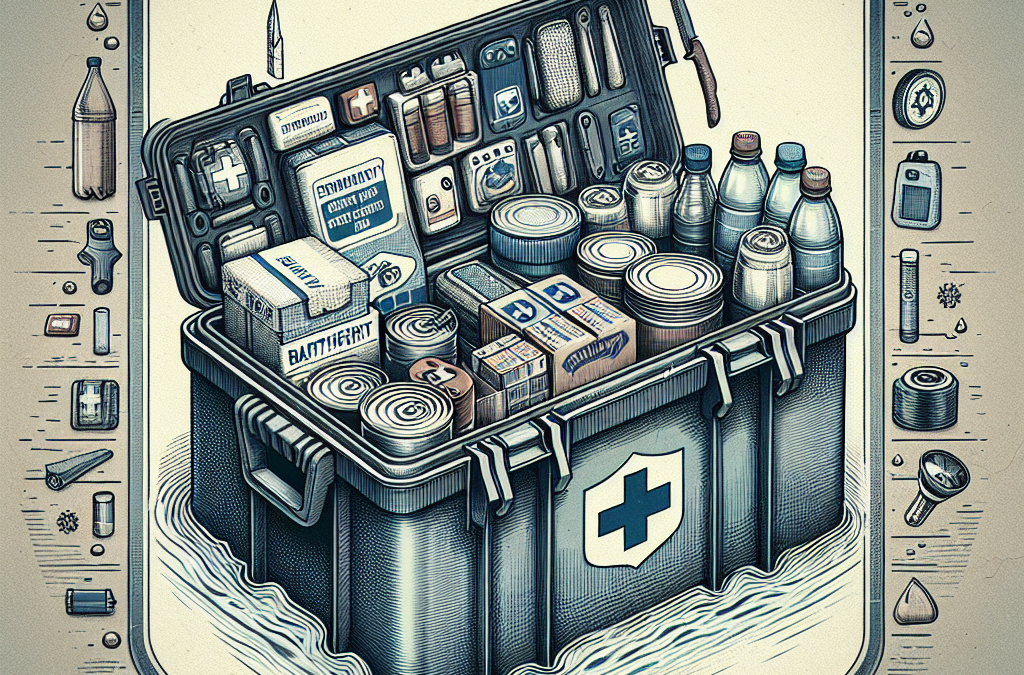
When it comes to emergency supplies, the first thing I learned is that the choice of containers can make a world of difference. You want something that’s durable, breathable, and ideally waterproof. Think about the specific supplies you have—medications, food, gear—and how much protection each type requires.
For instance, if you’re storing items like batteries or electronics, a container with a good seal is key. Moisture can wreak havoc on these items, so I personally prefer hard plastic boxes that are designed for heavy-duty storage. They’re easy to stack, keep stuff organized, and keep moisture at bay.
Also, don’t forget to label everything! I’ve spent way too much time rummaging through unmarked boxes. A simple label maker or a permanent marker can save you from that chaos later on.
Material Matters
The material of your containers is just as important as the design. I’ve tried everything from cardboard to heavy-duty plastic, and let me tell you, plastic wins every time. It’s waterproof, resistant to pests, and can handle a bit of roughhousing during transport.
Metal containers are another option, especially for long-term food storage, but they can rust unless they’re coated. I learned the hard way to avoid fabric bags for anything other than light items. They soak up moisture and lose structural integrity over time.
Lastly, consider using vacuum-sealed bags for smaller items. They take up less space, and moisture is the enemy when you’re stocking up for emergencies. Anything I can minimize in terms of space that’s also moisture-proof is a win in my book!
Organizing Containers
It’s not just about having the right containers; it’s also about how you organize them. From my experience, it helps to have one container for each category: food, first aid, tools, etc. This way, when something goes down, you’re not playing hide and seek with your supplies.
I use clear containers whenever possible. This allows me to see what’s inside without opening them, which is a lifesaver when time is of the essence. Store similar items together and consider placing the most frequently used supplies on top, so they’re easy to grab.
Regularly go through your supplies to check expiration dates and ensure everything is in working order. This has saved me more than once from showing up to an emergency unprepared. No one wants to deal with expired band-aids or dead batteries!
2. Proper Storage Locations
Avoiding Damp Areas
Back in the day, I made the rookie mistake of storing my emergency supplies in the basement. It seemed logical until I realized it was prone to flooding and moisture buildup. Now, I keep my supplies in a dry, cool place—like a closet on the main floor or even a spare room.
Humidity is the number one enemy of emergency supplies. Areas like attics can get hot, while basements can get soggy. Find a happy medium that’s also protected from direct sunlight since UV rays can affect the integrity of your supplies.
If you must use a basement or cellar, invest in some moisture-absorbing products, like silica gel packs or a dehumidifier. Trust me, it’s better than replacing soggy supplies!
Accessibility Matters
As much as I want my supplies to be safe, I also need them to be easily accessible. I learned that this balance is crucial. After all, during an emergency, quick access can be the difference between calm response and chaotic panic.
Consider placing supplies in a location that everyone in your household knows about. I even made a little map and put it on the fridge. That way, if I’m not home, my family can still grab what they need quickly.
In addition, keep an emergency kit in your car, especially if you live in an area prone to natural disasters. I made it a point to have tools and snacks easily reachable in case I ever get stranded.
Temperature Control
Extreme temperatures can damage certain supplies, so I always consider climate control for my emergency kits. For example, batteries can leak in heat or cold, and food supplies may spoil or lose integrity.
I recommend keeping non-perishable foods and items like batteries inside your home rather than in the garage. Garage temperatures can fluctuate dramatically over the seasons and aren’t ideal for sensitive supplies.
If you’re in a particularly hot area, consider investing in insulated containers. They can protect against extreme temperatures while still being lightweight and easy to maneuver.
3. Regular Maintenance
Periodic Checks
Let me tell you, regular checks are a must! I learned the hard way that just stashing supplies and forgetting about them isn’t the way to go. Set a reminder on your phone every six months to go through your stuff.
During each check, I assess the condition of my containers and the supplies within them. Any outdated items get tossed, and I take note of what needs to be replenished. It keeps things from getting stale—literally and figuratively!
Seeing everything laid out also gives me peace of mind. I’ve made this a family activity, getting everyone involved so we all understand where things are and what we might need in the future.
Updating Supplies
As I go through my supplies, I often find that some things need upgrades. Maybe I’ve found better items that are lighter or more durable since the last time I stocked up. Each review session is a chance for me to improve what I’ve got.
Keep an eye out for seasonal items. For example, during winter, I make sure my kit has extra blankets and warm clothing. In the summer, it might be better hydration options. It’s all about adapting to the environment you’re in.
Don’t only focus on physical supplies! If you’ve learned new emergency techniques or first-aid methods, make sure to update your knowledge. Maybe even take a quick refresher course with your family. It’s a great way to bond and prepare at the same time.
Replacing Expired Items
One of the biggest pitfalls I encountered was not keeping an eye on expiration dates. I cannot stress enough how important it is to regularly replace expired items. Nothing worse than needing a first-aid kit only to find out the supplies inside haven’t been viable for years.
I usually keep a checklist handy that notes what we have on hand and when it expires. A simple spreadsheet does wonders. Time flies, and it’s easy to lose track of which items need replacing.
Make replacing expired items a part of your routine checks. This not only ensures everything is fresh, but it also gives you peace of mind knowing you’re truly prepared.
4. Keeping Supplies Clean
Hygiene Practices
In my experience, maintaining cleanliness in emergency supplies is often overlooked. But let’s face it: dirt and germs have no place in a kit meant to aid us in difficult times. I regularly wipe down my containers and check that everything inside is clean.
Especially with food items, hygiene matters a ton. I always ensure hands are washed before I restock supplies. If you’re putting fresh items inside, even better—everything should be as sanitary as possible to avoid contamination.
Additionally, don’t forget to clean your tools. Whether it’s a multi-tool or a set of flashlights, keeping them clean not only preserves their function but also extends their lifespan. It’s the little things that make a big difference!
Sealing Food Properly
Food storage is another key area where I recommend taking extra precautions. I’ve gotten into the habit of using sealable bags or vacuum-sealed containers for all perishable items. This helps keep ambient moisture and pests at bay.
This practice has saved me from many instances of moldy food. Nothing ruins your day faster than pulling out emergency supplies and finding they’re spoiled! I also try to use Food-Safe containers to ensure it won’t leach harmful chemicals.
Labeling is also super important here. I write down the purchase or expiration dates directly on the bags! That way, I can quickly know what to toss without digging through everything.
Mold Prevention
I cannot stress enough how dangerous mold can be, especially in emergency supplies. I’ve encountered it before and learned to be vigilant. Ensure your containers are completely dry before sealing them and always check your stored supplies regularly.
Use moisture absorbents inside your containers, especially when storing food. Silica gel packs or activated charcoal are great for keeping things dry. Remember, a little precaution goes a long way when it comes to preventing mold growth.
Don’t underestimate the power of ventilation either. I store some items in a well-ventilated room to deter any moisture buildup, which surely cuts down the chances of mold craving your supplies.
5. Planning for the Unexpected
Conducting Drills
I’ve found that planning for emergencies isn’t just about having supplies, but knowing how to use them! I conduct regular drills with my family to ensure everyone knows where the supplies are and how to handle different situations.
During these drills, we practice scenarios like power outages, natural disasters, or any situation where we might need to rely on our emergency supplies. It’s actually been pretty fun—kind of like a practice adventure!
Realistic scenarios give everyone the chance to get familiar with emergency protocols. And to ensure anyone can utilize the supplies effectively, we discuss the contents of our kits. Knowing how to act calmly is just as important as having the right stuff!
Understanding the Use of Supplies
Just having supplies isn’t enough; understanding how to use them is crucial. For instance, I took the time to learn how to use a tourniquet correctly and practice what steps to take in case of injury. These aren’t just gimmicks; they save lives!
I recommend keeping an instruction manual or guideline with your supplies. It doesn’t hurt to have a visual reference to follow, especially under pressure. Sometimes just reading something while in a chaotic moment can bring clarity.
Moreover, I try to gather resources like first-aid guides and emergency contact numbers and make sure everyone can read through them. Sharing knowledge is a major part of being prepared!
Updating Your Plan
In closing, I realized that as life changes, so should our emergency plans. Check in on your emergency plan periodically, especially if you’ve moved houses, added family members, or changed your lifestyle in some way.
This might mean updating contact lists or re-evaluating the supplies you have on hand. I found that making adjustments helps in keeping everything relevant, which is key when the unexpected happens.
Think ahead and anticipate potential challenges you could face in the future. Keeping flexibility in your plan ensures readiness for whatever might come down the road!
Frequently Asked Questions
1. How often should I check my emergency supplies?
It’s a good idea to check your emergency supplies every six months. This helps ensure everything is fresh and functional. During these checks, make sure to replace expired items.
2. What type of containers are best for storing emergency supplies?
Durable, waterproof plastic containers are usually the best. They protect against moisture, pests, and are easy to stack for organized storage. Make sure to label them, so you know what’s inside!
3. Can I store emergency supplies in my basement?
It depends. If your basement is prone to moisture, it’s better to keep supplies elsewhere to avoid water damage. If you do store them in the basement, consider using moisture-absorbing products.
4. What should I do with outdated food and supplies in my kit?
Outdated food and supplies should be discarded immediately. Replace them with fresh items to ensure you’re always prepared. This should be part of your regular check-ups.
5. How do I plan for emergencies with my family?
Conduct drills with your family and discuss your emergency plan. Make sure everyone knows where supplies are kept and how to use them. Reinforce learning through realistic scenarios and keeping guidelines handy!

by Preparation Call Editorial Team | Jul 30, 2025 | Preparedness
Understanding the Importance of a Community Support Network
Why Community Matters in Emergencies
When emergencies hit, it’s often the community that rallies together to provide support. Personal connections are crucial; they create a web of trust and shared resources that can help in times of distress. Drawing on my own experience during a local disaster, I witnessed how neighbors came together to check on each other, share supplies, and provide emotional support. It’s like having an extended family that’s there for you when you need it the most.
The emotional impact of having a supportive community cannot be overstated. You don’t just have physical resources at your disposal; you have people who understand what you’re going through. This empathy can be a powerful healing tool, as I’ve seen friends help each other through rough patches, whether it’s simply listening or stepping in with meals and supplies.
Building this network takes time and effort, but the payoff, especially in emergencies, is worth it. The peace of mind knowing that you’re not alone, that there’s a whole group of folks ready to pitch in, can be immensely comforting. This sense of belonging fosters a resilient community that can withstand crises.
Identifying Key Community Members
Who Can Be Your Lifeline?
Starting to build your support network means thinking about who around you has valuable qualities and resources. Look for individuals who are natural leaders, caregivers, or those with specialized skills, like medical training. In my neighborhood, we have a retired nurse who often organizes health check seminars. It’s amazing how such people can be the backbone of a support system.
Also, consider diverse perspectives. A variety of backgrounds and skills can enrich your support network. I’ve befriended a local engineer, a teacher, and a stay-at-home parent who collectively bring a wealth of knowledge, from logistics to child care, which can all be invaluable in an emergency.
Don’t forget about the quieter members of your community. Sometimes it’s the ones who seem shy or reserved who have amazing skills or resources. I’ve learned that reaching out and encouraging everyone to share their strengths really opens up the network. It makes for a vibrant community ready to support one another!
Creating Communication Channels
Establishing Clear Lines of Communication
In an emergency, having effective communication can make all the difference. I’ve found that using various platforms helps reach everyone. From social media groups to text chains or even a simple community bulletin board, it’s essential to keep everyone in the loop. Often, knowing how to contact someone quickly can save precious time in a crisis.
Make sure to establish a point person or two who can disseminate information effectively. In my experience, working with a couple of volunteers to lead these efforts lightens the load and ensures clarity. Plus, it’s helpful to assign different topics or areas of concern, such as medical needs or food distribution, so that communication remains organized.
And hey, don’t forget the importance of regular check-ins! Even outside of emergencies, keeping the lines of communication open strengthens those bonds. I like to set up casual meet-ups or community potlucks, which not only allow for planning but also just being around each other to create that lasting camaraderie.
Resources and Training for Community Preparedness
Investing in Your Community’s Skills
When I first started focusing on my community’s emergency preparedness, I realized how beneficial training sessions could be. Whether it’s CPR training or disaster response Simulations, knowing what to do in a crisis empowers community members and builds confidence. I organized a few workshops with local experts, and the enthusiasm was contagious!
Offering shared resources, like a first aid kit that everyone knows where to access, is another great way to be prepared. It’s just practical, right? We’ve also looked into creating a list of resources available in our area, whether that’s shelters, clinics, or food banks, so everyone knows where to go when things get tough.
Continuous education is key here. I’ve found that regularly updating your community with new skills can extend beyond formal training. For instance, sharing experiences or lessons learned after an emergency can prepare us better for future situations, creating a growing knowledge base that reinforces our community’s resilience.
Fostering a Sense of Community Spirit
Engaging Everyone in Support Activities
To really have a robust support network, it’s vital that everyone feels included and engaged. I like to promote activities that encourage a sense of belonging, from community service days to fun social events. Creating a shared purpose can make folks feel like they’re part of something larger during both good times and bad.
Encouragement goes a long way! I often share stories from community members who have lent a helping hand, amplifying that positive energy. Recognizing individuals for their efforts builds morale and motivates others to step up. I’ve seen firsthand how a few positive shoutouts can inspire others to engage and contribute their skills to the community.
Lastly, celebrating successes is a major morale booster! After we successfully set up a community response plan, I threw a small neighborhood party. Nothing fancy, but seeing everyone relaxed, smiling, and chatting reminded me why we do this work in the first place. It’s about building and nurturing the connections that make our community strong.
Frequently Asked Questions
1. How can I start building a community support network?
Begin by talking to your neighbors and identifying key individuals in your area. Building relationships and knowing the strengths of those around you is an essential first step!
2. What types of training should community members consider?
Consider first aid and CPR training, disaster response techniques, and even basic resilience workshops. These can equip your members with the skills they need to respond effectively.
3. What are the best methods for communication during emergencies?
Using multiple platforms such as group texts, social media groups, or community forums can be very effective. Designate individuals to manage communication to keep things organized.
4. How can I keep everyone engaged in community activities?
Create a variety of social and service activities, recognizing individual contributions and celebrating successes. This fosters a sense of belonging and encourages ongoing participation.
5. What can be done to maintain connections in non-crisis times?
Regular check-ins, community gatherings, and spontaneous get-togethers help keep those bonds strong. It’s important to maintain those relationships even when there’s no immediate need for support.
by Preparation Call Editorial Team | Jul 30, 2025 | Preparedness
Understanding Off-Grid Communication Needs
Assessing Your Environment
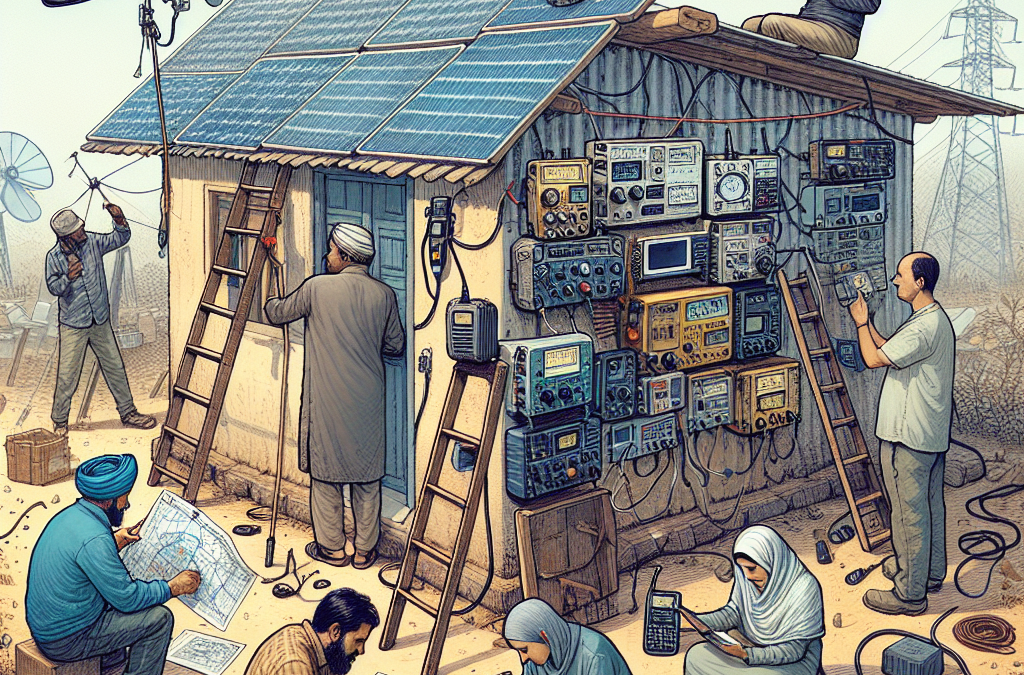
So, the first step I took was really getting a feel for my environment. Living off-grid means you’ve got to know your surroundings. Are there mountains, valleys, or dense forests? These can all impact signal strength and route options for communication. Spend some time observing how different weather conditions affect the area too.
Next, think about where the closest neighbors are and how far apart you’ll be communicating. If it’s just you, go for a longer-range system. But if you have neighbors within a few miles, you might want to stick with something simpler, like walkie-talkies or a local repeater.
Lastly, don’t forget about the flora and fauna! Yes, I mean the trees and animals. Believe it or not, they can obstruct signals, so it’s worth narrow-scaling where you’ll set up your primary communication unit.
Determining Specific Communication Needs
Next up, I dug into exactly what I needed in terms of communication. Are you just trying to send simple messages, or do you need voice calls? Maybe you want something like satellite internet? Knowing what you want to achieve is crucial.
Also, consider your power source. If you’re going solar, you’ll need to take energy usage into account. Some systems require a lot of power, and if you’re relying strictly on solar energy, you don’t want to be running out of juice too quickly.
Lastly, think about what kind of emergencies you might face. Having a backup plan for when things go haywire is a must, so I always recommend having more than one method of communication. Better safe than sorry, right?
Budgeting for Off-Grid Communication
Now, let’s talk dollars. Setting up an off-grid communication system can range from cheap to, well, not so cheap. It’s crucial to set a budget before diving in. What you base that on is personal, but try to avoid impulse buys!
I found it helpful to list out what devices you think you’ll need, and then do a little comparison shopping. There are great deals out there, especially if you keep a keen eye on second-hand markets. Many folks sell gently used equipment after upgrading, so don’t sleep on that!
To wrap up, don’t forget to factor in any ongoing costs. Monthly fees for satellite internet, or replacement batteries for your devices add up over time, so keep that in check to avoid future surprises.
Selecting the Right Communication Equipment
Types of Communication Devices
Alright, so let’s break down the options. I personally think a mix of devices is the way to go. You’ve got your walkie-talkies, which are great for short-range communication. Super easy to use and affordable.
If you’re thinking bigger, consider ham radios. They’re more complex but give you far better range and more reliability. Just remember, you might need a license depending on where you are, so check that out first!
Lastly, satellite phones and internet connections are fantastic for when you need to be able to reach out globally. They can be pricey, but when you’re far off the grid, you’ll appreciate the peace of mind that comes with it.
Installation Tips
Setting things up can get a little tricky. Make sure to read the instructions carefully! I can’t stress how much of a headache it is when you skip something. Proper installation is key to ensuring everything runs smoothly.
Test your equipment in different locations around your property. You might find sweet spots that work better than others. I even set up small makeshift stations in a few areas to see which ones jived better with my communication needs.
Don’t be afraid to ask for help! I consulted with some buddies who were a bit more tech-savvy than I am. A second pair of hands can make all the difference, especially with some of the more advanced setups.
Regular Equipment Maintenance
Now that everything’s set, let’s not forget about upkeep. Maintaining your devices is essential. I learned this the hard way when one of my radios started acting funky because I hadn’t charged the battery properly.
Regularly check your equipment for wear and tear. Just like a reliable vehicle, communication tools need love too. Replace batteries and check connections often to ensure everything’s reliable and ready when you need it.
Lastly, don’t ignore software updates if your devices have them. Keeping everything ‘updated’ keeps you in sync with whenever advancements happen, and can sometimes even improve functionality—bonus!
Testing Your Communication System
Conduct Regular Tests
The importance of testing can’t be overstated. I set aside time each month to run drills, practicing different scenarios and making sure everything worked as intended. It’s surprising how many little things can go wrong!
Include everyone in your tests, especially if you’re in a community setup. It’s great for improving your plans and making adjustments when necessary. Plus, it builds teamwork and ensures everyone knows how to use the equipment properly.
Always take notes during these tests. It’s beneficial to recognize patterns and troubleshoot ahead of emergencies rather than during them, you know? I keep a log of lessons learned from each testing period to make tweaks in my setup, ensuring it’s as efficient as possible!
Feedback Loop
Getting feedback from you and anyone else involved is crucial. I made it a habit to gather input after our drills to see what worked and what didn’t. Sometimes, I think I’m on top of things, only to discover that someone else had a troubleshooting problem that I never anticipated.
Encourage open dialogue about how the system is functioning and areas for improvement. Fresh perspectives can lead to innovative solutions that you might not have thought of!
Maintaining that feedback loop consistently leads to a better overall communication setup. It’s like evolving and adapting, ensuring you’ve got the most reliable system possible as your needs change!
Preparing for Emergencies
Lastly, prepare for emergencies. We all know that the unexpected can happen, and off-grid living can sometimes present challenges. So, having protocols in place for communication during emergencies is key.
I always keep flashlights, extra batteries, and backup communication methods handy. Create a plan on how to ensure reachability and who will be the key contacts if you need assistance.
Lastly, practice makes perfect—when the chips are down, you’ll want everyone to know how and when to get in touch with each other, even in a pinch!
FAQ
1. What types of equipment do I need for an off-grid communication system?
You’ll want to check out a combination of walkie-talkies, ham radios for longer-range communication, and potentially satellite phones for more critical needs. The choice depends on your communication goals and surrounding environment.
2. How often should I test my communication system?
I recommend testing your tools at least once a month. Regular drills can help ensure everything is functioning as it should and allow you to adjust if any issues arise.
3. Do I need a license for ham radios?
Yes, in many places, you’ll need a license for ham radios. It’s essential to check your local regulations before getting started!
4. What should I include in my emergency communication plan?
Your emergency plan should include alternative communication methods, status check protocols, and key contacts. Make sure everyone is on the same page to avoid confusion when things go south!
5. How can I maintain my off-grid communication system?
Regular checks and maintenance are crucial. Ensure equipment is charged, replace batteries when needed, and keep an eye on wear and tear. Regularly updating software and testing functionality are also key parts of effective maintenance.