by Preparation Call Editorial Team | Jul 6, 2025 | Preparedness
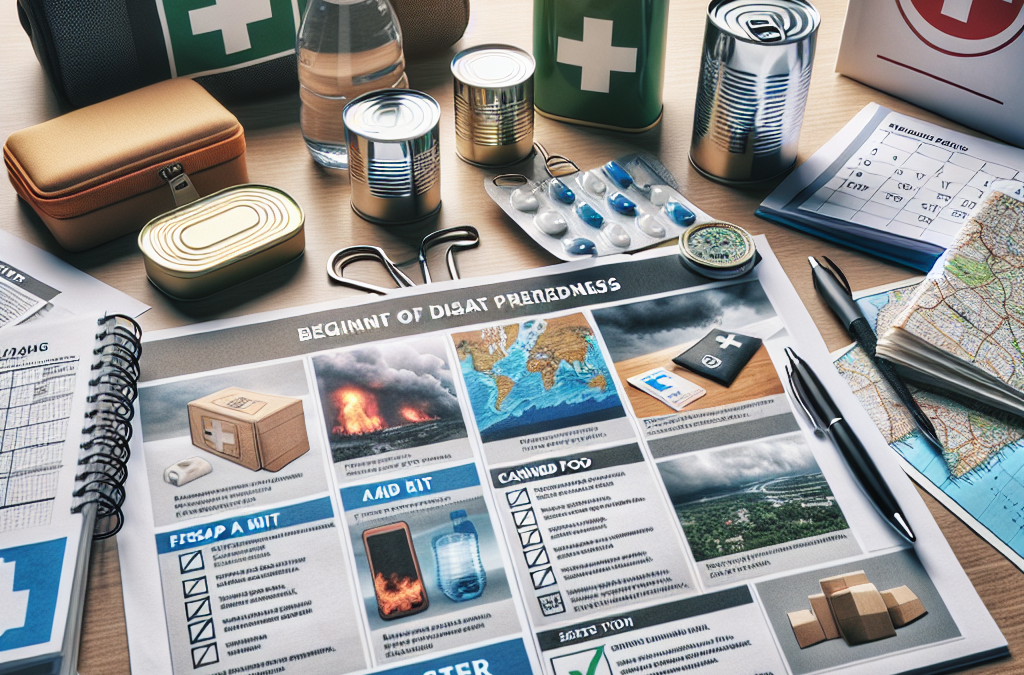
The Best Way to Start Your Disaster Prep Plan
The Best Way to Start Your Disaster Prep Plan
- Creating a Personalized Emergency Plan
- Gathering Essential Supplies
- Staying Informed About Local Risks
- Practicing Your Preparedness Strategy
Creating a Personalized Emergency Plan
Assessing Your Family’s Needs
When starting your disaster prep journey, the first thing I did was assess my family’s specific needs. You gotta think about everyone’s daily routine and any special requirements. If someone in your family has medical issues, you’ll need to factor those in. Even pets need consideration—don’t forget about their food and care needs in an emergency!
Next, sit down with your family for a chat. Make it a fun event, maybe over a casual dinner or coffee. Talk about what emergencies could affect your area, and discuss each person’s role in an emergency. This way, everyone knows what to do when things go south.
In closing, write down your plan. Get everyone’s input, and keep it somewhere handy. I like to stick mine on the fridge. Seeing it daily keeps it fresh in everyone’s mind, and encourages conversation about it.
Choosing an Emergency Meeting Spot
An essential part of your plan is choosing a safe meeting place. In the chaos of an emergency, things can get wild, so having a predetermined place to rally helps. My family chose a nearby park. It’s spacious and easy to get to for everyone.
Discuss two locations: one close to home for minor emergencies, and a second one farther away for more serious situations. If you haven’t already, make sure everyone knows how to get there. Consider transportation options, especially if you might be on foot.
Have a little fun with it! Maybe plan a family outing to that spot, so it becomes more familiar and less intimidating when you truly need it.
Documenting Important Information
Don’t forget to document critical information. I can’t emphasize this enough. Create an emergency contact list that includes family members, friends, and any local services you might need post-disaster. Also, collect important documents—think insurance papers, medical records, and IDs.
I’ve found keeping this info both digitally and physically helps. You can easily share the digital version through a family group chat, while keeping paper copies in a safe spot you can access quickly.
Lastly, be sure to update this info regularly. Great plans grow and evolve with your family!
Gathering Essential Supplies
Making a Supplies List
Gathering essential supplies is an exciting part of preparing. At first, it can feel overwhelming, but breaking it down into categories makes it manageable. Start with food—think non-perishables like canned goods, dry snacks, and ready-to-eat meals. I love adding a few comfort items like chocolate or my favorite energy bars to the mix!
Next on the list? Water. You’ll want enough for each person in your household to have at least one gallon a day for a minimum of three days. It sounds like a lot, but I found some great stackable containers that make storage simple.
And don’t forget first aid kits and personal hygiene items! These are essential for keeping everyone safe and clean during a disaster. You can buy pre-made kits, but I prefer to customize mine to fit our specific needs.
Organizing Your Supplies
Once you’ve gathered your supplies, organization is key. I like to use plastic bins for everything—labeling is crucial, not just for you but for anyone helping during an emergency.
Separate supplies into different bins: food, water, first aid, and communication tools. Keeping everything organized saves time and stress when the pressure is on.
Consider having an “easy access” box with the most essential items, like flashlights, batteries, and basic first aid supplies. It sounds simple, but when disaster strikes, you really don’t want to be rummaging through everything.
Regularly Reviewing and Updating Your Supplies
Having supplies is great, but maintaining them is just as important. I check my emergency stash every few months—replacing expired items and rotating stock.
This can also be a family fun day: have everyone help out! It turns into a reminder for everybody about the plan and gets everyone involved in the process.
Develop a calendar reminder for yourself so it doesn’t slip through the cracks. It’s easy to forget, but keeping your supplies fresh is crucial. Trust me, your future self will thank you!
Staying Informed About Local Risks
Identifying Local Hazards
Now that you’ve got a plan and supplies, it’s time to educate yourself on local hazards. Different regions have different risks, and knowing these can save you and your family.
I started by researching the most common disasters in my area—floods, earthquakes, and hurricanes, oh my! Find local resources, like community websites or your town’s emergency services page, to stay updated.
Also, check in with neighbors or local community groups. Sometimes, local knowledge can shed light on risks that official channels may overlook.
Utilizing Technology for Updates
There’s no escaping technology in today’s world—so why not use it to stay informed? I highly recommend downloading emergency apps on your phone. Many are free and provide alerts, emergency tips, and maps that can guide you during a crisis.
Set up alerts for local weather and emergency alerts to keep you informed in real-time. This way, you won’t be caught off guard when disaster strikes.
And hey, don’t just rely on tech! Cultivating relationships with your community can often be your first line of defense.
Participating in Local Preparedness Training
Lastly, step outside your comfort zone and join local preparedness programs. I attended a community workshop, and it opened my eyes to things I wouldn’t have learned on my own. They often teach valuable skills like basic first aid, how to shut off utilities, and even CPR.
Encourage your family to join so you all learn together. Plus, you meet folks in your community who can lend support in emergencies.
Practicing Your Preparedness Strategy
Conducting Drills
Alright, practice time! Just like athletes need practice, we need to drill our emergency plans. Get the family together and run through your plan at least twice a year.
You can make it a fun day outdoors—set up scenarios like a fire drill or lockdown situation, teaching kids how to react properly. I always add elements of fun to it, so they stay engaged!
Afterward, gather as a family to discuss what went well and what didn’t. This is all about growth, learning from mistakes, and tightening your plan over time.
Assessing Supplies During Drills
During your practice drills, take time to assess your supplies too. Make sure your emergency kit is where it should be and stocked up. You’d be surprised what gets used up or misplaced over time.
I’ve found that doing this during drills creates a sense of urgency without the stress—it’s a balancing act. Plus, it becomes second nature when real emergencies inevitably occur.
Updating Your Plan With Feedback
Remember that preparedness isn’t a one-and-done deal. After practicing your emergency drills, gather feedback from all family members. What did they find confusing? Was anything missing?
With this info, you can make changes to your plan and supplies. I’m continually tweaking my approach based on feedback, and it’s made our family a lot more confident in our emergency readiness.
FAQs
What should I do first when starting my disaster prep plan?
Start with assessing your family’s specific needs and creating a personalized emergency plan. Consider everyone’s routines and any special requirements, then document your plan clearly.
How often should I update my emergency supplies?
I recommend reviewing and updating your emergency supplies at least every few months. This ensures that things like food and medications are fresh and ready to go.
Where can I find information about local risks?
Check community websites, local emergency services pages, and connect with neighbors. Official sources often provide the most accurate information regarding local hazards.
How can I make practicing my plan fun for my family?
Implement games or challenges while running your drills! Make it a family day out where everyone participates, and celebrate afterward to keep spirits high while doing something serious.

by Preparation Call Editorial Team | Jul 6, 2025 | Preparedness
When it comes to survival, I’ve always believed that having the right tools is essential. Over the years, I’ve realized that there’s one tool that stands above the rest — something that truly can’t be overlooked. In this article, I’m going to break down the key areas of this tool and share why it’s an absolute must-have for anyone who’s serious about their survival skills. Let’s get into it!
Unmatched Versatility
This tool isn’t just good at one thing; it’s a multi-tasking marvel. Here’s why that versatility matters.
Adapts to Multiple Situations
In my experience, you never really know what situation you’re going to find yourself in. Whether it’s an outdoor adventure gone wrong or a sudden hit of a natural disaster, having a tool that adapts is invaluable. I can’t tell you how many times I’ve had to MacGyver a situation because I had the right tool on hand.
For example, during a recent camping trip, a fellow camper used their survival tool to open a can of food, cut rope, and even start a fire! I was blown away by how many things they could do with just one tool!
This adaptability cuts down on the number of tools you need to carry, making your pack lighter and more efficient. It’s truly a game-changer when you’re packing light.
Cost-Effective Solution
You might think that getting a tool with so many functions would break the bank, but that’s not necessarily the case. I’ve found plenty of multi-tools that won’t decimate your budget while still providing a ton of utility. Investing in this kind of tool is smart economics, especially if you’re an outdoor enthusiast or survivalist.
Think about it: instead of spending money on separate gadgets for cutting, sawing, or opening bottles, why not get one tool that does it all? This approach saves money, space, and headaches!
Trust me, I’ve tried to skimp on tools before, and I’ve regretted it. Spending a little more upfront on something versatile often pays off in the long run.
Easy to Learn
Another fantastic feature of this tool is that it’s straightforward to master. I’ve seen countless friends struggle with complex gadgets that come with too many instructions and features they never end up using. With this tool, however, you can get the hang of all of its functions in no time.
When I first used my versatile tool, I was able to figure it out in mere minutes. The intuitive design is user-friendly and perfect for anyone, whether you’re a seasoned pro or just starting.
With a little practice, you’ll be amazed at what you can do with it. Plus, learning to use it only adds to the fun of your survival journey!
Durability and Reliability
Let me tell you, when push comes to shove, you want a tool that can take the heat. This is where durability shines.
Built to Last
In any kind of survival situation, durability is the name of the game. I once made the mistake of buying a cheap tool that broke on me halfway through a wilderness hike. It was so frustrating! You want something that will withstand the elements and the test of time.
Investing in a high-quality tool usually means you’ll get something engineered to last. Whether you’re cutting through rope or prying open something stubborn, it should hold up under pressure.
I’ve had my multi-tool for years, and it still works as beautifully as the day I bought it. Durability gives me peace of mind when dealing with unpredictable scenarios.
Field-Tested Performance
There’s a reason some tools become favorites in the survival community. They’ve stood the test of real-world challenges and proven themselves time and again. I’ve read countless testimonials about tools that have saved lives in emergencies, and I can personally vouch for mine!
Using this tool in various scenarios has consistently yielded positive results. From starting a fire to making quick repairs, it’s been a dependable ally in sticky situations. I often share my stories of its reliability to encourage friends to invest in a tool they can trust!
It’s crucial to choose something that has a solid reputation. Nothing beats hearing about how well a tool has performed in someone else’s hands.
Weather Resistance
When you’re in unpredictable weather conditions, having a weather-resistant tool is essential. I can’t even count how many times rain or humidity could have ruined my gear if I hadn’t chosen wisely!
My go-to survival tool made from stainless steel and high-quality materials has remained unaffected by the elements, allowing me to focus on survival without worrying about my equipment failing.
This attribute is especially critical in survival situations — you need to know your tool will function properly no matter what Mother Nature throws your way.
Enhanced Safety Features
Safety, first and foremost! The right survival tool can pave the way for safer experiences during outdoor activities or emergencies.
Reduced Risk of Injury
Let’s get real here: using the wrong tool or a flimsy option can lead to injuries. I’ve had my fair share of close calls because I didn’t prioritize safety features.
Having a well-designed tool means better ergonomics and reduced risk of accidents. The grip is solid, and the blades are designed for precision, minimizing mishaps during use. I’ve seen friends get hurt while using slippery or poorly made tools — it’s never pretty!
I always recommend testing out any tool before relying on it in live situations, especially during training. Knowing its safety features will give you confidence in using it when needed.
Multi-Function Locking Mechanism
Another critical safety aspect of a reliable survival tool is its locking mechanism. You don’t want something that can accidentally close on your fingers, right? Trust me, it’s not worth the risk.
Every time I deploy my multi-tool, I feel secure knowing that its locking feature keeps it safely in place while I’m using it. This aspect is often overlooked, but it’s immensely valuable in preventing accidents.
If you’re feeling unsure about a tool’s lock, always look for reviews or consult experienced users to see if they’ve faced any issues.
Emergency Features
Many top-notch tools are equipped with emergency features you might not even think about! For example, my multi-tool includes a safety whistle and a small compass. Surprisingly handy, right?
These features can make a significant difference during distressing situations. I once found myself a bit lost while hiking, and having a compass gave me the peace of mind I needed to get back to safety.
Always consider what extra features your tool offers, as they could make your survival experience much smoother and safer!
Personal Stories of Survival
Let’s wrap it up with some personal accounts to drive this point home. Nothing beats real-life stories!
A Quick Fix in a Pinch
I’ll never forget a day when I camped out with friends, and we brought just about everything except a proper knife. My multi-tool saved the day with its sharp blade. We were able to prepare food and set up our space without any hiccups!
The smiles on everyone’s faces when we realized we weren’t left hanging felt great! This tool became the unsung hero of the trip, reinforcing my belief that preparation is half the battle.
Each of us took turns using it, which gave everyone in the group a chance to appreciate its functionality. It was a real bonding moment and a highlight of our adventure.
Staying Safe in the Wilderness
During another experience, I ended up needing my tool for more than just convenience. I got tangled in some thick brush, and my multi-tool helped me free myself without getting hurt. The blade managed to cut through some stubborn vines that were constricting my movement.
In a moment of panic, having that tool made all the difference. Had I not had it, who knows how long I would have been stuck?
This moment taught me that even in routine situations, it’s vital to have the right gear on hand. You never know when things will take an unexpected turn!
Lessons Learned
Through these experiences, I’ve grown to respect the importance of a reliable survival tool. Not only does it have incredible versatility, but it also can keep you safe, help you adapt, and guide you home when times get tough.
These aren’t just lessons I read in a book; they come from my personal experiences in the great outdoors. I love sharing these insights to help others prepare just as I have!
So when you’re gearing up, don’t overlook the one survival tool you can’t afford to miss. You’ll thank yourself down the line!
FAQ
1. What is the best survival tool to have on hand?
The best survival tool often varies by personal preference, but a versatile multi-tool is typically a top choice due to its ability to handle various tasks efficiently.
2. Why is versatility important in a survival tool?
Versatility allows a single tool to perform multiple functions, reducing the number of items you need to carry and ensuring you’re prepared for a range of situations.
3. Can I trust inexpensive survival tools?
While there are some reliable budget-friendly options, it’s generally worth investing a little more for quality and durability to ensure it performs when you need it most.
4. How can I ensure the safety of my survival tool?
Always check for features such as ergonomic designs, locking mechanisms, and emergency features to enhance the safety of your survival tool.
5. How does personal experience influence the choice of survival tools?
Personal experiences can provide valuable insights into what works best in real-life scenarios, helping you choose tools that are proven and reliable based on firsthand use.
by Preparation Call Editorial Team | Jul 6, 2025 | Preparedness
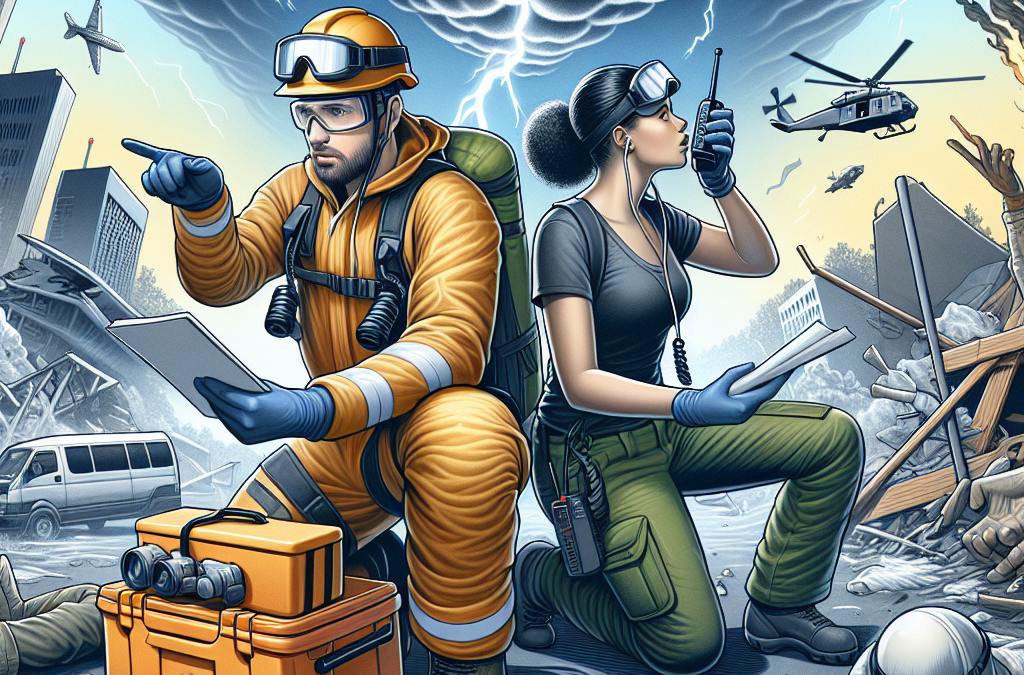
Stay Calm and Assess the Situation
Taking a Moment to Breathe
When disaster strikes, the first thing you want to do is take a deep breath. I know it sounds cliché, but seriously, staying calm is key. Panic can lead to poor decisions, and in a crisis, we need our minds working at full capacity. I remember during a storm warning, I found myself glued to the weather app, but pausing for a moment really helped me think through my next steps.
Assessing the situation means figuring out what just happened. Was it a natural disaster like an earthquake or a man-made incident? Understanding the nature of the disaster can help create a response plan. After you’ve paused, ask yourself what you need to react properly. Clarity leads to better decision-making.
Talking to others around you can also help. Sharing information can ground you and provide multiple perspectives on what to do next. In my experience, even just chatting with a neighbor with more experience in emergencies helped me assess my own situation better.
Ensure Safety First
Find a Safe Location
Your safety and the safety of those around you should be the top priority. Whether that means moving to a sturdier building during an earthquake or getting away from rising floodwaters, knowing where to go is crucial. I learned this the hard way during a minor flood in my area; I didn’t move fast enough and wound up dealing with a soggy mess in my home.
Look for designated safe spots around you. It’s good to know local evacuation routes and shelters in advance, so you’re not scrambling during a disaster. Trust me, the last thing you want is to find yourself in a panic, surrounded by unfamiliar terrain, with no idea where to go.
Once you’ve secured a safe spot, check on those around you. Making sure your loved ones are out of harm’s way can alleviate some stress. I can’t tell you how many times keeping tabs on family and friends has helped calm my nerves in emergencies.
Emergency Kit Preparedness
Gather Essentials Beforehand
Believe me when I say that an emergency kit can be a lifesaver. Before a disaster strikes, take the time to gather essentials like water, non-perishable food, first-aid supplies, flashlights, and batteries. These items seem trivial until you actually need them. I put mine together after spending a night without power, and I definitely learned my lesson!
Storing everything in a waterproof container is also a smart move. You never know when floods or heavy rain can hit. In my experience, I’ve seen how a well-organized kit made a stressful weather event so much easier to handle.
Don’t forget to refresh the supplies in your kit regularly! I always say it’s like changing the batteries in your smoke detectors—an annoying job, but oh so necessary. Check expiration dates and swap out items that’ve gotten stale or expired so you’re always ready to roll.
Stay Informed
Use Trusted Sources for Updates
In a crisis, staying informed can mean the difference between safety and danger. I always rely on trusted news sources and government advisories when something goes down. Social media can be useful, but it’s a double-edged sword—rumors spread like wildfire, so stick to verified channels.
Weather apps and emergency alerts on phones can also provide real-time updates. It’s like having a lifeline at your fingertips. Personally, I never thought to turn on alerts until I missed a critical update during a storm. Now, I feel more secure having that info ready.
Another smart tactic? Engage with community forums or local groups. Sometimes, people share information faster than the news. I’ve found that connecting with neighbors through apps like Nextdoor can keep me well-informed about what’s actually happening around me.
Communicate and Plan Ahead
Create a Family Communication Plan
One thing I can’t stress enough is the importance of communication. When everyone is scattered during a disaster, having a plan in place is crucial. Sit down with your family and discuss where to meet if you are separated. Make sure everyone knows how to contact one another. I learned through experience that having a designated meeting spot can save a lot of anxiety!
Consider everyone’s comfort with technology. Not everyone will have phones or service. I always tell my friends that texting sometimes works better than calling during emergencies. It’s just one of those things to try out when the services are strained.
Regularly reviewing and practicing the plan can make all the difference. Even doing a quick role-play can remind everyone what to do if the situation arises. Trust me; having that muscle memory can help you stay calm under pressure!
FAQ
- What should I do first in a disaster? – First, stay calm and assess your surroundings. This helps you comprehend the situation accurately.
- How can I prepare an emergency kit? – Gather essentials like water, food, first aid supplies, and flashlights. Ensure everything is in a waterproof container.
- What communication methods should I use? – Stick to trusted sources for updates, engage in community forums, and have a family communication plan in place.
- How can I ensure my loved ones are safe? – Check on them immediately after a disaster, and make sure everyone understands the safety plan.
- Should I practice my emergency plan? – Absolutely! Regularly revisiting your plan with family can help all members feel prepared and reduce panic.
by Preparation Call Editorial Team | Jul 6, 2025 | Preparedness
As the dust settles on the recent U.S. presidential election, political divisions in the country have reached a fever pitch. In several states, newly elected leaders and state legislatures have already begun to take stances that directly counter the policies of the incoming federal administration. These actions are raising alarms among political analysts, historians, and citizens who see echoes of a darker time in American history—the prelude to the Civil War.
The United States has a long and complicated history of state-federal tensions, with the Civil War of 1861-1865 being the most extreme example of what can happen when these conflicts escalate. While the circumstances today are far from identical, the growing rhetoric of resistance from certain state governments should give us pause. The question must be asked: Are we headed toward a similar crisis? And what steps can we take to prepare for the potential dangers of a deeply divided nation?
In times of political and social instability, it is not only political leaders who must prepare for upheaval—it is families, communities, and individuals. A nation divided by ideological and political battles faces a host of economic and social challenges. From potential civil unrest to disruptions in services, food security, and healthcare, the need for preparedness has never been more urgent.
A History of Conflict: The Civil War as a Cautionary Tale
The Civil War was, at its core, a confrontation between two vastly different visions of the United States—one centered around a federal government that sought to limit the spread of slavery, and the other, a Southern Confederacy that prioritized states’ rights, including the right to maintain and expand slavery. The Southern states, feeling that their way of life and economic interests were under threat, chose to secede from the Union, leading to a bloody, four-year war that tore the nation apart.
While the nation is not currently on the brink of war, we are witnessing growing tensions between state governments and the federal administration that, if not addressed, could escalate into something more dangerous. Just as in the antebellum period, the issue of state rights is coming to the forefront, but this time it is largely about policy disagreements ranging from abortion rights and environmental regulations to healthcare and gun laws. The stark political divide, paired with mounting resistance from both state and federal leaders, makes the need for personal and family preparedness more critical than ever.
Modern-Day Secessionist Movements and State-Federal Disagreements
In the aftermath of the 2020 election, several states, including Texas, Florida, California, and Minnesota, have pushed back against federal policies in areas such as immigration, healthcare, climate change, and other social issues. For example:
- Immigration: States like Texas have implemented tough anti-immigration laws that defy federal guidance on sanctuary cities and border control. California, on the other hand, has continued to protect its sanctuary cities and taken a firm stance against federal deportation policies under both President Trump and Biden.
- Abortion: Following the Supreme Court’s 2022 decision to overturn Roe v. Wade, many Republican-led states moved quickly to enact restrictive abortion laws, while Democratic-led states like California have worked to establish themselves as “sanctuaries” for abortion access, going as far as to introduce legislation that would protect and expand access to abortion services regardless of federal rulings.
- Gun Rights: In states like Arizona and Wyoming, laws have been passed that restrict or reject federal gun control measures. Conversely, California under Governor Newsom has enacted some of the strictest gun laws in the country, countering federal inaction or policy differences on gun regulation.
- Healthcare: As the Biden administration pushes for expanded federal healthcare programs, some states, particularly in the South, have refused to expand Medicaid under the Affordable Care Act, prioritizing state-level decisions over federal mandates. On the flip side, California and Minnesota have actively pushed for progressive health care reforms, with Governor Newsom expanding Medicaid in California and Tim Walz promoting progressive health initiatives in Minnesota that often exceed federal expectations.
In these cases, state leaders—whether from Republican or Democratic-led states—are asserting their autonomy and challenging federal policies that they believe overstep constitutional bounds. While these actions are legal under the doctrine of states’ rights, they also risk deepening divisions and setting the stage for broader confrontation.
A Specific Example: Governors Calling Special Sessions in Defiance
One of the most concerning developments in recent state-federal relations has been the decision by governors in both Republican and Democratic states to call their legislatures into special session specifically to resist the policies of the incoming president.
For example, after the 2020 election of President Joe Biden, several Republican governors, including those in states like Florida and Texas, immediately announced plans to convene special legislative sessions aimed at opposing certain federal measures. Florida Governor Ron DeSantis, for instance, called a special session to fight COVID-19 vaccine mandates, emphasizing state sovereignty over federal health guidelines. Similarly, Texas Governor Greg Abbott issued a call for a special session of the Texas Legislature to address issues such as election integrity and anti-abortion legislation, both of which were seen as counter to federal policies and priorities.
But the actions aren’t limited to Republican states. California Governor Gavin Newsom, a Democrat, also called a special session in the wake of the Roe v. Wade decision to further entrench abortion rights in California’s constitution, signaling a direct defiance of the federal ruling. This move was framed as a statement on protecting reproductive rights, but it also created a sharp contrast with more conservative states that were enacting restrictive abortion laws. Similarly, Minnesota Governor Tim Walz has called for the expansion of progressive climate policies in the face of potential rollbacks by the federal government. In his first term, Walz advocated for ambitious state-level policies on carbon emissions and renewable energy production, in contrast to federal actions that he believed were too lenient on fossil fuel industries.
While these actions may seem like routine political maneuvers, they represent a direct challenge to the authority of the federal government and signal a deeper level of opposition that could escalate over time. By calling these special sessions with the express purpose of defying federal authority, state governors are effectively setting the stage for a broader confrontation. This growing trend of resistance could provoke a cycle of retaliatory actions between state and federal leaders, further eroding national unity and trust.
In extreme cases, such defiant actions could pave the way for more dramatic steps. While secession is still unlikely, the increasing tension between state governments and federal authorities could lead to greater civil unrest or even violent confrontation in the streets. It also raises the specter of states attempting to nullify or ignore federal laws altogether, leading to a fractured, legally inconsistent nation.
The Dangers of a Fragmented Union
The most immediate danger of these escalating state-federal conflicts is the potential for a fractured Union. Although secession is not currently on the table in the same way it was in the 1860s, the actions of states that challenge federal authority could lead to a scenario where regions of the country operate under completely different sets of laws and values. In the worst case, this fragmentation could spiral into political violence, civil unrest, or even calls for secession.
The secessionist rhetoric that once dominated the Southern states has not disappeared. There are still fringe groups advocating for the secession of states like Texas, arguing that the federal government is no longer representing the interests of their citizens. While such movements remain on the periphery, the more pressing concern is the general erosion of trust in federal institutions and the potential for that mistrust to grow into open defiance.
Moreover, the growing ideological divide between red and blue states creates the conditions for “two Americas,” where residents of different states live under vastly different legal, economic, and social systems. This polarization makes it harder for the federal government to enact cohesive policies on issues like climate change, healthcare, and immigration, as states actively resist changes they see as hostile to their interests.
The Critical Need for Preparedness: A Call to Action for Families
Given the mounting risk of social and economic instability, it is no longer a matter of if disruptions will occur, but when. It is vital for families to take steps now to prepare for the potential upheaval that could arise from growing state-federal conflicts. The increasingly polarized political environment means that local communities could face disruptions in everything from supply chains to law enforcement and essential services.
Here are some critical areas where families should focus their preparedness efforts:
- Financial Security: Economic instability can arise quickly during times of political unrest. It’s wise to bolster savings, reduce debt, and consider diversifying investments. Families should also look into securing essential supplies—like food, medicine, and water—to ensure they can weather potential disruptions.
- Community Networks: Strengthening local community ties is more important than ever. In the event of civil unrest, social isolation could become a major vulnerability. Building relationships with neighbors, local leaders, and support groups can provide a safety net during difficult times.
- Emergency Plans: Families should create emergency response plans that address evacuation, communication, and shelter. This plan should include alternative sources of energy, like backup generators, as well as strategies for accessing essential services should they become unavailable.
- Self-Sufficiency: Having a degree of self-sufficiency can mitigate the impact of economic or supply chain disruptions. Families should consider learning basic skills, such as gardening, cooking from scratch, first aid, and basic home repairs, to make themselves less dependent on external systems.
- Physical and Mental Health: Unrest often takes a toll on both physical and mental health. Maintaining a healthy lifestyle and having access to medical supplies, including mental health resources, is essential. Families should also consider ways to protect their homes and personal safety in case of rising crime or political violence.
By preparing for potential disruptions, families not only protect their own well-being but also contribute to the broader stability of their communities. When enough people take action to become more self-reliant, the ripple effect can help ensure that society remains resilient even in the face of growing discord.
A Nation at a Crossroads: The Need for Personal and Collective Action
The United States stands at a crossroads. Just as the nation faced an existential crisis over issues like slavery, states’ rights, and the role of the federal government in the 19th century, we are now grappling with similar questions in the context of modern political and social issues. The lessons of the Civil War—of compromise, diplomacy, and the catastrophic consequences of extreme division—should serve as a powerful reminder of the dangers of unchecked state-federal conflicts.
The next few years may be pivotal in determining whether the U.S. can weather its internal divisions without descending into greater instability. As states and the federal government continue to clash, it is crucial that we remain vigilant, engaged, and prepared for the challenges ahead. Only through dialogue and cooperation can we hope to preserve the Union and ensure that the lessons of history are not repeated.
Ultimately, preparedness—on a personal, family, and community level—can help mitigate the effects of social and economic unrest. By taking proactive steps now, families can better safeguard their future, contributing to a collective resilience that is vital for the preservation of national stability in the face of growing division.
by Preparation Call Editorial Team | Jul 6, 2025 | Preparedness
Do You Have Enough Supplies for a Flood? Here’s the Checklist
Top 4 Semantic Keyword Phrases
- Flood preparedness supplies
- Essential items for flooding
- Emergency kit for flood situations
- Safety measures during a flood
Do You Have Enough Supplies for a Flood? Here’s the Checklist
Flood Preparedness Supplies
Understanding the Importance of Flood Preparedness
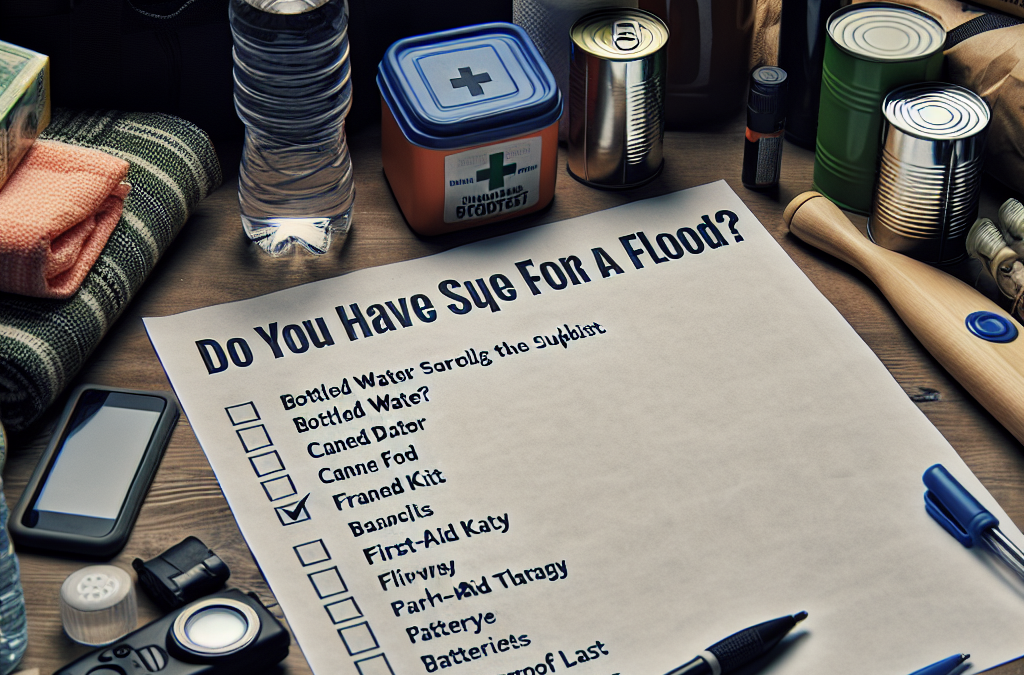
Floods can hit incredibly fast. Think about it: one moment everything seems fine, and then the rain keeps pouring, and suddenly, you’re in panic mode. Being prepared isn’t just a nice thought; it’s a lifesaver. You have to ask yourself—what essentials do I need to keep my family safe and secure? Making a checklist of flood preparedness supplies is a smart move.
Having the right supplies can mean the difference between safely weathering the storm and feeling completely overwhelmed. It’s like having an insurance policy—not fun to think about, but super important. By putting together a list and checking it twice, you ensure that you’re ready when disaster strikes. Plus, it gives you peace of mind.
Whether you live in a flood-prone area or not, it’s wise to be prepared. Nature can be unpredictable, and floods can affect anyone. It’s all about being proactive instead of reactive when it comes to safety.
What Supplies Do You Really Need?
You shouldn’t just grab random items; you need to have a smart list. Essentials include things like water, non-perishable food, flashlights, batteries, and a first-aid kit. I can’t stress enough how important water is—one gallon per person per day should be the minimum for hydration. Trust me, in a crisis, you won’t want to be without it.
Don’t forget about personal medications, important documents, and items for pets if you have them. I always make sure to keep things like vaccination records for my furry friends in an easily accessible spot. You’d be shocked at how many folks overlook this until it’s too late.
Also, think about hygiene supplies! When the power goes out, sanitation is key. Include things like hand sanitizer, wipes, and toilet paper in your supply stash. Being clean can boost morale in tough times, and it keeps illness at bay.
Creating Your Flood Preparedness Kit
So, how do you start putting your kit together? First things first, I recommend getting a sturdy container or backpack—something that’s easy to grab and carry if you need to evacuate. An old duffle bag could work in a pinch, but a plastic bin might be more waterproof.
As you gather supplies, keep track of expiration dates regularly. You don’t want to end up with a box full of expired energy bars when you need them most. I usually go through my kit every six months or so to refresh it. It’s really just about making sure you are always prepared.
And don’t forget to label everything! This helps you locate items quickly if you need to grab them in a hurry. Simple things like writing “First Aid” or “Food” on the containers can save precious minutes when every second counts.
Essential Items for Flooding
Food and Water Considerations
When it comes to food during a flood, you have to think smart. I always opt for non-perishable items like canned fruits, vegetables, and meats. These are easy to store and can last a long time, even without power. Plus, they’re a quick grab if you have to leave in a hurry.
Now, about that water supply—having enough clean water is crucial. Besides the gallon-per-person-per-day rule, I like to throw in some sports drinks or electrolytes. They really help you stay refreshed and energized if you’re stuck without access to regular food for a while.
Don’t forget to pack a can opener! I can’t tell you how many people forget this little gadget. It’s super important because you don’t want to be wrestling with a can of beans while floodwaters are rising. Be practical, and get the right tools.
First Aid and Safety Supplies
A good first aid kit is your best buddy in emergencies. I personally have a fully stocked kit with band-aids, antiseptic wipes, gauze, and my go-to painkillers. Also, make sure to include a pair of scissors and some tweezers—little things that can come in handy at unexpected moments.
You should also think about flashlights and battery-operated lanterns. Being in the dark can feel disorienting and stressful, and having a way to light your surroundings brings comfort. I always like to toss in extra batteries too, just in case.
Consider adding a multi-tool or a Swiss Army knife to your kit. It’ll cover all sorts of needs, from opening cans to tightening screws. Plus, they’re compact and don’t take up much space, making them perfect for emergency situations.
Documents and Important Items
Storing your important documents is critical. I suggest having a waterproof container or zip-lock bags for things like passports, insurance information, and medical records. It’s all about making sure you can easily access these essential items if you have to leave home quickly.
Don’t forget about backup power supplies! I swear by having a portable charger for my phone. You might not think it’s vital, but being able to communicate with others could make a huge difference during a flood. Also, if you stash a few cash bills in your kit, you’d be surprised at how useful that can be if electronic systems go down.
Taking a few minutes to compile and store these documents can make an intense situation feel a tad easier. You’ll thank yourself later, I promise.
Emergency Kit for Flood Situations
Building Your Emergency Kit
Now, the heart of your flood preparedness is your emergency kit. This is the ultimate go-bag that should be ready to go at a moment’s notice. Start with basics: water, food, and first aid supplies. These are the non-negotiables.
I’m a big fan of keeping a little cash handy. As we all know, ATMs can go dark during emergencies, so having cash on hand means you can buy crucial items if necessary. I generally keep a mix of small bills just in case, so I don’t get stuck without change.
The size of your emergency kit really depends on your family size. If you have kids or pets, consider adding things like diapers, baby formula, or pet food. It’s about customizing it to suit your needs.
Staying Informed and Connected
Part of being prepared is knowing what’s going on in your area. I can’t stress enough how handy a battery-operated weather radio can be. During a power outage, this will be your lifeline to the latest information on the situation outside.
In addition to listening to the radio, I recommend having a plan in place to communicate with family members. If you get separated during a flood, knowing how to reach each other again can bring some peace of mind. Maybe establish a designated meeting spot, or have a group chat that everyone checks in with.
Don’t forget about entertainment! When you’re holed up in a safe space, it can get boring. Pack some books, cards, or games to help the time pass and keep spirits up.
Reviewing and Updating Your Kit Regularly
The last step? Make it a habit to review your emergency kit every so often. Life changes—the kids grow up, you move to a new house, or pets come into the mix. Every six months, I take the time to reassess what’s in my kit.
Don’t just forget about it. Update it based on new family members or changes in your lifestyle. I usually set a reminder on my phone so that I don’t let it slip my mind.
Trust me, you’ll feel so much better knowing you’ve done your part to be prepared. It’s all about taking control and saying, “I got this.”
Safety Measures During a Flood
Listening to Warnings and Evacuation Notices
First off, during a flood, always listen to local authorities. They provide the best guidance on whether to stay put or evacuate. I can’t tell you how many times I’ve seen people ignore evacuation orders only to regret it deeply once the waters rise.
Set up alerts on your phone for weather notifications and emergencies. That way, you’ll be in the loop and ready to act. Sometimes, just getting that little nudge from technology can keep you safe.
Make it a ritual to check the news or your local weather channel, especially during stormy seasons. It’s not just about craving new info; it’s about making smart choices for yourself and your family.
Creating an Evacuation Plan
An important aspect of flood preparedness is having an evacuation plan. Discuss this with your family so that everyone knows what to do when the time comes. I usually create a visual map of escape routes from our home, ensuring that everyone knows the best way out.
Make sure your plan includes where to go—have a friend or family member outside of town that you can stay with. It’s always good to have a safe spot in mind. Writing down this information and keeping it in your emergency kit can save you stress later.
And, of course, practice your plan! It sounds silly, but running through the motions when things are calm can make a world of difference when you’re in a situation.
Practicing Safety Tips During a Flood
If you do find yourself in floodwaters, never underestimate the power of safety tips. Avoid walking through strong currents—they can sweep you away before you even realize what’s happening. And if you’re driving, steer clear of flooded roads. A few inches of water can sweep you off the road; trust me, it’s not worth the risk.
Always look for higher ground. If you find yourself in a vehicle that’s starting to float, abandon it, and head to safer terrain. I know this can be tough to think about in the moment, but staying calm is crucial.
Lastly, don’t forget that floodwaters can be contaminated. It’s so important to avoid coming into direct contact with them if possible. The last thing you want to deal with, after all that chaos, is an infection from exposure to polluted water.
FAQ
What should I include in my flood preparedness kit?
You should include essentials like water, non-perishable food, a first aid kit, flashlights with extra batteries, important documents, and any medications your family may need. Don’t forget hygiene supplies and items for your pets!
How do I stay informed during a flood?
Keep a battery-operated weather radio handy for updates, and ensure you have your phone set to receive emergency alerts. Checking local news channels and government websites can also provide timely information.
How often should I update my emergency kit?
It’s a good idea to review your emergency kit every six months. Check expiration dates on food and medications, and update items as needed based on changes in your family or lifestyle.
What should I do if I receive an evacuation notice?
Act quickly! Gather your emergency kit, secure your home, and follow local evacuation routes. Make sure to have a plan in place for where you’ll go and how you’ll communicate with family members.
by Preparation Call Editorial Team | Jul 6, 2025 | Preparedness
Understanding Natural Disasters
Types of Natural Disasters
Living in a world that’s as unpredictable as a cat on a hot tin roof, I can’t stress enough how crucial it is to acknowledge the different types of natural disasters. Whether it’s hurricanes, earthquakes, or wildfires, each has its own set of challenges. I’ve seen firsthand how easily a calm day can turn into chaos when nature strikes. Being aware of these disasters is the first step to adequately prepare.
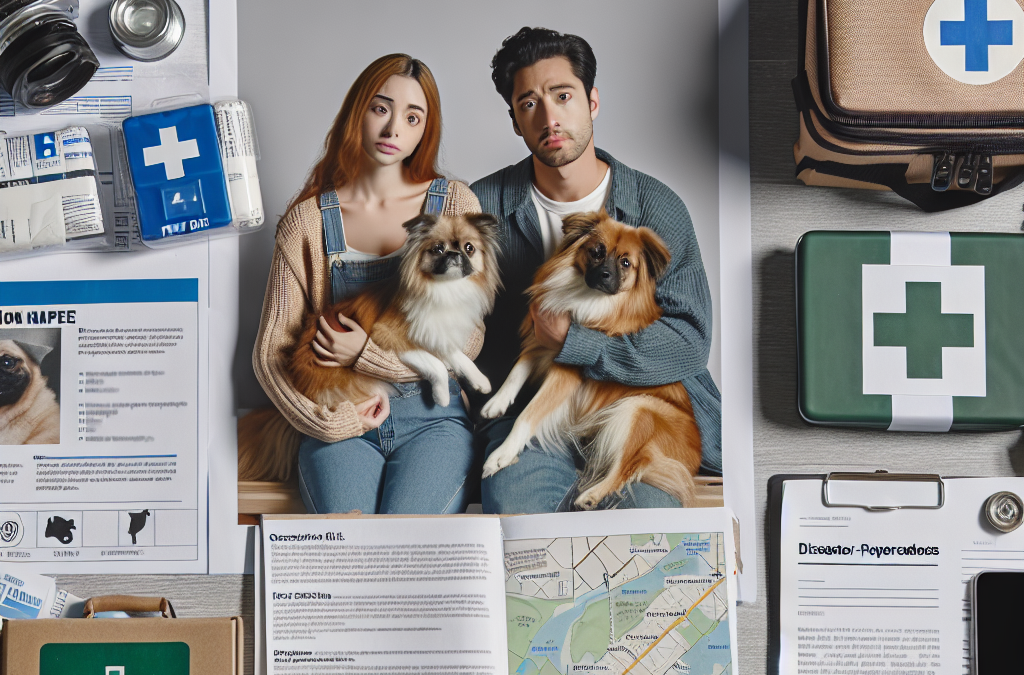
It’s not just about having a plan but also about understanding the risks that your area faces. For instance, some regions are prone to floods while others may experience tornadoes. Knowing what you’re up against helps in tailoring your emergency plans specifically for your furry friends.
Moreover, each type of disaster can prompt different actions. For example, if a wildfire is advancing, the need to evacuate quickly becomes critical. I’ve learned this the hard way, and it’s a lesson that I want others to take seriously.
Impact on Pets During Natural Disasters
When we think of disasters, our minds usually jump to the human side of things. But our pets feel the impact too. If a storm hits or there’s an emergency evacuation, pet owners like myself are often left scrambling. Just imagine – your beloved pet is scared and confused, and all you can do is try to get them to safety while maintaining your own composure.
Fear often leads pets to act unpredictably. They may run away, hide, or even lash out. This is why having a plan helps reduce that panic. By preparing in advance, I can keep my pets calm and secure, knowing exactly what actions to take in moments of distress.
Plus, I can’t forget about the logistics involving their needs – food, water, and medical supplies are just as important for them as they are for us. Keeping these essentials on hand can be a lifesaver during an actual emergency.
Creating Awareness Among Family
One of the keys to a solid emergency plan is making sure everyone in the household is on the same page. It doesn’t do much good if I’ve got a plan, but no one else knows about it, right? That’s why I’ve taken it upon myself to educate my family about our emergency procedures.
Creating awareness can be fun too! I’ve turned our preparations into family activities – we run drills and talk about what we’d do in case of an emergency. It’s turned what could be a stressful topic into moments of bonding. The kids now know where the emergency kits are stored, and they can even spot a red flag warning for storms before I do!
This level of awareness helps everyone stay more relaxed when things go south. The last thing I want is for my family to feel overwhelmed or confused when an emergency strikes. And believe me, pets pick up on our energy, so a prepared family leads to less stressed fur babies!
Preparing an Emergency Kit for Pets
Essentials to Include
When it comes to putting together an emergency kit, I like to think of it as my pet’s survival backpack – I even joked about it once and called it “Fluffy’s Bug-Out Bag!” So what goes into this kit? Well, start with the basics like food, water, and bowls.
Don’t forget about a leash, waste bags, and maybe even a favorite toy for comfort. After a stressful experience, having something familiar can make a world of difference for your pet. I know my dog, Rufus, is a bit of a comfort seeker, so he’d definitely appreciate that!
Also, including any necessary medication and a first-aid kit is essential. I learned the hard way when Rufus needed his allergy meds and I hadn’t packed them. Keeping a checklist, like the one I made, can ensure I never overlook anything important again.
Storing and Accessing Your Kit
Once you’ve got your emergency kit ready, the next task is ensuring it’s accessible. Honestly, I’ve made the mistake of storing mine in a space that wasn’t easily reachable. When an emergency strikes, you don’t have time to fumble around looking for supplies.
I recommend keeping the kit in a designated spot that everyone in the family knows about. Maybe in a closet by the front door or in the trunk of your car if you travel a lot with your pets. Whatever works best for your lifestyle!
Also, periodically check the contents of the kit to ensure everything is up to date. Expired food or medications don’t do anybody any good. Every few months, I lay everything out, check dates, and refresh supplies as necessary. Keeping things organized allows me to feel in control against the unexpected.
Training Your Pets for Emergencies
Ever thought about how our pets react during emergencies? Training them can make a monumental difference. I started teaching Rufus some key commands and tricks that could come in handy during a panic situation. It’s all about consistency and patience.
I recommend working on commands like “Come,” “Stay,” and even “Leave it” to help manage their behavior when their adrenaline kicks in. Practicing these can make them easier to control when chaos erupts around you. It’s like assembling a pet-specific disaster response team!
Moreover, introducing them to carriers or crates before emergencies arise can reduce anxiety later on. Take the time to reward them with treats when they enter their crate, making it feel like a safe haven instead of an interrogation chamber. That’s worked wonders for me!
Finding Shelter and Resources
Emergency Shelters with Pet-Friendly Policies
Another crucial aspect is understanding where you can find pet-friendly shelters in case you need a safe place during an evacuation. I’ve done my homework on local facilities that will allow pets because not all shelters accommodate animals. You don’t want to be left out in the rain with nowhere to go and your fur buddy in tow.
Planning ahead means calling these shelters in advance to ask about their policies. Some even have waiting lists, and with our pets being family members, I want to secure a spot for Rufus whenever possible.
Don’t forget to keep this information in an accessible format, like a printed card in your emergency kit. If the time comes, I’d rather not rely on my memory with all that stress swirling around!
Utilizing Local Resources
When emergencies hit, local resources can be incredibly helpful. Many communities provide support through pet rescue organizations, humane societies, and local pet hospitals during disasters. It’s a good idea to have a list of these resources handy.
I’ve reached out to several local pet organizations in my area to see what services they offer during emergencies. Interestingly, they also often host community forums on preparation and even offer free supplies sometimes. It’s fantastic to know others in your community are looking out for pets too!
Staying connected will provide further peace of mind. Establish a network with fellow pet owners, share tips, and create a support system. You never know when you might need an extra pair of hands to help out in a crisis!
Emergency Pet Services
Sometimes, emergencies lead to more than just evacuation – you could find yourself needing veterinary services due to injuries or illness. When preparing for such scenarios, knowing where to find emergency vet services can be a game-changer.
I always keep the contact information of a local 24-hour emergency vet in my phone and also have it written down in my emergency kit. It sounds like something simple, but believe me, in the heat of the moment, it’s one less thing to stress about.
And if you can, establish a relationship with your local vet ahead of time. Trust me, it’ll make communication smoother when you’re in a crisis. Being prepared has allowed me to remain calm and prioritize my pet’s safety above all else.
Maintaining Calm During Emergencies
Recognizing Your Pet’s Stress Signals
Part of keeping calm yourself is understanding how your pet reacts to stress. I’ve learned to recognize Rufus’s signals when he’s anxious – it’s all in the ears and the tail for him! This awareness helps me identify moments when I need to intervene.
Common signs include excessive barking, hiding, or even destructive behavior. It’s important to address their anxiety in a timely manner, whether through soothing words, gentle petting, or offering a favorite toy. The last thing I want is a panicking pet when I’m already feeling frazzled.
Just remember: our own stress can amplify theirs. By maintaining composure and acting decisively, I find that not only am I calmer, but my pets also feel reassured and safe. We’re in this together!
Creating a Calm Space
Before an emergency happens, I’ve found that creating a designated calm space for my pets can really help. This can be a cozy bed or a quiet corner of the house that they associate with comfort and safety. I even keep their favorite blanket there!
When an emergency hits, directing my pets to this space provides them with a refuge – it’s like a little sanctuary amidst the chaos. This helps them feel secure during an otherwise uncertain time. I can’t stress enough how much this has helped Rufus during storms.
The goal is to ease their fears and help them realize that they can feel safe and cozy during times of trouble. And of course, keep some treats handy to reinforce positive associations with this space!
Having a Support Network
Last but definitely not least, having a support network can prove invaluable during a pet emergency. Having friends or family knowing what to do and being available during a crisis can take a load off. I can’t tell you how comforting it is to know I can count on someone who understands the importance of my pets.
Connecting with fellow pet parents also serves to build community solidarity. Knowing that we can exchange tips, pool resources, and support each other creates a safety net that can make a world of difference in tough times.
After all, we share a unique bond with our pets and it’s helpful to bring others along for the ride. Whether organizing pet emergency groups or just casual conversations, it’s all about foster care and understanding for our furry friends!
Frequently Asked Questions
1. Why is it important to have a disaster plan for pets?
It’s crucial because, in an emergency, pets can become scared and confused. Having a plan helps keep them secure and calm, reducing stress for you and your pet.
2. What should I include in my pet emergency kit?
Your emergency kit should include food, water, medication, a leash, waste bags, and a comfort item like a toy or blanket. Always remember to keep these in an accessible location!
3. How can I help my pet during an emergency?
Stay calm, recognize their stress signals, and direct them to a safe, familiar space. Additionally, practicing key commands can help you manage their behavior during chaos.
4. Are there shelters that allow pets during a disaster?
Yes! It’s essential to research pet-friendly shelters in your area and have their information readily available. Not all shelters allow animals, so knowing your options is key.
5. How can I create a support network for pet emergencies?
Connect with fellow pet owners through community groups or social media. Sharing resources, experiences, and tips builds a solid network. Having someone to rely on makes a huge difference!