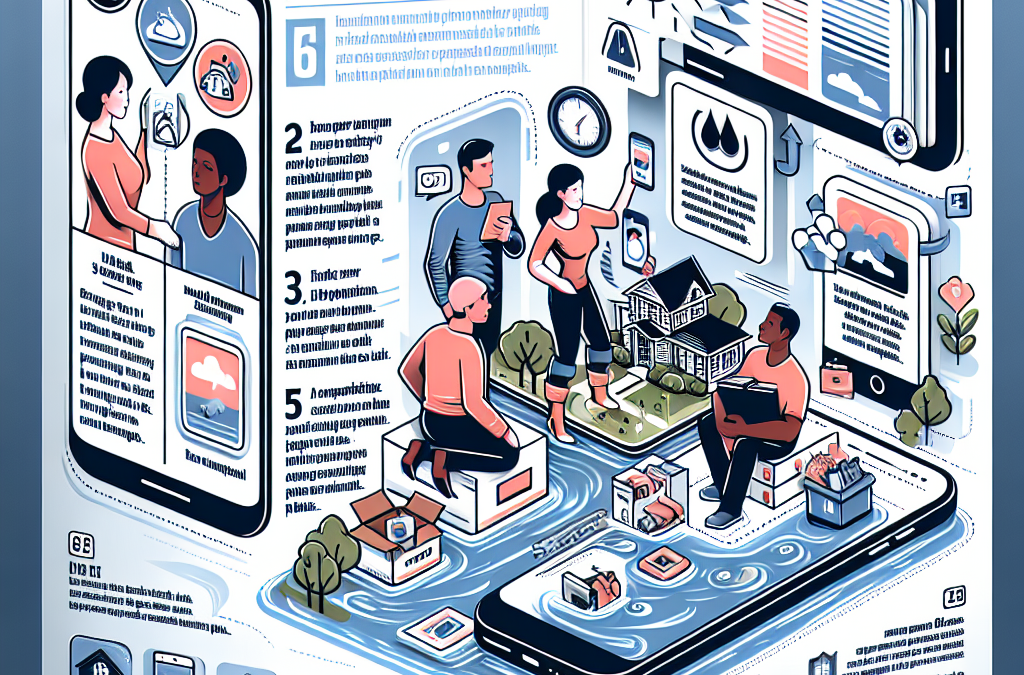
When disaster strikes, the first thing you want to do is take a deep breath. I know it sounds cliché, but seriously, staying calm is key. Panic can lead to poor decisions, and in a crisis, we need our minds working at full capacity. I remember during a storm warning, I found myself glued to the weather app, but pausing for a moment really helped me think through my next steps.
Assessing the situation means figuring out what just happened. Was it a natural disaster like an earthquake or a man-made incident? Understanding the nature of the disaster can help create a response plan. After you’ve paused, ask yourself what you need to react properly. Clarity leads to better decision-making.
Talking to others around you can also help. Sharing information can ground you and provide multiple perspectives on what to do next. In my experience, even just chatting with a neighbor with more experience in emergencies helped me assess my own situation better.
Ensure Safety First
Find a Safe Location
Your safety and the safety of those around you should be the top priority. Whether that means moving to a sturdier building during an earthquake or getting away from rising floodwaters, knowing where to go is crucial. I learned this the hard way during a minor flood in my area; I didn’t move fast enough and wound up dealing with a soggy mess in my home.
Look for designated safe spots around you. It’s good to know local evacuation routes and shelters in advance, so you’re not scrambling during a disaster. Trust me, the last thing you want is to find yourself in a panic, surrounded by unfamiliar terrain, with no idea where to go.
Once you’ve secured a safe spot, check on those around you. Making sure your loved ones are out of harm’s way can alleviate some stress. I can’t tell you how many times keeping tabs on family and friends has helped calm my nerves in emergencies.
Emergency Kit Preparedness
Gather Essentials Beforehand
Believe me when I say that an emergency kit can be a lifesaver. Before a disaster strikes, take the time to gather essentials like water, non-perishable food, first-aid supplies, flashlights, and batteries. These items seem trivial until you actually need them. I put mine together after spending a night without power, and I definitely learned my lesson!
Storing everything in a waterproof container is also a smart move. You never know when floods or heavy rain can hit. In my experience, I’ve seen how a well-organized kit made a stressful weather event so much easier to handle.
Don’t forget to refresh the supplies in your kit regularly! I always say it’s like changing the batteries in your smoke detectors—an annoying job, but oh so necessary. Check expiration dates and swap out items that’ve gotten stale or expired so you’re always ready to roll.
Stay Informed
Use Trusted Sources for Updates
In a crisis, staying informed can mean the difference between safety and danger. I always rely on trusted news sources and government advisories when something goes down. Social media can be useful, but it’s a double-edged sword—rumors spread like wildfire, so stick to verified channels.
Weather apps and emergency alerts on phones can also provide real-time updates. It’s like having a lifeline at your fingertips. Personally, I never thought to turn on alerts until I missed a critical update during a storm. Now, I feel more secure having that info ready.
Another smart tactic? Engage with community forums or local groups. Sometimes, people share information faster than the news. I’ve found that connecting with neighbors through apps like Nextdoor can keep me well-informed about what’s actually happening around me.
Communicate and Plan Ahead
Create a Family Communication Plan
One thing I can’t stress enough is the importance of communication. When everyone is scattered during a disaster, having a plan in place is crucial. Sit down with your family and discuss where to meet if you are separated. Make sure everyone knows how to contact one another. I learned through experience that having a designated meeting spot can save a lot of anxiety!
Consider everyone’s comfort with technology. Not everyone will have phones or service. I always tell my friends that texting sometimes works better than calling during emergencies. It’s just one of those things to try out when the services are strained.
Regularly reviewing and practicing the plan can make all the difference. Even doing a quick role-play can remind everyone what to do if the situation arises. Trust me; having that muscle memory can help you stay calm under pressure!
FAQ
What should I do first in a disaster? – First, stay calm and assess your surroundings. This helps you comprehend the situation accurately.
How can I prepare an emergency kit? – Gather essentials like water, food, first aid supplies, and flashlights. Ensure everything is in a waterproof container.
What communication methods should I use? – Stick to trusted sources for updates, engage in community forums, and have a family communication plan in place.
How can I ensure my loved ones are safe? – Check on them immediately after a disaster, and make sure everyone understands the safety plan.
Should I practice my emergency plan? – Absolutely! Regularly revisiting your plan with family can help all members feel prepared and reduce panic.
As the dust settles on the recent U.S. presidential election, political divisions in the country have reached a fever pitch. In several states, newly elected leaders and state legislatures have already begun to take stances that directly counter the policies of the incoming federal administration. These actions are raising alarms among political analysts, historians, and citizens who see echoes of a darker time in American history—the prelude to the Civil War.
The United States has a long and complicated history of state-federal tensions, with the Civil War of 1861-1865 being the most extreme example of what can happen when these conflicts escalate. While the circumstances today are far from identical, the growing rhetoric of resistance from certain state governments should give us pause. The question must be asked: Are we headed toward a similar crisis? And what steps can we take to prepare for the potential dangers of a deeply divided nation?
In times of political and social instability, it is not only political leaders who must prepare for upheaval—it is families, communities, and individuals. A nation divided by ideological and political battles faces a host of economic and social challenges. From potential civil unrest to disruptions in services, food security, and healthcare, the need for preparedness has never been more urgent.
A History of Conflict: The Civil War as a Cautionary Tale
The Civil War was, at its core, a confrontation between two vastly different visions of the United States—one centered around a federal government that sought to limit the spread of slavery, and the other, a Southern Confederacy that prioritized states’ rights, including the right to maintain and expand slavery. The Southern states, feeling that their way of life and economic interests were under threat, chose to secede from the Union, leading to a bloody, four-year war that tore the nation apart.
While the nation is not currently on the brink of war, we are witnessing growing tensions between state governments and the federal administration that, if not addressed, could escalate into something more dangerous. Just as in the antebellum period, the issue of state rights is coming to the forefront, but this time it is largely about policy disagreements ranging from abortion rights and environmental regulations to healthcare and gun laws. The stark political divide, paired with mounting resistance from both state and federal leaders, makes the need for personal and family preparedness more critical than ever.
Modern-Day Secessionist Movements and State-Federal Disagreements
In the aftermath of the 2020 election, several states, including Texas, Florida, California, and Minnesota, have pushed back against federal policies in areas such as immigration, healthcare, climate change, and other social issues. For example:
Immigration: States like Texas have implemented tough anti-immigration laws that defy federal guidance on sanctuary cities and border control. California, on the other hand, has continued to protect its sanctuary cities and taken a firm stance against federal deportation policies under both President Trump and Biden.
Abortion: Following the Supreme Court’s 2022 decision to overturn Roe v. Wade, many Republican-led states moved quickly to enact restrictive abortion laws, while Democratic-led states like California have worked to establish themselves as “sanctuaries” for abortion access, going as far as to introduce legislation that would protect and expand access to abortion services regardless of federal rulings.
Gun Rights: In states like Arizona and Wyoming, laws have been passed that restrict or reject federal gun control measures. Conversely, California under Governor Newsom has enacted some of the strictest gun laws in the country, countering federal inaction or policy differences on gun regulation.
Healthcare: As the Biden administration pushes for expanded federal healthcare programs, some states, particularly in the South, have refused to expand Medicaid under the Affordable Care Act, prioritizing state-level decisions over federal mandates. On the flip side, California and Minnesota have actively pushed for progressive health care reforms, with Governor Newsom expanding Medicaid in California and Tim Walz promoting progressive health initiatives in Minnesota that often exceed federal expectations.
In these cases, state leaders—whether from Republican or Democratic-led states—are asserting their autonomy and challenging federal policies that they believe overstep constitutional bounds. While these actions are legal under the doctrine of states’ rights, they also risk deepening divisions and setting the stage for broader confrontation.
A Specific Example: Governors Calling Special Sessions in Defiance
One of the most concerning developments in recent state-federal relations has been the decision by governors in both Republican and Democratic states to call their legislatures into special session specifically to resist the policies of the incoming president.
For example, after the 2020 election of President Joe Biden, several Republican governors, including those in states like Florida and Texas, immediately announced plans to convene special legislative sessions aimed at opposing certain federal measures. Florida Governor Ron DeSantis, for instance, called a special session to fight COVID-19 vaccine mandates, emphasizing state sovereignty over federal health guidelines. Similarly, Texas Governor Greg Abbott issued a call for a special session of the Texas Legislature to address issues such as election integrity and anti-abortion legislation, both of which were seen as counter to federal policies and priorities.
But the actions aren’t limited to Republican states. California Governor Gavin Newsom, a Democrat, also called a special session in the wake of the Roe v. Wade decision to further entrench abortion rights in California’s constitution, signaling a direct defiance of the federal ruling. This move was framed as a statement on protecting reproductive rights, but it also created a sharp contrast with more conservative states that were enacting restrictive abortion laws. Similarly, Minnesota Governor Tim Walz has called for the expansion of progressive climate policies in the face of potential rollbacks by the federal government. In his first term, Walz advocated for ambitious state-level policies on carbon emissions and renewable energy production, in contrast to federal actions that he believed were too lenient on fossil fuel industries.
While these actions may seem like routine political maneuvers, they represent a direct challenge to the authority of the federal government and signal a deeper level of opposition that could escalate over time. By calling these special sessions with the express purpose of defying federal authority, state governors are effectively setting the stage for a broader confrontation. This growing trend of resistance could provoke a cycle of retaliatory actions between state and federal leaders, further eroding national unity and trust.
In extreme cases, such defiant actions could pave the way for more dramatic steps. While secession is still unlikely, the increasing tension between state governments and federal authorities could lead to greater civil unrest or even violent confrontation in the streets. It also raises the specter of states attempting to nullify or ignore federal laws altogether, leading to a fractured, legally inconsistent nation.
The Dangers of a Fragmented Union
The most immediate danger of these escalating state-federal conflicts is the potential for a fractured Union. Although secession is not currently on the table in the same way it was in the 1860s, the actions of states that challenge federal authority could lead to a scenario where regions of the country operate under completely different sets of laws and values. In the worst case, this fragmentation could spiral into political violence, civil unrest, or even calls for secession.
The secessionist rhetoric that once dominated the Southern states has not disappeared. There are still fringe groups advocating for the secession of states like Texas, arguing that the federal government is no longer representing the interests of their citizens. While such movements remain on the periphery, the more pressing concern is the general erosion of trust in federal institutions and the potential for that mistrust to grow into open defiance.
Moreover, the growing ideological divide between red and blue states creates the conditions for “two Americas,” where residents of different states live under vastly different legal, economic, and social systems. This polarization makes it harder for the federal government to enact cohesive policies on issues like climate change, healthcare, and immigration, as states actively resist changes they see as hostile to their interests.
The Critical Need for Preparedness: A Call to Action for Families
Given the mounting risk of social and economic instability, it is no longer a matter of if disruptions will occur, but when. It is vital for families to take steps now to prepare for the potential upheaval that could arise from growing state-federal conflicts. The increasingly polarized political environment means that local communities could face disruptions in everything from supply chains to law enforcement and essential services.
Here are some critical areas where families should focus their preparedness efforts:
Financial Security: Economic instability can arise quickly during times of political unrest. It’s wise to bolster savings, reduce debt, and consider diversifying investments. Families should also look into securing essential supplies—like food, medicine, and water—to ensure they can weather potential disruptions.
Community Networks: Strengthening local community ties is more important than ever. In the event of civil unrest, social isolation could become a major vulnerability. Building relationships with neighbors, local leaders, and support groups can provide a safety net during difficult times.
Emergency Plans: Families should create emergency response plans that address evacuation, communication, and shelter. This plan should include alternative sources of energy, like backup generators, as well as strategies for accessing essential services should they become unavailable.
Self-Sufficiency: Having a degree of self-sufficiency can mitigate the impact of economic or supply chain disruptions. Families should consider learning basic skills, such as gardening, cooking from scratch, first aid, and basic home repairs, to make themselves less dependent on external systems.
Physical and Mental Health: Unrest often takes a toll on both physical and mental health. Maintaining a healthy lifestyle and having access to medical supplies, including mental health resources, is essential. Families should also consider ways to protect their homes and personal safety in case of rising crime or political violence.
By preparing for potential disruptions, families not only protect their own well-being but also contribute to the broader stability of their communities. When enough people take action to become more self-reliant, the ripple effect can help ensure that society remains resilient even in the face of growing discord.
A Nation at a Crossroads: The Need for Personal and Collective Action
The United States stands at a crossroads. Just as the nation faced an existential crisis over issues like slavery, states’ rights, and the role of the federal government in the 19th century, we are now grappling with similar questions in the context of modern political and social issues. The lessons of the Civil War—of compromise, diplomacy, and the catastrophic consequences of extreme division—should serve as a powerful reminder of the dangers of unchecked state-federal conflicts.
The next few years may be pivotal in determining whether the U.S. can weather its internal divisions without descending into greater instability. As states and the federal government continue to clash, it is crucial that we remain vigilant, engaged, and prepared for the challenges ahead. Only through dialogue and cooperation can we hope to preserve the Union and ensure that the lessons of history are not repeated.
Ultimately, preparedness—on a personal, family, and community level—can help mitigate the effects of social and economic unrest. By taking proactive steps now, families can better safeguard their future, contributing to a collective resilience that is vital for the preservation of national stability in the face of growing division.
So, first things first, when I think about an emergency kit, I realize how crucial it is. You need to have the basics covered. Things like water, non-perishable food, first aid supplies, and a flashlight should definitely top your list. I can’t stress enough how important it is to have enough supplies for at least 72 hours, just in case things get really intense.
Don’t forget personal items too. You know, stuff like medications, identification documents, and even some cash. I’ve learned from the past that having a little cash on hand can really help if power is out and electronic payment systems are down.
Lastly, think about your pets. If you have furry friends, make sure to pack some food, water, and any necessary medications for them too. They’re part of the family, after all! It’s all about being prepared for the whole gang.
Pack Your Kit Smartly
When packing your kit, it’s better to use a sturdy backpack or a storage bin that is easy to grab and go. I usually make it a habit to check my kit every month or so. Make sure nothing is expired, and replenish any supplies that were used. It’s a small effort for a huge peace of mind!
Labeling bins or bags can also help keep things organized. You know, it’s pretty easy to forget where you put that first aid kit under pressure. Using clear plastic bags for important documents can make them easier to find if things get chaotic.
And, if you have kids, get them involved in packing. It’s a great way to teach them about safety while making it a fun learning experience. Kids feel a sense of importance, and it teaches them valuable skills that they’ll carry with them.
Checking Your Kit Regularly
Creating your kit is just the start. Regularly checking it will ensure you’re always ready. I have a schedule I stick to: every six months, I sit down and go through everything. It can be super easy to forget little things like batteries or food items.
Another tip? Make sure to practice using some of the items in your kit. For instance, know how to use that first aid kit or figure out how to work your flashlight in the dark. Trust me, when that tornado is looming, you won’t want to be fumbling around trying to figure it all out!
And remember, if you find that you don’t need some items, go ahead and adjust your kit. It should really reflect your specific needs and lifestyle. Life can throw curveballs, and your kit should prepare you best for those moments.
Developing a Tornado Safety Plan
Discuss Your Plan With Family
No one in my family likes to think about tornadoes but taking time to discuss your safety plan can really save lives. I sat down with my family one evening and went through what we would do in a tornado situation. Everyone should be on the same page on where to go and what to take.
It’s essential to ensure everyone knows who’s responsible for what. My kids have their roles, like grabbing certain essentials. It gives them a sense of responsibility, and let’s face it, it makes a tense situation a bit lighter.
We also talked about communication plans. Cell phones can easily fail during a disaster, so we discussed how we would meet up at a predetermined location if we got separated. It’s a little reassurance knowing we’ve got a plan.
Choosing Safe Areas in Your Home
Next up is figuring out the safest location in your home. I’ve learned that small, windowless rooms like bathrooms or closets are typically the best spots to go to when a tornado hits. Make sure all family members know where that designated safe space is.
We also ensured that our safe area is clear of furniture or anything that might turn into a missile if the winds really whip up. Keeping helmets, heavy blankets, and maybe even a few cushions in there is also a good idea to shield yourself from flying debris.
Lastly, practice! Just as you would have fire drills at school, you should practice your tornado drill at home. It helps everyone feel more comfortable and less panicky when the real deal happens.
Making a Checklist
Having a checklist for tornado preparedness can save a lot of headaches. I keep a copy of our tornado emergency plan posted somewhere visible, just so it’s always fresh in our minds. It helps me remember what needs to be done and what needs to be packed when the warning comes through.
Both kids and adults benefit from having a visual reminder. I find it not only keeps us accountable, but it’s also a good conversation starter to reinforce the importance of preparedness.
And don’t just stop with your personal checklist. Having a community checklist can also bring everyone together. It creates a sense of unity and helps neighbors look out for each other, which is really comforting, don’t you think?
Staying Informed About Tornado Warnings
Know the Different Types of Warnings
Tornado warnings can be confusing, so understanding the difference is key. There are watches and warnings: a watch means conditions are favorable for tornadoes, while a warning signifies that a tornado has been sighted or indicated by radar.
I usually try to stay glued to the weather channel or my local news channel whenever there’s a risk. Moreover, I’ve downloaded a few weather apps that send push notifications to alert me when the risk increases. Technology can be a lifesaver during these frantic times.
It’s also smart to understand the times of year when tornadoes are most likely to occur in your area. Knowledge is power, friends! That way, you can be more vigilant and prepared during those peak season months.
Using Weather Alerts Effectively
Utilizing weather alerts can be a real lifesaver. I remember once, I got caught off guard, but not anymore! I now use NOAA Weather Radio that broadcasts alerts 24/7 which is super handy, especially during stormy seasons.
If you have a smartphone, enable emergency alerts. They can get a bit annoying at times, but when it comes to tornado safety, they’re invaluable! Having multiple ways to stay informed is your best weapon.
Plus, I try to talk about tornado safety with my neighbors too. Sharing information and resources helps create a more informed community, and that’s always a win for everyone!
Checking Local Choice Resources
Don’t forget to stay in touch with your local weather services. Sometimes, local organizations will host preparedness workshops or have resources available for you. Getting involved in local preparedness programs can provide extra layers of assurance.
I even joined a community group that focuses on sharing experience and preparedness tips, which has been tremendously beneficial. It’s always great to chat with others and hear what works for different people.
These connections open doors to learning about other strategies or checking out local resources that might’ve gone unnoticed otherwise. Remember, none of us are in this alone!
Finding Safe Shelter During a Tornado
Identifying Local Shelters
Finding where to go during a tornado is super important. I did some research on my local shelters and mapped out the closest ones to me. Understanding the locations and knowing how to get there can save precious minutes when an alert goes off.
Most communities have designated tornado shelters, but you should know the safest route to get there. I once found a local church that serves as a shelter, and taking a drive there to familiarize myself was incredibly helpful. It takes the panic out of the equation.
Keep in mind that during an actual tornado, roads can become congested. Having a few options in mind will allow you to evaluate your quickest route to safety.
Making Use of Your Home as Shelter
If you can’t get to a designated shelter, your home might just have to do. I normally tell my friends that as long as you know which spots in your home are the safest, you can make it work. That’s why prepping those areas ahead of time really pays off.
Don’t be shy about strengthening your home’s safe space! I invested a bit of money in getting my basement fortified, and having it stocked with essentials is a game-changer. Those little things can mean the difference in staying safe or not.
And remember to keep your loved ones close. Family comfort during scary times can work wonders, even if it’s just huddling together and assuring each other of your plans. It’s all about staying calm and collected.
Understanding Shelter Etiquette
If you do find yourself in a public shelter, being respectful and following the guidelines is essential. You’d be surprised how a chaotic environment can benefit from just a little order. Rules like waiting your turn, keeping space tidy, and being considerate can go a long way.
When in a shelter, remember that everyone is there for the same reason. I always remind myself that patience is key. You never know what others are going through, and being kind can really uplift the mood around.
Taking a little moment to help out wherever you can, whether it’s helping someone carry their things or just offering a soothing word, can foster camaraderie even amidst a storm.
FAQ
What should I include in my tornado emergency kit?
Your tornado emergency kit should include essentials like water, non-perishable food, a first aid kit, a flashlight with extra batteries, medications, important documents, cash, and pet supplies if you have any furry friends.
How can I select a safe area in my home during a tornado?
Opt for small, windowless rooms such as bathrooms or closets. Make sure to keep these areas clear of furniture that can become dangerous if the winds start whipping up.
How do weather alerts work during tornado warnings?
Weather alerts notify you of potential tornado watches and warnings. It’s wise to have multiple notification sources, like weather apps, NOAA radios, or local news check-ins, to stay informed.
What should I do if I’m in a public shelter during a tornado?
Follow the rules of the shelter, stay respectful of others, and help keep the area tidy. Trying to stay calm and assist others can create a more peaceful environment while everyone waits for the storm to pass.
We never know when disaster will strike, but being prepared can make all the difference. Whether it’s a natural disaster like an earthquake or hurricane, or a man-made crisis such as a terrorist attack or pandemic outbreak, taking steps to prepare for emergencies can help you stay safe and protect your loved ones. In this blog post, we’ll cover some essential tips for emergency preparedness so that you can be ready when seconds count.
Building an Emergency Kit
One of the most important things you can do is build an emergency kit. This should include supplies that will help you survive in case you need to evacuate quickly or shelter in place. Some essentials to include are water, non-perishable food items, first aid supplies, flashlights, extra batteries, and a portable charger for electronic devices. You may also want to consider adding additional supplies such as blankets, warm clothing, and personal hygiene products. Make sure to store everything in a convenient location where you can easily access it if needed.
Creating a Communication Plan
Communication is critical during emergencies, which is why creating a communication plan is essential. Identify someone who lives outside of your area whom everyone can contact in case of an emergency. Establish a code word or phrase that family members can use to alert each other that they are okay. Also, make sure to program emergency contacts into your phone and keep them updated regularly.
Developing an Evacuation Plan
In case of an emergency, you may have to evacuate quickly. Developing an evacuation plan ahead of time can save precious minutes. Determine the safest routes from your home or workplace to safer locations, such as shelters or friends’ homes. Practice these routes with your family members so that everyone knows what to do. Don’t forget to bring your emergency kits with you!
Practicing for Different Scenarios
It’s crucial to practice different scenarios so that you are familiar with how to respond in various situations. Conduct regular drills with your family members, including practicing how to turn off utilities and finding alternative sources of light and heat. Consider attending community training events to learn more about emergency response techniques.
Conclusion and Final Tips
Remember, emergency preparedness starts with you. Take action today by building an emergency kit, developing a communication plan, and practicing different scenarios. Stay informed by monitoring local news channels and following social media accounts that provide updates on potential threats. Ultimately, don’t forget to review and update your plans regularly to ensure that you and your family remain protected.
Can You Survive a Month Without Electricity? Here’s How
Can You Survive a Month Without Electricity? Here’s How
Preparing Your Home for No Power
Alternative Energy Sources
Staying Comfortable and Safe
Food Preservation Techniques
Preparing Your Home for No Power
Assess Your Current Setup
Knowing what you currently have in your home is crucial. It’s like doing a little inventory check to see how many candles you have, where your flashlights are, and if those batteries are fresh. From my experience, you want to stock up on supplies that will keep you comfortable during an extended blackout.
Take note of your heating and cooling systems, and think about how you’ll manage temperature without electricity. During a hot summer or chilly winter, keep in mind that you might need to find alternative methods to stay cool or warm. I’ve learned that a simple fan can be energy-free if you use a window strategy or ice packs!
Lastly, consider your water supply. If your tap water is electric-reliant, you might want to collect some water in jugs or buckets. Trust me, you’ll be thanking yourself later when you have to wash up or take a drink without the sink on your side!
Gathering Essential Supplies
Let me tell you – prepping is all about essentials. If there’s ever a time to stock up, it’s now! I remember heading to the store and making sure I had a solid stash of non-perishable foods, a first aid kit, and, of course, an ample supply of batteries and candle lights.
Another thing people often forget about is hygiene products. During my last attempt to go without electric power, I found myself missing my electric toothbrush. A good ol’ manual brush works wonders too! Make a checklist of essentials and double-check it before you dive into the no-electricity experiment.
Don’t skip entertainment either; a deck of cards or a book can save you from boredom. I found it important to create a cozy environment, and sometimes that means dusting off an old board game or two to keep the spirits high!
Developing A Communication Plan
When the lights go out, we’re often cut off from our networks. That’s why developing a communication plan for your family or housemates is an excellent idea. I suggest you choose a central meeting spot in advance. If things go south, there’s no way to send a text or make a call, so knowing where everyone will gather is vital.
Also, consider having a family or friend nearby who can be contacted through alternate means. In my experience, simply sending a letter or using signs – for those old-school folks like me – can be an entertaining way to communicate across your community.
Remember, in this day and age, it’s crucial to keep some charged power banks on hand while you still can, just for the situation you prefer to stay ‘online’ for a few extra hours.
Alternative Energy Sources
Solar Power Options
Have you ever considered harnessing the sun’s energy? I jumped into solar power and found it to be a game changer. Solar panels aren’t just for homes anymore; you can find small solar chargers that power devices or lights. They’re portable and perfect for anyone looking to dip their toes into renewable energy.
Even solar-powered lights can save the day. I set up a couple of solar garden lights in my front yard, and let me tell you, they glowed beautifully at night without costing a dime. It’s such an empowering feeling knowing you’re using nature to fuel your nightly enjoyment.
Plus, investing in a solar oven can revolutionize your cooking methods. Who doesn’t want to cook without gas or electric? It’s pretty neat, and it warms up food without needing any traditional energy source.
Wind Power for Your Home
Did you know wind power can also be harnessed on a smaller scale? My experience trying out a small wind turbine was fascinating. It can be a bit expensive up front, but this renewable energy is clean, and once it’s set up, it offers free energy. Just don’t live on an island—wind is the primary ingredient!
You may want to check your local regulations because some areas have specific codes about turbines. But if you can set one up, it’s incredible how much wind can provide power. Trust me, I’ve lit up my workshop with it!
It’s remarkable how you can become less dependent on city power, especially during emergencies. I found that combining solar and wind fuels a resilient home. In those moments of crisis, knowing I have options makes me feel more self-sufficient and prepared.
Battery Power and Generators
Don’t underestimate good old batteries! When I faced outages, going for high-capacity power banks was a savior. They charge efficiently amidst chaos and offer energy for essential devices like phones or fans. I am a huge advocate for having backup batteries ready to go!
Meanwhile, portable generators can come in handy, too, if you’re ready to invest a little more. They can power your refrigerator so you won’t have a midnight food spoil! But please remember – safety first! I had to learn the hard way, so make sure you only use generators outside and keep carbon monoxide detectors handy.
You want to make sure you manage how much load you put on your inverter or battery. It can be super easy to overload things when you’re trying to juggle everything. I learned to create a priority list of essential items to run, and it made those tough power times so much easier to bare!
Staying Comfortable and Safe
Temperature Management Techniques
When the powers out, maintaining your home temperature without heating or AC can feel daunting; heck, I once didn’t know what I was in for! I found it crucial to strategically open windows on cool nights, and close them during the day to trap a bit of that overnight warmth or coolness.
Layering blankets can feel like a cozy mountain lodge, while summer days call for creativity – think cold packs or a cool bath to lower your temperature. During my experiment, I set up a watering system for my outdoor area, creating a mini oasis to help keep the place cooler.
And let’s not forget fire safety! If you decide to light up some candles or a fireplace, keep an eye out. I’ve had a little incident where I nearly burned my favorite throw—not a great memory! So always keep safety in the forefront!
Emergency Strategies
Everyone should have an emergency kit ready, and by ‘everyone,’ I mean YOU! From personal experience, having a stash of first aid, flashlights, and critical documents saved me more than once. I learned to think ahead—write down essential contacts and keep them handy when you can’t charge your devices!
I also made a list of tasks to keep me busy, whether cleaning or organizing, so boredom wouldn’t sneak in. This method not only kept my mind engaged, but I managed to tidy up and feel productive. Who knew surviving could be so motivating?
And don’t forget to have fun! Go camping style indoors. I love playing games and giving it that outdoor vibe. You’ll find it turns a no-power situation into a memorable adventure!
Health and Safety Precautions
When the lights go out, it’s easy to overlook the essentials that tie into health and safety. First off, being cautious with food is paramount. The last thing you want is to get food poisoning because of the concoction in the back of your fridge went bad. I learned the hard way—so heads up, check what you have and manage what needs to be eaten first!
Secondly, staying hydrated is critical; I can’t stress it enough! Fill up containers in advance, as mentioned earlier, and keep sipping to stay cool and keep your body running. Drinking water will help keep everyone in good spirits, and nothing lifts morale like some chilled water on a hot day!
To wrap up, have a mechanism to connect with local emergency services if the need arises. Whether that’s by having radios or knowing where to go for local updates, this safety net can be a lifesaver. Always ensure your family knows how to reach out for help if needed!
Food Preservation Techniques
Canning and Preserving
Canning is so much fun, believe it or not! I’ve made everything from jams to pickled veggies, and not only do they taste great, but they can last for ages. When the power goes out, those canned goods are a lifesaver. Spending an afternoon canning can be therapeutic, and storing your homemade goods offers priceless peace of mind.
I also explored freeze-drying my food—a method that’s simple once you get the hang of it. It keeps the nutrients intact, and as a bonus, the food lasts longer without needing electric power for storage. My personal stash of crunchy snacks is a hit with friends!
Remember to always label your canned goods with dates! I once made the mistake of not doing that, and trust me, it’s not fun guessing the expiration date when you’re in dire straits!
Root Cellaring Techniques
If you clear out some space in your basement or a dark corner of your home, you can create your own root cellar. Seriously! I did this, and it’s a fantastic way to store veggies, root crops, and more to keep them fresh longer without needing refrigeration. It’s basically nature’s fridge!
Understanding which fruits and veggies can be stored together is key. Some produce emits gases that cause others to spoil faster. I learned to keep apples and potatoes apart, otherwise, I’d have one rotten mess! Researching the best practices pays off.
Root cellaring can be a lot of fun, a little old-school, but trust me when I say it keeps food fresh and tasty. You’ll be proud to show off your ‘cellar’ to friends when you during a power outage. It’s a great conversation starter, too!
Smart Meal Planning
Meal planning is always a wise idea, especially during an electric-less period! Creating a meal plan based on what you have in the fridge before it goes bad can prevent food wastage. I usually make a meal chart for myself to see what can be thrown together using the supplies available.
This way, I also get to enjoy a variety of meals that keep me excited about my food options and not feeling deprived. I’ve found using one pot for cooking makes everything simpler! It’s incredible how little energy it takes to create a fantastic stew!
Group cooking sessions can also lighten the load, so gather up friends or family and use those out-of-date items. Not only do you save food, but the bonding time is priceless—and who doesn’t love good food and laughter while the lights are out?
FAQs
1. Is it really possible to survive a month without electricity?
Absolutely! With the right preparation, like stocking up on essential supplies, planning your meals, and using alternative energy sources, it can be done. People have been living without electricity for eons; it’s all about adapting!
2. What is the most essential item to have for a no-electricity situation?
In my opinion, water is the number one priority. Beyond that, having a good stash of food, candles or flashlights, and backup batteries can make all the difference in keeping you comfortable during that time.
3. How do I keep food fresh without a fridge?
Canning, preserving, and using a root cellar can be excellent methods. Also, remember to plan meals wisely and prioritize using perishable items first!
4. What are good entertainment options during an electricity outage?
Board games, books, and card games are great ways to pass the time. I love setting up a cozy area for good old-fashioned fun with family and friends!
One of the first things I did when preparing for potential flooding was to identify key contacts. I made a list of family members, neighbors, and local emergency services. You never know when you might need to reach out to someone for help or advice during a crisis. Having these numbers saved on my phone helped put my mind at ease.
Make sure to include contacts who live outside of your immediate area. In case communication is disrupted locally, having someone out of town that can relay information or check in on you can be really beneficial.
Don’t forget social media as a resource! I’ve seen community groups formed that are great for sharing updates during emergencies. Just make sure you’re connected before an emergency strikes.
Establish Evacuation Routes
Knowing how to evacuate your area is crucial. I took the time to map out several routes I could take depending on the situation. Flooding can create unexpected barriers, so having alternate paths is super useful.
Practice the routes with your family. Trust me, it’s one thing to plan it out on paper, but it’s another to actually visualize and practice it. It helps everyone in your household feel more prepared and less anxious.
Lastly, don’t forget about your pets! Ensure your evacuation plans include your furry friends. Find pet-friendly shelters or have a plan for where you’ll take them if you have to leave home.
Create a Communication Strategy
Communication during a flooding event could mean the difference between safety and chaos. I’ve set up a clear communication strategy with my family. We agreed on a central meeting point and designated person to contact if we get separated.
Make sure everyone knows how to get in touch or find each other if things go south. This could involve texting someone who lives outside the area since local cell service might be unreliable.
Don’t forget to choose a way to keep everyone informed about the latest weather updates. I’ve found using apps on my phone really helpful, but radio stations are a classic option as well. It’s all about being prepared!
Gather Emergency Supplies
Essential Supplies List
When I started gathering supplies, I created a basic list of essentials. You know, things like food, water, medical supplies, and anything you might need to last for a few days. A good rule of thumb is to aim for at least a three-day supply.
Don’t underestimate the importance of having a flashlight, batteries, and a radio. I can’t stress enough how crucial these items are! They’ve saved me countless times during outages. Oh, and don’t forget about hygiene items. Staying clean when you can’t get to your normal shower is a huge boost in morale.
Make it a family affair! Involve everyone in gathering and organizing your emergency supplies. It’s a great opportunity to teach kids about preparedness while having some fun together.
Check Expiration Dates
One aspect that I often overlooked was checking the expiration dates on my supplies. Trust me; there’s nothing worse than reaching for a can of food only to find it expired years ago. I decided to make it a habit to review my supplies every six months.
When I check, I always rotate items so that we use the older ones first. That way, nothing goes to waste. Plus, it gives me a good excuse to restock on my family’s favorite emergency snacks!
It’s a simple step that can save you a lot of stress when an emergency strikes. Keeping everything fresh and up to date is a crucial part of preparedness.
Kit Up Your Vehicle
Your vehicle can be a lifeline during an emergency. I took the time to put together an emergency kit for my car. I included blankets, another flashlight, and extra food and water. You never know when you might get stuck due to road closures!
Aside from the supplies, I also made sure my car was in good condition. A thorough check-up before a storm is worth it! Make sure your tire pressure is good and that you have enough gas in the tank. It’s just one less thing to worry about.
Also, remember to include a phone charger and some warm clothes. You never know how long you might be sitting in your car. And it’s way more enjoyable to wait it out in cozy clothes!
Know Your Flood Zone
Research Your Area’s Flood Risk
Understanding whether you’re in a flood-prone area is one of the best things you can do. I spent some time looking into my community’s historical flooding data and maps. There’s a wealth of information available online that outlines flood zones.
Make it a project! Dive into local government resources or talk to neighbors who’ve lived in the area for a while. You could find out about past events that could have changed the landscape over the years.
By knowing your risk, you can take additional precautions tailored to your specific situation—like elevating furniture or investing in flood barriers.
Stay Informed About Weather Alerts
I can’t stress enough how important it is to stay informed. Subscribing to local alert systems helped me receive timely updates about weather conditions in my area. Understanding when a storm is brewing enables you to take action sooner rather than later!
Apps can be a lifesaver here. Think about downloading reliable weather apps; they can give you real-time alerts that are super helpful. I also recommend following local meteorologists on social media for updates.
Do not rely solely on social media for weather updates, though. It’s a great resource but doesn’t replace official communications. Always cross-check the info!
Understanding Local Infrastructure
How well your community handles flooding can impact your personal preparation. I took a day to explore how effective our local drainage and emergency services were. Some areas in my town have slightly better systems than others.
Learn about the city’s response plan, including how they plan to inform residents during heavy rains or storms. Knowing this not only helps you understand the risks but also helps you know when to evacuate.
Engaging with local community meetings can also provide valuable insights into future infrastructure projects that aim to improve flood safety. Being involved keeps you in the loop and encourages community preparedness.
Protect Your Home
Assess Your Property Risk
Every home is a bit different when it comes to flood risk. I made it my mission to assess my property. Look for areas in your yard that tend to collect water, and keep an eye on how water flows around your house during heavy rain.
If you notice pooling water or mudslides becoming an issue, it might make sense to talk to a local contractor about improving drainage systems. They can suggest things like grading your yard or installing French drains.
In some cases, investing in professional flood assessments can provide helpful information. Having experts assess your home might reveal vulnerabilities you hadn’t even considered.
Utilize Sandbags and Barriers
During my flood prep, I learned a lot about sandbags. They can create a barrier to protect your home from rising water. It’s simple yet effective. I took the time to understand the proper way to stack them to maximize effectiveness.
Besides sandbags, consider investing in flood barriers. They’re becoming more popular and can be much easier than hauling bags around if you have a lot of space to protect. I found that being proactive rather than reactive really paid off!
Make sure to have these supplies ready to go long before you might need them. I keep a stock of sandbags and barriers in my garage, so I’m always prepared when storms loom.
Elevate Valuables
One of the biggest lessons I learned was the importance of elevating valuables! If you do get hit by flooding, you want to minimize damage to your essential items. I set aside time to elevate things like important documents, electronics, and family heirlooms—basically anything I’d be heartbroken to lose.
Consider investing in waterproof containers for crucial items. These can really help protect your treasures and give you peace of mind. I can’t tell you how comforting it is to know my GitHub code repositories and family photos are safe!
And remember, I didn’t just stop at inside the house. I also lifted things off the ground in my garage, like tools and gardening supplies. Taking these small steps can go a long way during heavy rains.
FAQs
How can I get the latest weather updates during a flood?
Sign up for local alert systems, use weather apps, or follow local meteorologists on social media for real-time updates. Cross-reference your information with official weather channels.
What items should I have in my emergency supplies?
Make sure to include essentials like food, water, medical supplies, flashlights, batteries, hygiene products, and blankets for comfort. Don’t forget your pets—have supplies for them too!
Is it necessary to know my flood zone?
Absolutely! Understanding your flood zone helps you prepare more effectively. It allows you to take appropriate action based on the specific risks your area faces.
How can I protect my home from flooding?
Assess your property’s risk, utilize sandbags and barriers, and elevate your valuables. Consider professional assessments to identify vulnerabilities and make informed decisions.