by Preparation Call Editorial Team | May 6, 2025 | Preparedness
The Ultimate Survival Guide for Earthquakes
The Ultimate Survival Guide for Earthquakes
- Understanding Earthquake Preparedness
- Creating an Emergency Kit
- Developing a Family Emergency Plan
- Staying Informed and Safe During an Earthquake
Understanding Earthquake Preparedness
The Science Behind Earthquakes
Let me tell you, understanding how earthquakes work can really help ease some of the anxiety they cause. Earthquakes happen when there’s a sudden release of energy in the Earth’s crust, creating seismic waves. These waves are what get us shaken up (literally!). The tectonic plates shifting is a natural part of the Earth’s dynamics, but when they move abruptly, that’s when we need to be ready.
I remember being caught in a mild tremor once, and it hit me how unprepared I was at that moment. Knowing the science behind it was a game changer for me. It gave me insights into how often and why we have earthquakes in certain areas. If you’re in a quake-prone region, it’s good to do some research and understand your local geology.
Additionally, knowing the types of earthquakes can also aid in preparedness. From tectonic to volcanic or collapse earthquakes, each type has its own set of characteristics. I recommend taking a moment to read about your area’s specific risks. Awareness is half the battle.
<h3)Assessing Your Risk
So, how do you figure out your risk level? Various online resources can provide maps that show seismic zones. I found one particularly helpful in mapping the historical data of earthquakes in my area. You may be surprised to find out how often the ground has shaken beneath you!
Also, remember that your risk can depend on where you live. Urban areas might have stricter building codes than rural ones. Sometimes it helps to look around your community and see how well-prepared your neighbors are. Community resources can be invaluable here!
Don’t forget to consider your personal circumstances too—like what floor you live on or if you have children and pets. I’ve learned that looking at my environment with a critical eye really helped me tailor my preparedness plan.
Building a Preparedness Mindset
Now, let’s talk mindset. Feeling prepared means setting yourself up to respond calmly during a quake. I always tell my buddies that practicing a bit of mental rehearsal goes a long way. Picture yourself in a scenario and visualize the steps you would take; it’s surprisingly effective!
I also recommend talking to friends or family about their experiences. You’d be amazed at how sharing stories can build resilience. Plus, it’s super comforting to know you’re not the only one who might freak out a little!
Ultimately, preparing mentally can boost your confidence and help reduce fear. When the ground shakes, being ready to roll is what it’s all about!
Creating an Emergency Kit
Essential Items to Include
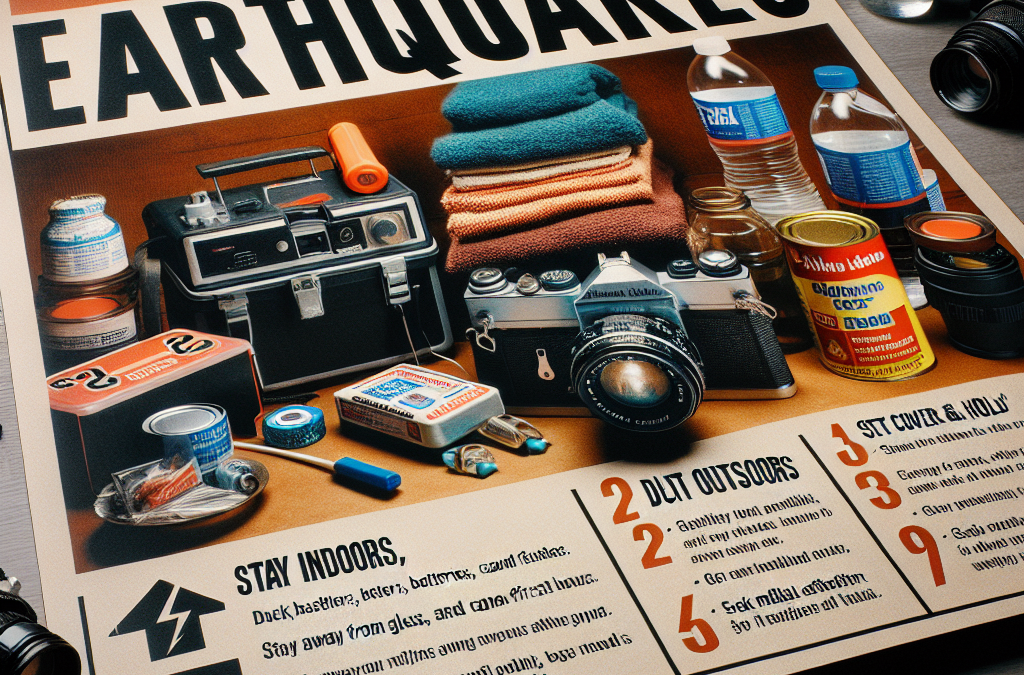
Your emergency kit is your lifeline during an earthquake, no joke! I started creating mine after realizing how basic my supplies were. At a minimum, your kit needs food, water, a flashlight, batteries, and first aid supplies. These essentials will keep you going in case of a power outage or if you’re cut off from supplies.
You should also think about including some comfort items. I added a few snacks that I actually enjoy and a small game for my kids; it’s amazing how something familiar can soothe nerves. Also, don’t overlook manual tools; having a reliable multi-tool makes a world of difference!
All in all, check your kit periodically. You don’t want to find expired food or dead batteries at crunch time! I make it a point to refresh mine with the change of seasons.
Customizing Your Kit for Your Needs
One thing I get asked a lot is, “What should I add to my kit if I have specific needs?” And to that, I say, personalize it! If you’re a caregiver, stock up on necessary medications and supplies. If you have pets, don’t leave them out—dog food and a leash might be essentials!
Another consideration is your location. If you live in a colder climate, blankets would be necessary. In a hot area, think about hydration and sun protection gear. Make your kit unique; it’s your survival toolkit, after all!
Don’t forget hygiene products too; staying clean will be important when resources are low. I try to pack items like hand sanitizer and wipes that take up little space but mean a lot.
Where to Store Your Kit
So now that you’ve got this swell emergency kit, where do you stash it? I’ve learned that it’s no good if it’s hidden under a pile of laundry or in your car’s trunk. The ideal spot is somewhere easily accessible to you.
For families, I recommend a central location where everyone knows to grab it. I’ve set mine up in our living room closet – easy access without playing hide and seek. You’ll want something that’s impervious to flooding or falling objects, if possible.
In addition to one main kit, think about smaller go-bags you can throw in the car or keep at work. I’ve even got a mini kit in my office drawer just in case something happens while I’m away from home!
Developing a Family Emergency Plan
Engaging Everyone in the Planning Process
Involving the whole family in your preparedness planning can be super empowering! I got everyone together for a family meeting, and you know what? They had great ideas! Each person, from the youngest to the oldest, should have a role during an emergency.
Letting the kids pick emergency rendezvous points made them feel more included and less anxious. It’s like we turned a scary situation into a fun game! And, of course, I made sure we reviewed our plan regularly.
As a family, writing down our emergency procedures was a bonding experience. We created our own ‘family safety manual’ that covered everything from evacuation routes to where to meet. It’s a practical keepsake now!
Practicing the Emergency Plan
Honestly, creating the plan is just the beginning! Once you’ve written everything down, put it into action. I recommend practicing drills for earthquakes; it’s just like fire drills, but a lot less common in schools.
Walk through the necessary actions and emphasize drop, cover, and hold on. It’s amazing how quickly kids can pick it up with a bit of repetition. We’ve even turned it into a fun family challenge to see who can do it fastest!
After a drill, we always sit down and unwind. It’s a great opportunity to go over what worked well and what could be improved. I find keeping the conversation open helps everyone feel secure.
Communication During an Emergency
Having a solid communication plan is vital. I can’t stress enough how important it is to establish the ways you’ll connect with each other post-quake. I made sure we knew every family member’s contact information and how to access it if phones go down.
Consider creating a family group chat or using a designated app. It can save you from panic if you can’t reach someone right away. Also, identify an out-of-town contact—sometimes it’s easier to call someone who’s miles away than local when a disaster strikes.
Make sure everyone knows their responsibilities regarding communication. It’s about being organized; the goal is to find each other, not to add to the chaos!
Staying Informed and Safe During an Earthquake
Monitoring Earthquake Alerts
I can’t recommend staying informed enough! In our digital age, apps and alerts are handy tools to have. I’ve downloaded earthquake alert apps that give me real-time notifications, so I’m always aware of seismic activity in my area.
Sources like the USGS (United States Geological Survey) provide reliable data. Honestly, I feel way more at ease knowing I can access comprehensive information about ongoing seismic events.
Additionally, sign up for local emergency alerts. Some cities have their own systems that can keep you in the loop during a big event. It’s just smart to keep your finger on the pulse of what’s happening around you!
Understanding Emergency Exits in Your Surroundings
It’s critical to know your environment. Knowing where to go during an earthquake can save lives! I frequently check out emergency exits in public spaces like work or shopping centers. It might sound excessive, but practice makes perfect!
In my home, I’ve designated safe spots and kept my furniture away from windows. Reinforcing that safety starts at home, and doing it together makes it a family affair. We all have a part to play!
Creating a habit of awareness is key. Each time I enter a venue, I mentally go through the escape routes. This simple act gives me peace of mind, which is always a winner.
Post-Earthquake Safety Steps
After a quake, don’t let your guard down! My top tip is to check for hazards around your home. Gas leaks, damaged power lines, or loose items can turn a post-earthquake moment into a new kind of disaster.
I always take a mental note of what could have fallen and check it out carefully. If you’ve got utility issues, the best practice is to turn off the main appliances for safety’s sake. No one wants to face an explosion amidst the chaos.
Once the immediate danger is over, make sure you’re in touch with family and friends. Reconnecting will help ease anxiety. Plus, sharing thoughts and concerns can be incredibly therapeutic; it’s about looking out for one another.
FAQ
What should I include in my emergency kit?
Your emergency kit should have essentials like food, water, a flashlight, batteries, first-aid supplies, and anything else you deem necessary based on your situation and location.
How do I involve my family in the emergency planning process?
Get everyone together for a family meeting where you can discuss roles and responsibilities. Encouraging ideas from everyone helps the planning feel more inclusive and less daunting.
What are the safest places to go during an earthquake?
During an earthquake, find a sturdy shelter to hide under, like a table or desk, away from windows. If you’re outside, try to move away from buildings and utility lines.
How often should I check my emergency kit?
Make it a routine to check your emergency kit at least twice a year, often coinciding with daylight savings time. This helps ensure everything is fresh and operational!
by Preparation Call Editorial Team | Apr 24, 2025 | Preparedness
How Prepared Are You for a Hurricane?
How Prepared Are You for a Hurricane?
Before diving into the nitty-gritty, let’s kick things off with the top 4 semantic keyword phrases that will guide our discussion today:
- Hurricane preparedness checklist
- Emergency supplies for hurricanes
- Hurricane safety tips
- What to do during a hurricane
Hurricane Preparedness Checklist
Understanding Your Risks
When it comes to preparing for a hurricane, I can’t stress enough how important it is to understand your specific risks. Living in a coastal area, I’ve witnessed how different locations face different levels of threat. Research your local history regarding hurricanes; some areas are prone to severe storms while others might only see lighter ones.
Consider the geographical features of where you live. If you’re near a river or in a low-lying area, your risk might be higher. It’s not just about being in a hurricane zone; it’s also about knowing how water and wind can impact your home and family directly.
I always keep an eye on the weather channels when hurricane season rolls around. Engaging with local services like NOAA can be a game-changer; get alerts straight to your phone if a hurricane is on its way. Being informed is half the battle!
Creating Your Plan
Now that you know your risks, it’s time to create a solid plan. I like to gather my loved ones and brainstorm steps we’d take if bad weather is headed our way. It includes evacuation routes; knowing where to go ahead of time takes the panic out of figuring things out last minute.
If you have pets, include them in your plans. Check local shelters that accept animals, or have a buddy system with friends who can help out. Making sure everyone is on the same page is crucial; communication can save lives.
Don’t forget to jot down important contact information. Having a physical copy, not just digital, can be a lifesaver if your technology goes out. I’ve learned the hard way that losing power means losing access to anything saved on my phone!
Assembling An Emergency Kit
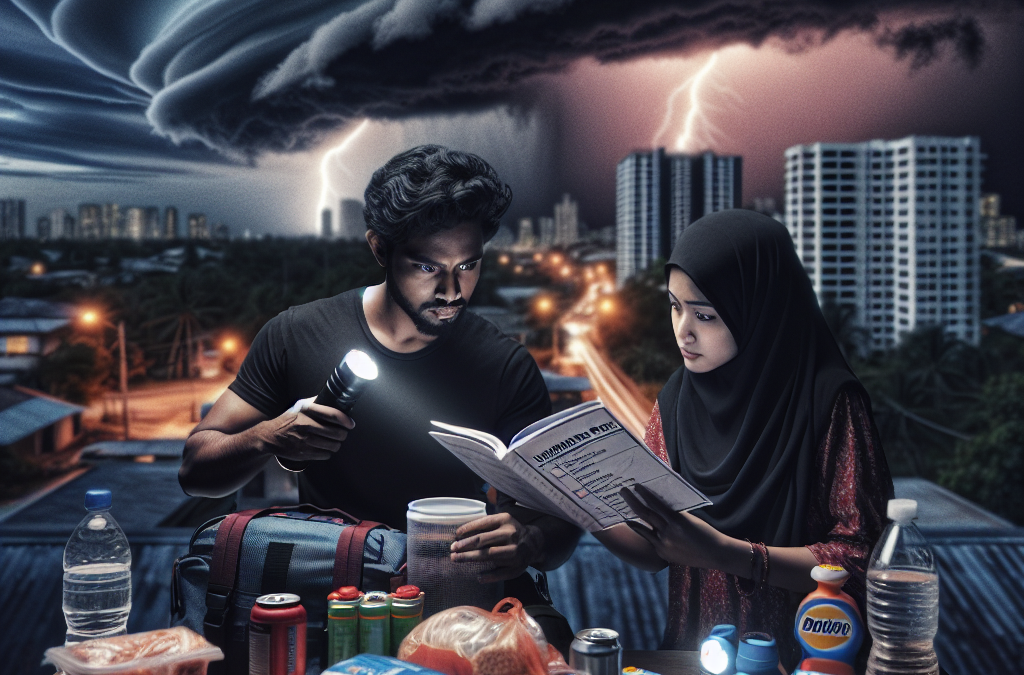
An emergency kit is one of those things you really don’t want to skimp on. Over the years, I’ve learned that having a go-bag packed with essentials makes all the difference when I’m caught out or have to leave suddenly. My kit includes things like water, non-perishable foods, a first aid kit, batteries, and a flashlight.
I always make sure to include personal hygiene items like wet wipes, toothpaste, and toilet paper. Trust me; when the power’s out and you’re living with the basics, those little comforts are HUGE.
Another tip? Think about how much you rely on your phone. I pack a portable charger and, even better, have a backup plan for charging – whether that’s a solar charger or a crank-powered device. As silly as it sounds, it makes me feel more secure that I can call for help or check in with family!
Emergency Supplies for Hurricanes
Water and Food Supplies
When I get ready for a hurricane, one of my top priorities is stocking up on supplies. Water is non-negotiable. I aim for at least a gallon per person, per day, for at least three days. Sounds like a lot? It is! But trust me, you don’t want to be running out during a storm.
Equally important is food. I usually go for things that have a long shelf life, like canned goods, protein bars, and dried fruit. My personal favorites for snacks are nuts; they’re filling and need no prep – bonus points! I also fill my pantry with things like pasta and rice. These items can last ages and are super versatile.
Don’t forget, I also prepare my cooking supplies! A camping stove or a good old charcoal grill can save the day if the power goes out for days. Having that along with grilling essentials, like charcoal and lighter fluid, means I can keep enjoying hot meals throughout the storm.
Emergency Power Supplies
When I think about hurricanes, I can’t help but consider how essential it is to have backup power options. Getting a generator is high on my priority list. These machines can be a bit pricey, but boy, are they worth it when the lights go out!
Put together a stash of fuel, but keep it stored safely, away from potential sparks. I’ve learned to replenish my supply before hurricane season – it’s one less thing to worry about once you’re into the thick of it.
Also, having candles and matches around gives me peace of mind. In the dim glow of candlelight, there’s nothing better than cozying up with my family while the storm rages outside. Just be safe and remember to keep them away from anything flammable, right?
Communication and First Aid Supplies
This is where staying connected comes into play. Pack a good first aid kit – I ensure mine is stocked with band-aids, antiseptics, and any medications that I or my family members need. You never know when you might need them!
For communication, I always pack a battery-powered or hand-crank radio. This can come in handy if the power and cell towers go out. It’s my lifeline to updates in the storm.
Also, make it a habit to check on your neighbor; team up with your community to ensure everyone is accounted for. It’s so much safer to weather the storm together than alone.
Hurricane Safety Tips
Staying Informed and Aware
For me, nothing beats staying informed when a hurricane is approaching. Using apps or NOAA alerts helps keep abreast of the storm’s path. I also follow local meteorologists on social media. You’d be surprised at how much they share; they’re like my storm advisors!
If a hurricane warning is issued, don’t wait too long to act. Get ready early! Last minute shopping or boarding up windows can become overwhelming if everyone has the same idea.
Another nugget of wisdom is to reinforce your home. Over the years, I’ve learned how crucial it is to secure windows and doors. Many hardware stores sell storm shutters or alternatives like plywood that can be a real lifesaver.
Evacuation Plans
If there’s one thing I’ve learned, it’s to take evacuation orders seriously. When I hear that siren, I know it’s time to go! Knowing your evacuation route ahead of time helps ease my anxiety. I double-check with friends to see where they’ll be heading; having your squad with you makes it less daunting.
If you have children or pets, practice your evacuation plan. Walk through it to ensure everyone understands where to go and what to grab. It sounds silly, but those practice runs help prepare everyone mentally and physically.
Keep an eye on road conditions. If a storm approaches, traffic can be insane. The goal is to get to safety – not become part of the traffic jam!
Post-Hurricane Safety Measures
Once the storm passes, and it’s all clear, be cautious when returning home. I’ve learned not to jump straight back in without checking for potential hazards. Downed power lines, broken glass, and other debris can create dangerous situations.
I also recommend using extreme caution when dealing with water. Flood waters can carry contamination, so wearing boots is smart. If water has come into contact with food or any supplies, toss them out.
Lastly, be patient with recovery efforts. It can take time for local services to restore power and water. Reaching out to neighbors can help maintain morale amid the chaos. It’s reassuring to know we’re all in it together!
What to Do During a Hurricane
Finding Shelter and Staying Inside
Should the need arise to ride out a storm at home, I make sure to find a safe space, ideally away from windows. When my family and I hunker down, we often set up in an interior room on the lowest level of our home. It provides some peace of mind knowing that the stronger winds are kept at bay.
We keep a battery-operated radio on hand to stay updated about the storm. Sitting with your loved ones and sharing stories during a hurricane does help ease the tension. It’s a chance to bond, even while the winds howl outside!
If the situation starts to become dangerous, don’t hesitate to reach out for help. Many communities set up public shelters, and utilizing them can provide a safer environment especially if you feel uncomfortable.
Listening to Emergency Updates
During the storm, I can’t stress how crucial it is to stay tuned in. Local news updates provide essential information about what’s happening outside. Often, they’ll also share advice on how to stay safe. I always feel a sense of reassurance when I’m well-informed.
Keep communication lines open with family and friends, too. Texts may not always come through, so be ready to switch to social media or check in with neighbors if needed. The community channel can sometimes feel more reliable than individual connections.
I’ve learned to keep my phone charged – and using a power bank is key in the middle of a storm. Knowing I can maintain contact gives me peace of mind.
Dealing with Stress and Anxiety
It’s normal to feel anxious during a hurricane, but I believe it’s essential to find ways to cope. I practice deep breathing techniques or engage with low-key activities like reading or listening to music. Staying calm ultimately helps everyone around me remain level-headed.
Discussing fears with family members can alleviate anxiety too. Sometimes, just voicing your concerns can lessen their grip on you. Comforting one another during the storm brings a sense of unity that can transform fear into solidarity.
Lastly, I remind myself that this storm will pass. Staying positive while preparing for what comes next serves as my anchor. Come through this together, and we’ll all emerge stronger on the other side.
FAQ
What should be included in my emergency kit for a hurricane?
Your kit should ideally include at least a gallon of water per person per day, non-perishable food items, a flashlight, batteries, a first aid kit, personal hygiene supplies, and any medications you and your family need.
How can I reinforce my home before a hurricane?
Secure windows and doors with storm shutters or plywood. Check for loose items in your yard that can become projectiles and store them away. You can also reinforce doors with deadbolt locks for added safety.
What are the signs that it’s no longer safe to stay at home during a hurricane?
If water starts to enter the home, if the wind is causing structural damage, or if you receive evacuation orders from local authorities, it’s time to leave. Your safety should always come first.
How can I support my community after a hurricane?
Check on neighbors, especially the elderly or families with young children. Participating in community clean-up efforts or donating to local relief funds helps too. Coming together is crucial after a disaster.
by Preparation Call Editorial Team | Apr 24, 2025 | Preparedness
7 Essential Items Every Emergency Kit Must Have
7 Essential Items Every Emergency Kit Must Have
Table of Contents
- Emergency Preparedness Supplies
- First Aid Basics
- Emergency Food and Water
- Communication Tools
Emergency Preparedness Supplies
Understanding the Importance of Preparedness
So, let’s dive into why having an emergency kit is just plain smart. We never really think about it until something happens, right? Life can throw curveballs at us, and being ready can make a world of difference. From natural disasters to unexpected outages, having supplies on hand gives us peace of mind.
In my experience, knowing that you have a stash of essentials ready to go is a comforting thought. Think of it as your own little insurance policy. When you’re prepared, you can face unexpected situations without panic. That sense of control is invaluable.
Plus, being prepared means you can actually help others who may not be as ready. That’s community building at its best; being that reliable person others can lean on in a crisis just feels good.
What to Include in Your Emergency Kit
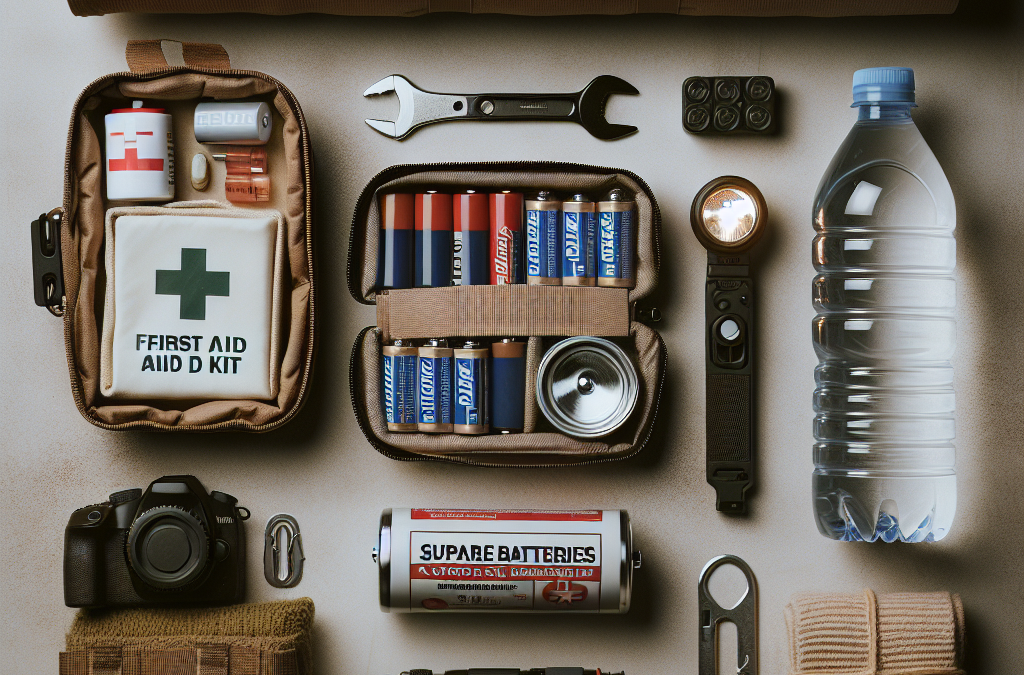
When setting up an emergency kit, start with the basics. You’re going to want items like a flashlight, whistle, dust mask, and personal sanitation supplies. These should be your non-negotiables. I always make sure I have at least one of each in my kit because you never know when you’ll need them.
It’s also wise to include a multi-tool or knife. Trust me when I say these come in handy more often than you’d think. Whether it’s opening a can or making some quick repairs, having a good tool around can save you a ton of hassle.
Lastly, don’t forget to pack some local maps! I know, we all have our phones, but believe me, when the power goes out, paper maps are golden. They can help navigate if you need to make a quick exit or find resources nearby.
First Aid Basics
Why First Aid Supplies are Crucial
Let’s talk first aid. Having a comprehensive first aid kit is essential; you really can’t afford to overlook this one. A scrape, cut, or even a headache can happen, and you want to be prepared to deal with the minor stuff without needing to run to the store.
Believe me, I’ve injured myself camping more times than I’d like to admit. A little boo-boo can only worsen if you don’t clean it properly. That’s why I always keep antiseptic wipes, adhesive bandages, sterile gauze, and some basic creams in my kit.
And for the icing on the cake, I like to throw in a first aid manual. You never know when you might need a refresher on how to handle a situation. Keeping one handy can save precious time in an emergency!
Building Your First Aid Kit
When building your first aid kit, it’s key to think of your specific needs. If you have allergies or medical conditions—like asthma or diabetes—make sure you pack the relevant supplies, including any necessary medications.
Don’t skimp on the tools, either! Pair your bandages with scissors for cutting tape and gauze. Plus, a pair of tweezers can help extract splinters or ticks, which is a real lifesaver in certain situations.
And hey, regularly check your kit to restock supplies that you’ve used. Nothing worse than finding outdated medication or expired supplies when you really need them, am I right?
Emergency Food and Water
The Necessity of Stocking Up on Essentials
Next up, let’s chat about food and water. In an emergency, it’s not just about staying unscathed; it’s about sustaining yourself too. Water is the most critical—without it, we can only last a few days.
I like to have at least a gallon of water per person per day stored up. It might sound like a lot, but it’s better to have extra than to find yourself thirsty and searching when you really need it.
When it comes to food, consider non-perishables. Think canned goods, protein bars, and freeze-dried meals. They have a longer shelf life and are super easy to prepare. You don’t want to be playing chef during an emergency, trust me!
Choosing the Right Food Supplies
When selecting food, remember to consider dietary restrictions of anyone in your household. If someone has allergies or specific diets, ensure you have adequate options that are safe for them. I tend to stock up on a variety—something sweet, something savory—and a few comfort foods as well. It makes a tough situation a little more bearable.
Also, be mindful of how food is packaged. You want items that are easy to transport and won’t take up too much space in your kit. And don’t forget a manual can opener if you’re loading up on cans!
Lastly, always keep track of expiration dates. Rotate inventory regularly, so you’re always stocked with fresh supplies. Nobody wants a tin of 5-year-old beans when hunger strikes!
Communication Tools
Staying Connected When It Matters Most
Lastly, communication is crucial during emergencies. Relying solely on your phone isn’t the best plan, so it’s critical to have additional tools. A battery-operated or hand-crank emergency radio can keep you updated on weather alerts or emergency information.
I can’t stress enough how important it is to have backup options. When the power goes out, you need ways to receive important announcements about what’s happening in your area.
Also, consider investing in walkie-talkies. They’re not just for kids! I’ve found them to be super effective for family communication, especially if you’re separated during an emergency.
What Information to Keep Updated
Now, let’s not forget about keeping important numbers handy. Write down emergency contacts, local emergency services, and any relevant numbers. Make sure everyone in your family has a copy of this list. It’s a small step that could save you precious minutes in an emergency.
Having a plan in case of emergencies also brings clarity. Decide ahead of time where to meet if you get separated and talk about how you’ll communicate. Clear communication reduces anxiety during chaotic times.
Lastly, take some time to educate your family members about your emergency plan. Familiarity breeds confidence, which is super crucial when dealing with emergency scenarios!
Frequently Asked Questions
What should be the first step in putting together an emergency kit?
The first step is to assess your needs based on your location, family size, and specific circumstances. Start with basic essentials like food, water, first aid, and communication tools. Then build out from there!
How often should I check the supplies in my emergency kit?
You should check your emergency kit at least twice a year. It’s great to do this during daylight savings; that way, you can ensure that everything is up to date, organized, and ready to go when you need it!
What are some good food options for an emergency kit?
Non-perishable items are key! Consider canned goods, dry grains, peanut butter, and energy or protein bars. Freeze-dried meals are also an excellent option if you want something that’s light and easy to prepare.
Where is the best place to store an emergency kit?
The best place to store your emergency kit is somewhere that’s easily accessible but also safe from potential hazards. A closet or pantry works well, just ensure it’s not subject to flooding or extreme heat! You want to find a spot where you can get to it quickly when the time comes.
by Preparation Call Editorial Team | Apr 24, 2025 | Preparedness
Disaster preparedness is an essential aspect of ensuring the safety and well-being of you and your loved ones. A disaster can strike at any time, leaving devastation in its wake. Being ready for a disaster can make all the difference between life and death. In this blog post, we will discuss five essential steps to disaster preparedness that will help ensure you are ready when disaster strikes.
Step 1: Create an Emergency Plan
The first step to disaster preparedness is creating an emergency plan. This includes identifying potential risks in your area, such as hurricanes, earthquakes, or wildfires, and developing a plan for how to respond to each one. Your emergency plan should include evacuation routes, safe meeting places, and contact information for family members and friends. It’s also important to have a plan for pets and other animals.
Step 2: Build a Disaster Kit
Building a disaster kit is another crucial component of disaster preparedness. Your disaster kit should contain supplies that will last for at least three days, including food, water, flashlights, batteries, first aid supplies, and extra clothing. It’s also a good idea to include items like cash, identification documents, and copies of important papers in case you need to evacuate quickly.
Step 3: Stay Informed
Staying informed about potential disasters is critical to being prepared. Make sure you stay up-to-date on weather reports and news updates related to natural disasters. Sign up for local alert systems, such as text message notifications or email alerts, so you know what’s happening in real-time.
Step 4: Protect Your Property
Protecting your property from damage during a disaster is also essential. Take measures to secure loose outdoor furniture, trim trees and shrubs, and install storm shutters or impact-resistant windows. Consider investing in flood insurance if you live in a high-risk area.
Step 5: Practice and Review Your Plan
In summary, practicing and reviewing your disaster plan regularly is key to ensuring everyone knows what to do in the event of a disaster. Conduct regular drills with your family, practice evacuating different routes, and review your emergency contacts to ensure they are still accurate.
All in all, disaster preparedness is not something to take lightly. By following these five essential steps, you can increase your chances of surviving a disaster and protect yourself and your loved ones from harm. Remember, being prepared is the best way to ensure your safety and well-being in times of crisis.
by Preparation Call Editorial Team | Apr 24, 2025 | Preparedness
What Experts Won’t Tell You About Disaster Preparedness
What Experts Won’t Tell You About Disaster Preparedness
When it comes to disaster preparedness, a lot of us tend to focus on the basics: food, water, and first aid kits. But there’s a whole lot more that those experts often gloss over. Here are the top four semantic keyword phrases I’ve found that get to the heart of what you really need to know:
- Practical disaster planning
- Essential emergency supplies
- Psychological readiness for emergencies
- Community support and preparedness
Practical Disaster Planning
Understanding Your Risks
First off, I can’t stress enough how critical it is to assess what types of disasters are likely in your area. I’ve had friends who’ve lived through earthquakes, floods, and hurricanes, and the preparation really varies. So grab a pen and paper, and jot down the natural disasters you might face.
Once you know your risks, think about how you’d respond. What would you do if an earthquake hit while you were at work? How would you get to your family? This kind of scenario planning can help you visualize your response.
Being proactive saves you from that last-minute panic when an emergency strikes. And believe me, you don’t want to be that person fumbling for a plan when you should be acting.
Creating an Action Plan
Now that you understand your risks, it’s time to create a solid action plan. This should include escape routes, meeting points, and important contact numbers. I always recommend having this plan not just in your head but written out and easily accessible.
I also suggest involving every member of your household when creating this plan. Not only does it ensure everyone knows what to do, but it also builds confidence. Having simple drills at home can make a world of difference when the real deal happens.
Believe me, thinking through these steps together can create a sense of unity and make you all feel more secure about what’s to come.
Regularly Reviewing Your Plan
One of the biggest mistakes I see people make is setting a plan in place and never looking at it again. Life changes, situations change, and so should your plan. I like to review mine every six months or so—just a quick sit-down to update any changes in contact info or new challenges we’ve identified.
And don’t forget to involve your kids! Make it a fun family night where you go over the plan and even make some improvements together. They’ll remember it better if you all take part.
Regular reviews help everyone stay engaged and aware. Plus, it gives you a chance to recharge your preparedness vibes!
Essential Emergency Supplies
What to Stock Up On
When I started prepping, I was overwhelmed with the lists of supplies out there. Instead of going crazy with a long list, I focused on essentials first. Think food, water, medications, and first aid supplies. Start with enough to get your family through at least 72 hours.
Don’t overlook basics like batteries, personal hygiene products, and, importantly, a manual can opener. I mean, what’s the point of having a stash of food if you can’t open it? It’s the little details that trip you up.
Gathering these supplies can be a fun family project. Go shopping together and talk about each item’s importance. It builds understanding and everyone learns about preparedness in the process.
Storage Tips for Your Supplies
Once you have your supplies, you need to store them wisely. I suggest keeping your emergency supplies in a chill, dry area. And make sure they’re clearly labeled! Trust me, when panic sets in, you don’t want to waste time digging through stuff.
Consider using clear bins or vacuum-sealing items like food to prolong their lifespan. I’ve had a few items surprise me when I opened them years later, and they were just fine!
And don’t forget to include things that cater to individual needs—like baby formula, pet food, or special medications. Tailoring your storage to your household ensures that everyone’s needs are met.
Rotating Your Stock
One common mistake I’ve made? Forgetting to rotate supplies. It’s a bummer to pull out a can of soup that’s three years past its expiration date! To combat this, I create a little system and check everything out every three months.
When you bring in new items, try to place them at the back of the shelf. This way, you’re always using the older stuff first, keeping waste low and freshness high.
It might sound like a chore, but once you get into a routine, it becomes second nature. Plus, you can always treat yourself to a little meal made from those stocked goodies every so often! Yum.
Psychological Readiness for Emergencies
Understanding the Stress Response
When a disaster hits, our minds often jump to fight or flight mode. It’s essential to acknowledge that feeling. I went through a tough hurricane season, and the stress was real. Recognizing how stress affects us can help develop coping techniques.
Take it from me—breathing exercises and mindfulness really make a difference. When you feel prepared, your stress levels dip dramatically. This awareness of the psychological side of prepping is something professionals often skip.
Write down your feelings and thoughts; it can provide clarity and help you develop strategies to manage stress during emergencies.
Building Resilience
Part of being in a good mental space is building resilience. Life is unpredictable, so learning how to adapt is a crucial skill. I try to see challenges as opportunities to grow, so they don’t feel insurmountable.
Talk to friends or family about past experiences. Sharing stories of resilience helps you visualize your own abilities and fortifies your mindset for future challenges.
Diving into local community resources or even self-help material can create a safety net for you. It’s empowering to know you have support when things get tough!
Practicing Mindfulness
You’d be surprised how effective mindfulness can be in prepping. For instance, taking a few minutes daily to visualize how you’d respond to a disaster can build confidence. Walk through scenarios in your mind; picturing yourself handling situations helps anchor your reactions.
Mindfulness doesn’t just prepare you mentally; it also fosters emotional agility. During stressful periods, remember to breathe and keep a clear head. Supporters will appreciate calmness, which can help keep everyone grounded.
So go ahead and give mindfulness a go! It’s simple, and the benefits are honestly huge.
Community Support and Preparedness
Connecting with Neighbors
One aspect I didn’t pay enough attention to was the power of community. Building relationships with your neighbors can be invaluable during emergencies. Start small—say hello, share tips, or even organize a neighborhood preparedness meeting.
These connections create a support system that benefits everyone. During one storm where I lived, my neighbors all pitched in to check on each other, and it was heartwarming to see that sense of camaraderie.
Even having a buddy system set up can lighten your load. If something happens to you, knowing that someone has your back (and vice versa) can bring immense peace of mind.
Participating in Community Drills
Don’t underestimate the power of practice! Many local organizations hold disaster preparedness drills. Participating helps reinforce skills and build trust within the community. Plus, it’s a fantastic way to build genuine friendships.
My first drill was a real eye-opener! It uncovered gaps in my own prep and highlighted strengths in others. The learning experience was, quite frankly, priceless.
So when your local fire department or emergency services put on a drill, jump at the chance! It could be a life-saver. Literally.
Creating a Community Preparedness Plan
Once you have support and connections, consider crafting a community emergency plan. This collaborative approach allows you to identify resources, share supplies, and develop an organized strategy. No sense going it alone—you can accomplish so much more together!
Make sure roles and responsibilities are clear. If something happens, it’ll be a relief knowing your neighbors will step up in a designated way. Everyone’s efforts contribute to a much larger safety net.
In my experience, when neighbors band together, it creates a spirit of resilience that can withstand the toughest storms.
FAQs
What should be included in a basic emergency kit?
A basic emergency kit should include items like non-perishable food, bottled water, first aid supplies, flashlights with batteries, a multi-tool, personal hygiene items, and medications. Don’t forget local emergency contact information!
How often should I review my disaster plan?
I recommend reviewing your disaster plan at least every six months or whenever there are significant changes in your household or community. Keeping it fresh in your mind is super important!
What is the best way to prepare my kids for emergencies?
Engaging your kids in emergency preparedness is crucial. Include them in planning, practice drills, and discussions about what to do in various scenarios. Keeping it fun and educational ensures they’re more likely to remember!
Can community support really make a difference during a disaster?
Absolutely! Community support can provide emotional backing and practical assistance during tough times. Having neighbors looking out for one another helps everyone feel more secure and prepared to handle emergencies together.
by Preparation Call Editorial Team | Apr 23, 2025 | Preparedness
Introduction to Emergency Preparedness
Being prepared for an emergency can help you and your family stay safe and informed in the event of a disaster. It’s essential to have a plan in place that includes building a disaster kit, staying informed during an emergency, practicing your emergency plan, and knowing what steps to take before, during, and after an emergency situation occurs. In this blog post, we will cover everything you need to know about emergency preparedness so you can be ready when it matters most.
Creating an Emergency Plan
The first step in emergency preparedness is creating an emergency plan. This should include identifying potential risks or hazards in your area, such as natural disasters like hurricanes, earthquakes, floods, wildfires, etc., and developing a strategy on how to respond to each one. Your emergency plan should also include evacuation routes, meeting places, and contact information for all family members. Make sure everyone knows what their role is in case of an emergency, including children and elderly family members. Practice your emergency plan regularly with drills and exercises to ensure everyone is familiar with their responsibilities.
Building a Disaster Kit
A disaster kit is crucial to ensuring you and your family are equipped to handle any emergency situation. A basic disaster kit should contain supplies such as water, non-perishable food items, flashlights, batteries, first aid kits, medications, extra clothing, blankets, and important documents (such as passports, birth certificates, insurance policies). Consider adding additional items based on specific needs, such as pet supplies if you have pets, or baby formula and diapers if you have young children. Remember to check your disaster kit regularly to make sure expiration dates haven’t passed and to restock any necessary items.
Staying Informed During an Emergency
During an emergency, it’s critical to stay informed by monitoring local news sources and weather reports. Keep a battery-powered radio handy to listen to updates from authorities and emergency services. If possible, sign up for alert systems through your community’s emergency management agency or download apps that provide real-time notifications of severe weather events. Follow social media accounts of trusted organizations and government agencies to receive timely updates and instructions.
Practicing and Maintaining Your Emergency Plan
Regular practice and maintenance of your emergency plan are key to ensuring its effectiveness. Conduct regular drills and exercises with your family to test your response times and identify areas where improvements may be needed. Update your emergency plan periodically to reflect changes in circumstances, such as new additions to the family or relocation to a different region. In closing, don’t forget to review and update your disaster kit contents regularly to ensure they remain useful and effective in the event of an emergency.
Conclusion
Ultimately, being prepared for an emergency requires planning, building a disaster kit, staying informed during an emergency, practicing and maintaining your emergency plan, and taking appropriate actions before, during, and after an emergency situation arises. By following these guidelines, you can help keep yourself and your loved ones safe and informed in the face of unforeseen circumstances.